
The Mystique of Ashoka: Legends and Historical Facts


Welcome to Ancient India History, your gateway to uncovering the rich tapestry of civilizations that shaped the Indian subcontinent. In our exploration today, we delve into the enthralling history of Ashoka the Great, a ruler whose legacy transcends time and continues to inspire. As we unravel the mystique of Ashoka, discover both the legendary tales and the historical facts that define this remarkable figure.
Join us on this journey and ignite your curiosity—what secrets lie behind the edicts of this ancient emperor? Read on to unlock the profound impact of Ashoka on the world and his enduring significance in history.
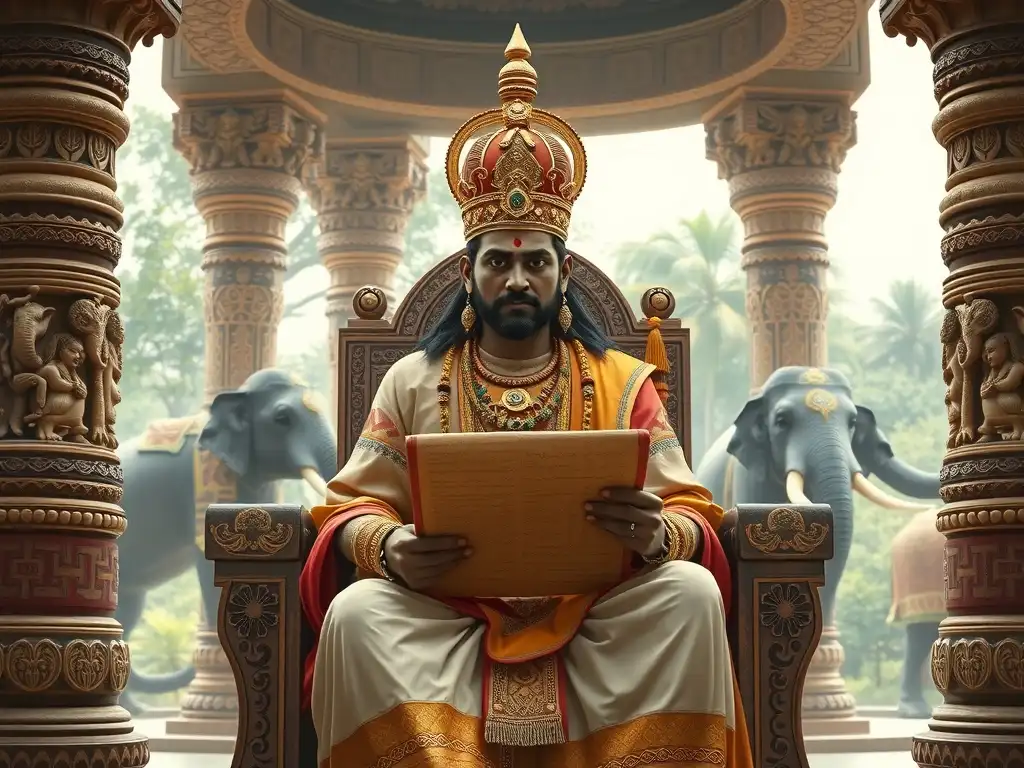
Introduction to Ashoka the Great History
Ashoka the Great, a name that resonates through the annals of history, represents a pivotal figure in ancient India whose reign marked a transformative period for the Indian subcontinent. His legacy is woven with tales of valor, governance, and profound spiritual awakening, making him not only a ruler but also a symbol of peace and enlightenment.
Born into the Mauryan dynasty around 304 BCE, Ashoka ascended to the throne after a tumultuous period filled with rivalry and conflict. However, it was after witnessing the horrors of war, particularly during the Kalinga War, that he underwent a profound transformation, leading him to embrace Buddhism and promote the principles of non-violence and compassion across his empire.
The history of Ashoka is not merely a recounting of dates and events; it is a tapestry rich in culture, philosophy, and governance that continues to influence modern thought. His edicts, inscribed on pillars and rocks across his empire, echo his commitment to justice and morality, serving as a guide for generations to come. This article aims to delve into the intricate layers of Ashoka's life, exploring both the legends that surround him and the historical facts that define his reign.
Overview of Ashoka’s Significance in Ancient India
Ashoka's significance extends beyond his political achievements; he is a beacon of ethical leadership in a time often characterized by strife and cruelty. As the third Mauryan emperor, he played a crucial role in the consolidation of one of the largest empires in ancient India, stretching from present-day Afghanistan to Bangladesh. His policies fostered economic prosperity, enhanced trade routes, and facilitated cultural exchanges that enriched the Indian civilization.
Moreover, Ashoka’s conversion to Buddhism and his efforts to disseminate its teachings marked a monumental shift in the socio-religious landscape of India. By promoting the principles of Dharma, or righteous conduct, he sought to establish a society grounded in moral values, contrasting sharply with the violent conquests that typified his early reign. His legacy is evident not only in historical texts but also in the enduring influence of his edicts, which remain a testament to his vision of a just and compassionate society.
Purpose of This Article: Exploring Legends and Facts
This article seeks to unravel the mystique surrounding Ashoka the Great by examining both the legends that have emerged about his life and the historical facts that ground his legacy. Through an in-depth exploration, we aim to clarify misconceptions and highlight the complexity of his character and governance. By juxtaposing myth and reality, we will endeavor to present a holistic view of Ashoka’s contributions to ancient Indian history.
The Historical Context of Ashoka the Great
The Mauryan Empire: A Brief Background
The Mauryan Empire, founded by Chandragupta Maurya in the 4th century BCE, was one of the first large-scale empires in India. It marked a significant shift towards centralized governance and administrative sophistication. The empire reached its zenith during Ashoka's reign, characterized by a well-structured bureaucracy and a vast network of roads that facilitated trade and communication.
The Mauryan Empire was also notable for its cultural and religious diversity, which set the stage for Ashoka's later policies promoting tolerance and respect for various beliefs. This rich backdrop of political ambition and cultural dynamism provided Ashoka with both the challenges and opportunities that shaped his legacy.
Ashoka’s Ascension to Power: Key Events
Ashoka’s path to power was marked by significant events that would define his rule. Following the death of his father, Bindusara, Ashoka faced intense competition from his brothers for the throne. His eventual ascension was not just a result of his lineage but also his military prowess and strategic acumen.
One of the turning points in Ashoka's life was the Kalinga War, fought around 261 BCE. The brutal conflict, which resulted in immense loss of life and suffering, served as a catalyst for Ashoka’s transformation. The sight of the devastation led him to renounce violence, adopting Buddhism and vowing to rule with compassion and justice.
The Time Period of Ashoka’s Reign
Ashoka ruled from approximately 268 BCE to 232 BCE, a period often regarded as a golden age for the Mauryan Empire. His reign was characterized by extensive territorial expansion, yet paradoxically, it was also a time of profound introspection and advocacy for non-violence. The edicts he issued during this time laid the groundwork for a new moral framework that prioritized ethical governance over mere conquest.
This unique juxtaposition of military might and philosophical depth makes Ashoka a compelling study in leadership, illustrating how personal experiences can profoundly shape public policy and national identity. The exploration of Ashoka's historical context not only sheds light on his actions but also invites reflection on the enduring relevance of his principles in today's world.
Key Contributions of Ashoka the Great
Ashoka the Great, who ruled from 268 to 232 BCE, is celebrated for his profound impact on Indian history, particularly through his contributions to governance, religion, and culture. His reign marked a significant transition from a militaristic approach to governance to one characterized by peace and moral responsibility. Ashoka's commitment to dharma (moral law) led to several key contributions that shaped not only his empire but also laid the foundation for future generations.
Ashoka’s Role in Spreading Buddhism
One of Ashoka's most notable contributions was the promotion of Buddhism. After witnessing the devastation of the Kalinga War, he embraced the principles of non-violence and compassion that Buddhism advocates. Ashoka became a patron of Buddhism, facilitating its spread both within and beyond the Indian subcontinent. He sent missionaries to various regions, including Sri Lanka and Central Asia, which significantly contributed to the establishment of Buddhist communities across these areas. His efforts not only helped in propagating Buddhist teachings but also fostered cultural exchanges that enriched the societies involved.
Edicts of Ashoka: A Legacy of Governance
The Edicts of Ashoka are a collection of inscriptions on pillars and rocks throughout his empire, conveying his governance philosophy. These edicts emphasize moral virtues, such as truthfulness, compassion, and respect for all living beings. They also address various aspects of governance, including welfare measures for citizens, the importance of non-violence, and the promotion of social harmony. The edicts serve as one of the earliest examples of written communication from a ruler to his subjects and are significant historical documents that provide insight into Ashoka's administration and the values he championed.
Contributions to Art and Architecture
Ashoka's reign was also marked by remarkable advancements in art and architecture. He commissioned the construction of stupas, monastic complexes, and pillars that became architectural masterpieces. The most famous of these is the Sanchi Stupa, a UNESCO World Heritage Site, which exemplifies the intricate artistry and architectural prowess of the time. Ashoka's pillars, adorned with intricate carvings and inscriptions, not only served as religious symbols but also as markers of his commitment to Buddhism and the spread of its teachings. The artistic legacy of Ashoka's era has had a lasting influence on Indian culture and architecture.
Legends Surrounding Ashoka the Great
The life of Ashoka is shrouded in legends and anecdotes that have contributed to his mystique. These tales, often blending historical facts with mythological elements, illustrate the complexities of his character and reign. They reveal how Ashoka's image transcended time, becoming a symbol of peace, wisdom, and justice.
The Legend of Ashoka’s Transformation
One of the most enduring legends about Ashoka is his dramatic transformation from a ruthless conqueror to a benevolent ruler. According to popular lore, the catalyst for this change was the profound guilt he felt after the Kalinga War, which resulted in massive loss of life and suffering. This transformation is often depicted as a spiritual awakening, where Ashoka, inspired by the teachings of Buddhism, dedicated his life to the principles of non-violence and compassion. This legendary narrative underscores the moral and ethical dimensions of his rule, highlighting the potential for change within individuals.
The Stories of Ashoka and the Kalinga War
The Kalinga War is a pivotal event not only in Ashoka's life but also in the collective memory of India. Legends surrounding this war emphasize its brutal nature and the profound impact it had on Ashoka. It is said that after witnessing the aftermath of the conflict—grief-stricken families, bloodshed, and devastation—he renounced violence and sought to promote peace.
The stories often recount how Ashoka's remorse led to his commitment to dharma and the spread of Buddhism, marking a fundamental shift in his governance. This narrative serves as a powerful reminder of the consequences of war and the importance of compassion.
Folklore and Myths Related to Ashoka
In addition to the well-documented historical aspects of Ashoka's reign, numerous folklore and myths have emerged over the centuries, enriching the cultural landscape surrounding his legacy. These stories often depict Ashoka as a wise and just ruler, revered for his fairness and commitment to his subjects.
Some tales narrate miraculous events associated with his reign, such as the divine approval of his policies or encounters with enlightened beings. These myths not only celebrate Ashoka's virtues but also reflect the values and aspirations of the societies that have revered him through the ages, demonstrating the enduring significance of his legacy in the cultural consciousness of India.
Historical Facts About Ashoka’s Life
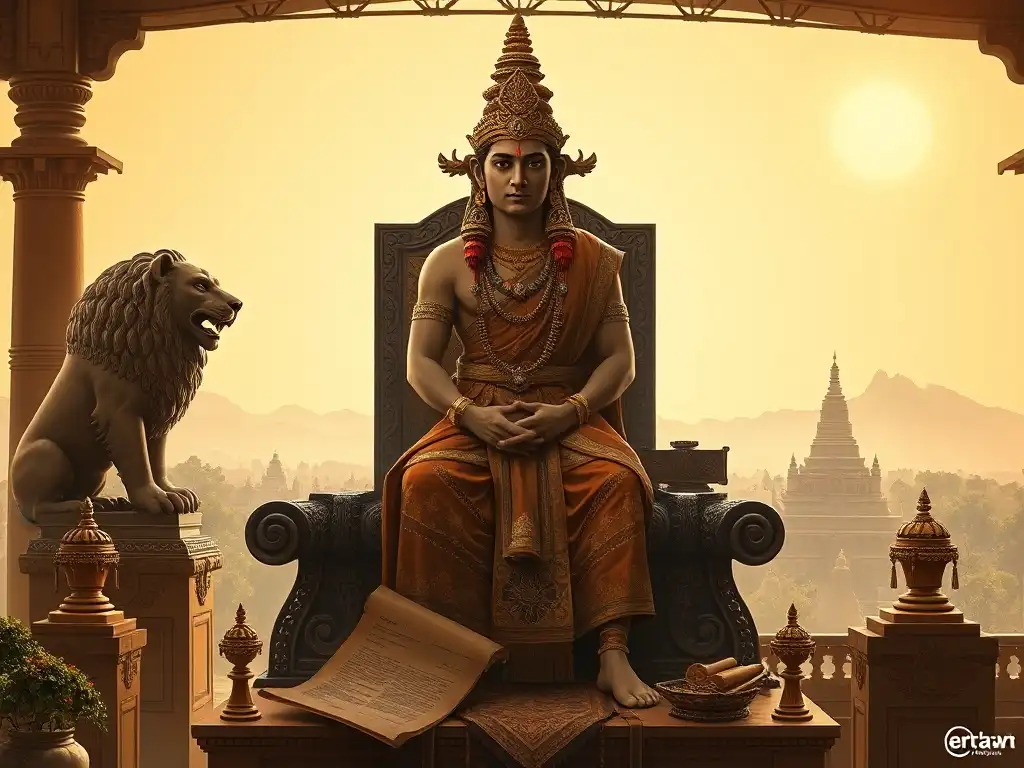
Ashoka the Great, one of the most celebrated emperors of ancient India, ruled from approximately 268 to 232 BCE. His reign marked a significant turning point in Indian history, characterized by the spread of Buddhism and a commitment to non-violence and welfare. Ashoka was the third emperor of the Maurya Dynasty and is often recognized for his efforts in promoting peace and prosperity throughout his vast empire, which stretched from present-day Afghanistan to Bangladesh.
Birth and Early Life of Ashoka
Ashoka was born into the Mauryan dynasty, likely around 304 BCE, to Emperor Bindusara and Queen Dharma. According to historical texts, he was born in Pataliputra, the capital of the Mauryan Empire. His early life was marked by a competitive environment, with several siblings vying for the throne, which may have influenced his later political strategies.
As a young prince, Ashoka received extensive education in various subjects, including military strategies, governance, and philosophy. His early experiences in the royal court shaped his worldview, which would later transform from one of conquest to one of compassion after his conversion to Buddhism.
Major Battles and Political Strategies
Ashoka’s rise to power was marked by significant military campaigns, the most notable being the Kalinga War around 262-261 BCE. This conflict against the powerful Kalinga kingdom was fierce and resulted in massive casualties. The devastation caused by this war served as a catalyst for Ashoka’s transformation.
Prior to this change, Ashoka employed a range of political strategies to consolidate his power, including forming alliances, strategic marriages, and military conquests. His administration was characterized by effective governance, with the establishment of a centralized bureaucratic system that ensured his edicts and policies were implemented across his vast empire.
Ashoka’s Conversion to Buddhism: Historical Accounts
Historical accounts suggest that Ashoka's conversion to Buddhism occurred after the Kalinga War, where he witnessed the suffering and devastation caused by his military actions. This turning point is often cited in Buddhist texts and inscriptions, which describe his deep remorse and desire for a more peaceful existence.
Following his conversion, Ashoka became a fervent supporter of Buddhism, promoting its teachings across his empire. He established monasteries, sponsored missionary activities, and even sent envoys to various regions, including Sri Lanka, to spread the Buddhist faith. His edicts, inscribed on pillars and rocks throughout the empire, emphasized moral conduct, compassion, and non-violence, reflecting his commitment to the principles of Buddhism.
The Impact of Ashoka’s Reign on Ancient India
Ashoka's reign had a profound and lasting impact on ancient India, shaping not only its religious landscape but also its social and cultural fabric. His policies and reforms fostered an environment conducive to the growth of Buddhism and influenced subsequent generations of rulers and thinkers.
Social Reforms and Their Significance
Ashoka implemented numerous social reforms aimed at improving the welfare of his subjects. He established hospitals for humans and animals, promoted vegetarianism, and advocated for the protection of wildlife. His edicts encouraged moral and ethical behavior, urging people to practice compassion and tolerance.
These reforms were significant as they represented a shift from traditional governance focused on conquest and power to a more humane approach centered on the well-being of the populace. Ashoka's vision of a just society laid the groundwork for future social policies in India, emphasizing harmony and coexistence.
Ashoka’s Influence on Future Indian Rulers
Ashoka's legacy had a lasting influence on future Indian rulers, who often looked to his reign as a model of enlightened governance. His emphasis on dharma (moral law) and non-violence inspired subsequent dynasties, including the Gupta Empire, which adopted similar principles in their rule.
Moreover, Ashoka’s integration of Buddhist principles into governance set a precedent for the role of religion in state affairs. Rulers such as Harsha and later Mughal emperors drew upon Ashoka’s legacy to legitimize their authority and promote a culture of religious tolerance.
The Role of Ashoka in Cultural Exchange
Ashoka played a crucial role in cultural exchange during his reign. His promotion of Buddhism facilitated interactions with various cultures across Asia, particularly through the establishment of trade routes and diplomatic relations. The spread of Buddhist art and architecture, as well as the translation of texts, contributed to a rich tapestry of cultural exchange.
His edicts, which were inscribed in multiple languages, exemplified a commitment to communication and understanding among diverse populations. This exchange enriched the cultural landscape of ancient India and influenced neighboring regions, paving the way for a shared heritage that transcended geographical boundaries.
The Mystique of Ashoka: Combining Legends and Facts
Ashoka the Great, known for his transformative reign during the Maurya Dynasty, is a figure shrouded in a blend of historical fact and captivating legend. His life and rule are often depicted through a lens that merges the extraordinary with the plausible, leading to a mystique that has persisted through centuries. As the third Mauryan emperor, Ashoka’s legacy extends beyond mere governance; he is celebrated for his role in spreading Buddhism and promoting social welfare. This melding of reality and myth raises intriguing questions about how we perceive his historical significance and influence.
The legends surrounding Ashoka often focus on his dramatic transformation from a ruthless conqueror to a benevolent ruler. Key events, such as the Kalinga War, play a central role in this narrative, highlighting the profound impact of war on his spiritual awakening. Many stories attribute miraculous qualities to him, emphasizing his divinely inspired leadership. However, it is essential to sift through these embellishments to uncover the concrete achievements and policies that defined his reign, such as the establishment of dharma and the promotion of non-violence.
Analyzing the Intersection of Myth and Reality
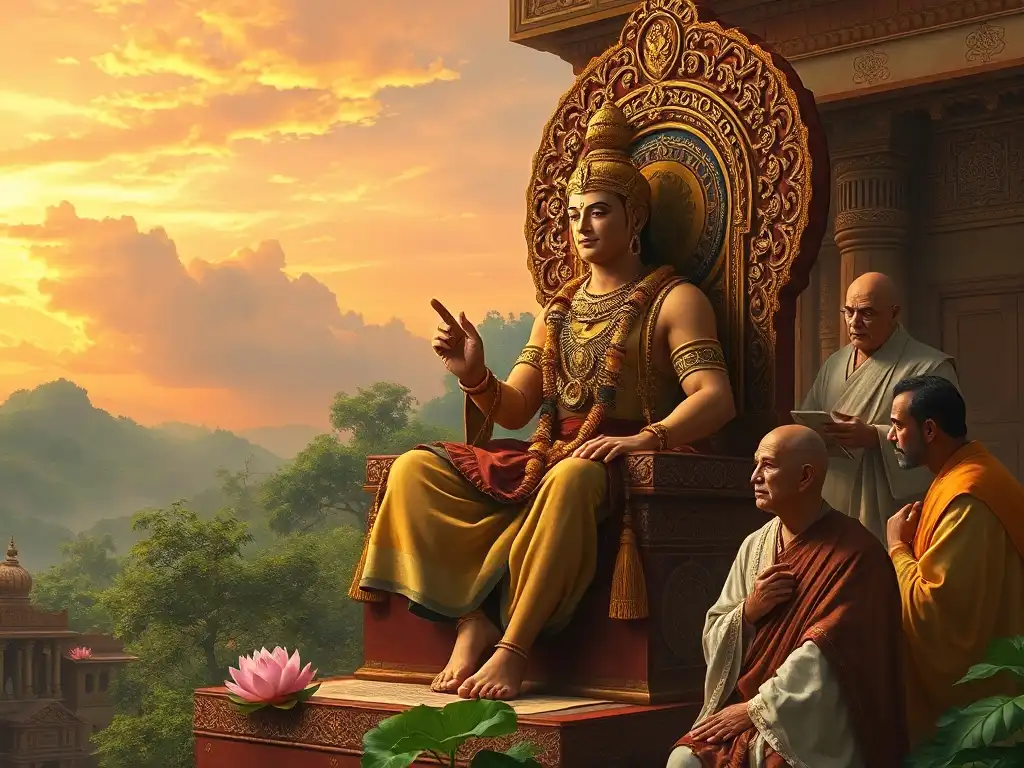
The intersection of myth and reality in Ashoka's narrative serves as a fascinating study of how history is often romanticized. Historical texts, like the Edicts of Ashoka, provide a glimpse into his philosophies and administrative practices, but these are often interspersed with legends that enhance his persona. For instance, accounts of Ashoka’s unwavering commitment to Buddhism after the Kalinga War portray him as a saintly figure, yet these accounts sometimes overshadow the pragmatic aspects of his rule, including economic reforms and infrastructure development.
Scholars often analyze this interplay to understand how myths serve to inspire and educate. The legends of Ashoka not only offer moral lessons but also reflect the values and aspirations of the era in which they were told. By examining both the factual records and the embellishments, historians gain a more nuanced understanding of Ashoka's role in shaping ancient Indian society.
How Legends Shape Our Understanding of Ashoka
Legends surrounding Ashoka significantly influence contemporary perceptions of his character and the ideals he represented. These narratives often depict him as an archetype of virtue and compassion, setting a standard for future leaders. For instance, the portrayal of his support for the propagation of Buddhist teachings highlights his commitment to moral governance, resonating with modern ideals of peace and social responsibility.
Additionally, legends serve to solidify Ashoka's status as a cultural symbol, transcending his historical context. The story of his conversion to Buddhism, often depicted as a pivotal moment in his life, not only illustrates personal transformation but also symbolizes a broader shift in Indian society towards ethical governance and spiritual enlightenment. Such legends create a framework within which Ashoka's historical impact is assessed, often emphasizing the moral dimensions of his legacy over the political realities of his rule.
Conclusion: The Enduring Legacy of Ashoka the Great
The legacy of Ashoka the Great endures in the collective memory of India and beyond. His policies and philosophies laid the groundwork for the development of a more humane and ethical approach to governance, setting him apart from many of his contemporaries. Ashoka's commitment to dharma and the promotion of welfare through the establishment of public works and health systems have left a lasting imprint on Indian society. His edicts, inscribed on pillars and rocks across the subcontinent, continue to be a source of inspiration and reflection on moral leadership.
Reflections on Ashoka’s Influence in Modern Times
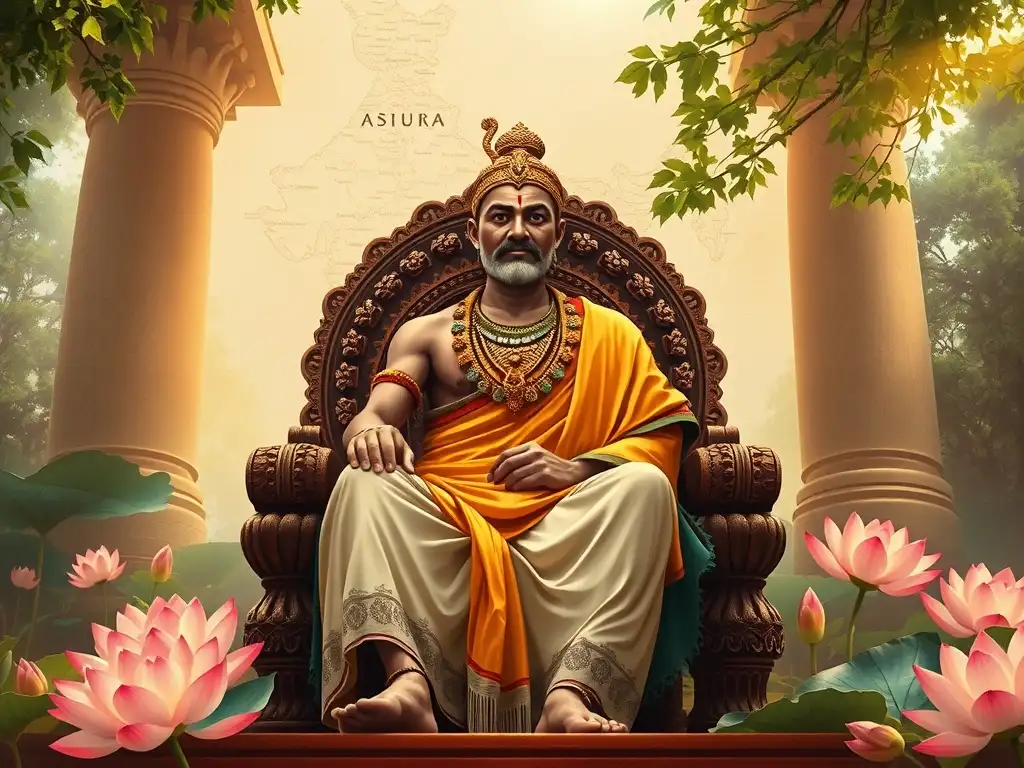
In modern times, Ashoka's influence transcends historical boundaries, resonating with contemporary issues of governance, ethics, and social justice. His advocacy for non-violence and tolerance is particularly relevant in today's world, where conflicts often stem from religious and cultural differences. The principles of dharma, as articulated by Ashoka, continue to inspire movements advocating for peace and reconciliation.
Moreover, Ashoka's legacy is frequently invoked in discussions about leadership and responsibility. Leaders across various sectors look to his example as a model for integrating ethical considerations into governance, fostering a sense of accountability towards the populace. This enduring relevance showcases the powerful legacy Ashoka has crafted through both historical achievements and the legends that envelop them.
Final Thoughts on Ashoka the Great History
Ashoka the Great's history is a rich tapestry woven with threads of fact and legend that together create a compelling narrative of one of ancient India's most significant rulers. While the legends contribute to the mystique surrounding his persona, it is the historical evidence of his policies and reforms that truly encapsulate his legacy. The duality of his character—as a fierce warrior turned compassionate ruler—offers profound insights into the complexities of leadership and governance.
As we reflect on Ashoka's life and legacy, it becomes clear that his contributions extend far beyond his time. The lessons derived from his reign continue to inform our understanding of ethical leadership and social responsibility, making Ashoka not just a figure of ancient history but a beacon for future generations. The exploration of Ashoka the Great's history underscores the importance of recognizing both the historical truths and the myths that shape our understanding of influential figures in history.
Additional Resources for Further Exploration
To deepen your understanding of Ashoka the Great and his significant impact on ancient Indian history, a variety of resources are available. These include insightful books, scholarly articles, and engaging documentaries. Below, we present carefully curated recommendations to aid your exploration of Ashoka's life, reign, and legacy.
Recommended Books and Articles on Ashoka
-
"Ashoka: The Search for India's Lost Emperor" by Charles Allen
This book offers a comprehensive account of Ashoka's life, examining both historical facts and the legends that have grown around him. Allen's narrative is engaging and accessible, making it suitable for both casual readers and serious historians.
-
"Ashoka the Great" by Romila Thapar
Renowned historian Romila Thapar provides a critical exploration of Ashoka's policies and their implications for Indian society. This book delves into Ashoka's transformation after the Kalinga War and his embrace of Buddhism.
-
"The Edicts of Ashoka" by N. R. Ray
This text presents a translation and analysis of the edicts issued by Ashoka, providing insight into his thoughts on governance, morality, and social welfare. It’s an essential resource for understanding his administrative philosophy.
-
"Ashoka: The Man Who Gave Up War" by Shyam Sundar Mukherjee
This book focuses on Ashoka's moral and ethical evolution, particularly after witnessing the devastation of war. Mukherjee illustrates how Ashoka became a proponent of peace and non-violence.
-
Scholarly Articles
- "Ashoka's Edicts: A Study in Indian History" - A journal article that analyzes the significance of the edicts in understanding Ashoka’s governance and Buddhist philosophy.
- "The Legacy of Ashoka: Buddhism and Empire" - This article explores the relationship between Ashoka's promotion of Buddhism and his imperial ambitions.
Documentaries and Lectures on Ashoka the Great History
-
"Ashoka: The Great Emperor" (Documentary)
This documentary provides a visually rich narrative of Ashoka's life, showcasing his achievements and challenges. It includes interviews with historians and archaeologists who discuss his legacy and the archaeological evidence supporting his reign.
-
"The Edicts of Ashoka" (Lecture Series)
Offered by various educational platforms, this lecture series examines the historical context of Ashoka's edicts and their impact on Indian society. Scholars discuss the significance of these inscriptions in understanding Ashoka's governance and Buddhist teachings.
-
"Ashoka and the Art of Empire" (Documentary)
This film focuses on the artistic contributions during Ashoka's reign, exploring how art and architecture reflect his values and beliefs. It highlights the stupas and other monuments that signify his commitment to Buddhism and peace.
-
Online Courses on Ancient Indian History
Many platforms offer courses that cover the Mauryan Empire and Ashoka’s role in it. These courses typically include video lectures, reading materials, and interactive discussions that provide a comprehensive understanding of the period.
-
YouTube Lectures
Various historians share their insights on Ashoka through YouTube channels dedicated to history. Search for titles like "The Legacy of Ashoka" or "Ashoka the Great: A Historical Overview" for informative content that engages with both historical facts and legends.
By exploring these resources, you can gain a richer and more nuanced understanding of Ashoka the Great, his historical significance, and the enduring influence of his reign on Indian civilization.
- Introduction to Ashoka the Great History
- The Historical Context of Ashoka the Great
- Key Contributions of Ashoka the Great
- Legends Surrounding Ashoka the Great
- Historical Facts About Ashoka’s Life
- The Impact of Ashoka’s Reign on Ancient India
- The Mystique of Ashoka: Combining Legends and Facts
- Analyzing the Intersection of Myth and Reality
- How Legends Shape Our Understanding of Ashoka
- Conclusion: The Enduring Legacy of Ashoka the Great
- Reflections on Ashoka’s Influence in Modern Times
- Final Thoughts on Ashoka the Great History
- Additional Resources for Further Exploration
Frequently Asked Questions
What is the significance of Ashoka the Great in Indian history?
Ashoka the Great is often celebrated for his transformative role in spreading Buddhism and promoting non-violence after the Kalinga War. His reign marked a profound shift towards a more humanitarian approach in governance.
How did Ashoka contribute to the spread of Buddhism?
Ashoka played a crucial role in the dissemination of Buddhism across India and beyond, sending missionaries to various regions. He also built stupas and viharas, which became centers for Buddhist learning and practice.
What are the major achievements of Ashoka's reign?
During his reign, Ashoka implemented a range of social and administrative reforms, established the Edicts of Ashoka, and promoted public welfare initiatives, such as hospitals and roads, reflecting his commitment to the well-being of his people.
How did Ashoka's policies influence later Indian civilizations?
Ashoka's policies of tolerance and compassion influenced future rulers and shaped the political landscape of India. His emphasis on moral governance set a precedent for subsequent dynasties in India.
What are the primary sources for studying Ashoka's history?
The primary sources include the Edicts of Ashoka, which are inscribed on pillars and rocks, as well as Buddhist texts and accounts from ancient historians that provide insights into his life and legacy.
Final Reflection: The Enduring Legacy of Ashoka the Great
The history of Ashoka the Great is not just a tale of a ruler from the past; it is a powerful reminder of the impact that leadership can have on society today. In an era where the world grapples with issues of governance, morality, and peace, Ashoka's transformation from a fierce conqueror to a proponent of non-violence and compassion resonates deeply. His journey illustrates that true greatness lies not in the expansion of territory, but in the expansion of empathy and understanding.
Culture and society continue to be shaped by the lessons of Ashoka's reign, as his principles of Dharma and social welfare echo in contemporary discussions about ethical leadership and civic responsibility. His commitment to the welfare of his people and his advocacy for non-violence serve as a guiding light for leaders and citizens alike. The greatest victory is that which requires no battle.
This quote encapsulates the essence of Ashoka's philosophy, reminding us that the most profound changes often come from within rather than through force.
As we reflect on the life and legacy of Ashoka the Great, let us consider how we can embody his values in our own lives. I invite you to think about the ways you can promote peace, understanding, and compassion in your community. Whether through small acts of kindness or larger initiatives aimed at social change, each of us has the power to contribute to a more harmonious world. Embrace the lessons of Ashoka, and let his story inspire you to become a beacon of positive change in your own sphere of influence.
Unveil the Mystique of Ashoka Today!
Thank you for diving into the fascinating world of Ashoka with us! We hope you gained valuable insights into the legends and historical facts surrounding this remarkable emperor. Now, it’s time to take the next step and immerse yourself further in this captivating era.
Here’s how you can continue your journey:
- Dive Deeper: Explore additional articles on our site to uncover other influential figures and events in Ancient India.
- Join the Conversation: Share your thoughts on Ashoka’s legacy in the comments below and connect with fellow history enthusiasts!
- Spread the Word: Share this article with friends or on social media to spark discussions about the incredible impact of Ashoka.
What aspects of Ashoka’s life or reign do you find most intriguing, and why?