
The Pioneers of Ancient Indian Science: Leaders Who Changed the World


Welcome to Ancient India History, where the echoes of the past resonate with stories of innovation and brilliance. Dive into our exploration of Ancient Indian scientific achievements, a testament to the intellect and creativity that flourished in ancient civilizations.
In our featured article, "The Pioneers of Ancient Indian Science: Leaders Who Changed the World," we unveil the remarkable figures whose groundbreaking discoveries not only shaped their time but also laid the foundation for future generations. Prepare to be inspired and enlightened as you uncover the profound legacy of these key historical figures—your journey through the wonders of ancient India starts here!
Introduction to Ancient Indian Scientific Achievements
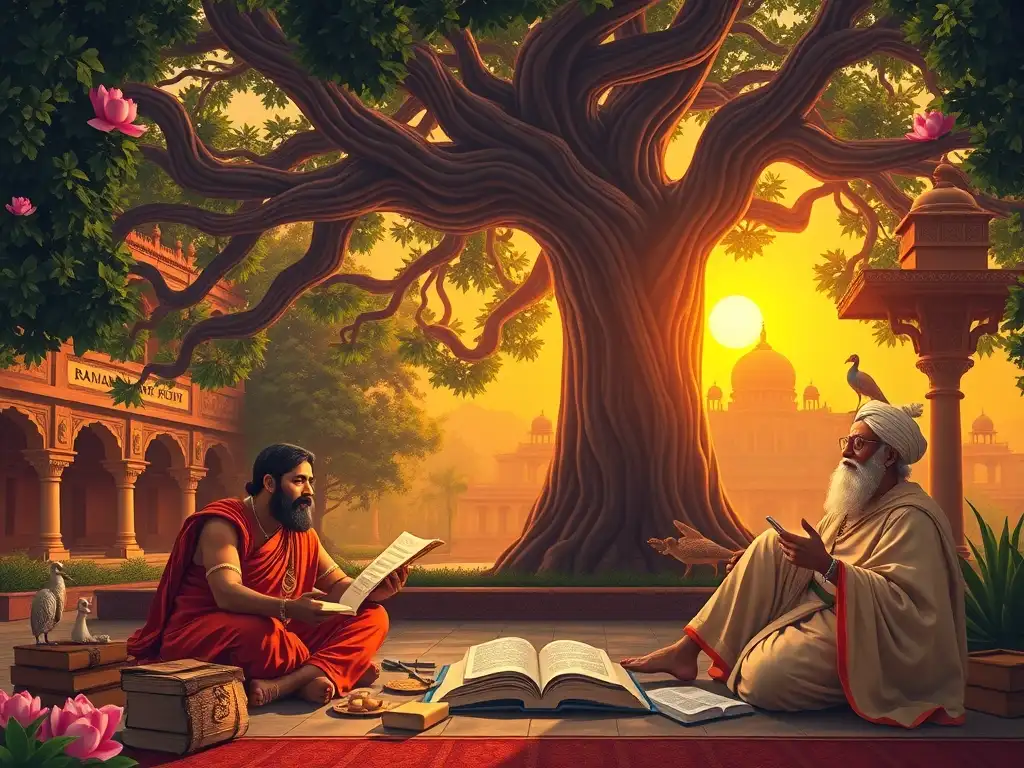
The rich tapestry of ancient Indian civilization is woven with remarkable scientific achievements that have significantly influenced the world. From the sophisticated urban planning of the Indus Valley Civilization to the groundbreaking theories of mathematics, astronomy, and medicine developed during the Golden Age, ancient India has produced a plethora of scholars and thinkers whose contributions resonate even today.
This article explores the lives and legacies of prominent figures who not only advanced scientific thought in their time but also laid the groundwork for future generations. By delving into the realm of Ancient Indian scientific achievements, we can better appreciate how these leaders changed the course of history and shaped our understanding of the universe.
Overview of Ancient Indian Contributions to Science
Ancient India was home to a variety of scientific disciplines, spanning mathematics, astronomy, medicine, and metallurgy. Key contributions include:
- Mathematics: The introduction of the numeral system and the concept of zero, attributed to Indian mathematicians.
- Astronomy: Accurate calculations of planetary movements and the development of astronomical instruments.
- Medicine: Advanced surgical techniques and comprehensive medical texts that laid the foundations for modern practices.
These achievements were not isolated; they reflect a culture deeply invested in inquiry, observation, and empirical research. The interconnectedness of these fields highlights a holistic approach to knowledge that was prevalent in ancient Indian society.
Significance of Ancient Indian Leaders in Scientific Progress
The leaders of ancient Indian science played crucial roles in fostering an environment conducive to innovation and discovery. Their work not only advanced their respective fields but also inspired future generations. These figures were often teachers, mentors, and collaborators, creating a legacy of scholarship that transcended borders and eras. The emphasis on learning and the pursuit of knowledge has made these leaders timeless icons in the history of science.
Key Historical Figures in Ancient Indian Science
Contributions of Aryabhata to Mathematics and Astronomy
Aryabhata, one of the earliest and most influential mathematicians and astronomers, made groundbreaking contributions that shaped the course of scientific thought. His seminal work, the Aryabhatiya, introduced concepts such as:
- The approximation of pi (π).
- The place value system.
- The calculation of square and cube roots.
Aryabhata's astronomical theories included the heliocentric model of the solar system and detailed calculations of eclipses, which were revolutionary for his time.
The Impact of Brahmagupta on Algebra and Astronomy
Brahmagupta, a prominent mathematician and astronomer, is best known for his work in algebra and his pioneering rules for solving quadratic equations. His text, the Brahmasphutasiddhanta, included:
- The introduction of negative numbers.
- Formulas for calculating areas and volumes.
- Solutions to problems involving the motion of celestial bodies.
His contributions laid the groundwork for future developments in mathematics and astronomy, influencing scholars across the globe.
Contributions of Sushruta to Medicine and Surgery
Sushruta, often regarded as the "Father of Surgery," made monumental strides in the field of medicine with his treatise, the Sushruta Samhita. This ancient text is notable for:
- Detailed descriptions of surgical procedures, including rhinoplasty and cataract surgery.
- The introduction of surgical tools and techniques that were far ahead of their time.
- The emphasis on patient care and the importance of anatomy.
Sushruta's work established foundational principles in medical practice and surgery that continue to be relevant today.
Varahamihira: The Father of Indian Astronomy and Meteorology
Varahamihira, a polymath and a key figure in ancient Indian science, made significant contributions to astronomy and meteorology. His works, including the Brihat Samhita, cover various topics, such as:
- Predictions of weather patterns and natural disasters.
- The influence of celestial bodies on human affairs.
- The compilation of knowledge from previous texts, integrating it into a comprehensive framework.
Varahamihira's insights into astronomy and meteorology not only advanced scientific understanding but also had practical implications for agriculture and society as a whole.
The pioneers of ancient Indian science not only contributed to their fields but also shaped the trajectory of global scientific thought. Their innovations continue to inspire and inform contemporary science, underscoring the enduring legacy of ancient Indian civilizations.
Innovations in Ancient Indian Science and Technology
Ancient India is celebrated for its remarkable scientific innovations that laid foundational principles for various fields, including mathematics, medicine, and agriculture. The ingenuity of ancient Indian scholars and practitioners led to significant advancements that not only influenced their own civilization but also the world at large. The synthesis of empirical observation and philosophical inquiry characterized their approach to science and technology, resulting in a rich heritage of knowledge that continues to inspire contemporary thought.
Among the most notable innovations were sophisticated urban planning techniques, which can be seen in the cities of the Indus Valley Civilization. These cities featured advanced drainage systems, grid layouts, and standardized fired brick sizes, showcasing a remarkable understanding of civil engineering. Additionally, ancient Indian astronomers developed precise astronomical instruments and provided accurate calculations of celestial movements, contributing to the fields of astronomy and navigation.
The scientific achievements were not limited to theoretical knowledge; practical applications flourished as well. Techniques in metallurgy and textile production indicate a high level of craftsmanship and innovation. Collectively, these advancements underscored an inherent understanding of natural phenomena and a commitment to improving human life, which were hallmarks of ancient Indian science and technology.
Breakthroughs in Mathematics: The Concept of Zero and Negative Numbers
One of the most profound contributions of ancient Indian mathematics is the invention of the concept of zero, attributed to the mathematician Brahmagupta in the 7th century CE. This revolutionary idea transformed mathematical calculations and laid the foundation for the decimal system that is widely used today. The introduction of zero allowed for the representation of large numbers and the facilitation of complex calculations, making arithmetic more efficient and manageable.
In addition to zero, ancient Indian mathematicians also explored negative numbers, which were essential for solving equations that arose in various contexts, including commerce and astronomy. The recognition and acceptance of negative numbers were groundbreaking, paving the way for future developments in algebra. Notably, mathematicians like Aryabhata and Bhaskara II further expanded upon these concepts, producing works that included intricate calculations, algorithms, and astronomical observations.
These mathematical breakthroughs not only influenced subsequent Indian scholars but also reached other civilizations through trade and cultural exchanges. Thus, the contributions of ancient Indian mathematicians have had a lasting impact on mathematics as a whole, shaping the way numerical concepts are understood and applied across the globe.
Advances in Medicine: Ayurvedic Practices and Surgical Techniques
Ancient India was home to one of the oldest systems of medicine known as Ayurveda, which emphasizes a holistic approach to health and wellness. The Ayurvedic texts, such as the Charaka Samhita and Sushruta Samhita, compiled between 600 BCE and 100 CE, encompass a comprehensive understanding of anatomy, physiology, and herbal medicine. These texts provided detailed descriptions of various diseases, their causes, and treatment methods, integrating both physical and spiritual health.
Sushruta, often referred to as the "Father of Surgery," made significant contributions to surgical techniques and procedures. His work included detailed descriptions of over 120 surgical instruments and various surgical procedures, including cataract surgery, plastic surgery (such as rhinoplasty), and the treatment of wounds. The emphasis on hygiene and patient care in these practices reflects a sophisticated understanding of medical ethics and patient outcomes.
Ayurveda's influence extends beyond ancient India, as its principles and practices were transmitted to other cultures, enriching global medical knowledge. The timeless nature of Ayurvedic practices continues to resonate today, with many seeking its natural remedies and holistic approach to health.
Agricultural Innovations: Techniques and Tools Used in Ancient India
Agriculture played a crucial role in the development of ancient Indian civilization, and significant innovations in this field were vital to sustaining large populations. Ancient Indians developed advanced agricultural techniques that included crop rotation, the use of irrigation systems, and the domestication of various plants and animals. The introduction of staple crops such as rice, wheat, and millet was pivotal in establishing stable food sources.
The invention and utilization of tools like the plow, sickle, and various irrigation devices reflect an advanced understanding of agricultural practices. Ancient texts such as the Arthashastra detail agricultural management strategies, including land use, crop selection, and trade regulations, illustrating the importance of agriculture in the socio-economic framework of ancient India.
These advancements not only enhanced food production but also supported the growth of urban centers and trade networks. The agricultural innovations of ancient India laid the groundwork for future developments in farming practices, contributing significantly to the region's prosperity and stability.
The Influence of Ancient Indian Science on Global Knowledge
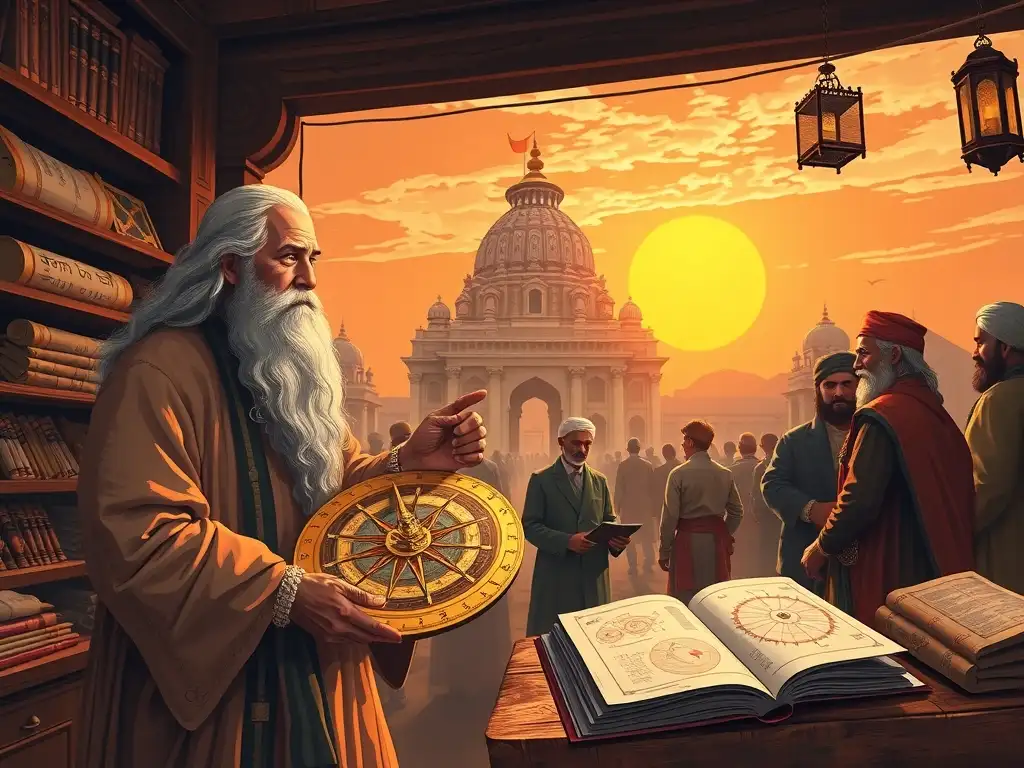
The achievements of ancient Indian scientists and scholars transcended geographical boundaries, influencing civilizations across the globe. The dissemination of knowledge facilitated by trade routes, cultural exchanges, and scholarly interactions played a crucial role in integrating ancient Indian scientific principles into various cultures. This cross-pollination of ideas enriched global scientific discourse and led to advancements in numerous fields.
The Transmission of Ancient Indian Scientific Achievements to Other Civilizations
The transmission of ancient Indian scientific achievements occurred primarily through trade routes, such as the Silk Road, where merchants and scholars exchanged goods and ideas. Texts on mathematics and astronomy were translated into Arabic and later into Latin, making them accessible to Western scholars during the medieval period. Indian numerals and the concept of zero found their way into Islamic mathematics, which, in turn, influenced European mathematics in the Renaissance.
Furthermore, Ayurveda and surgical techniques were shared with neighboring civilizations, including those in Persia and Greece, where they were integrated into local medical practices. The rich tapestry of ancient Indian knowledge was thus woven into the broader fabric of global scientific understanding, illustrating the interconnectivity of cultures throughout history.
The Role of Ancient Indian Leaders in Shaping Scientific Thought in the World
Ancient Indian leaders, including kings and scholars, played a pivotal role in fostering an environment conducive to scientific inquiry and innovation. Rulers such as Chandragupta II and Ashoka the Great supported scholars and institutions that promoted learning, leading to significant advancements in various disciplines. The establishment of universities like Nalanda and Takshashila became centers of knowledge where students and scholars from different regions gathered to study and exchange ideas.
These leaders understood the importance of science and technology in governance and societal development. By prioritizing education and research, they cultivated a culture of intellectual curiosity that encouraged exploration and experimentation. The legacy of these ancient leaders continues to inspire contemporary thought, as the principles of inquiry and innovation remain vital in advancing scientific knowledge today.
Challenges Faced by Ancient Indian Scientists
The journey of ancient Indian scientists was not without its trials and tribulations. Despite their remarkable contributions to various fields such as mathematics, astronomy, and medicine, these pioneers encountered several challenges that hampered the advancement of scientific knowledge.
Cultural and Political Obstacles in Advancing Scientific Knowledge
Ancient Indian scientists often faced cultural and political obstacles that limited their ability to explore and disseminate scientific ideas. The caste system, for instance, created barriers that restricted access to education and resources for lower castes, hindering the participation of many talented individuals in scientific endeavors. Additionally, political instability and invasions—such as those by foreign rulers—led to the destruction of institutions and libraries, which were essential for the flourishing of scientific thought.
Moreover, the intertwining of religion and science sometimes posed challenges. While many ancient Indian scholars were able to harmonize scientific inquiry with spiritual beliefs, there were instances where certain religious doctrines stifled critical examination of natural phenomena. This cultural milieu often led to a preference for traditional knowledge over experimental approaches, which could have advanced scientific understanding.
Preservation of Ancient Indian Scientific Texts and Knowledge
Another significant challenge was the preservation of ancient texts and knowledge. Many invaluable manuscripts containing scientific concepts and discoveries were lost due to neglect, natural disasters, and the passage of time. The oral tradition, while vital for knowledge transmission, was also vulnerable to distortions and inaccuracies.
Efforts to document and preserve scientific achievements were often hampered by a lack of institutional support. The absence of dedicated libraries and research institutions in some regions meant that works by scholars like Aryabhata and Sushruta were not systematically archived or disseminated. This lapse in preservation led to a significant gap in historical scientific knowledge, making it difficult for later generations to build upon the foundational work laid by their predecessors.
Conclusion: Legacy of Ancient Indian Scientific Achievements
The legacy of ancient Indian scientific achievements is profound and far-reaching. Despite the challenges faced by early scientists, their contributions laid the groundwork for numerous fields, influencing both contemporary and future generations.
Reflection on the Impact of Ancient Indian Leaders on Modern Science
The impact of ancient Indian leaders on modern science cannot be understated. Figures such as Aryabhata, known for his work in mathematics and astronomy, introduced concepts that predate similar discoveries in other cultures. His calculations on the Earth's circumference and the concept of zero are just a few examples of how ancient Indian thought has shaped modern scientific paradigms.
Additionally, the holistic approaches to health and medicine established by figures like Charaka and Sushruta continue to inform practices within Ayurveda and surgical techniques today. Their methodologies highlight the importance of empirical observation and experimentation, principles that resonate strongly within contemporary scientific inquiry.
The Continued Relevance of Ancient Indian Science in Today’s World
Today, the relevance of ancient Indian science is evident in various fields. The principles of mathematics and astronomy developed by ancient scholars remain foundational to modern scientific practices. Furthermore, the emphasis on a holistic approach to health, as seen in Ayurveda, is gaining renewed interest in the context of integrative medicine and wellness.
Moreover, sustainable practices rooted in ancient Indian agricultural methods are being revisited in the face of modern environmental challenges. As the world seeks solutions to contemporary problems, the wisdom and insights of ancient Indian scientific achievements serve as a guiding light, reflecting a rich heritage that continues to inspire innovation and exploration in the scientific realm.
- Introduction to Ancient Indian Scientific Achievements
- Key Historical Figures in Ancient Indian Science
- Innovations in Ancient Indian Science and Technology
- The Influence of Ancient Indian Science on Global Knowledge
- Challenges Faced by Ancient Indian Scientists
- Conclusion: Legacy of Ancient Indian Scientific Achievements
- What were some key scientific achievements of ancient India?
- Who were the notable leaders in ancient Indian science?
- How did ancient Indian culture influence scientific developments?
- What role did the Indus Valley Civilization play in early scientific development?
- How do ancient Indian scientific achievements compare to other civilizations?
Frequently Asked Questions
What were some key scientific achievements of ancient India?
Ancient Indian civilizations made significant contributions in fields such as mathematics, astronomy, and medicine, including the invention of the decimal system and advanced surgical techniques.
Who were the notable leaders in ancient Indian science?
Prominent figures include Aryabhata, known for his work in astronomy and mathematics, and Sushruta, often referred to as the father of surgery for his medical texts.
How did ancient Indian culture influence scientific developments?
The cultural emphasis on education and scholarship in ancient India fostered an environment where science and philosophy thrived, leading to groundbreaking discoveries and innovations.
What role did the Indus Valley Civilization play in early scientific development?
The Indus Valley Civilization showcased advanced urban planning, drainage systems, and weights and measures, indicating early engineering and mathematical knowledge.
How do ancient Indian scientific achievements compare to other civilizations?
Ancient Indian scientific achievements were often on par with those of other great civilizations, with unique contributions that laid the groundwork for further advancements in science and technology globally.
Final Reflection: Celebrating the Legacy of Ancient Indian Scientific Achievements
The remarkable contributions of ancient Indian scientists resonate profoundly in today's world, reminding us that innovation knows no boundaries. As we explore the groundbreaking discoveries and philosophies that emerged from this vibrant civilization, we recognize their enduring impact on modern science, technology, and even our everyday lives. The achievements of these pioneers not only laid the groundwork for future advancements but also inspire us to embrace curiosity and creativity in our own pursuits.
The influence of ancient Indian scientific achievements extends far beyond historical significance; it continues to shape our cultural and intellectual landscape. The principles of mathematics, astronomy, and medicine developed by these early thinkers have woven themselves into the fabric of global knowledge. As we reflect on their legacy, we are reminded of the words of the great physicist Albert Einstein: We stand on the shoulders of giants.
This acknowledgment of the past encourages us to appreciate the interconnectedness of human progress and the importance of honoring those who paved the way for us.
As we conclude this exploration of ancient Indian science, I invite you to reflect on how these timeless lessons can be applied in your own life. Consider how the spirit of inquiry and the pursuit of knowledge can drive your personal and professional growth. Let the stories of these pioneers inspire you to challenge conventions, think critically, and contribute to the ongoing journey of discovery. Embrace the legacy of ancient Indian scientific achievements, and allow it to guide you in your quest for understanding and innovation in the modern world.
Unveil the Legacy of Ancient Indian Science!
Thank you for diving into the remarkable world of Ancient Indian science with us! We hope you feel inspired by the incredible contributions of pioneers who have seamlessly woven knowledge into our modern understanding. Now, it’s time to take action and integrate these insights into your own journey.
- Explore the works of an ancient scientist and discover how their ideas resonate with today’s innovations—choose a text that sparks your curiosity!
- Share your newfound knowledge with friends and family—initiate conversations about the impact of ancient science on our contemporary lives.
- Join a community or forum that celebrates the achievements of ancient scholars. Engage in discussions and exchange ideas with fellow enthusiasts!
What findings from ancient Indian science do you believe would astonish a modern scientist?