
The Role of Ancient Indian Leaders in Promoting Trade and Commerce

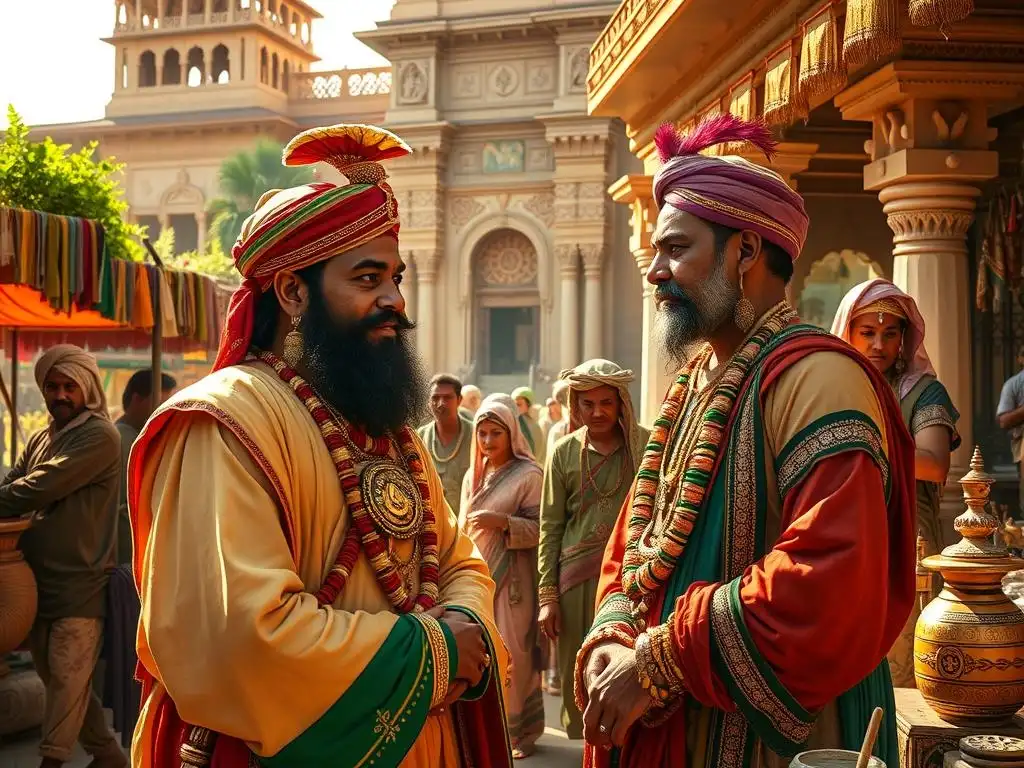
Welcome to Ancient India History, where we embark on a fascinating journey through time to uncover the rich tapestry of ancient Indian civilizations. In this compelling exploration, we delve into the pivotal role of ancient Indian leaders in promoting trade and commerce, revealing how their visionary strategies not only shaped the economy but also fostered cultural exchanges that resonated through the ages.
What secrets did these leaders hold that transformed India into a thriving hub of commerce? Join us as we unravel these stories and more, igniting your curiosity to discover the influential figures who laid the foundations of a prosperous society.
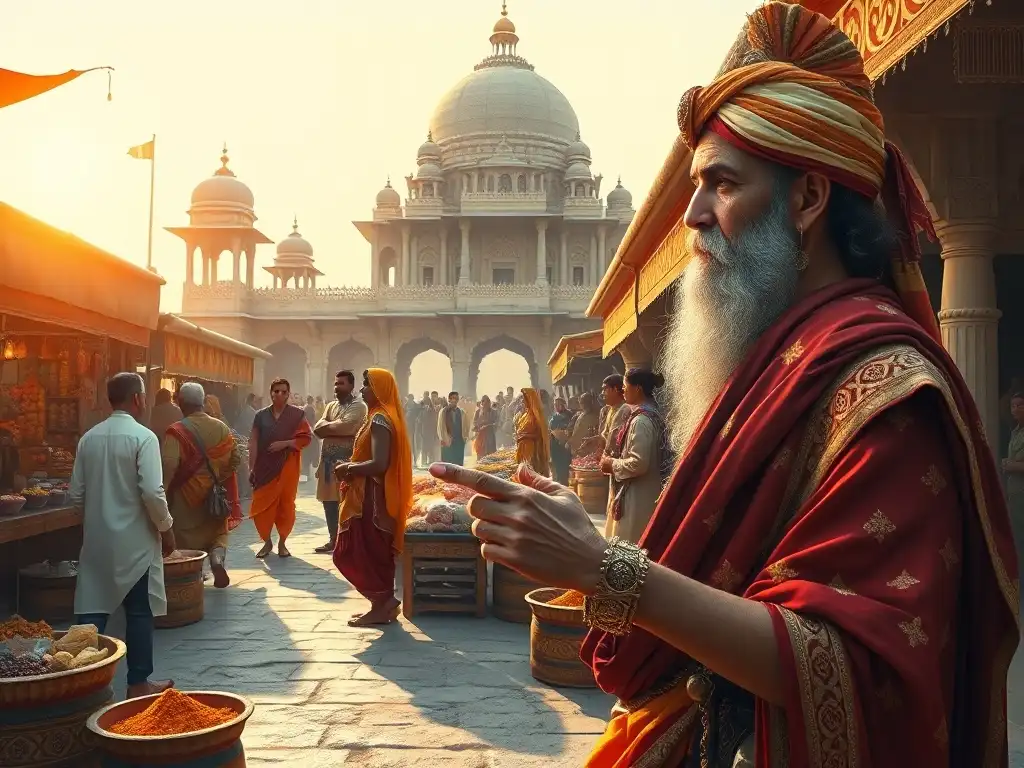
Introduction to Ancient Indian Leaders and Their Influence on Trade
The history of ancient India is marked by a series of remarkable leaders whose vision and strategies significantly contributed to the development of trade and commerce. From the bustling markets of the Indus Valley Civilization to the expansive trade networks established during the Maurya and Gupta Empires, these leaders played pivotal roles in shaping not only the economy but also the cultural exchanges that enriched ancient Indian society.
By fostering trade, they facilitated the movement of goods, ideas, and innovations across vast distances, establishing India as a critical hub in the global trade landscape of antiquity. Understanding the contributions of these influential figures provides valuable insights into how their policies and initiatives laid the groundwork for India’s economic prosperity and cultural richness.
Key Ancient Indian Leaders Who Promoted Trade
Ancient Indian leaders were instrumental in creating robust trade systems that connected various regions and cultures. Here, we explore some of the most influential figures whose efforts in promoting trade and commerce were particularly noteworthy:
Chandragupta Maurya: The Architect of Trade Networks
Chandragupta Maurya, the founder of the Maurya Empire in the 4th century BCE, is often celebrated as a master strategist who unified a fragmented India. His reign is notable for the establishment of extensive trade networks that facilitated commerce across the subcontinent.
- Centralization of Trade: Chandragupta introduced a centralized administration that standardized trade practices, making it easier for merchants to operate across different regions.
- Infrastructure Development: He invested in building roads and ports, which enhanced connectivity and reduced travel time for traders. This infrastructure not only supported trade but also promoted cultural exchanges with neighboring regions.
- Trade Relations: His diplomatic initiatives fostered alliances with foreign kingdoms, expanding trade routes that connected India to Central Asia and beyond.
Ashoka the Great: Promoting Trade through Diplomacy
Ashoka the Great, the grandson of Chandragupta Maurya, further advanced trade during his reign (268-232 BCE) by promoting diplomatic relations and cultural ties with other civilizations.
- Edicts and Trade Policies: Ashoka’s edicts, inscribed on pillars and rocks, conveyed messages of peace and cooperation, encouraging trade and commerce among diverse cultures.
- Spread of Buddhism: His support for Buddhism helped spread cultural and economic ties as Buddhist missionaries traveled along trade routes, establishing connections with regions like Southeast Asia and the Mediterranean.
- Market Regulations: Ashoka implemented regulations that protected merchants and ensured fair trade practices, fostering an environment conducive to economic growth.
The Gupta Empire: A Golden Age of Trade and Commerce
The Gupta Empire, often referred to as the Golden Age of India (circa 320-550 CE), witnessed remarkable advancements in trade and commerce, largely due to the leadership of its rulers.
- Expansion of Trade Networks: Gupta emperors expanded existing trade routes and established new ones, linking India with distant lands such as China, Persia, and the Roman Empire.
- Cultural Exchanges: This era saw an influx of foreign traders, leading to rich cultural exchanges that influenced art, science, and philosophy, further enhancing trade relationships.
- Coinage and Currency: The introduction of standardized coinage facilitated trade transactions, making trade more efficient and stimulating economic activities across the empire.
Through the actions of these ancient Indian leaders, trade and commerce flourished, creating a legacy that continues to resonate in the history of India. Their contributions not only strengthened the economy but also fostered a rich tapestry of cultural interactions that shaped the subcontinent's historical narrative.
Trade Routes Established by Ancient Indian Leaders
Ancient Indian leaders played a pivotal role in establishing and maintaining trade routes that not only connected India to its immediate neighbors but also facilitated commerce with far-off lands. These routes were critical in the exchange of goods, ideas, and cultures, significantly influencing the economic landscape of the region. The strategic geographical position of India, surrounded by the Himalayas to the north and oceans on three sides, allowed leaders to implement trade networks that thrived for centuries. These routes included both overland pathways and maritime trade connections, showcasing the foresight and strategic acumen of ancient Indian leaders.
The Silk Road: Connecting India to the World
The Silk Road, a vast network of trade routes, was instrumental in connecting India with Central Asia, the Middle East, and beyond. Ancient Indian leaders, such as those from the Maurya and Gupta empires, recognized the importance of these connections for economic prosperity.
- Goods Traded: Spices, textiles, and precious stones from India were highly sought after along the Silk Road. In return, India received silk, silver, and other valuable commodities from regions like China and Persia.
- Cultural Exchange: This trade route facilitated not only the exchange of goods but also the transfer of ideas, art, and religion. Buddhism, for example, spread along these routes, enriching Indian culture while simultaneously influencing other civilizations.
The vibrant exchanges along the Silk Road were a testament to the vision of ancient Indian leaders in promoting trade and fostering relationships with distant cultures.
Maritime Trade Routes: India's Connection to Southeast Asia
In addition to overland routes, maritime trade was crucial for ancient Indian leaders in expanding commerce, particularly with Southeast Asia. The expansive coastline of India provided easy access to the Indian Ocean, creating a thriving maritime trade network.
- Key Ports: Important ports such as Lothal, Sopara, and Kaveripattinam became bustling centers of trade, where merchants exchanged goods with traders from regions like the Arabian Peninsula, Africa, and Southeast Asia.
- Cultural Influence: The maritime routes not only facilitated trade in goods like spices, textiles, and precious metals but also led to significant cultural exchanges. Indian art, architecture, and religious practices, including Hinduism and Buddhism, spread to neighboring regions, showcasing India’s influence.
The efforts of ancient Indian leaders in establishing and promoting these maritime routes were pivotal in expanding India’s trade network and enhancing its cultural footprint across Asia.
Economic Policies and Innovations in Trade
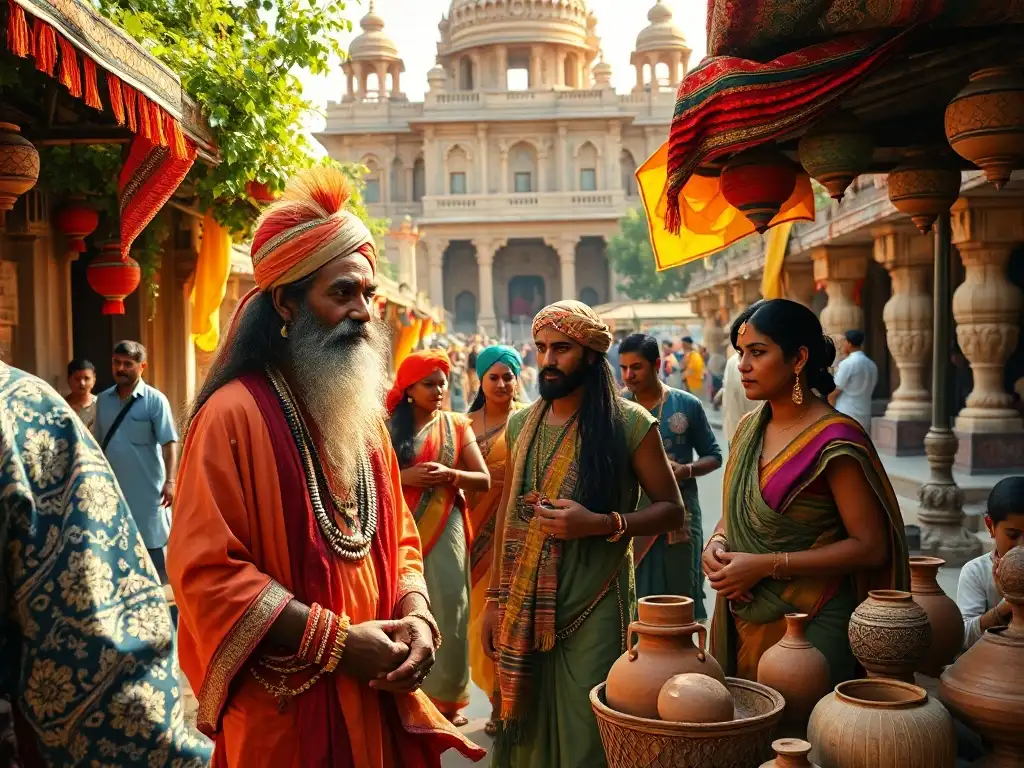
Ancient Indian leaders implemented various economic policies and innovations that significantly boosted trade and commerce. These policies fostered an environment conducive to trade, enhancing both domestic and international exchange.
Currency and Trade: The Evolution of Ancient Indian Money
The evolution of currency played a crucial role in facilitating trade during ancient times. Leaders recognized that a standardized currency would simplify transactions and encourage commerce.
- Early Forms of Currency: Initially, barter systems dominated trade, but as commerce expanded, the need for a more efficient medium of exchange led to the development of coinage. The introduction of punch-marked coins during the Mahajanapada period marked a significant advancement.
- Standardization: The Mauryan Empire further standardized currency, issuing gold and silver coins that were widely accepted in trade. This not only streamlined transactions but also enhanced trust among traders.
The establishment of a formal currency system by ancient Indian leaders was a key innovation that contributed to the expansion of trade networks.
Agricultural Innovations and Trade Expansion
Agricultural advancements were fundamental in promoting trade and commerce in ancient India. Leaders invested in enhancing agricultural productivity, which had a direct impact on trade.
- Irrigation Techniques: Innovations in irrigation, such as the development of canals and reservoirs, allowed for increased agricultural output. This surplus not only fed the population but also generated surplus goods for trade.
- Crop Diversification: The introduction of new crops, including spices such as pepper and cardamom, made India a significant player in international trade. These commodities were highly valued in markets across Asia and Europe, further boosting India's economy.
Through effective agricultural policies and innovations, ancient Indian leaders ensured that the economy thrived, thereby enhancing trade and commerce across the region.
Cultural Exchange Through Trade and Commerce
Trade and commerce in ancient India were not merely economic activities; they were significant conduits for cultural exchange. The flourishing trade routes, such as the Silk Road and maritime paths across the Indian Ocean, connected India with various civilizations, including the Romans, Persians, Greeks, and later, the Chinese. These interactions led to a vibrant exchange of ideas, art, religion, and technology.
Merchants and traders acted as cultural ambassadors, facilitating the flow of beliefs and practices. For instance, the spread of Buddhism from India to Central Asia and beyond was significantly influenced by trade routes, with Buddhist missionaries often accompanying merchants. Similarly, the Indian numeral system and concepts of zero traveled through these networks, impacting mathematics and science across the globe.
The ports of ancient India, such as Lothal and Kaveripattinam, became melting pots of cultures, where diverse communities coexisted, sharing languages, cuisines, and traditions. This cultural intermingling enriched Indian civilization and allowed it to contribute uniquely to global heritage.
The Role of Trade in Cultural Interactions
Trade played a pivotal role in fostering cultural interactions among ancient Indian leaders and other civilizations. The sophistication of ancient Indian trade practices not only promoted economic prosperity but also facilitated the exchange of cultural and intellectual ideas.
In the Maurya period, Emperor Ashoka’s promotion of trade was accompanied by the dissemination of Buddhist teachings, which traveled along trade routes. Ashoka's edicts encouraged missionaries to spread Buddhism, resulting in a profound cultural exchange that transcended borders. The establishment of trade links with regions like Southeast Asia further allowed Indian art, architecture, and religious practices to influence local cultures.
Moreover, the Gupta Empire, often referred to as the Golden Age of India, witnessed a flourishing of trade that was accompanied by advancements in science, mathematics, and philosophy. Scholars and traders exchanged knowledge, with texts on astronomy and medicine being transported across regions, highlighting the integral link between trade and cultural advancement during this period.
Legacy of Ancient Indian Trade Practices
The legacy of ancient Indian trade practices is evident in the continued reverberations of cultural exchanges that shaped not only India but also the world. The intricate network of trade routes established by ancient Indian leaders laid the foundation for future commercial endeavors and cultural interactions.
Indian spices, textiles, and precious stones became highly sought after in international markets, influencing trade dynamics for centuries. The ancient practice of barter evolved into more sophisticated trading systems, including the use of coins, which facilitated commerce and improved economic stability.
In addition to material goods, the exchange of ideas, philosophies, and technologies fostered a rich cultural dialogue that left an indelible mark on subsequent generations. The influence of ancient Indian scholars, such as Aryabhata and Charaka, spread far beyond the subcontinent, impacting various fields such as mathematics, astronomy, and medicine. Their works laid the groundwork for future advancements and were instrumental in shaping global knowledge.
Conclusion: The Lasting Impact of Ancient Indian Leaders on Trade and Commerce
The role of ancient Indian leaders in promoting trade and commerce was instrumental in shaping both the economic landscape and cultural fabric of the region and beyond. Their vision and strategic initiatives facilitated not only the exchange of goods but also a profound intermingling of ideas and cultures that has had a lasting impact on human civilization.
The establishment of trade routes and the encouragement of commerce by leaders like Ashoka and those during the Gupta Empire were not mere economic pursuits; they were transformative processes that fostered understanding and collaboration among diverse cultures. This legacy is evident today, as the historical trade practices continue to influence modern economic systems and cultural exchanges.
The contributions of ancient Indian leaders in trade and commerce remain a vital chapter in the narrative of human progress, reflecting an era marked by innovation, diplomacy, and cultural richness that resonates through the ages.
- Introduction to Ancient Indian Leaders and Their Influence on Trade
- Key Ancient Indian Leaders Who Promoted Trade
- Trade Routes Established by Ancient Indian Leaders
- Economic Policies and Innovations in Trade
- Cultural Exchange Through Trade and Commerce
- Conclusion: The Lasting Impact of Ancient Indian Leaders on Trade and Commerce
- What were the key contributions of ancient Indian leaders to trade and commerce?
- How did the Indus Valley Civilization influence trade?
- What role did the Gupta Empire play in commerce?
- Were there any specific trade goods that ancient Indian leaders promoted?
- How did ancient Indian trade practices influence neighboring regions?
Frequently Asked Questions
What were the key contributions of ancient Indian leaders to trade and commerce?
Ancient Indian leaders played a crucial role in enhancing trade and commerce by establishing trade routes, promoting economic policies, and fostering international relationships.
How did the Indus Valley Civilization influence trade?
The Indus Valley Civilization was known for its advanced urban planning and trade networks, which facilitated the exchange of goods like textiles, beads, and metals, contributing to early commercial prosperity.
What role did the Gupta Empire play in commerce?
The Gupta Empire is often referred to as a golden age in ancient India, where leaders implemented policies that encouraged trade, leading to significant advancements in economic growth and cultural exchange.
Were there any specific trade goods that ancient Indian leaders promoted?
Yes, ancient Indian leaders promoted a variety of trade goods, including spices, textiles, and precious stones, which became highly sought after in international markets.
How did ancient Indian trade practices influence neighboring regions?
Ancient Indian trade practices fostered cultural exchanges and economic ties with neighboring regions, leading to the spread of ideas, technologies, and even religions throughout Asia.
Final Reflection: The Enduring Legacy of Ancient Indian Leaders in Trade and Commerce
The exploration of ancient Indian leaders and their pivotal role in promoting trade and commerce reveals a profound connection to our contemporary world. As we navigate an increasingly globalized economy, the strategies and philosophies of these leaders resonate with modern practices, highlighting the timeless importance of trade as a catalyst for cultural exchange and economic prosperity. Their visionary approaches remind us that effective leadership can transcend time, shaping not only the economic landscape of their era but also laying the groundwork for future generations.
The influence of these ancient leaders continues to shape our cultural and social landscape today. Their commitment to fostering trade networks and encouraging commerce not only enriched their societies but also established India as a significant player on the global stage. This legacy is evident in the vibrant markets and diverse cultures that thrive in India today.
As Mahatma Gandhi once said, "> Commerce is a great force for good, but it must be guided by the principles of justice and equity." This sentiment underscores the ongoing relevance of ethical leadership in trade, reminding us that the values instilled by these ancient leaders remain crucial in our pursuit of sustainable economic growth.
As we reflect on the lessons from ancient Indian leaders, I invite you to consider how you can embody their spirit of innovation and collaboration in your own life. Think about the ways you can contribute to fostering connections and promoting equitable trade practices in your community. Whether through supporting local businesses or advocating for fair trade, each action can echo the legacy of those who came before us, ensuring that the principles of commerce continue to uplift and unite us in the future.
Unleash the Power of Ancient Trade Insights!
Thank you for diving into the fascinating world of ancient Indian leaders and their monumental impact on trade and commerce. We hope you're inspired by their vision and legacy, which not only shaped the past but also offers valuable lessons for today's world. Now, it's time to turn that inspiration into action!
Here are some steps you can take to explore, share, and engage with this rich history:
- Dive deeper into the history! Research more about a specific ancient leader who sparked trade innovations, and consider sharing your findings with friends or on social media.
- Join a discussion forum or participate in a local history group to discuss how ancient practices influence modern commerce – share your insights and learn from others!
- Create a visual representation of how trade routes evolved in ancient India, and share it on social media or with educational platforms to spread awareness and ignite curiosity.
Which ancient trade practice do you think could be revitalized in today’s economy? We invite you to share your thoughts below!