
The Role of Rituals and Ceremonies in Ancient Indian Leadership

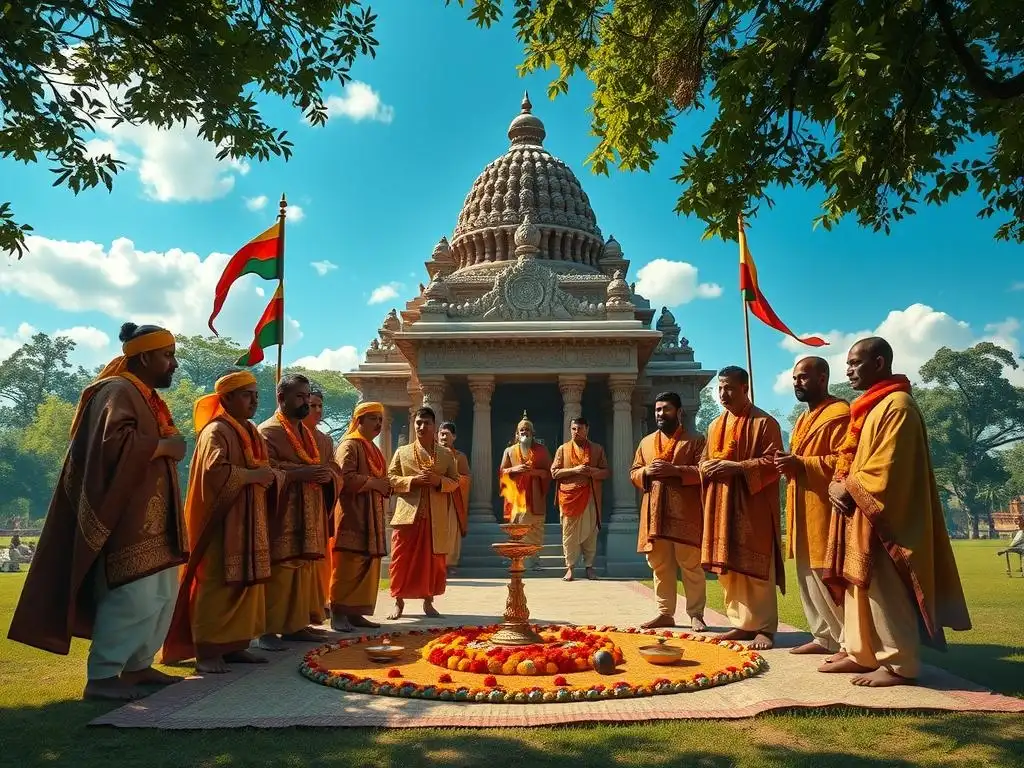
Welcome to Ancient India History, where we embark on an enlightening journey through the rich tapestry of one of the world's oldest civilizations. As we delve into the intricate world of ancient Indian leadership rituals, prepare to uncover the profound ceremonies and practices that shaped the governance and societal structures of ancient India. What secrets do these rituals hold, and how did they influence leadership across eras? Join us as we explore the pivotal role of rituals and ceremonies, and discover the key historical figures who embodied these traditions. Your adventure into the past begins here!
- Introduction to Ancient Indian Leadership Rituals
- Historical Context of Leadership in Ancient India
- Types of Rituals and Ceremonies in Ancient Indian Leadership
- Key Rituals Associated with Prominent Leaders
- The Impact of Rituals on Governance and Authority
- Conclusion: The Enduring Legacy of Ancient Indian Leadership Rituals
-
Frequently Asked Questions
- What were the primary leadership rituals in ancient India?
- How did rituals influence the legitimacy of rulers?
- Were there specific ceremonies for different types of leaders?
- How did the Indus Valley Civilization incorporate rituals into leadership?
- What role did religion play in ancient Indian leadership rituals?
- Final Reflection: The Enduring Legacy of Ancient Indian Leadership Rituals
- Embrace the Power of Rituals in Leadership!
Introduction to Ancient Indian Leadership Rituals
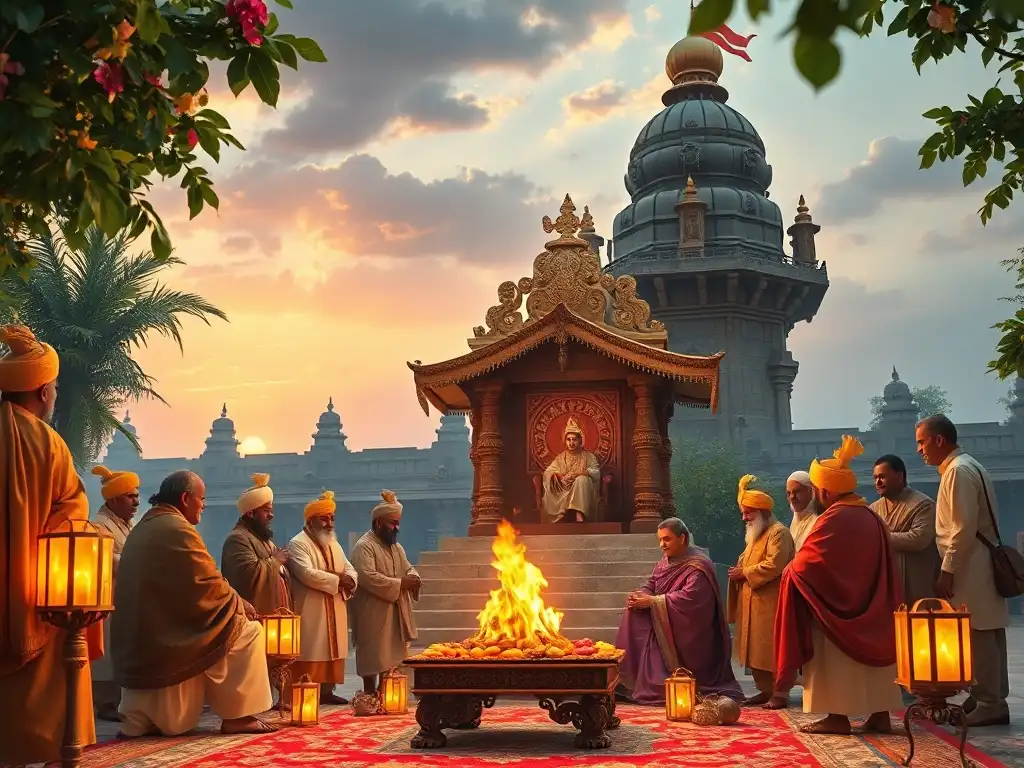
The history of ancient India is a tapestry woven with the threads of diverse cultures, philosophies, and governance systems. Among the most fascinating aspects of this rich heritage is the role of rituals and ceremonies in the realm of leadership. From the majestic Indus Valley Civilization to the flourishing Gupta Empire, these rituals were not mere traditions; they were integral to the political and social fabric of ancient Indian societies.
They served to reinforce authority, legitimize power, and foster unity among the populace. Understanding the nuances of these ancient Indian leadership rituals provides invaluable insights into how leaders were perceived and how they governed effectively in a complex and diverse landscape.
Understanding the Importance of Rituals in Leadership
Rituals in ancient Indian leadership encompassed a wide array of practices, each imbued with symbolic significance. These ceremonies were often designed to:
- Legitimize Authority: Leaders frequently engaged in elaborate rituals to establish their divine right to rule. For instance, the coronation ceremonies often included acts that symbolized the king's connection to deities, reinforcing his legitimacy in the eyes of the people.
- Unify the Society: Rituals acted as a means to bring together different strata of society, fostering a sense of collective identity. Festivals and public ceremonies were crucial in reinforcing social cohesion and loyalty to the leader.
- Communicate Governance Philosophy: Through rituals, leaders conveyed their values and ideals, shaping the moral and ethical framework of their administration. Rituals often included speeches or proclamations that highlighted the ruler's commitment to dharma (righteousness) and justice.
- Mark Significant Events: Rituals were pivotal in commemorating important milestones, such as military victories or the construction of monumental architecture. These ceremonies served to celebrate achievements and mobilize public support.
The interplay of these factors illustrates how ancient Indian leadership rituals were not only ceremonial but also a fundamental aspect of governance, deeply intertwined with the cultural and spiritual life of the time.
Overview of Ancient Indian Civilizations
Ancient India was home to several prominent civilizations, each contributing to the evolution of leadership practices and rituals.
- Indus Valley Civilization (c. 3300–1300 BCE): Known for its advanced urban planning and trade networks, this civilization laid the groundwork for socio-political organization. While direct evidence of leadership rituals is limited, archaeological findings suggest a complex societal structure that likely involved ceremonial practices.
- Vedic Period (c. 1500–500 BCE): The emergence of the Vedic texts during this period marks a significant evolution in rituals, particularly with the rise of Brahmanical authority. Sacrificial rituals (yajnas) became central to leadership, linking rulers with the divine and the cosmos.
- Maurya Empire (c. 322–185 BCE): Under leaders like Ashoka, leadership rituals evolved to emphasize moral governance and Buddhist principles. The edicts of Ashoka serve as an example of how rituals were used to communicate ethical governance to the populace.
- Gupta Empire (c. 240–550 CE): Often referred to as the Golden Age of India, this period saw the flourishing of arts, science, and philosophy. Leadership rituals during the Gupta period included grand court ceremonies and public festivals, reflecting the sophistication of governance and cultural life.
Through these civilizations, we can discern the crucial role that rituals played in shaping not just leadership but the very essence of ancient Indian culture and society. As we delve deeper into this topic, we will uncover more about the specific rituals and ceremonies that defined ancient Indian leadership.
Historical Context of Leadership in Ancient India
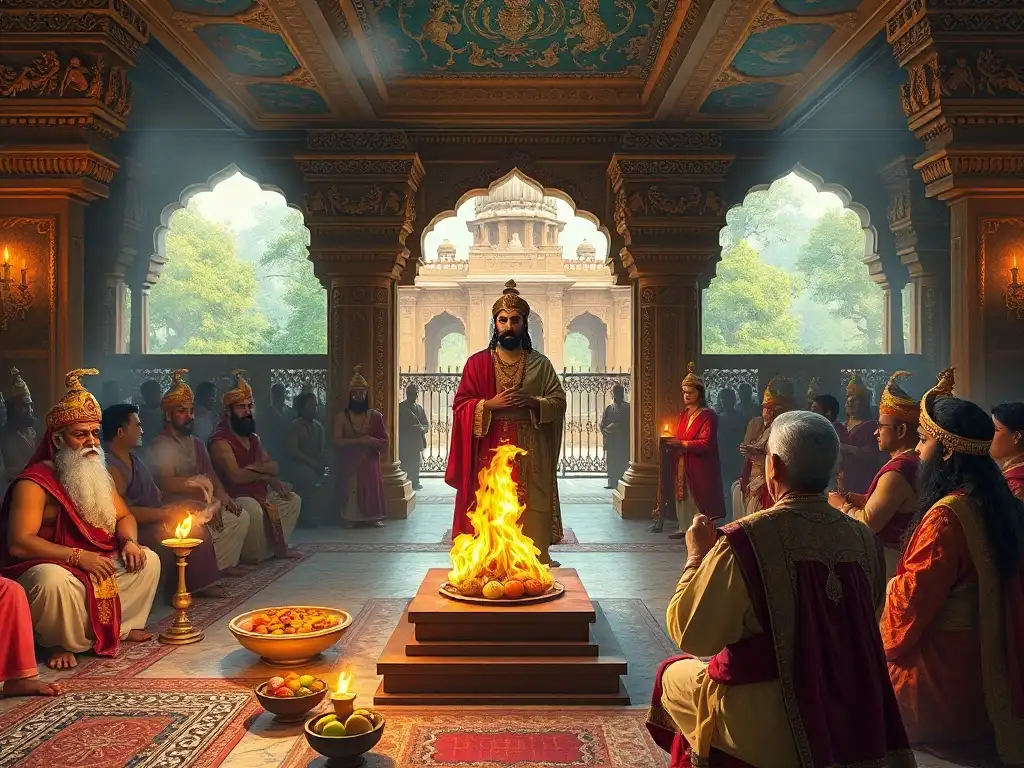
Ancient Indian leadership was deeply intertwined with the region's historical, cultural, and social frameworks. The concept of leadership in ancient India was not merely about political authority; it encompassed a broad spectrum of responsibilities that included the welfare of the people, adherence to dharma (moral duty), and the promotion of societal harmony. Leadership roles were often ascribed to individuals who exhibited qualities such as wisdom, courage, and benevolence, reflecting the values held in high regard within various Indian civilizations.
The historical backdrop of leadership is significant, as it evolved through various dynastic changes, each contributing unique practices and ideologies. From the early Indus Valley civilization, where governance structures are believed to have been relatively egalitarian, to the stratified political systems of later empires like the Maurya and Gupta, the leadership landscape was dynamic. The role of regional kings and local chieftains also played an essential part in shaping governance, wherein their authority was often legitimized through rituals and ceremonies, establishing their connection to the divine and their moral obligation toward the populace.
The Role of Kings and Rulers in Ancient Indian Societies
Kings and rulers in ancient India were viewed as embodiments of both political power and divine will. They were expected to uphold justice, protect their subjects, and maintain the balance of nature and society. The legitimacy of their rule was frequently reinforced through ancient Indian leadership rituals, which served to legitimize their power and establish their connection to the divine.
- Divine Right of Kings: Many rulers claimed divine lineage or favor, which was often expressed through grand ceremonies that illustrated their connection to the gods. For instance, the coronation rituals included anointing with holy water, symbolic of divine blessing.
- Dharma and Governance: The concept of dharma was central to leadership. Rulers were seen as dharmarajas, or righteous kings, whose duty was to govern according to ethical principles. This moral framework shaped their decisions and actions, with rituals reinforcing their commitment to these responsibilities.
- Ceremonial Functions: Important events such as the Asvamedha (horse sacrifice) and Rajasuya (royal consecration) were not merely political statements; they were crucial in asserting a ruler's authority and expanding their influence. These rituals involved elaborate preparations, showcasing the king's wealth and power, while also invoking the blessings of the gods.
Influence of Religion and Spirituality on Leadership
Religion and spirituality played pivotal roles in shaping ancient Indian leadership, influencing both the rulers' personal beliefs and the political landscape. The intertwining of religious authority and political power was evident in various aspects of governance:
- Spiritual Guidance: Many rulers sought counsel from spiritual leaders or sages, reflecting the belief that divine wisdom was essential for just governance. This relationship often reinforced the ruler's status as a divinely chosen leader.
- Rituals as Political Tools: Rituals served not only to enhance the ruler's spiritual authority but also to unify the population. By participating in collective ceremonies, subjects felt a sense of belonging and loyalty to their king, reinforcing social cohesion.
- Cultural Integration: Diverse religious beliefs, including Hinduism, Buddhism, and Jainism, coexisted and influenced leadership styles. For example, Ashoka the Great, a Mauryan emperor, adopted Buddhist principles to guide his rule, promoting non-violence and social welfare through his edicts.
Ancient Indian leadership rituals were integral to the governance and societal structure of the time. They not only legitimized rulers' authority but also reflected the rich tapestry of culture and spirituality that characterized ancient Indian civilization. Understanding these practices provides deeper insight into how leaders navigated their roles and responsibilities within their societies.
Types of Rituals and Ceremonies in Ancient Indian Leadership
Coronation Ceremonies and Their Significance
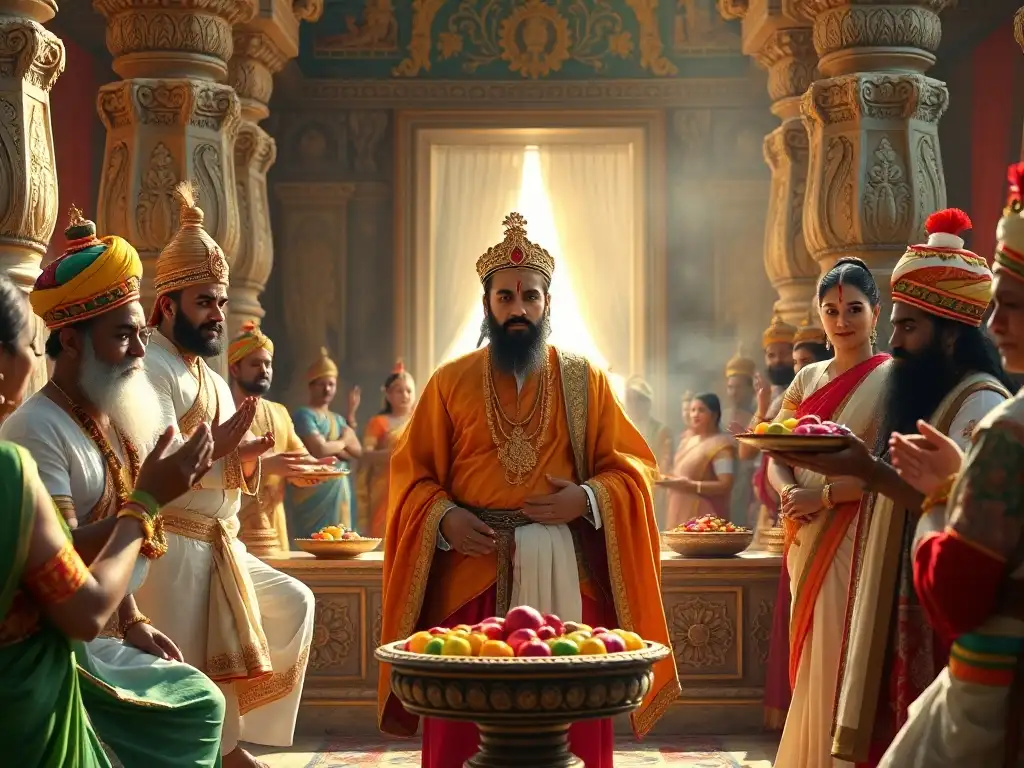
Coronation ceremonies in ancient India were elaborate events that marked the ascension of a new ruler. These rituals were not only a formality but held significant spiritual and political implications. The ceremony typically involved the anointing of the king with sacred substances, often using water from holy rivers, oils, and flower extracts. This act was believed to purify the ruler and imbue him with divine authority.
The significance of these coronation ceremonies is multifaceted:
- Divine Right to Rule: The king's authority was often seen as divinely ordained. By participating in sacred rituals, the monarch was believed to receive blessings from the gods, reinforcing his legitimacy in the eyes of the people.
- Public Display of Power: Coronations were grand public events attended by nobles, priests, and citizens, showcasing the wealth and power of the new ruler. This served to unify the populace under the new leadership.
- Cultural Continuity: These ceremonies often included traditional chants, music, and dances, which emphasized the continuity of cultural practices and values, thus solidifying the ruler's connection to the past.
One notable example is the Rajasuya ceremony, which involved a series of rituals culminating in the king's elevation to a sovereign status. This ceremony illustrated how deeply intertwined governance and spirituality were in ancient Indian leadership.
Sacred Rituals for Kingship and Governance
Ancient Indian leadership rituals often included sacred rites that emphasized the king's role as a custodian of dharma (moral order). These rituals served to align the ruler’s governance with cosmic and social order, ensuring stability and prosperity within the kingdom.
Key aspects of these sacred rituals include:
- Yajnas (Sacrificial Offerings): Kings performed yajnas to appease deities and seek their favor for prosperity and protection. These rituals involved offerings of grains, animals, and other sacred items, conducted by priests who facilitated communication between the king and the divine.
- Panchayat System: The ancient system of governance often involved community leaders and elders, where rituals played a role in decision-making. The king would consult with wise men and perform rituals that would ensure collective consent before enacting laws or policies.
- Rituals of Purification: Before assuming office or making significant decisions, kings underwent purification rituals, which included bathing in holy waters and reciting mantras. This practice symbolized the importance of moral integrity in leadership.
These sacred rituals not only reinforced the ruler's connection to divine authority but also served to maintain social cohesion and uphold the values of justice and righteousness in governance.
Festivals and Their Role in Leadership Dynamics
Festivals in ancient India were not merely celebratory events; they played a crucial role in the dynamics of leadership and governance. These occasions provided an opportunity for rulers to engage with their subjects, reaffirm their authority, and promote social harmony.
Significant aspects of festivals include:
- Public Engagement: Festivals allowed kings to interact with their subjects in a communal setting, fostering loyalty and support. By participating in celebrations, rulers demonstrated their commitment to the welfare of the people.
- Cultural Identity: Festivals often showcased regional traditions and customs, reinforcing the cultural identity of the kingdom. This served to unite diverse populations under a common heritage, enhancing the ruler's legitimacy.
- Political Messaging: During festivals, rulers could convey political messages through speeches or acts that reflected their vision for the kingdom. For instance, the celebration of harvest festivals often included the distribution of food and gifts, symbolizing the ruler's role as a provider.
One prominent example is the Diwali festival, which not only celebrated the triumph of light over darkness but also served as an occasion for the ruler to reaffirm his commitment to justice and prosperity for all.
Ancient Indian leadership rituals, through their various forms — from coronation ceremonies to sacred rites and festive celebrations — were integral to establishing a ruler’s authority and fostering a sense of community and continuity within the kingdom.
Key Rituals Associated with Prominent Leaders
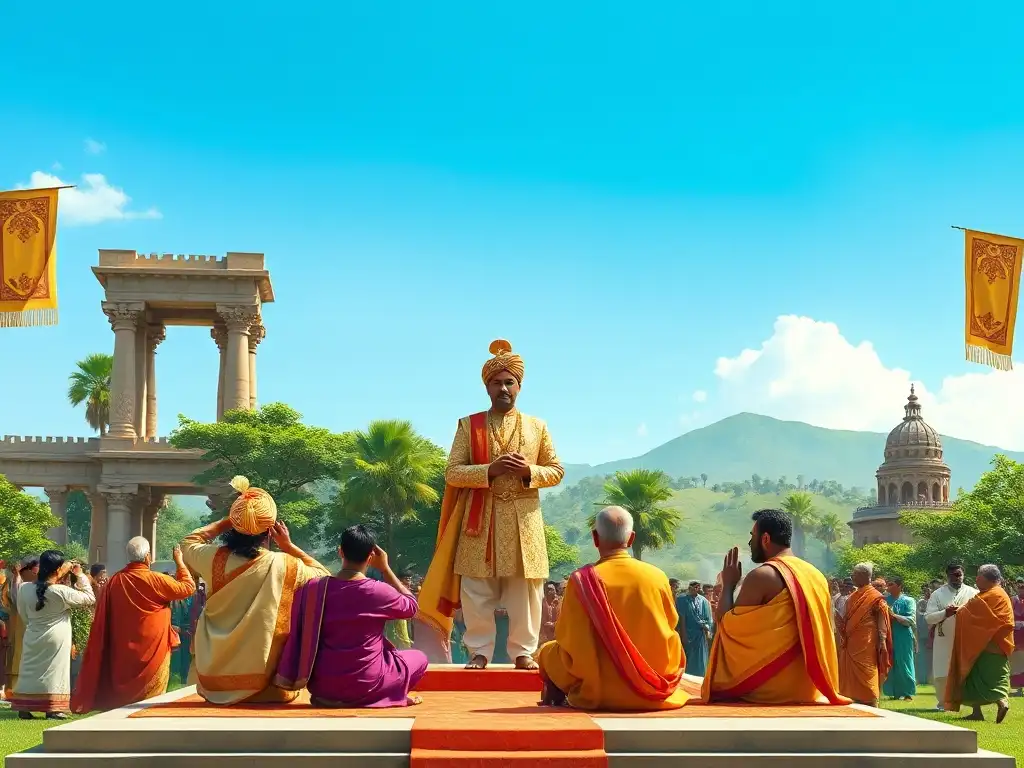
Rituals and ceremonies served as vital components of leadership in ancient Indian civilizations, shaping the political and spiritual landscape. These practices were not merely ceremonial; they reinforced the authority of leaders, established their legitimacy, and connected them with the divine. This section delves into the key rituals associated with prominent leaders, particularly focusing on the Maurya and Gupta Empires and exploring regional variations across ancient India.
Rituals of the Maurya Empire: Chandragupta and Ashoka
The Maurya Empire, one of the largest and most powerful empires in ancient India, saw the emergence of significant leadership rituals that defined its rulers, particularly Chandragupta Maurya and his grandson, Ashoka.
- Chandragupta Maurya's Coronation:
- This ceremony was marked by elaborate rituals that included the Rajasuya or royal consecration, which symbolized the divine right to rule.
- Chandragupta's ascension involved offerings to deities and the performance of yajnas (sacrificial rituals) to ensure prosperity and divine favor.
- Ashoka's Conversion and the Edicts:
- Following his conversion to Buddhism, Ashoka adopted new ceremonial practices that emphasized peace and moral governance.
- His edicts, inscribed on pillars and rocks, acted as both political and spiritual mandates, promoting dharma (righteousness) as a guiding principle for his rule.
- The Ashoka Chakra, a symbol of his reign, became a representation of justice and moral authority.
These rituals not only solidified the rulers' positions but also reflected their evolving philosophies, particularly Ashoka's commitment to non-violence and moral integrity.
Gupta Empire Ceremonies and Leadership Practices
The Gupta Empire, often referred to as the "Golden Age" of India, showcased a unique blend of rituals that emphasized both political power and cultural prosperity.
- Royal Coronation and Rituals:
- Gupta rulers, such as Chandragupta I and Samudragupta, underwent elaborate coronation ceremonies that included the Kumara ritual, which marked the transition from youth to king.
- These ceremonies involved the participation of Brahmins who performed sacred chants and rituals to invoke divine blessings.
- Cultural Festivals and Public Ceremonies:
- The Gupta period was characterized by grand public festivals, such as Maha Shivaratri and Navaratri, which were not only religious in nature but also served as platforms for the rulers to display their wealth and power.
- These festivals provided a means for the rulers to connect with the populace, reinforcing their status as protectors and patrons of culture.
- Art and Architecture as Rituals:
- The Gupta rulers commissioned temples and sculptures that depicted their divine connection, such as the famous Ajanta Caves and Kandariya Mahadeva Temple.
- These architectural feats were not just artistic expressions; they were integral to the ritualistic practices that celebrated the divine and the ruler's role in maintaining cosmic order.
Regional Variations in Leadership Rituals Across Ancient India
Ancient India was a tapestry of diverse cultures, and this diversity was reflected in the regional variations of leadership rituals.
- Southern India:
- In kingdoms such as the Chola and Pandya, rituals centered around temple worship and agricultural festivals played a significant role in legitimizing rulers.
- The Thiruvizha (temple festival) allowed kings to showcase their divine connection, often involving processions and offerings to deities.
- Western India:
- The Maratha leaders, particularly during the reign of Shivaji Maharaj, incorporated local traditions into their leadership rituals, emphasizing valor and military prowess through celebrations like Shivaji Jayanti.
- Rituals often included Holi and Diwali, integrated with the king’s narrative of heroism and protection of the realm.
- Northern India:
- In the Rajput states, rituals of valor and honor were paramount, with ceremonies like Gharial (homecoming) where victorious leaders were celebrated through grand processions.
- The use of Brahmanical rituals reinforced the divine legitimacy of Rajput leadership, emphasizing their Kshatriya (warrior) status.
These regional variations in ancient Indian leadership rituals illustrate how local customs, beliefs, and practices shaped the governance and authority of rulers across different parts of the subcontinent. Each ritual, while unique in its expression, contributed to the overarching theme of establishing and maintaining leadership through spiritual and cultural connections.
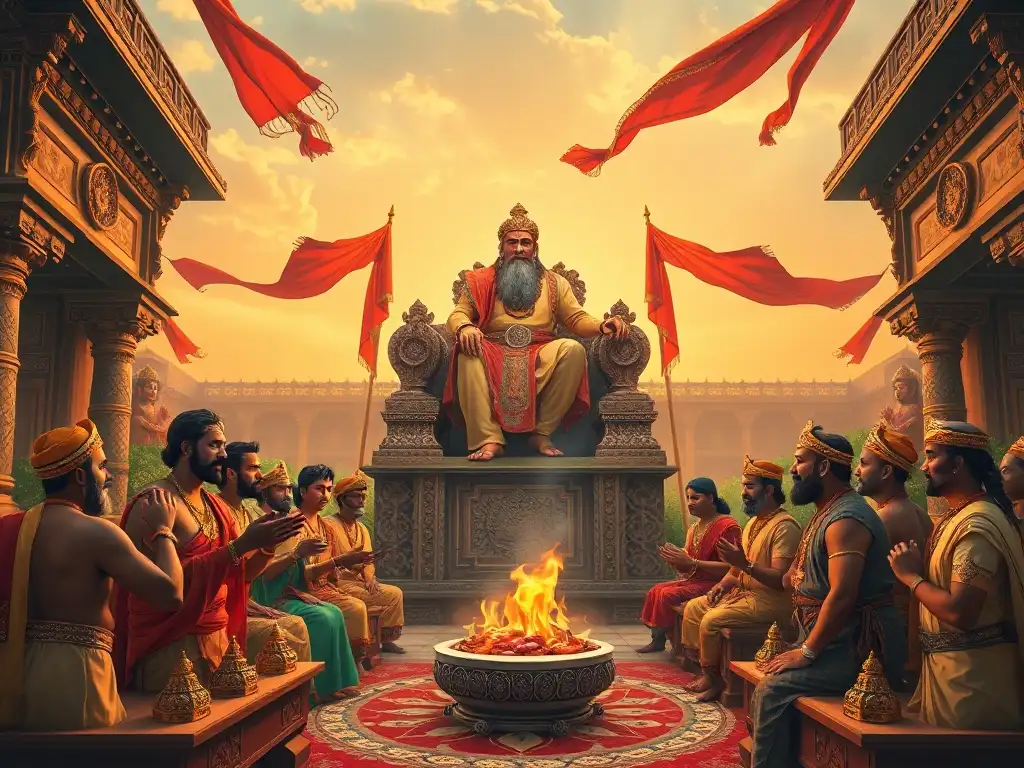
Strengthening Political Legitimacy Through Rituals
In ancient Indian civilizations, rituals played a pivotal role in establishing and reinforcing the political legitimacy of leaders. These rituals often intertwined with religious beliefs, creating a framework within which rulers were viewed as divine or semi-divine figures. For instance, the Rajasuya Yagna, a grand royal ceremony, was performed by kings to signify their sovereignty and ambition for expansion. This ritual not only marked the king's authority but also showcased his ability to maintain cosmic order, thereby garnering the support of the populace.
The concept of Dharma—a fundamental principle in Hindu philosophy—was also crucial in legitimizing leadership. Leaders were expected to uphold Dharma, and rituals served as a means to demonstrate their commitment to this ethical duty. By participating in elaborate religious ceremonies, rulers could present themselves as protectors of societal values and norms, thus consolidating their power.
Moreover, rituals acted as a tool for propaganda. Royal patrons would often commission temples and elaborate structures to commemorate significant events or to honor deities, intertwining their leadership with the divine. This not only enhanced their status but also served to unify the people under a common religious identity.
Ceremonies in ancient India were essential for fostering social cohesion among diverse populations. These events were often inclusive, inviting participation from various social strata, and thereby strengthening communal bonds. Festivals such as Makar Sankranti or Navaratri provided opportunities for leaders to engage with their subjects in a celebratory context, reinforcing their roles as both rulers and community figures.
Through communal rituals, leaders could project an image of unity and shared identity. Yajnas—sacrificial ceremonies—often involved large gatherings that emphasized collective participation. These ceremonies served not only as religious observances but also as a platform for leaders to showcase their generosity and commitment to the welfare of their people. By distributing offerings and participating in community feasts, leaders could solidify their relationship with the populace, promoting an image of benevolence and care.
Additionally, rituals facilitated the negotiation of social hierarchies. Leaders often utilized ceremonial events to reward loyal subjects and recognize the contributions of various social groups. This practice not only acknowledged their roles within the society but also encouraged a sense of loyalty and dependency on the leadership.
In conclusion, ancient Indian leadership rituals were not merely symbolic actions; they were vital components of governance that strengthened authority and promoted social unity. The intertwining of political power with ritual practices created a framework through which leaders could maintain their status and foster a cohesive society.
Conclusion: The Enduring Legacy of Ancient Indian Leadership Rituals
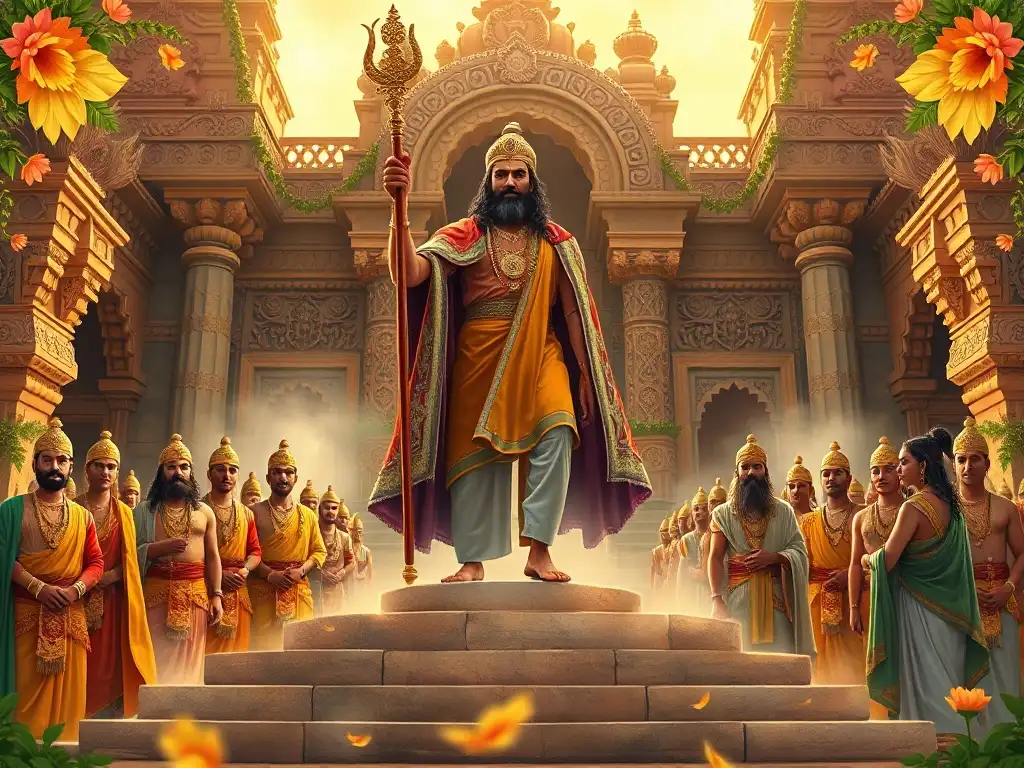
The rituals and ceremonies practiced by ancient Indian leaders played a crucial role in shaping their authority and governance. These traditions were not merely ceremonial; they were deeply embedded in the socio-political fabric of the time. The significance of these ancient Indian leadership rituals can be observed in how they established legitimacy, fostered unity, and communicated power.
As we look back at the elaborate rites, such as the Rajasuya and Ashvamedha, it becomes clear that these ceremonies served multiple purposes. They were a means of not just affirming royal status but also of reinforcing the connection between the ruler and the divine. This divine association was critical in cultivating respect and allegiance among subjects, ensuring stability and continuity in leadership.
Moreover, the symbolic acts performed during these rituals often reflected the values and aspirations of ancient Indian society, emphasizing qualities such as wisdom, strength, and harmony. The rituals were meticulously structured, with detailed protocols that highlighted the leader's role within the larger cosmic order, thereby enhancing their position.
Reflections on the Influence of Rituals on Modern Leadership
Ancient Indian leadership rituals have an enduring influence that can still be observed in modern leadership practices. Many contemporary leaders draw inspiration from these rituals to foster a sense of unity and purpose within their organizations. For instance, the ceremonial aspects of modern Indian political events often echo the grandeur and solemnity of ancient rites.
The emphasis on collective participation in key decision-making processes can also be traced back to these historical practices. Leaders today are increasingly recognizing the importance of rituals in building a cohesive team and instilling a sense of belonging among members.
The ritual of the "Sankalp" (a vow taken before starting any significant endeavor) is one such practice that has found relevance in modern contexts. It serves as a powerful reminder of commitment and accountability, resonating with the values upheld by ancient leaders.
The Continuing Relevance of Ancient Practices in Contemporary India
In contemporary India, the relevance of ancient leadership rituals is evident in various cultural, political, and social spheres. Festivals, public ceremonies, and political gatherings often incorporate elements from these ancient practices, reflecting the deep-rooted cultural heritage.
For example, during elections, political leaders may invoke traditional blessings or perform specific rituals to seek divine favor, mirroring the practices of their ancient counterparts. This not only reinforces their connection to history but also resonates with the electorate's sentiments, invoking a sense of continuity and trust.
Moreover, the concept of "Dharma" (righteousness and duty) that was central to ancient leadership is still a guiding principle for many modern leaders. The ethical frameworks established by ancient rituals continue to inspire leaders to navigate the complexities of governance while upholding integrity and responsibility.
The ancient Indian leadership rituals are not just relics of the past; they continue to shape and influence modern leadership in profound ways. By understanding and appreciating these traditions, contemporary leaders can draw valuable lessons on the significance of rituals in establishing authority, fostering community, and promoting ethical governance.
Frequently Asked Questions
What were the primary leadership rituals in ancient India?
Ancient Indian leadership rituals often included coronations, sacrifices, and purification ceremonies that symbolized the ruler's divine right and connection to the gods.
How did rituals influence the legitimacy of rulers?
Rituals were crucial in establishing the legitimacy of rulers by showcasing their adherence to tradition and divine approval, which reinforced their authority among the people.
Were there specific ceremonies for different types of leaders?
Yes, there were distinct ceremonies for various leaders, including kings, warriors, and spiritual leaders, each designed to reflect their unique roles and responsibilities within society.
How did the Indus Valley Civilization incorporate rituals into leadership?
The Indus Valley Civilization practiced rituals that emphasized community well-being, often involving public gatherings and ceremonial offerings to ensure the prosperity and stability of their leadership.
What role did religion play in ancient Indian leadership rituals?
Religion played a pivotal role, as many leadership rituals were deeply intertwined with religious beliefs, serving to invoke divine favor and ensure the ruler's spiritual authority over their subjects.
Final Reflection: The Enduring Legacy of Ancient Indian Leadership Rituals
The exploration of ancient Indian leadership rituals reveals their profound significance in shaping not only the governance of the time but also the cultural identity that persists today. These rituals were not mere formalities; they were essential practices that instilled authority, unity, and a sense of purpose among leaders and their subjects. In a world increasingly driven by technology and individualism, the communal and symbolic nature of these rituals serves as a powerful reminder of the values that bind societies together.
The influence of these ancient practices continues to resonate in contemporary leadership and governance. As we navigate complex social dynamics, the lessons from these rituals remind us of the importance of community, tradition, and shared values in effective leadership. Rituals are the threads that weave the fabric of society, connecting the past with the present.
This observation underscores how ancient Indian leadership rituals not only defined an era but also laid the groundwork for the cultural and social frameworks we engage with today.
As we reflect on the wisdom embedded in these ancient practices, I invite you to consider how you can incorporate the essence of these rituals into your own life and leadership style. Embrace the power of community, honor traditions, and foster connections that transcend the individual. By doing so, you can contribute to a more cohesive and harmonious society, echoing the timeless principles of ancient Indian leadership rituals that continue to inspire us.
Embrace the Power of Rituals in Leadership!
Thank you for exploring the fascinating role of rituals and ceremonies in ancient Indian leadership. Your interest in this rich history allows you to unlock valuable insights into how these traditions shaped effective governance and strengthened community bonds. Now, it's time to take action and incorporate this knowledge into your own leadership journey!
- Reflect on a personal ritual you can implement that embodies the values of trust and unity within your team.
- Explore ancient wisdom! Dive deeper into the realm of rituals by learning about similar practices in various cultures and leadership styles.
- Share this article with friends or colleagues who might benefit from understanding the profound impact of these ceremonies on leadership dynamics.
What ritual or ceremony do you believe could enhance modern leadership practices today? Let's discuss this in the comments!