
The Tolerance of the Mughal Empire: A Study of Its Influential Leaders

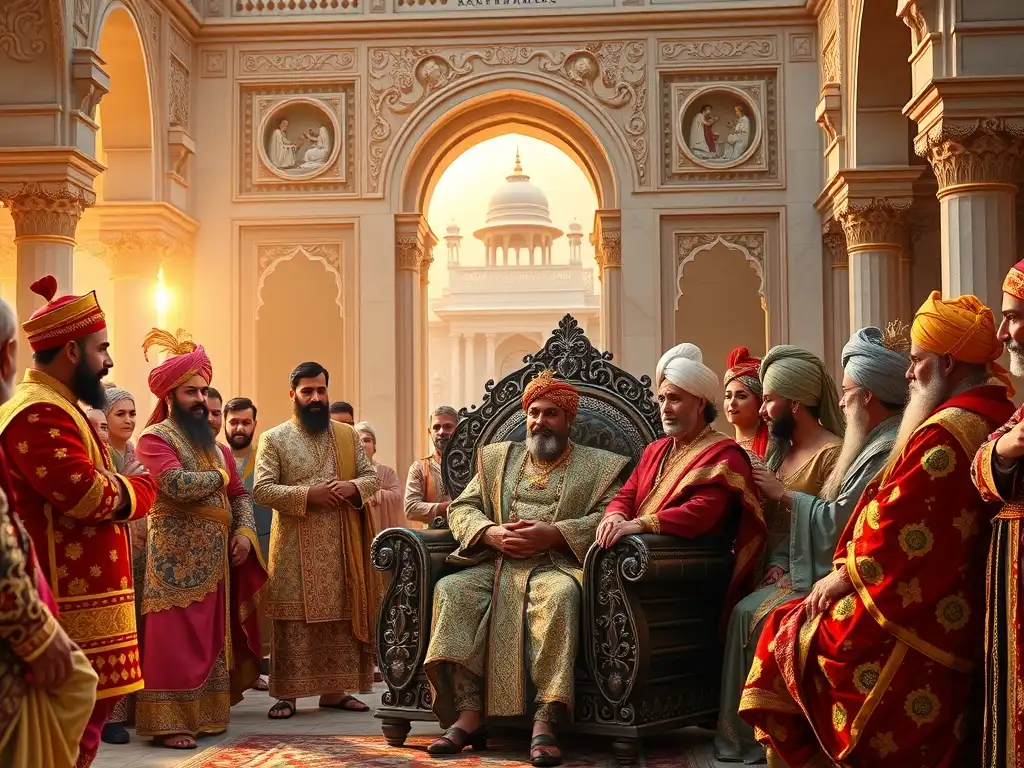
Welcome to Ancient India History, where we embark on a journey through the rich tapestry of ancient Indian civilizations. Today, we delve into the fascinating tolerance history of the Mughal Empire, exploring how its influential leaders shaped a legacy of coexistence and cultural synthesis. What were the motivations behind their policies of tolerance, and how did these decisions impact the diverse communities within their realm? Join us as we uncover the intricate stories and pivotal moments that defined this remarkable era, inviting you to discover the profound connections between past and present. Your exploration begins now!
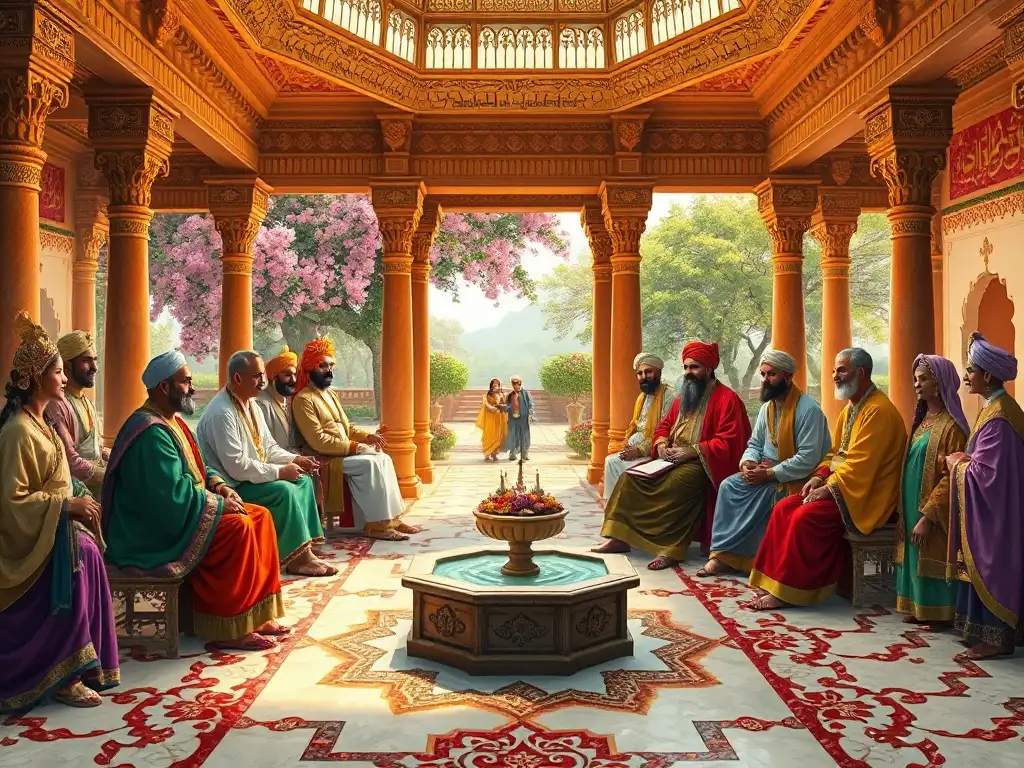
Introduction to the Mughal Empire Tolerance History
The Mughal Empire, which flourished in the Indian subcontinent from the early 16th century to the mid-19th century, is renowned not only for its monumental architecture but also for its profound cultural and religious tolerance. This era, marked by a remarkable confluence of diverse traditions and beliefs, set the stage for a unique socio-political landscape that facilitated a relatively peaceful coexistence among various communities. The tolerance of the Mughal Empire is a significant aspect of its history, influencing the dynamics of governance, social interactions, and cultural exchanges.
Throughout its existence, the Mughal Empire was shaped by the vision and policies of several influential leaders who advocated for inclusivity and respect among different religions. This article delves into the Mughal Empire's tolerance history, exploring how these leaders not only fostered an environment of acceptance but also contributed to the richness of Indian culture and heritage.
Overview of the Mughal Empire
The Mughal Empire emerged in 1526 with the victory of Babur, a descendant of Timur and Genghis Khan, at the Battle of Panipat. Spanning over 300 years, it reached its zenith under emperors like Akbar, Jahangir, and Shah Jahan. The empire's administration was characterized by a complex bureaucracy and a blend of Persian and Indian influences, which played a crucial role in consolidating power across a vast and diverse territory.
The Mughals are credited with significant advancements in various fields such as art, architecture, and literature. The construction of iconic monuments like the Taj Mahal and Red Fort exemplifies their architectural brilliance. However, it is the empire's approach to governance, particularly its emphasis on tolerance, that stands out as a defining feature of its legacy.
Importance of Tolerance in Mughal Rule
Tolerance in the Mughal Empire was not merely a political strategy but a foundational principle that enabled the empire to thrive amidst a tapestry of cultures and religions. By promoting a policy of inclusivity, the Mughals were able to integrate diverse communities into the administrative framework, which helped in maintaining stability and reducing conflict.
Key aspects of tolerance during Mughal rule included:
- Religious Policies: The Mughal emperors implemented policies that encouraged dialogue and cooperation among different faiths, significantly impacting Hindu-Muslim relations.
- Cultural Syncretism: The fusion of various cultural elements led to the development of a distinct Mughal identity that enriched Indian civilization.
- Economic Prosperity: The acceptance of diverse communities facilitated trade and commerce, contributing to the overall prosperity of the empire.
Key Influential Leaders in the Mughal Empire
The legacy of tolerance in the Mughal Empire is largely attributed to its influential leaders, each of whom played a pivotal role in shaping the empire's ethos. Their unique approaches to governance and their commitment to inclusivity laid the groundwork for a harmonious society.
Akbar the Great: The Architect of Tolerance
Akbar, who reigned from 1556 to 1605, is often regarded as the most significant proponent of tolerance in the Mughal Empire. His policies aimed at integrating the Hindu majority into the governance structure were revolutionary for their time.
Key contributions of Akbar include:
- Din-i Ilahi: A syncretic religion introduced by Akbar that sought to merge the best elements of various faiths.
- Jizya Abolition: The removal of the tax on non-Muslims, promoting economic equality.
- Council of Nine: A diverse advisory council that included individuals from different religious backgrounds.
Jahangir: Continuation of Tolerance
Following Akbar, Jahangir (reigned 1605-1627) maintained and furthered the principles of tolerance established by his predecessor. He is known for his emphasis on justice and the arts, fostering an environment where cultural expression flourished.
Notable aspects of Jahangir's reign include:
- Artistic Patronage: Support for artists and intellectuals, encouraging the fusion of Mughal and local styles.
- Judicial Reforms: A focus on fair governance and the establishment of a judicial system that respected diverse legal traditions.
Shah Jahan: The Builder with a Vision
Shah Jahan, famed for his architectural masterpieces, also embodied the Mughal spirit of tolerance during his reign (1628-1658). His vision extended beyond construction, promoting a unified identity among the empire's subjects.
Highlights of Shah Jahan's contributions include:
- Cultural Flourishing: Continued support for the arts and architecture, symbolizing the empire's grandeur and cultural richness.
- Diplomatic Relations: Engagement with various kingdoms and communities to foster peaceful coexistence and mutual respect.
As we delve deeper into the Mughal Empire's tolerance history, we will explore the individual contributions of these leaders and their lasting impact on Indian society and culture.
The Socio-Political Context of Tolerance in the Mughal Empire
The Mughal Empire, which flourished between the early 16th and the 18th centuries, was characterized by a complex socio-political landscape that necessitated a degree of tolerance among its diverse populace. Founded by Babur, the empire expanded under Akbar, Jahangir, and Shah Jahan, each leader contributing to a unique political environment that emphasized cooperation and coexistence.
During this era, India was home to various religious communities, including Hindus, Muslims, Sikhs, Jains, and Christians, each with their own traditions and practices. The Mughals recognized that fostering a culture of tolerance was essential to maintaining stability and governance over such a vast and diverse territory. By promoting an inclusive policy, the empire not only mitigated potential conflicts but also enhanced its legitimacy among the subjects.
Akbar, in particular, is noted for his efforts to create a syncretic society through initiatives like the Din-i Ilahi, which sought to unify different faiths and establish a common moral framework. This socio-political strategy was critical in an era where religious strife was prevalent in many parts of the world. Furthermore, the administrative structure of the Mughal Empire, which included representatives from various religious backgrounds, reinforced the principle of tolerance as a practical governance tool.
Cultural Syncretism in Mughal Society
Cultural syncretism during the Mughal Empire was a dynamic process that blended various religious and cultural elements. This phenomenon was particularly evident in art, architecture, and literature, where influences from Persian, Indian, and Islamic traditions coalesced to create a unique Mughal identity.
The architecture of the Mughal era, exemplified by remarkable structures like the Taj Mahal and the Red Fort, showcases a fusion of styles. Indo-Islamic architecture emerged, characterized by intricate carvings, stunning domes, and lush gardens. This blending of artistic traditions can be seen as a manifestation of the empire's commitment to tolerance and inclusivity.
In literature, poets and writers from different backgrounds collaborated and exchanged ideas, producing works that transcended religious boundaries. Persian poetry thrived alongside Sanskrit literature, and vernacular languages began to flourish, further amplifying the cultural tapestry of the Mughal Empire. Such syncretism not only enriched Mughal society but also laid the groundwork for a collective Indian identity that continues to evolve.
Influence of Sufi Traditions on Mughal Leaders
Sufi traditions played a pivotal role in shaping the ethos of tolerance within the Mughal Empire. Sufism, with its emphasis on personal spirituality, love, and devotion, transcended orthodox religious boundaries, making it a unifying force among various faiths. Sufi saints, revered for their piety and wisdom, often acted as intermediaries between the Mughals and the local populace, promoting peaceful coexistence.
Mughal emperors, especially Akbar, were deeply influenced by Sufi teachings and frequently sought the counsel of prominent Sufi figures. These interactions fostered an environment where dialogue and understanding were prioritized over dogma. Akbar's respect for Sufi practices is famously illustrated by his visits to Sufi shrines and his patronage of Sufi scholars.
Moreover, the integration of Sufi principles into Mughal governance reinforced the idea that spiritual unity could coexist with political authority. This approach not only appealed to the diverse subjects of the empire but also contributed to the overall stability and prosperity of Mughal rule.
Impact of Mughal Tolerance on Indian Society
The Mughal Empire's tolerance had profound implications for Indian society, influencing social structures, cultural exchanges, and interfaith relations. The policies of inclusivity established by Mughal leaders allowed for greater harmony among various communities, which in turn facilitated economic growth and cultural flourishing.
Interfaith Relations and Cultural Exchange
Interfaith relations during the Mughal era were marked by collaboration and mutual respect among different religious communities. The empire's rulers actively sought to engage with leaders from diverse backgrounds, fostering dialogues that enriched cultural exchange.
Markets and festivals became melting pots of ideas and traditions, where people from various faiths came together to celebrate their shared humanity. This interaction led to the exchange of culinary practices, music, dance, and art forms, resulting in a vibrant cultural landscape that blended elements from Hindu, Muslim, and other traditions.
The Mughal court itself became a hub of cultural activity, where artists, musicians, and scholars from various backgrounds were patronized. This environment of creativity and collaboration not only strengthened social bonds but also contributed to the evolution of a unique Indian culture, characterized by its pluralism.
Legacy of Tolerance in Modern India
The legacy of tolerance established during the Mughal Empire continues to resonate in modern India. Although the country has faced various challenges related to communal tensions, the foundational principles of inclusivity and cultural syncretism remain integral to India's identity.
In contemporary times, the diverse fabric of Indian society draws heavily from the historical coexistence fostered by the Mughals. Festivals such as Diwali and Eid are celebrated together in many regions, symbolizing the enduring spirit of unity.
Furthermore, the architectural marvels of the Mughal era, like the Taj Mahal, stand as testaments to the empire's commitment to tolerance and cultural exchange. As India navigates its complex social landscape, the lessons of the Mughal Empire serve as reminders of the strength found in diversity and the importance of fostering an inclusive society. Through education, dialogue, and cultural appreciation, the legacy of Mughal tolerance continues to shape the nation, inspiring generations to embrace its rich and diverse heritage.
Challenges to Tolerance in the Mughal Empire
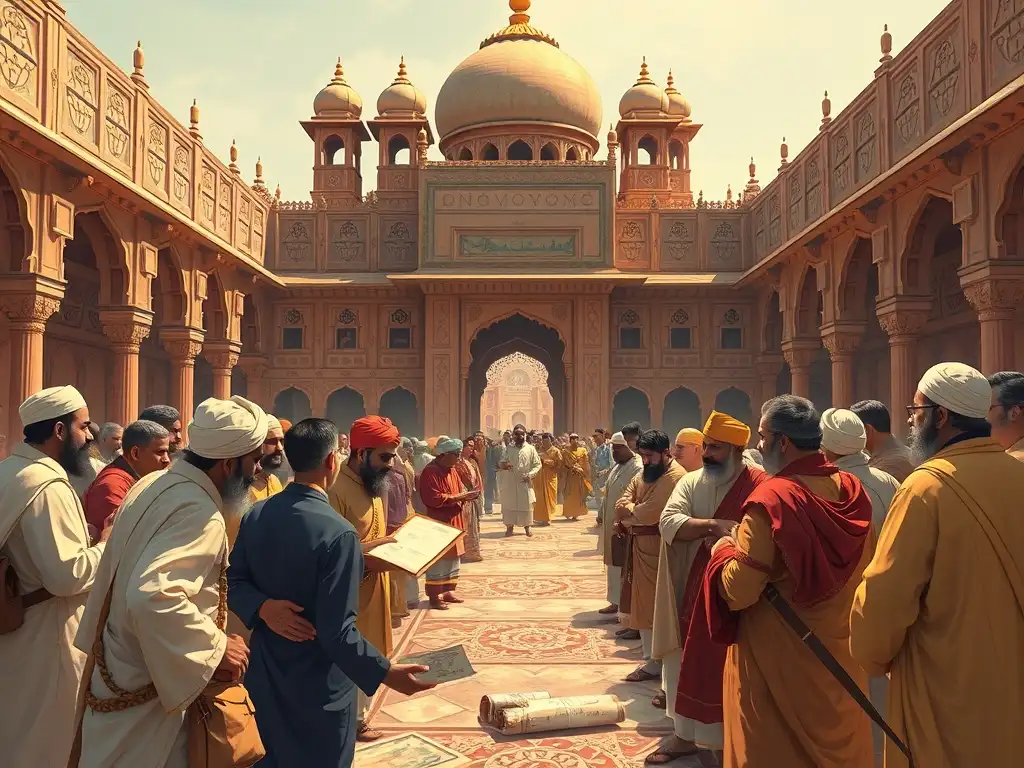
While the Mughal Empire is often celebrated for its tolerance and cultural syncretism, it faced significant challenges that threatened to undermine these values. The complexities of a diverse empire, composed of various religious and ethnic groups, often resulted in friction. These challenges stemmed from both internal and external sources, contributing to a fluctuating landscape of tolerance throughout the empire's history.
Opposition from Conservative Factions
Within the Mughal Empire, conservative factions often resisted the more progressive policies of tolerance advocated by certain leaders. This opposition was particularly pronounced among orthodox religious groups, including certain Islamic scholars and local chieftains, who viewed the acceptance of other faiths as a dilution of Islamic principles. These factions often mobilized public sentiment against the Mughal leadership, arguing for a return to stricter interpretations of Islam.
Notably, the rise of the Deobandi movement in the late Mughal period exemplified this conservative pushback. As religious leaders sought to reinforce traditional values, they increasingly criticized the Mughal emperors for their patronage of Hindu temples and their engagement in interfaith dialogues. This increasing conservatism often led to social unrest and highlighted the delicate balance that Mughal rulers had to maintain between promoting tolerance and addressing the concerns of their conservative subjects.
Decline of Tolerance in Later Mughal Leaders
The decline of tolerance became particularly evident during the reign of later Mughal leaders, especially after the death of Akbar, the most renowned proponent of religious harmony. Subsequent emperors, such as Jahangir and Shah Jahan, maintained a semblance of tolerance but were less committed to the principles of pluralism and inclusivity that characterized Akbar's rule.
By the time of Aurangzeb, tolerance had significantly deteriorated. Aurangzeb's policies, including the re-imposition of the jizya tax on non-Muslims and the destruction of Hindu temples, marked a stark departure from earlier practices. His reign is often viewed as a period of religious intolerance, which not only alienated significant segments of the population but also contributed to the weakening of the Mughal Empire as a whole. This shift towards intolerance had lasting effects, sowing discord among the empire's diverse communities and paving the way for future conflicts.
Conclusion: The Lasting Influence of Mughal Empire Tolerance History
The Mughal Empire’s legacy is complex, particularly regarding its approach to tolerance. While there were notable periods of inclusivity and cultural exchange, the challenges and eventual decline of these practices highlight the fragility of such ideals within a vast empire. Understanding this historical context is crucial for appreciating the nuances of governance in ancient India.
Summary of Key Points
- The Mughal Empire initially thrived on principles of tolerance, particularly under Akbar's enlightened leadership.
- Opposition from conservative factions within Islamic society often challenged the Mughal rulers' efforts to promote pluralism.
- The decline of tolerance became pronounced under later leaders, culminating in Aurangzeb's reign, which marked a significant regression in interfaith relations.
Reflection on the Importance of Tolerance in Governance
The history of tolerance in the Mughal Empire serves as a powerful reminder of the importance of inclusivity in governance. A tolerant regime fosters social cohesion and stability, allowing various communities to coexist peacefully. Conversely, the decline of tolerance can lead to division and unrest, as seen during the later years of the Mughal Empire. This historical lesson underscores the need for contemporary leaders to cultivate an environment of acceptance and understanding, drawing inspiration from the rich tapestry of Indian history.
References and Further Reading on Mughal Empire Tolerance History
The Mughal Empire, known for its remarkable cultural and religious syncretism, has been the subject of extensive scholarly research. Below is a compilation of suggested books, articles, and online resources that provide deeper insights into the tolerance exhibited by the Mughal rulers and their impact on Indian society.
Suggested Books and Articles
- "The Mughal Empire" by John F. Richards
- This comprehensive book offers a detailed examination of the Mughal Empire, focusing on its political structure, cultural achievements, and the rulers' policies on religious tolerance. Richards discusses the nuanced approach of Mughal emperors towards various faiths, particularly under Akbar's reign.
- "Akbar: The Great Mughal" by Ira Mukhoty
- In this biographical account, Mukhoty explores the life of Akbar, one of the most notable emperors of the Mughal dynasty. The book delves into his innovative policies promoting religious tolerance and his establishment of the Din-i Ilahi, a syncretic religion aimed at fostering unity among diverse communities.
- "The Idea of the Mughal Empire" by Richard M. Eaton
- Eaton presents an analytical perspective on the Mughal Empire's formation and its implications for regional politics and culture. The text discusses how tolerance was embedded in the administrative and socio-political frameworks of the empire.
- "Mughal India: 1526-1857" by S. R. Sharma
- This work provides a chronological overview of the Mughal Empire, highlighting key events and figures. Sharma assesses the role of tolerance in governance and how it contributed to the stability and cultural richness of the empire.
- Journal Article: "The Politics of Religious Tolerance in the Mughal Empire" by Zafar Iqbal
- This article examines the political motivations behind religious tolerance in the Mughal Empire, focusing on the strategies employed by emperors to maintain harmony among diverse religious groups.
Online Resources for Further Exploration
- The British Museum: Mughal India
- An online exhibition featuring artifacts from the Mughal era, providing insights into the empire's cultural practices and religious diversity.
- The Digital South Asia Library
- A valuable resource with various texts, maps, and images related to the history of the Mughal Empire, allowing users to explore primary sources and academic discussions on tolerance.
- BBC History: The Mughal Empire
- This article offers an overview of the Mughal Empire, including sections dedicated to the emperors’ policies on religious tolerance, detailing how they shaped societal dynamics.
- Stanford’s "The Mughal Empire: A Brief History"
- An accessible overview presented by Stanford University, summarizing the rise and fall of the Mughal Empire and its contributions to a culturally rich and tolerant society.
These resources will equip readers with a broader understanding of the Mughal Empire's tolerance history and the influential leaders who shaped it.
- Introduction to the Mughal Empire Tolerance History
- Key Influential Leaders in the Mughal Empire
- The Socio-Political Context of Tolerance in the Mughal Empire
- Impact of Mughal Tolerance on Indian Society
- Challenges to Tolerance in the Mughal Empire
- Conclusion: The Lasting Influence of Mughal Empire Tolerance History
- References and Further Reading on Mughal Empire Tolerance History
- What is the significance of tolerance in the Mughal Empire?
- Who were the key leaders that promoted tolerance in the Mughal Empire?
- How did tolerance affect the Mughal Empire's cultural development?
- What role did religious policies play in the Mughal Empire's expansion?
- How does the tolerance history of the Mughal Empire compare to other empires?
Frequently Asked Questions
What is the significance of tolerance in the Mughal Empire?
The tolerance practiced by the Mughal Empire was crucial for maintaining peace among diverse religious communities, allowing for a harmonious coexistence that fostered cultural and economic prosperity.
Who were the key leaders that promoted tolerance in the Mughal Empire?
Notable leaders like Akbar the Great and Jahangir are recognized for their policies of religious tolerance, which included abolishing discriminatory taxes and engaging in dialogues with various faiths.
How did tolerance affect the Mughal Empire's cultural development?
The tolerance of the Mughal Empire led to a vibrant cultural synthesis, resulting in significant advancements in art, architecture, and literature that blended different cultural influences.
What role did religious policies play in the Mughal Empire's expansion?
The religious policies of the Mughal Empire, particularly under Akbar, facilitated political alliances and reduced conflict, enabling the empire to expand its territories with greater ease.
How does the tolerance history of the Mughal Empire compare to other empires?
Compared to many other empires, the Mughal Empire is often noted for its exceptional level of tolerance, which set it apart and contributed to its long-lasting influence in the region.
Final Reflection: Embracing Tolerance in the Mughal Empire's Legacy
The tolerance exhibited by the Mughal Empire stands as a testament to the power of inclusive governance and cultural harmony in shaping societies. As we navigate an increasingly polarized world, the lessons drawn from the Mughal leaders' approach to diversity resonate more than ever. Their ability to foster coexistence among various religions and cultures not only enriched their empire but also laid the groundwork for a legacy that continues to inspire contemporary discussions on tolerance and acceptance.
The influence of the Mughal Empire's commitment to tolerance can still be felt in today's cultural and social landscapes. This historical example serves as a reminder that unity can flourish amidst diversity. The Mughal emperors, particularly Akbar, understood that a society's strength lies in its ability to embrace differences rather than suppress them. As Akbar famously stated, The greatest religion is to be true to your own nature.
This philosophy encourages us to reflect on our own biases and the importance of fostering an environment where every voice is heard and valued.
As we contemplate the lessons of the Mughal Empire, I invite you to reflect on how you can embody the spirit of tolerance in your own life. Consider the ways you can promote understanding and acceptance in your community, whether through dialogue, education, or simple acts of kindness. Let the legacy of the Mughal Empire inspire you to build bridges across divides, fostering a world where diversity is celebrated and harmony prevails. Together, we can carry forward the torch of tolerance and create a more inclusive future for all.
Embrace the Legacy of Tolerance – Take Action Today!
Thank you for exploring the fascinating world of the Mughal Empire and discovering the profound tolerance that shaped its legacy. Your interest in this rich historical narrative is invaluable, and now it’s time to turn that passion into action!
Here are a few ways you can further engage with this compelling topic:
- Explore more about the influential leaders and their contributions to cultural harmony by visiting our resource section on ancientindiahistory.com.
- Share your insights on the importance of tolerance in today’s world—join the conversation by commenting below or on our social media pages!
- Dive deeper into the art, architecture, and philosophy that flourished during the Mughal reign to appreciate the richness of their societal values.
What aspect of Mughal tolerance resonates most with you, and how can it inspire contemporary society?