
The Craft of War: Artisans and Their Role in Ancient Indian Military Supply

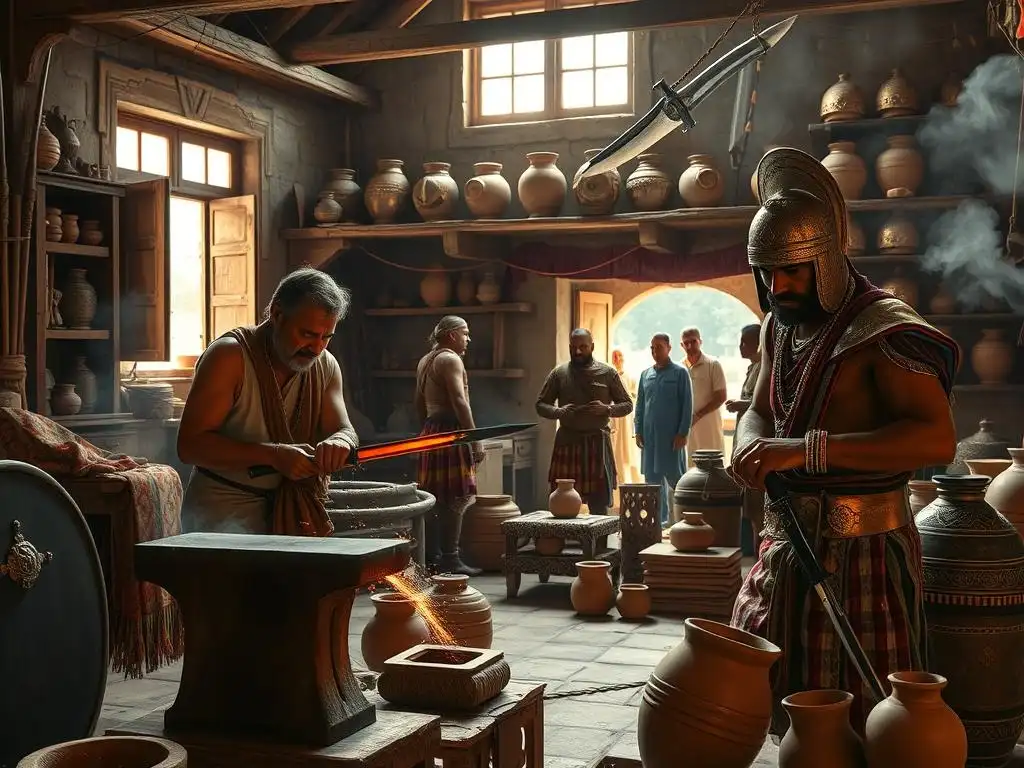
Welcome to Ancient India History, where we embark on an extraordinary journey through the rich tapestry of India's past. Dive into the captivating world of Ancient Indian military artisans, whose craftsmanship played a pivotal role in shaping the landscape of warfare. From the intricate designs of weaponry to the strategic innovations that defined battles, these skilled artisans were the unsung heroes behind the military might of ancient civilizations.
Join us as we unravel the fascinating stories and contributions of these craftsmen, and discover how their legacy continues to resonate in the annals of history. Explore further to uncover the secrets of their craft and the impact they had on the epic tales of valor and strategy!
Introduction to Ancient Indian Military Artisans
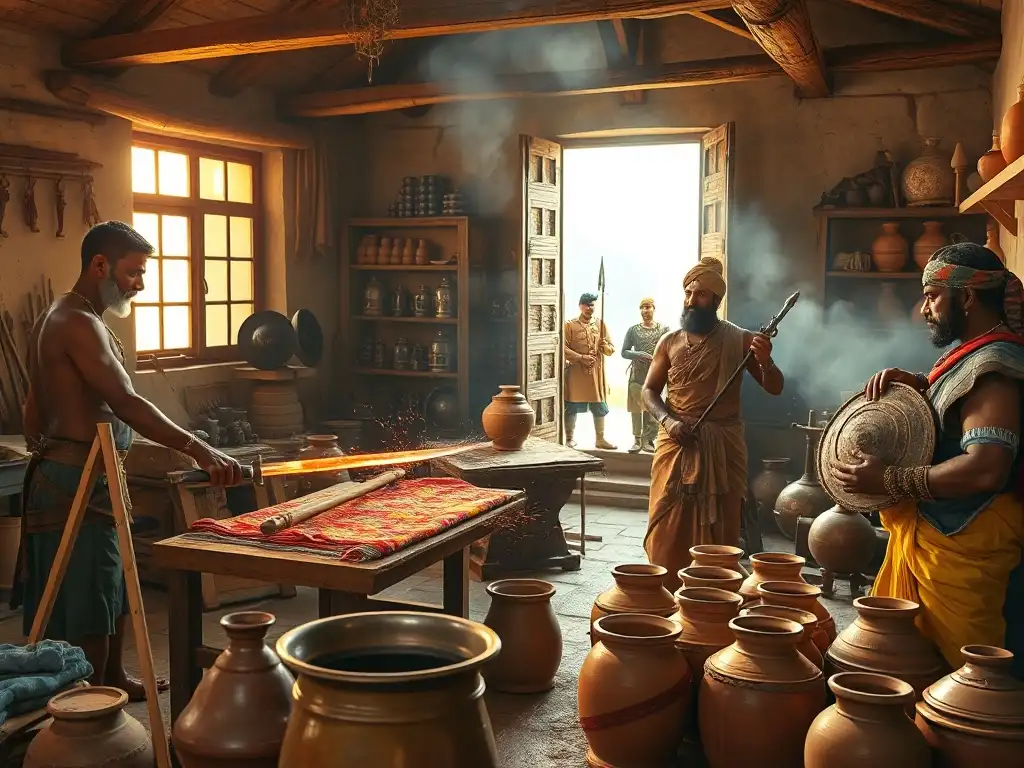
The intricate tapestry of ancient Indian history is deeply woven with the contributions of skilled artisans, particularly in the realm of military supply. These artisans played a pivotal role in shaping the military capabilities of various ancient Indian civilizations, from the sophisticated urban centers of the Indus Valley to the flourishing empires of the Gupta period.
Their craftsmanship not only supported the immediate needs of warfare but also reflected the technological advancements and cultural values of their time. Understanding the significance of ancient Indian military artisans provides insight into the broader context of warfare and the socio-economic structures that underpinned these great civilizations.
Overview of Military Supply in Ancient India
The military supply chain in ancient India was a complex network that involved various elements, including weapons manufacturing, armor crafting, and logistics. Artisans specialized in different crafts, producing everything from swords and bows to chariots and siege weapons.
- Key components of military supply included:
- Weapons: Swords, arrows, and spears crafted from metals and wood.
- Armor: Shields and protective gear designed for different types of warfare.
- Logistics: The transportation and maintenance of military equipment.
The effectiveness of an army relied heavily on the quality and availability of these supplies, making the role of artisans crucial to military success.
Importance of Artisans in Warfare
Artisans were not merely producers; they were integral to the very fabric of military strategy and operations. Their expertise influenced not only the quality of the weapons used but also the tactical innovations that emerged in response to changing warfare dynamics.
- Factors highlighting their importance:
- Specialization: Artisans often specialized in particular crafts, leading to higher quality and more effective military equipment.
- Innovation: The need for more effective weaponry led to technological innovations, such as the development of advanced metallurgy techniques.
- Cultural Significance: The craftsmanship of military artifacts often reflected the artistic and cultural values of the time, contributing to a sense of identity and pride among warriors.
Historical Context of Ancient Indian Military Artisans
Understanding the historical evolution of military artisanship in ancient India allows us to appreciate the continuity and change in craftsmanship across different eras. The journey from the Indus Valley civilization to the Gupta Empire showcases significant advancements and transformations in military technology and artisan skills.
Evolution of Military Artisanship from the Indus Valley to the Gupta Empire
The Indus Valley civilization (c. 3300–1300 BCE) laid the groundwork for advanced craftsmanship, as evidenced by archaeological findings of intricately designed tools and weapons.
- Key developments included:
- Indus Valley: Early metallurgy and the use of bronze tools.
- Vedic Period: The introduction of iron, leading to stronger weapons and tools.
- Mauryan Empire: Professionalization of artisans and state-sponsored workshops.
- Gupta Empire: Peak of military innovation, including advanced weaponry and tactics.
The evolution of military artisanship was marked by the increasing complexity of warfare, necessitating continuous advancements in craftsmanship.
Key Civilizations and Their Military Craftsmanship
Different ancient Indian civilizations contributed uniquely to military artisanship, each reflecting their cultural and technological contexts.
- Notable civilizations include:
- Indus Valley Civilization: Known for early metallurgy and trade of tools.
- Mauryan Empire: Introduced organized military supply chains and state-sponsored artisans.
- Gupta Empire: Renowned for producing high-quality weapons and armor, which were pivotal in their military campaigns.
Each of these civilizations showcased not only the artisans' skills but also the interplay between military needs and cultural expression, highlighting the significant role artisans played in shaping ancient Indian military history.
Types of Artisans in Ancient Indian Military Supply
Ancient Indian military supply relied heavily on a diverse range of artisans, each specializing in critical aspects of warfare. These skilled craftsmen played a vital role in ensuring that armies were well-equipped and ready for battle. The types of artisans involved in military supply included blacksmiths, armorers, bowyers and fletchers, and siege engineers, each contributing unique expertise to the development of military technology.
Blacksmiths: Forging Weapons of War
Blacksmiths were the backbone of ancient Indian military supply, responsible for forging a wide array of weapons, including swords, spears, and daggers. Utilizing techniques passed down through generations, these artisans worked with iron and steel to create formidable arms that could withstand the rigors of battle. The craftsmanship of blacksmiths was not only about functionality but also aesthetics, as many weapons were adorned with intricate designs and inscriptions, reflecting the cultural significance of the weaponry.
The blacksmith's workshop was often a communal space, where the rhythm of hammering created a symphony of industry. Apprentices learned from masters in a process that emphasized skill, precision, and creativity. The blacksmith's role extended beyond mere creation; they were also involved in the maintenance and repair of weapons, ensuring that soldiers were always prepared for combat.
Armorers: Crafting Protective Gear
Armorers specialized in creating protective gear for soldiers, including helmets, shields, and body armor. The importance of armor in ancient warfare cannot be overstated, as it provided essential protection against enemy weapons. Armorers employed various techniques, such as metalworking and leather crafting, to produce gear that was both effective and comfortable for warriors to wear.
Different regions in ancient India developed unique styles of armor based on available materials and specific military needs. For instance, in northern India, chainmail and plate armor became prevalent, while southern regions favored leather and cloth-based armor. The artistry of armorers is evident in the elaborate designs that not only served a practical purpose but also symbolized status and valor among warriors.
Bowyers and Fletchers: Specialists in Archery Equipment
Bowyers and fletchers were crucial in producing archery equipment, which played a significant role in ancient Indian warfare. Bowyers crafted bows using flexible materials like bamboo and wood, tailoring each bow to the needs of the archer. The design and construction of bows required a deep understanding of materials and the physics of archery, ensuring that each bow could deliver powerful and accurate shots.
Fletchers complemented the work of bowyers by crafting arrows. They were responsible for preparing the shafts, selecting appropriate feathers for fletching, and crafting arrowheads from metal or stone. The collaboration between bowyers and fletchers was essential for creating effective archery units in ancient armies, as skilled archers could turn the tide of battle from a distance.
Siege Engineers: Innovators in Military Technology
Siege engineers were the masterminds behind the development of siege machinery and tactics. Their expertise was critical during prolonged sieges, where traditional warfare strategies were insufficient. These artisans designed and constructed various devices, such as battering rams, catapults, and siege towers, which allowed armies to breach fortified walls and gain the upper hand in battle.
The role of siege engineers was not limited to construction; they were also responsible for strategizing the placement and use of these machines during warfare. Their knowledge of mechanics, combined with battlefield experience, made them invaluable assets to military commanders. Innovations in siege technology by these engineers played a significant role in shaping the outcomes of numerous conflicts throughout ancient Indian history.
Techniques and Materials Used by Ancient Indian Military Artisans
The crafting of military supplies in ancient India was characterized by a rich tapestry of techniques and materials. Artisans employed traditional methods that had evolved over centuries, utilizing locally sourced materials that reflected the diverse geography of the subcontinent.
Traditional Crafting Techniques and Processes
Ancient Indian military artisans employed a variety of traditional techniques in their craft. For blacksmiths, the process of forging involved heating metal in a furnace and hammering it into shape on an anvil. This technique required not only physical strength but also an acute understanding of metallurgy to ensure that weapons would be both strong and flexible.
Armorers used techniques like riveting and lacing to assemble protective gear, often layering materials for increased durability. Bowyers and fletchers relied on their knowledge of woodcraft and aerodynamics to create effective archery equipment. These traditional methods were often passed down through apprenticeships, preserving the craftsmanship and skills necessary for military supply.
Materials Sourced for Military Supplies
The materials used by ancient Indian military artisans were sourced from the surrounding environment, reflecting the region's resources. For weapons, artisans typically utilized iron and steel, often smelted from local ores. The quality of these metals varied, leading to differences in weapon effectiveness and durability.
In crafting armor, artisans often combined materials such as metal, leather, and cloth. The choice of materials was influenced by the local climate and the nature of warfare in the region. For instance, in areas with abundant forests, wood was commonly used for bows and shields, while in regions rich in mineral resources, metal armor became more prevalent.
Regional Variations in Artisanal Practices
There were significant regional variations in artisanal practices across ancient India, influenced by local cultures, available resources, and military needs. For example, in the Deccan Plateau, blacksmiths might have specialized in producing heavier weapons suited for close combat, while artisans in the northern plains focused on lighter, more agile designs for cavalry units.
Similarly, the craftsmanship of armor varied, with southern artisans often using colorful textiles and embellishments, whereas northern artisans emphasized functionality and durability. This diversity in artisanal practices not only enriched the military supplies but also reflected the cultural identity of different regions, contributing to the overall tapestry of ancient Indian military history.
The Role of Artisans in Ancient Indian Warfare
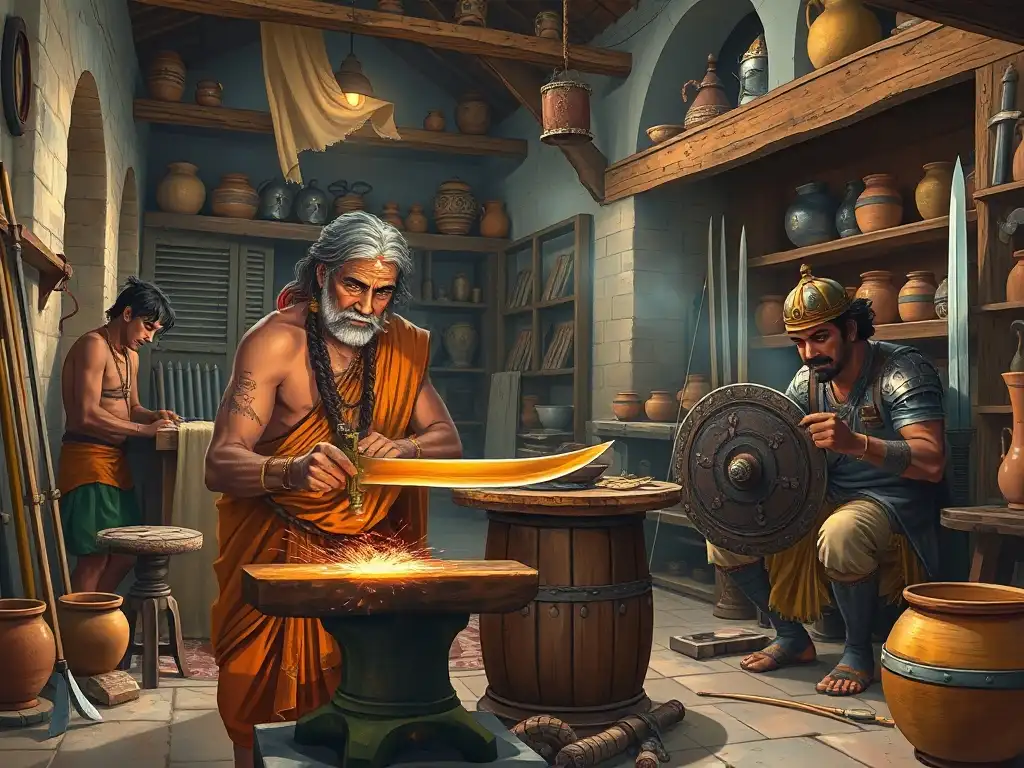
Artisans played a crucial role in the military landscape of ancient India, significantly contributing to the effectiveness and efficiency of military campaigns. From blacksmiths forging weapons to tailors crafting armor, these skilled individuals were essential in ensuring that the armies were well-equipped for battle. Their craftsmanship not only enhanced the quality of military hardware but also influenced the tactics and strategies employed by various kingdoms throughout history.
The production of weapons such as swords, bows, and chariots required specialized knowledge and skills. Artisans were often organized into guilds, which facilitated the sharing of techniques and resources. This organizational structure allowed for a higher degree of specialization, leading to the production of superior weaponry and armor. The artisans' ability to innovate and adapt new technologies was vital, particularly during periods of conflict when rapid advancements could determine the outcome of battles.
Artisans as Essential Contributors to Military Campaigns
Throughout ancient Indian history, artisans were indispensable to the success of military campaigns. Their contributions extended beyond mere production; they also provided maintenance and repair services for military equipment. For instance, blacksmiths were not only responsible for crafting swords but also for sharpening and repairing them during campaigns, ensuring that soldiers had access to functional weapons at all times.
Additionally, artisans often accompanied armies on their campaigns, serving as technical experts in the field. They were tasked with various responsibilities, including setting up siege engines, constructing fortifications, and managing logistical supplies. This hands-on involvement in military operations highlighted the artisans' importance in maintaining the operational readiness of armed forces.
Collaboration Between Artisans and Military Leaders
The relationship between artisans and military leaders was marked by mutual dependency. Military leaders relied on artisans to provide the necessary tools and equipment for warfare, while artisans depended on the patronage of these leaders for their livelihoods. This collaboration was often formalized through contracts and agreements, which ensured that artisans received compensation for their work and that military leaders received high-quality materials.
Moreover, military leaders often consulted artisans during the planning stages of campaigns. Their insights into the latest technological advancements and material capabilities played a significant role in shaping battle strategies. The successful integration of artisan expertise into military planning contributed to the effectiveness of ancient Indian armies, as leaders could make informed decisions based on the quality and availability of their resources.
Case Studies of Notable Military Artisans
Several notable military artisans in ancient India exemplify the significant impact of craftsmanship on warfare. One such figure is the legendary blacksmith Vishwakarma, revered in Hindu mythology as the divine architect and craftsman. According to ancient texts, Vishwakarma created formidable weapons and defenses for the gods, inspiring artisans across the land to elevate their skills and craftsmanship.
Another prominent example is the Chola dynasty, known for its exceptional artisans, particularly in metallurgy and weapon-making during the medieval period. The Chola blacksmiths produced some of the finest swords and armaments, which played a significant role in their military conquests across Southeast Asia. Their craftsmanship not only secured victories but also enhanced the reputation of the Chola empire, showcasing the critical role of artisans in shaping military history.
The Economic Impact of Military Artisanship
The activities of military artisans had a profound economic impact on ancient Indian societies. The demand for weapons, armor, and other military supplies drove the growth of specialized crafts, leading to the establishment of thriving artisan communities. This economic framework not only supported the artisans themselves but also contributed to the overall prosperity of the regions in which they operated.
As military campaigns expanded, the need for raw materials such as iron, wood, and textiles increased, stimulating local economies and trade networks. The production and distribution of military equipment became a vital part of the economy, influencing agricultural practices, resource management, and trade relations with other regions.
The Artisan Economy in Ancient Indian Warfare
The artisan economy was characterized by its interconnectedness with the military structure of ancient India. Guilds of artisans formed strong networks, facilitating the exchange of knowledge and resources. These guilds played a vital role in regulating the quality of production, ensuring that military equipment met the rigorous standards required for warfare.
Moreover, the artisan economy supported a diverse range of professions, from metalworkers and leather craftsmen to weavers and carpenters. Each of these trades was essential in creating the comprehensive supply chain needed for military campaigns. The economic stability provided by these artisans allowed kingdoms to sustain prolonged military engagements, thereby enhancing their territorial ambitions.
Trade and Supply Chains for Military Equipment
The trade and supply chains for military equipment were integral to the functioning of ancient Indian warfare. Artisans relied on a network of suppliers for raw materials, which were often sourced from distant regions. This interconnectedness facilitated the flow of resources, allowing for the efficient production of weapons and other military supplies.
Transportation methods such as caravans and waterways played a crucial role in this supply chain. Trade routes, both overland and maritime, were established to ensure that artisans received the necessary materials in a timely manner. The strategic location of various kingdoms along these trade routes allowed them to leverage their geographic advantages, enhancing their military preparedness.
The intricate relationship between artisans and the military in ancient India was marked by collaboration, innovation, and economic reciprocity. As skilled craftsmen, they were not only pivotal contributors to military campaigns but also key players in shaping the economic landscape of their times. The legacy of ancient Indian military artisans continues to be recognized today, highlighting their essential role in the tapestry of military history.
Legacy of Ancient Indian Military Artisans
The legacy of ancient Indian military artisans is profound, shaping not only the military capabilities of their time but also influencing subsequent generations of craftsmen and military strategists. These artisans were responsible for the production of a wide array of weapons, armor, and other military paraphernalia, each imbued with both functionality and artistry. From the finely crafted swords of the Maurya Empire to the intricate shields of the Gupta period, the work of these artisans reflected a deep understanding of metallurgy, design, and the art of warfare.
Typically organized into guilds, these artisans passed down their skills and knowledge through generations, ensuring that the techniques and craftsmanship necessary for military supply remained robust and innovative. The artisans' contributions were not limited to the battlefield; their crafts extended to ceremonial items, which played significant roles in rituals and the social fabric of ancient Indian society. This dual functionality underscores the artisans' significance, as they were not merely producers of weapons but vital contributors to the cultural and military identity of ancient India.
Influence on Subsequent Military Technologies
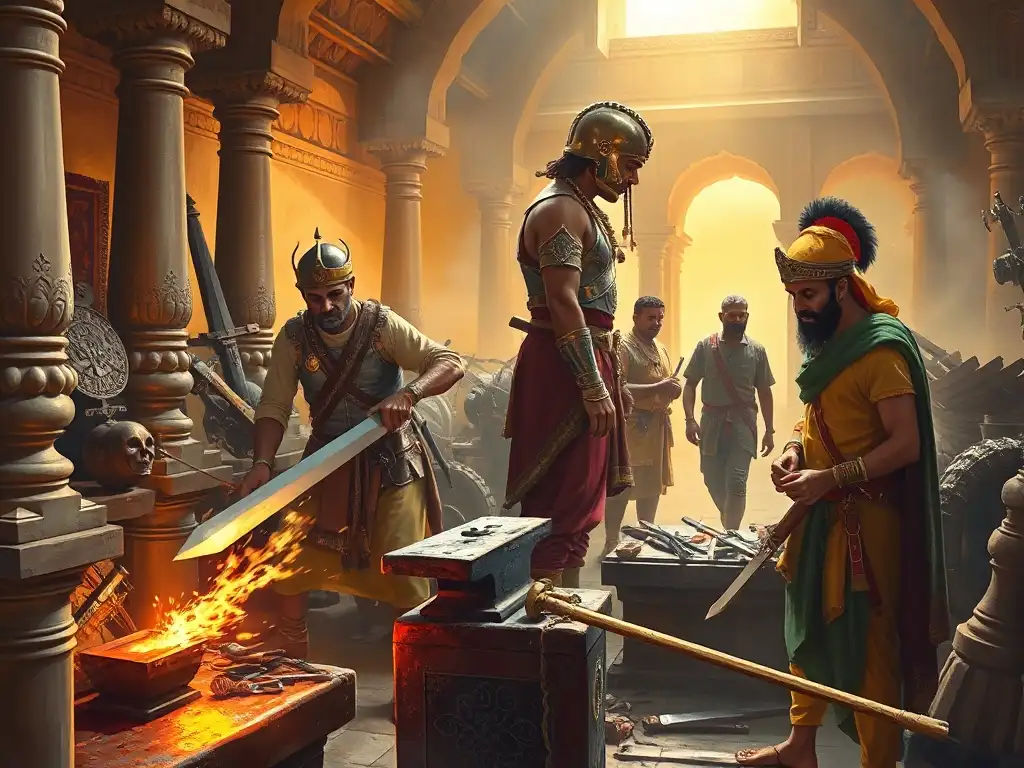
The innovations of ancient Indian military artisans laid the groundwork for future advancements in military technology both within India and beyond. Techniques such as crucible steel production, famously known as Wootz steel, exemplify this influence. This high-quality steel became sought after globally, impacting the design and efficacy of weapons across various cultures, including those in Persia and Europe.
Moreover, the intricate designs and engineering principles employed in ancient Indian weaponry influenced military craftspeople in neighboring regions. The art of crafting specialized weapons, such as the bow and arrow, catapults, and siege engines, saw significant advancements due to the technological principles and aesthetics established by these artisans. Texts such as the Arthashastra by Kautilya reflect an understanding of military strategy that was heavily reliant on the quality and effectiveness of weapons crafted by artisans, illustrating a direct link between craftsmanship and military prowess.
Preservation of Artisan Techniques in Modern India
In contemporary India, the techniques and skills honed by ancient military artisans are preserved through various means. Artisan communities continue to exist, maintaining traditional methods of weapon-making and metalworking, often showcasing their crafts in regional festivals and markets. These practices not only keep the ancient techniques alive but also educate the public about India’s rich military heritage.
Moreover, modern initiatives aimed at reviving traditional crafts often incorporate ancient military techniques, demonstrating their relevance in today’s context. Workshops and training programs actively engage artisans and craftspeople to ensure that the historical significance and practical applications of these techniques are not lost. The integration of ancient craftsmanship into modern art and design also serves as a testament to the enduring legacy of these artisans in a rapidly evolving world.
Conclusion
Recap of the Importance of Ancient Indian Military Artisans
Ancient Indian military artisans played a pivotal role in shaping the military landscape of their time. Their expertise in weaponry and armor not only enhanced the effectiveness of armies but also contributed to the cultural and technological advancements of ancient India. The legacy they left behind continues to resonate, influencing both historical scholarship and contemporary craftsmanship.
Reflection on Their Lasting Impact on Military History
The impact of ancient Indian military artisans extends far beyond their immediate contributions to warfare. Their innovations and techniques have left an indelible mark on military history, both in India and across the globe. By bridging the gap between art and function, these artisans have ensured that their influence endures, reminding us of the intricate relationship between culture, technology, and military power throughout history. As modern societies look back to draw inspiration from the past, the contributions of these artisans stand as a testament to the rich heritage of ancient Indian craftsmanship.
- Introduction to Ancient Indian Military Artisans
- Historical Context of Ancient Indian Military Artisans
- Types of Artisans in Ancient Indian Military Supply
- Techniques and Materials Used by Ancient Indian Military Artisans
- The Role of Artisans in Ancient Indian Warfare
- The Economic Impact of Military Artisanship
- Legacy of Ancient Indian Military Artisans
- Influence on Subsequent Military Technologies
- Preservation of Artisan Techniques in Modern India
- Conclusion
- What were the primary roles of ancient Indian military artisans?
- How did the skill of craftsmanship influence military strategies in ancient India?
- Which civilizations are known for their military artisans in ancient India?
- What materials did ancient Indian artisans commonly use for military supplies?
- How did trade influence the development of military craftsmanship in ancient India?
Frequently Asked Questions
What were the primary roles of ancient Indian military artisans?
Ancient Indian military artisans were responsible for creating weapons, armors, and other essential supplies. Their craftsmanship significantly contributed to the effectiveness of the military.
How did the skill of craftsmanship influence military strategies in ancient India?
The quality of artisanal products, such as weapons and siege equipment, directly impacted military strategies. Superior craftsmanship allowed armies to adapt and innovate on the battlefield.
Which civilizations are known for their military artisans in ancient India?
Civilizations such as the Indus Valley, Maurya, and Gupta Empires are well-known for their skilled military artisans who played crucial roles in their respective military technologies.
What materials did ancient Indian artisans commonly use for military supplies?
Artisans typically utilized materials like iron, bronze, and leather to craft military supplies. These materials were essential for producing durable and effective weapons and armor.
How did trade influence the development of military craftsmanship in ancient India?
Trade routes facilitated the exchange of techniques and materials, enhancing the skills of military artisans. This exchange led to the diversification and improvement of military equipment across regions.
Final Reflection: The Enduring Legacy of Ancient Indian Military Artisans
The intricate relationship between artisans and warfare in ancient India underscores a vital truth: the strength of a military is not solely measured by its soldiers but also by the skilled hands that equip them. Today, as we navigate complex global conflicts and technological advancements in warfare, the historical contributions of ancient Indian military artisans remind us of the importance of craftsmanship and innovation in shaping military outcomes. Their legacy is a testament to the idea that every battle fought is supported by a network of creators whose work often goes unnoticed.
Cultural and social landscapes are continuously influenced by the legacies of those who came before us, and the artisans of ancient India exemplify this truth. Their expertise in crafting weapons, armor, and logistical supplies not only fortified armies but also laid the groundwork for future generations of craftsmen and military strategists. As we reflect on this historical significance, we are reminded of the words of the renowned historian K. A. Nilakanta Sastri: The art of war is as much about the tools of conflict as it is about the warriors who wield them.
This perspective invites us to appreciate the multifaceted nature of warfare and the essential roles played by those behind the scenes.
As we close this exploration of ancient Indian military artisans, I invite you to consider the artisans in your own life—those who contribute to your personal battles, whether they be in the form of support, creativity, or innovation. Reflect on how you can honor and uplift the craftsmen and women around you, recognizing that their contributions are vital to our collective strength.
In doing so, we not only pay homage to the past but also pave the way for a future where every skill and craft is valued, ensuring that the spirit of collaboration and craftsmanship continues to thrive in our modern world.
Uncover the Legacy of Ancient Artisans!
Thank you for exploring the profound influence of artisans in ancient Indian military supply with us! Your engagement with this topic reveals the intricate craftsmanship and crucial roles these artisans played in history. Now, it's time to take action and deepen your connection to this fascinating subject!
- Dive deeper: Read more about specific artisans and their contributions to warfare by visiting our additional resources.
- Share your insights: Discuss this topic with friends or in community groups—how do you think the skills of artisans have shaped today's industries?
- Join the conversation: Leave a comment below sharing a surprising fact you learned and how you think it impacts our understanding of ancient military strategies!
What legacy do you think these ancient artisans have left in modern military practices? We encourage you to share your thoughts in the comments!