
The Epic Clash: The Battle of the Hydaspes and Its Impact on Indian History

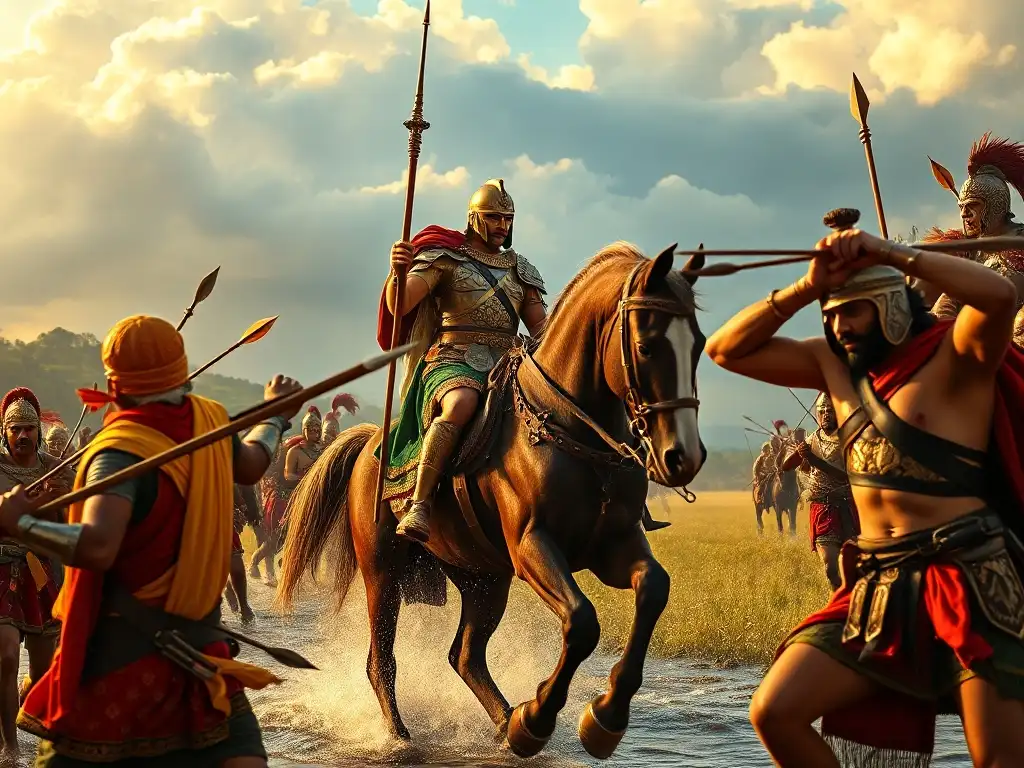
Welcome to Ancient India History, where we embark on a fascinating journey through the rich tapestry of India’s past! In this exploration, we delve into monumental events that shaped civilizations and cultures. Today, we shine a spotlight on the Battle of the Hydaspes, a pivotal clash that not only altered the course of military history but also left an indelible mark on the Indian subcontinent.
What made this battle so significant, and how did it influence the dynamics of power in ancient India? Join us as we uncover the layers of history and the profound implications of this epic encounter. Your adventure into the past begins now!
- Introduction to the Battle of the Hydaspes
- Key Figures in the Battle of the Hydaspes
- The Prelude to the Battle of the Hydaspes
- The Course of the Battle
- The Aftermath of the Battle
- The Significance of the Battle of the Hydaspes
- Legacy of the Battle in Indian History
- Conclusion
-
Frequently Asked Questions
- What was the Battle of the Hydaspes?
- Why is the Battle of the Hydaspes significant in Indian history?
- How did the Battle of the Hydaspes affect Alexander's campaign?
- What were the outcomes of the Battle of the Hydaspes for King Porus?
- How did the Battle of the Hydaspes contribute to cultural exchanges?
- Final Reflection: The Enduring Significance of the Battle of the Hydaspes
- Unveil the Legacy of the Hydaspes Battle!
Introduction to the Battle of the Hydaspes
The Battle of the Hydaspes, fought in 326 BCE, stands as a pivotal moment in ancient Indian history, marking a significant clash between two formidable powers: Alexander the Great and King Porus of the Paurava kingdom. This confrontation not only showcased the military prowess and strategies of both leaders but also had profound implications for the region's political landscape, culture, and future interactions with outsiders.
As Alexander ventured deeper into the Indian subcontinent, the battle symbolized the intersection of Hellenistic and Indian civilizations, leading to a complex legacy that continues to be studied and debated by historians today. In this article, we will explore the historical context surrounding this epic confrontation and delve into its enduring significance in shaping Indian history.
Overview of the Historical Context
The Battle of the Hydaspes was not an isolated event but rather a culmination of Alexander's ambitious campaign to expand his empire eastward. After successfully conquering Persia and parts of Central Asia, Alexander turned his sights to India, driven by the desire for glory and the ambition to encounter the legendary wealth of the Indian subcontinent. The region was characterized by a mosaic of kingdoms, each with its own unique culture and political dynamics.
- Geographical Significance: The Hydaspes River, known today as the Jhelum River, played a crucial role in the military strategies employed during the battle. Its banks provided a natural boundary that both sides had to navigate, influencing troop movements and formations.
- Political Landscape: King Porus, ruling over the territory between the Jhelum and Chenab rivers, was known for his fierce resistance against foreign invaders. His army was composed of war elephants, cavalry, and infantry, making it a formidable force against Alexander's well-trained Macedonian troops.
The clash at the Hydaspes was characterized by innovative tactics, including the use of elephants in battle, which posed a significant challenge to the Macedonian phalanx. The outcome of this battle would not only determine the fate of Porus's kingdom but also lay the foundation for the subsequent interactions between the Greek and Indian worlds.
Importance of the Battle in Indian History
The significance of the Battle of the Hydaspes extends far beyond the immediate military victory for Alexander; it represents a transformative moment in Indian history with long-lasting repercussions:
- Cultural Exchange: The battle opened avenues for cultural exchange between the Hellenistic and Indian civilizations. Following Alexander's campaign, there was a notable spread of Greek influence in art, philosophy, and governance in the regions he traversed.
- Political Implications: Although Alexander emerged victorious, he was deeply impressed by Porus's bravery and leadership. This admiration led to a policy of alliance rather than complete subjugation, allowing Porus to retain his kingdom as a satrapy under Alexander’s control. This decision highlighted a shift in the approach to conquest, emphasizing diplomacy alongside military might.
- Legacy of Resistance: The fierce resistance put forth by Porus became a symbol of indigenous defiance against foreign domination. His legacy inspired future generations of Indian leaders in their struggles against invaders.
The Battle of the Hydaspes is a crucial episode in the tapestry of Indian history, reflecting the complexities of warfare, cultural interactions, and political strategies during a transformative period. Understanding its significance provides insight into the broader narrative of ancient Indian civilization and its responses to external forces.
Key Figures in the Battle of the Hydaspes
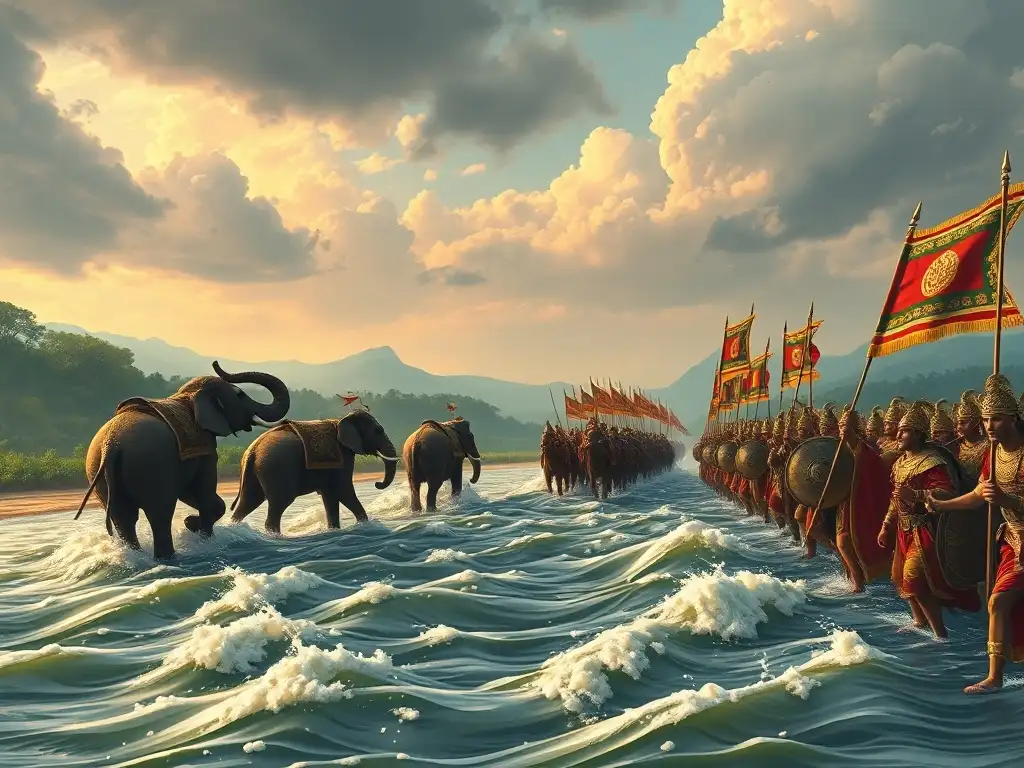
The Battle of the Hydaspes, fought in 326 BCE, was a significant conflict that showcased the leadership and military strategies of two prominent figures in ancient history: Alexander the Great and King Porus. Understanding the roles and tactics of these leaders provides valuable insights into the battle's significance and its impact on the broader military history of the region.
Alexander the Great: Strategy and Leadership
Alexander the Great, known for his unparalleled military acumen, was a king of the ancient Greek kingdom of Macedon. His campaigns across Asia, including the Battle of the Hydaspes, are often studied for their strategic brilliance.
- Military Innovations: Alexander employed several innovative tactics during the battle. He utilized the terrain to his advantage, executing a brilliant flanking maneuver across the river, which surprised Porus and his troops. This strategy demonstrated his ability to adapt to challenging situations and leverage his forces effectively.
- Use of Cavalry: A hallmark of Alexander's military strategy was the effective integration of cavalry into his forces. At the Hydaspes, his cavalry units played a crucial role in outmaneuvering the larger Indian forces. The Macedonian cavalry's speed and mobility allowed them to disrupt the enemy formations and create openings for attacks.
- Psychological Warfare: Alexander was also adept at psychological warfare. His reputation as a formidable conqueror preceded him, which likely influenced the morale of Porus’ troops. By projecting strength and decisiveness, Alexander instilled fear, which can be a potent weapon in warfare.
- Leadership Style: Alexander's leadership was characterized by personal bravery and a deep connection with his troops. He often led from the front, inspiring his men through his actions. This approach not only built loyalty among his soldiers but also fostered a sense of unity and purpose, which was vital during the grueling campaign.
Alexander the Great's strategy and leadership during the Battle of the Hydaspes were key factors in his eventual victory. His ability to innovate and inspire played a significant role in shaping the course of the battle and, ultimately, the fate of the region.
King Porus: Defending His Kingdom
King Porus, the ruler of the region known as Paurava, was a formidable opponent for Alexander. His leadership and military tactics were pivotal in the battle, highlighting the resistance faced by Alexander's forces.
- Territorial Knowledge: Porus had extensive knowledge of the local terrain, which he attempted to use to his advantage. He strategically positioned his troops along the banks of the Hydaspes River, utilizing the natural barriers to his benefit. This local insight was crucial in preparing for the imminent clash with Alexander's forces.
- War Elephants: One of the most notable aspects of King Porus's army was his use of war elephants. These massive creatures were not only a symbol of power but also served as a significant tactical asset on the battlefield. Porus deployed them effectively, intending to intimidate Alexander’s forces and disrupt their formations. The elephants charged into battle, causing chaos among the Macedonian ranks.
- Defensive Strategies: In the face of Alexander's advance, Porus employed defensive strategies aimed at holding his ground. He organized his troops into a formation that maximized their combat effectiveness against a superior force. Despite the challenges, Porus fought valiantly to defend his kingdom, exemplifying courage and resilience.
- Legacy of Resistance: Although ultimately defeated, Porus’s fierce resistance against Alexander left a lasting impression. His bravery and tactical skills became legendary, and he is often remembered as a symbol of Indian valor against foreign invasions. The aftermath of the battle would influence the perception of Indian kingdoms in the eyes of future conquerors.
King Porus's determination to defend his kingdom against Alexander the Great's invasion is a testament to the rich tapestry of Indian history. His strategies and the use of war elephants significantly impacted the dynamics of the Battle of the Hydaspes, further solidifying the battle's significance in the historical narrative of ancient India.
The Prelude to the Battle of the Hydaspes
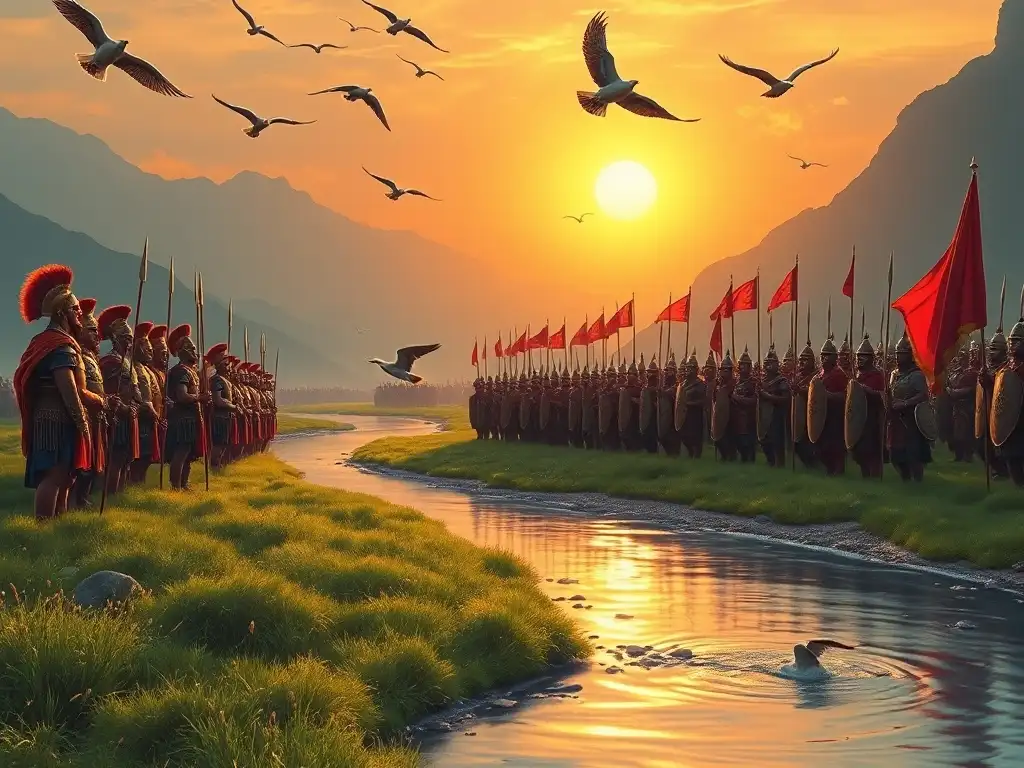
The Battle of the Hydaspes, fought in 326 BCE, marked a significant turning point in the military history of ancient India. This clash was not merely a confrontation between two armies but a culmination of various factors that set the stage for one of the most notable battles of the ancient world.
Causes of the Conflict
Several intertwined causes contributed to the outbreak of the Battle of the Hydaspes, primarily revolving around the ambitions of Alexander the Great and the resistance led by King Porus.
- Ambitions of Alexander the Great:
- Alexander sought to expand his empire and spread Hellenistic culture. His campaign in India was part of his larger strategy to conquer the known world.
- After defeating the Persian Empire, Alexander's gaze turned towards the Indian subcontinent, which was perceived as a land of wealth and resources.
- Resistance from Indian Kings:
- King Porus, who ruled the territory around the Hydaspes River (modern-day Jhelum), was determined to defend his kingdom against foreign invasion. His valor and military prowess were well known, which made him a formidable opponent for Alexander.
- Other regional rulers were also wary of Alexander’s growing influence and sought to unite against the Macedonian forces, although their efforts varied in effectiveness.
- Strategic Importance of the Region:
- The Hydaspes River valley was not only fertile but also strategically located, serving as a gateway for further incursions into India.
- Control of this area would enable Alexander to secure his supply lines and establish a foothold for future campaigns.
The combination of these factors created an environment ripe for conflict, leading to the historic encounter at the banks of the Hydaspes.
Geopolitical Landscape of Ancient India
Understanding the geopolitical landscape of ancient India during the time of the battle is crucial to grasping the significance of the Hydaspes conflict.
- Diverse Kingdoms and Dynasties:
- Ancient India was characterized by a multitude of kingdoms and regional powers, including the Maurya Empire, the Magadha Kingdom, and others. Each had its own interests, alliances, and rivalries.
- The fragmentation of power made it difficult for a unified front to emerge against Alexander, although some leaders attempted to rally support.
- Cultural Interactions:
- The period was marked by rich cultural exchanges and interactions between various Indian kingdoms and neighboring regions. The arrival of Alexander brought Hellenistic influences that would later intertwine with Indian culture.
- This cultural exchange had both immediate and long-lasting impacts on art, architecture, and philosophy in the region.
- Military Tactics and Technology:
- Indian armies, like those of King Porus, utilized war elephants, infantry, and chariots, which were critical in combat. In contrast, Alexander’s forces were well-trained in phalanx formations and cavalry maneuvers.
- The differences in military strategies and technologies played a significant role in the tactics employed during the Battle of the Hydaspes, ultimately influencing the outcome of the conflict.
The Prelude to the Battle of the Hydaspes illustrates a complex tapestry of ambition, resistance, and the intricate geopolitical dynamics of ancient India. The significance of this battle extends beyond its immediate military implications, as it set the stage for future interactions between Indian and Hellenistic cultures, influencing the course of history in the region.
The Course of the Battle
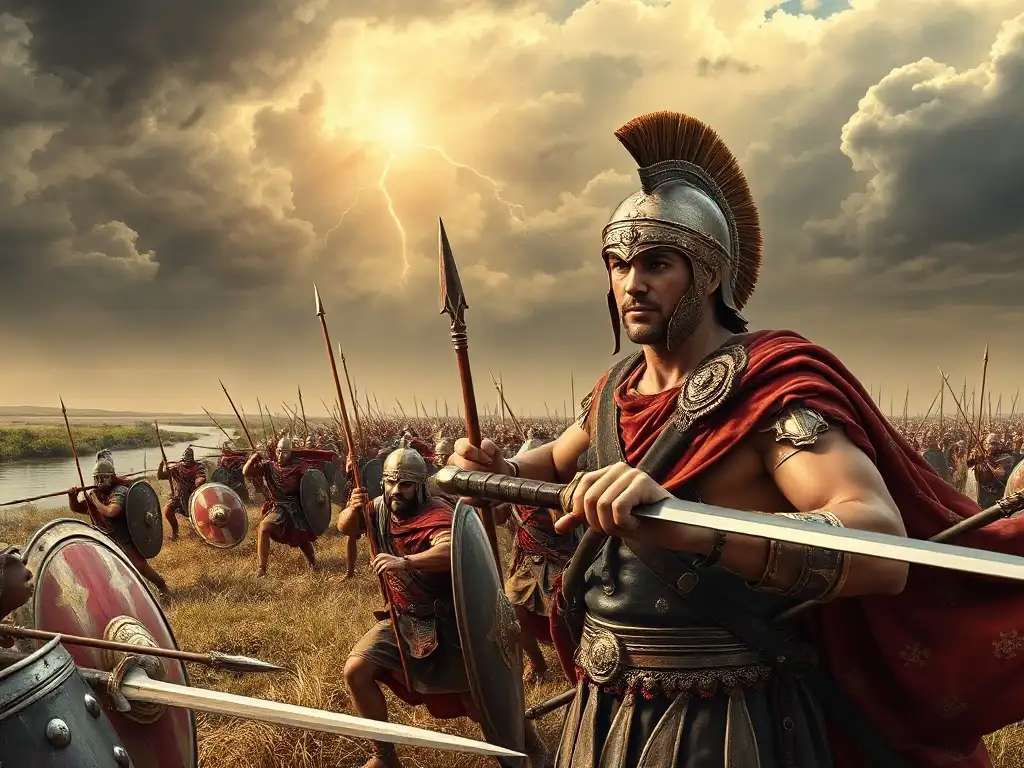
The Battle of the Hydaspes, fought in 326 BCE, was a significant encounter between the forces of Alexander the Great and the Indian king Porus. Located near the river Hydaspes (now known as the Jhelum River in modern Pakistan), this battle showcased not only the military prowess of both leaders but also highlighted the cultural and tactical complexities of the era.
The confrontation arose as Alexander sought to expand his empire further eastward after conquering Persia. Porus, a formidable king known for his fierce resistance, commanded a well-trained army that included war elephants, a crucial element in ancient Indian warfare. The battle is characterized by its intricate tactics and the geographical challenges posed by the river and surrounding terrain.
Tactical Movements and Strategies Employed
The strategies employed during the Battle of the Hydaspes are notable for their sophistication and adaptability.
- Crossing the River: One of Alexander's primary tactical maneuvers involved a surprise nighttime crossing of the Hydaspes. This surprise attack allowed him to gain a foothold on the eastern bank, outflanking Porus's forces, who were positioned to defend against a frontal assault.
- Use of Elephants: Porus utilized his war elephants effectively, employing them to charge into Alexander's ranks. The elephants were intended to create chaos and disrupt the Macedonian phalanx, which relied heavily on formation and discipline.
- Flanking Maneuvers: Alexander's forces executed flanking movements to encircle Porus's troops. The Macedonians, trained in the phalanx formation, adapted their tactics by forming smaller units that could maneuver more effectively in the thick terrain.
- Psychological Warfare: Alexander also employed psychological tactics, such as feigned retreats that drew Porus's troops into vulnerable positions. This technique disrupted the cohesion of Porus’s forces and contributed to their eventual defeat.
The combination of these tactics ultimately led to a decisive victory for Alexander, despite the fierce resistance from Porus's forces.
Key Events During the Battle of the Hydaspes
Several critical events unfolded during the Battle of the Hydaspes that shaped its outcome and significance in Indian history:
- Initial Engagement: The battle commenced with a direct confrontation between the two armies. Porus's forces advanced with their war elephants, while Alexander’s troops held their ground, relying on their superior training and discipline.
- The Crossing: Alexander's unexpected crossing of the Hydaspes marked a pivotal moment in the battle. By catching Porus off guard, he gained strategic advantage that shifted the momentum in favor of the Macedonians.
- The Clash of Elephants: A fierce clash occurred as Porus's elephants charged into Alexander's ranks. The elephants caused considerable disruption, but the Macedonian soldiers managed to regroup and counterattack effectively.
- Turning Point: As the battle progressed, the Macedonian forces, employing their flanking tactics, began to encircle Porus's army. This maneuver led to significant losses for Porus, ultimately resulting in his retreat.
- Aftermath and Consequences: Following the battle, Alexander's victory not only expanded his empire but also established a cultural exchange between the Hellenistic world and Indian civilization. Porus, despite his defeat, was recognized for his valor and reinstated as a regional ruler, highlighting the complexities of conquest and governance in ancient times.
The Battle of the Hydaspes stands as a testament to the military strategies of the time and its impact on the subsequent cultural interactions between India and the West.
The Aftermath of the Battle
Immediate Consequences for Alexander and Porus
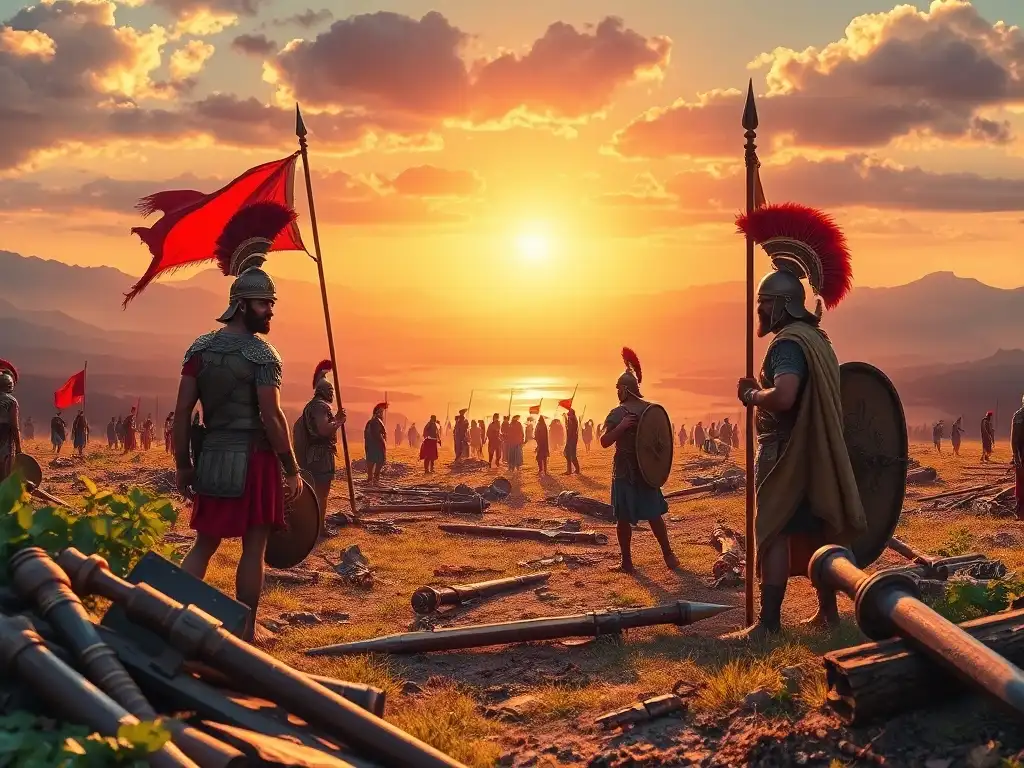
The Battle of the Hydaspes, fought in 326 BCE, was a pivotal moment in the careers of both Alexander the Great and King Porus. The immediate consequences of this epic clash were profound for both leaders and set the stage for future events in the region.
For Alexander, the victory over Porus solidified his reputation as a formidable military leader. Despite sustaining significant casualties, Alexander's forces were able to overcome the formidable war elephants and the tactical prowess of Porus. This victory allowed him to gain control over the Punjab region, further expanding his empire. However, the battle also revealed the limits of Alexander’s campaign in India. The fierce resistance he faced from Porus and the subsequent battles with other local rulers highlighted the challenges of maintaining control over such a vast and diverse territory.
In the aftermath, Alexander decided to treat Porus with respect rather than execute him, which was common practice for conquered foes. Impressed by Porus's bravery and command, Alexander reinstated him as a satrap (governor) of his own kingdom, granting him even more territory than he had previously ruled. This gesture not only served to pacify the local population but also aimed to secure loyalty among other Indian rulers who might see Alexander as a conqueror rather than a tyrant.
Long-term Impact on Indian Political Landscape
The Battle of the Hydaspes had significant long-term implications for the political landscape of ancient India. The encounter marked a turning point in the relationships between various Indian states and foreign powers, as it showcased the effectiveness of coordinated military strategies against a common enemy.
- Regional Power Dynamics: The defeat of Porus, while initially a setback, inspired other Indian kings to unite against foreign invaders. This fostered a sense of nationalism and regional pride, leading to the emergence of more organized political entities. The battle also encouraged various local rulers to fortify their defenses and improve their military strategies.
- Cultural Exchange: Following Alexander's incursion, there was a noticeable increase in cultural exchanges between the Greeks and Indians. The blending of Greek and Indian cultures, seen in the subsequent Indo-Greek kingdoms, facilitated the spread of ideas, art, and philosophy. This cultural syncretism enriched the Indian subcontinent and influenced its socio-political development for centuries.
- Influence on Successive Empires: The legacy of the battle and Alexander's campaigns influenced later Indian empires, including the Mauryan Empire. Chandragupta Maurya, inspired by the power vacuum created by Alexander's conquests, would eventually rise to prominence, establishing one of the largest empires in Indian history. The Mauryan Empire's administrative and military structures were in part a response to the challenges highlighted during Alexander's invasion.
The Battle of the Hydaspes was not merely a significant military engagement; it was a catalyst for change in the Indian subcontinent. The immediate consequences shaped Alexander's approach to governance in conquered territories, while the long-term impacts altered the trajectory of Indian politics, fostering unity against foreign powers and paving the way for future empires. The Battle of the Hydaspes significance thus lies in its capacity to reshape the historical and political landscape of ancient India.
The Significance of the Battle of the Hydaspes
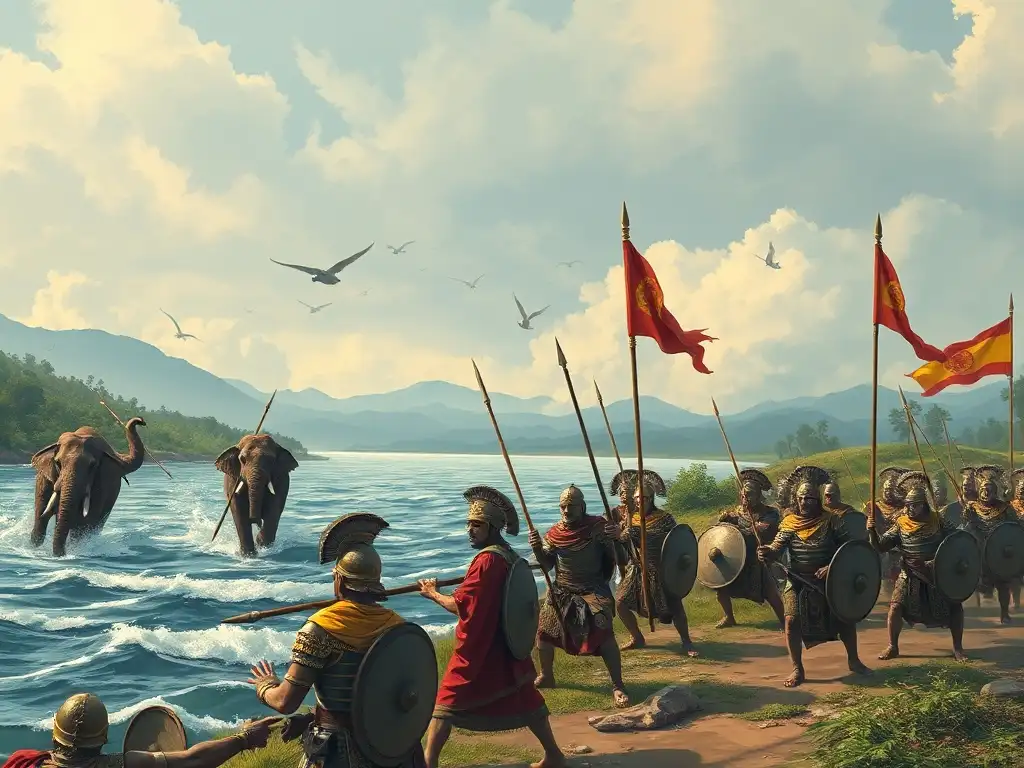
The Battle of the Hydaspes, fought in 326 BCE between Alexander the Great and King Porus, stands as a crucial event in ancient Indian history, marking a significant intersection between Eastern and Western civilizations. This battle not only showcased military prowess but also unveiled the complexities of cultural interactions, territorial ambitions, and the shifting dynamics of power in the region. The Battle of the Hydaspes significance extends beyond the battlefield, influencing subsequent political developments and cultural exchanges that shaped the subcontinent.
Military Innovations and Strategies
The Battle of the Hydaspes is particularly noted for the military innovations and strategic maneuvers employed by both Alexander and Porus.
- Use of Elephants: King Porus's army included a formidable contingent of war elephants, which posed a unique challenge for Alexander's forces. These elephants were not only used for their physical strength but also as psychological weapons, instilling fear in enemy ranks.
- Adaptation of Tactics: Alexander displayed remarkable adaptability in his battlefield strategies. Recognizing the threat posed by the elephants, he utilized more mobile infantry formations and flanking maneuvers to outmaneuver Porus's forces. His use of archers and light infantry to harass the elephants from a distance was a significant tactical adjustment that demonstrated his military acumen.
- Crossing the River: The geographical challenge of the Hydaspes River added another layer of complexity. Alexander's decision to launch a surprise attack by crossing the river at night showcased his innovative military strategy. This maneuver not only caught Porus off guard but also allowed Alexander to secure a tactical advantage.
- Logistics and Supplies: The campaign highlighted the importance of logistics in warfare. Alexander's ability to maintain supply lines across difficult terrain was crucial to sustaining his forces during the battle. His army's extensive preparation for the campaign included gathering resources and establishing supply depots, which ultimately contributed to their victory.
The military innovations and strategies employed during the Battle of the Hydaspes had lasting implications, influencing subsequent military tactics in the region and setting a precedent for future engagements.
Cultural Exchange Between East and West
Beyond the military implications, the Battle of the Hydaspes also facilitated significant cultural exchanges between East and West.
- Introduction of Hellenistic Culture: Following Alexander's victory, the establishment of Greek settlements in the region led to the dissemination of Hellenistic culture. The blending of Greek and Indian philosophies, art, and architecture marked the beginning of a new era of cultural synthesis. This period saw the emergence of Greco-Buddhist art, which would influence Indian artistic traditions for centuries.
- Diplomatic Relations: The aftermath of the battle fostered diplomatic relations between the Indian subcontinent and the Hellenistic world. Alexander's encounters with local rulers and the subsequent treaties laid the groundwork for future diplomatic and trade relations. These interactions not only enriched the cultural landscape of India but also opened avenues for commerce and exchange of ideas.
- Spread of Ideas and Technology: The movements of armies and traders facilitated the exchange of technologies and ideas, including advancements in mathematics, astronomy, and military techniques. The interaction between Alexander’s troops and the local populations led to the sharing of knowledge, which had a lasting impact on both civilizations.
- Religious Syncretism: The cultural exchange also extended to religious beliefs. The interaction between Greek and Indian religions paved the way for syncretic practices, influencing the spiritual landscape of the region. This blending of ideologies contributed to a more cosmopolitan society that embraced diverse beliefs.
The significance of the Battle of the Hydaspes is multifaceted, encompassing military innovations that transformed warfare and cultural exchanges that enriched Indian civilization. Its impact resonates through history, illustrating the complexities of interactions between different cultures and the enduring legacy of one of ancient history's most notable battles.
Legacy of the Battle in Indian History
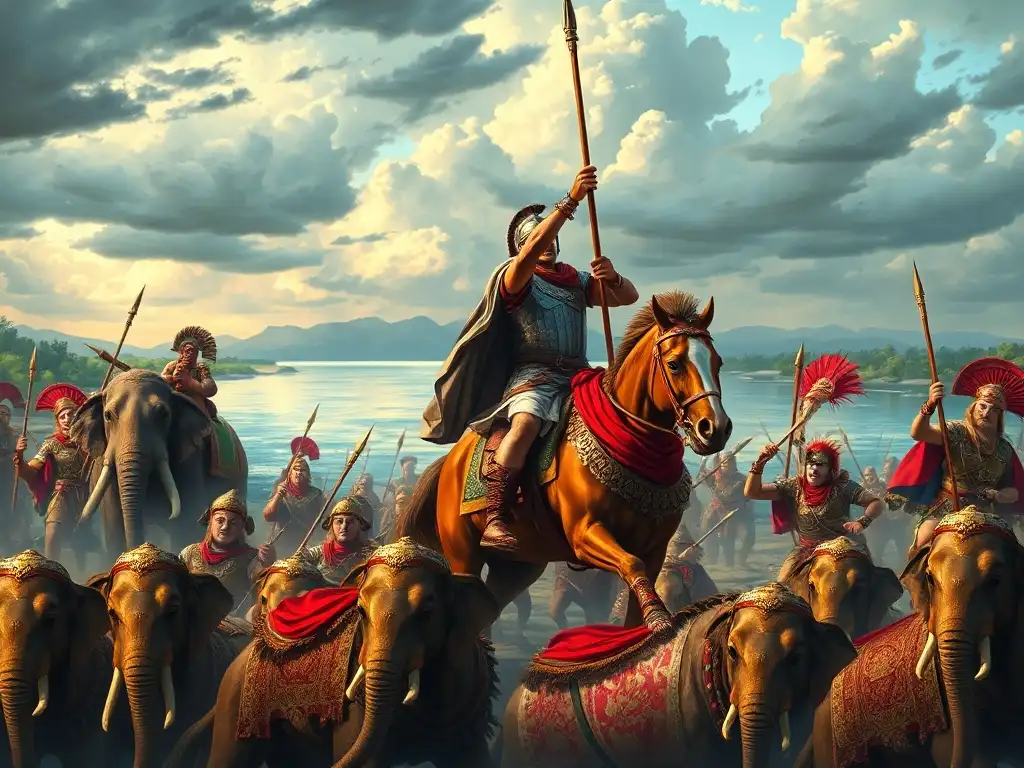
The Battle of the Hydaspes, fought in 326 BCE between Alexander the Great and King Porus, holds a significant place in Indian history. This confrontation not only exemplified the military prowess and strategies of its time but also marked a crucial intersection of Indian and Hellenistic cultures. The battle's legacy extends beyond the immediate military outcomes, influencing the socio-political landscape of the region and the perceptions of foreign rulers towards Indian civilizations.
Historical Accounts and Perspectives
The historical accounts of the Battle of the Hydaspes primarily stem from Greek historians, particularly Arrian, who documented Alexander’s campaigns. Arrian's Anabasis Alexandri provides a detailed narrative of the battle, highlighting the valor of King Porus and his formidable war elephants, which posed a significant challenge to Alexander's forces.
- Military Tactics: The battle is renowned for its innovative tactics. Alexander deployed a combination of cavalry and infantry, utilizing the terrain to his advantage. The engagement showcased the effectiveness of the Macedonian phalanx against the more traditional Indian warfare methods.
- Cultural Exchange: The aftermath of the battle led to a blending of cultures. Following his victory, Alexander established cities and spread Hellenistic influence in the region. This cultural exchange is evident in subsequent art, architecture, and trade practices, which saw the incorporation of both Indian and Greek elements.
- Portrayal of Leadership: Porus's leadership during the battle has been celebrated in various narratives, depicting him as a noble and courageous king. Despite his defeat, his resilience earned respect from Alexander, who reinstated him as a ruler of his territory, highlighting the diplomatic considerations that accompanied military engagements of that era.
The Battle of the Hydaspes in Modern Scholarship
In contemporary scholarship, the Battle of the Hydaspes is analyzed through various lenses, including military history, cultural studies, and post-colonial perspectives. Scholars have debated its importance in shaping the Indian subcontinent's historical narrative.
- Military Significance: Historians argue that the battle exemplified the transition in warfare during this period. The use of elephants in battle, a hallmark of Indian military strategy, contrasted sharply with the Greek approach. This exchange of tactics influenced later military campaigns in India.
- Cultural Impact: Modern scholars emphasize the long-term cultural implications of the battle. The establishment of Hellenistic cities in the region facilitated trade and cultural interactions that would later contribute to the spread of Buddhism and the Silk Road's development.
- Re-evaluating Colonial Narratives: The battle has also been re-evaluated in the context of colonial narratives. Some scholars highlight how the portrayal of Alexander's conquests has often overshadowed indigenous perspectives. Reevaluating these narratives encourages a more nuanced understanding of Indian history, recognizing the agency and contributions of local rulers like Porus.
The legacy of the Battle of the Hydaspes is multifaceted, influencing military strategies, cultural exchanges, and historical narratives. Its significance extends beyond the battlefield, impacting the development of Indian civilization and its interactions with the wider world.
Conclusion
Reflection on the Battle's Significance in Ancient Indian History
The Battle of the Hydaspes, fought in 326 BCE between Alexander the Great and King Porus, stands as a pivotal moment in ancient Indian history. Its significance extends beyond the immediate military outcomes, influencing various facets of the region's cultural and political landscape.
- Cultural Exchange:
- The encounter between the Macedonian forces and the Indian troops facilitated an exchange of ideas, technologies, and cultural practices.
- Greek writers like Arrian documented the battle, providing insights into Indian warfare and societal structures, which helped in the dissemination of Indian culture to the Western world.
- Political Realignment:
- The defeat of Porus, despite his fierce resistance, marked a shift in regional power dynamics.
- This battle catalyzed the fragmentation of Indian kingdoms, paving the way for future conquests by other powers.
- Military Strategies:
- The tactics employed during the battle, such as the use of war elephants by Porus, significantly influenced military strategies in subsequent conflicts in the Indian subcontinent.
- This battle also showcased the importance of geography and environment in warfare, as the Hydaspes River played a crucial role in the strategies of both armies.
The Enduring Impact of the Battle of the Hydaspes on Future Generations
The Battle of the Hydaspes did not just shape the immediate historical context; its legacy permeated through centuries, impacting subsequent generations in various ways:
- Inspiration for Resistance:
- The valor displayed by Porus inspired future Indian rulers and warriors to resist foreign invasions. His legacy became a symbol of defiance against external domination, resonating through history as a source of national pride.
- Integration of Cultures:
- Following Alexander's campaigns, there was a notable Hellenistic influence in parts of India. This integration led to a unique blend of Greek and Indian cultures, particularly in art, architecture, and philosophy, which can be observed in regions like Gandhara.
- Historical Narratives:
- The battle has been immortalized in literature and folklore, shaping the historical narratives of India. Stories of the conflict and its warriors continue to be retold, ensuring that the lesson of courage and resilience remains relevant.
- Geopolitical Implications:
- The aftermath of the battle contributed to the understanding of Indian subcontinent geopolitics. It opened pathways for future empires, such as the Mauryan Empire, to rise and establish dominance over the fragmented territories, ultimately leading to the unification of a large part of India.
The Battle of the Hydaspes serves as a significant historical event with far-reaching consequences that have echoed through time. Its impact on military strategies, cultural exchanges, and national identity continues to be felt, making it an essential chapter in the rich tapestry of ancient Indian history.
Frequently Asked Questions
What was the Battle of the Hydaspes?
The Battle of the Hydaspes was a significant confrontation in 326 BCE between Alexander the Great and King Porus of the Punjab region, marking a pivotal moment in the expansion of Alexander's empire.
Why is the Battle of the Hydaspes significant in Indian history?
The significance lies in its demonstration of military strategy, the cultural exchanges it fostered, and its impact on the Indian subcontinent's political landscape, ultimately influencing subsequent rulers.
How did the Battle of the Hydaspes affect Alexander's campaign?
The battle showcased Alexander's military prowess but also highlighted the challenges of conquering the Indian territories, leading him to reconsider his further ambitions in the region.
What were the outcomes of the Battle of the Hydaspes for King Porus?
King Porus was ultimately defeated but impressed Alexander with his bravery and leadership, resulting in restoration of his kingdom and an alliance that influenced future governance.
How did the Battle of the Hydaspes contribute to cultural exchanges?
The battle facilitated interactions between Greek and Indian cultures, leading to a blend of ideas, art forms, and trade practices that enriched both civilizations in the years that followed.
Final Reflection: The Enduring Significance of the Battle of the Hydaspes
The Battle of the Hydaspes stands as a pivotal moment in Indian history, illustrating the complexities of cultural exchange and military strategy that shaped the subcontinent. This clash not only marked a significant military achievement for Alexander the Great but also catalyzed a profound transformation in the region's political landscape.
Today, as we navigate a world increasingly defined by globalization and intercultural interactions, the lessons from this historic encounter resonate more than ever. The significance of the Battle of the Hydaspes is not merely a relic of the past; it is a reminder of the power dynamics that continue to influence our societies.
The impact of the Battle of the Hydaspes extends beyond the battlefield, influencing the cultural and social fabric of India. This battle serves as a testament to the resilience and adaptability of Indian civilization in the face of foreign invasions. The interplay of Greek and Indian cultures during this period laid the groundwork for future exchanges that enriched both societies. As historian Romila Thapar aptly noted, History is not just about battles won or lost; it is about the stories that emerge from those conflicts.
This perspective invites us to reflect on how historical events shape our identities and collective narratives.
As we conclude our exploration of the Battle of the Hydaspes, I invite you to consider how the lessons from this epic clash can be applied in your own life. Reflect on the importance of understanding diverse perspectives and the value of resilience in overcoming challenges. Let the significance of this battle inspire you to embrace the complexities of our shared history and to foster connections that transcend borders. In doing so, we honor the legacy of those who fought bravely on the banks of the Hydaspes and ensure that their story continues to inspire future generations.
Unveil the Legacy of the Hydaspes Battle!
Thank you for diving into the thrilling account of the Battle of the Hydaspes and its profound impact on Indian history! You've gained a deeper understanding of this pivotal moment in time, and now it's time to take that knowledge further.
Here’s how you can actively engage with the legacy of this epic clash:
- Explore Ancient Tales: Read more about the strategic brilliance of Chandragupta Maurya and his successors, who played a crucial role in shaping the future of India following Alexander's arrival.
- Join the Discussion: Share your thoughts and insights on the battle in our community forum. What do you believe was the most significant outcome of this historic clash?
- Delve Deeper: Discover related articles that connect various historical events that have influenced Indian culture and governance.
What aspect of the Hydaspes Battle resonates most with you, and why? We invite you to share your thoughts in the comments below!