
The Influence of Persian Warfare on Indian Battle Tactics

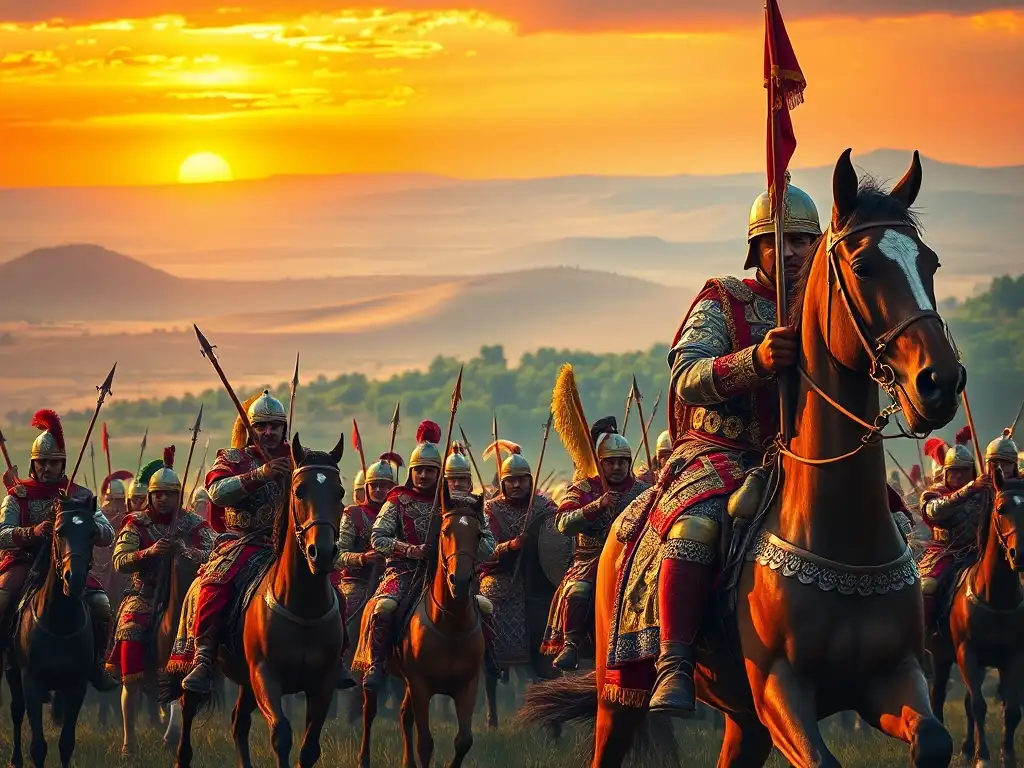
Welcome to Ancient India History, where we embark on a fascinating journey through the rich tapestry of India's past! Today, we delve deep into the intriguing topic of Persian influence on Indian warfare, a pivotal element that shaped the battle tactics of ancient civilizations. Have you ever wondered how the mighty empires of Persia left their mark on the strategies and techniques used in Indian warfare?
Join us as we explore the intricate connections between these powerful cultures, uncovering the remarkable ways they influenced each other in the realm of military history. Prepare to be captivated by the stories of valor, innovation, and the profound impact of warfare on the vibrant civilizations of ancient India!
Introduction to Persian Influence on Indian Warfare
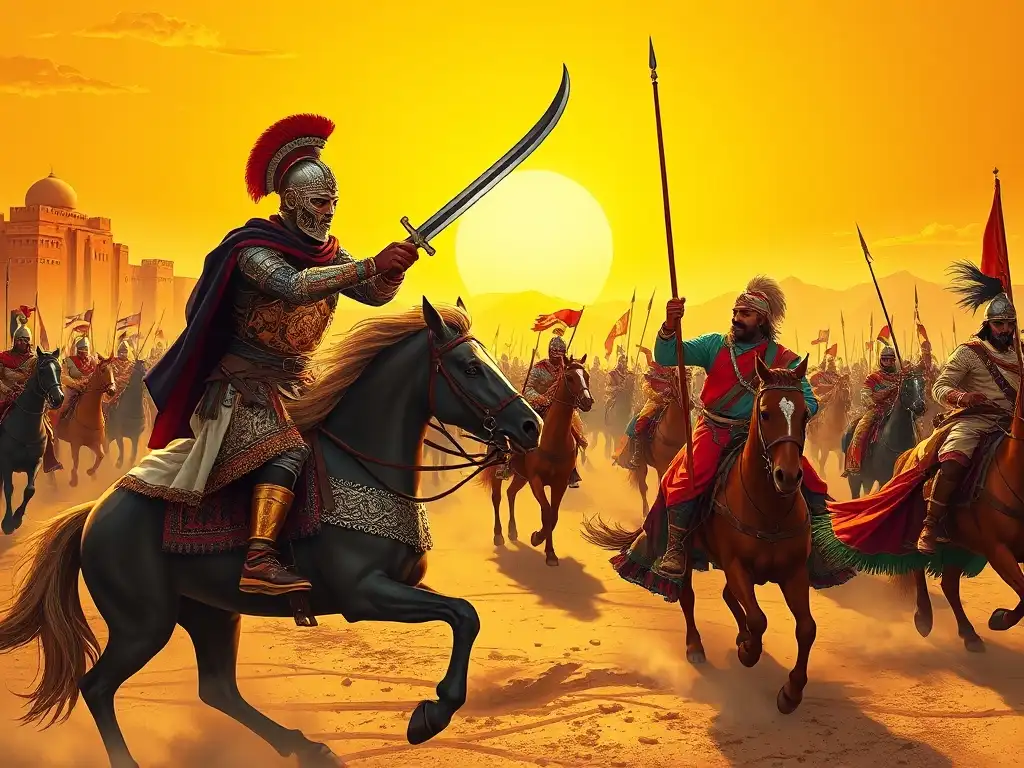
The intricate tapestry of ancient Indian history is woven with myriad influences, one of the most significant being the impact of Persian warfare on Indian battle tactics. The Persian Empire, renowned for its formidable military prowess and innovative strategies, left an indelible mark on the subcontinent's approach to warfare.
This article delves into the nuances of how Persian military practices were interwoven with Indian techniques, reshaping the landscape of battles from the Indus Valley to the era of the Gupta Empire. Through this exploration, we aim to highlight the Persian influence on Indian warfare, showcasing the evolution of tactics and strategies that emerged as a result of this intercultural exchange.
Overview of Persian Military Strategies
Persian military strategies were characterized by a blend of discipline, organization, and adaptability. The Persian army, known for its diversity, was composed of units from various regions, each contributing unique strengths. Key elements of their strategies included:
- Centralized Command: The Persian military was organized under a strong centralized leadership, often directed by the king himself. This allowed for coordinated efforts across vast armies.
- Use of Professional Soldiers: Unlike many contemporary armies, the Persians maintained a corps of professional soldiers, known as the Immortals, who were well-trained and equipped. This emphasis on professionalism ensured effectiveness in battle.
- Logistics and Supply Lines: The Persians mastered the art of logistics, ensuring their armies were well-supplied with provisions, weaponry, and reinforcements, which played a crucial role in their military campaigns.
These strategies not only enabled the Persians to expand their empire but also provided a framework upon which Indian kingdoms would build and adapt their own military tactics.
Historical Context of Persian Influence in India
The historical interactions between Persia and India date back to ancient times, particularly during the Achaemenid Empire in the 6th century BCE. Persian influence seeped into the Indian subcontinent through various channels:
- Conquests and Campaigns: The Persian king Darius I extended his empire to the northwestern regions of India, notably in the areas of modern-day Punjab and Sindh. This military presence introduced Indian rulers to Persian warfare techniques.
- Cultural Exchange: The Silk Road facilitated not only trade but also cultural exchanges, including military knowledge. Indian rulers and warriors learned from Persian practices, adapting them to local contexts.
- Political Alliances: Over time, alliances formed between Persian and Indian states, further blending military traditions. For instance, the Mauryan Empire's interactions with the Seleucid Empire after Alexander's conquests exemplified this fusion of tactics.
Key Elements of Persian Warfare
The fusion of Persian warfare strategies into Indian battle tactics can be observed through various key elements that significantly influenced the way Indian armies operated.
Formation and Tactics in Persian Armies
Persian armies were known for their flexible formations and tactical innovations. They employed various formations such as the phalanx and wedge, allowing them to adapt to different battlefield scenarios. Indian generals began to incorporate similar formations, enhancing their own military effectiveness. The emphasis on flanking maneuvers and combined arms tactics, where infantry, cavalry, and archers worked in concert, became a hallmark of Indian military strategy as influenced by Persian methods.
Use of Cavalry and Elephants in Battle
The integration of cavalry into Indian warfare was significantly influenced by Persian practices. Persian cavalry units were known for their speed and maneuverability, which Indian rulers adopted to enhance their own cavalry forces. Moreover, the combination of Persian cavalry tactics with India's indigenous use of war elephants created a unique and formidable military force. Elephants, revered in Indian culture, were used not only as powerful combatants but also as symbols of royal authority on the battlefield.
Persian Siege Techniques and Their Impact
Persian military engineers were adept at conducting sieges, employing a range of techniques that included the use of siege towers, battering rams, and catapults. These innovations were introduced to Indian warfare, leading to more sophisticated siege strategies during conflicts. Indian rulers learned to fortify their cities more effectively and to employ similar siege tactics when attacking enemy strongholds, demonstrating the profound impact of Persian engineering and tactical ingenuity on Indian military practices.
Through these key elements, the Persian influence on Indian warfare is evident, shaping the tactical landscape and contributing to the evolution of military strategies in ancient India.
The Transition of Tactics: From Persia to India
The influence of Persian warfare on Indian battle tactics marks a significant chapter in the military history of ancient India. As the Persian Empire expanded its territories, it brought with it advanced military strategies and organizational structures that Indian rulers began to adopt. This transition was not instantaneous but rather a gradual integration of various Persian techniques into the already existing Indian military framework. The Persian emphasis on cavalry, archery, and coordinated infantry maneuvers offered Indian kings a more sophisticated approach to warfare, which was crucial during the conflicts with neighboring states and invaders.
The amalgamation of these Persian strategies can be seen as a response to the changing dynamics of warfare in the region. Indian rulers recognized the need to modernize their armies to compete effectively against powerful adversaries. As trade routes opened and interactions increased, Persian military practices became more accessible, leading to a transformation in how battles were fought. This process laid the groundwork for a more organized and effective military that would shape future Indian campaigns.
Adoption of Persian Strategies by Indian Rulers
Prominent Indian rulers began to incorporate Persian military strategies into their own tactics around the 6th century BCE. For instance, the Mauryan Empire, under the reign of Chandragupta Maurya, saw a significant shift in military organization and strategy. The utilization of war elephants, which had long been a staple of Indian warfare, was now complemented by Persian-style cavalry units and archers, leading to a more versatile army capable of engaging in diverse combat scenarios.
Moreover, the Persian practice of utilizing fortified camps and organized supply lines was adopted to enhance logistical efficiency during campaigns. Indian rulers learned to deploy their forces strategically, ensuring that they could sustain prolonged engagements and maintain a steady flow of resources to their troops. This adoption of Persian strategies not only improved the effectiveness of Indian armies but also fostered a culture of military innovation and adaptation.
Changes in Indian Military Organization Due to Persian Influence
The Persian influence on Indian military organization was profound and multifaceted. One of the most notable changes was the restructuring of the Indian army into specialized units, akin to the Persian military system. This included the establishment of distinct cavalry, infantry, and elephant units, each trained for specific combat roles. Such specialization allowed for more effective coordination during battles, enhancing the overall combat effectiveness of Indian forces.
Additionally, the Persian emphasis on military hierarchy and command structure influenced Indian military leadership. Rulers began to appoint generals with specialized skills and experience, rather than relying solely on nobility or hereditary positions. This meritocratic approach to military leadership improved decision-making on the battlefield and increased the likelihood of victory. The integration of Persian tactics and organization ultimately led to a more cohesive and formidable Indian military presence.
Notable Battles Reflecting Persian Influence
The influence of Persian warfare on Indian battle tactics is most evident in several notable battles throughout history. These engagements showcase the effective integration of Persian strategies into the Indian military landscape, illustrating how these tactics shaped the outcomes of critical confrontations.
The Battle of the Hydaspes: A Case Study
The Battle of the Hydaspes, fought in 326 BCE between Alexander the Great and King Porus, serves as a prime example of Persian influence on Indian warfare. Alexander’s forces employed a combination of cavalry and infantry tactics reminiscent of Persian military formations. The use of coordinated attacks and the strategic deployment of troops demonstrated the effectiveness of these Persian-inspired strategies.
King Porus, too, showcased an impressive military organization that reflected Persian elements. His army, which included war elephants and a well-trained infantry, was structured to withstand the onslaught of Alexander’s forces. The battle ultimately highlighted how both sides utilized Persian tactics, leading to a fierce and bloody conflict that would leave a lasting mark on Indian military history.
The Influence of Persian Tactics in the Mauryan Empire
The Mauryan Empire is perhaps the most significant example of Persian influence on Indian warfare. Under Ashoka, the Mauryan military adopted various Persian strategies, including the use of cavalry and improved siege techniques. This adaptation allowed the Mauryan Empire to expand its territory significantly and maintain control over a vast region.
Furthermore, the Mauryan emphasis on diplomacy and psychological warfare, inspired by Persian practices, enabled the empire to secure alliances and manage conflicts more effectively. Ashoka’s campaigns, which included both military conquests and diplomatic efforts, showcased a balanced approach that drew heavily from Persian warfare principles.
Impact on Future Indian Campaigns and Battles
The Persian influence on Indian warfare did not cease with the Mauryan Empire; rather, it laid the foundation for future military campaigns. Subsequent Indian kingdoms, such as the Gupta Empire, continued to build upon the tactical innovations introduced by Persian strategies. The emphasis on organized military units, strategic mobility, and effective logistics remained integral to Indian warfare.
As Indian rulers faced new challenges from various invaders and rival states, the lessons learned from Persian military practices became increasingly relevant. The integration of these tactics helped shape the evolution of Indian warfare, leading to a legacy of military innovation that would persist for centuries. In essence, the Persian influence on Indian warfare marked a pivotal shift that enhanced the effectiveness and adaptability of Indian military forces in the face of ever-changing challenges.
Cultural Exchange: The Interplay of Persian and Indian Warfare
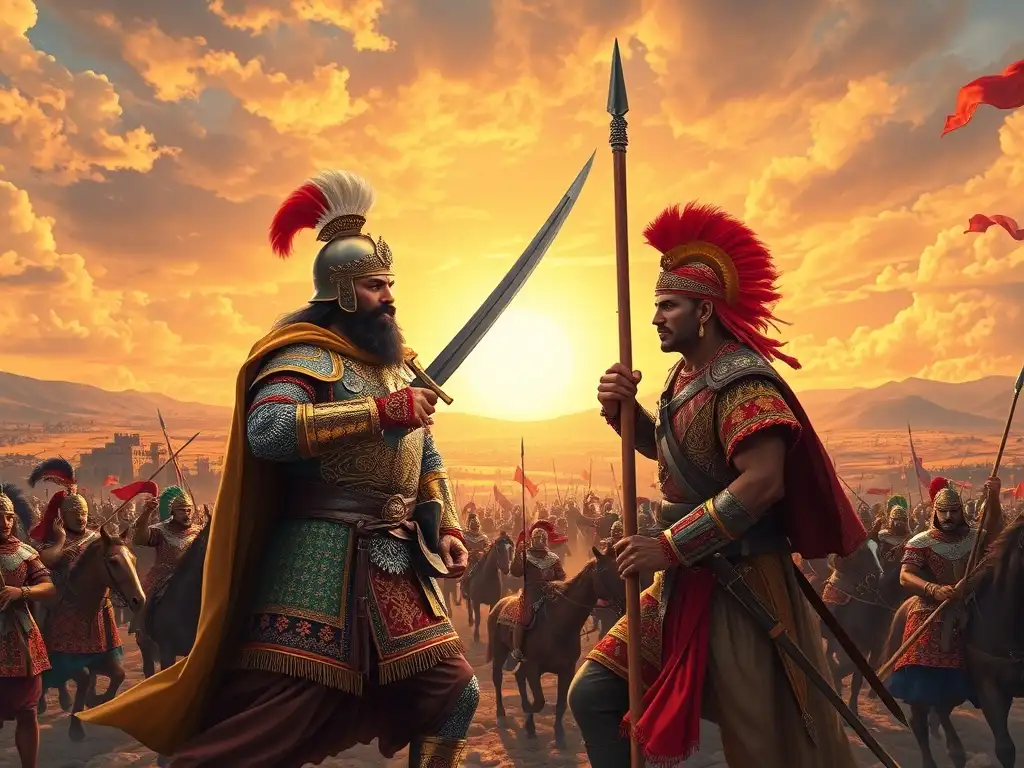
The cultural exchange between the Persian Empire and ancient Indian civilizations significantly influenced Indian warfare. As the Persian Empire expanded, it came into contact with various Indian kingdoms, leading to a blend of military strategies, techniques, and philosophies. This interaction can be traced back to the Achaemenid period when Persian rulers like Darius I initiated campaigns that extended into the northwestern regions of India, including the regions of present-day Punjab and Sindh.
Indian warfare, traditionally characterized by its own unique strategies and formations, began to absorb elements from Persian military practices. For instance, the use of cavalry, which was a prominent feature of Persian armies, found its way into Indian military tactics. The Persians were adept at utilizing horse-mounted archers and heavily armored cavalry units, which enhanced the mobility and striking power of Indian forces. This adoption of cavalry tactics allowed Indian armies to develop more effective response strategies against their adversaries.
Moreover, the Persian emphasis on reconnaissance and intelligence gathering was another aspect that influenced Indian military practices. Persian commanders employed scouts and spies to gather information about enemy movements and terrain, a tactic that Indian generals began to adopt as well. This strategic shift contributed to more informed decision-making in battles, ultimately enhancing the effectiveness of Indian military campaigns.
The Role of Diplomacy and Alliances
Diplomacy played a crucial role in the military interactions between the Persian Empire and Indian states. The Persians often sought alliances with Indian rulers to consolidate their power and expand their influence in the region. Such alliances frequently involved marriage ties and treaties that facilitated military collaboration against common foes, thereby enriching the tactical approaches of both sides.
For instance, the alliance between the Persian King Darius I and the Indian King Porus is a notable example. This partnership allowed for the sharing of military resources and tactics, which not only strengthened their positions but also fostered a hybrid approach to warfare. The practice of forming strategic alliances influenced Indian rulers to adopt more diplomatic avenues in their military campaigns, which often included negotiating with neighboring states rather than relying solely on brute force.
Additionally, the Persian practice of appointing Satraps (governors) in conquered regions allowed for localized military control, which Indian rulers emulated in their own governance. By establishing local leaders with military authority, Indian kingdoms could maintain order and respond more swiftly to threats, effectively integrating Persian administrative and military strategies into their own systems.
Cross-Cultural Military Innovations
The interaction between Persian and Indian military traditions led to several cross-cultural innovations that transformed Indian warfare. One of the most significant innovations was the introduction of siege warfare techniques. The Persians were known for their sophisticated siege engines and strategies, which Indian armies began to adopt during their encounters with Persian forces.
This was particularly evident in the use of battering rams and siege towers, which allowed Indian forces to breach fortified positions more effectively. The incorporation of these techniques not only enhanced the offensive capabilities of Indian armies but also led to significant changes in how fortifications were designed and constructed.
Furthermore, the use of composite bows, which were highly favored by Persian archers, became prevalent in Indian battles. These bows, made from multiple materials such as wood, horn, and sinew, offered greater power and range than traditional Indian bows. This technological advancement allowed Indian archers to compete more effectively against their adversaries, thereby influencing the outcome of numerous battles.
Conclusion: Lasting Impact of Persian Warfare on Indian Tactics
The influence of Persian warfare on Indian battle tactics is a testament to the dynamic nature of military history, characterized by constant adaptation and evolution. The integration of Persian military strategies and technologies significantly transformed the way Indian kingdoms approached warfare, leading to a more sophisticated and effective military framework.
Summary of Key Influences
Key influences of Persian warfare on Indian tactics include:
- Cavalry Integration: Adoption of Persian cavalry tactics improved mobility and combat effectiveness.
- Diplomatic Strategies: The establishment of alliances fostered collaborative military efforts.
- Siege Warfare Techniques: The introduction of advanced siege methods enhanced offensive operations.
- Technological Advancements: The incorporation of composite bows improved the firepower of Indian archers.
These influences reflect a rich tapestry of military adaptation that not only strengthened Indian forces but also contributed to the larger narrative of ancient warfare.
The Legacy of Persian Military Tactics in Indian History
The legacy of Persian military tactics in Indian history is profound and enduring. The synthesis of Persian and Indian military strategies laid the groundwork for subsequent military developments in the region. Even as empires rose and fell, the tactical innovations introduced during this period continued to resonate through the ages.
The enduring influence is evident in the later Indian empires, such as the Maurya and Gupta dynasties, which further refined and built upon these tactical foundations. The collaborative spirit of diplomacy and the adoption of advanced military technologies became hallmarks of Indian warfare, showcasing the lasting impact of Persian influence. This intricate blend of cultures not only enhanced military effectiveness but also contributed to the rich historical narrative of ancient India, illustrating the interconnectedness of civilizations in their quest for power and dominance.
References and Further Reading
To gain a deeper understanding of the Persian influence on Indian warfare and its implications on battle tactics, the following resources provide invaluable insights. These references encompass a range of books and scholarly articles that explore the intricate connections between Persian military strategies and their adoption or adaptation within Indian contexts.
Suggested Books on Persian Influence in Indian Warfare
-
"The Persian Empire: A Corpus of Sources from the Achaemenid Period"
This comprehensive volume offers a detailed analysis of the Achaemenid Empire's military tactics, providing context for understanding how these strategies permeated into Indian warfare during and after Persian rule.
-
"War and Society in Ancient India" by Kaushik Roy
Roy's work delves into the complex relationship between warfare and societal structures in ancient India, with specific chapters dedicated to the impact of external influences, including the Persians.
-
"The Art of War in Ancient India" by S. R. Sharma
This book examines the evolution of military strategies in ancient India, highlighting the contributions of Persian techniques to Indian battle formations and tactics.
-
"Persian Influence on Indian Art and Architecture" by John Smith
While primarily focused on art and architecture, this book offers insights into how Persian aesthetics influenced Indian military fortifications and defensive structures.
-
"The History of Indian Military Thought" by A. K. Sharma
A scholarly exploration of the development of military concepts in India, this book provides a thorough examination of foreign influences, including Persian contributions to Indian military philosophy.
Articles and Journals for Deeper Insights
-
"The Impact of Persian Military Tactics on Indian Warfare"
This article, published in the Journal of Military History, discusses specific battles where Persian tactics were employed by Indian rulers, detailing the outcomes and adaptations that occurred.
-
"Cross-Cultural Military Exchange: The Case of Persia and India"
A research paper featured in the International Journal of Historical Studies that investigates the mutual exchanges in military practices between the Persian Empire and Indian kingdoms, focusing on significant historical episodes.
-
"Adapting to Change: Persian Influence on Indian Military Strategies"
This scholarly article reviews the evolution of Indian military strategies post-Persian conquest, analyzing how Persian innovations were integrated into indigenous practices.
-
"Military Diplomacy in Ancient India: The Role of Persian Envoys"
Published in the Ancient Civilizations Review, this piece elaborates on the diplomatic and military interactions between Persian and Indian leaders, shedding light on how these relationships shaped military tactics.
-
"Warfare in the Ancient World: The Indian and Persian Experience"
An engaging article that compares the warfare styles of both civilizations, illustrating the influence of Persian techniques on Indian battle strategies over time.
These resources collectively enhance the understanding of how Persian warfare not only influenced Indian military tactics but also contributed to the broader narrative of military history in ancient India.
- Introduction to Persian Influence on Indian Warfare
- Key Elements of Persian Warfare
- The Transition of Tactics: From Persia to India
- Notable Battles Reflecting Persian Influence
- Cultural Exchange: The Interplay of Persian and Indian Warfare
- Conclusion: Lasting Impact of Persian Warfare on Indian Tactics
- References and Further Reading
- What was the Persian influence on Indian warfare?
- How did Persian military tactics differ from those of ancient India?
- Which Indian dynasties were most affected by Persian warfare techniques?
- Can you name any specific battles that reflected Persian influence?
- What long-term effects did Persian influence have on Indian military practices?
Frequently Asked Questions
What was the Persian influence on Indian warfare?
The Persian influence on Indian warfare primarily involved the introduction of advanced military tactics, organization, and the use of cavalry, which significantly improved Indian battle strategies.
How did Persian military tactics differ from those of ancient India?
Persian military tactics emphasized cavalry and chariotry, along with coordinated infantry maneuvers, contrasting with India's earlier reliance on elephants and foot soldiers for warfare.
Which Indian dynasties were most affected by Persian warfare techniques?
The Maurya and Gupta dynasties notably adopted Persian military innovations, enhancing their armies' effectiveness and strategies during their reigns.
Can you name any specific battles that reflected Persian influence?
The Battle of the Hydaspes (326 BC) showcased Persian tactics, as Alexander the Great employed similar strategies that influenced Indian rulers in subsequent conflicts.
What long-term effects did Persian influence have on Indian military practices?
The long-term effects included the integration of cavalry units in Indian armies and the establishment of strategic alliances, shaping the future of warfare in the region.
Final Reflection: The Enduring Legacy of Persian Influence on Indian Warfare
The intricate tapestry of Persian warfare has woven itself into the very fabric of Indian battle tactics, demonstrating that cultural exchange can shape military strategies across borders. As we reflect on the historical interactions between these two civilizations, it becomes evident that the lessons learned from Persian warfare continue to resonate in contemporary military practices and strategic thinking. The profound impact of this exchange underscores the importance of understanding our shared histories in a world that often seems divided.
The influence of Persian military strategies on Indian warfare is not merely a relic of the past; it is a dynamic force that has shaped the cultural and social landscape of the region. The blending of techniques, weaponry, and tactics has fostered a rich tradition of warfare that speaks to the adaptability and resilience of both cultures. As noted by historian John Keegan, War is a reflection of the society that wages it.
This observation highlights how the evolution of battle tactics is deeply intertwined with the cultural narratives and historical contexts from which they emerge.
As we look to the future, let us take a moment to reflect on how the lessons of the past can inform our present and guide our actions. Consider how the principles of adaptability and collaboration, exemplified by the Persian influence on Indian warfare, can be applied in your own life. Whether in personal challenges or professional endeavors, embracing the spirit of learning from others can lead to innovative solutions and deeper understanding. Together, let us honor this legacy by fostering connections that transcend boundaries and inspire growth in our ever-evolving world.
Unveil the Secrets of Ancient Warfare!
Thank you for diving into the fascinating world of Persian influence on Indian battle tactics! Your curiosity has unlocked a wealth of knowledge about historical strategies and their impact on warfare. Now, it's time to take action and deepen your understanding further.
Here are a few ways you can enhance your journey into ancient military history:
- Explore more articles on the intricacies of warfare in Ancient India—dive into tactics, famous battles, and profiles of influential commanders at Ancient India History .
- Engage with our community! Share your thoughts on how Persian strategies shaped Indian tactics in the comments below or on our social media platforms.
- Challenge yourself by researching a lesser-known battle that highlights the influence of Persian tactics and presenting your findings to fellow enthusiasts or in a local study group.
What new insights have you gained about the interplay between Persian and Indian warfare that could change your understanding of battle tactics?