
The Kalinga War: A Turning Point in Ashoka's Reign

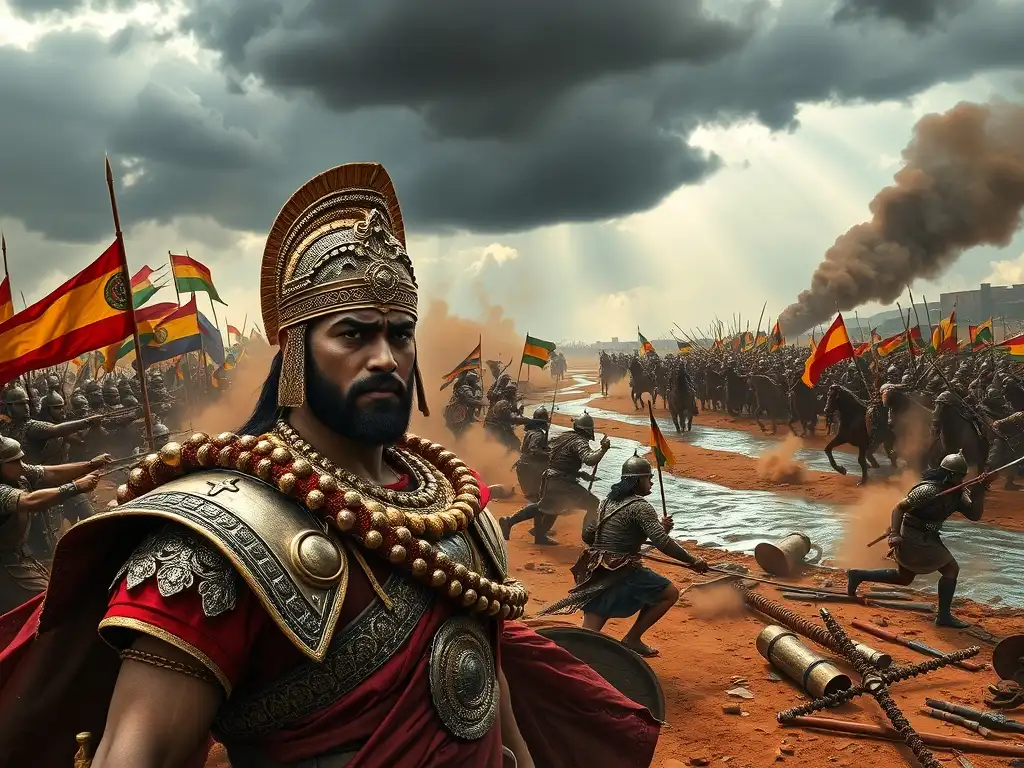
Welcome to Ancient India History, where we embark on a fascinating journey through the rich tapestry of India's past. Delve into the Kalinga War, a pivotal event that not only shaped the course of Ashoka's reign but also transformed the very fabric of Indian civilization. What drove this monumental conflict, and how did it redefine the principles of governance and morality for one of history's most revered emperors?
Join us as we unravel the historical significance of the Kalinga War and its enduring impact on the evolution of ancient India. Your adventure into the depths of military history begins here!
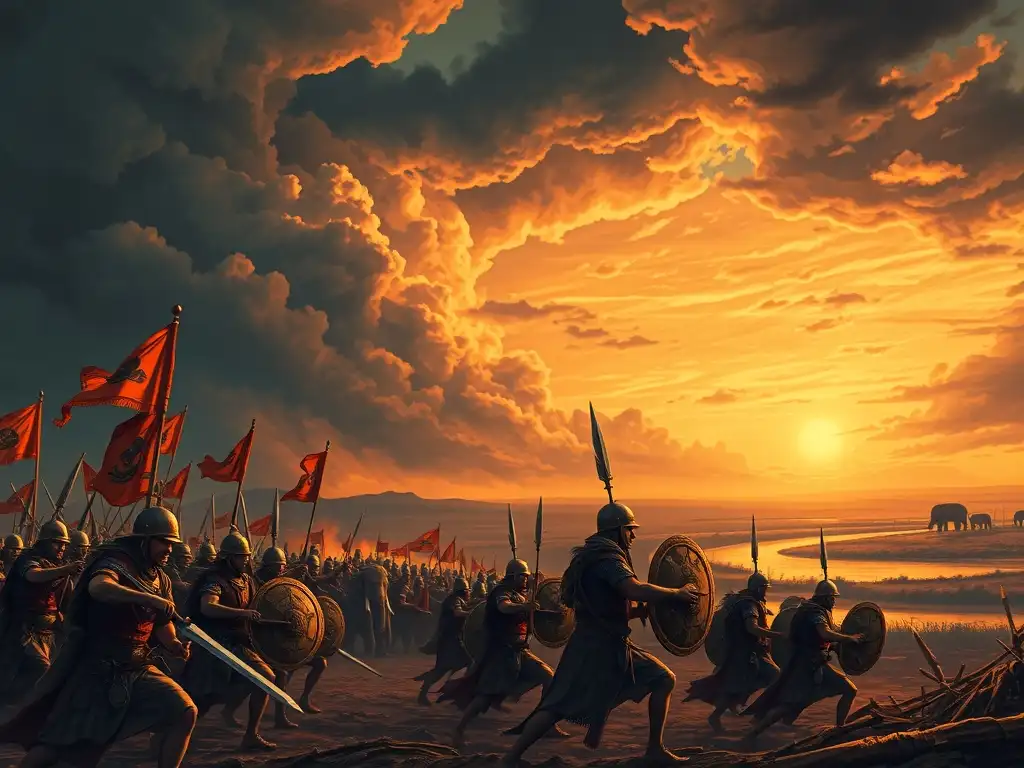
The Kalinga War stands as a pivotal moment in the life of Emperor Ashoka and in the broader narrative of ancient Indian history. This conflict, occurring around 261 BCE, not only altered the course of Ashoka's reign but also reshaped the socio-political landscape of the Indian subcontinent.
The war is often highlighted for its profound implications on Ashoka's subsequent transformation from a fierce conqueror to a proponent of peace and Buddhism. As we delve into the Kalinga War's historical significance, we will explore its origins, key events, and the lasting impact it had on Ashoka's policies and the region's cultural evolution.
Introduction to the Kalinga War
Overview of the Kalinga War
The Kalinga War was fought between the Mauryan Empire, led by Emperor Ashoka, and the state of Kalinga, located along the eastern coast of India. This conflict is notable not only for its scale and intensity but also for the dramatic shift it prompted in Ashoka's ideology. The war resulted in massive casualties and extensive suffering, ultimately leading Ashoka to adopt a path of non-violence and compassion. It serves as a striking example of how warfare can catalyze significant philosophical and ethical transformations in leadership.
Historical Context Leading to the Conflict
To fully understand the Kalinga War, it is essential to consider the historical backdrop that precipitated the conflict. The region of Kalinga had long been a prosperous and strategically significant territory, known for its trade routes and maritime connections. Tensions began to rise as the Mauryan Empire sought to expand its influence and control over such lucrative areas. The Kalingans were known for their fierce independence and resisted Mauryan encroachment, setting the stage for an inevitable clash.
The Kalinga War: Key Events and Strategies
The Prelude to the Kalinga War
Before the war officially broke out, there were several diplomatic attempts and skirmishes that hinted at the brewing conflict. Ashoka's ambitions to annex Kalinga were met with staunch resistance, leading to a series of failed negotiations. The Mauryan Empire's desire for expansion often clashed with Kalinga's fierce resolve to maintain sovereignty, resulting in escalating tensions that ultimately erupted into full-scale war.
Major Battles and Tactical Approaches
The Kalinga War featured a series of battles marked by strategic maneuvers and large-scale troop engagements. Ashoka's forces, equipped with superior organization and resources, initially seemed poised for victory. However, the Kalingans utilized their intimate knowledge of the terrain and guerrilla tactics to mount a formidable defense. The conflict was characterized by intense fighting and significant casualties on both sides, underscoring the brutal realities of ancient warfare.
The Role of Ashoka in the War
As the commander of the Mauryan forces, Ashoka played a crucial role in the Kalinga War. Initially driven by the desire for conquest and fame, his experience on the battlefield profoundly impacted him. Witnessing the devastation and suffering caused by the war led to a pivotal shift in his beliefs. The aftermath of the conflict prompted Ashoka to embrace Buddhism, advocating for peace and ethical governance, thus marking a transformative chapter in his reign and the history of India.
Through this exploration of the Kalinga War, we gain insight into its historical significance, not only as a military confrontation but also as a catalyst for one of ancient India's most revered leaders.
The Aftermath of the Kalinga War
The Kalinga War, fought around 261 BCE, had profound repercussions not only for the region of Kalinga but also for Emperor Ashoka and his empire. Following the brutal conflict, which resulted in immense loss of life and suffering, the immediate and long-term effects shaped the course of Ashoka’s reign and Indian history. The aftermath of the Kalinga War catalyzed a significant transformation in Ashoka's policies, military strategies, and his vision for governance.
Immediate Consequences of the War
The immediate aftermath of the Kalinga War was marked by significant human and material losses. The death toll is estimated to have reached approximately 100,000 soldiers and civilians, with countless others wounded. The war left the region devastated, as cities were destroyed, and agriculture was severely impacted. Ashoka, who witnessed firsthand the carnage and suffering inflicted upon the Kalingans, was deeply affected by the brutality of the conflict.
In reaction to the devastation, Ashoka undertook initiatives aimed at rebuilding Kalinga and addressing the needs of its people. He ordered the restoration of cities and the provision of relief to the surviving population. This period saw a shift in his focus from military conquest to welfare and social harmony, laying the groundwork for his future policies.
Long-Term Effects on Ashoka's Reign
The long-term effects of the Kalinga War were transformative for Ashoka’s reign. The profound remorse that Ashoka felt post-war led him to embrace Buddhism, which became a cornerstone of his rule. This spiritual shift influenced his governance, prompting him to adopt the principles of non-violence (Ahimsa) and compassion. Ashoka’s commitment to Buddhist teachings also resulted in the propagation of Dharma, or righteous living, throughout his empire.
Additionally, Ashoka’s reign saw a decline in military expansionism. Instead of pursuing further conquests, he focused on consolidating his empire and promoting internal stability. This strategic pivot not only fostered peace but also allowed for cultural and economic development, enabling trade and the spread of Buddhism beyond India.
Kalinga War Historical Significance
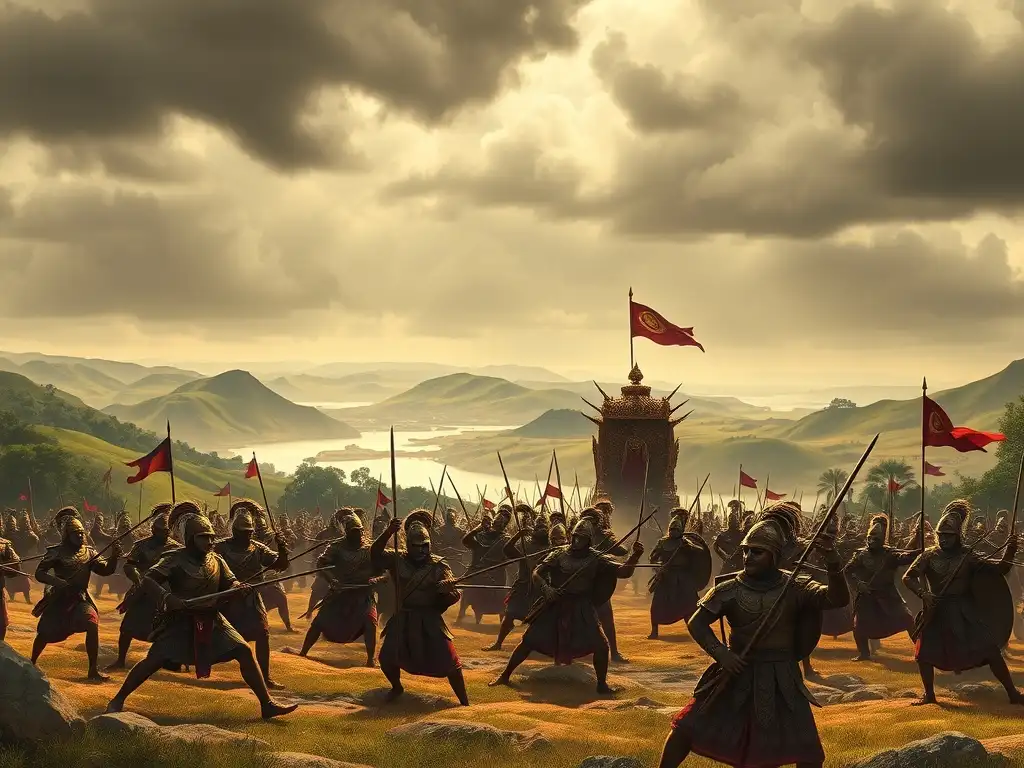
The historical significance of the Kalinga War extends far beyond its immediate consequences, influencing various aspects of Indian civilization and military history. The war stands as a pivotal moment that altered Ashoka's trajectory and shaped the future of his empire.
Impact on Ashoka's Transformation
The Kalinga War is often cited as the catalyst for Ashoka’s transformation from a fierce warrior to a benevolent ruler. The stark realities of war instilled in him a profound sense of empathy and moral responsibility. This transformation is evident in his edicts, inscribed on pillars and rocks, where he espoused the virtues of compassion, tolerance, and respect for all living beings. Ashoka's shift towards Buddhist ideals not only redefined his approach to governance but also set a precedent for ethical leadership in India.
Influence on Indian Military Tactics
The Kalinga War also had an impact on military tactics in India. The scale and intensity of the conflict prompted a reassessment of warfare strategies. Ashoka’s realization of the futility of bloodshed led to a greater emphasis on diplomacy and negotiation in subsequent military endeavors. The war illustrated the need for a balance between military prowess and ethical considerations, influencing future Indian rulers to adopt more strategic approaches to governance and conflict resolution.
The War's Legacy in Indian History
The legacy of the Kalinga War is profound, marking a significant turning point in Indian history. It serves as a reminder of the destructive nature of war and the potential for transformation through reflection and learning. Ashoka’s subsequent commitment to peace and Buddhist values not only influenced his empire but also contributed to the spread of Buddhism across Asia.
In contemporary discourse, the Kalinga War is often referenced as a case study in the moral dilemmas of leadership and the consequences of military conflict. Its lessons continue to resonate, offering insights into the ethical responsibilities of rulers and the enduring impact of their decisions on society.
Cultural and Ethical Implications of the Kalinga War
The Kalinga War, fought in 261 BCE, not only marked a significant military engagement for Ashoka but also initiated profound cultural and ethical transformations within his reign. The aftermath of the war brought forth a deep reflection on the consequences of violence and the suffering caused by warfare. It became a pivotal moment that influenced Ashoka's policies and his approach toward governance and interactions with neighboring states.
The cultural implications of the Kalinga War were extensive, as it highlighted the stark contrast between the brutality of conquest and the ideals of peace and harmony. The widespread devastation and loss of life prompted Ashoka to reconsider the traditional notions of victory and glory in warfare. This shift paved the way for the promotion of Buddhist principles, which emphasized compassion, tolerance, and the importance of ethical conduct in both personal and political spheres.
The Shift from Conquest to Dharma
Following the Kalinga War, Ashoka experienced a significant transformation in his ideology, transitioning from a ruler focused on territorial expansion to one who prioritized the principles of Dharma. This shift was not merely a political maneuver; it was a profound personal journey influenced by the immense suffering witnessed during the conflict. Ashoka adopted the Buddhist concept of Dharma, which emphasizes moral righteousness and ethical governance.
Ashoka's commitment to Dharma manifested in various reforms aimed at promoting social welfare, justice, and non-violence. He established a network of Dhamma Mahamatras, officials responsible for spreading the teachings of Buddhism and ensuring the welfare of the people. This marked a historical turning point where governance was no longer defined by military strength but by moral authority and ethical responsibility.
The Role of Non-Violence in Ashoka's Rule
The principle of non-violence became a cornerstone of Ashoka's administration post-Kalinga War. His embrace of non-violence was not just a political strategy but a profound ethical stance that resonated deeply within the broader context of Indian philosophy. Ashoka's edicts, inscribed on rocks and pillars throughout his empire, served as public reminders of his commitment to peace and harmony.
These edicts advocated for the respectful treatment of all living beings, promoting the idea that true strength lies in restraint rather than aggression. Ashoka encouraged his subjects to adopt non-violent practices, fostering a culture of peaceful coexistence. This commitment to non-violence would later influence various leaders and movements, including Mahatma Gandhi, who drew inspiration from Ashoka's teachings during India's struggle for independence.
Conclusion
Summary of the Kalinga War's Historical Significance
The Kalinga War stands as a pivotal event in the historical narrative of ancient India, marking a profound transformation in Ashoka's reign. The war's brutal realities compelled Ashoka to pivot from a focus on military conquest to a governance model rooted in Dharma and non-violence. This shift not only redefined Ashoka's legacy but also laid the groundwork for the promotion of peace and ethical governance in subsequent Indian history.
The war's significance extends beyond its immediate military outcomes; it catalyzed a broader cultural and ethical awakening that emphasized the importance of compassion and moral leadership. Ashoka's edicts and his commitment to non-violence resonate throughout history, illustrating the potential for personal and societal transformation following the horrors of conflict.
Reflection on Ashoka's Legacy and Influence on Future Generations
Ashoka's legacy, shaped significantly by the Kalinga War, serves as a testament to the enduring impact of ethical leadership and moral governance. His vision of a society founded on the principles of Dharma continues to inspire leaders and thinkers around the world. The values he espoused, such as tolerance, compassion, and non-violence, remain relevant in contemporary discussions on governance and social justice.
Moreover, Ashoka's influence extends beyond the borders of India, as his message of peace found resonance in various cultures and traditions, particularly within Buddhism. The principles established during his reign have inspired countless movements advocating for non-violence and social harmony, thus cementing Ashoka's place as a transformative figure in history. His legacy is a powerful reminder of the potential for change, highlighting that even the most violent of conflicts can lead to a profound commitment to peace and ethical governance.
- Introduction to the Kalinga War
- The Kalinga War: Key Events and Strategies
- The Aftermath of the Kalinga War
- Kalinga War Historical Significance
- Cultural and Ethical Implications of the Kalinga War
- Conclusion
Frequently Asked Questions
What was the Kalinga War?
The Kalinga War was a significant conflict fought between the Mauryan Empire, led by Emperor Ashoka, and the kingdom of Kalinga around 261 BCE, marking a pivotal moment in Indian history.
Why is the Kalinga War considered historically significant?
The historical significance of the Kalinga War lies in its profound impact on Ashoka, leading him to embrace Buddhism and promote non-violence, shaping the future of Indian society and governance.
What were the consequences of the Kalinga War?
The war resulted in heavy casualties, with over 100,000 people reported dead. This prompted Ashoka to initiate reforms focused on compassion, tolerance, and social welfare.
How did the Kalinga War influence Ashoka’s policies?
After witnessing the devastation, Ashoka adopted a policy of Dhamma, advocating for peace, ethical governance, and the spread of Buddhism, which influenced his rule and legacy.
What is the legacy of the Kalinga War in modern times?
The legacy of the Kalinga War continues to resonate, symbolizing the transformation of a ruler from a conqueror to a benevolent leader, and it is often cited in discussions about war, peace, and moral governance.
Final Reflection: The Kalinga War's Enduring Legacy
The Kalinga War stands as a pivotal moment in Ashoka's reign, marking a profound transformation in both his leadership and the moral compass of an empire. The war's historical significance resonates today, as it serves as a stark reminder of the consequences of conflict and the potential for change that arises from it. In a world still grappling with the aftermath of war and violence, the lessons learned from Ashoka's experience are more relevant than ever.
The Kalinga War not only altered the course of Ashoka's rule but also reshaped the cultural and social landscape of ancient India. This transformation is a testament to the power of introspection and the pursuit of peace. Ashoka's subsequent embrace of Buddhism and non-violence influenced generations, fostering a legacy of compassion and understanding. As he famously stated, Conquest is not a victory; it is the beginning of suffering.
This quote encapsulates the ongoing influence of the Kalinga War, reminding us that the true strength of a leader lies in their ability to seek harmony rather than domination.
As we reflect on the Kalinga War and its implications, let us consider how we can apply these lessons in our own lives. In a time when division and conflict seem prevalent, we are called to embrace empathy and understanding. Take a moment to reflect on how you can contribute to a more peaceful world, whether through personal actions or broader societal engagement. The legacy of Ashoka invites us to be agents of change, fostering a culture of compassion that transcends borders and time.
Explore Ashoka's Legacy and Leave Your Mark!
Thank you for diving into the fascinating and transformative story of the Kalinga War and its impact on Ashoka's reign. Your interest in this pivotal moment in history illustrates the power of understanding our past. Now, it's time to take that knowledge and make it your own!
Here are some actionable steps you can take right now:
- Reflect on Ashoka’s principles of non-violence and compassion. Consider how you can incorporate these values into your daily life and community initiatives.
- Share this article with friends or on social media. Start a conversation about how historical events like the Kalinga War can influence our modern world.
- Visit a local museum or historical site. Immerse yourself in the rich stories of ancient India, deepening your appreciation and understanding of this remarkable history.
How do you think Ashoka's transformation from conquest to compassion can inspire today's leaders? **We invite you to share your thoughts below! **