
The Role of Agriculture in Sustaining Ancient Indian Armies

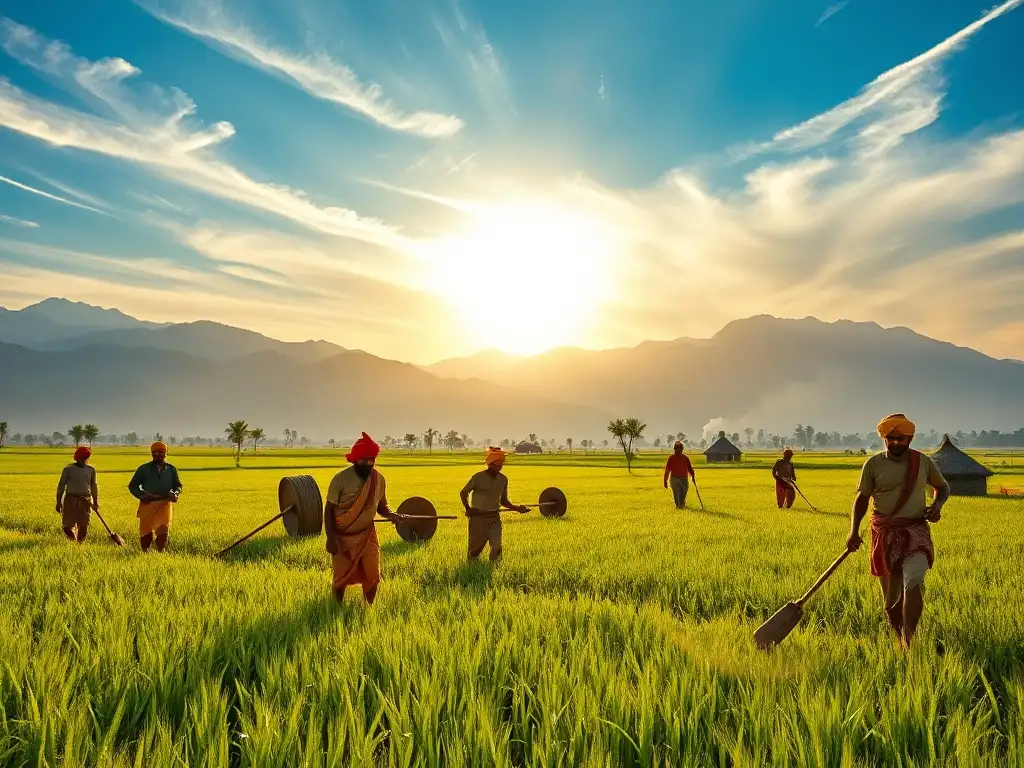
Welcome to Ancient India History, where we delve into the fascinating tapestry of India's rich and diverse past. In our latest exploration, we uncover the pivotal role of agriculture in ancient India—a foundation that not only sustained civilizations but also fortified mighty armies throughout history. As you journey through this article, prepare to be intrigued by how the agricultural practices of ancient societies shaped military strategies and influenced the course of empires. Join us as we unravel the stories behind the fields that fed warriors and the innovations that revolutionized warfare in a land steeped in tradition and resilience.
Introduction to Agriculture in Ancient India
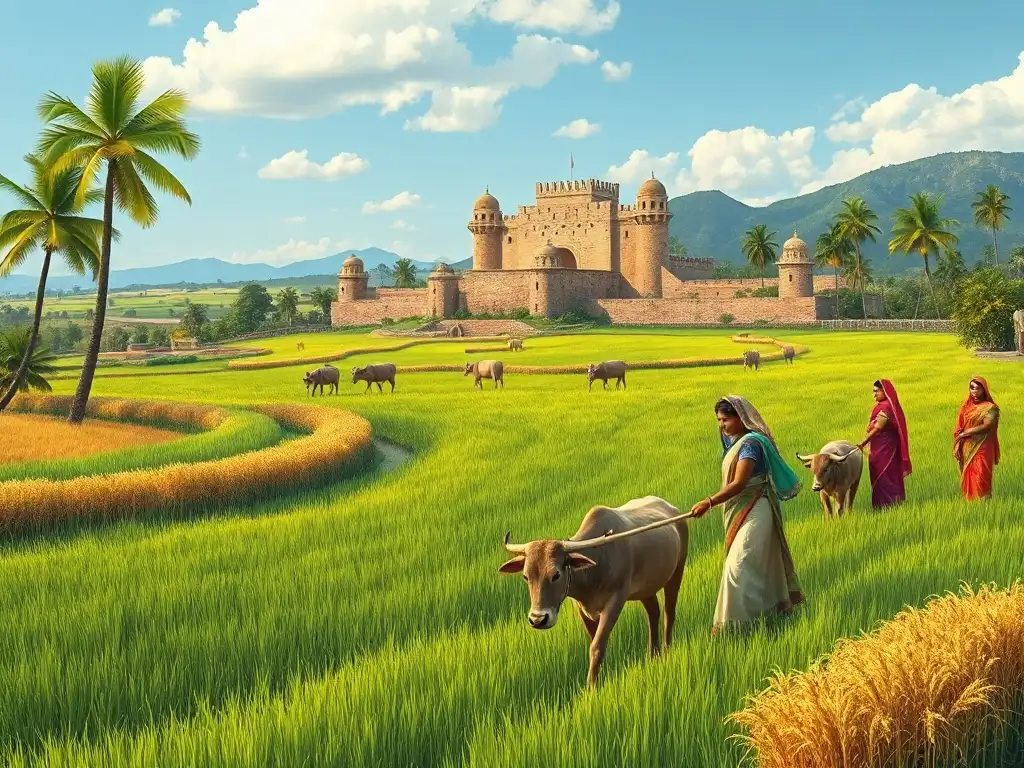
Agriculture in ancient India was not merely a means of sustenance; it played a pivotal role in shaping the very foundations of its civilizations. As one of the earliest agrarian societies in the world, ancient India saw agriculture evolve alongside its complex social structures, religious beliefs, and economic systems.
The lush river valleys of the Indus and Ganges provided fertile grounds that facilitated agricultural practices, enabling communities to thrive and expand. This agricultural abundance not only supported the daily lives of the populace but also laid the groundwork for the maintenance and sustenance of powerful military forces throughout various dynasties—from the Harappan civilization to the Gupta Empire.
The interdependency between agriculture and military strength is a crucial aspect of understanding the dynamics of ancient Indian societies. The agricultural sector not only produced food but also contributed to the wealth and resources that empowered armies. Understanding this relationship allows us to appreciate the strategic significance of agriculture in ancient Indian history and its influence on military endeavors.
Importance of Agriculture for Ancient Civilizations
The importance of agriculture in ancient civilizations cannot be overstated. It provided the essential resources required for sustaining large populations. In ancient India, agriculture enabled:
- Food Security: Continuous food supply ensured that both civilians and soldiers were well-nourished, which was crucial for maintaining morale and effectiveness in battle.
- Economic Prosperity: The surplus generated from agriculture contributed to trade, wealth accumulation, and the funding of military campaigns.
- Social Structure: Agricultural practices shaped social hierarchies, with landowners often holding significant power and influence, which in turn affected military recruitment and organization.
Overview of Agricultural Practices in Ancient India
Ancient Indian agricultural practices were advanced and varied, adapting to the diverse geography and climate of the region. Key aspects included:
- Crop Diversity: Farmers cultivated a range of crops, including rice, wheat, barley, and various pulses, ensuring a balanced diet and minimizing the risk of famine.
- Irrigation Techniques: The development of sophisticated irrigation systems, such as canals and wells, enabled farmers to maximize their yield and support larger populations.
- Agricultural Tools: Tools such as the plow and sickle played a significant role in enhancing productivity, demonstrating the ingenuity of ancient Indian artisans and their contributions to agricultural technology.
The Interconnection Between Agriculture and Military Strength
The interplay between agriculture and military strength in ancient India reveals a complex relationship that was integral to the success of its armies.
How Agriculture Supported Military Logistics
Military logistics in ancient India were heavily reliant on agricultural output. Key logistical aspects included:
- Supply Chains: Armies needed a reliable supply of food and resources, which were often provided by local agricultural production. This ensured that soldiers could be sustained during campaigns.
- Transportation Infrastructure: Well-developed roads and trade routes facilitated the movement of agricultural goods, allowing armies to maintain their strength and readiness.
The Role of Agricultural Surplus in Sustaining Armies
Agricultural surplus was a cornerstone for sustaining armies in ancient India. It provided:
- Financial Resources: Surplus crops could be traded or taxed, generating revenue that funded military equipment, training, and salaries for soldiers.
- Strategic Reserves: Stored food allowed armies to endure prolonged campaigns or sieges, thereby increasing their operational flexibility and effectiveness.
Understanding the role of agriculture in ancient Indian armies highlights how deeply intertwined these two aspects were, shaping the military strategies and the fates of the civilizations that rose and fell throughout the ages.
Key Agricultural Products and Their Impact on Military Campaigns
Agriculture in ancient India played a pivotal role in sustaining military forces throughout various epochs, including the Indus Valley civilization, the Mauryan Empire, and the Gupta Empire. The primary agricultural products not only provided food for armies but also influenced military strategies and logistical planning during campaigns. Staples such as grains, legumes, and spices formed the backbone of sustenance, while trade in these products often dictated the wealth and power of ancient states. Understanding the relationship between agriculture and military operations reveals how these civilizations effectively mobilized resources to support their military endeavors.
Staple Crops and Their Contributions to Army Sustenance
Staple crops such as rice, wheat, and barley were foundational to the food supply of ancient Indian armies. These crops had several key contributions:
- Nutritional Value: Grains provided essential carbohydrates, which were crucial for maintaining energy levels among soldiers during long marches and battles.
- Storage and Preservation: Many staple crops could be stored for extended periods, allowing armies to maintain supplies even during prolonged campaigns. For example, barley was often dried and ground into flour, making it a practical choice for field provisions.
- Local Cultivation: Armies could rely on locally grown staples to minimize the need for lengthy supply lines, enhancing operational flexibility. This local cultivation was particularly strategic during seasonal campaigns when harvesting coincided with military activities.
The efficient management of these staple crops allowed ancient Indian states to sustain larger armies and conduct extended military operations without the constant threat of starvation.
The Influence of Spices and Other Commodities on Warfare
In addition to staple crops, spices such as black pepper, turmeric, and ginger played a significant role in ancient Indian agriculture and warfare. These commodities had several impacts:
- Preservation and Flavoring: Spices were used not only to enhance the flavor of food but also to preserve it, which was essential during campaigns where fresh supplies might be scarce. This preservation was vital for maintaining troop morale and health.
- Trade and Wealth: The cultivation and trade of spices contributed significantly to the economy of ancient Indian states. Wealth derived from spice trade often funded military expeditions and allowed for the recruitment of larger forces.
- Psychological Warfare: The exotic nature of spices could also be employed in psychological tactics against opposing forces. The mere presence of spices in an army's provisions could signify wealth and power, instilling fear or respect in enemies.
Overall, the integration of spices and other commodities not only enhanced the sustenance of armies but also influenced the broader strategic landscape of warfare in ancient India.
Agricultural Innovations and Their Military Applications
The dynamic relationship between agriculture and military needs in ancient India led to numerous innovations in farming techniques and tools. These advancements directly contributed to the efficiency of military operations and the effectiveness of armies.
Technological Advances in Farming Techniques
Technological innovations in farming were crucial for enhancing productivity and sustainability. Key advances included:
- Irrigation Systems: The development of sophisticated irrigation systems allowed for the cultivation of crops in arid regions, increasing the available food supply for troops. Canals and reservoirs ensured a steady water supply, supporting agricultural activities even during dry seasons.
- Crop Rotation: This practice improved soil fertility and yields, enabling continuous food production. By rotating crops, farmers could sustain a reliable food source for armies without exhausting the land.
- Selective Breeding: The selection of superior seed varieties led to higher yields and more resilient crops. Such innovations ensured that food production could meet the demands of large military forces, particularly during critical campaigns.
These technological advancements not only bolstered agricultural output but also had strategic military implications, allowing for better-prepared and well-fed armies.
Use of Tools and Equipment for Military Efficiency
The agricultural tools and equipment developed in ancient India also had direct applications in military contexts:
- Plows and Harrows: The use of advanced plowing techniques and tools enabled quicker land preparation and crop planting. A well-fed army was more effective, as it could mobilize rapidly with assured food supplies.
- Transport Equipment: Innovations in carts and pack animals facilitated the efficient movement of supplies and troops. This transport capability allowed armies to maintain their logistical advantages during campaigns.
- Siege Equipment: While primarily agricultural in origin, some tools found dual use in military applications. For instance, devices used for construction could also serve in siege warfare, enhancing the effectiveness of military tactics.
The cross-utilization of agricultural tools for military efficiency exemplifies the interconnectedness of farming and warfare in ancient Indian societies. This synergy ultimately played a crucial role in shaping the outcomes of various military engagements.
Case Studies: Agriculture in Major Ancient Indian Empires
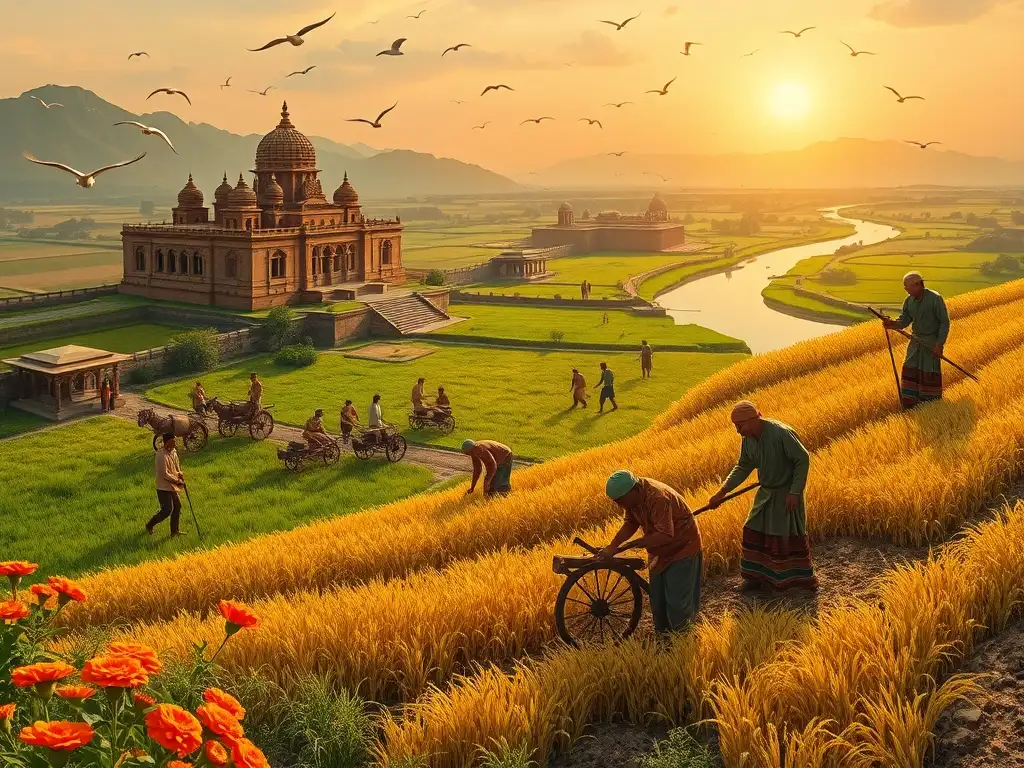
Agriculture played a pivotal role in the sustenance and expansion of ancient Indian armies, providing not just food but also the economic backbone necessary for military campaigns and logistical support. Understanding the interplay between agricultural practices and military operations in major ancient empires, such as the Maurya and Gupta Empires, reveals the critical importance of agriculture in ancient India.
Agriculture in the Maurya Empire and Its Military Campaigns
The Maurya Empire, one of the largest and most powerful empires in ancient India, relied heavily on agriculture to support its vast military campaigns. The empire, founded by Chandragupta Maurya in 322 BCE, expanded rapidly under the leadership of his grandson, Ashoka. The agricultural surplus generated from fertile regions, particularly the Gangetic plain, enabled the Mauryan military to sustain large armies.
- Food Production: The diverse agricultural practices in the Maurya Empire included rice, wheat, barley, and pulses. This variety ensured a steady supply of food, crucial for feeding soldiers during prolonged campaigns.
- Taxation and Resources: The Mauryan administration implemented an efficient system of taxation on agricultural produce, which helped fund military expeditions. The revenue generated from agriculture was vital for maintaining the army, equipping soldiers, and supporting logistics.
- Military Logistics: The strategic location of agricultural hubs facilitated the movement of supplies to the front lines, ensuring that troops were well-provisioned. This logistical support was essential for the success of military operations against rival kingdoms and during Ashoka’s conquests.
The Role of Agriculture in the Gupta Empire's Military Strategy
The Gupta Empire, which flourished from approximately 320 to 550 CE, is often referred to as the Golden Age of India due to its advancements in arts, science, and culture. However, its military success was equally reliant on agricultural practices.
- Agricultural Innovations: The Guptas introduced various agricultural innovations, such as improved irrigation techniques and crop rotation, leading to increased yields. These advancements not only supported local populations but also ensured that soldiers were well-fed.
- Military Recruitment: The Gupta military often recruited from agrarian communities, where the ability to cultivate the land was essential. Farmers were thus incentivized to join the military, knowing that their agricultural skills would ensure food security during their service.
- Economic Stability: The prosperity of agriculture during the Gupta period provided the economic stability necessary for sustaining military expenses. This stability allowed the Gupta rulers to maintain a strong standing army, which was crucial for defending against invasions and expanding territorial control.
The Socio-Economic Aspects of Agriculture and Military Service
The relationship between agriculture and military service in ancient India was deeply intertwined with socio-economic structures. Land ownership, agricultural output, and military obligations shaped the dynamics between farmers and soldiers.
Land Ownership and Military Obligations
Land ownership in ancient India was often linked to military service. Landlords and wealthy landowners were typically required to provide troops for the king's army. This relationship created a system where military obligations were fulfilled in exchange for land rights and protection.
- Feudal System: In many regions, a feudal-like system emerged where local rulers granted land to warriors in return for military service. This incentivized landowners to maintain agricultural productivity while also supporting military campaigns.
- Compulsory Service: In times of conflict, landowners were often compelled to provide a certain number of soldiers based on the size of their landholdings. This ensured that the army was well-staffed with individuals who were familiar with local geography and resources.
- Support for Armies: The economic contributions of landowners helped sustain the army's needs, from food supplies to equipment, reinforcing the symbiotic relationship between agriculture and military power.
The Relationship Between Farmers and Soldiers
The relationship between farmers and soldiers was more than just economic; it also involved social and cultural dimensions. Farmers often played dual roles, contributing to both their communities and the military.
- Shared Identity: Many soldiers came from agrarian backgrounds, which fostered a shared identity among farmers and soldiers. This commonality often translated into loyalty to local rulers and a commitment to defend their land and families.
- Community Defense: During invasions or conflicts, local farmers often took up arms to protect their lands. This grassroots mobilization was essential for the defense of territories and illustrated the direct link between agriculture and military action.
- Cultural Practices: Festivals and rituals often celebrated agricultural cycles, and these practices helped to reinforce the connection between farming and military duty. Soldiers returning from campaigns were honored as protectors of the land, further solidifying this bond.
The intricate relationship between agriculture and military service in ancient India highlights the crucial role that farming played in sustaining armies and the socio-economic structures that supported military endeavors.
Conclusion: The Lasting Legacy of Agriculture in Ancient Indian Warfare
Agriculture in ancient India played a pivotal role not only in sustaining the populace but also in supporting the military endeavors of various kingdoms and empires. The agrarian economy provided the necessary resources to maintain large standing armies and supply them during campaigns. The fertile plains of the Indus Valley and the Gangetic region were integral in producing surplus grain, which was crucial for feeding soldiers and horses, thus ensuring military readiness and resilience.
Moreover, the strategies used to cultivate land, manage resources, and organize labor laid foundational principles for logistics and supply chains that would become essential in military planning. The integration of agriculture and warfare in ancient Indian society highlights the interconnectedness of economic stability and military strength. As armies moved, they relied heavily on the agricultural outputs of the regions they traversed, showcasing how the success of military campaigns was often directly linked to agricultural prowess.
Reflection on the Importance of Agriculture for Military History

The importance of agriculture in ancient Indian military history cannot be overstated. It served as a backbone for sustaining large armies, influencing not only the scale of military engagements but also the tactics employed during warfare. The ability to harvest and store food allowed armies to maintain their strength over long periods, enabling them to engage in extended campaigns without the immediate need for resupply.
Additionally, the agricultural calendar influenced military planning. For instance, campaigns were often timed around harvest seasons to ensure that soldiers had adequate provisions. This synchronization between agricultural cycles and military operations demonstrates a sophisticated understanding of logistics that is often overlooked in traditional military history narratives. Understanding this relationship gives us greater insight into the strategic decisions made by ancient Indian rulers and their commanders.
The Influence of Ancient Agricultural Practices on Modern Warfare
The agricultural practices developed in ancient India have had a lasting impact on modern warfare, particularly in terms of logistics and supply chain management. The concepts of resource allocation, efficient transportation of goods, and sustainable farming practices that were refined during ancient times continue to resonate in contemporary military operations.
For example, modern military logistics often draws upon principles established by ancient agrarian societies, emphasizing the importance of sustaining troops through effective management of resources. Additionally, the importance placed on food security in military strategy today reflects the lessons learned from ancient civilizations. The ability to secure food supplies, whether through local agriculture or supply chains, remains a critical component of military readiness in the modern context.
References and Further Reading on Agriculture in Ancient India
Suggested Texts and Resources for Deeper Understanding
- "The Agricultural History of Ancient India" by R. S. Sharma: This book provides an in-depth exploration of the agricultural practices in ancient India, illustrating its significance to the economy and military.
- "Farming and Warfare in Ancient India" by K. P. Singh: This text examines the direct relationship between agricultural development and military capabilities throughout various periods of Indian history.
- "War and Society in Ancient India" edited by A. D. Rao: This collection of essays explores the multifaceted relationship between societal structures, including agriculture, and military organization.
Academic Journals and Articles on Military and Agricultural History
- Journal of Military History: Features scholarly articles that discuss the role of agriculture in military logistics and strategy throughout history.
- Agricultural History Review: Publishes research focusing on the intersection of agricultural developments and their implications on societal structures, including military.
- "The Role of Agriculture in Sustaining Ancient Indian Armies" - A focused article that provides a detailed analysis of how agricultural practices supported military endeavors in ancient India, available in various academic databases.
These resources provide a comprehensive understanding of the critical role agriculture played in shaping military strategies and sustaining ancient Indian armies, highlighting a fascinating area of study within the broader context of military history.
- Introduction to Agriculture in Ancient India
- The Interconnection Between Agriculture and Military Strength
- Key Agricultural Products and Their Impact on Military Campaigns
- Agricultural Innovations and Their Military Applications
- Case Studies: Agriculture in Major Ancient Indian Empires
- The Socio-Economic Aspects of Agriculture and Military Service
- Conclusion: The Lasting Legacy of Agriculture in Ancient Indian Warfare
- Reflection on the Importance of Agriculture for Military History
- The Influence of Ancient Agricultural Practices on Modern Warfare
- References and Further Reading on Agriculture in Ancient India
- What was the primary agricultural practice in ancient India?
- How did agriculture contribute to the strength of ancient Indian armies?
- What role did irrigation play in ancient Indian agriculture?
- How did the Gupta Empire influence agricultural practices?
- Were there specific crops that were favored for military logistics?
Frequently Asked Questions
What was the primary agricultural practice in ancient India?
The primary agricultural practice in ancient India included crop cultivation, particularly of staples like rice, wheat, and barley, which supported both local sustenance and military provisions.
How did agriculture contribute to the strength of ancient Indian armies?
Agriculture was crucial for sustaining large armies, providing essential food supplies that ensured soldiers were well-fed and able to maintain their strength during campaigns.
What role did irrigation play in ancient Indian agriculture?
Irrigation systems were vital for enhancing agricultural productivity, allowing for multiple cropping cycles and helping to support the growing population and military needs of ancient Indian states.
How did the Gupta Empire influence agricultural practices?
The Gupta Empire fostered advancements in agricultural techniques, such as improved irrigation and crop rotation, which enhanced food production and supported a strong military infrastructure.
Were there specific crops that were favored for military logistics?
Yes, crops like millets and legumes were favored for their nutritional value and shelf life, making them ideal for sustaining troops during long campaigns throughout ancient India.
Final Reflection: The Enduring Legacy of Agriculture in Ancient India
The intricate relationship between agriculture and military strength in ancient India underscores a vital truth: the sustenance of armies was deeply rooted in the agricultural practices of their time. As we navigate through modern challenges of food security and sustainable practices, understanding how ancient societies thrived through agriculture offers invaluable insights into our present-day reliance on this foundational sector. The lessons from the past remind us that the strength of a nation is often measured not just by its military might, but by the resilience of its agricultural systems.
The influence of agriculture in shaping the socio-political landscape of ancient India cannot be overstated; it was the backbone that supported not only armies but entire civilizations. The agricultural innovations and practices of the time fostered a sense of community and stability, allowing societies to flourish. As we reflect on this, we are reminded of the words of Mahatma Gandhi: The future depends on what you do today.
This sentiment resonates deeply as we consider how the agricultural practices of the past continue to inform our modern approaches to food production and sustainability.
As we conclude this exploration of agriculture's role in ancient Indian armies, I invite you to reflect on your own relationship with agriculture and its significance in your life. Consider how the lessons learned from ancient practices can inspire you to support sustainable agriculture today. Whether through local farming initiatives, mindful consumption, or advocating for policies that promote agricultural resilience, each of us has a role to play in ensuring that the legacy of agriculture continues to thrive for future generations.
Thank you for diving into the fascinating world of how agriculture played a pivotal role in sustaining ancient Indian armies. By exploring this intricate relationship, you’ve gained valuable insights into the foundations of not only military strength but also the culture of resilience in ancient India. Now, it’s time to take that knowledge and transform it into action!
Here’s how you can engage further:
- Explore Local History: Visit a nearby museum or historical site related to ancient India to see artifacts and learn about agricultural practices and military strategies.
- Share Your Insights: Discuss this topic with friends and family to ignite conversations about the impact of our history on modern society. Use social media to spread awareness!
- Challenge Yourself: Conduct your own research on a specific ancient agricultural practice and examine its influence on sustainability in warfare—then share your findings!
Which aspect of ancient agriculture intrigues you the most, and how do you think it can inform our understanding of modern agricultural practices today? Let's discuss!