
Warfare in the Vedic Period: A Study of Early Military Practices

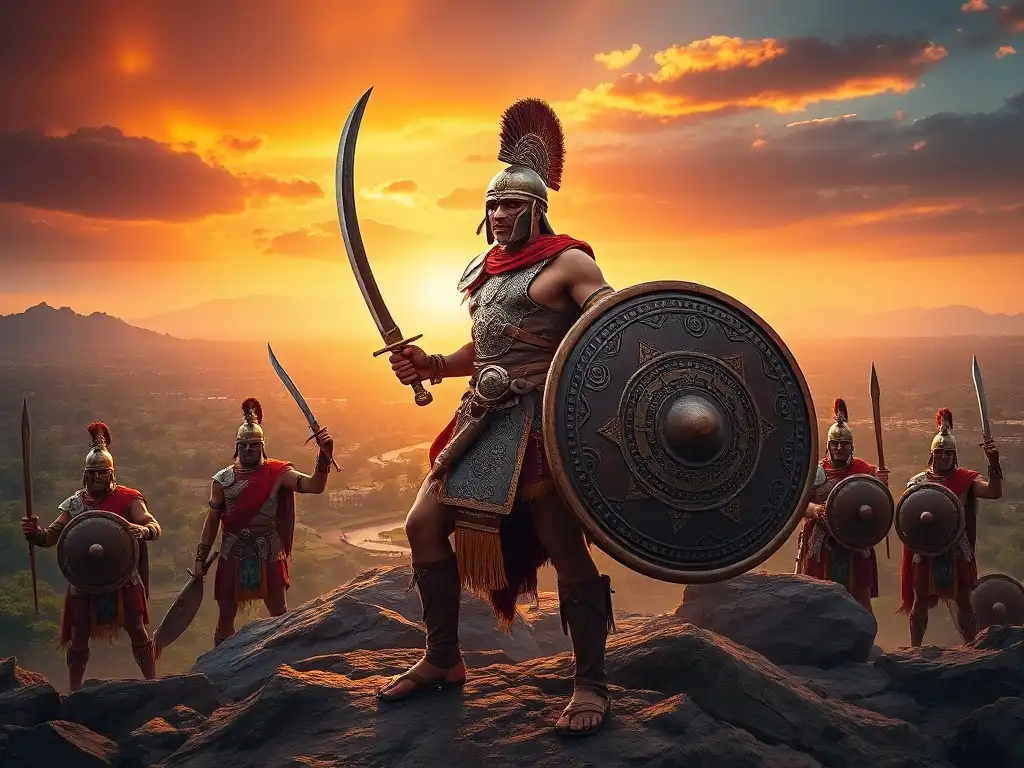
Welcome to Ancient India History, where we embark on a fascinating journey through the rich tapestry of India's past, exploring the myriad cultures and significant contributions of ancient civilizations. Today, we delve into the intriguing world of Vedic period military practices, a time when warfare and strategy began to shape the very fabric of society. What tactics did these early warriors employ, and how did their practices influence future generations?
Prepare to uncover the depths of military innovation that emerged during this pivotal era as we unravel the mysteries of warfare in the Vedic Period. Your exploration awaits—read on to discover the legacy that continues to resonate through history!
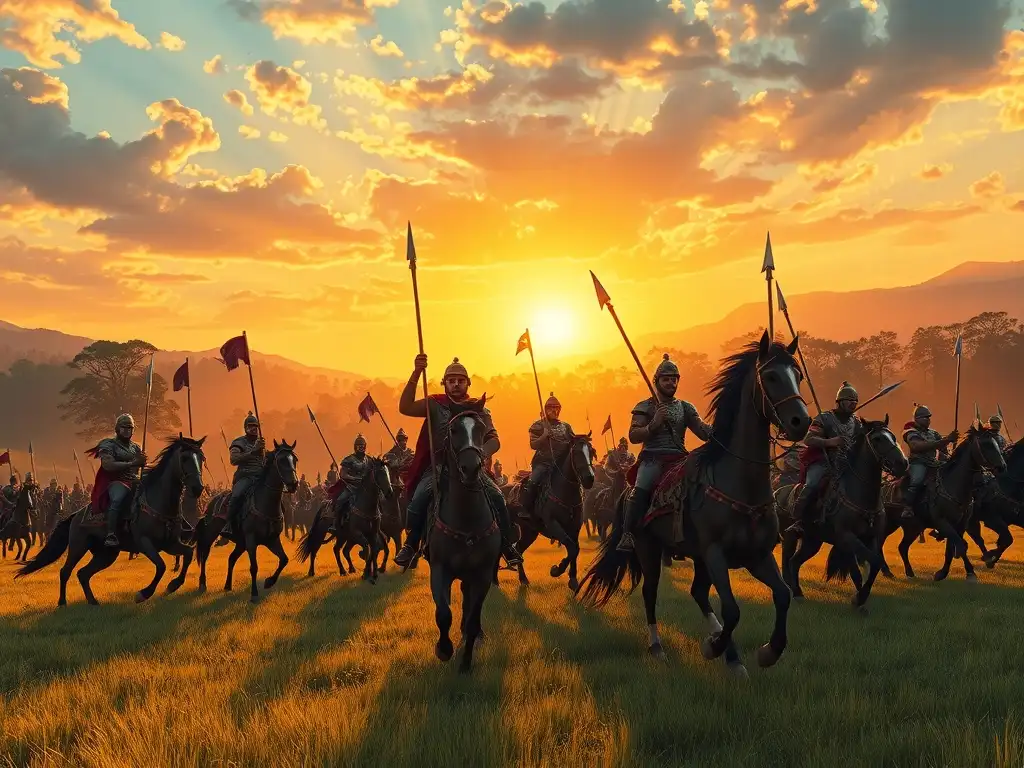
Introduction to the Vedic Period Military Practices
The Vedic Period, spanning from approximately 1500 BCE to 500 BCE, represents a crucial era in ancient Indian history that laid the foundation for many aspects of Indian civilization. This period is characterized by the emergence of cultural, spiritual, and societal frameworks that would shape the Indian subcontinent for centuries to come. Among these frameworks, military practices played a vital role in establishing and maintaining power, securing territories, and fostering social cohesion within tribes and communities.
In this exploration of Vedic period military practices, we will delve into the organizational structures, weaponry, tactics, and the overarching significance of warfare during this formative era. Understanding these facets not only illuminates the strategic prowess of ancient Indian societies but also reveals the intricate relationship between warfare, culture, and governance in the Vedic context.
Overview of the Vedic Period: Historical Context
The Vedic Period is primarily divided into two main phases: the Early Vedic (circa 1500-1000 BCE) and the Later Vedic (circa 1000-500 BCE). The early phase was marked by the migration of Indo-Aryan tribes into the northwestern regions of the Indian subcontinent, where they established their settlements and began to interact with the indigenous populations. The Later Vedic phase saw the expansion of these tribes, the development of more complex societal structures, and the establishment of early kingdoms.
Key historical elements of this period include:
- Geographical Expansion: The tribes expanded primarily along the Indus River and into the Ganges Plain, leading to increased competition for resources and territory.
- Social Structure: The emergence of a stratified society, with distinct roles for warriors (Kshatriyas), priests (Brahmins), and the common people (Vaishyas and Shudras).
- Religious Influences: The Vedas, the sacred texts of this period, not only provide insight into spiritual beliefs but also document various rituals associated with warfare and conquest.
Importance of Military Practices in Vedic Society
Military practices during the Vedic Period were not merely about combat; they were deeply intertwined with the cultural and spiritual fabric of society. The significance of warfare can be summarized in several key aspects:
- Defense and Security: As tribes expanded, the need to protect their territories from rival groups became paramount. Military readiness was essential for the survival of communities.
- Social Cohesion: Participation in warfare fostered unity among tribe members, serving as a rite of passage for many warriors. Success in battle was often linked to honor and prestige within the community.
- Economic Control: Conquests were a means to acquire wealth, land, and resources. Military success directly influenced the economic stability of a tribe, enabling them to support larger populations and elaborate rituals.
- Religious Significance: Warfare was often accompanied by rituals and sacrifices aimed at appeasing deities, which integrated military endeavors into the broader spiritual life of the Vedic people.
The military practices of the Vedic Period were complex, reflecting a society in transition, where the interplay between conflict, culture, and community was essential for the development of early Indian civilization. Understanding these practices provides valuable insights into the broader historical narrative of ancient India.
- Introduction to the Vedic Period Military Practices
- Overview of the Vedic Period: Historical Context
- Importance of Military Practices in Vedic Society
Key Characteristics of Vedic Period Military Practices
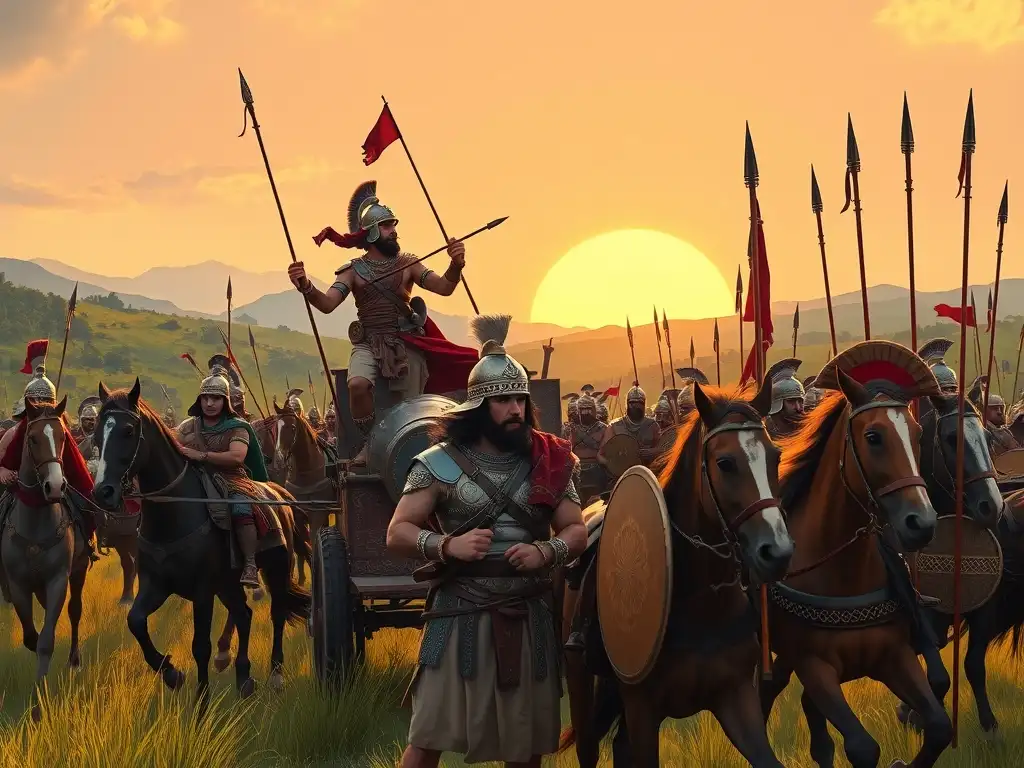
The Vedic period, spanning from approximately 1500 BCE to 500 BCE, was a foundational era in ancient Indian history, marked by significant developments in military practices. The military strategies and technologies of this time laid the groundwork for subsequent Indian warfare. Below are the key characteristics that define Vedic period military practices:
- Caste System Influence: The Vedic society was structured around a caste system, which influenced military organization. The Kshatriyas, or warrior class, held primary responsibility for defense and warfare, reflecting the societal norms of the period.
- Focus on Horse and Chariot Warfare: The introduction of horses and chariots revolutionized military tactics during the Vedic period. Chariots provided mobility and speed, while horses enhanced cavalry maneuvers, allowing for more dynamic combat scenarios.
- Use of Simple Weapons: Warriors primarily utilized weapons such as bows, arrows, swords, and axes. The bow and arrow, in particular, were pivotal in long-range combat, while close-quarters engagements often involved swords and other melee weapons.
- Ritualistic Aspects of Warfare: Warfare in the Vedic period was not solely a practical activity but also had a ritualistic dimension. Battles were often preceded by rituals and prayers to invoke divine support, reflecting the intertwining of religion and military efforts.
- Alliances and Diplomacy: Military practices were often complemented by alliances between clans and tribes. Such alliances were crucial for pooling resources and manpower during conflicts, showcasing an early understanding of strategic partnerships.
Organization of Military Units in the Vedic Era
The organization of military units in the Vedic era was largely decentralized and clan-based. Each tribe or clan, known as a “janapada,” maintained its own military contingent, which could vary significantly in size and composition. Key aspects of military organization included:
- Clan-Based Troops: Each clan would gather warriors from within its community, fostering a sense of loyalty and camaraderie among them. This decentralized approach meant that military strength could fluctuate based on clan dynamics.
- Leadership Structure: The military was typically led by a chieftain or a king (raja), who was responsible for strategy and decisions during warfare. Leadership was often hereditary, linking military authority to the ruling class.
- Troop Composition: The composition of troops varied, often including infantry, archers, and charioteers. The balance between these elements depended on the tactical needs of the time and the specific combat situation.
- Mobilization Strategies: The mobilization of forces was generally dictated by the need for defense against rival clans or external threats. This often involved calls to arms, where warriors would assemble quickly to respond to incursions.
Roles and Responsibilities of Vedic Warriors
Vedic warriors, primarily drawn from the Kshatriya caste, held significant roles and responsibilities that extended beyond mere combat. Their duties were multifaceted:
- Defenders of Territory: Warriors were tasked with protecting their clan’s land and resources from invasions. This defensive role was paramount, as territorial integrity was vital for survival.
- Enforcers of Law: In addition to combat, warriors often served as enforcers of justice within their communities, maintaining order and executing the decrees of their leaders.
- Social and Ritual Leaders: Warriors participated in various social and religious rituals, reinforcing their status within the community. They often acted as intermediaries between the divine and the secular, invoking blessings for successful campaigns.
- Mentors and Trainers: Experienced warriors were responsible for training younger recruits, imparting skills in weaponry, strategy, and tactics. This mentorship was essential for maintaining a capable fighting force.
Training and Preparation for Warfare in the Vedic Period
Training for warfare during the Vedic period was a rigorous and disciplined process, integral to ensuring the effectiveness of military units. Key aspects included:
- Physical Conditioning: Warriors underwent extensive physical training to build strength and endurance. Activities included running, wrestling, and practicing martial arts, which were crucial for close combat.
- Weapon Proficiency: Mastery over various weapons was essential. Training involved repetitive drills with bows, swords, and other arms to develop accuracy, speed, and technique.
- Tactical Education: Warriors learned about battlefield tactics, including formations, ambush strategies, and the use of terrain to their advantage. This education often included historical examples of successful campaigns.
- Ritual Preparations: Prior to battles, warriors engaged in rituals to seek divine favor. These rituals included offerings and prayers, emphasizing the belief that success in warfare was contingent upon spiritual support.
The Vedic period military practices reflect a rich tapestry of organizational structure, cultural significance, and tactical evolution that played a pivotal role in shaping the military history of ancient India. Understanding these practices provides valuable insights into the complexities of early Indian warfare and its societal implications.
Weapons and Technology in Vedic Warfare
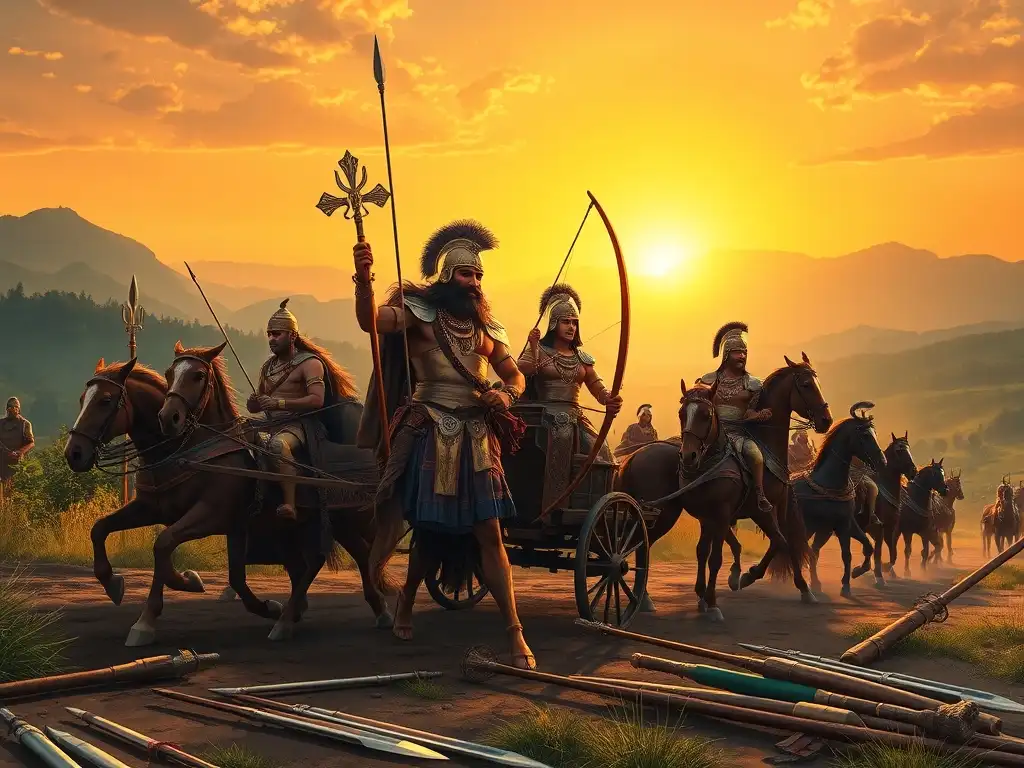
Types of Weapons Used in the Vedic Period
The Vedic period, spanning approximately from 1500 BCE to 500 BCE, was marked by significant developments in military practices, reflecting the socio-political dynamics of ancient Indian society. The weapons utilized during this era were not only vital for warfare but also symbolized the valor and status of the warriors. Below is an exploration of the primary types of weapons that were prominent during the Vedic period.
Swords and Blades: Evolution and Usage
Swords and blades were crucial components of Vedic warfare. The khadga, or sword, was a prominent weapon, characterized by its double-edged blade and was often made of bronze or iron as metallurgy advanced. The usage of swords evolved over time; initially, they were primarily used for slashing but later adapted for thrusting as combat techniques developed.
- Design and Craftsmanship: The craftsmanship of these weapons was sophisticated, with artisans employing techniques that allowed for both durability and effectiveness in combat.
- Symbolism: Swords also held symbolic significance, often associated with power and heroism, and were frequently mentioned in Vedic texts such as the Rigveda.
Bows and Arrows: The Backbone of Vedic Warfare
The use of bows and arrows formed the cornerstone of military strategy in the Vedic period. These ranged weapons provided a tactical advantage, allowing warriors to engage enemies from a distance.
- Types of Bows: The bows of the Vedic era were typically made from wood and could be composite, utilizing materials like horn and sinew for increased strength and flexibility.
- Archery Techniques: Archery was not merely a skill; it was an art form. The ability to shoot accurately and rapidly was highly revered. Texts from the period, such as the Mahabharata, highlight the prowess of legendary archers like Arjuna.
Shields and Armor: Protection in Battle
In addition to offensive weapons, the Vedic warriors utilized shields and armor to protect themselves during combat.
- Materials and Construction: Shields were generally crafted from wood, leather, or a combination of both, often reinforced with metal. The design varied, with some being round while others took on a rectangular shape.
- Armor: Armor was less common but gradually became more sophisticated, with some warriors donning protective gear made from metal or layered fabrics. This evolution in protective technology indicated a heightened awareness of warfare dynamics.
Advances in Military Technology During the Vedic Period
The Vedic period saw notable advancements in military technology, reflecting the growing complexity of warfare and societal structures.
- Metallurgical Developments: The transition from bronze to iron significantly enhanced weapon durability and lethality. Iron weapons were stronger and allowed for the production of more varied weaponry.
- Chariots: The introduction of chariots revolutionized warfare, providing mobility and a platform for archers. Chariots were typically drawn by horses and allowed for rapid strikes and retreats, thereby changing the battlefield dynamics.
- Strategy and Tactics: As military practices evolved, so did the strategies employed in warfare. The use of formations and coordinated attacks became more prevalent, indicating a sophisticated understanding of combat scenarios.
- Military Organization: The emergence of Kshatriyas, the warrior class, played a crucial role in organizing military forces. This class not only provided soldiers but also established codes of conduct in warfare, emphasizing honor and valor.
The Vedic period military practices, characterized by a diverse array of weapons and advances in technology, laid the groundwork for subsequent developments in ancient Indian warfare. The innovations during this era not only underscore the importance of military prowess in Vedic society but also reflect the cultural and technological advancements of ancient India.
Influence of Geography on Vedic Military Practices
The geography of ancient India played a significant role in shaping the military practices during the Vedic period. The diverse landscape, ranging from fertile plains to rugged mountains, influenced not only the strategies adopted by the Vedic warriors but also the types of warfare conducted. Understanding these geographical influences provides insight into the development of Vedic military practices.
1. Terrain and Warfare
The Vedic period, which is typically dated between 1500 BCE and 500 BCE, was characterized by distinct geographical features such as the Indo-Gangetic plains, the Himalayas, and the Deccan plateau. Each of these terrains posed unique challenges and opportunities for military campaigns.
- Indo-Gangetic Plains: This region offered fertile lands and ample resources, making it a strategic area for agricultural societies. The flat terrain enabled large-scale troop movements and the use of chariots in warfare. Battles were often fought in open fields, allowing for traditional cavalry and infantry tactics.
- Himalayan Region: The rugged mountains provided natural fortifications and acted as barriers against invasions. The harsh terrain limited the mobility of large armies, leading to more guerrilla-style tactics. Local tribes often utilized their knowledge of the terrain to conduct surprise attacks on invading forces.
- Deccan Plateau: The elevated region posed challenges due to its rocky landscape and variable climate. Military strategies had to adapt to these conditions, leading to the development of specialized units trained in mountain warfare and the use of local resources for logistics.
2. River Systems and Strategic Movements
The river systems, particularly the Indus and Ganges, were vital for both trade and military logistics. They served as natural highways for the movement of troops and supplies, making them crucial in military planning.
- Supply Lines: Rivers provided essential routes for transporting goods and reinforcements. Control over these waterways was often a strategic objective in warfare, impacting the outcome of battles. The ability to navigate and utilize rivers effectively allowed Vedic armies to sustain prolonged campaigns.
- Defensive Strategies: The proximity to rivers often influenced the choice of battle sites. Armies would position themselves near these waterways to ensure easy access to water and to create natural barriers against enemy forces.
3. Climate and Seasonal Variations
The climatic conditions of the Indian subcontinent also affected military operations. Seasonal changes, particularly the monsoon, played a crucial role in determining the timing of military campaigns.
- Monsoon Influence: The onset of the monsoon season brought heavy rains, which could hinder troop movements and disrupt supply lines. Vedic military leaders learned to plan their campaigns around these climatic patterns, often launching attacks during drier months for better mobility.
- Seasonal Warfare: The seasonal variations also influenced the types of tactics employed. During the dry season, larger formations and traditional warfare were favored, while the rainy season saw an increase in skirmishes and smaller, more mobile units that could exploit the element of surprise.
The geography of ancient India significantly influenced Vedic military practices by shaping strategies, logistics, and tactical decisions. The interplay between terrain, river systems, and climate created a unique environment in which Vedic warriors developed their military techniques, adapting to the challenges posed by their surroundings. Understanding these geographical influences is essential for comprehending the complexities of warfare during the Vedic period.
Vedic Warfare Strategies and Tactics
Key Battle Strategies Employed in the Vedic Period
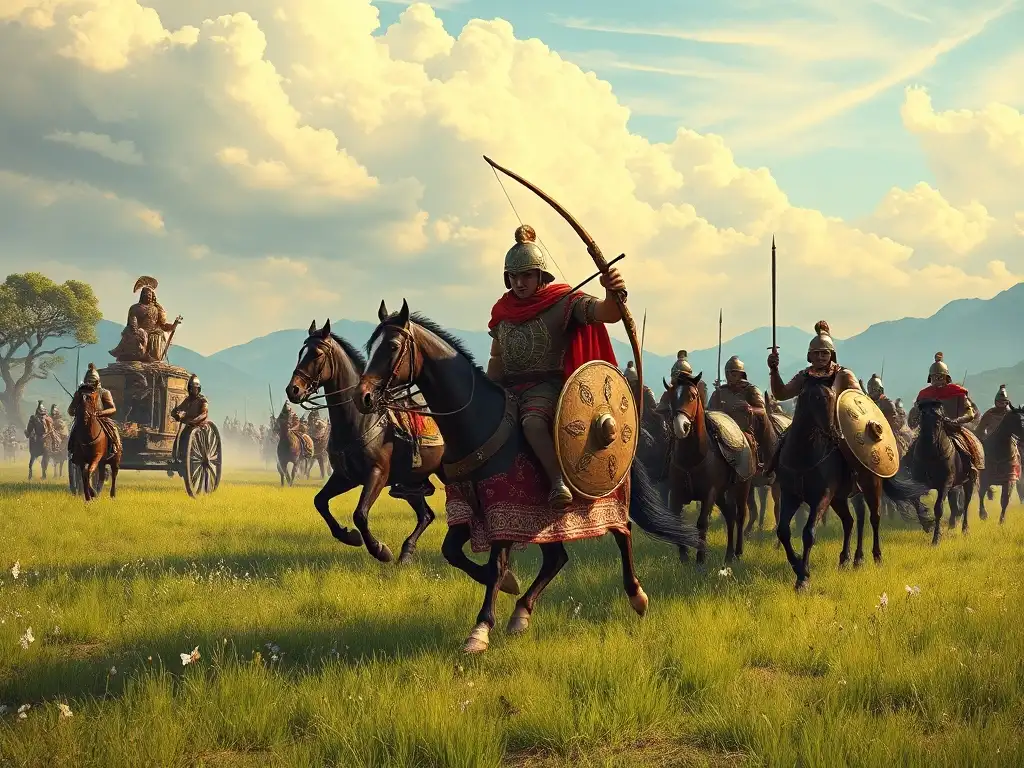
During the Vedic period, military practices were deeply intertwined with the socio-political structures of the time. The strategies employed in warfare were not only a reflection of the available technology but also of the cultural and religious beliefs of the society. Key battle strategies included:
- Formation of Armies: Vedic armies were often organized in formations that maximized their effectiveness. These formations, known as Prasthana, utilized the terrain and the element of surprise to outmaneuver opponents.
- Use of Ambushes: Tactical ambushes were a common strategy, where smaller groups would conceal themselves and strike at larger enemy forces unexpectedly, causing confusion and disruption.
- Siege Warfare: While not as common, siege tactics were employed against fortified settlements. These strategies often involved cutting off supplies and using archers to weaken the enemy from a distance.
- Alliances and Diplomacy: Forming alliances with neighboring tribes was crucial. These alliances not only provided additional manpower but also facilitated access to resources and intelligence.
The effectiveness of these strategies was often enhanced by the spiritual aspects of warfare, where rituals and prayers were believed to secure divine favor in combat.
The Role of Chariots in Vedic Military Campaigns
Chariots were a cornerstone of Vedic military technology, significantly influencing the dynamics of warfare during this period. Their design and construction reflected advancements in engineering and materials, making them formidable assets on the battlefield. Key features included:
- Mobility and Speed: Chariots allowed for rapid movement across the battlefield, enabling swift attacks and retreats. This mobility was crucial for executing strategies such as flanking maneuvers.
- Archery from Chariots: The introduction of archers stationed on chariots revolutionized combat. This allowed warriors to shoot arrows while moving, increasing their effectiveness against foot soldiers.
- Symbol of Status: Chariots were not only practical but also served as a symbol of power and prestige. The number and quality of chariots owned by a warrior often indicated their social status within Vedic society.
In essence, chariots represented a blend of technology and culture, playing a pivotal role in shaping the outcomes of battles and the structure of Vedic military campaigns.
Psychological Warfare and Its Importance in Vedic Battles
Psychological warfare emerged as a critical component of Vedic military practices. Understanding the mind of the enemy often proved more advantageous than sheer numbers or brute strength. Key aspects included:
- Intimidation Tactics: The use of fear was prevalent; warriors would often display their strength through loud war cries, drum beats, and elaborate displays of weaponry to intimidate opponents before battles began.
- Rituals and Omens: The Vedic people believed that the will of the gods could influence the outcome of battles. Rituals and interpretations of omens were employed to bolster morale and instill fear in the enemy.
- Deception: Misdirection and the spread of false information were tactics used to confuse the enemy regarding troop movements and intentions. This could lead to miscalculations that would be exploited during combat.
Overall, psychological warfare was integral to Vedic military practices, illustrating the importance of mental strength and strategic thinking in achieving victory on the battlefield.
Case Studies of Notable Battles in the Vedic Period
The Battle of the Ten Kings: Analyzing Strategies and Outcomes
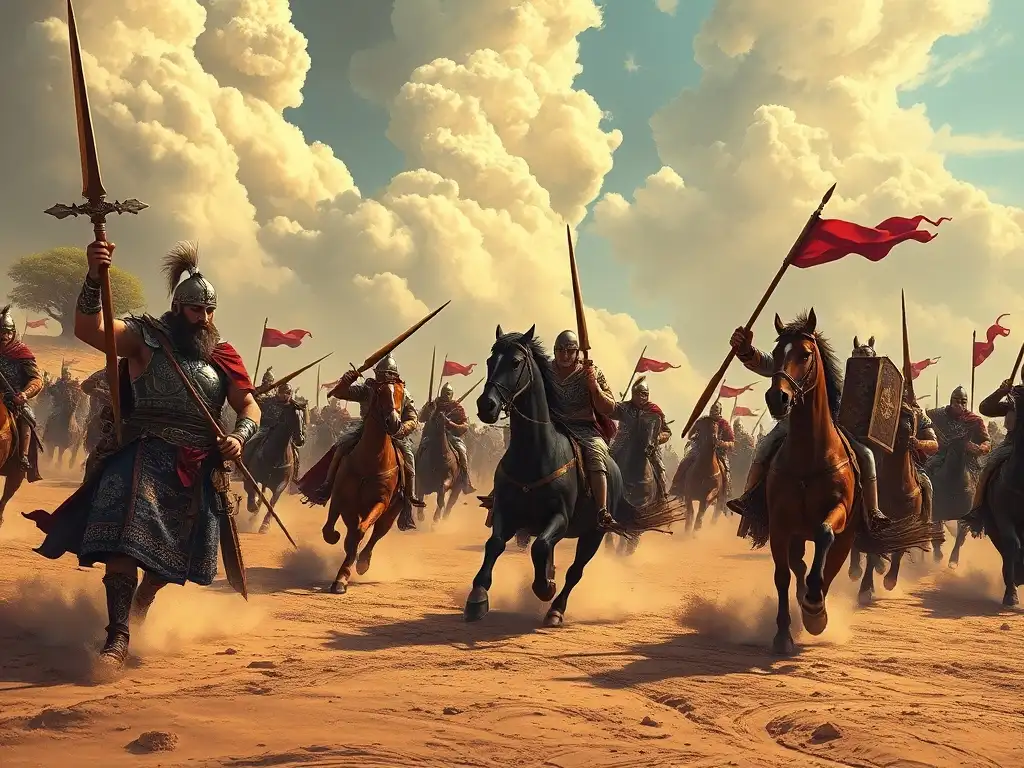
The Battle of the Ten Kings, known as the Dasa Rajanaya, is one of the most significant conflicts documented in the Rigveda, showcasing early military practices of the Vedic period. This battle occurred between a coalition of ten tribes and King Sudas of the Bharata tribe. The conflict is not just a testament to the military strategies of the time but also reflects the socio-political dynamics of early Vedic society.
Key Strategies Employed:
- Coalition Warfare:
- The ten tribes, including the Purus, Druhyus, and others, formed a united front against Sudas. This demonstrates the importance of alliances and collective action in Vedic warfare.
- Terrain Utilization:
- Sudas is believed to have utilized the terrain of the Parushni River (modern Ravi River) to his advantage, a common military tactic in ancient warfare where knowledge of the land can significantly impact outcomes.
- Chariots and Cavalry:
- The Vedic armies employed chariots, which were a critical aspect of their military technology. Sudas' forces are described as having a strong cavalry, which played a decisive role in the battle.
- Divine Favor:
- The Vedic people often sought the favor of gods through rituals and sacrifices before engaging in battles. Sudas' victory was attributed to the blessings of the Vedic deities, illustrating the intertwining of religion and warfare.
The outcome of the battle was monumental, leading to Sudas' consolidation of power and the expansion of the Bharata tribe's influence. This battle not only highlights the military capabilities of the time but also serves as a reflection of the cultural and religious beliefs that shaped Vedic military practices.
The Role of Rituals and Religion in Vedic Warfare
Rituals and religion played a crucial role in shaping the military practices of the Vedic period. The intertwining of these elements reveals how the Vedic people approached warfare not merely as a physical confrontation but as a sacred duty.
Religious Rituals Prior to Battles:
- Yajnas (Sacrificial Offerings):
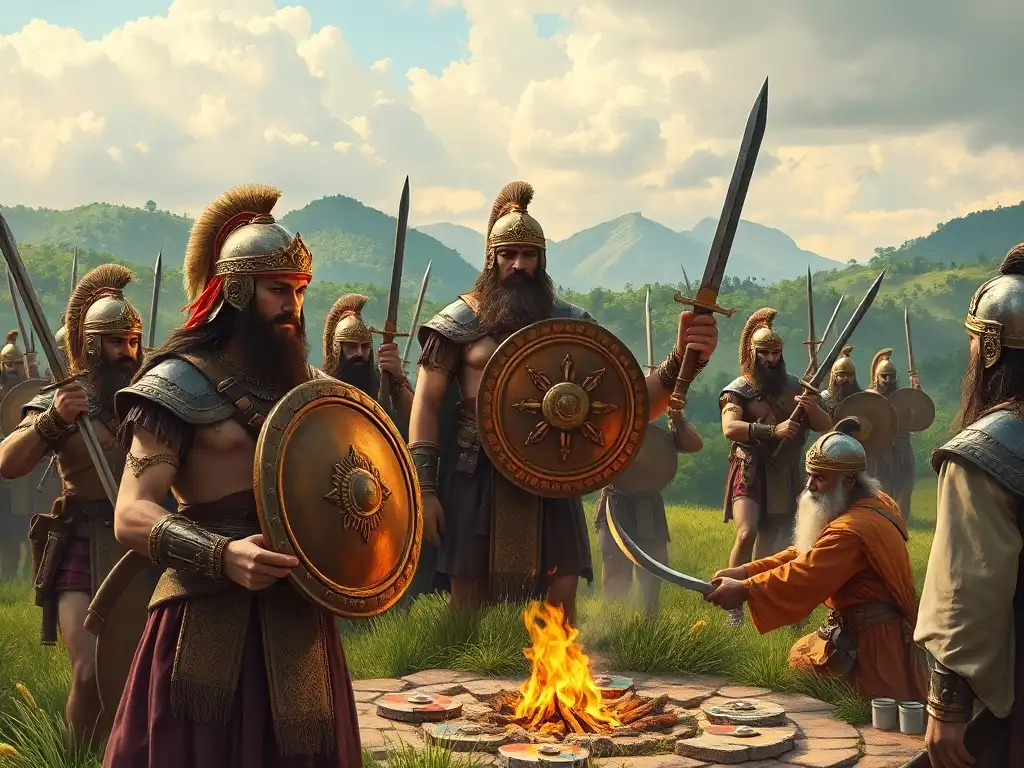
- Before engaging in warfare, it was common for leaders to conduct yajnas to appease the gods. These sacrifices were believed to secure divine support, ensuring victory and the safety of the warriors.
- Invocation of Deities:
- Specific deities, such as Indra, the god of thunder and war, were invoked for assistance in battles. The warriors often recited hymns that called upon these deities to grant them strength and courage.
Impact on Soldier Morale:
- Spiritual Fortitude:
- The belief in divine favor significantly boosted the morale of the soldiers. Engaging in rituals provided them with a sense of purpose and a belief that their cause was just and supported by divine entities.
- Unity Through Faith:
- Shared religious practices fostered unity among the troops. Soldiers from various tribes would often participate in collective rituals, reinforcing their camaraderie and commitment to their cause.
Aftermath of Rituals:
- Post-Battle Rites:
- After a battle, rituals were performed to honor the fallen and seek forgiveness for any transgressions. This practice illustrated the Vedic emphasis on dharma (duty) and the moral implications of warfare.
The Vedic period military practices were deeply embedded in a cultural fabric that intertwined warfare with spiritual beliefs. The reliance on rituals not only shaped the strategies employed in battles but also influenced the collective psyche of the warriors, making warfare a sacred endeavor in ancient Indian society.
The Influence of Vedic Military Practices on Later Indian Warfare
The military practices during the Vedic period laid a foundational framework that significantly influenced later Indian warfare. These early military traditions were characterized by a blend of ritualistic elements and practical strategies, which evolved as Indian society transitioned through various historical phases.
Vedic military practices were deeply intertwined with the cultural and religious fabric of the time. The use of mantras and rituals during warfare was common, reflecting a belief that divine favor could influence the outcome of battles. This religious aspect persisted in subsequent military traditions, with later armies often invoking deities for protection and victory.
Moreover, the organization of military units during the Vedic period, such as the Sena (army), set precedents for the hierarchical military structures that emerged in later periods. The emphasis on chariot warfare, cavalry, and infantry units became a cornerstone of Indian military tactics, demonstrating continuity in the methods of combat that would be utilized during the Maurya and Gupta empires.
Transition from Vedic to Epic Warfare: A Comparative Analysis
The transition from Vedic warfare to the epic narratives of the Mahabharata and Ramayana marks a significant evolution in military practices.
- Weapons and Tactics:
- Vedic Period:
- Primarily relied on bows, arrows, spears, and chariots.
- Emphasis on individual valor and skill.
- Epic Warfare:
- Introduction of more sophisticated weapons, including swords and advanced siege tactics.
- Group strategy and the significance of formations became crucial.
- Vedic Period:
- Philosophical Underpinnings:
- Vedic Period:
- Warfare was often seen as a necessary evil, intertwined with religious rituals.
- Epic Warfare:
- Battles were framed within a broader ethical and moral context, as seen in the Bhagavad Gita, highlighting the dilemmas faced by warriors.
- Vedic Period:
This comparative analysis illustrates how the military practices of the Vedic period not only laid the groundwork for future military strategies but also adapted to changing sociopolitical landscapes, reflecting the complexities of warfare as depicted in epic literature.
Legacy of Vedic Military Practices in Indian History
The legacy of Vedic military practices can be seen throughout various historical epochs in India.
- Military Organization:
- The Kshatriya class emerged from the warrior traditions established during the Vedic period, continuing to play a vital role in the governance and military operations of later empires.
- Cultural Integration:
- Many Vedic rituals related to warfare, such as the Ashvamedha (horse sacrifice), continued to be performed in later periods, symbolizing the enduring connection between military success and divine blessings.
- Strategic Developments:
- The tactical innovations initiated in the Vedic age, like the use of elephants in battle, were further refined and became essential components of warfare during the Maurya and Gupta periods.
- Literature and Arts:
- Military themes from the Vedic period permeated literature and art, influencing storytelling and cultural expressions in subsequent generations, as seen in various texts and sculptures depicting warriors and battles.
Conclusion: The Significance of Vedic Period Military Practices in Ancient Indian History
The Vedic period military practices represent a crucial phase in the evolution of warfare in ancient India. The synthesis of ritualistic elements with practical combat strategies not only shaped the military ethos of the time but also established enduring traditions that influenced later historical developments.
Understanding the Vedic military practices provides insights into the complexities of ancient Indian warfare and its profound impact on subsequent civilizations. The traditions, organizational structures, and ethical considerations initiated during this period continue to resonate in the military history of India, underlining the significance of these early practices in the broader narrative of Indian civilization.
Frequently Asked Questions
What characterized military practices during the Vedic period?
Military practices in the Vedic period were characterized by the use of chariots, infantry, and cavalry, alongside rituals that accompanied warfare.
How did the Vedic texts influence military strategies?
The Vedic texts, such as the Rigveda, provided insights into warfare ethics and strategies, emphasizing the importance of courage and honor in battle.
What role did caste play in Vedic military practices?
The caste system influenced military practices, with Kshatriyas (warriors) being primarily responsible for protection and military leadership in society.
Were there any significant battles recorded in the Vedic period?
Yes, several battles are mentioned in the Vedic texts, showcasing conflicts between tribes and the importance of military alliances for survival and dominance.
How did warfare evolve after the Vedic period?
After the Vedic period, warfare evolved with the introduction of more organized armies, advanced tactics, and the emergence of kingdoms, leading to significant changes in military practices.
Final Reflection: Understanding the Legacy of Vedic Period Military Practices
The exploration of Vedic period military practices reveals not only the evolution of warfare but also the profound impact these ancient strategies have on contemporary military thought. In a world where the complexities of conflict continue to evolve, understanding the foundational principles of early military practices provides invaluable insights into the nature of strategy, ethics, and leadership in warfare. The lessons drawn from the Vedic period resonate deeply today, reminding us that history is not merely a record of the past but a guide for navigating the present and future.
Cultural and social landscapes are continuously shaped by the military practices of our ancestors, and the Vedic period is no exception. The rituals, philosophies, and strategies that emerged during this time laid the groundwork for future military doctrines and societal structures. As we reflect on these practices, we can see their enduring influence in modern military ethics and strategies. Those who cannot remember the past are condemned to repeat it.
– George Santayana. This quote serves as a poignant reminder of the importance of studying our history, as it shapes our understanding of conflict and peace today.
As we conclude this exploration of Vedic period military practices, I invite you to reflect on how these ancient strategies can inform your own perspectives on conflict resolution and leadership. Consider the principles of honor, strategy, and ethics that emerged from this period and how they can be applied in your daily life.
Whether in personal conflicts or broader societal issues, the lessons from the Vedic period encourage us to approach challenges with wisdom and foresight, fostering a deeper understanding of the complexities of human interactions. Let us carry these insights forward, honoring the past while shaping a more peaceful future.
Uncover the Secrets of Ancient Warfare Today!
Thank you for diving into the fascinating world of Vedic military practices with us! We hope you've enjoyed learning about the strategies and traditions that shaped early warfare in ancient India. Now, it's time to take what you've learned and put it into action!
- Explore further by reading related articles on ancient Indian strategies and tactics to deepen your understanding.
- Share your insights on social media and join discussions with fellow history enthusiasts to enrich your perspective.
- Consider visiting a local museum or historical site to experience the cultural heritage firsthand.
What aspect of Vedic warfare intrigues you the most, and how do you think it has influenced modern military practices? Let's discuss in the comments!