
The Use of Cavalry in Ancient Indian Warfare: Strategies and Tactics

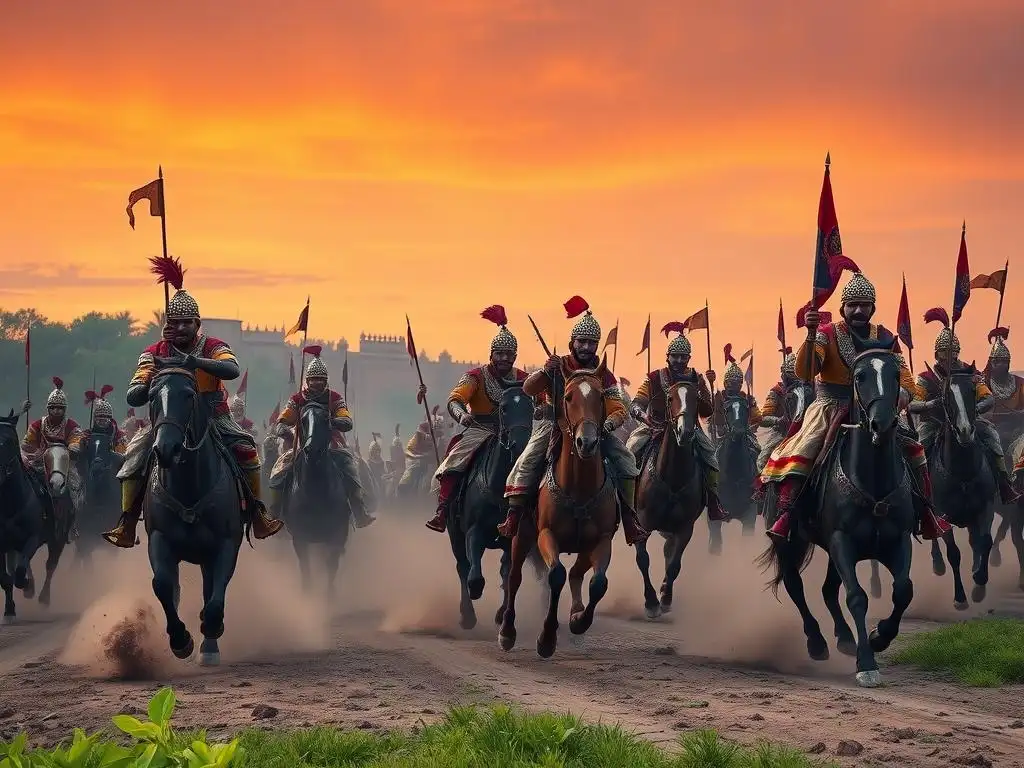
Welcome to Ancient India History, where we embark on a captivating journey through the rich tapestry of ancient Indian civilizations. From the majestic Indus Valley to the remarkable Gupta Empire, each era unfolds a unique story of culture and innovation. In our featured article, we delve into the fascinating world of Ancient Indian cavalry tactics, revealing the strategies and maneuvers that shaped warfare during this extraordinary period.
Prepare to uncover the secrets of a military tradition that not only influenced battles but also left an indelible mark on the historical landscape of India. Join us as we explore this intriguing aspect of military history, and ignite your curiosity for the past!
Introduction to Ancient Indian Cavalry
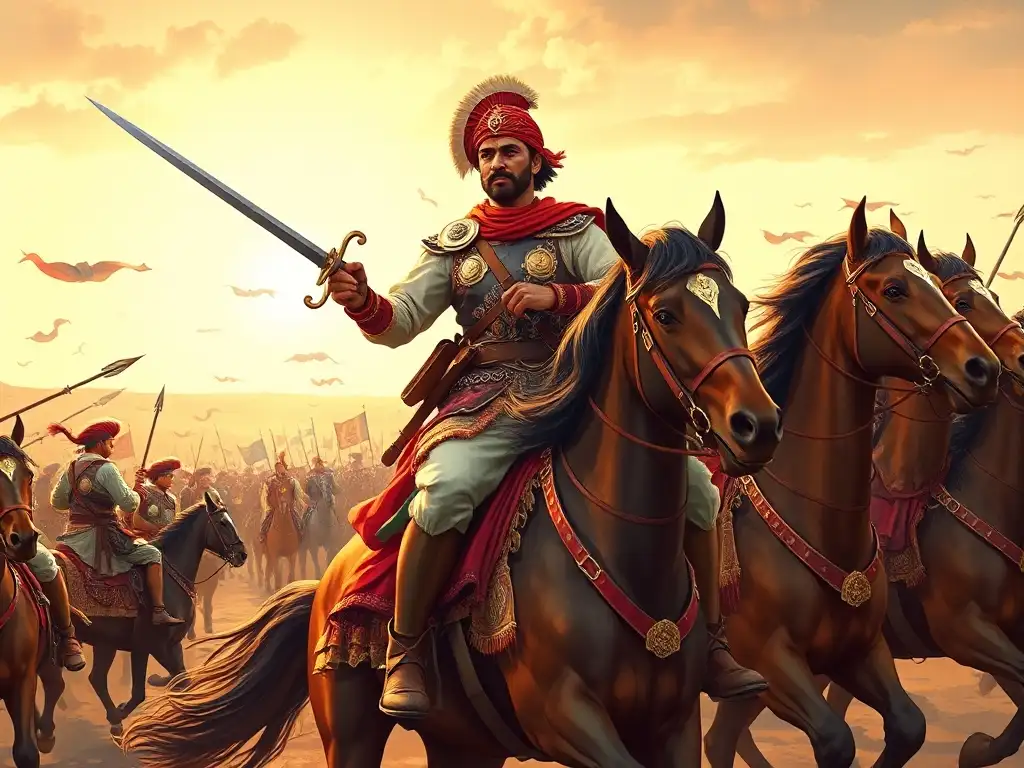
The art of warfare in ancient India was marked by a rich tapestry of strategies and tactical innovations, with cavalry playing a pivotal role in shaping military outcomes. The use of cavalry in ancient Indian warfare was not merely a matter of mounted troops; it represented a sophisticated blend of mobility, speed, and versatility that transformed battlefield dynamics. As the ancient Indian civilizations evolved, so too did their approaches to cavalry tactics, reflecting the changing nature of warfare and the influence of various cultures and technologies.
Overview of Cavalry in Ancient Indian Military History
Cavalry units were integral to the military formations of ancient Indian kingdoms, ranging from the Indus Valley Civilization to the Gupta Empire. The earliest references to cavalry can be traced back to ancient texts such as the Mahabharata and Arthashastra, which highlight the strategic significance of mounted troops.
- Indus Valley Civilization: Evidence suggests that the Indus Valley inhabitants utilized horses, although their exact role in warfare remains debated.
- Vedic Period: The emergence of the Ashvamedha (horse sacrifice) indicates the importance of horses in royal and military contexts.
- Maurya and Gupta Empires: These empires showcased advanced cavalry tactics, utilizing horses not only for mobility but also for shock tactics and flanking maneuvers.
The evolution of cavalry throughout these periods illustrates how ancient Indian warfare adapted to meet new challenges, ultimately leading to complex military strategies that incorporated various troop types.
Importance of Cavalry in Warfare Strategies
Cavalry was not only a symbol of power but also a vital component of military strategy in ancient India. Its importance can be summarized in several key points:
- Mobility: The ability to move swiftly across the battlefield allowed commanders to execute surprise attacks and retreats, making cavalry a tactical asset.
- Shock Value: Cavalry charges could break enemy lines, instilling fear and chaos among infantry formations.
- Flanking Maneuvers: Cavalry units often executed flanking tactics, surrounding and outmaneuvering the enemy.
- Versatile Roles: Depending on the context, cavalry could serve in reconnaissance, skirmishing, or as heavy strike forces.
The strategic deployment of cavalry significantly influenced the outcomes of major battles and the overall success of military campaigns in ancient India.
Evolution of Cavalry in Ancient India
Historical Development of Cavalry Units
The development of cavalry units in ancient India was a gradual process that mirrored advancements in technology, trade, and cultural exchanges.
- Early Chariots to Mounted Troops: Initially, warfare relied heavily on chariots, but over time, the transition to mounted cavalry became evident.
- Integration of Foreign Techniques: The influence of neighboring regions and cultures led to the adoption of various cavalry techniques, including the use of different breeds of horses and tactical formations.
- Specialization: As warfare became more sophisticated, cavalry units began to specialize, with heavy cavalry (armored) and light cavalry (skirmishers) fulfilling distinct roles on the battlefield.
Key Civilizations and Their Cavalry Practices
Different ancient Indian civilizations developed unique cavalry practices that reflected their specific military needs and environmental conditions.
- Maurya Empire: Under Chandragupta and Ashoka, the Maurya Empire effectively utilized cavalry in large-scale military campaigns, demonstrating innovative tactical deployments.
- Gupta Empire: The Gupta period marked a high point in cavalry tactics, where cavalry became central to military formations. Gupta armies were known for their effective integration of cavalry with infantry and war elephants.
- Regional Variations: Various regional kingdoms, such as the Cholas and Pallavas, adopted distinct cavalry tactics based on local geography and warfare requirements.
The evolving practices of cavalry across these civilizations highlight the adaptability and strategic depth of ancient Indian military systems, paving the way for future innovations in warfare.
The Role of Cavalry in Ancient Indian Warfare
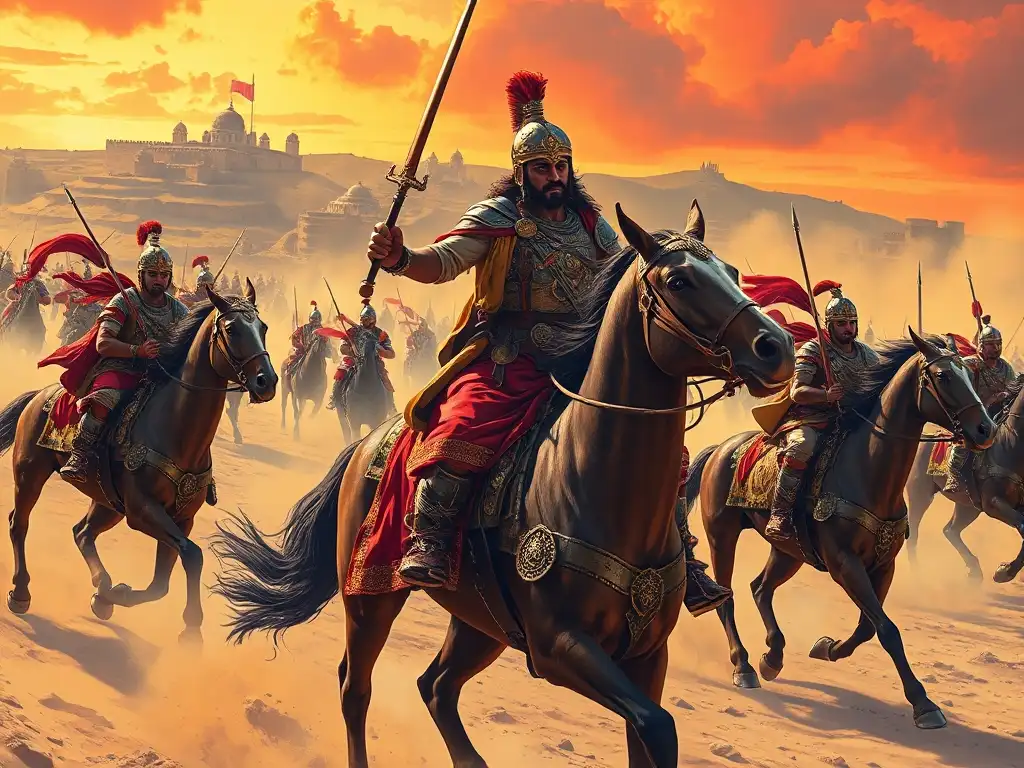
Cavalry played a pivotal role in the military strategies of ancient Indian warfare, significantly influencing the outcomes of battles and the dynamics of military campaigns. Historically, cavalry units comprised various forms of mounted troops, primarily including chariots, horseback riders, and war elephants. The mobility and speed of cavalry units allowed them to execute flanking maneuvers, pursue retreating enemies, and quickly reinforce infantry lines, making them indispensable in the intricate battlefield strategies of ancient Indian kingdoms.
The effectiveness of cavalry was not solely due to its mobility; it also enabled commanders to adopt more flexible and adaptive tactics. For instance, the ability to rapidly reposition forces allowed for surprise attacks and the exploitation of weaknesses in enemy formations. Furthermore, cavalry units were often used to engage in reconnaissance missions, gathering intelligence on enemy movements and terrain, which was crucial for planning successful military operations.
Strategic Advantages of Cavalry in Battles
The strategic advantages of cavalry in ancient Indian warfare stemmed from several key factors:
- Mobility and Speed: Cavalry units could traverse the battlefield quickly, allowing commanders to shift forces as required. This speed was essential for both offensive and defensive strategies.
- Flanking and Encirclement: The ability to maneuver around enemy flanks enabled cavalry to disrupt formations and create openings for infantry attacks, thereby enhancing the overall effectiveness of military operations.
- Psychological Impact: The sight and sound of cavalry charges could instill fear in opposing forces, often leading to disarray and panic. The psychological warfare aspect of cavalry was as important as their physical capabilities.
- Versatility: Cavalry could be employed in various roles, from direct combat to skirmishing and reconnaissance. This versatility allowed for a more dynamic approach to warfare, adapting tactics as the situation evolved.
- Support for Infantry: Cavalry units often acted as a crucial support for infantry forces, providing cover and assistance during engagements, which improved the overall tactical effectiveness of the army.
Tactical Use of Cavalry in Different Warfare Scenarios
Cavalry tactics in ancient India were adapted to suit various warfare scenarios, demonstrating the flexibility and ingenuity of military leaders. Some notable tactical applications included:
- Ambushes: Cavalry could execute surprise attacks from concealed positions, exploiting the element of surprise to inflict significant damage on unsuspecting foes.
- Pursuit and Harassment: After a successful engagement, cavalry units were often deployed to pursue fleeing enemies, preventing their regrouping and inflicting casualties on the retreating forces.
- Screening and Flanking Maneuvers: Cavalry was used to screen the main body of troops, protecting them from enemy scouts and flanking units while simultaneously launching attacks on enemy flanks.
- Combined Arms Tactics: The integration of cavalry with infantry and archers maximized the strengths of each unit type. For example, cavalry could charge enemy lines while infantry held the center, creating a multi-dimensional threat.
Types of Cavalry in Ancient India
Ancient Indian cavalry was not a monolithic entity; it comprised several distinct types, each playing a unique role in warfare.
Chariots: The Original Cavalry Unit
Chariots were among the earliest forms of cavalry in ancient India, serving as a mobile platform for archers and warriors. Typically drawn by horses, chariots provided both speed and height, allowing archers to shoot at enemies while remaining somewhat protected. The strategic use of chariots included:
- Shock Troops: Chariots were often used to break enemy lines, creating chaos and disarray among infantry formations.
- Mobility in Warfare: With their ability to navigate quickly across the battlefield, chariots allowed commanders to reposition forces rapidly and effectively.
- Symbol of Status: Possession of chariots often indicated wealth and power, making them a symbol of status in ancient Indian society.
Horseback Riders: Techniques and Innovations
Horseback riders represented a significant evolution in cavalry tactics. The development of mounted infantry allowed for greater versatility and innovation in warfare. Key aspects of horseback riders included:
- Speed and Agility: Riders could maneuver more effectively than chariots, adapting quickly to changing battlefield conditions.
- Close Combat Techniques: Innovations in weaponry, such as the use of curved swords and lances, allowed mounted warriors to engage effectively in close quarters.
- Communication and Coordination: Riders could communicate orders quickly and relay information back to commanders, enhancing the overall coordination of military operations.
War Elephants: Integration with Cavalry Forces
War elephants were a unique and formidable component of ancient Indian cavalry, often used to intimidate and disrupt enemy formations. Their integration into cavalry forces provided several advantages:
- Psychological Warfare: The sheer size and strength of war elephants could cause panic among enemy troops, leading to disorder in their ranks.
- Breakthrough Force: Elephants were used to charge into enemy lines, breaking formations and allowing cavalry and infantry to exploit the resulting gaps.
- Support Role: In addition to their offensive capabilities, war elephants could be employed for logistical support, carrying supplies or even injured soldiers off the battlefield.
The diverse types of cavalry in ancient India, including chariots, horseback riders, and war elephants, each played a crucial role in the complexities of ancient warfare. Their strategic and tactical applications underscore the significance of cavalry in shaping the military landscape of ancient Indian civilizations.
Training and Organization of Cavalry Forces
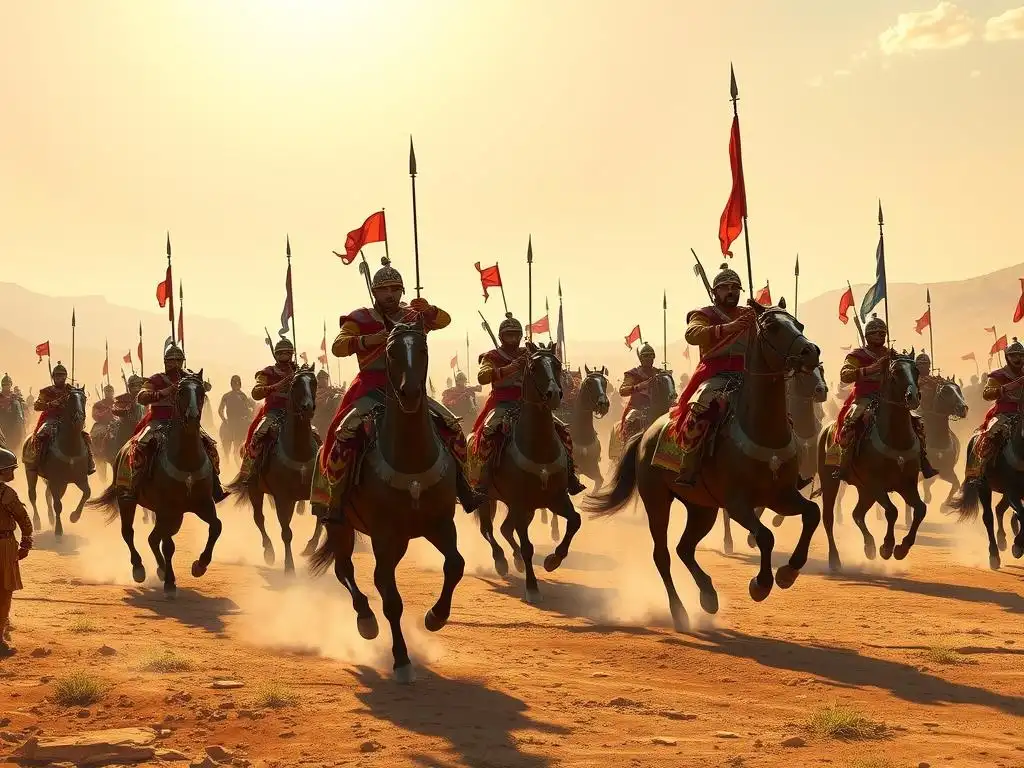
The effectiveness of cavalry in ancient Indian warfare was deeply rooted in their training and organizational structure. Cavalry units were not only integral to the military but also demonstrated unique strategies that capitalized on their mobility and speed. A well-structured approach to training and organization facilitated the cavalry's adaptability in various combat scenarios, enhancing their role on the battlefield.
Recruitment and Training Methods for Cavalry Troops
Recruitment for cavalry forces in ancient India typically targeted individuals from warrior clans or those with a history of equestrian skills. The selection process emphasized physical fitness, agility, and the ability to handle horses proficiently.
Training methods included:
- Horsemanship: Recruits underwent rigorous training in riding techniques, learning to maneuver swiftly and effectively in diverse terrains.
- Weapon Proficiency: Soldiers were trained in the use of a variety of weapons, including bows, swords, and lances, while mounted.
- Tactical Drills: Cavalry units practiced formations and tactics that optimized their impact during engagements, such as flanking maneuvers and rapid retreats.
The training regimen was comprehensive, often lasting several months, to ensure that cavalry troops could operate seamlessly as part of a larger military force.
Hierarchical Structure of Cavalry Units
Cavalry units in ancient India were organized into a hierarchical structure that facilitated command and control during operations. This structure typically included:
- Commanders: High-ranking officers who oversaw multiple cavalry units, responsible for strategic planning and battlefield coordination.
- Captains/Leaders: Mid-level officers who led individual units, managing troop movements and tactics during engagements.
- Troopers: The frontline soldiers who executed commands, skilled in both combat and horsemanship.
This hierarchical organization allowed for efficient communication and execution of complex maneuvers, making cavalry units a formidable element of ancient Indian warfare.
Notable Battles Involving Cavalry Tactics
Ancient Indian cavalry tactics played pivotal roles in several notable battles, showcasing the strategic importance of these mounted forces. The following battles exemplify how cavalry was employed to gain tactical advantages over adversaries.
The Battle of the Hydaspes
Fought in 326 BCE between Alexander the Great and King Porus, the Battle of the Hydaspes is a prime example of cavalry tactics in ancient warfare. Alexander’s cavalry, known for its speed and coordination, was crucial in outmaneuvering Porus's forces.
Key aspects of cavalry tactics observed in this battle include:
- Flanking Movements: Alexander's cavalry executed successful flanking maneuvers, attacking Porus’s troops from the sides, which disrupted their formations.
- Mobility and Speed: The rapid deployment of cavalry allowed Alexander to reposition quickly and exploit weak points in Porus's army.
- Combined Arms Strategy: Alexander effectively integrated his cavalry with infantry units, creating a synergistic effect that overwhelmed Porus’s forces.
Despite facing a fierce opponent, the strategic use of cavalry was instrumental in securing Alexander's victory.
The Kalinga War: A Case Study of Cavalry Application
The Kalinga War, fought around 261 BCE, serves as a significant case study in the application of cavalry tactics. Ashoka the Great led the Mauryan Empire against the state of Kalinga, utilizing cavalry forces to assert dominance.
Key tactical insights from this war include:
- Shock Troops: The Mauryan cavalry acted as shock troops, charging into battle to break enemy lines and create chaos among Kalinga’s ranks.
- Intelligence Gathering: Cavalry units were used for reconnaissance missions, providing critical information about enemy movements and terrain, which informed strategic decisions.
- Psychological Warfare: The mobility of cavalry created a psychological advantage, instilling fear in the enemy and leading to disarray among Kalinga's forces.
The Kalinga War exemplified the profound impact of well-coordinated cavalry tactics on the outcome of military engagements in ancient India, solidifying the role of cavalry as a dominant force in warfare.
Comparative Analysis of Ancient Indian Cavalry Tactics
Ancient Indian cavalry tactics were characterized by a blend of speed, mobility, and strategic use of terrain. Unlike the heavy cavalry seen in other cultures, Indian cavalry units often utilized lighter horses, which allowed for greater maneuverability on the battlefield. This agility enabled cavalry to perform flanking maneuvers, encircle enemy formations, and exploit weaknesses in the enemy's lines. Indian commanders would frequently employ cavalry to disrupt supply lines and communication of their foes, demonstrating an understanding of the broader implications of cavalry beyond mere combat.
The tactics also evolved in response to the diverse geographical landscapes of India, from the plains of the Gangetic Valley to the rugged terrains of the Deccan Plateau. This adaptability meant that cavalry could be employed effectively in various contexts, whether in open field battles or more constrained environments. Historical records indicate that leaders like Chandragupta Maurya and his grandson Ashoka utilized their cavalry effectively to expand and defend their empires, integrating cavalry as a central component of their military strategy.
Comparison with Cavalry Tactics in Other Ancient Civilizations
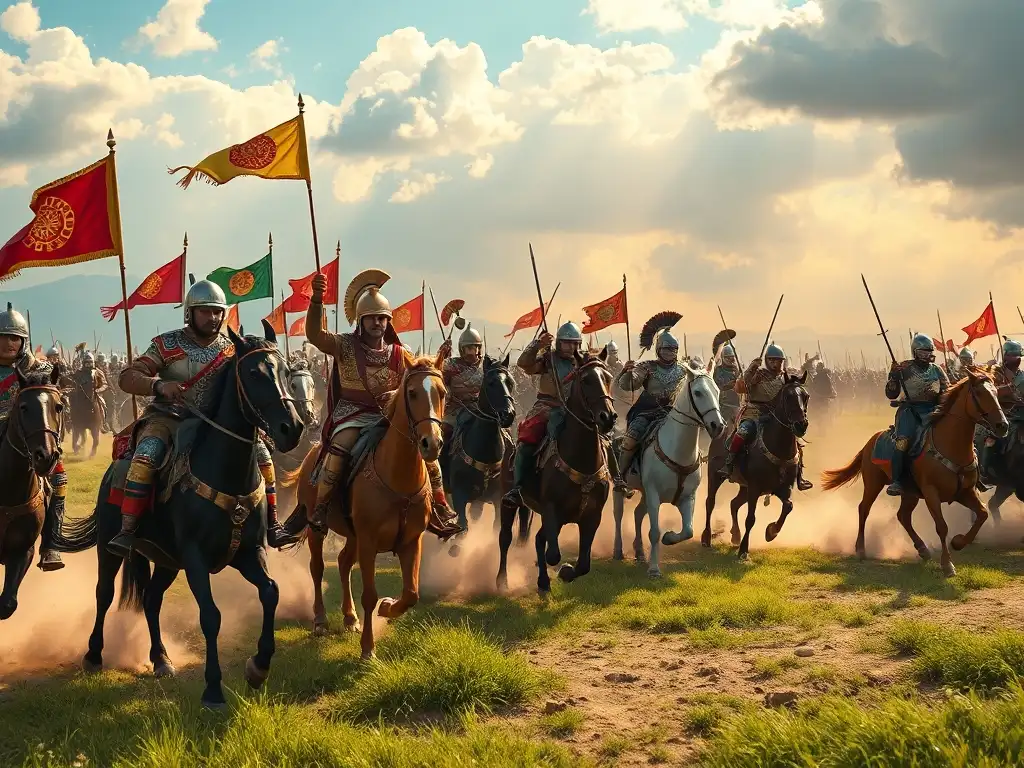
When comparing ancient Indian cavalry tactics with those of other civilizations, several key distinctions and similarities emerge. For instance, in the Persian Empire, cavalry units were often heavily armored, focusing on shock tactics to break enemy lines. In contrast, Indian cavalry tended to emphasize speed and maneuverability over armor. The Indian approach was more akin to the light cavalry tactics of the Scythians, who also favored rapid strikes and evasive maneuvers.
Additionally, the Romans utilized a combination of heavy and light cavalry, relying on their heavy cavalry for direct engagements and the light cavalry for reconnaissance and skirmishing. Indian tactics, however, often involved a more integrated approach, where cavalry units worked closely with infantry and war elephants, creating a unique battlefield dynamic. This collaborative strategy allowed for a multifaceted approach to warfare that was distinct from the more segmented tactics seen in other ancient armies.
Conclusion: The Legacy of Ancient Indian Cavalry Tactics
The legacy of ancient Indian cavalry tactics is profound and multi-faceted, influencing not only the military strategies of subsequent Indian empires but also shaping the broader context of warfare in the region. The effective use of cavalry in various formations and contexts laid the groundwork for future military innovations and adaptations, making it a pivotal aspect of Indian military history.
Lasting Impact on Indian Military History
The impact of cavalry tactics from ancient India can be seen in the military practices of later periods, particularly during the medieval era. Kingdoms such as the Chola, Vijayanagara, and Mughal empires adopted and modified these tactics, incorporating cavalry into their armies as an essential element. The strategic principles established by ancient Indian commanders remained relevant, influencing the organization and deployment of cavalry in battles throughout Indian history.
Influence on Later Warfare Practices in the Region
Beyond Indian borders, the tactics developed by ancient Indian cavalry units also reached neighboring cultures. Through trade, diplomacy, and warfare, these strategies were disseminated to regions such as Southeast Asia, where they influenced local military practices. The mobility and versatility of cavalry units became a hallmark of warfare across various dynasties, as the principles of speed and tactical flexibility found resonance in the military doctrines of other cultures. Thus, the legacy of ancient Indian cavalry tactics is not only a testament to its historical significance but also reflects its lasting influence on regional warfare practices.
References
The study of ancient Indian cavalry tactics is rich and multifaceted, drawing upon a variety of historical texts, archaeological findings, and scholarly interpretations. Key references that provide insight into the strategies and roles of cavalry in ancient Indian warfare include:
- "The Arthashastra" by Kautilya: This ancient Indian treatise on statecraft, economic policy, and military strategy offers valuable insights into the organization and deployment of cavalry in warfare.
- "Rajatarangini" by Kalhana: A historical chronicle of Kashmir, this text includes accounts of various battles and the roles of cavalry, highlighting the tactical use of horsemen in regional conflicts.
- "The Mahabharata": This epic provides numerous examples of cavalry tactics through the depiction of battles, illustrating the significance of mounted warriors in ancient Indian military strategy.
- Archaeological Surveys and Excavations: Findings from sites like Hastinapura and other ancient cities have provided physical evidence of cavalry equipment, stables, and the presence of horses, offering a material context to understand cavalry's role.
- Scholarly Journals: Articles published in journals such as the "Journal of Indian History" and "Indian Historical Review" often explore specific aspects of military tactics, including cavalry operations in various historical periods.
These references collectively enhance the understanding of ancient Indian cavalry tactics and their evolution over centuries.
Suggested Further Reading on Ancient Indian Cavalry Tactics
For those interested in delving deeper into the subject of ancient Indian cavalry tactics, the following resources are recommended:
- "Warfare in Ancient India" by Ashok Kumar: This book examines various aspects of military practices, including cavalry tactics, throughout different periods of ancient Indian history.
- "The Art of War in Ancient India" by N. R. Shastri: A comprehensive look at military strategies, with a specific focus on the use of cavalry in warfare.
- "Indian Cavalry: Historical Perspectives" by R. K. Sharma: This text provides a detailed analysis of the development of cavalry units in ancient Indian armies, including tactics and formations.
- "Horses and Horsemen in Ancient India" by Sudhir Kumar: This work focuses on the importance of horses in warfare and the evolution of cavalry tactics across different Indian dynasties.
- "The Chola Army: A Historical Study" by A. S. Rajarajan: This book discusses the military organization of the Chola dynasty, including an in-depth look at their cavalry strategies.
These resources will not only enhance your understanding of ancient Indian cavalry tactics but also provide a broader context for the military history of India.
- Introduction to Ancient Indian Cavalry
- Overview of Cavalry in Ancient Indian Military History
- Importance of Cavalry in Warfare Strategies
- Evolution of Cavalry in Ancient India
- The Role of Cavalry in Ancient Indian Warfare
- Strategic Advantages of Cavalry in Battles
- Tactical Use of Cavalry in Different Warfare Scenarios
- Types of Cavalry in Ancient India
- Training and Organization of Cavalry Forces
- Notable Battles Involving Cavalry Tactics
- Comparative Analysis of Ancient Indian Cavalry Tactics
- Comparison with Cavalry Tactics in Other Ancient Civilizations
- Conclusion: The Legacy of Ancient Indian Cavalry Tactics
- References
- What role did cavalry play in ancient Indian warfare?
- How did ancient Indian cavalry tactics differ from other civilizations?
- What were the main types of cavalry used in ancient India?
- Did ancient Indian cavalry units have specific formations or strategies?
- How did the geography of India influence cavalry tactics?
Frequently Asked Questions
What role did cavalry play in ancient Indian warfare?
Cavalry was a crucial component of ancient Indian armies, providing mobility and the ability to flank and disrupt enemy formations.
How did ancient Indian cavalry tactics differ from other civilizations?
Ancient Indian cavalry tactics emphasized hit-and-run strategies and rapid maneuvers, differentiating them from more traditional, heavy cavalry approaches seen in other cultures.
What were the main types of cavalry used in ancient India?
The main types included horse archers, chariots, and heavily armored cavalry, each serving distinct roles on the battlefield to maximize tactical advantage.
Did ancient Indian cavalry units have specific formations or strategies?
Yes, they employed formations like the wedge and crescent, designed for breaking enemy lines and exploiting weaknesses in opposing forces.
How did the geography of India influence cavalry tactics?
The diverse geography, from plains to mountains, required adaptable tactics; cavalry units had to be trained for varying terrains to maintain their effectiveness in battle.
Final Reflection: The Enduring Legacy of Ancient Indian Cavalry Tactics
The strategies and tactics employed by ancient Indian cavalry not only shaped the outcomes of battles but also laid the groundwork for military innovations that resonate in contemporary warfare. The significance of these tactics is not merely historical; they offer profound insights into the art of strategy and the importance of adaptability in the face of evolving challenges. As we reflect on the past, we recognize that the lessons learned from ancient Indian cavalry can still inform modern military practices and strategic thinking.
The influence of ancient Indian cavalry tactics extends beyond the battlefield, permeating the cultural and social fabric of India. The valor and discipline of cavalry warriors have inspired countless tales, reinforcing ideals of bravery and honor in Indian society. As noted by historian John Keay, The cavalry was not just a military unit; it was a symbol of power and prestige, shaping the very identity of kingdoms.
This enduring legacy reminds us of the intricate relationship between military prowess and cultural identity, highlighting how historical practices continue to resonate in our collective consciousness.
As we conclude this exploration of ancient Indian cavalry tactics, I invite you to reflect on how these historical strategies can inspire your own approach to challenges in life. Consider the adaptability, discipline, and strategic thinking that defined these warriors, and think about how you can apply these principles in your personal and professional endeavors. Embrace the lessons of the past as you forge your path forward, recognizing that the spirit of ancient cavalry lives on in the courage and determination we exhibit today.
Unleash the Warrior Within: Dive Deeper into Cavalry Tactics!
Thank you for journeying through the fascinating world of ancient Indian cavalry with us! You've uncovered the strategies and tactics that shaped remarkable battles and historical narratives. Now, it's time to take that knowledge and turn it into action!
Here’s how you can further explore and contribute to this captivating subject:
- Join a Local History Group: Connect with fellow enthusiasts to discuss the rich history of ancient Indian warfare and the significance of cavalry.
- Share Your Insights: Post about what you've learned on social media or your blog to inspire others to discover this enchanting history.
- Research Further: Dive into related topics such as ancient battlefield strategies or the impact of cavalry on regional politics, and uncover more exciting stories!
What aspects of ancient warfare intrigue you the most, and how would you like to explore them further? Let’s engage in a meaningful discussion!