
Exporting Jewelry from India: Tips for Captivating Global Customers

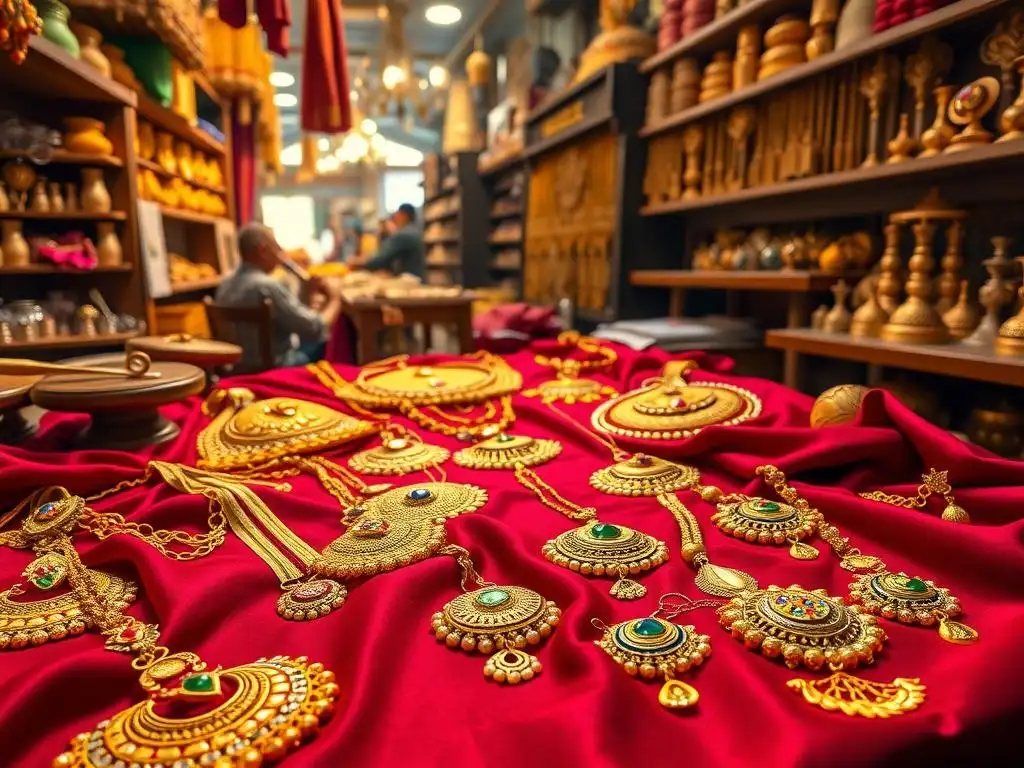
Welcome to Ancient India History, where we delve into the rich tapestry of one of the world's oldest civilizations. From the enigmatic Indus Valley to the illustrious Gupta Empire, ancient India has left an indelible mark on culture, art, and commerce. In our latest article, “Exporting Jewelry from India: Tips for Captivating Global Customers,” we uncover essential insights into the thriving world of ancient Indian jewelry export.
Discover how the exquisite craftsmanship of India can enchant global markets and learn strategies that will elevate your business in this vibrant industry. Join us on this journey and unlock the secrets to success in exporting ancient Indian treasures!
- Introduction to Ancient Indian Jewelry Export Tips
- Researching the Global Jewelry Market
- Ancient Indian Jewelry Export Tips: Craftsmanship and Quality
- Building Your Export Business Strategy
- Marketing Ancient Indian Jewelry to Global Customers
- Engaging with Customers: The Sales Process
- Leveraging E-commerce Platforms for Jewelry Export
- Conclusion: Key Takeaways on Ancient Indian Jewelry Export Tips
-
Frequently Asked Questions
- What are the key factors to consider when exporting jewelry from India?
- How can I ensure the quality of jewelry for export?
- What are some effective marketing strategies for Indian jewelry?
- Are there specific export regulations for jewelry in India?
- How can I price my jewelry competitively for international markets?
- Final Reflection: Embracing the Legacy of Ancient Indian Jewelry in Global Markets
- Unlock Global Markets for Your Jewelry Today!
Introduction to Ancient Indian Jewelry Export Tips
India has a timeless legacy of artistry, craftsmanship, and cultural richness that is beautifully embodied in its jewelry. From the intricate designs of the Indus Valley Civilization to the opulent creations of the Gupta Empire, ancient Indian jewelry represents not just adornment but a profound connection to heritage and identity. As global markets continue to grow, exporting ancient Indian jewelry has emerged as a lucrative opportunity for artisans and businesses alike.
This article will provide valuable insights and tips for captivating global customers through the lens of ancient Indian jewelry, highlighting its unique attributes and cultural significance. Whether you are an artisan looking to expand your reach or a business entrepreneur seeking to tap into this vibrant market, understanding the nuances of ancient Indian jewelry export is essential for success.
Understanding the Value of Indian Jewelry in Global Markets
The value of Indian jewelry in global markets extends far beyond its aesthetic appeal. Several factors contribute to its allure and demand:
- Artistry and Craftsmanship:
- Unique Techniques: Indian jewelers employ age-old techniques such as Kundan, Meenakari, and Jadau, which are rare and often unavailable elsewhere.
- Handcrafted Quality: Each piece is often handcrafted, showcasing the skill and dedication of artisans, which appeals to consumers looking for authenticity.
- Cultural Heritage:
- Historical Significance: Jewelry often reflects the history of its region, allowing customers to connect with ancient traditions and stories.
- Symbolism: Many pieces are imbued with cultural meanings, representing festivals, beliefs, and rituals that resonate with buyers worldwide.
- Diverse Styles:
- Regional Variations: From the bold designs of Rajasthan to the delicate styles of South India, the diversity in jewelry styles caters to a wide range of tastes and preferences.
- Modern Adaptations: Contemporary adaptations of traditional designs can attract younger consumers seeking unique fashion statements.
- Sustainability and Ethical Sourcing:
- Eco-Friendly Practices: With growing concerns about sustainability, many artisans focus on eco-friendly materials and ethical sourcing, making their products more appealing to conscientious buyers.
- Market Trends:
- Rising Demand: The global demand for unique and artisanal jewelry continues to rise, with consumers increasingly seeking one-of-a-kind pieces that tell a story.
Understanding these factors can significantly enhance your strategy for exporting ancient Indian jewelry, ensuring that you highlight the unique selling points that resonate with global customers.
The Cultural Significance of Ancient Indian Jewelry
Jewelry in ancient India was not merely ornamental; it held deep cultural significance and often played a pivotal role in various aspects of life. Here are some key points to consider:
- Ritualistic Importance:
- Jewelry was integral to religious and cultural rituals, often worn during important ceremonies and festivals. For example, bridal jewelry symbolizes prosperity and fertility, deeply rooted in tradition.
- Social Status:
- Historically, the type and amount of jewelry worn indicated social status and wealth. This aspect continues to influence modern consumers who view jewelry as a symbol of prestige.
- Regional Variations:
- Different regions in India have their distinct styles and traditions surrounding jewelry. For instance, the intricate temple jewelry of Tamil Nadu and the exquisite gold jewelry of Kerala reflect local customs and beliefs.
- Symbol of Identity:
- Jewelry often signifies identity, with specific styles representing different communities and cultures within India. This diversity can be a powerful marketing tool when exporting to global markets.
- Art as Heritage:
- The craftsmanship involved in creating ancient jewelry is a manifestation of India’s rich artistic heritage, making it a valuable cultural export that can captivate international customers.
By understanding the cultural significance of ancient Indian jewelry, exporters can craft compelling narratives that resonate with consumers, enhancing the appeal of their products in the global marketplace.
Researching the Global Jewelry Market
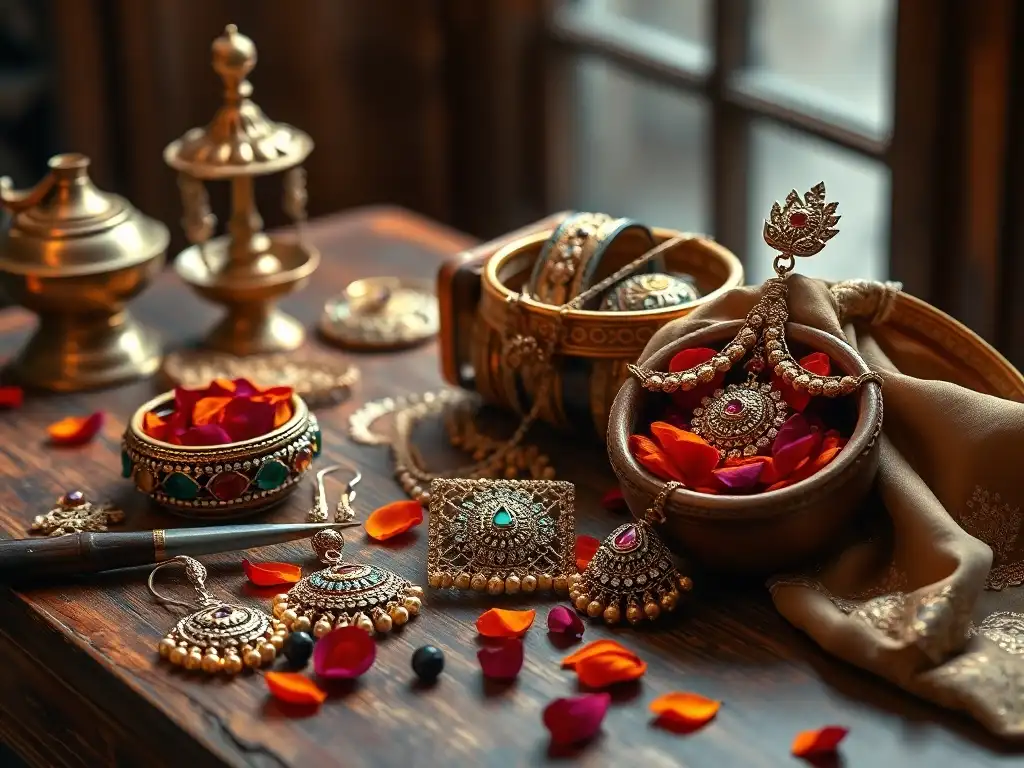
Researching the global jewelry market is crucial for anyone interested in exporting ancient Indian jewelry. Understanding the dynamics of this market can help exporters position their products effectively, ensuring a successful entry into various international markets.
Identifying Target Markets for Indian Jewelry Export
Identifying the right target markets is a fundamental step in the export process. Here are several key considerations:
- Cultural Affinity: Different regions have varying tastes influenced by cultural backgrounds. For instance:
- Middle East: Often favors intricate gold jewelry designs that reflect opulence.
- Western Countries: May lean towards minimalist and contemporary styles, with a growing interest in sustainable and ethically sourced materials.
- Market Research: Conducting thorough market research is essential to identify potential customers. This can include:
- Analyzing data from trade commissions and export promotion councils.
- Attending international trade fairs and exhibitions to gauge interest in Indian jewelry.
- Demographics: Understanding the demographics of potential customers can guide product offerings. Factors such as age, income level, and lifestyle preferences play a significant role in jewelry choices.
- Online Marketplaces: With the rise of e-commerce, platforms like Etsy and Amazon have become vital in reaching a global audience. Tailoring marketing strategies for these platforms can enhance visibility.
Trends in Global Jewelry Preferences and Styles
Staying updated with global trends in jewelry can give exporters an edge. Here are some current trends that impact the market:
- Sustainable and Ethical Jewelry: Consumers are increasingly seeking jewelry made from recycled materials or ethically sourced gemstones. Emphasizing these aspects can attract environmentally-conscious buyers.
- Personalization: Customized jewelry pieces are gaining popularity as consumers look for unique expressions of their identity. Offering bespoke options can cater to this demand.
- Bold Colors and Unique Designs: There is a growing preference for statement pieces that feature bold colors and unconventional designs. Incorporating traditional Indian craftsmanship into modern styles can appeal to this trend.
- Technology Integration: Augmented reality (AR) and virtual try-on features are becoming standard in online jewelry shopping. Utilizing technology can enhance customer experience and engagement.
High CPC Keywords in Jewelry Export: What to Focus On
When exporting jewelry, leveraging high CPC (Cost Per Click) keywords can enhance online visibility and attract potential customers. Here are some keywords and phrases to consider:
| Keyword | CPC Rate | Relevance |
|---|---|---|
| Ancient Indian jewelry | $2.50 | Directly relates to the product |
| Indian gold jewelry export | $3.10 | Focuses on a specific product type |
| Traditional Indian jewelry | $2.00 | Appeals to cultural enthusiasts |
| Handcrafted jewelry from India | $2.80 | Highlights craftsmanship |
| Sustainable jewelry export | $3.50 | Taps into the growing eco-friendly market |
By integrating these keywords into marketing strategies, exporters can improve search engine rankings and attract targeted traffic, ultimately leading to increased sales.
Researching the global jewelry market involves understanding target demographics, staying abreast of trends, and strategically utilizing high CPC keywords. By focusing on these aspects, exporters of ancient Indian jewelry can effectively captivate global customers and enhance their business opportunities.
Ancient Indian Jewelry Export Tips: Craftsmanship and Quality
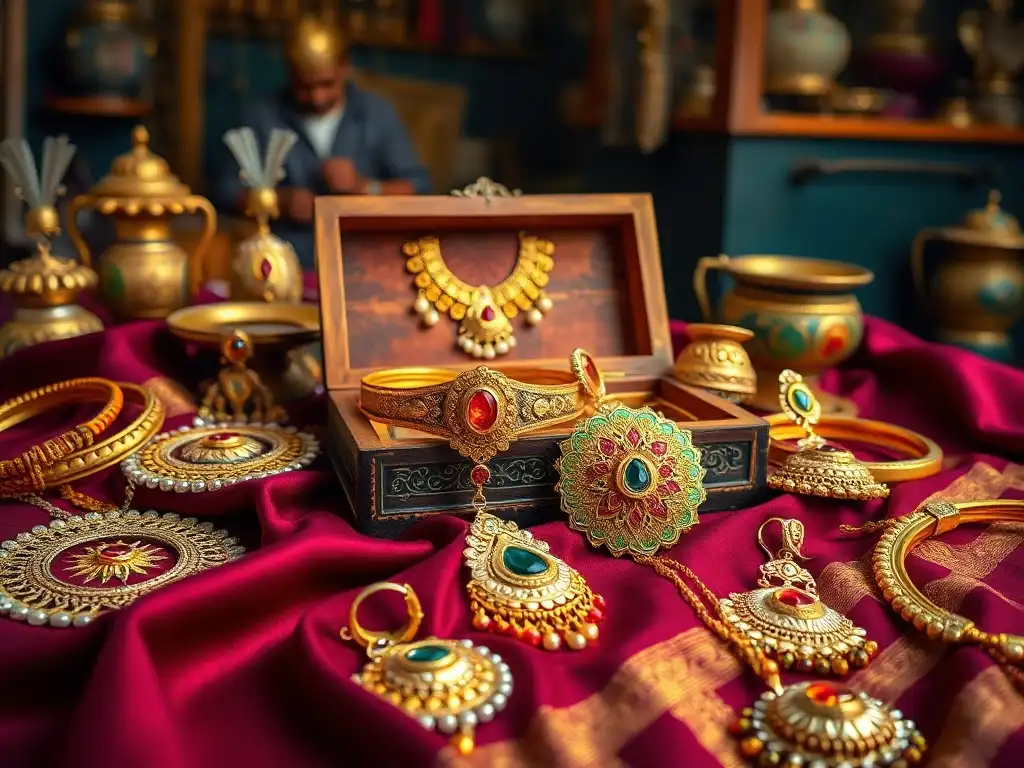
Exporting jewelry from India requires a deep understanding of the craftsmanship and quality that define ancient Indian jewelry. This unique segment of the market is characterized by intricate designs, rich cultural heritage, and a variety of traditional techniques that appeal to global customers. To ensure successful exports, businesses must focus on authenticity, quality materials, and highlighting traditional methods that resonate with the values of international buyers.
Importance of Authenticity in Ancient Indian Jewelry
Authenticity is paramount when it comes to ancient Indian jewelry exports. Consumers today are highly discerning; they seek not just products but stories and cultural significance behind their purchases. Authentic Indian jewelry reflects the historical and cultural narratives of the regions they originate from.
- Cultural Relevance: Jewelry pieces often carry deep cultural meanings that should be preserved in the export process. For example, a piece designed for weddings in Rajasthan may have different embellishments and significance compared to a traditional Kerala ornament.
- Certification: Providing certificates of authenticity can greatly enhance trust among buyers. Certificates should include details about the origin of the materials, craftsmanship, and any historical context relevant to the piece.
- Transparency in Sourcing: Being open about where and how materials are sourced not only helps in building credibility but also aligns with the growing demand for ethical consumption among global customers.
Selecting Quality Materials for Export
The choice of materials is crucial to the craftsmanship and overall appeal of ancient Indian jewelry. High-quality materials ensure that the jewelry not only looks aesthetically pleasing but also lasts over time. Here are some considerations for selecting materials:
- Precious Metals: Gold, silver, and platinum are traditional choices. Each metal has its unique properties and significance:
- Gold: Symbolizes wealth and purity; it is often used in bridal jewelry.
- Silver: Known for its durability and versatility; popular in tribal and ethnic designs.
- Platinum: A premium choice that represents luxury and exclusivity.
- Gemstones: Incorporating semi-precious and precious stones can elevate the jewelry's appeal. Some popular choices include:
- Diamonds: Often used in intricate settings.
- Emeralds: Valued for their vibrant green color and clarity.
- Rubies: Symbolize passion and are often set in traditional designs.
- Sustainable Sourcing: With increasing awareness about environmental issues, sourcing materials sustainably can differentiate your products in the international market. Highlighting eco-friendly practices can attract a conscientious consumer base.
Highlighting Traditional Techniques: Kundan, Meenakari, and More
Ancient Indian jewelry is renowned for its unique craftsmanship, with various traditional techniques that have been passed down through generations. Highlighting these techniques can captivate global customers and add value to the products:
- Kundan: This traditional form of jewelry-making involves setting gems in a gold foil base. The intricate designs and vibrant colors make Kundan jewelry highly sought after in international markets.
- Meenakari: Characterized by its colorful enamel work, Meenakari adds a vivid touch to jewelry pieces. The process involves intricate designs that depict flowers, animals, or geometric patterns, appealing to customers looking for unique and vibrant pieces.
- Jadau: A combination of Kundan and engraving, Jadau jewelry features stones set in gold and is often used for elaborate bridal sets. Its opulence can attract high-end clients in the global market.
- Filigree: Known for its delicate craftsmanship, filigree involves twisting fine threads of gold or silver to create intricate designs. This technique is particularly popular in regions like Odisha and can appeal to a niche segment of art lovers.
By emphasizing these traditional techniques in marketing efforts and product descriptions, exporters not only educate potential buyers but also enhance the perceived value of the jewelry.
A successful export strategy for ancient Indian jewelry hinges on authenticity, quality materials, and the promotion of traditional craftsmanship. By adhering to these tips, exporters can effectively captivate global customers and ensure that the rich legacy of ancient Indian jewelry continues to thrive on the international stage.
Building Your Export Business Strategy
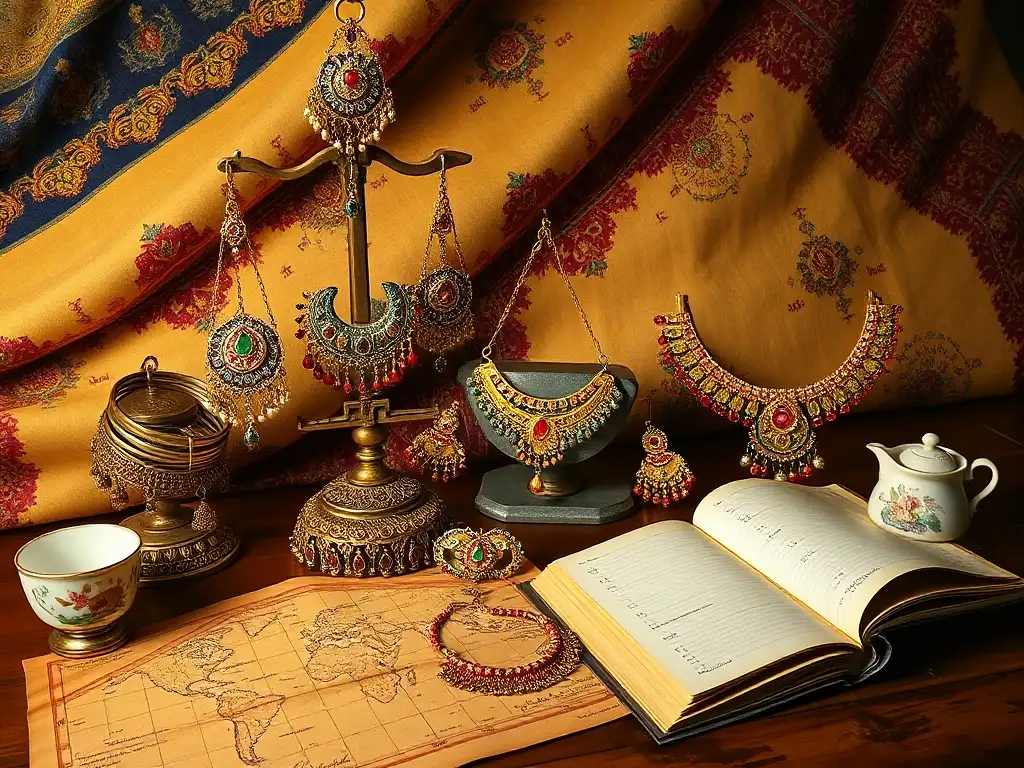
Establishing Reliable Supply Chains for Jewelry Export
Establishing a reliable supply chain is crucial for the success of exporting ancient Indian jewelry. A solid supply chain not only ensures the quality and authenticity of your products but also enhances customer satisfaction and retention. Here are some essential steps to create a robust supply chain:
-
Source Quality Materials:
Ancient Indian jewelry is renowned for its intricate designs and use of precious materials. Establish relationships with trusted suppliers of gold, silver, gemstones, and other materials. Ensure that the materials are ethically sourced to enhance your brand's reputation.
-
Partner with Skilled Artisans:
India has a rich tradition of jewelry making, with skilled artisans who possess unique craftsmanship. Collaborating with these artisans can provide your export business with authentic products. Consider visiting workshops and galleries to find potential partners.
-
Logistics Management:
Efficient logistics are essential for timely delivery. Identify reliable shipping partners who understand the intricacies of international shipping, including customs regulations and handling of delicate items.
-
Inventory Management:
Implement a robust inventory management system to track stock levels, manage reorders, and reduce excess inventory. This system will help you respond quickly to customer demands and minimize storage costs.
-
Quality Control:
Establish quality control measures at every stage of the supply chain. This includes inspecting raw materials, monitoring the production process, and conducting final checks before shipping. Quality assurance will help maintain the reputation of your ancient Indian jewelry.
Compliance with Export Regulations: A Step-by-Step Guide
Navigating the complexities of export regulations is vital for any business, particularly in the jewelry sector. Understanding and complying with these regulations will prevent legal issues and facilitate smoother transactions. Here’s a step-by-step guide:
-
Understand Export Documentation:
Familiarize yourself with the necessary documents for exporting jewelry, such as:
- Commercial invoice
- Packing list
- Certificate of origin
- Export license (if applicable)
-
Know Your Target Market:
Each country has its own regulations regarding jewelry imports. Research the specific requirements for your target markets, including any tariffs, duties, or special permits needed.
-
Adhere to Quality Standards:
Ensure that your jewelry meets the quality standards set by the importing country. This may include compliance with hallmarking regulations, safety standards, and ethical sourcing certifications.
-
Customs Regulations:
Work with a customs broker to facilitate the clearance process. They can help you navigate the complexities of customs regulations, ensuring that your shipments comply with all legal requirements.
-
Stay Updated:
Export regulations can change frequently. Regularly review updates from government agencies and trade organizations to stay informed about any changes that could affect your jewelry export business.
Pricing Strategies for Competitive Jewelry Export
Setting the right price for your ancient Indian jewelry is critical for attracting global customers while ensuring profitability. Here are some effective pricing strategies:
-
Cost-Plus Pricing:
Calculate the total cost of producing your jewelry, including materials, labor, overhead, and shipping. Add a markup percentage to determine your selling price. This method ensures that all costs are covered while providing a profit margin.
-
Market-Based Pricing:
Research the prices of similar jewelry in your target market. Adjust your pricing strategy based on what competitors charge, ensuring that your prices remain competitive while reflecting the unique value of your products.
-
Psychological Pricing:
Utilize pricing techniques that appeal to consumers' psychology. For instance, pricing items just below a round number, such as $99.99 instead of $100, can make products appear more affordable.
-
Tiered Pricing:
Offer multiple pricing tiers based on different qualities or designs. This allows customers to choose from a range of options, catering to both budget-conscious buyers and those willing to pay a premium for exclusive pieces.
-
Promotional Pricing:
Implement promotional pricing strategies during peak seasons or special events, such as festivals or holidays. Offering discounts or bundling products can attract customers and boost sales.
By carefully considering these strategies, you can effectively position your ancient Indian jewelry in the global market, appealing to a wide range of customers while maximizing your profitability.
Marketing Ancient Indian Jewelry to Global Customers
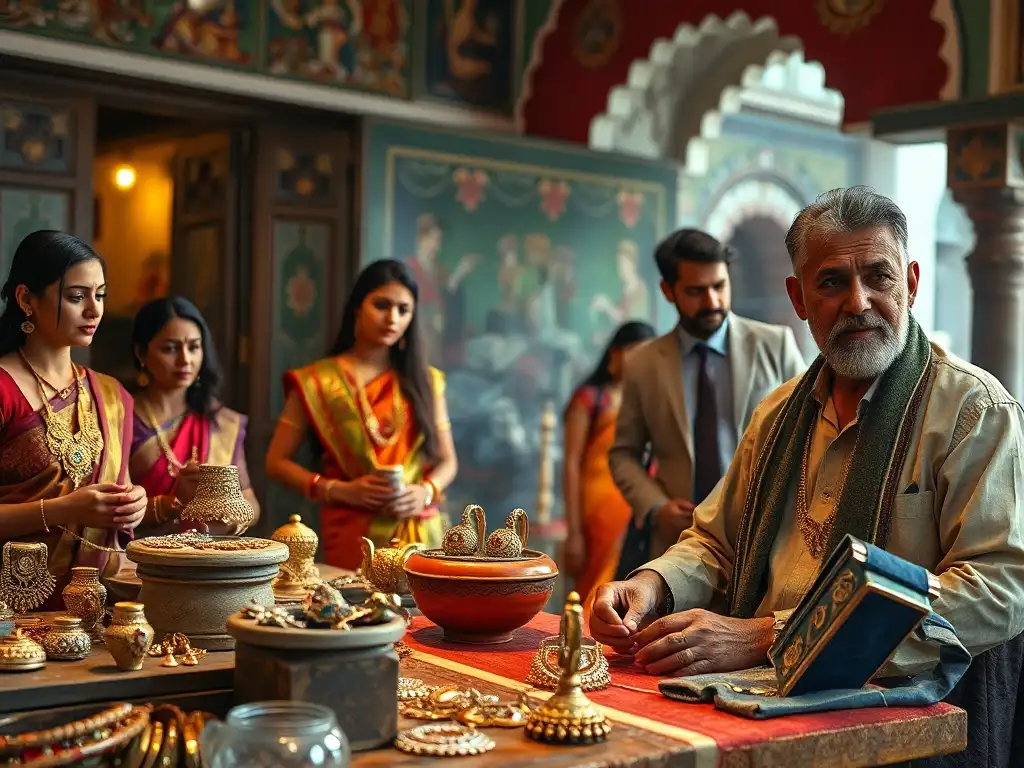
The export of ancient Indian jewelry is not just about selling products; it's about conveying a story that resonates with global customers. The intricate designs, historical significance, and cultural heritage embedded in each piece can captivate an international audience. To successfully market ancient Indian jewelry, businesses must adopt strategies that highlight these unique attributes while leveraging modern marketing tools.
Creating an Effective Brand Story: Connecting with Customers
A compelling brand story can be the cornerstone of your marketing strategy. It helps establish an emotional connection with customers, making them more likely to purchase and advocate for your brand.
- Historical Significance: Emphasize the rich history of ancient Indian jewelry, such as its use in royal courts or during significant cultural ceremonies. For example, you could tell the story of how certain motifs were inspired by ancient texts or architectural wonders, such as the intricate carvings found in temples.
- Cultural Relevance: Highlight the cultural significance of the jewelry pieces. Discuss how they are not just adornments but also carry meanings associated with traditions, rituals, and festivals in ancient India. This can appeal to customers looking for authentic cultural artifacts.
- Craftsmanship and Artistry: Focus on the craftsmanship involved in creating each piece. Share stories of artisans and their skills, the techniques passed down through generations, and the materials used, such as gold, silver, and precious stones.
- Sustainability: In a world increasingly concerned with ethical consumption, showcasing sustainable practices in sourcing materials and supporting local artisans can enhance your brand's appeal.
Social media platforms are vital tools for promoting ancient Indian jewelry. They allow businesses to reach a wider audience and engage directly with potential customers.
- Visual Platforms: Leveraging platforms like Instagram and Pinterest, which are highly visual, is essential for showcasing the intricate details of jewelry. High-quality images and videos can highlight the craftsmanship and unique features of each piece.
- Storytelling through Posts: Utilize storytelling in your posts to share the journey of the jewelry from creation to completion. This could include behind-the-scenes looks at the artisans at work or the history behind specific designs.
- Engagement and Interaction: Actively engage with your audience by responding to comments and messages. Creating polls or questions about preferences can also foster a sense of community and loyalty among followers.
- Influencer Collaborations: Partnering with influencers who resonate with your target market can amplify your reach. Look for influencers who appreciate heritage and craftsmanship, as they can authentically promote your brand.
High CPC Advertising: Google Ads and Facebook Campaigns for Jewelry
Investing in high Cost-Per-Click (CPC) advertising can significantly enhance visibility and drive traffic to your jewelry business.
- Google Ads: Crafting targeted Google Ads that use keywords such as "ancient Indian jewelry" or "traditional Indian jewelry export" can help reach customers actively searching for such products. Focus on creating compelling ad copy that highlights the unique aspects of your jewelry, including its heritage and craftsmanship.
- Facebook Campaigns: Facebook allows for precise targeting based on demographics, interests, and behaviors. You can create campaigns that specifically target audiences interested in culture, history, and crafts. Use visually engaging content, such as videos or carousel ads showcasing multiple pieces of jewelry.
- Retargeting Strategies: Implement retargeting strategies to reach customers who have previously visited your site but did not make a purchase. Tailored ads featuring the specific items they viewed can encourage them to return and complete their purchase.
- Monitoring and Optimization: Continuously monitor the performance of your ads to understand what works and what doesn’t. Adjust your strategies based on data analytics to optimize ad spend and improve ROI.
By focusing on these marketing strategies, businesses can effectively promote ancient Indian jewelry to global customers, highlighting the unique attributes that make them not only beautiful adornments but also meaningful cultural artifacts.
Engaging with Customers: The Sales Process
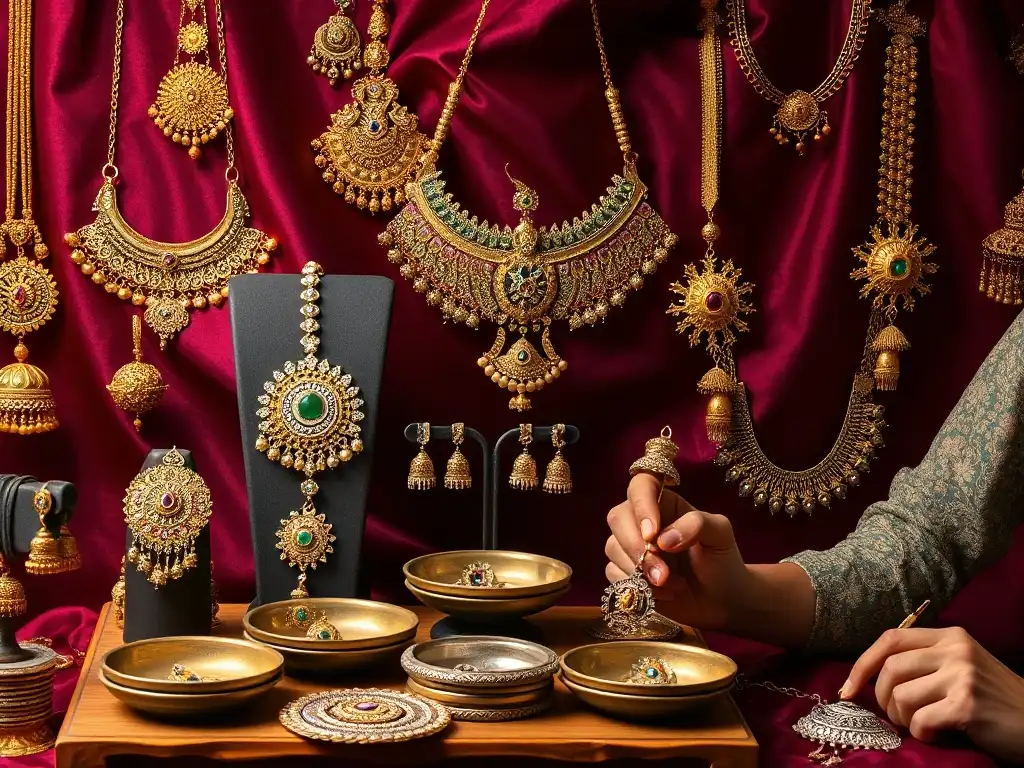
Engaging with customers effectively is crucial in the jewelry export business, particularly when dealing with the rich legacy of Ancient Indian jewelry. Building a robust sales process revolves around understanding your target market, creating a compelling sales pitch, and fostering lasting relationships.
Crafting an Irresistible Sales Pitch for Jewelry
A captivating sales pitch can make a significant difference in attracting global customers. Here's how to create one that resonates:
-
Highlight Cultural Significance:
- Emphasize the historical roots of Ancient Indian jewelry, such as its connection to royalty, spirituality, or traditional craftsmanship.
- Use storytelling techniques to weave narratives about the origins and significance of specific pieces.
-
Showcase Craftsmanship:
- Detail the intricate designs and the craftsmanship involved in creating the jewelry. Consider using visuals or videos to illustrate the production process.
- Mention the use of traditional techniques such as meena work, filigree, or kundan, which can captivate customers interested in authenticity.
-
Tailor the Message:
- Adapt your pitch to the cultural context of your target audience. For example, luxury markets in Western countries may respond well to exclusivity, while customers in South Asia might appreciate the cultural heritage.
- Use emotional appeal in your pitch by connecting jewelry to significant life events like weddings or festivals.
-
Leverage Testimonials:
-
Incorporate feedback or testimonials from previous customers to build trust. This can be presented in a quote format:
The craftsmanship of the jewelry was remarkable, and the story behind each piece made my purchase even more special.
– A Satisfied Customer
-
-
Utilize Digital Platforms:
- In today's digital age, a strong online presence is essential. Use social media, websites, and e-commerce platforms to reach a wider audience.
- Consider creating engaging content, such as blogs or videos, that can educate potential customers about Ancient Indian jewelry.
Customer Relationship Management: Building Loyalty
Once you've attracted customers, maintaining relationships is key to fostering loyalty. Implement these strategies to enhance customer satisfaction:
- Personalized Communication:
- Utilize customer data to send personalized messages, offers, and updates. Make customers feel valued by remembering their preferences and past purchases.
- After-Sales Support:
- Provide exceptional after-sales service, including easy return policies and prompt responses to inquiries. This reassures customers that their satisfaction is a priority.
- Loyalty Programs:
- Introduce loyalty programs that reward repeat customers with discounts, special offers, or exclusive previews of new collections. This not only encourages repeat business but also increases customer lifetime value.
- Engagement through Content:
- Regularly engage with customers through newsletters, offering insights into new trends, care tips for jewelry, and stories about Ancient Indian jewelry. This keeps your brand top-of-mind.
Showcase Success Stories: Real-Life Examples of Jewelry Exporters
Learning from the experiences of successful jewelry exporters can provide valuable insights. Here are a few real-life examples that demonstrate effective practices:
- Kundan Jewelry Exporter:
- A small exporter specializing in Kundan jewelry built a solid customer base by emphasizing their handcrafted techniques and sharing the historical significance of their pieces. They leveraged social media platforms to showcase customer testimonials and the intricacies of their work, leading to a 50% increase in international sales over two years.
- Ethical Jewelry Brand:
- An exporter focusing on ethically sourced materials gained a loyal clientele by promoting transparency in their supply chain. They used storytelling to connect their products with the cultural heritage of the artisans involved, appealing to customers' growing interest in ethical consumption. As a result, they experienced a remarkable boost in brand loyalty and repeat purchases.
- Custom Jewelry Designer:
- A custom jewelry designer based in Jaipur successfully entered the global market by creating personalized pieces for clients. They offered an extensive consultation process to understand customer preferences and provided a unique experience that set them apart. This approach led to numerous referrals and a growing reputation in international markets.
By exploring these strategies and learning from successful exporters, you can enhance your approach to the Ancient Indian jewelry export market, ultimately captivating global customers and building a thriving business.
Leveraging E-commerce Platforms for Jewelry Export
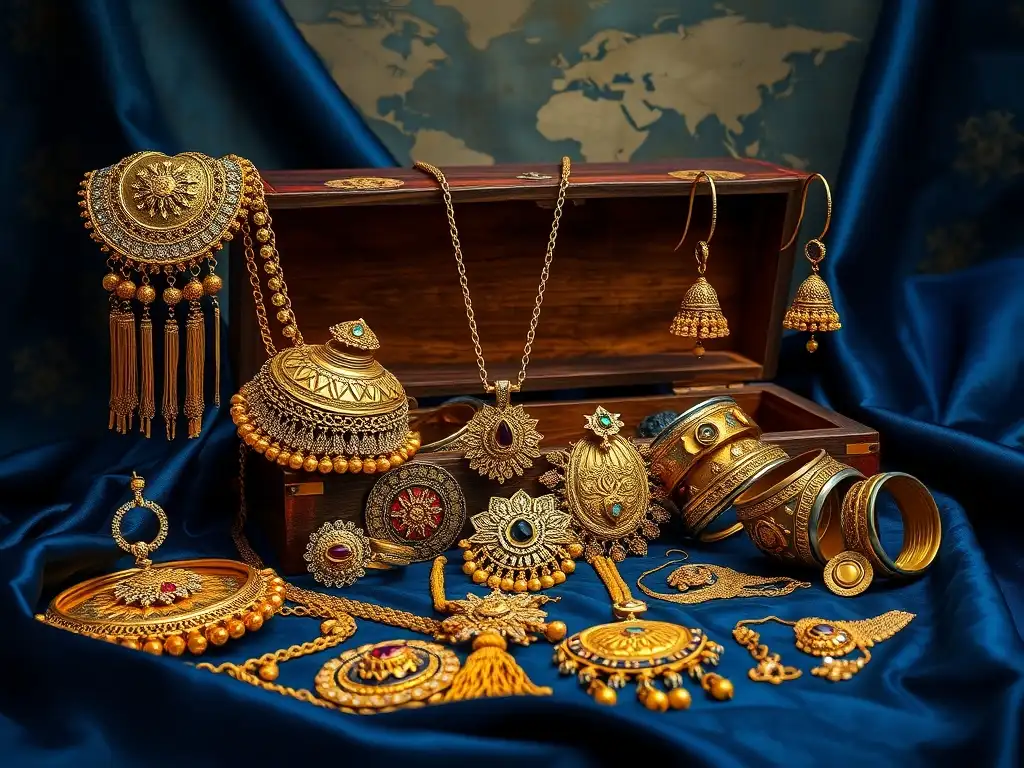
Leveraging e-commerce platforms is crucial for successfully exporting ancient Indian jewelry to a global market. With the rise of digital commerce, artisans and exporters have access to a vast audience that appreciates the unique craftsmanship and cultural significance of Indian jewelry. By effectively utilizing these platforms, sellers can enhance their visibility, streamline transactions, and build a loyal customer base.
Best E-commerce Platforms for Selling Ancient Indian Jewelry
When it comes to exporting ancient Indian jewelry, selecting the right e-commerce platform can make a significant difference. Here are some of the best options tailored for this niche:
- Etsy
- Focus: Handmade and unique items
- Advantages:
- Large audience seeking artisanal products
- Tools for customization and marketing
- Community of passionate buyers
- Amazon Handmade
- Focus: Artisanal and handcrafted goods
- Advantages:
- Access to Amazon's massive customer base
- Trust and credibility associated with the Amazon brand
- Fulfillment services to simplify shipping
- Shopify
- Focus: Customizable online stores
- Advantages:
- Full control over branding and customer experience
- Various payment gateways and shipping options
- Extensive apps and integrations for enhanced functionality
- eBay
- Focus: Auctions and direct sales
- Advantages:
- Global reach with diverse buyer demographics
- Flexibility in pricing strategies (auction vs. fixed price)
- Established platform with a reputation for antique and collectible items
- ArtFire
- Focus: Handmade and vintage items
- Advantages:
- Niche audience interested in artisanal products
- Support for small businesses and independent artisans
- Tools for marketing and promoting products
These platforms provide unique opportunities for showcasing ancient Indian jewelry, each with its own set of strengths tailored to different selling strategies.
Setting Up Your Online Store: Tips and Tricks
Creating an online store for ancient Indian jewelry involves several key steps to ensure a seamless shopping experience for customers. Here are some essential tips and tricks:
- Choose a Memorable Name: Select a store name that reflects the essence of ancient Indian jewelry, making it easy for customers to remember and find.
- High-Quality Imagery: Invest in professional photography to capture the intricate details of your jewelry. Use multiple angles and close-ups to showcase craftsmanship.
- Compelling Descriptions: Write informative and engaging product descriptions that highlight the history, cultural significance, and materials used in each piece. Include keywords like "ancient Indian jewelry" for SEO.
- User-Friendly Navigation: Organize your store into categories (e.g., necklaces, earrings, bracelets) to help customers easily find what they’re looking for.
- Mobile Optimization: Ensure your store is mobile-friendly, as many customers shop from their smartphones. A responsive design can enhance user experience.
- Clear Policies: Clearly outline shipping, return, and exchange policies to build trust and transparency with customers.
- Engage with Customers: Utilize social media and email marketing to connect with potential buyers, share stories about the jewelry, and inform them about new arrivals.
By implementing these tips, sellers can create a compelling online presence that attracts and retains customers interested in ancient Indian jewelry.
Optimizing Product Listings with High CPC Keywords
To maximize visibility and sales, optimizing product listings with high-cost-per-click (CPC) keywords is essential. Here are strategies to effectively incorporate these keywords:
- Keyword Research: Use tools like Google Keyword Planner or SEMrush to identify high CPC keywords relevant to ancient Indian jewelry. Look for terms with significant search volume and buyer intent.
- Title Optimization: Incorporate primary keywords into product titles. For example, "Handcrafted Silver Necklace - Ancient Indian Jewelry."
- Strategic Placement: Place keywords naturally in product descriptions, bullet points, and tags. Avoid keyword stuffing, which can lead to a poor user experience and lower search rankings.
- Utilize Long-Tail Keywords: Target specific phrases that potential buyers might use, such as "vintage Indian gold earrings" or "traditional Kundan jewelry." These can attract more qualified traffic.
- Monitor Performance: Regularly analyze the performance of your keywords and adjust your strategy based on what’s driving traffic and conversions. A/B testing different titles and descriptions can yield valuable insights.
- Leverage Customer Reviews: Encourage customers to leave reviews that may contain relevant keywords. This not only improves SEO but also builds credibility.
By focusing on high CPC keywords and optimizing listings accordingly, sellers can enhance their online visibility and attract global customers interested in ancient Indian jewelry.
Conclusion: Key Takeaways on Ancient Indian Jewelry Export Tips
The export of ancient Indian jewelry presents a unique opportunity for businesses aiming to captivate global customers. By understanding the nuances of this rich tradition, exporters can leverage the historical and cultural significance of ancient Indian jewelry to create compelling narratives that resonate with international markets. Here are some key takeaways to keep in mind:
- Cultural Significance: Ancient Indian jewelry is not merely decorative; it embodies centuries of tradition, artistry, and cultural heritage. Highlighting this aspect can enhance the emotional appeal of your products.
- Quality Craftsmanship: The intricate craftsmanship typical of ancient jewelry pieces is a significant selling point. Emphasize the skill and dedication of artisans involved in the creation of each piece.
- Diverse Designs: With a variety of styles from different regions, such as Kundan, Meenakari, and Temple jewelry, it's essential to curate a diverse product line that caters to varying tastes and preferences in global markets.
- Sustainable Practices: Modern consumers are increasingly mindful of sustainability. Promote ethical sourcing of materials and responsible manufacturing practices to align with global values.
Final Thoughts on Captivating Global Jewelry Customers
To successfully captivate global customers, it's vital to create a brand story that connects them emotionally to the products. Here are additional strategies:
- Utilize Digital Marketing: Leverage social media platforms and e-commerce websites to showcase your jewelry. High-quality images and engaging videos can highlight the intricate details and allure of your products.
- Engage with Influencers: Collaborating with fashion influencers and jewelry bloggers can help amplify your reach and credibility in international markets. Their endorsements can significantly boost customer interest.
- Participate in Trade Shows: Attending international trade fairs provides an excellent opportunity to showcase your jewelry and network with potential buyers. It also allows you to gauge market trends and consumer preferences firsthand.
By combining these strategies with a deep appreciation for the heritage of ancient Indian jewelry, businesses can carve out a niche in the global marketplace.
Encouraging Action: Start Your Export Journey Today
Ready to embark on your journey of exporting ancient Indian jewelry? Here’s how to get started:
- Research Your Market: Identify key markets that appreciate the uniqueness of ancient Indian jewelry. Analyze competitors and customer preferences to tailor your offerings.
- Develop a Business Plan: Draft a comprehensive business plan that outlines your goals, marketing strategies, and financial projections. This will serve as a roadmap for your export journey.
- Source Materials and Artisans: Build relationships with local artisans and suppliers to ensure high-quality production. This not only supports local craftsmanship but also adds authenticity to your brand.
- Set Up Logistics: Establish reliable shipping and logistics partners to streamline the export process. Understanding customs regulations and duties in your target markets will also be crucial.
By taking these actionable steps, you’re well on your way to successfully exporting ancient Indian jewelry and captivating customers worldwide. 🌍✨
Frequently Asked Questions
What are the key factors to consider when exporting jewelry from India?
When exporting jewelry from India, it's essential to understand market trends, cultural preferences, and regulatory requirements in your target countries to ensure successful sales.
How can I ensure the quality of jewelry for export?
To maintain high quality, collaborate with reputable artisans and suppliers, perform thorough quality checks, and obtain necessary certifications that reflect craftsmanship and authenticity.
What are some effective marketing strategies for Indian jewelry?
Utilize digital marketing, including social media platforms and online marketplaces, to showcase the unique designs and craftsmanship of Indian jewelry, attracting a global audience.
Are there specific export regulations for jewelry in India?
Yes, exporters must comply with BIS standards, obtain necessary export licenses, and adhere to customs regulations to ensure a smooth export process.
How can I price my jewelry competitively for international markets?
Consider factors like production costs, market demand, and shipping expenses. Offering competitive pricing while highlighting the unique value of Indian jewelry can attract global customers.
Final Reflection: Embracing the Legacy of Ancient Indian Jewelry in Global Markets
The timeless allure of ancient Indian jewelry is not just a relic of the past; it is a vibrant thread woven into the fabric of contemporary global commerce. As we explore the intricacies of exporting this exquisite craftsmanship, we recognize that the demand for authentic, culturally rich products is more significant than ever. The global marketplace is evolving, and with it, the opportunity to share the beauty and history of Indian jewelry with discerning customers worldwide is ripe for the taking.
The influence of ancient Indian jewelry extends beyond mere aesthetics; it embodies stories, traditions, and a rich heritage that resonates with people across cultures. As we navigate the complexities of international trade, it is essential to remember that each piece carries with it the essence of its origin. Jewelry is a way of keeping memories alive,
said renowned designer Manish Arora, highlighting the emotional connection that transcends borders. This connection not only enhances the value of the jewelry but also fosters a deeper appreciation for the craftsmanship and cultural significance behind each creation.
As you reflect on the insights shared in this article, I invite you to consider how you can incorporate these ancient Indian jewelry export tips into your own journey. Whether you are an artisan, entrepreneur, or simply an admirer of this beautiful craft, take a moment to appreciate the stories that each piece tells and the potential they hold in captivating global customers. Let us honor the legacy of our ancestors by sharing their artistry with the world, ensuring that the beauty of ancient Indian jewelry continues to shine brightly for generations to come.
Unlock Global Markets for Your Jewelry Today!
Thank you for diving into the world of jewelry export from India! By exploring this article, you've equipped yourself with valuable insights to attract and captivate global customers. Now, it's time to put that knowledge into action!
- Start your export journey by researching potential markets to understand which styles and materials resonate with customers around the world.
- Engage in online communities focused on jewelry exporting to connect with like-minded individuals and gather tips from experienced professionals in the field.
- Consider partnering with local artisans to create unique pieces that reflect your brand's story and cultural heritage, setting you apart in a competitive marketplace.
What distinctive designs or cultural elements from your collection will you showcase to attract international buyers?