
Ancient Indian Cuisine: The Occupations Behind Traditional Dishes

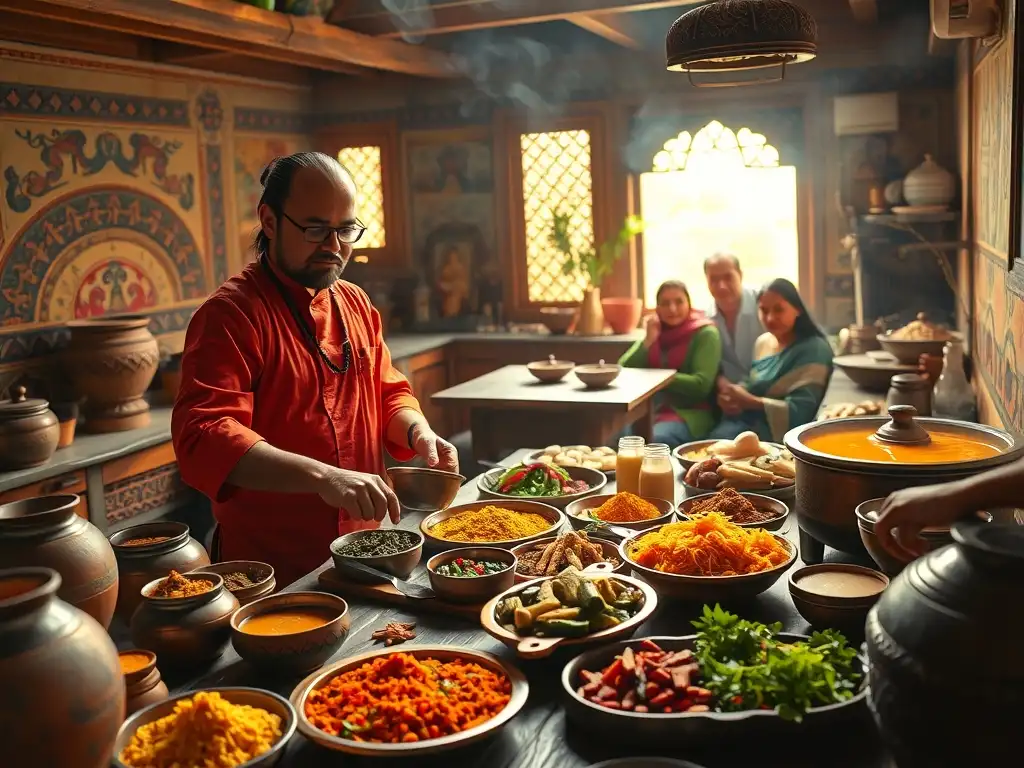
Welcome to Ancient India History, where we embark on a fascinating journey through the rich tapestry of India's past. Here, we delve deep into the ancient Indian culinary traditions that have shaped the palates and practices of generations. In our featured article, "Ancient Indian Cuisine: The Occupations Behind Traditional Dishes," we uncover the intriguing connections between daily life, societal roles, and the flavorful dishes that have endured through time.
Join us as we explore the culinary heritage that not only tantalizes the taste buds but also tells the story of a civilization's evolution. Are you ready to discover the secrets behind these timeless recipes? Let the exploration begin!
- Ancient Indian Culinary Traditions: Understanding the Occupations Behind Traditional Dishes
- Historical Context of Ancient Indian Cuisine
- Key Occupations Influencing Ancient Indian Culinary Traditions
- Traditional Cooking Techniques and Tools
- Regional Variations in Ancient Indian Culinary Traditions
- Rituals and Cultural Significance of Food in Ancient India
- Conclusion: Legacy of Ancient Indian Culinary Traditions
- Frequently Asked Questions
- Final Reflection: The Enduring Legacy of Ancient Indian Culinary Traditions
- Dive Deeper Into the Flavors of Ancient India!
Ancient Indian Culinary Traditions: Understanding the Occupations Behind Traditional Dishes
Introduction to Ancient Indian Culinary Traditions
The culinary landscape of ancient India is a vibrant tapestry woven from a multitude of influences, practices, and ingredients that reflect the richness of its civilizations. From the sophisticated urban centers of the Indus Valley to the flourishing courts of the Gupta Empire, food has always been more than mere sustenance; it embodies culture, tradition, and identity. Ancient Indian culinary traditions are characterized by their diverse regional flavors, methods of cooking, and the social structures that have shaped them, providing not just nourishment but also a sense of community.
As we delve into the depths of these culinary practices, it becomes evident that the occupations of those who prepared, served, and consumed food played a crucial role in the development of these traditions. Various labor systems, from farmers to artisans to merchants, contributed to the intricate relationship between food and society. Understanding these connections not only sheds light on the historical significance of ancient Indian cuisine but also allows us to appreciate the enduring legacy of these culinary practices in contemporary India.
The Role of Occupations in Shaping Culinary Practices
The rich tapestry of ancient Indian culinary traditions cannot be disentangled from the occupations that supported them. Each profession within the spectrum of food preparation and distribution added unique ingredients, techniques, and cultural significance to the culinary narrative. Here, we explore several key occupations that played a pivotal role in shaping ancient Indian cuisine:
- Agriculture:
- Farmers were the backbone of the ancient Indian economy, cultivating a variety of crops such as rice, wheat, barley, and millet. Their agricultural practices not only determined the availability of ingredients but also influenced regional cuisines based on local produce.
- Artisans and Cooks:
- Skilled cooks and artisans specialized in the preparation of traditional dishes, often passed down through generations. Their expertise in blending spices and cooking techniques contributed to the distinctive flavors of regional cuisines.
- Merchants and Traders:
- Trade routes facilitated the exchange of spices, herbs, and culinary techniques across regions. This interaction enriched local cuisines and led to the incorporation of foreign ingredients and methods, enhancing the complexity of traditional dishes.
- Religious and Ritual Specialists:
- Certain occupations were tied to religious practices, with specific foods prepared for rituals and festivals. These culinary traditions often held symbolic meaning, reinforcing cultural values and collective identity.
Through this exploration, it becomes clear that the occupations within ancient Indian society were not only essential for food production and preparation but also served as a bridge connecting culinary traditions with societal norms and practices. The legacy of these ancient culinary occupations continues to influence modern Indian cuisine, showcasing the enduring importance of food in the cultural fabric of India.
Historical Context of Ancient Indian Cuisine
Overview of Ancient Indian Civilizations
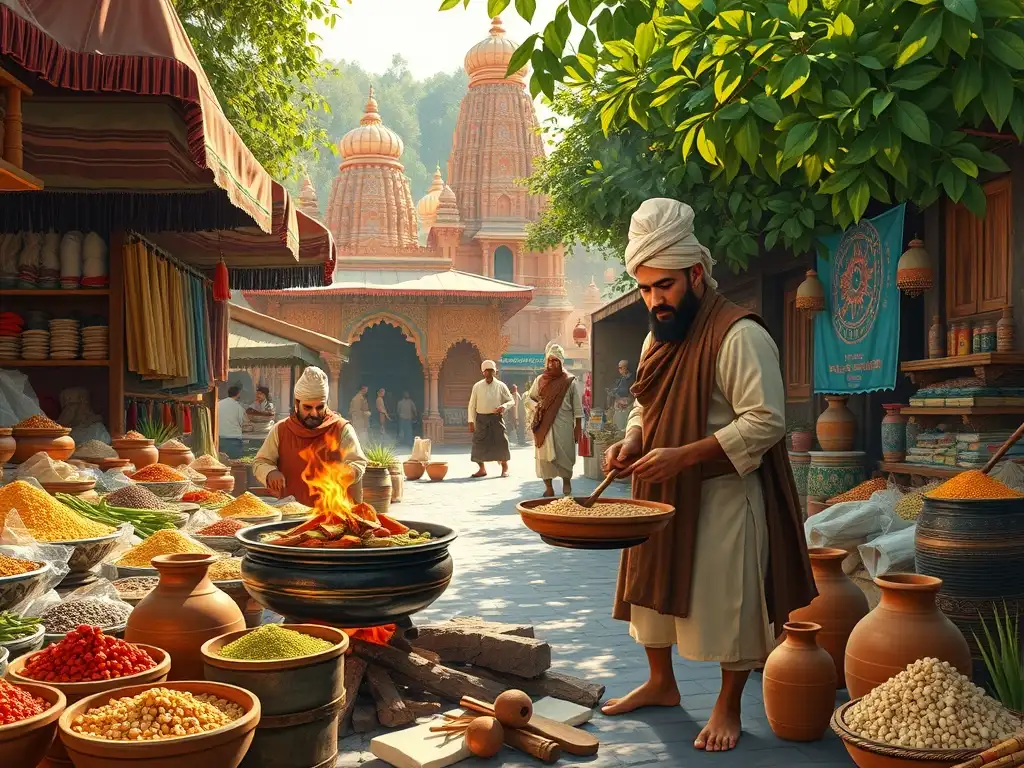
Ancient Indian civilizations, notably the Indus Valley Civilization, Vedic Period, and the Maurya and Gupta Empires, laid the groundwork for what we now recognize as ancient Indian culinary traditions. Each civilization contributed unique ingredients, cooking methods, and food practices that reflect their social structures, economic activities, and cultural values.
The Indus Valley Civilization (circa 3300–1300 BCE) is one of the earliest urban cultures in the world, known for its advanced agricultural practices. Archaeological findings suggest that they cultivated wheat, barley, and legumes, which became staples in the Indian diet. Their cities featured granaries, indicating the importance of grain storage and trade.
During the Vedic Period (1500–500 BCE), food became not just sustenance but also an integral part of rituals and social functions. Texts like the Rigveda mention various food items, including dairy products, fruits, and grains, emphasizing the concept of ahimsa (non-violence), which influenced dietary habits, particularly vegetarianism.
The Maurya Empire (322–185 BCE) and the subsequent Gupta Empire (circa 240–550 CE) saw further diversification in cuisine, influenced by trade routes that connected India with other civilizations. Spices, which are now synonymous with Indian cuisine, gained prominence during this time, with texts such as Sushruta Samhita highlighting their medicinal properties.
Influence of Geography on Food Production and Occupations
Geography played a pivotal role in shaping ancient Indian culinary traditions and the occupations associated with food production. The diverse landscapes of India, from fertile river valleys to arid deserts, influenced what crops could be cultivated and how food was prepared.
- The Indus River Valley: This region was ideal for agriculture due to its rich alluvial soil. Farmers cultivated a variety of crops, including wheat and barley. The abundance of water sources facilitated irrigation, allowing for stable food production.
- The Ganges Plain: Known for its lush landscapes, this area supported a thriving agricultural economy. It was here that rice cultivation began, with the crop becoming a staple in northern India. The fertile plains also promoted the development of occupations such as farming, fishing, and animal husbandry.
- Western and Southern India: The coastal regions were crucial for fishing and salt production, while the Western Ghats were known for spices and tropical fruits. The spice trade became a significant economic activity, leading to the establishment of various occupations centered around spice cultivation, processing, and trade.
- Desert Regions: In arid areas like Rajasthan, the scarcity of water meant that food production was limited. People relied on drought-resistant crops and livestock for sustenance. This geographical challenge fostered a culture of preservation, leading to the development of techniques such as sun-drying and pickling.
The interplay between ancient Indian civilizations and their geography created a rich tapestry of culinary traditions that reflect the diverse occupations related to food production. These traditions not only nourished the people but also played a significant role in social and economic interactions, shaping the intricate history of ancient Indian cuisine.
Key Occupations Influencing Ancient Indian Culinary Traditions
Agriculture: The Foundation of Ancient Indian Diet
Agriculture played a crucial role in shaping the ancient Indian culinary traditions, serving as the backbone of the diet and influencing various aspects of cultural practices and cuisine. With a rich tapestry of climatic regions, ancient India produced a diverse array of crops that formed the basis of its culinary identity.
Major Crops and Their Impact on Cuisine
The agricultural practices of ancient India revolved around several staple crops, which significantly influenced the dietary habits of its people. Key crops included:
- Rice: Predominantly grown in the eastern and southern regions, rice became a staple food and was incorporated into numerous dishes, such as idli and biryani.
- Wheat: Primarily cultivated in the northern plains, wheat was essential for making roti and paratha, which are integral to ancient Indian meals.
- Millets: Varieties like jowar and bajra served as important food sources, especially in arid regions, highlighting the adaptability of ancient Indian cuisine.
- Pulses: Lentils and beans were vital protein sources, used in dishes like dal, demonstrating the ancient understanding of balanced nutrition.
These crops not only provided sustenance but also shaped culinary techniques and flavors, with spices and herbs being used to enhance the taste of staple foods.
Seasonal Practices and Harvest Festivals
The agricultural calendar in ancient India was marked by various seasonal practices and harvest festivals, which celebrated the abundance of crops and fostered community bonding. Key festivals included:
- Makar Sankranti: Celebrated to mark the harvest of winter crops, this festival featured traditional sweets made from freshly harvested sugarcane and sesame seeds.
- Pongal: In Tamil Nadu, the harvest festival celebrated with the cooking of a special rice dish called Pongal, showcasing the significance of rice in the region's culinary traditions.
- Baisakhi: Marking the harvest of wheat in Punjab, this festival involved feasting on dishes like biryani and ladoo, emphasizing the connection between agriculture and cuisine.
These festivals not only highlighted the significance of agriculture in daily life but also served as occasions to share traditional dishes, thereby preserving culinary customs through generations.
Animal Husbandry: Livestock and Dairy in Ancient India
Animal husbandry complemented agriculture, providing essential resources that enriched ancient Indian culinary traditions. Livestock farming was prevalent, and various animals contributed significantly to the diet and economy.
Types of Livestock and Their Significance
In ancient India, several types of livestock were raised, each serving unique purposes in culinary practices:
- Cattle: Revered in Hindu culture, cows provided milk and were integral to the production of dairy products, including ghee and yogurt, which were staples in many traditional dishes.
- Goats and Sheep: These animals were primarily raised for meat, with dishes like mutton curry being popular in various regions, showcasing the diverse use of animal products in ancient cuisines.
- Poultry: Chickens and ducks were also raised, contributing to the protein intake of ancient Indian households.
The presence of livestock not only enriched the diet but also facilitated trade and economic stability, as these animals were valued assets in ancient society.
Dairy Products in Traditional Dishes
Dairy products formed a cornerstone of ancient Indian culinary traditions, deeply embedded in both daily meals and festive occasions. Key dairy products include:
- Ghee: Clarified butter, considered sacred, was used in cooking and rituals, enhancing the flavor of dishes and adding nutritional value.
- Yogurt: Embraced for its probiotic properties, yogurt was served as a side dish or in preparations like raita, complementing spicy meals.
- Paneer: This fresh cheese became a prominent ingredient in vegetarian dishes, such as paneer tikka and palak paneer, reflecting the agricultural abundance and culinary creativity of ancient India.
The integration of dairy into ancient Indian cuisine not only illustrates the resourcefulness of ancient communities but also underscores the importance of animal husbandry in developing a diverse and flavorful culinary heritage.
Fishing and Aquaculture: Coastal Contributions to Cuisine
The coastal regions of ancient India played a significant role in shaping the culinary traditions of the subcontinent. With an extensive coastline along the Arabian Sea and the Bay of Bengal, these areas not only served as a source of marine resources but also as vibrant centers of trade and cultural exchange. Fishing and aquaculture were crucial occupations, providing communities with access to a variety of seafood that became integral to their diets and culinary practices.
Fishing Practices in Ancient Indian Societies
Fishing in ancient India was not merely a means of sustenance; it was a well-organized activity that involved specific techniques and tools. Communities developed various fishing methods, from simple nets and traps to larger boats that ventured further into the ocean. Some of the notable practices included:
- Net Fishing: Fishermen used nets made from natural fibers to catch fish in rivers and coastal waters.
- Trap Fishing: Constructed traps allowed for the capture of fish during high tides.
- Dhani: This method involved using a form of fish aggregating devices to attract larger fish, showcasing an understanding of marine behavior.
The knowledge and skills passed down through generations ensured that fishing remained a sustainable practice. Coastal communities often celebrated their fishing heritage through local festivals, rituals, and culinary traditions that honored the sea and its bounty.
Culinary Dishes Inspired by Marine Resources
The abundance of marine life fostered the development of a diverse array of culinary dishes. Ancient Indian coastal cuisine featured numerous recipes centered around seafood, each reflecting regional flavors and techniques. Some examples include:
- Fish Curry: A staple in many coastal states, this dish typically incorporates spices like turmeric, coriander, and chili, cooked in coconut milk or tamarind for a unique flavor.
- Prawn Masala: A popular dish made with fresh prawns, sautéed with onions, tomatoes, and a blend of spices, showcasing the rich flavors of the region.
- Seafood Biryani: Combining marinated fish or prawns with fragrant rice and spices, this dish symbolizes the cultural fusion along the trade routes.
These culinary creations not only highlight the importance of fishing but also reflect the interconnectedness of different cultures and traditions along the coast.
Craftsmanship and Trade: The Spice Route and Beyond
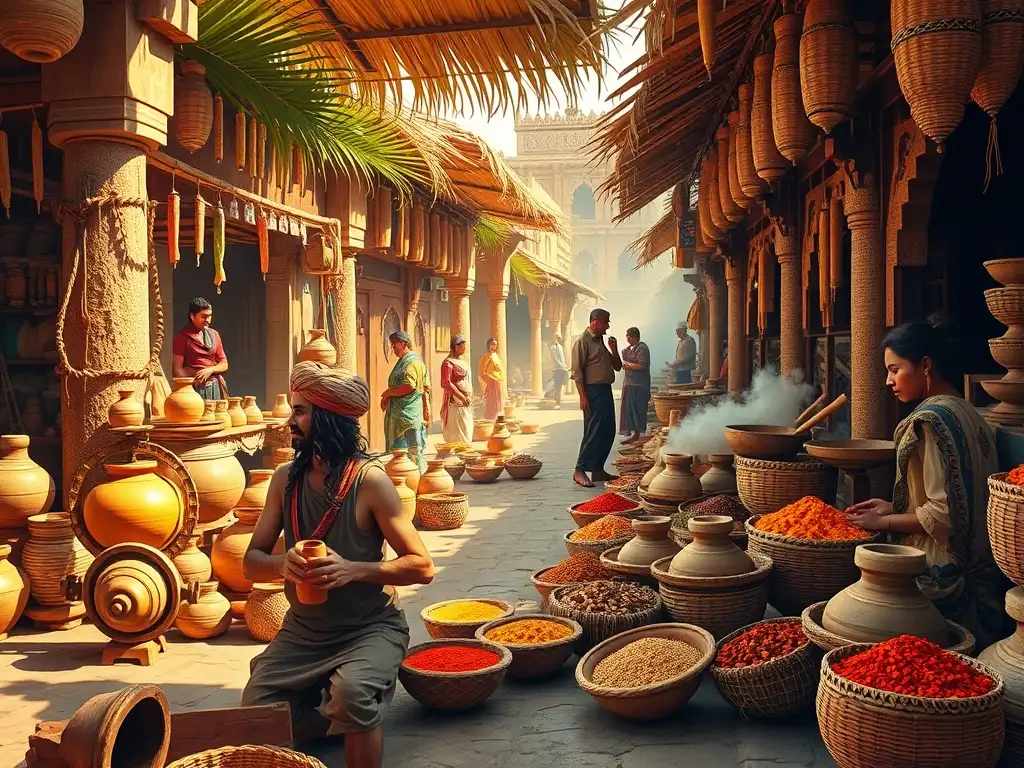
The ancient Spice Route was pivotal in promoting culinary diversity within India and beyond. This network of trade routes facilitated the exchange of spices and other goods, transforming culinary practices and flavors across regions. The spice trade thrived due to the rich biodiversity of the Indian subcontinent, with various regions producing distinct spices that became staples in cooking.
Role of Spices in Ancient Indian Cooking
Spices were not just flavor enhancers; they held significant cultural and medicinal value in ancient Indian society. Common spices included:
- Turmeric: Known for its antiseptic properties and vibrant color, it was used in many dishes.
- Black Pepper: Often referred to as “black gold,” it was highly sought after in international markets for its flavor and preservative qualities.
- Cumin and Coriander: These spices were essential in creating the complex flavors characteristic of Indian cuisine.
The use of spices allowed for a variety of culinary experiments, leading to the development of unique regional dishes. Ancient texts, including the Ayurvedic texts, often documented the health benefits of spices, further integrating them into daily life and cooking practices.
Trade Networks and Their Influence on Culinary Diversity
The trade networks established through the Spice Route connected India with various civilizations, including the Romans, Arabs, Persians, and Chinese. This interaction resulted in the exchange of not only spices but also culinary ideas and techniques.
Key influences included:
- Introduction of New Ingredients: The arrival of foreign spices like saffron and cardamom enriched local cuisines.
- Fusion Dishes: The blending of culinary practices led to the creation of dishes that combined Indian and foreign flavors, such as the Mughlai cuisine that emerged during the Delhi Sultanate and Mughal Empire.
- Culinary Techniques: Methods of preservation and cooking, such as drying and smoking, were influenced by trading partners, further diversifying Indian culinary practices.
The rich tapestry of ancient Indian culinary traditions owes much to these occupations, which not only shaped the local food landscape but also contributed to a broader understanding and appreciation of global flavors.
Traditional Cooking Techniques and Tools
Earthenware and Cooking Implements
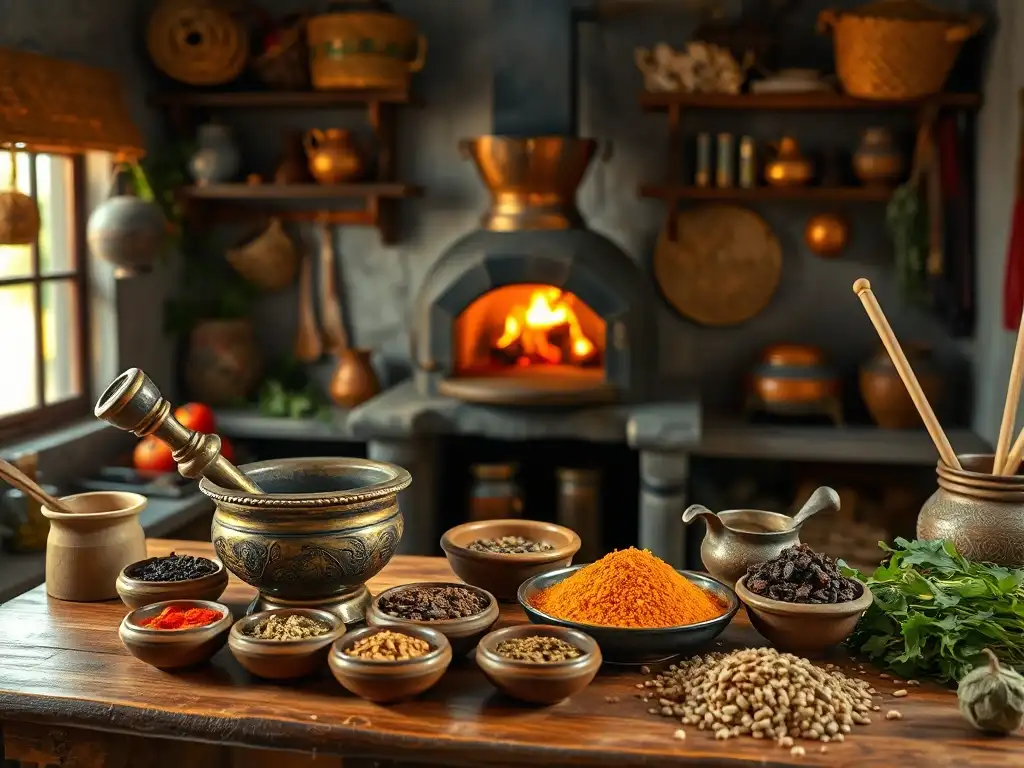
The foundation of ancient Indian culinary traditions lies in the use of natural materials and techniques that have been passed down through generations. Earthenware pots and utensils played a pivotal role in cooking practices across various regions of India. These vessels, made from clay, offered a unique blend of functionality and flavor enhancement.
Types of Earthenware:
- Handi: A deep, round pot used for slow cooking, making it ideal for curries and stews.
- Tandoor: A cylindrical clay oven that is integral to dishes like naan and tandoori meats, infusing a distinct smoky flavor.
- Chulha: A traditional stove made from clay or brick, often used for open-fire cooking.
The porous nature of earthenware allows for even heat distribution, which is critical for many traditional cooking methods. Moreover, cooking in these pots is believed to impart minerals to the food, enhancing its nutritional value.
Methods of Food Preservation and Storage
Food preservation was essential for ancient Indian civilizations, allowing them to sustain their communities through seasonal changes and agricultural cycles. Numerous techniques were employed, reflecting the ingenuity of ancient Indian culinary traditions.
Common Preservation Techniques:
- Drying: Fruits, vegetables, and grains were sun-dried to remove moisture, preventing spoilage.
- Fermentation: Techniques such as making pickles and yogurt not only preserved food but also enhanced flavors and increased nutritional benefits.
- Salting: Fish and meats were salted to extend their shelf life, a method that was prevalent along coastal regions.
- Oil Preservation: Foods like pickles were submerged in oil, which acted as a barrier against air, thus preventing oxidation.
Storage Containers:
The storage of preserved foods was equally vital. Containers made from clay or metal were commonly used, with some notable examples being:
- Matka: A traditional clay pot used for storing water and other liquids.
- Dabba: Metal or wooden boxes used for storing grains and spices.
These storage methods ensured that ancient Indian culinary traditions not only thrived but also adapted to the challenges of climate and availability of resources, reflecting a deep understanding of both food science and cultural practices.
Traditional cooking techniques and tools, along with effective food preservation methods, played a crucial role in shaping the rich tapestry of ancient Indian cuisine, allowing it to flourish and evolve through the ages.
Regional Variations in Ancient Indian Culinary Traditions
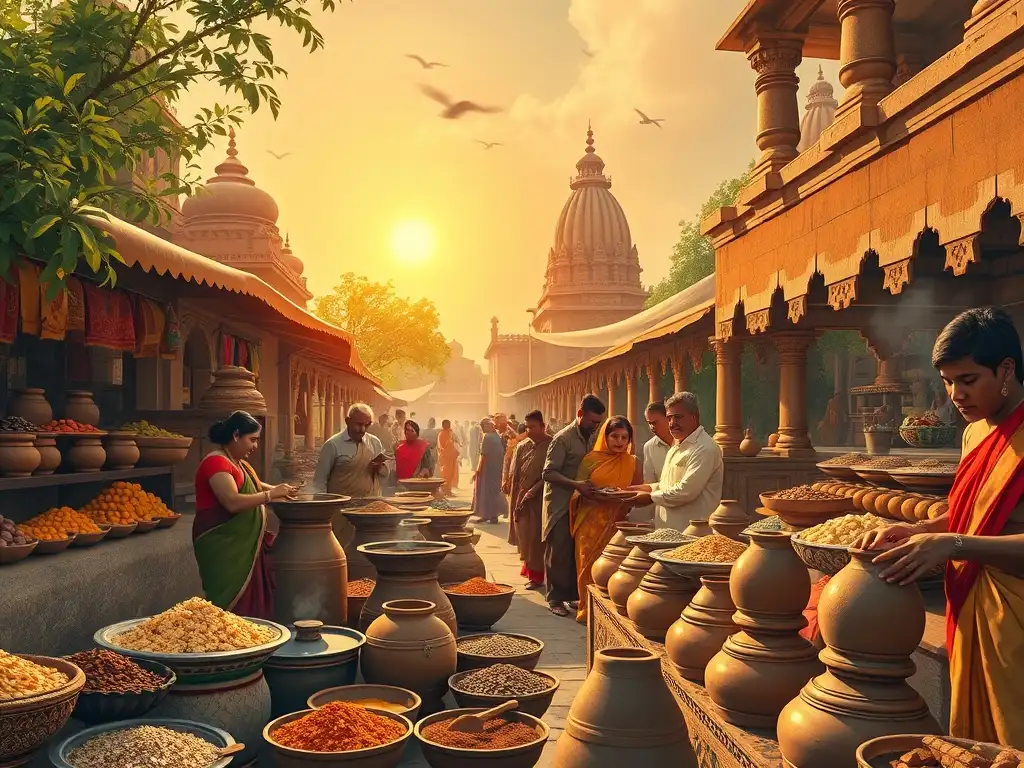
Ancient Indian culinary traditions are a rich tapestry woven from the diverse cultural, geographical, and occupational threads that have shaped the subcontinent. Each region boasts unique culinary practices influenced by local ingredients, climate, and the occupations of its people. Understanding these regional variations provides insight into the complex food systems of ancient India and highlights how occupations influenced traditional dishes.
North Indian Culinary Practices and Occupations
In North India, the culinary landscape is heavily characterized by the agrarian lifestyle, with a focus on wheat-based dishes due to the fertile plains of the Indo-Gangetic region. The primary occupations of this area included farming, which directly influenced the food culture.
- Key Ingredients: Wheat, rice, lentils, dairy products, and an array of spices.
- Traditional Dishes:
- Roti: A staple unleavened bread made from whole wheat flour, typically prepared by women in households and served with various vegetables and lentils.
- Biryani: A rice dish made with marinated meats and spices, often prepared during festive occasions, showcasing the skills of both cooks and butchers.
The food of North India reflects the region's agrarian roots, where the labor of farmers is celebrated through hearty meals that nourish families.
Occupations like dairy farming have also played a critical role, leading to a variety of dairy-based dishes such as paneer (fresh cheese) and lassi (yogurt drink). The presence of spice traders contributed to a vibrant culinary scene, where dishes were often infused with flavors from across the region.
South Indian Cuisine and Its Occupational Influence
In contrast, South Indian cuisine is marked by rice as the staple grain, reflecting the region's climate and agricultural practices. The coastal geography has also made seafood an integral part of the diet.
- Key Ingredients: Rice, lentils, coconut, tamarind, and an assortment of spices.
- Traditional Dishes:
- Idli: Steamed rice cakes typically served with sambar and chutney, representing the influence of rice cultivation and fermentation practices of the region.
- Fish Curry: A testament to the fishing communities along the coast, showcasing the use of local spices and coconut.
In South India, the culinary traditions are deeply linked to the occupations of the people, from farmers to fishermen, creating a diverse palate that is both flavorful and symbolic.
The role of spices in South Indian cooking cannot be overstated, as local spice merchants and farmers cultivated unique blends that enhanced the region's culinary identity. Furthermore, the intricate preparation methods, such as grinding spices and fermenting batter, reflect the specialized skills within the community.
Eastern and Western Indian Culinary Styles
Eastern and Western Indian culinary traditions exhibit distinct characteristics shaped by their unique geographical and occupational landscapes.
- Eastern India:
- Key Ingredients: Rice, fish, mustard oil, and vegetables.
- Traditional Dishes:
- Machher Jhol: A traditional fish curry, highlighting the fishing communities and their reliance on local water bodies.
- Pakhala: Fermented rice water, a dish stemming from agricultural practices that utilize leftover rice.
Eastern India's cuisine is an ode to its water-rich landscape and the occupations that thrive in it, resulting in a subtle yet flavorful culinary experience.
- Western India:
- Key Ingredients: Wheat, pulses, and a variety of spices.
- Traditional Dishes:
- Dhokla: A fermented steamed cake made from rice and chickpea flour, reflecting the region's agricultural practices.
- Bajra Khichdi: A dish made from millet, showcasing the reliance on hardy grains suited for arid climates.
Western Indian culinary traditions embody the spirit of the region's resilient farmers, whose labor is reflected in wholesome and nutritious dishes.
In both regions, the influence of occupations is evident in the selection of ingredients and the preparation methods, which have evolved over centuries, contributing to the rich tapestry of ancient Indian culinary traditions.
Understanding these regional variations not only highlights the diversity of ancient Indian cuisine but also showcases the intricate relationship between food, culture, and livelihoods across the subcontinent.
Rituals and Cultural Significance of Food in Ancient India
Festivals and Their Culinary Traditions
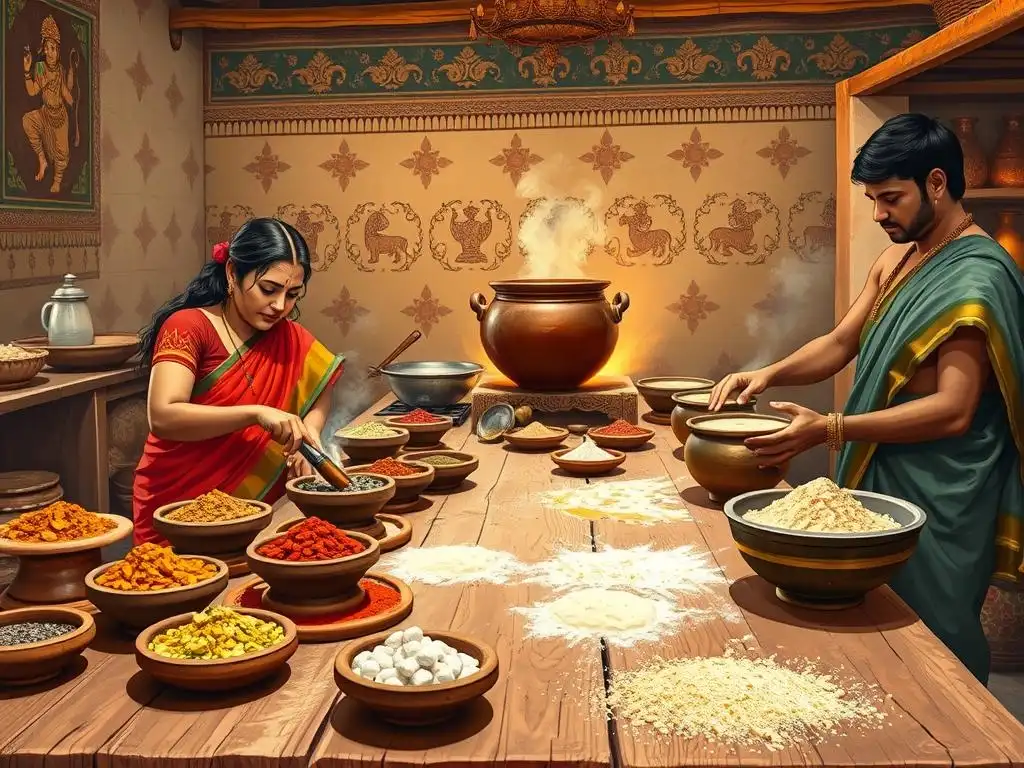
Festivals in ancient India were not merely occasions for celebration; they were deeply intertwined with culinary traditions that reflected the agricultural cycles, regional ingredients, and cultural beliefs. Each festival was characterized by specific dishes, often prepared using recipes passed down through generations.
For example, during Diwali, the festival of lights, sweets such as ladoo and barfi were made to symbolize prosperity and happiness. The preparation of these dishes involved the community, where families would gather to create intricate sweets, showcasing their culinary skills.
Similarly, Pongal, celebrated in Tamil Nadu, involves the cooking of a special dish also called Pongal, made from newly harvested rice and lentils. The act of cooking this dish is a ritualistic practice, where the first rice of the season is offered to the Sun God, symbolizing gratitude for a bountiful harvest.
| Festival | Traditional Dishes | Cultural Significance |
|---|---|---|
| Diwali | Ladoo, Barfi | Symbolizes prosperity and joy |
| Pongal | Pongal (rice and lentil dish) | Gratitude to the Sun God for harvest |
| Holi | Gujiya, Dahi Bhalla | Celebrates the arrival of spring and love |
| Eid | Biryani, Sheer Khurma | Marks the end of Ramadan, a feast of sharing |
These culinary traditions not only served to nourish the body but also reinforced social bonds and cultural identity. The act of preparing and sharing food during festivals is a celebration of community, reflecting the values and beliefs of ancient Indian society.
The Role of Food in Religious Practices
Food in ancient India held a sacred significance that transcended mere sustenance. It played a vital role in various religious practices, rituals, and ceremonies. Offerings to deities, known as Prasad, were an integral part of worship, where food was prepared with care and devotion, then offered in temples or at home.
In Hinduism, specific foods are associated with different deities. For instance, Lord Ganesha is often offered modak, sweet dumplings believed to be his favorite. These offerings are not only acts of devotion but also signify the belief that food carries spiritual energy.
In Jain traditions, dietary restrictions are strictly observed, emphasizing the principle of ahimsa (non-violence). Jains often consume only vegetarian food and avoid items that involve harm to living beings, reflecting a deep spiritual connection to their food choices.
The preparation of sacrificial food, or Yajna, is another example where food plays a pivotal role. During these rituals, offerings of grains, ghee, and other food items are made to the fire, symbolizing a connection between the earthly and the divine.
Food is a bridge between the material and spiritual realms, embodying the essence of ancient Indian religious practices.
As a reflection of the culture and beliefs, the culinary traditions of ancient India not only provided nutritional value but also served as a medium for expressing devotion, community, and identity. The rituals surrounding food preparation and consumption were profound, intertwining daily life with the spiritual ethos of ancient Indian civilization.
Conclusion: Legacy of Ancient Indian Culinary Traditions
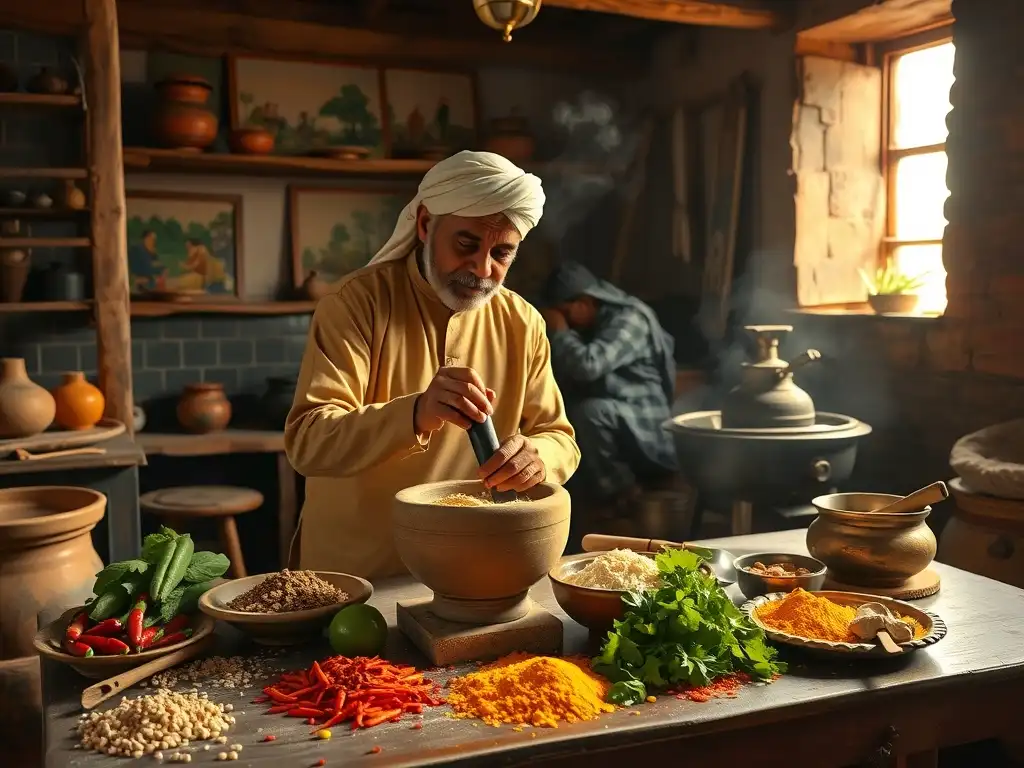
Ancient Indian culinary traditions are deeply intertwined with the occupations and labor systems of their time. The diversity of professions that contributed to the culinary landscape of ancient India showcases the complexity and richness of its social fabric. From farmers to spice traders, each occupation played a crucial role in developing the unique flavors and techniques that characterize traditional Indian cuisine today.
The legacy of these culinary traditions is not merely a reflection of historical practices but also a testament to the adaptability and resilience of Indian society. As occupations evolved over centuries, so did the methods of cooking and food preparation, leading to a dynamic culinary heritage that has survived through generations. This evolution has resulted in a cuisine that is both traditional and contemporary, illustrating how ancient practices continue to influence modern Indian cooking.
The Evolution of Occupations and Their Impact on Modern Indian Cuisine
The occupations that shaped ancient Indian culinary traditions have undergone significant transformation, directly impacting modern Indian cuisine. For instance, the agricultural practices of ancient farmers laid the foundation for staple crops such as rice, wheat, and pulses, which remain essential in contemporary diets.
- Agricultural Innovations: Ancient farmers utilized irrigation techniques that optimized crop yield. The introduction of diverse crops, including spices and herbs, significantly influenced the flavor profiles of traditional dishes.
- Artisan Contributions: Occupations such as potters and metalworkers not only provided essential cooking tools but also influenced the presentation of food. The artistry seen in ancient vessels and utensils continues to inspire modern culinary presentations.
Moreover, the rise of trade routes facilitated the exchange of ingredients and cooking techniques across regions, contributing to a melting pot of flavors that define modern Indian cuisine. The influence of merchants and traders in ancient times helped popularize ingredients like saffron, cardamom, and turmeric, which are staples in today’s recipes.
| Occupation | Contribution to Cuisine |
|---|---|
| Farmers | Provided staple crops |
| Spice Traders | Introduced diverse spices |
| Artisans | Created cooking tools and vessels |
| Chefs | Developed cooking techniques |
The interplay between these evolving occupations and culinary practices has created a vibrant tapestry of flavors and techniques that are celebrated in modern Indian cuisine.
Preserving Ancient Culinary Heritage in Contemporary Society
In contemporary society, the preservation of ancient Indian culinary traditions is paramount. Various initiatives are underway to ensure that the rich heritage of ancient cooking practices is not lost amidst modernization.
- Culinary Schools: Institutions are now focusing on teaching traditional cooking methods alongside contemporary techniques. This includes the use of ancient grains and spices that have been part of Indian diets for centuries.
- Cultural Festivals: Events celebrating regional cuisines allow chefs and home cooks to showcase traditional dishes, fostering an appreciation for ancient culinary skills.
- Community Efforts: Grassroots movements are emerging to document and revive forgotten recipes, ensuring that local flavors and techniques are passed down to future generations.
The importance of preserving these culinary traditions cannot be overstated. They serve not only as a reminder of India’s rich history but also as a source of identity and cultural pride. By valuing and incorporating ancient culinary practices into modern cooking, society can maintain a strong connection to its roots while embracing innovation.
The legacy of ancient Indian culinary traditions is a reflection of the diverse occupations that have shaped its evolution. As modern society navigates the complexities of globalization and change, the commitment to preserving these traditions ensures that the flavors of the past continue to enrich the culinary landscape of the future.
Frequently Asked Questions
What are Ancient Indian culinary traditions?
Ancient Indian culinary traditions refer to the diverse cooking practices and food preparation methods that have evolved over centuries, influenced by various regional ingredients, cultural exchanges, and historical events.
How did the Indus Valley Civilization influence Indian cuisine?
The Indus Valley Civilization is known for its advanced agricultural practices, which laid the foundation for crop cultivation and food storage. They cultivated grains like wheat and barley, which are integral to traditional dishes today.
What role did trade play in shaping ancient Indian cuisine?
Trade facilitated the introduction of spices, herbs, and culinary techniques from other cultures, enriching ancient Indian cuisine. This exchange contributed to the development of distinctive flavors and the widespread use of spices in cooking.
How are cooking occupations reflected in traditional dishes?
Cooking occupations, such as chefs, farmers, and spice traders, have significantly influenced the preparation and evolution of traditional dishes. Their expertise and knowledge of ingredients helped create recipes that are still cherished today.
What are some key ingredients used in Ancient Indian cuisine?
Ancient Indian cuisine prominently features grains like rice and wheat, legumes, and a variety of spices such as cumin, turmeric, and coriander, which are essential for creating the rich flavors characteristic of traditional dishes.
Final Reflection: The Enduring Legacy of Ancient Indian Culinary Traditions
Ancient Indian culinary traditions are not merely relics of the past; they are vibrant threads woven into the fabric of contemporary society. As we explore the origins of traditional dishes, we uncover the stories of the artisans, farmers, and cooks who have shaped our culinary landscape. The richness of these traditions continues to nourish our bodies and souls, reminding us of the deep connections we share with our history.
The influence of ancient Indian cuisine extends far beyond the kitchen, impacting our cultural identity and social interactions. The flavors, techniques, and ingredients that have been passed down through generations serve as a testament to the resilience and creativity of our ancestors. Food is not just what we eat; it is a reflection of who we are.
This quote encapsulates the essence of how our culinary practices define our cultural heritage and foster community bonds, even in a rapidly changing world.
As we savor the dishes of our ancestors, I invite you to reflect on your own culinary journey. Consider how you can honor these ancient traditions in your daily life, whether by cooking a traditional recipe, supporting local farmers, or sharing meals with loved ones. Let us carry forward the legacy of ancient Indian culinary traditions, ensuring that the flavors of our past continue to inspire and connect us in the future.
Dive Deeper Into the Flavors of Ancient India!
Thank you for exploring the rich tapestry of Ancient Indian cuisine with us! You’ve uncovered the fascinating connections between traditional dishes and the cultural practices that sustain them. Now, it’s time to bring that knowledge to life and engage with this vibrant heritage.
Here are some exciting ways to take action:
- Reconnect with your culinary roots: Try your hand at creating a traditional dish from Ancient India. Research a recipe and gather the necessary ingredients for a delightful cooking experience!
- Share your discoveries: Post about your cooking adventure on social media and tag us or your favorite food history groups. Let’s spark a conversation about the ancient techniques and influences that shaped these dishes!
- Join a local food workshop: Discover hands-on experiences in your area that celebrate ancient recipes and cooking methods. Connect with others who share your passion for culinary history!
What unique ingredient or technique from Ancient Indian cuisine are you most excited to incorporate into your cooking? Let’s explore and discuss together!