
The Connection Between Nature and Ancient Indian Art Forms

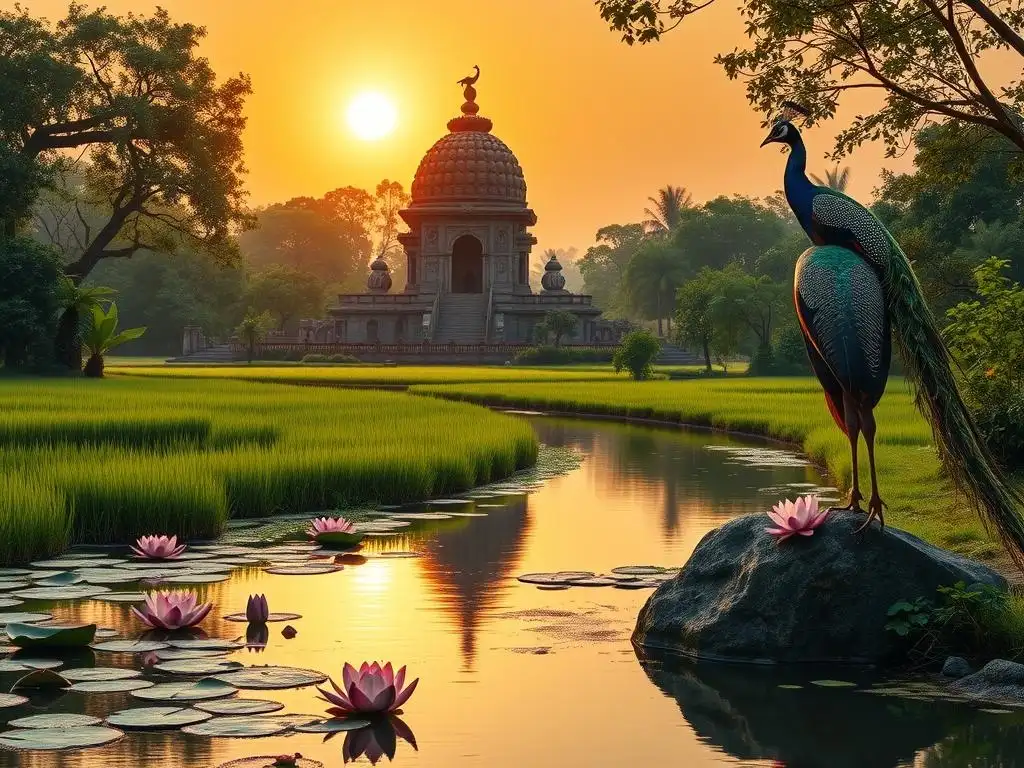
Welcome to Ancient India History, your gateway to uncovering the rich tapestry of one of the world's oldest civilizations. Here, we embark on a fascinating journey through time, exploring how nature inspired and shaped the exquisite art forms of ancient India. In our featured article, "The Connection Between Nature and Ancient Indian Art Forms," we delve into the intricate relationship between the environment and artistic expression that flourished from the Indus Valley to the grandeur of the Gupta Empire.
Prepare to be captivated by how the natural world influenced the creativity and spirituality of ancient artists, and discover the profound legacy that resonates even today. Dive in and let your curiosity guide you through the remarkable stories waiting to be uncovered!
- Introduction to Ancient Indian Art and Nature
- The Role of Nature in Ancient Indian Art
- Influences of Natural Landscapes on Ancient Indian Art Forms
- Spiritual Connection Between Nature and Ancient Indian Art
- Techniques and Materials of Ancient Indian Art Inspired by Nature
- Case Studies of Ancient Indian Art Forms Influenced by Nature
- Preservation of Nature in Ancient Indian Art and Its Legacy
- The Impact of Ancient Indian Art on Modern Environmental Awareness
- Contemporary Interpretations of Nature in Indian Art
- Conclusion: The Enduring Connection Between Nature and Ancient Indian Art
-
Frequently Asked Questions
- What is the significance of nature in ancient Indian art forms?
- How did ancient Indian civilizations depict nature in their artworks?
- What are some examples of ancient Indian art that illustrate this connection?
- How did the Gupta Empire influence the portrayal of nature in art?
- Why is understanding the connection between nature and ancient Indian art important today?
- Final Reflection: Embracing the Harmony of Nature and Ancient Indian Art
- Unveil the Beauty of Nature Through Ancient Indian Art!
Introduction to Ancient Indian Art and Nature
The interplay between nature and ancient Indian art forms is a captivating subject that reveals the deep-rooted connection between the two. Ancient Indian civilizations, from the serene landscapes of the Indus Valley to the flourishing Gupta Empire, have consistently reflected their reverence for nature through their artistic expressions.
This article delves into the various art forms that emerged in ancient India, highlighting how they were influenced by the natural world and how they, in turn, contributed to the cultural identity of the era. By exploring the intricate relationship between ancient Indian art and nature, we can gain insights into the philosophies, beliefs, and aesthetics that shaped the creative outputs of these remarkable civilizations.
Overview of Ancient Indian Art Forms
Ancient Indian art encompasses a vast array of visual expressions, including sculpture, painting, and architecture, each with its unique style and significance. The evolution of these art forms can be categorized into several key periods:
- Indus Valley Civilization (c. 3300–1300 BCE):
- Notable for its terracotta figures, seals, and intricate jewelry.
- Artworks often depicted animals and nature, reflecting a harmonious relationship with the environment.
- Mauryan Period (c. 322–185 BCE):
- Marked by the development of monumental architecture and sculpture, including the famous Ashoka Pillars.
- Utilized natural motifs and symbols, such as lotus flowers, to convey spiritual meanings.
- Gupta Empire (c. 320–550 CE):
- Known as the Golden Age of India, this period produced exquisite sculptures and cave paintings.
- Themes often included nature, mythology, and religion, demonstrating a sophisticated understanding of the natural world.
These art forms not only served aesthetic purposes but also played a significant role in religious and social contexts, often acting as a medium for storytelling and spiritual expression.
Significance of Nature in Ancient Indian Culture
Nature held a central place in ancient Indian culture, influencing not only art but also philosophy, religion, and daily life. This connection can be observed in several ways:
- Symbolism: Natural elements such as trees, rivers, and animals were often imbued with symbolic meanings. For instance:
- The lotus, a symbol of purity and beauty, frequently appears in sculptures and paintings.
- Peacocks represent grace and are often depicted alongside deities.
- Spirituality: Many ancient Indian texts emphasize the importance of nature in spiritual practices. Sacred texts like the Bhagavad Gita and the Vedas highlight the interconnectedness of all living beings, encouraging a harmonious relationship with the environment.
- Ecological Awareness: Ancient Indian civilizations exhibited a profound understanding of ecology and sustainability. Art forms often reflect the cycles of nature, emphasizing the importance of living in balance with the earth.
The intricate relationship between ancient Indian art forms and nature not only enriches our understanding of the past but also serves as a reminder of the timeless values of respect and reverence for the natural world. By studying these connections, we can appreciate the depth and richness of ancient Indian culture and its enduring legacy.
The Role of Nature in Ancient Indian Art
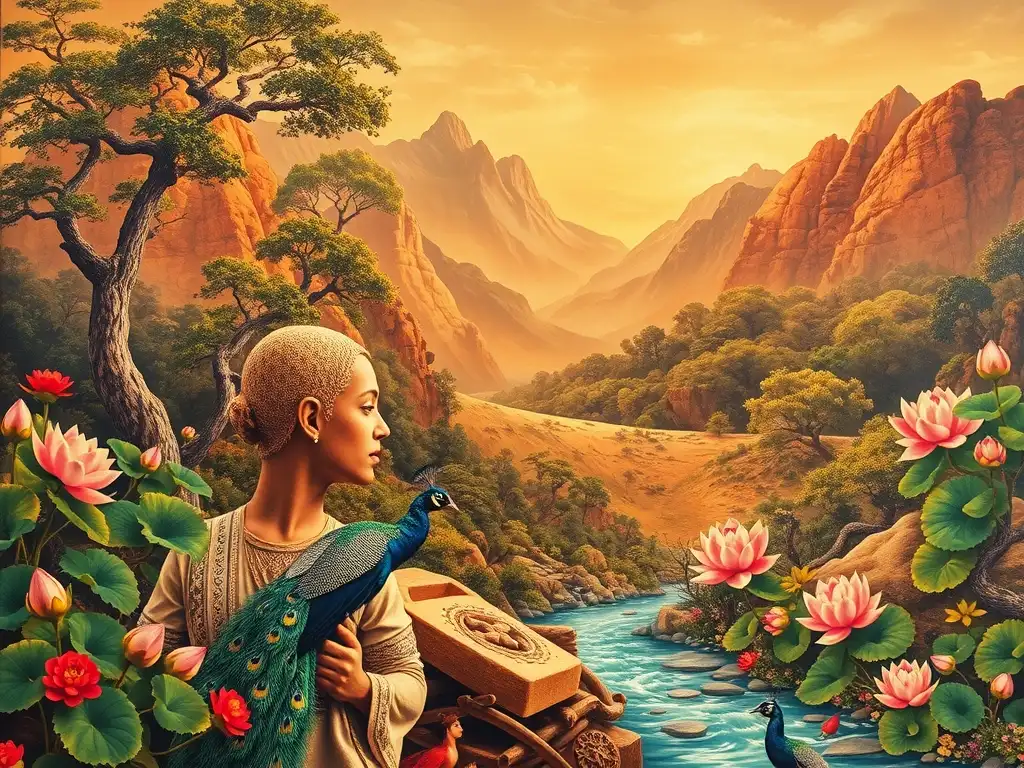
The intricate relationship between nature and ancient Indian art is a testament to the deep connection that ancient civilizations had with their environment. Nature served not only as a backdrop but also as a central theme in various art forms ranging from sculpture to painting. This connection is evident in the use of natural elements, which often symbolize broader philosophical and spiritual concepts.
The depiction of nature in ancient Indian art reflects the cultural values and beliefs of the time, illustrating the reverence for the natural world. Artists drew inspiration from their surroundings, creating works that celebrated the beauty of landscapes, flora, and fauna. This connection is not merely aesthetic; it encapsulates the spiritual ethos of ancient Indian societies, where nature was often viewed as a manifestation of the divine.
Symbolism of Nature in Ancient Indian Art and Sculpture
Nature in ancient Indian art serves as a powerful symbol, conveying complex ideas and emotions. Various elements of nature, such as rivers, mountains, and trees, carry significant meanings that go beyond their physical representations.
- Rivers: Often depicted as nurturing entities, rivers symbolize purity, life, and the flow of time. The Ganga, for instance, is not only an important geographical feature but also represents spiritual cleansing and the journey towards enlightenment.
- Mountains: Mountains frequently symbolize stability, strength, and the connection between the earthly and the divine. Mount Meru, in particular, is considered a sacred axis in Hindu cosmology, representing the center of the universe.
- Trees and Plants: The depiction of sacred trees, like the Banyan and Peepal, signifies longevity, wisdom, and fertility. The Bodhi tree, under which Buddha attained enlightenment, stands as a profound symbol of spiritual awakening.
These natural elements are often intricately woven into sculptures and reliefs, enhancing the narrative and thematic depth of the artwork. For example, the presence of lotus flowers in sculptures often signifies purity and spiritual awakening, aligning with the philosophical teachings of the time.
Depictions of Flora and Fauna in Ancient Indian Art
Ancient Indian art is rich with depictions of flora and fauna, reflecting the biodiversity of the subcontinent. Artists meticulously rendered various species, integrating them into their works to symbolize a harmonious relationship between humans and nature.
- Flora: The portrayal of plants and flowers in ancient Indian art is abundant. For instance, the lotus is a recurring motif, symbolizing beauty, purity, and spiritual growth. Other flowering plants are often depicted as offerings to deities or as part of elaborate ceremonial scenes.
- Fauna: Animals also play a significant role in ancient Indian art. The elephant symbolizes wisdom and strength, frequently appearing in royal iconography. Similarly, the tiger, often associated with various deities like Durga, represents power and ferocity.
The use of flora and fauna in art not only reflects the aesthetic preferences of the time but also underscores the importance of biodiversity in ancient Indian culture. The artists’ ability to capture the essence of these elements speaks to their keen observation and deep appreciation of the natural world.
The intertwining of nature with ancient Indian art and sculpture highlights a comprehensive worldview where the physical and spiritual realms coexist harmoniously, offering insights into the values and beliefs of ancient Indian civilizations.
Influences of Natural Landscapes on Ancient Indian Art Forms
Geographical Diversity and Its Impact on Artistic Expression
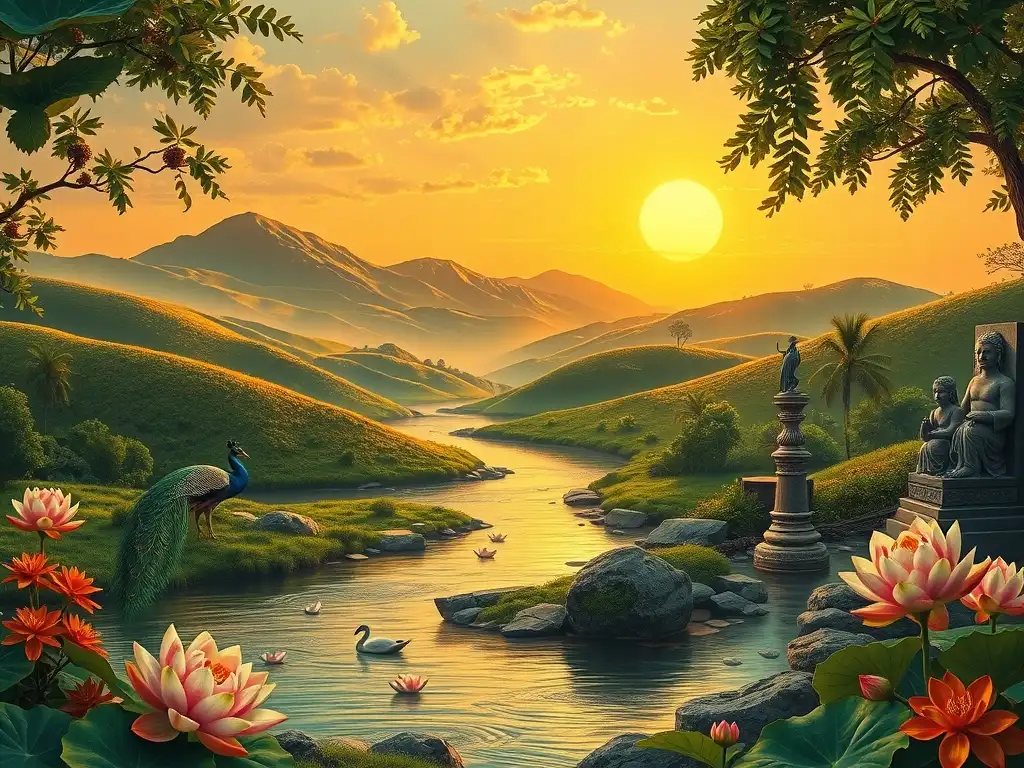
Ancient Indian art forms are profoundly influenced by the diverse geographical landscapes of the subcontinent. The interplay between nature and art is evident across various mediums, including sculpture, painting, and architecture. The geographical diversity ranges from the towering Himalayas in the north to the lush forests of the Western Ghats, and from the arid deserts of Rajasthan to the fertile plains of the Ganges. This rich tapestry of landscapes has not only shaped the cultural identity of different regions but has also provided a wealth of inspiration for artists.
For instance, the natural elements found in specific regions often dictated the themes and materials used in artistic expression. In the fertile plains of the Ganges, the abundant flora and fauna inspired vibrant depictions of nature in mural paintings and terracotta sculptures.
Artists used locally sourced materials, such as clay and natural pigments, to create works that celebrated the bounty of their environment. In contrast, the arid landscapes of Rajasthan led to the development of unique art forms, such as miniature paintings that often depicted the stark beauty of desert life, utilizing earthy tones and intricate detailing that mirrored the surrounding environment.
Additionally, the spiritual significance attributed to various natural elements in ancient Indian philosophy played a crucial role in shaping artistic themes. Rivers, mountains, and trees were often personified and revered as deities, leading to their frequent representation in both sculpture and painting. This connection between nature and spirituality is particularly evident in the cave paintings of Ajanta and Ellora, where the natural contours of the rock formations were harmoniously integrated into the artistic designs, enhancing the overall aesthetic experience.
Regional Art Styles Reflecting Natural Environments
The regional variations in ancient Indian art are a testament to how local ecosystems influenced artistic styles and themes. Each region developed distinct art forms that reflected its unique natural environment, cultural practices, and historical contexts.
- Indus Valley Civilization: The art from this period showcases a close relationship with nature, often featuring motifs of animals and plants. Seals depicting various wildlife, such as elephants and tigers, highlight the significance of these creatures within the cultural narrative of the Indus Valley people. The use of natural materials like terracotta for pottery further indicates a reliance on local resources.
- Madhubani Art: Originating from the Mithila region of Bihar, Madhubani painting is characterized by intricate patterns and vibrant colors, often depicting scenes from nature, including flora, fauna, and celestial bodies. The use of natural dyes and the incorporation of themes related to the environment underscore the connection between the artists and their surroundings.
- Warli Art: This tribal art form from Maharashtra reflects the daily lives of the Warli people and their deep-rooted connection to nature. The simple yet expressive figures often portray hunting, farming, and festivities, all set against the backdrop of the natural world. The use of earth pigments on mud walls emphasizes the harmonious relationship between the Warli community and their environment.
- Tanjore Paintings: Hailing from Tamil Nadu, Tanjore paintings are known for their rich colors and elaborate gold foil work. While these artworks often depict deities and mythological themes, they also incorporate natural elements, such as floral motifs and landscapes, that signify the region's lush environment and its cultural significance.
Through these diverse regional art styles, it becomes evident that ancient Indian art and nature are inextricably linked. The reflection of natural environments in artistic expressions not only celebrates the beauty of the physical world but also serves as a medium for cultural storytelling, encapsulating the essence of ancient Indian civilization's rich heritage.
Spiritual Connection Between Nature and Ancient Indian Art
Nature as a Source of Inspiration for Ancient Indian Artists
Ancient Indian artists drew immense inspiration from the natural world, reflecting a profound spiritual connection with their environment. This connection is evident in various art forms, including sculpture, painting, and architecture. Artists often sought to capture the essence of nature, which they viewed as a manifestation of the divine. The motifs of flora and fauna, celestial bodies, and natural landscapes were frequently incorporated into their works.
- Flora: Flowers, trees, and plants were commonly depicted in ancient Indian art. For instance, the lotus, symbolizing purity and enlightenment, is prevalent in sculptures and paintings. It is often associated with deities, such as Lakshmi and Saraswati, emphasizing the intertwining of nature with spirituality.
- Fauna: Animals also played a vital role in ancient Indian art. Creatures like elephants, peacocks, and tigers were often represented, symbolizing strength, beauty, and the natural order. The depiction of animals in various poses and settings illustrated the relationship between human beings and the animal kingdom.
- Landscapes: Landscapes were not merely backgrounds but integral elements that conveyed deeper meanings. The representation of mountains, rivers, and forests served as metaphors for spiritual journeys and the quest for enlightenment. For example, the depiction of the Himalayas often symbolizes the ascent to higher consciousness.
This inherent connection to nature not only enriched the aesthetic appeal of ancient Indian art but also served as a medium for expressing philosophical ideas and spiritual beliefs.
The Role of Nature in Hindu, Buddhist, and Jain Art
Nature plays a central role in the artistic expressions of Hinduism, Buddhism, and Jainism, each reflecting distinct interpretations of the natural world.
Hindu Art
In Hindu art, nature is intertwined with the divine. The representation of gods and goddesses is often accompanied by elements of nature, creating a holistic view of the universe. For example:
- Goddess Durga: Frequently depicted riding a lion or tiger, symbolizing strength and ferocity, while the backdrop may include lush forests or mountains, representing her dominion over nature.
- Landscape Paintings: The use of vibrant colors and intricate details in landscape paintings illustrates the harmony between the divine and the natural world.
Buddhist Art
Buddhism emphasizes the transient nature of existence and the cycle of life and death. In Buddhist art, nature is depicted in a symbolic manner:
- Lotus Flower: Represents purity and enlightenment, often depicted growing from muddy waters, signifying the potential for spiritual awakening amidst worldly challenges.
- Stupas and Mandalas: These structures often incorporate natural elements, with mandalas representing the cosmos and serving as a tool for meditation and reflection on the interconnectedness of life.
Jain Art
Jainism places a strong emphasis on non-violence and reverence for all living beings. This philosophy is reflected in Jain art:
- Tirthankaras: The figures of the Tirthankaras are often surrounded by intricate designs of plants and animals, showcasing the respect for nature and the interconnectedness of all life forms.
- Nature Motifs: Jain temples frequently feature carvings of flora and fauna, conveying the belief that nature must be protected and preserved as part of spiritual practice.
The interplay between nature and ancient Indian art forms creates a rich tapestry of spiritual and cultural significance. The depictions of natural elements not only enhance the visual appeal of artworks but also serve as a profound reminder of the intrinsic connection between humanity and the environment. By exploring these connections, we gain insights into the values and beliefs that shaped ancient Indian civilizations.
Techniques and Materials of Ancient Indian Art Inspired by Nature
Use of Natural Dyes and Pigments in Ancient Indian Art
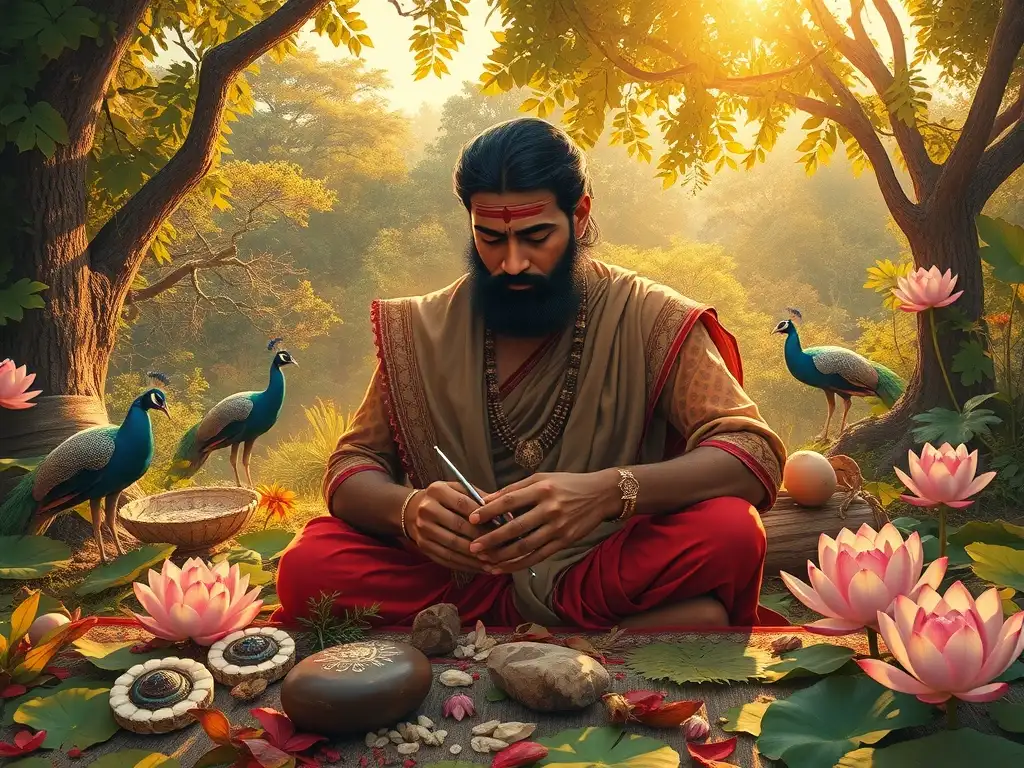
The vibrant colors that characterize ancient Indian art are deeply rooted in the natural environment. Artists of antiquity utilized a wide array of natural dyes and pigments sourced from plants, minerals, and even insects. These materials were not only abundant but also offered a rich palette that reflected the flora and fauna of the Indian landscape.
Common Natural Dyes and Their Sources
- Indigo: Extracted from the leaves of the indigo plant, this dye produced a deep blue color that was highly prized in textiles and paintings.
- Henné (Henna): Known for its reddish-brown hue, henna was used for both body art and as a dye for fabrics.
- Turmeric: This bright yellow spice was commonly used to create a vibrant yellow pigment, particularly in religious and ceremonial art.
- Mineral Pigments: Earth tones such as ochre (yellow, red, or brown) were sourced directly from the ground and are evident in cave paintings and historic sculptures.
Cultural Significance of Natural Colors
The colors used in ancient Indian art were often symbolic, representing various aspects of life, nature, and spirituality. For instance, green was associated with fertility and vitality, while red symbolized power and protection. Artists carefully selected their materials to convey deeper meanings connected to the natural world and the divine.
Sculptural Techniques Reflecting Natural Forms
Ancient Indian sculptors exhibited a profound understanding of nature, which is reflected in their techniques and the forms they chose to represent. The portrayal of natural elements in sculpture was not merely decorative; it served to connect the viewer with the cosmos and the divine.
Techniques Emphasizing Naturalistic Representation
- Chiseling and Carving: Sculptors skillfully chiseled stone to replicate the textures and details found in nature, such as the delicate veins of leaves or the rough surfaces of bark.
- Casting: The lost-wax casting technique allowed artists to create intricate bronze sculptures that captured the fluidity and movement of natural forms, such as animals or human figures in dynamic poses.
- Relief Work: Many temples featured relief sculptures that depicted scenes from nature, such as flora and fauna, integrated into the overall architecture. This technique not only adorned the temple but also served to harmonize the structure with its natural surroundings.
Noteworthy Examples of Nature-Inspired Sculptures
- The Elephanta Caves: Located near Mumbai, these caves showcase stunning rock-cut sculptures of deities intertwined with natural motifs, emphasizing the relationship between the divine and the natural world.
- Khajuraho Temples: Renowned for their intricate carvings, these temples feature sculptures of animals and floral patterns, demonstrating how nature inspired artistic expression.
- Sarnath Lion Capital: This iconic sculpture of four lions standing back to back is an example of how natural forms can symbolize strength and unity, reflecting the harmony of nature in art.
The techniques and materials utilized in ancient Indian art reveal a profound connection to nature, showcasing a rich tapestry of colors and forms that resonate with the environment and spiritual beliefs of the time.
Case Studies of Ancient Indian Art Forms Influenced by Nature
The Ajanta Caves: Nature and Spirituality in Art
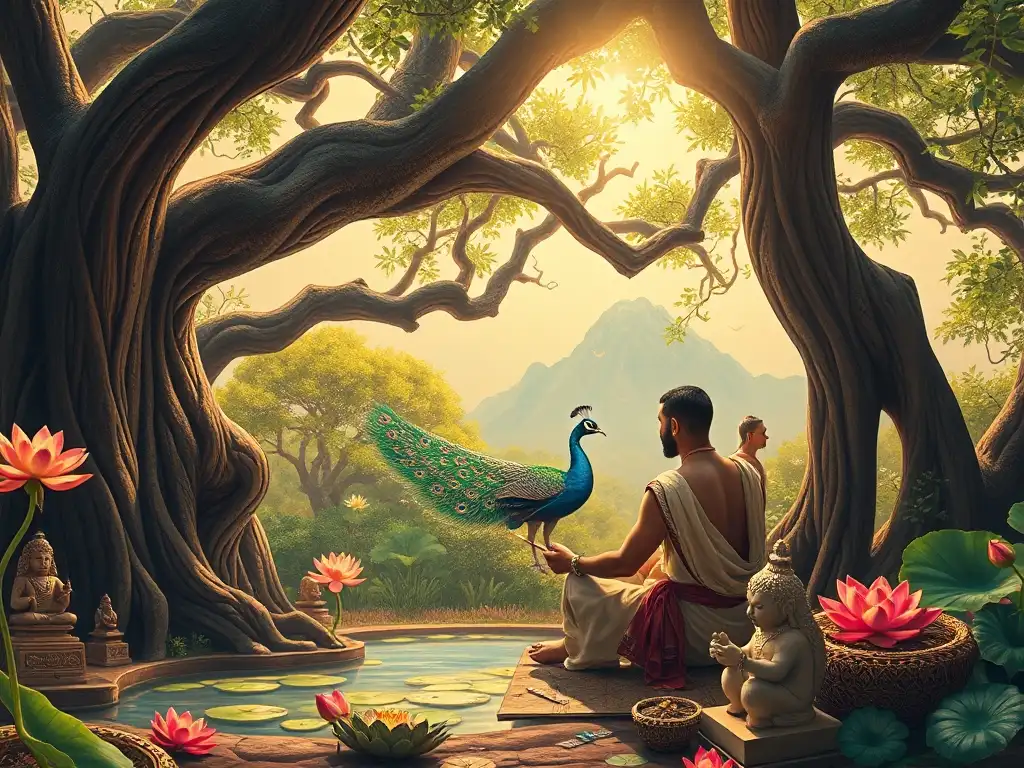
The Ajanta Caves, a UNESCO World Heritage Site located in Maharashtra, India, are renowned for their stunning frescoes and sculptures that reflect the rich interplay between nature and spirituality. Dating back to the 2nd century BCE to about 480 CE, these rock-cut caves served as monastic retreats for Buddhist monks. The intricate artwork found within these caves is deeply inspired by the natural surroundings, showcasing flora, fauna, and landscapes that enhance the spiritual narratives depicted.
Artistic Elements
- Natural Pigments: The artists of Ajanta utilized natural pigments derived from minerals and plants, which not only contributed to the vibrancy of the paintings but also connected the artwork to nature.
- Themes of Nature: Many of the frescoes illustrate narratives from the Jataka tales, featuring animals and natural settings that symbolize moral lessons and spiritual growth. For instance, the depiction of the Bodhisattva in lush greenery serves to exemplify a harmonious relationship with nature.
- Architectural Integration: The caves themselves are carved into a horseshoe-shaped cliff, utilizing the natural contours of the rock to create a sense of unity between the art and the environment. The design of the caves enhances acoustic properties, allowing the chants of monks to resonate beautifully, further connecting the spiritual experience with nature.
Overall, the Ajanta Caves exemplify how ancient Indian art forms not only portrayed but were also inspired by the natural world, creating a rich tapestry of spirituality and ecology.
The Temples of Khajuraho: Nature in Architectural Design
The Khajuraho temples, built between 950 and 1050 CE during the Chandela dynasty, are celebrated for their intricate sculptures and architectural grandeur. These temples are notable for the way they incorporate natural elements into their design and artwork, illustrating the profound connection between ancient Indian art and nature.
Architectural Features
- Symbolic Representations: The temple sculptures feature a plethora of flora and fauna, symbolizing fertility, love, and the cycle of life. For instance, the depiction of elephants, birds, and various plants not only enhances the aesthetic appeal but also conveys deeper philosophical meanings.
- Integration with Landscape: The layout of the temples is often arranged in harmony with the surrounding landscape, using the natural topography to enhance the spiritual experience. The temples are strategically positioned to capture sunlight at different times of the day, reflecting the changing aspects of nature.
- Natural Materials: Constructed primarily from sandstone, the temples exhibit a close relationship with the natural materials available in the region. The intricate carvings showcase the skill of artisans who drew inspiration from their environment, resulting in a seamless blend of art and nature.
The Khajuraho temples stand as a testament to how ancient Indian art and architecture drew heavily from the natural world, creating spaces that not only served religious purposes but also celebrated the beauty of nature itself.
Both the Ajanta Caves and the Khajuraho temples exemplify the profound connection between ancient Indian art and nature, revealing how these civilizations revered and integrated their environment into their artistic expressions.
Preservation of Nature in Ancient Indian Art and Its Legacy
Ancient Indian art is deeply intertwined with the natural world, reflecting a profound reverence for nature that permeates various art forms, including sculpture, painting, and architecture. This connection is evident in the motifs, themes, and materials utilized by artists throughout the ages. The preservation of nature is not merely an aesthetic choice; it represents a philosophical and spiritual relationship that ancient Indian civilizations fostered with the environment.
Symbolism of Nature in Ancient Indian Art
Nature served as a critical source of inspiration, symbolizing life, fertility, and the divine. Common elements included:
- Flora and Fauna: Trees, flowers, animals, and celestial bodies frequently appeared in artworks. For instance, the sacred Bodhi tree and the lotus flower symbolize enlightenment and purity, respectively.
- Elemental Representation: The five elements (earth, water, fire, air, and ether) are often depicted, embodying the holistic view that all living beings are interconnected.
- Deities and Nature: Many deities were associated with natural elements—like Ganga, the river goddess, or Vishnu, often depicted reclining on the serpent Ananta, representing the cosmic ocean.
Techniques and Materials Reflecting Nature
The techniques and materials used in ancient Indian art reveal a strong bond with nature. Artists employed local resources, emphasizing sustainability:
- Natural Dyes: Pigments derived from plants, minerals, and other organic materials were common. This practice not only showcased the vibrant colors of nature but also ensured the environmental footprint of art was minimal.
- Sculpture and Reliefs: Stone carvings from temples often featured intricate representations of flora and fauna, signifying the importance of nature in spiritual and daily life.
- Architecture: Structures like the Ajanta Caves and Khajuraho Temples are examples where natural topography and materials were harmoniously integrated into the design.
Legacy and Influence
The legacy of ancient Indian art's connection to nature extends beyond mere representation. It laid the foundation for a cultural ethos that values ecological harmony. This relationship is echoed in contemporary Indian art, where artists draw inspiration from traditional practices to address modern environmental issues.
The Impact of Ancient Indian Art on Modern Environmental Awareness
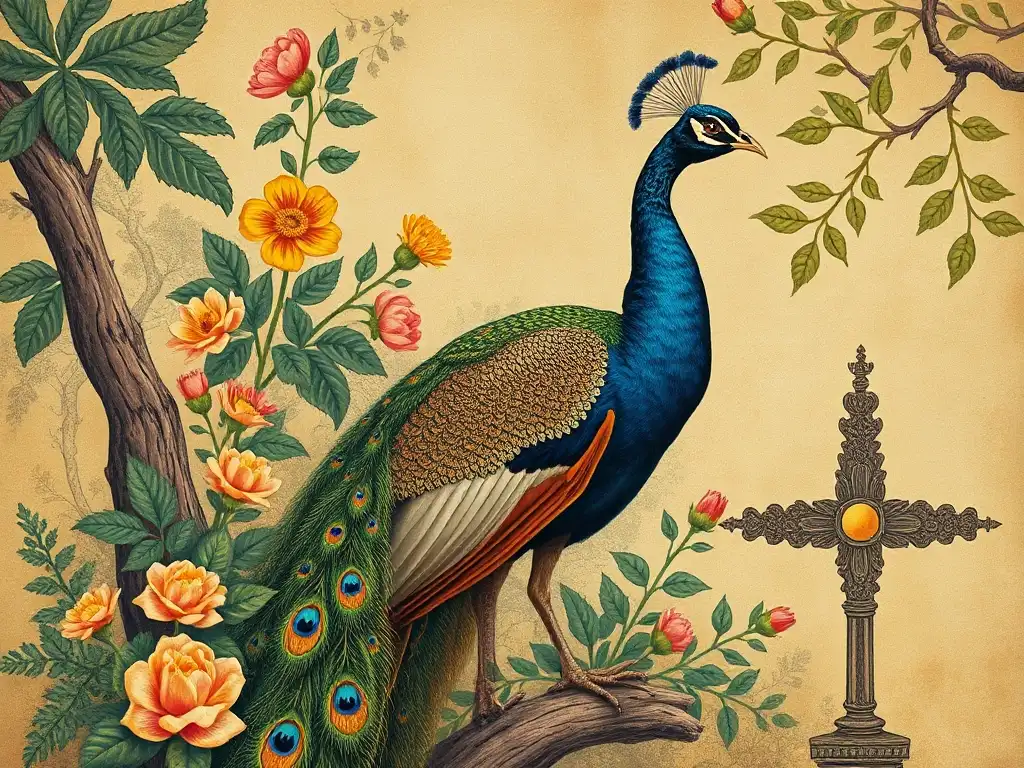
The rich tapestry of ancient Indian art serves as a poignant reminder of the importance of nature in human existence. Today, as environmental concerns escalate globally, the principles embedded in ancient Indian art resonate with modern movements aimed at fostering sustainability and ecological awareness.
Reviving Ancient Values in Art
Modern artists are increasingly looking back at ancient practices to inspire their works. They incorporate themes of conservation and respect for nature, reflecting the wisdom of past civilizations. For example:
- Eco-Art Initiatives: Some contemporary artists create works that utilize recycled materials or focus on natural themes, promoting a dialogue about environmental preservation.
- Cultural Education: Workshops and exhibitions emphasizing ancient techniques and their ecological significance educate the public about sustainable practices.
Nature as a Central Theme
Artists are reinterpreting nature through various mediums, showcasing its fragility and beauty. This emphasis on nature serves to:
- Raise Awareness: Art becomes a tool for social change, prompting discussions about climate change, biodiversity loss, and conservation efforts.
- Inspire Action: By connecting viewers emotionally to the themes of their works, artists encourage proactive engagement with environmental issues.
Contemporary Interpretations of Nature in Indian Art
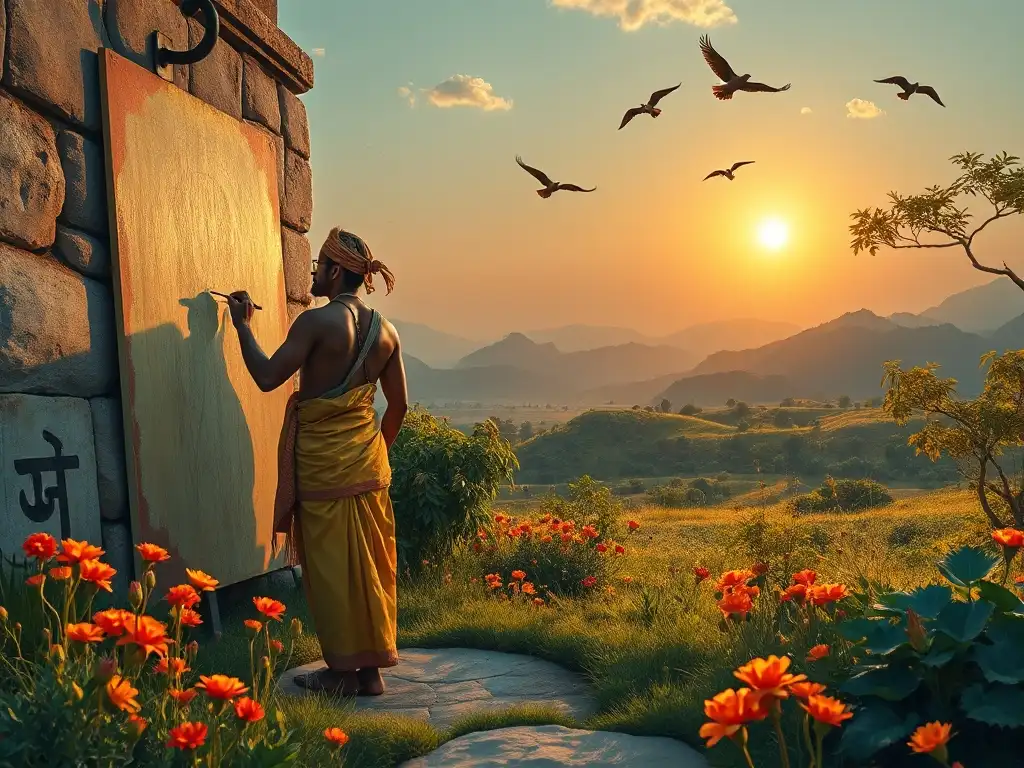
In contemporary Indian art, the interpretation of nature has evolved to reflect modern societal challenges and aspirations. While ancient traditions continue to inspire, artists today infuse their work with new perspectives and technologies.
Fusion of Traditional and Modern Techniques
Many artists blend traditional art forms with modern techniques, creating innovative expressions of nature:
- Mixed Media: The use of various materials, such as digital media alongside traditional painting, allows for a broader exploration of environmental themes.
- Street Art: Murals and graffiti often depict ecological messages, reaching wider audiences and raising awareness in urban settings.
Nature and Technology
The intersection of technology and art has opened new avenues for interpreting nature. Artists utilize:
- Digital Art: Virtual platforms enable the creation of immersive environments that highlight the beauty and importance of natural ecosystems.
- Interactive Installations: These invite viewers to engage physically and emotionally with nature, fostering a deeper understanding of its significance.
Conclusion
The exploration of ancient Indian art reveals a timeless connection to nature that continues to inspire contemporary artists. By bridging the past and present, modern interpretations not only celebrate this rich heritage but also advocate for a sustainable future. Emphasizing the importance of ancient Indian art and nature, artists today strive to cultivate a harmonious relationship with the environment, ensuring that the legacy of their ancestors endures.
Conclusion: The Enduring Connection Between Nature and Ancient Indian Art
Reflection on the Significance of Nature in Artistic Heritage
The deep-rooted connection between nature and ancient Indian art forms is a testament to the profound influence that the environment had on the creative expressions of early civilizations. From the intricate carvings of the Indus Valley Civilization to the vivid murals found in the caves of Ajanta and Ellora, nature served not only as a subject of representation but also as a source of inspiration and symbolism.
- Symbolism and Themes:
- Many ancient Indian art forms feature flora and fauna, exemplifying the reverence for nature. For instance, the lotus symbolizes purity and beauty, while the peacock often represents grace and elegance.
- Mythological narratives frequently incorporate natural elements, reflecting the belief systems that intertwined deities with the natural world.
- Techniques and Materials:
- Artists utilized local materials, such as clay, wood, and stone, which were often shaped by the surrounding landscape. This practice not only reflects the available resources but also highlights the relationship between the artists and their environment.
- The use of natural pigments in paintings and sculptures underscores how nature provided the tools for artistic expression. For example, ochres and natural dyes were prevalent in creating vibrant hues that brought life to artworks.
- Cultural Significance:
- Nature often dictated the themes and festivals celebrated in ancient India, leading to artistic representations that encapsulated seasonal changes, agricultural cycles, and wildlife.
- The portrayal of nature in art fostered a sense of community and identity, as these works often depicted shared experiences and collective values related to the environment.
Future Directions in the Study of Ancient Indian Art and Nature
As we advance in our understanding of ancient Indian art forms, it is essential to explore new methodologies and approaches that further illuminate the intricate relationship between art and nature. Here are some potential future directions:
- Interdisciplinary Research:
- Collaborations between historians, archaeologists, and environmental scientists can yield fresh insights into how ancient Indian societies interacted with their surroundings.
- Utilizing technology, such as GIS mapping and 3D modeling, can help analyze the geographical contexts of ancient artworks and their natural inspirations.
- Ecological Perspectives:
- Investigating how ancient Indian art reflects ecological knowledge can provide valuable lessons for contemporary environmental challenges. Understanding traditional practices may inspire modern sustainable approaches.
- The study of ancient art can also contribute to discussions on biodiversity and conservation, illuminating how cultural heritage can promote ecological awareness.
- Global Comparisons:
- Comparative studies with other ancient civilizations can highlight unique aspects of how nature influenced artistic expressions across cultures. This broader perspective can enhance our appreciation for the diversity of human creativity in relation to the environment.
- Investigating trade routes and cultural exchanges can unveil how artistic themes related to nature evolved and transformed through interactions with different cultures.
The exploration of the connection between ancient Indian art and nature not only enriches our understanding of artistic heritage but also fosters a deeper appreciation for the cultural narratives that have shaped human history. As we continue to uncover the layers of this relationship, the enduring legacy of nature in ancient Indian art will remain a pivotal area of study for future generations.
Frequently Asked Questions
What is the significance of nature in ancient Indian art forms?
Nature played a central role in ancient Indian art, often depicted in sculptures, paintings, and architecture, reflecting the spiritual and philosophical beliefs of the time.
How did ancient Indian civilizations depict nature in their artworks?
Ancient Indian civilizations showcased nature through symbolic representations in art, incorporating elements like flora, fauna, and landscapes to convey deeper meanings and connections to the divine.
What are some examples of ancient Indian art that illustrate this connection?
Examples include the Ajanta Caves murals, which depict natural landscapes, and the Indus Valley seals, showcasing animals that highlight the importance of nature in their daily lives and beliefs.
How did the Gupta Empire influence the portrayal of nature in art?
The Gupta Empire is known for a revival of classical art, where the integration of nature into sculptures and murals became prominent, emphasizing harmony and balance between the human and natural worlds.
Why is understanding the connection between nature and ancient Indian art important today?
Understanding this connection enriches our appreciation of cultural heritage and encourages a deeper respect for nature, reflecting how ancient societies viewed their environment as an integral part of life and art.
Final Reflection: Embracing the Harmony of Nature and Ancient Indian Art
The profound relationship between ancient Indian art and nature remains strikingly relevant in today's world, where we often find ourselves disconnected from the natural environment. As we navigate the complexities of modern life, the wisdom embedded in these ancient art forms serves as a reminder of the beauty and interconnectedness that nature offers. This connection is not merely historical; it is a call to recognize the importance of preserving our environment and honoring the artistic expressions that celebrate it.
The influence of ancient Indian art on contemporary culture is both profound and enduring. These art forms, deeply rooted in nature, continue to inspire artists and thinkers alike, fostering a greater appreciation for the natural world. As we witness a resurgence of interest in sustainability and eco-consciousness, the teachings of our ancestors resonate more than ever. Art is the most beautiful of all lies.
– Claude Debussy. This quote encapsulates the essence of how art can reflect and elevate our understanding of nature, urging us to look beyond the surface and appreciate the deeper truths it conveys.
As we conclude this exploration of the connection between nature and ancient Indian art, I invite you to reflect on your own relationship with the natural world. How can you incorporate the lessons of these ancient art forms into your daily life? Whether through creative expression, mindfulness in nature, or advocating for environmental preservation, each of us has the power to honor this connection. Let us carry forward the legacy of ancient Indian art, embracing its wisdom and beauty as we strive to create a more harmonious existence with the world around us.
Unveil the Beauty of Nature Through Ancient Indian Art!
Thank you for immersing yourself in the rich connection between nature and traditional Indian art. We hope you’ve gained valuable insights into how these art forms reflect the beauty of the world around us. Now, it’s time to bring that inspiration to life!
- Explore your local environment for artistic inspiration—take a nature walk and sketch or photograph what you observe.
- Share your creations on social media, tagging us to connect with others who appreciate this beautiful fusion of art and nature.
- Dive deeper by participating in a workshop or local class focused on traditional Indian art techniques to expand your skills and understanding.
What element of nature sparks your creativity the most when you contemplate ancient art forms?