
Studying the Ancient Indian Agrarian Economy: A Case for Preservation

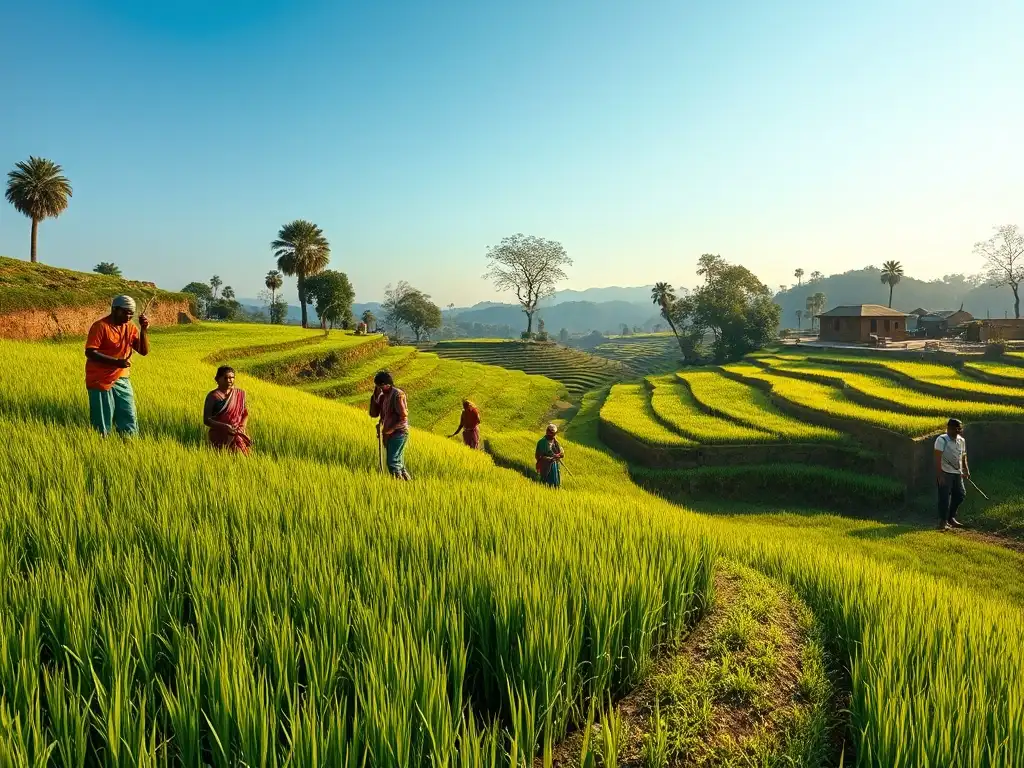
Welcome to Ancient India History, where we invite you to embark on a journey through the intricate tapestry of India's past. Here, we delve into the fascinating topic of the Ancient Indian agrarian economy preservation, a crucial aspect that shaped the livelihoods and cultures of early civilizations. Have you ever wondered how these ancient practices influence our modern agricultural methods?
In our featured article, "Studying the Ancient Indian Agrarian Economy: A Case for Preservation," we uncover the wisdom of the past and make a compelling case for preserving these time-honored techniques. Join us as we explore the rich contributions of ancient Indian societies and their enduring impact on our world today!
- Introduction to the Ancient Indian Agrarian Economy Preservation
- Historical Context of the Ancient Indian Agrarian Economy
- Land Use in Ancient India
- Irrigation Systems in Ancient India
- Case Study: Successful Preservation Initiatives
- Challenges Facing Preservation of the Ancient Indian Agrarian Economy
- Solutions for Effective Preservation
- Conclusion: The Future of Ancient Indian Agrarian Economy Preservation
-
Frequently Asked Questions
- What was the primary focus of the ancient Indian agrarian economy?
- How did the agrarian economy contribute to ancient Indian civilization?
- What are the key elements that defined ancient Indian agriculture?
- Why is the preservation of ancient Indian agrarian practices important today?
- How can modern society benefit from studying the ancient Indian agrarian economy?
- Final Reflection: The Urgency of Preserving Our Agricultural Heritage
- Preserve and Celebrate the Legacy of Ancient Indian Agriculture!
Introduction to the Ancient Indian Agrarian Economy Preservation
The ancient Indian agrarian economy is a fascinating tapestry woven through millennia of agricultural practices, innovations, and cultural developments. Understanding this economy is crucial not only for appreciating the historical significance of agricultural systems but also for recognizing their impact on contemporary practices and sustainability efforts.
In an era where modern agriculture faces challenges such as climate change, soil degradation, and food security, studying the ancient Indian agrarian economy offers valuable insights into sustainable practices that have withstood the test of time. This article will delve into the intricacies of ancient Indian agriculture, emphasizing the need for its preservation as a significant part of our heritage and a source of lessons for future generations.
Importance of Studying Ancient Indian Agriculture
Exploring the ancient Indian agrarian economy is vital for several reasons:
- Cultural Heritage: Ancient agricultural practices reflect the rich cultural identity of Indian civilizations. They provide insights into the socio-economic frameworks that shaped communities and their lifestyles.
- Sustainability Lessons: Many ancient practices were developed in harmony with nature, emphasizing sustainability. Understanding these methods can inspire modern agricultural practices that prioritize ecological balance.
- Biodiversity Conservation: Ancient agricultural systems supported diverse crops and farming techniques. Studying these can inform current biodiversity conservation efforts, helping to preserve heirloom varieties and traditional knowledge.
- Economic Insights: The agrarian economy was the backbone of ancient Indian civilizations, influencing trade, wealth distribution, and social structures. Analyzing these economic dynamics can illuminate the evolution of economic practices.
By recognizing the importance of ancient Indian agriculture, we can advocate for its preservation as a critical component of our historical narrative and a guide for future agricultural practices.
Overview of Ancient Indian Agrarian Practices
Ancient Indian agrarian practices were as diverse as the geography of the subcontinent itself. Key features of these practices included:
- Crop Diversity:
- Staple Crops: Wheat, barley, and rice were among the staple crops cultivated, depending on regional climates.
- Supplementary Crops: Pulses, oilseeds, and various fruits and vegetables complemented the primary crops, enhancing dietary diversity.
- Irrigation Techniques:
- Canal Systems: The Indus Valley Civilization is renowned for its sophisticated irrigation systems, which allowed for the cultivation of crops in arid regions.
- Rainwater Harvesting: Ancient communities developed methods to capture and utilize rainwater, maximizing water use efficiency.
- Agricultural Implements:
- Plowing Tools: The use of wooden plows, which evolved over time, significantly improved cultivation efficiency.
- Harvesting Tools: Sickle and other tools were specifically designed for efficient crop harvesting, reflecting the ingenuity of ancient farmers.
- Seasonal Practices:
- Monsoon Reliance: The agricultural calendar was heavily influenced by the monsoon, dictating planting and harvesting cycles.
- Crop Rotation: Many farmers practiced crop rotation to maintain soil fertility and reduce pest outbreaks.
- Community-Based Agriculture:
- Collective Farming: Villages often engaged in collective farming efforts, sharing resources and labor to enhance productivity.
By understanding these ancient practices, we can appreciate the complex relationship between agricultural systems and their environmental contexts, reinforcing the need for their conservation and study in the modern era.
Historical Context of the Ancient Indian Agrarian Economy
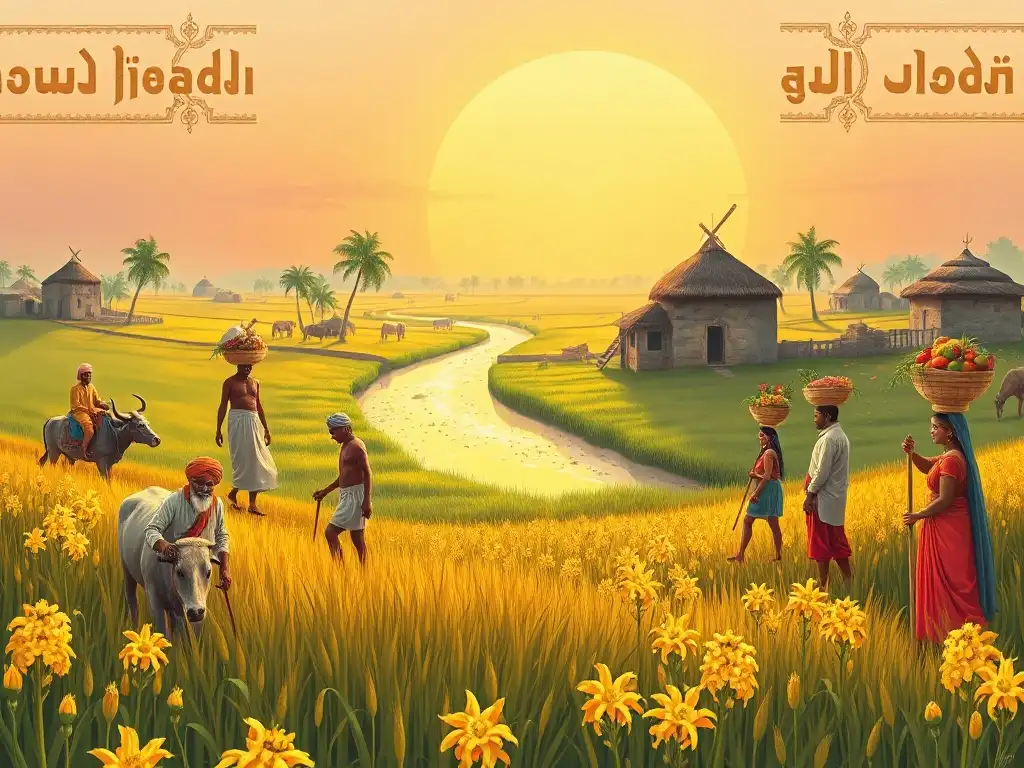
The agrarian economy of ancient India lays a foundational role in understanding the development of its civilizations. From the early days of the Indus Valley Civilization to the flourishing Gupta Empire, agriculture was not merely a means of sustenance but also a significant driver of social and economic structures. The interplay between agriculture, technology, and culture shaped the livelihoods of millions and influenced trade, governance, and societal norms.
The agrarian landscape of ancient India was diverse, characterized by a variety of climatic zones and geographical features, which facilitated the cultivation of numerous crops. This diversity allowed for the development of specialized agricultural practices, regional cuisines, and trade networks, making agriculture a critical component of the ancient Indian economy.
Moreover, religious beliefs and cultural practices intertwined with agricultural cycles, highlighting the importance of agrarian activities in the spiritual and daily lives of ancient Indians. The preservation of this rich agrarian heritage is crucial, as it holds lessons that can inform contemporary agricultural practices and sustainability efforts.
Key Periods in Ancient Indian Agriculture
The ancient Indian agrarian economy can be divided into several key periods, each marked by significant developments in agricultural practices, crop diversity, and irrigation techniques:
- Indus Valley Civilization (c. 3300–1300 BCE)
- The earliest evidence of organized agriculture appears in this period, where settlements like Harappa and Mohenjo-Daro showcased advanced irrigation systems.
- Crops such as wheat, barley, and cotton were cultivated, and the use of ploughs indicates a sophisticated approach to farming.
- Vedic Period (c. 1500–500 BCE)
- The emergence of the Vedas marked significant agrarian advancements, with detailed descriptions of agricultural practices, seasonal cycles, and rituals tied to harvests.
- This period saw the domestication of cattle and the use of iron tools, which enhanced productivity.
- Mauryan Empire (c. 322–185 BCE)
- The Mauryan Empire established state control over agriculture, leading to better organization and resource allocation.
- Innovations in irrigation, including canals, allowed for increased cultivation in fertile regions.
- Gupta Empire (c. 240–550 CE)
- Agriculture flourished during this time, supported by advancements in technology and trade networks.
- The introduction of new crops and improved agricultural techniques contributed to economic prosperity and population growth.
Major Civilizations and Their Agricultural Contributions
Ancient Indian civilizations made remarkable contributions to agriculture, laying the groundwork for future generations. Each civilization left a distinct mark on the agrarian landscape:
- Indus Valley Civilization
- Known for its systematic urban planning, it also featured advanced agricultural practices, including irrigation and crop rotation.
- The domestication of animals and the use of granaries for storage were pivotal in ensuring food security.
- Vedic Civilization
- Agriculture was deeply intertwined with Vedic culture, with hymns and rituals celebrating the agrarian lifestyle.
- The introduction of new crops, such as rice and legumes, diversified the agricultural output.
- Mauryan Empire
- The Mauryan administration implemented policies that promoted agricultural expansion, such as land grants and support for farmers.
- The development of trade routes facilitated the exchange of agricultural products, enhancing regional economies.
- Gupta Empire
- This period is often referred to as a "Golden Age" in Indian history, where agriculture supported not only local economies but also international trade.
- The introduction of advanced irrigation methods, such as wells and tank systems, significantly increased agricultural yields.
The ancient Indian agrarian economy was a complex and dynamic system influenced by various civilizations. Understanding its historical context and the contributions of key periods is essential for advocating for the preservation of this rich heritage. The lessons learned from these ancient practices can guide modern agricultural sustainability efforts, ensuring that future generations benefit from the wisdom of their ancestors.
Land Use in Ancient India
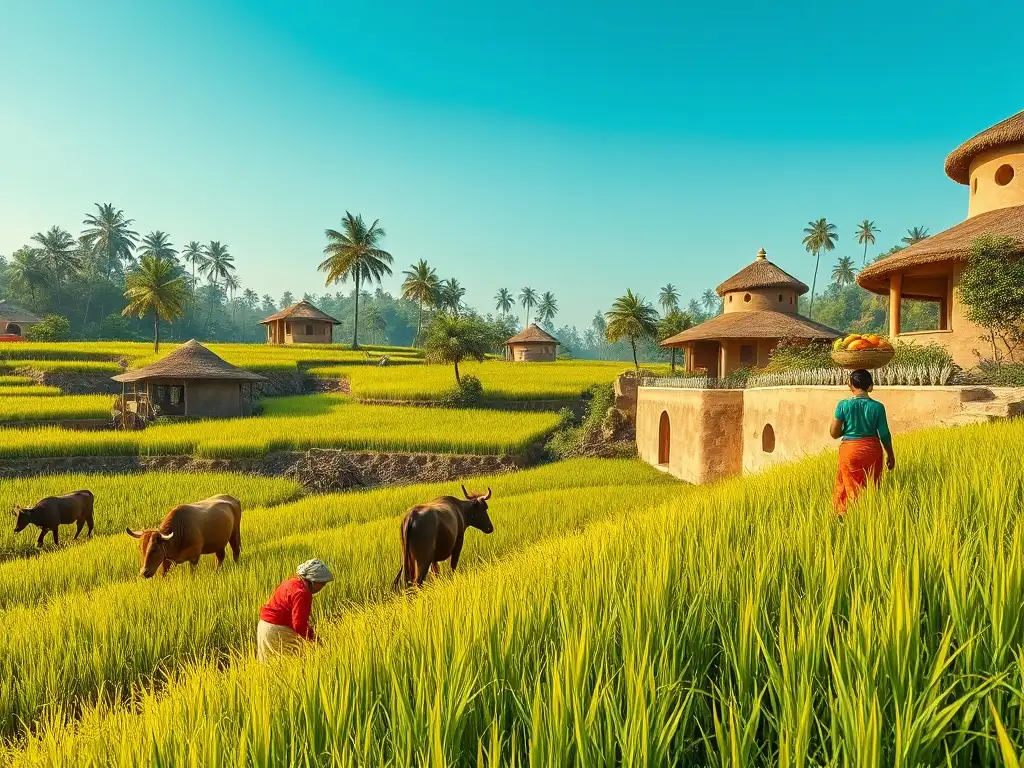
Types of Land Utilization in Ancient Indian Society
The agrarian economy of ancient India was characterized by diverse methods of land utilization, reflecting the varied geographical and climatic conditions across the subcontinent. This diversity in land use was crucial for the sustenance and growth of ancient Indian civilizations, allowing them to adapt to local conditions and maximize agricultural output.
- Cultivated Land: The primary type of land use involved the cultivation of crops. This included:
- Kharif Crops: Sown with the onset of monsoon, these crops—such as rice, maize, and pulses—were harvested at the end of the rainy season.
- Rabi Crops: These crops, including wheat, barley, and mustard, were sown in the cooler months and harvested in the spring.
- Fallow Land: To maintain soil fertility, farmers often left portions of their land fallow, allowing it to recover nutrients. This practice varied by region and was influenced by local agricultural traditions.
- Pastoral Land: In areas where agriculture was less viable, pastoralism played a significant role. Communities relied on grazing livestock, which contributed to their economy through milk, meat, and wool production.
- Forest Land: Forested areas were utilized for gathering resources such as firewood, medicinal plants, and wild fruits. Additionally, certain communities practiced shifting cultivation, moving periodically to allow land to regenerate.
- Wetland Cultivation: In regions with access to rivers and lakes, wetland agriculture flourished. Techniques like paddy cultivation were prominent in areas with sufficient water supply, showcasing advanced irrigation practices.
This multifaceted approach to land use not only supported the sustenance of ancient Indian societies but also laid the foundation for complex economic systems that thrived on agricultural surplus.
Role of Land Ownership and Tenancy Systems
Land ownership and tenancy systems were pivotal in shaping the agrarian economy of ancient India. These systems influenced social structures, economic relationships, and agricultural productivity, playing a crucial role in the preservation of the ancient Indian agrarian economy.
- Types of Land Ownership:
- Private Ownership: Wealthy individuals and families often owned large tracts of land. This concentration of land ownership allowed them to exert significant influence over local economies and politics.
- Community Ownership: In certain regions, land was collectively owned by communities. This communal approach fostered cooperation among villagers, ensuring that land was cultivated for the benefit of all.
- Tenancy Systems:
- Sharecropping: Many farmers worked as sharecroppers, cultivating land owned by others in exchange for a share of the produce. This system provided access to land for those who could not afford to own it, facilitating agricultural production.
- Fixed Rent: In some areas, tenants paid a fixed rent to landowners, regardless of the crop yield. This arrangement provided security for tenants but could also lead to exploitation during poor harvests.
- Legal Framework: Ancient texts, such as the Manusmriti, provide insights into the legalities surrounding land ownership and tenancy. Regulations governed the rights and responsibilities of landowners and tenants, reflecting societal values and economic conditions.
- Impact on Agricultural Practices: The dynamics of land ownership and tenancy systems influenced agricultural practices. For example, sharecroppers often had limited incentives to invest in improvements, while landowners were more likely to adopt advanced techniques to enhance productivity.
The interplay between land ownership and tenancy systems not only shaped the agrarian landscape of ancient India but also highlights the need for preservation efforts to understand the complexities of these historical economic structures. By studying these systems, we can gain valuable insights into sustainable agricultural practices and community cooperation that remain relevant today.
Irrigation Systems in Ancient India
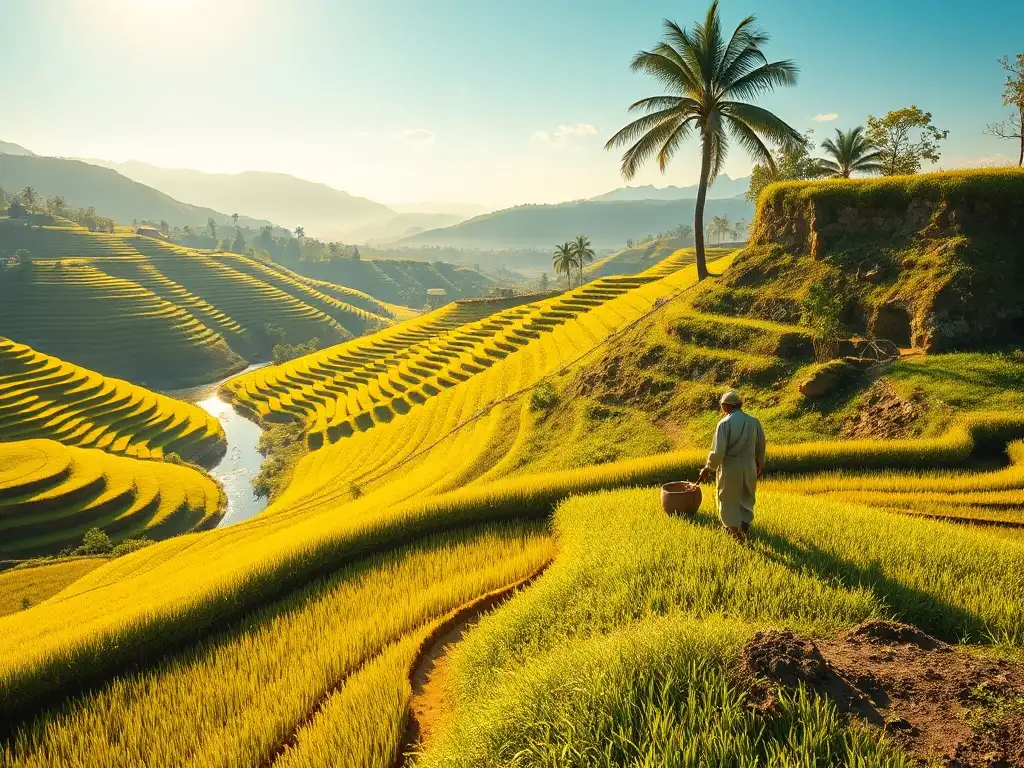
Irrigation systems played a crucial role in shaping the agrarian economy of ancient India, enabling civilizations to thrive in diverse climatic conditions. The development and implementation of these systems were essential for agricultural productivity, particularly in regions with inconsistent rainfall.
Innovations in Irrigation Techniques
Ancient Indian civilizations showcased remarkable ingenuity in their irrigation techniques, which can be categorized into several key innovations:
- Canal Systems: The construction of canals was a significant advancement, allowing for the diversion of river water to agricultural fields. For instance, the Indus Valley Civilization (c. 3300–1300 BCE) is known for its sophisticated drainage and canal systems that facilitated irrigation in arid regions.
- Wells and Stepwells: The use of wells for irrigation became prominent in various regions. Stepwells, particularly in Gujarat and Rajasthan, not only served as water sources but also played a role in managing water levels during droughts. These structures were ingeniously designed to allow easy access to groundwater.
- Rainwater Harvesting: Ancient texts suggest that rainwater harvesting techniques were employed to collect and store monsoon rains. This practice not only maximized water use efficiency but also helped maintain soil moisture levels during dry spells.
- Water Lifting Devices: Innovations such as the Persian wheel (known as "reha" in Hindi) and the Archimedes screw were utilized for lifting water from lower to higher elevations, making it easier to irrigate fields situated on elevated land.
These innovations were not merely practical; they reflected a profound understanding of hydrology and environmental management, which was crucial for the sustenance of the agrarian economy.
Impact of Irrigation on Crop Production
The advancements in irrigation systems had a transformative impact on crop production in ancient India. Here are some notable effects:
- Enhanced Agricultural Output: With reliable water supply, farmers could cultivate multiple crops per year, significantly increasing yield. For instance, regions like the Ganges Valley became known for the cultivation of rice and wheat due to effective irrigation practices.
- Diverse Crop Cultivation: Irrigation allowed for the cultivation of a variety of crops, including pulses, oilseeds, and spices, which contributed to dietary diversification. This not only supported local diets but also facilitated trade within and beyond the Indian subcontinent.
- Stabilization of Food Supply: Effective irrigation systems contributed to a more stable food supply, reducing the risks associated with famine and food shortages. This stability was vital for the growth of population centers and urbanization in ancient India.
- Economic Prosperity: The increased agricultural productivity supported the growth of trade and commerce. Surpluses generated from irrigation-supported agriculture enabled the emergence of a wealthy merchant class, further enhancing the agrarian economy.
The intricate irrigation systems of ancient India were foundational to its agrarian economy. Their preservation is critical not only for understanding ancient practices but also for informing contemporary agricultural strategies in similar climatic regions. The ancient Indian agrarian economy preservation initiative should focus on documenting these innovative techniques to ensure that future generations can learn from and build upon this rich heritage.
Case Study: Successful Preservation Initiatives
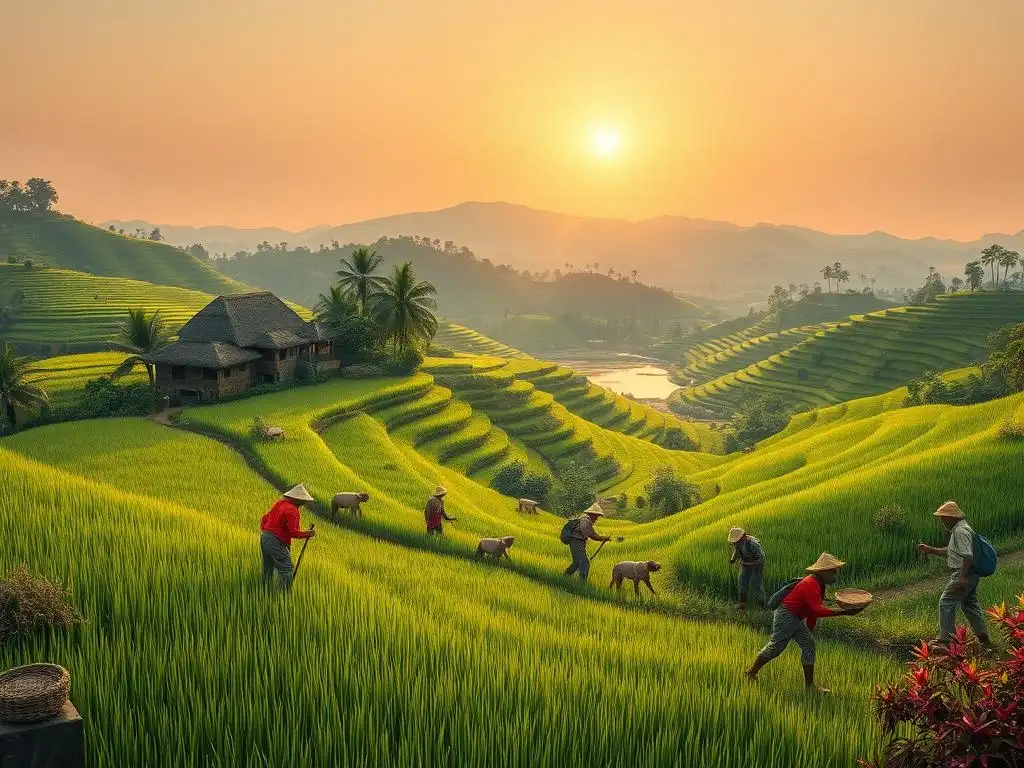
The preservation of the ancient Indian agrarian economy is not merely a retrospective endeavor; it actively shapes modern agricultural practices. Various initiatives have emerged in recent years aimed at reviving and maintaining traditional agricultural techniques that have stood the test of time. These efforts serve as a testament to the resilience and adaptability of ancient practices in contemporary settings.
Example of Preserving Ancient Agricultural Practices
Numerous organizations and local communities have embarked on the journey to preserve ancient agricultural techniques, demonstrating the effectiveness of integrating traditional knowledge with modern innovation. One notable example is the Kharif crop cultivation in the Deccan Plateau region, where farmers employ age-old methods that include crop rotation and intercropping. These practices not only enhance soil fertility but also promote biodiversity.
- Farmers' Cooperatives: Many villages have established cooperatives that focus on training younger generations in ancient farming techniques. This ensures that invaluable knowledge, such as the use of natural fertilizers and traditional irrigation systems, is passed down.
- Research Programs: Institutions like the Indian Agricultural Research Institute (IARI) have initiated research programs that study ancient texts and agricultural treatises to better understand practices like bio-pesticide use and rainwater harvesting.
- Seed Banks: The establishment of seed banks to preserve heirloom varieties of crops, such as Red Rice and Black Gram, reflects an active effort to maintain genetic diversity. This initiative not only conserves ancient agricultural practices but also provides farmers with resilient crop options.
Results of Preservation Efforts on Modern Agriculture
The impact of these preservation initiatives on modern agriculture has been profound and multifaceted. The revival of ancient agricultural practices has led to several positive outcomes:
- Increased Sustainability: Traditional methods often emphasize ecological balance and sustainability. Techniques such as organic farming and crop diversification reduce reliance on chemical fertilizers and pesticides, fostering a more sustainable agricultural ecosystem.
- Economic Resilience: Farmers who adopt traditional practices often see improved yield stability and reduced costs associated with chemical inputs. For instance, the use of indigenous seed varieties has been linked to higher resilience against pests and environmental fluctuations, leading to better economic outcomes for farmers.
- Cultural Reinvigoration: The revival of ancient practices has also sparked a renewed interest in agrarian culture within communities. Festivals celebrating harvests and traditional farming methods serve both as educational platforms and as means to strengthen community bonds.
- Biodiversity Conservation: By adopting ancient practices, farmers contribute to the conservation of biodiversity. The preservation of various crop species not only protects genetic diversity but also creates a more robust ecological environment.
- Educational Outreach: Preservation efforts have spurred educational initiatives that connect urban populations with rural agricultural practices. Workshops and programs aimed at urban dwellers have increased awareness and appreciation for ancient techniques, promoting a holistic understanding of food systems.
Overall, the preservation of the ancient Indian agrarian economy not only honors the legacy of prior civilizations but also equips modern agriculture with the tools necessary for a sustainable and resilient future. By integrating these time-tested practices, communities can forge a path that respects history while embracing innovation.
Challenges Facing Preservation of the Ancient Indian Agrarian Economy
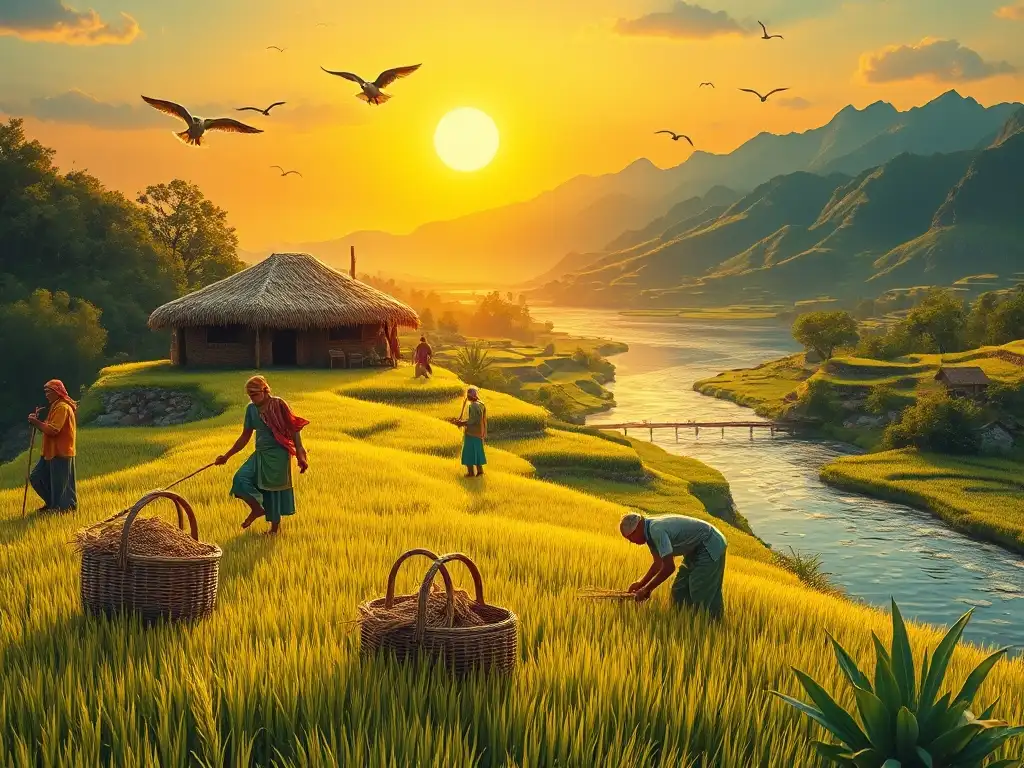
Preserving the ancient Indian agrarian economy is vital for understanding the evolution of agricultural practices and land use in the subcontinent. However, several challenges threaten the preservation of this rich heritage.
The environmental challenges facing the preservation of the ancient Indian agrarian economy are significant and multifaceted. Climate change has altered rainfall patterns and increased the frequency of extreme weather events, leading to soil degradation and loss of traditional crop varieties.
- Soil Erosion: Extensive agricultural practices have contributed to soil erosion, diminishing soil fertility and impacting crop yields.
- Water Scarcity: Many ancient irrigation systems, such as those used in the Indus Valley Civilization, have fallen into disrepair, leading to water scarcity that hampers the revival of traditional agricultural methods.
- Loss of Biodiversity: The shift towards monoculture and the use of chemical fertilizers have resulted in the loss of diverse crop species that were once integral to the agrarian economy.
On the social front, the disconnection of modern farmers from traditional practices poses a significant barrier to preservation:
- Cultural Displacement: Younger generations are increasingly drawn to urban lifestyles, leading to a decline in the transmission of traditional agricultural knowledge and practices.
- Economic Pressures: The modern agricultural economy, often driven by market demands, undermines the viability of traditional farming techniques that were sustainable but less profitable in contemporary terms.
Historical Neglect and Its Consequences
The historical neglect of the ancient Indian agrarian economy has far-reaching consequences for its preservation.
Lack of Documentation: Despite the importance of agricultural practices in ancient Indian civilizations, there has been insufficient documentation of traditional methods. Many records have been lost, and oral traditions are fading as the older generations pass away.
- Inadequate Research: There is a need for comprehensive research to document ancient practices, including crop rotation, intercropping, and water management techniques. The lack of scholarly attention has resulted in a gap in understanding the intricacies of these systems.
Policy Oversight: Government policies often prioritize modern agricultural practices, sidelining the significance of ancient techniques.
- Funding and Support: There is a scarcity of funding directed toward the study and revival of ancient agrarian practices. This oversight limits efforts to integrate sustainable methods into contemporary agriculture.
Cultural Perception: The perception of ancient practices as outdated or less efficient discourages their revival.
- Revitalizing Interest: Encouraging interest in these practices requires not only education but also initiatives that demonstrate their effectiveness in sustainable farming.
The preservation of the ancient Indian agrarian economy faces significant environmental, social, and historical challenges. Addressing these challenges is essential for sustaining the agricultural heritage that has shaped India's identity and economy for millennia.
Solutions for Effective Preservation
Strategies for Documenting Ancient Agrarian Practices
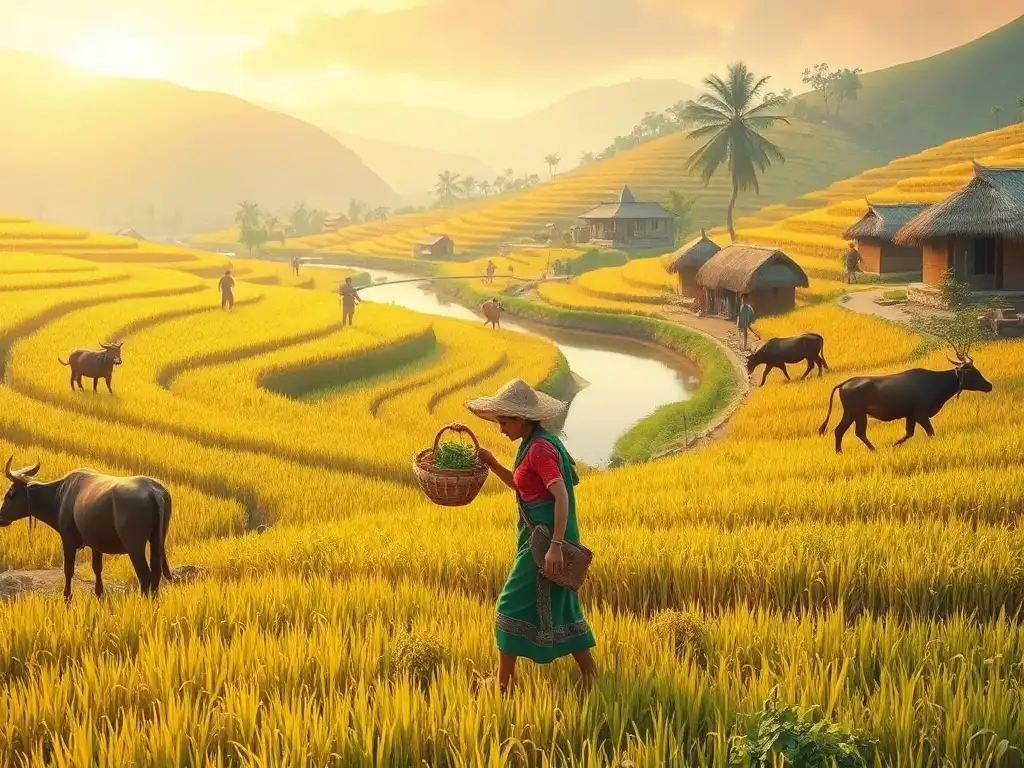
To effectively preserve the ancient Indian agrarian economy, it is essential to document the diverse practices that have shaped agricultural methods throughout history. This documentation serves not only as a record of past techniques but also as a resource for future generations. The following strategies can be implemented:
- Ethnographic Studies:
- Conduct interviews with local farmers and agricultural experts to gather firsthand accounts of traditional practices.
- Utilize field observations to identify and document techniques still in use today, such as crop rotation, intercropping, and organic farming methods.
- Archival Research:
- Explore ancient texts, inscriptions, and manuscripts that provide insights into historical agricultural practices, such as the Arthashastra and Manusmriti.
- Collaborate with historians and archaeologists to analyze artifacts that reflect agricultural tools and techniques from ancient civilizations.
- Digital Documentation:
- Create online databases that compile documented practices, allowing for easy access and sharing among researchers, students, and the public.
- Use multimedia tools like videos and infographics to illustrate traditional methods, making the information more engaging and accessible.
- Interdisciplinary Collaboration:
- Partner with experts from various fields—such as agronomy, environmental science, and anthropology—to develop comprehensive preservation strategies.
- Encourage academic institutions to include courses on ancient agrarian economies, fostering a new generation of scholars who understand the significance of these practices.
Community Involvement in Preservation Efforts
Community engagement is crucial for the successful preservation of the ancient Indian agrarian economy. By involving local populations, preservation efforts can be more sustainable and relevant. Here are some key approaches to encourage community involvement:
- Workshops and Training Sessions:
- Organize workshops to educate communities about the importance of traditional practices and how they contribute to sustainable agriculture.
- Offer training sessions on techniques such as organic farming and soil conservation that have historical significance.
- Participatory Research:
- Involve local farmers in research projects that document their practices and insights, ensuring that their knowledge is recognized and valued.
- Create community advisory boards that contribute to decision-making processes regarding preservation initiatives.
- Cultural Celebrations:
- Host festivals or fairs that celebrate traditional agricultural practices, showcasing local produce, crafts, and cuisines.
- Use these events as platforms for sharing knowledge and resources, fostering a sense of pride in cultural heritage.
- Support for Local Initiatives:
- Encourage the establishment of community groups focused on preserving traditional farming methods and local biodiversity.
- Provide grants or funding opportunities for projects that aim to restore ancient irrigation systems or promote sustainable land use.
By implementing these strategies and fostering community involvement, we can create a robust framework for the preservation of the ancient Indian agrarian economy, ensuring that its rich heritage is passed down through generations.
Conclusion: The Future of Ancient Indian Agrarian Economy Preservation
The preservation of the ancient Indian agrarian economy is not merely about safeguarding historical practices; it is about recognizing the invaluable contributions these systems can offer to contemporary agriculture. The intricate knowledge of land use, crop rotation, and irrigation systems developed over centuries holds the potential to guide modern farming toward sustainability. As we face challenges like climate change, resource depletion, and food security, ancient practices can serve as a blueprint for resilience and innovation.
Importance of Integrating Traditional Practices in Modern Agriculture
Integrating traditional agricultural practices into modern methods can create a more sustainable and productive agricultural system. By studying the ancient Indian agrarian economy, we can uncover techniques that promote biodiversity, soil health, and efficient water usage. Some of these practices include:
- Crop Diversity: Ancient Indian farmers often grew a variety of crops together, which not only reduced pest outbreaks but also improved soil fertility.
- Rainwater Harvesting: Techniques such as constructing check dams and ponds for storing rainwater were common, which can be adapted to modern irrigation systems to enhance water availability.
- Organic Fertilizers: The use of natural composts and manures, as practiced in ancient times, can reduce reliance on chemical fertilizers, improving soil health and reducing environmental impact.
Benefits of Traditional Practices
| Practice | Modern Application | Benefits |
|---|---|---|
| Crop Rotation | Integrated Pest Management | Reduces pests and improves yields |
| Mixed Cropping | Agroforestry | Enhances biodiversity and resilience |
| Organic Farming | Sustainable Agriculture | Reduces chemical runoff and pollution |
Incorporating these ancient techniques can lead to a more sustainable agricultural framework that respects cultural heritage while addressing modern needs.
Call to Action for Preservation Efforts in Agricultural Studies
To ensure the future of the ancient Indian agrarian economy preservation, it is crucial for researchers, policymakers, and communities to collaborate in various ways:
- Increased Research Funding: Allocate resources for studies that focus on traditional agricultural practices and their applications today.
- Educational Programs: Develop curriculums that teach the importance of ancient agricultural techniques in schools and universities.
- Community Engagement: Involve local communities in preservation efforts by documenting their traditional knowledge and practices.
- Policy Advocacy: Encourage government policies that support sustainable practices rooted in ancient agriculture, providing incentives for farmers who adopt these methods.
By taking these steps, we can not only preserve the rich legacy of ancient Indian agriculture but also harness its wisdom to foster a sustainable future. The ancient Indian agrarian economy is more than history; it is a vital resource for contemporary agricultural practices that can lead to a more resilient and food-secure world.
Frequently Asked Questions
What was the primary focus of the ancient Indian agrarian economy?
The ancient Indian agrarian economy primarily focused on agriculture, which was the backbone of society, providing food and resources for trade and sustenance.
How did the agrarian economy contribute to ancient Indian civilization?
The agrarian economy supported social structures, trade networks, and cultural practices, enabling the growth of cities and the flourishing of civilizations like the Indus Valley and Gupta Empire.
What are the key elements that defined ancient Indian agriculture?
Key elements included crop diversity, irrigation techniques, and seasonal farming practices, which collectively enhanced productivity and sustainability in the agrarian sector.
Why is the preservation of ancient Indian agrarian practices important today?
Preserving these practices can provide insights into sustainable agriculture, promote biodiversity, and help maintain the cultural heritage linked to traditional farming methods.
How can modern society benefit from studying the ancient Indian agrarian economy?
Studying the ancient Indian agrarian economy can inform sustainable practices, enhance food security, and inspire innovative agricultural solutions that respect both tradition and modern demands.
Final Reflection: The Urgency of Preserving Our Agricultural Heritage
The study of the ancient Indian agrarian economy is not just a historical inquiry; it is a vital call to action for contemporary society. As we navigate the complexities of modern agriculture and environmental challenges, understanding the sustainable practices of our ancestors can provide invaluable insights. The lessons learned from ancient systems of farming, resource management, and community collaboration are more relevant today than ever, reminding us that preservation is not merely an option but a necessity for our future.
Cultural and social landscapes are deeply intertwined with agricultural practices, and the ancient Indian agrarian economy serves as a testament to this relationship. The wisdom embedded in these age-old practices continues to influence modern agricultural policies and community initiatives, highlighting the importance of sustainability and biodiversity. As Mahatma Gandhi once said, The future depends on what you do today.
This quote resonates profoundly in the context of our responsibility to honor and preserve the knowledge of our ancestors, ensuring that it informs our present and shapes our future.
As you reflect on the insights shared in this article, consider how you can contribute to the preservation of our agricultural heritage. Engage with local farming communities, support sustainable practices, and educate others about the importance of ancient agricultural wisdom. By taking these steps, you not only honor the legacy of the ancient Indian agrarian economy but also play a crucial role in fostering a more sustainable and resilient future for generations to come.
Preserve and Celebrate the Legacy of Ancient Indian Agriculture!
Thank you for exploring the fascinating insights into the ancient agrarian economy of India! Your engagement in this vital topic helps keep the legacy of our agricultural practices alive, highlighting their significance in today’s world. Now, let’s take meaningful steps together to honor and preserve this invaluable heritage.
- Dive deeper: Read more about ancient agricultural techniques and their relevance in contemporary farming practices. Explore resources or books that detail the innovations of our ancestors.
- Share the knowledge: Spread the word by sharing this article with friends and family. Engaging others in this conversation fuels interest and preservation efforts!
- Join a local initiative: Find or start a community group that focuses on sustainable agriculture or the preservation of traditional farming methods in your area. Every effort counts!
What aspect of the ancient Indian agrarian economy resonates most with you, and how do you think we can better integrate these practices into our modern-day lives?