
The Role of Women in Ancient Indian Art: Trailblazers of Expression

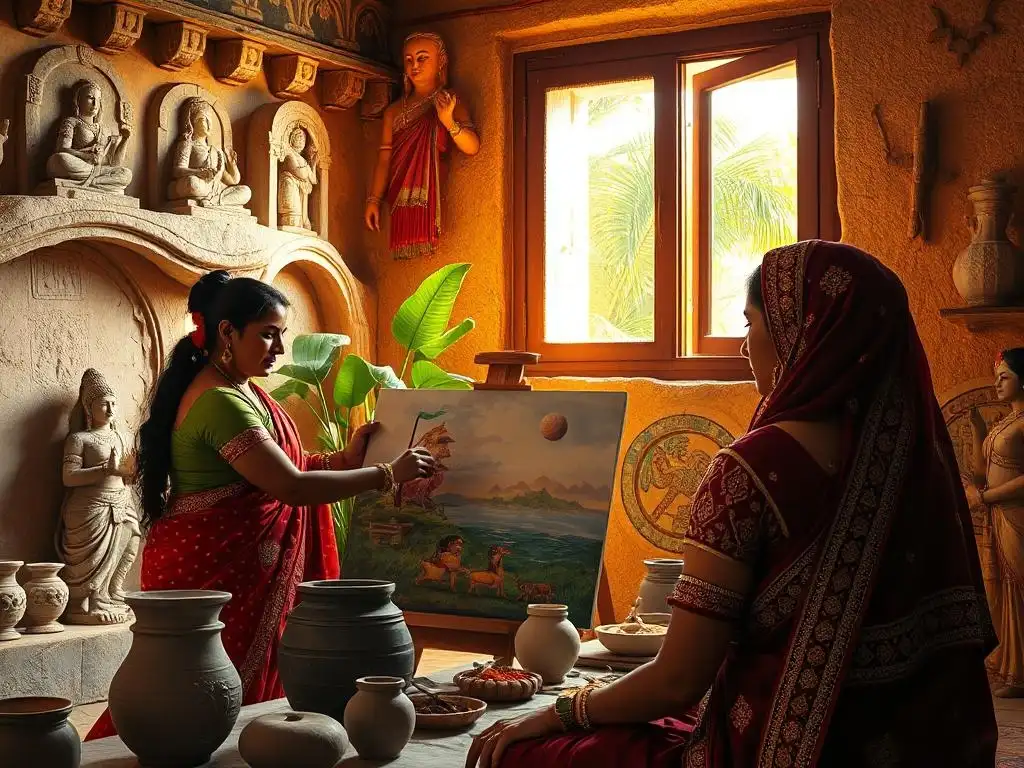
Welcome to Ancient India History, where we embark on a fascinating journey through the rich tapestry of ancient Indian civilizations. Today, we delve into an often-overlooked aspect of our cultural heritage: the influential role of women in ancient Indian art. From exquisite sculptures to vibrant paintings, these trailblazers of expression carved their mark in a world that celebrated creativity and innovation.
What were their contributions, and how did they shape the artistic landscape of their time? Join us as we explore this captivating narrative that not only highlights their artistry but also unravels the deeper stories of empowerment and cultural significance. Dive in and discover the legacy that continues to inspire!
Introduction to Women in Ancient Indian Art
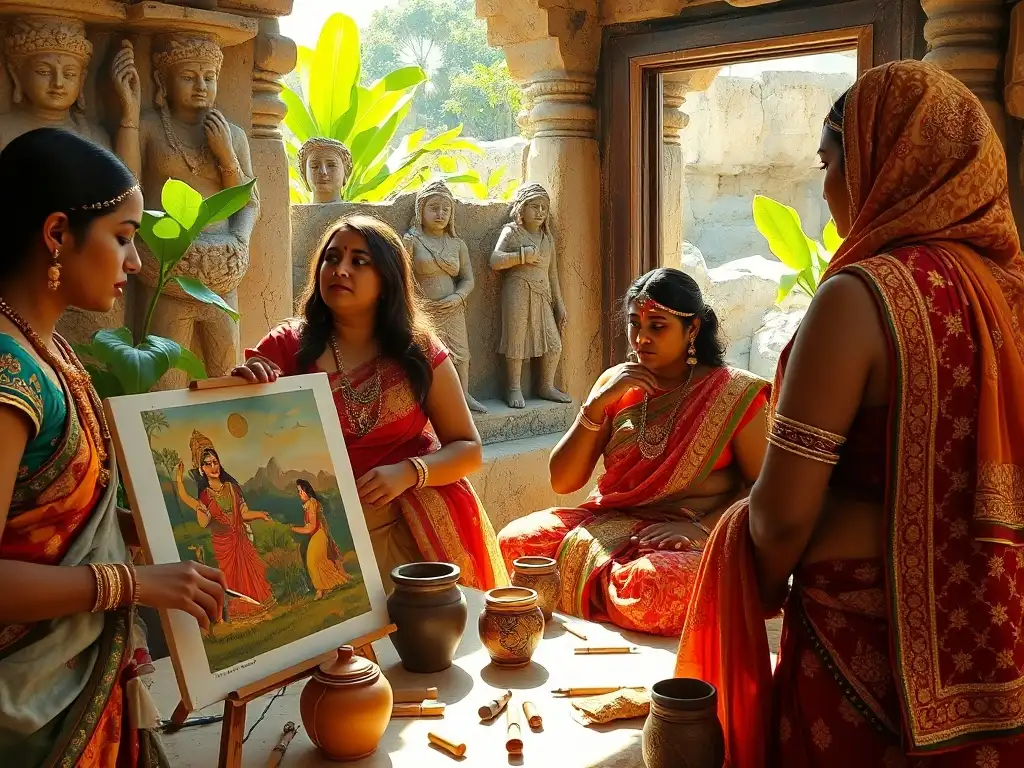
The exploration of the role of women in ancient Indian art unveils a rich tapestry of creativity and expression that has often been overlooked in mainstream historical narratives. From the intricate sculptures of the Indus Valley to the vivid frescoes of the Gupta Empire, women not only served as muses but also actively contributed as artists, patrons, and subjects of art.
Their artistic expressions reflect the cultural, spiritual, and social dynamics of their times, making it essential to acknowledge and celebrate their contributions. By examining the various roles women played in ancient Indian art, we can gain a deeper understanding of their influence and legacy within the broader context of Indian civilization.
Overview of Women's Contributions in Ancient Indian Art
Women in ancient India were integral to the development of various art forms, including sculpture, painting, and textile design. They participated in numerous ways, ranging from being the subjects of artworks that depicted their daily lives and rituals to actively engaging in the creation of these artistic expressions.
- Sculptors and Artisans: Many women were skilled artisans, contributing to the craft of sculpting and pottery. Their work often embodied the values and ideals of femininity in ancient society.
- Patrons of the Arts: Women of royal lineage played crucial roles as patrons, commissioning works that celebrated religious and cultural narratives. This patronage not only cultivated artistic talent but also ensured the preservation of cultural heritage.
- Symbolic Representation: In many artworks, women were depicted as symbols of fertility, beauty, and virtue, reflecting the societal values of the time. These representations were pivotal in shaping the artistic landscape of ancient India.
Importance of Studying Women Artists in Ancient India
Studying the contributions of women artists in ancient India is vital for several reasons:
- Historical Recognition: Acknowledging women's roles helps to rectify the historical oversight and underrepresentation of their contributions in art history.
- Cultural Insight: Understanding the artistic expressions created by women provides insights into the societal norms, beliefs, and values of ancient Indian civilizations.
- Inspiration for Modern Artists: The legacy of women in ancient Indian art can inspire contemporary artists by showcasing the depth and diversity of female expression throughout history.
Historical Context of Women in Ancient Indian Art
To fully appreciate the role of women in ancient Indian art, it is essential to examine the historical context in which these artists operated. This context highlights the evolving societal attitudes towards women and the arts across different periods.
Women in the Indus Valley Civilization
The Indus Valley Civilization (c. 3300–1300 BCE) is renowned for its advanced urban planning and artistic achievements. Archaeological evidence suggests that women played a significant role in the artistic landscape of this civilization.
- Terracotta Figurines: Numerous terracotta figurines have been unearthed, often depicting female forms. These figures likely held religious or cultural significance, symbolizing fertility and motherhood.
- Craftsmanship: Women likely participated in various crafts, including pottery and bead-making, which were vital components of Indus Valley art.
The Role of Women during the Vedic Period
The Vedic period (c. 1500–500 BCE) marked a significant transition in Indian society, with the development of texts that provide insight into women's roles.
- Literary Contributions: Women like Gargi and Maitreyi are noted in Vedic texts for their intellectual contributions, which also influenced artistic expressions, particularly in literature and performance arts.
- Cultural Depictions: Art from this period often reflected the spiritual and philosophical ideals espoused by women, showcasing their integral role in the cultural narrative.
Influence of Women in the Mauryan Empire
The Mauryan Empire (c. 322–185 BCE) saw a flourishing of art and culture, with women exerting influence in various capacities.
- Commissioners of Art: Empresses and royal women often commissioned artworks, contributing to the legacy of Mauryan art. Their patronage led to the creation of significant works, such as sculptures and stupas.
- Symbolic Representation in Art: Women were frequently depicted in Mauryan art, symbolizing key aspects of life and society, reinforcing their presence in the artistic narrative.
As we delve deeper into the specifics of women's contributions and the historical context in which they existed, we can further appreciate the richness of their legacy in ancient Indian art.
Artistic Expressions of Women in Ancient India
The role of women in ancient Indian art is both profound and multifaceted, reflecting their diverse experiences and the cultural contexts in which they lived. From the earliest times, women have been integral to various art forms, serving not only as subjects but also as active participants in the creation and patronage of art. Artistic expressions of women in ancient India can be seen in numerous forms, including sculptures, frescoes, pottery, and textiles. These expressions often conveyed their social roles, religious beliefs, and societal norms, showcasing their influence on the artistic narrative of the time.
Women were frequently depicted in art, celebrating their beauty, grace, and strength. The vibrant murals of the Ajanta caves, for instance, highlight women's roles in everyday life, illustrating scenes of domesticity, dance, and music. Such representations not only reflect the aesthetics of the period but also illuminate the values and ideals associated with femininity in ancient Indian society. Furthermore, the evolution of art through different dynasties underscores the changing perceptions of women, as they transitioned from passive subjects to empowered creators and patrons.
Women as Subjects in Sculpture and Paintings
Women have been prominent subjects in ancient Indian sculpture and paintings, often portrayed in various roles that encapsulate their societal significance. Sculptures from the Mauryan period, for example, depict women engaged in daily chores, religious rituals, and dance, highlighting their integral role in both the household and the spiritual realm. These representations serve to celebrate the beauty of women and their contributions to society.
In paintings, particularly those found in the frescoes of Ajanta and Ellora, women are depicted in a myriad of contexts, from divine figures to ordinary women in domestic settings. The intricacy of these artworks often portrays women adorned in elaborate jewelry and garments, symbolizing not only their physical beauty but also their cultural status. This emphasis on women in art underscores their importance in the narrative of ancient Indian civilization, where they were revered as symbols of fertility, prosperity, and spirituality.
Depictions of Female Deities and Their Significance
The depiction of female deities in ancient Indian art is a testament to the reverence afforded to women in spiritual contexts. Goddesses such as Durga, Lakshmi, and Saraswati are frequently illustrated in sculptures and paintings, embodying power, wisdom, and prosperity. These representations are not merely artistic choices; they reflect the cultural and religious values that elevated feminine divinity in ancient Indian society.
The significance of these female deities goes beyond their aesthetic appeal. They often symbolize the ideals of womanhood, serving as role models for virtue, strength, and devotion. Temples dedicated to these goddesses were adorned with intricate carvings and frescoes, highlighting their importance in both art and worship. Through these depictions, women were not only celebrated as divine figures but also as embodiments of the cultural ethos that shaped ancient Indian civilization.
The Role of Women in Patronage and Art Production
Women played a pivotal role in the patronage and production of art in ancient India. While the historical narrative often emphasizes male artists and patrons, women were influential figures in the commissioning and support of artistic endeavors. Wealthy women from royal families and merchant classes often sponsored temple constructions and art projects, ensuring the continuation of artistic traditions.
Moreover, women artisans contributed significantly to the production of textiles, pottery, and jewelry, which were essential components of ancient Indian art. Their craftsmanship was often passed down through generations, preserving cultural heritage and artistic techniques. The collaborative efforts of women in art production not only enriched the artistic landscape of ancient India but also highlighted their resilience and creativity in a male-dominated society.
Notable Women Artists and Artisans
The historical accounts of women artists and artisans in ancient India, while limited, reveal a rich tapestry of creativity and influence. Some prominent figures stand out, showcasing the talent and determination that women exhibited in the realm of art. Their contributions, though often overshadowed by their male counterparts, were instrumental in shaping the artistic legacy of India.
Profiles of Influential Women in Ancient Indian Art
One notable figure is the legendary poet and artist, Mira Bai, whose devotional songs and poetry inspired countless artists and craftsmen. Though primarily known as a poet, her influence extended to visual arts, as her life and work were depicted in various art forms. Another influential woman was Vasavadatta, a talented painter whose works captured the essence of courtly life and the beauty of nature.
These women, along with others, paved the way for future generations of female artists and artisans. Their legacies continue to inspire and empower women in the arts, reminding us of the vital role women played in ancient Indian artistic traditions.
Contributions of Female Sculptors in Ancient Temples
Female sculptors in ancient India significantly contributed to the intricate carvings found in temples across the subcontinent. These artisans were responsible for creating exquisite representations of deities, celestial beings, and intricate floral designs that adorned temple walls. The skill and artistry demonstrated in their work reflect not only their technical abilities but also their profound understanding of religious iconography.
Moreover, temples such as the Brihadeeswarar Temple and the Khajuraho Group of Monuments feature sculptures that celebrate femininity, depicting women in various poses of grace and strength. The presence of these female sculptors in temple architecture underscores the importance of women in the spiritual and artistic realms of ancient India.
Recognition of Women in Ancient Indian Literature about Art
Ancient Indian literature often acknowledges the role of women in art, albeit indirectly through the celebration of their contributions and talents. Texts such as the Natya Shastra by Bharata Muni provide insights into the significance of women in dance and performance art, highlighting their integral role in the broader artistic narrative.
Additionally, literary references to women artists and their works can be found in the Mahabharata and Ramayana, where female characters are depicted as skilled in arts and crafts. These mentions not only recognize women as creators but also affirm their status as vital contributors to the cultural heritage of ancient India, enriching the artistic traditions that continue to inspire modern interpretations.
Themes and Motifs in Women-Centric Art
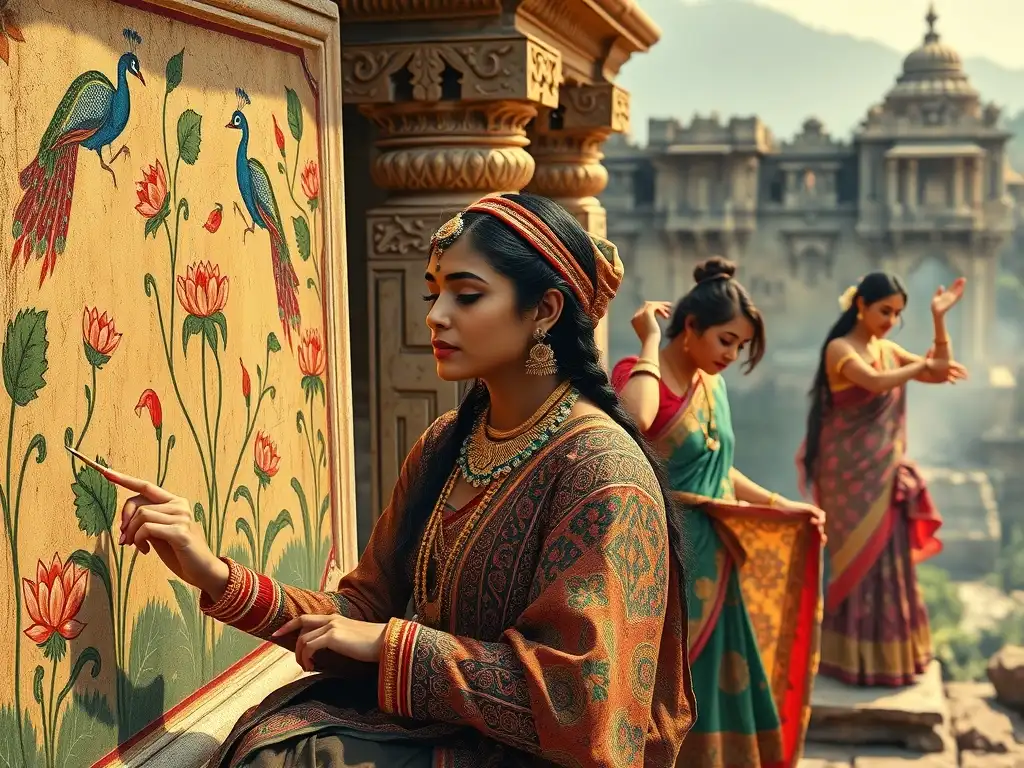
Ancient Indian art is rich with themes and motifs that highlight the role of women, showcasing their multifaceted contributions to culture and society. The portrayal of women in this art reflects the societal values, spiritual beliefs, and the aesthetic sensibilities of the time. Various themes emerge prominently, illustrating women's roles as nurturers, goddesses, and muses, while also emphasizing their connection to nature and the divine. The artistic expressions in temples, sculptures, and paintings often depict women engaged in daily activities, rituals, and mythological narratives, reinforcing their significance in both domestic and public spheres.
Common Themes Representing Women in Ancient Indian Art
Several recurring themes represent women in ancient Indian art, each conveying a unique aspect of their identity and societal roles. These include:
- Nurturing Figures: Women are often depicted as mothers and caretakers, emphasizing their role in family and lineage. This theme showcases the reverence for motherhood, highlighting maternal bonds and the nurturing aspects of femininity.
- Divine Femininity: Many artworks portray goddesses such as Durga, Lakshmi, and Saraswati. These representations not only celebrate women's divinity but also symbolize power, wisdom, and prosperity.
- Cultural Rituals: Women are frequently illustrated participating in rituals, festivals, and ceremonies, reflecting their integral role in cultural practices and the transmission of traditions across generations.
- Nature and Fertility: Artistic motifs often associate women with nature, depicting them in harmony with flora and fauna. This connection symbolizes fertility, growth, and the life-giving aspects of femininity.
Symbolism of Femininity in Visual Arts
The symbolism of femininity in ancient Indian visual arts transcends mere representation, delving into deeper meanings and cultural significance. Women are often depicted with specific attributes that communicate their virtues and roles:
- Ornamentation: The adornment of women with jewelry and elaborate attire symbolizes beauty, status, and cultural identity. These elements are significant in portraying femininity and the aesthetic ideals of the time.
- Postures and Gestures: Artistic representations often utilize specific postures and mudras (hand gestures) to convey messages about women's strengths, emotions, and spiritual connections. For example, the anjali mudra signifies respect and devotion, often associated with feminine grace.
- Integration with Nature: The depiction of women alongside natural elements—flowers, animals, and landscapes—highlights their intrinsic connection to the earth and fertility, reinforcing the idea of women as life-givers and nurturers.
The Representation of Women in Folk Art and Tradition
Folk art in ancient India serves as a vital source of expressing the lives and roles of women within various communities. These artistic forms, often rooted in tradition and local culture, depict women in diverse contexts:
- Daily Life: Folk art frequently illustrates women engaged in everyday activities, such as cooking, farming, and weaving, celebrating their contributions to household and community life.
- Storytelling and Mythology: Many folk art forms incorporate narratives that include women as central characters, reflecting their importance in folklore and community identity. These stories often convey moral lessons and cultural values.
- Regional Variations: The representation of women varies across different regions, each showcasing unique artistic styles and cultural themes. For instance, Warli art from Maharashtra often depicts women in tribal settings, emphasizing their connection to nature and daily life.
The Legacy of Women in Ancient Indian Art
The legacy of women in ancient Indian art is profound, influencing not only the art of their time but also subsequent generations. Their contributions have laid the groundwork for contemporary interpretations and artistic expressions.
Impact on Subsequent Artistic Movements
The artistic expressions of women in ancient India have left a lasting impact on various subsequent artistic movements. Their roles as creators and muses have inspired later artists, leading to:
- Continuity of Themes: Many themes explored by ancient women artists, such as femininity, spirituality, and cultural identity, continue to resonate in modern art forms. Contemporary artists often draw upon these themes to express their own narratives.
- Revival of Traditional Techniques: A resurgence in interest in traditional art forms has prompted artists to revisit and reinterpret ancient styles, often incorporating elements that celebrate women's contributions and experiences.
- Feminist Art Movements: The acknowledgment of women's roles in ancient art has sparked conversations within feminist art movements, advocating for recognition and representation of women's voices in contemporary artistic practices.
Preservation and Recognition of Women's Artistic Contributions
Despite the challenges of historical documentation, efforts to preserve and recognize women's artistic contributions have gained momentum in recent years:
- Curation of Exhibitions: Art exhibitions focusing on women in ancient Indian art have emerged, showcasing works that highlight their roles and contributions, thereby educating the public about their significance.
- Academic Research: Scholars and historians are increasingly recognizing and studying the contributions of women artists in ancient India, contributing to a more nuanced understanding of their impact on art and culture.
- Cultural Heritage Initiatives: Various organizations and cultural heritage programs aim to document and promote the art forms created by women, ensuring their stories and legacies are passed down through generations.
Modern Interpretations of Ancient Women Artists’ Works
Contemporary artists and scholars are reinterpreting the works of ancient women artists, breathing new life into their legacies. This modern engagement includes:
- Fusion of Styles: Modern artists often blend traditional techniques with contemporary practices, creating works that reflect ancient themes while addressing current issues related to gender, identity, and culture.
- Revitalization of Folk Art: Many contemporary artists are reviving folk art traditions that celebrate women's roles, using these forms to express their own narratives and the complexities of modern womanhood.
- Digital Platforms: The advent of digital technology has enabled the dissemination of knowledge about ancient women artists and their works, allowing for broader accessibility and engagement with their legacies.
The role of women in ancient Indian art is not only a reflection of their societal contributions but also a testament to their enduring influence on the artistic landscape through the ages. Their stories, themes, and legacies continue to inspire and inform contemporary artistic practices, ensuring that the voices of women in ancient Indian art remain vital and resonant today.
Conclusion: Celebrating Women in Ancient Indian Art
The role of women in ancient Indian art is a compelling narrative woven through the fabric of history, showcasing their profound influence and creativity. From the vibrant murals of the Ajanta caves to exquisite sculptures of deities, women not only participated in artistic creation but also inspired it. Their artistic expressions reflected their societal roles, spiritual beliefs, and contributions to culture.
By celebrating the achievements of these women, we acknowledge the richness of their legacy, which continues to inspire contemporary artists and scholars alike. The recognition of women as pivotal figures in ancient Indian art is not merely an acknowledgment of the past but a call to honor their enduring impact on the artistic landscape.
Summary of Key Contributions of Women in Ancient Indian Art
Women in ancient India made significant contributions to various art forms, including:
- Mural Painting: Women often contributed to the decoration of temples and palaces, creating intricate murals that depicted religious themes and daily life.
- Sculpture: Female artisans played crucial roles in sculpting deities and figures, often infusing their works with emotional depth and artistic finesse.
- Textiles and Weaving: The art of weaving was traditionally a female domain, producing textiles that were not only functional but also artistically significant, showcasing elaborate patterns and dyes.
- Performance Arts: Women were integral in dance and theater, combining visual arts with performance to convey stories and cultural traditions.
These contributions highlight the multifaceted nature of women's involvement in the arts, reflecting their creativity and the societal values of their time.
The Importance of Recognizing Women as Trailblazers of Expression
Recognizing women as trailblazers in ancient Indian art is essential for several reasons:
- Historical Accuracy: Acknowledging women's roles provides a more comprehensive understanding of history, moving beyond male-centric narratives.
- Cultural Heritage: Women artists contributed to the preservation and evolution of cultural practices, ensuring that their unique perspectives were woven into the artistic tapestry of ancient India.
- Inspiration for Future Generations: By highlighting the achievements of female artists, we inspire contemporary and future women artists to explore their creativity and assert their voices in the art world.
- Social Reflection: Understanding women’s contributions allows us to explore the broader social dynamics of ancient Indian civilizations, including gender roles, status, and the collective cultural identity.
Celebrating women as integral to the development of art forms encourages a more inclusive appreciation of cultural history.
References and Further Reading on Women in Ancient Indian Art
Suggested Books and Articles
- "Women in Indian Art: A Socio-Historical Perspective": by [Author Name] - This book explores the various roles women have played in the artistic landscape of India, analyzing their contributions through historical contexts.
- "The Role of Women in Ancient Indian Sculpture" - An academic article that delves into the specific contributions of women sculptors in ancient India and their impact on the art form.
- "Artistic Traditions of India: Women’s Influence": by [Author Name] - This publication discusses the artistic traditions of India and highlights the often-overlooked influence of women artists.
Online Resources and Archives on Ancient Indian Art
- The National Museum of India - An online archive featuring digital collections of ancient Indian art, including works by and about women artists.
- Digital South Asia Library - A resource that offers access to a variety of texts and images related to ancient Indian art, focusing on women's contributions.
- The Archaeological Survey of India - This website provides insights into archaeological findings, including those that highlight women's roles in art and culture.
By engaging with these resources, readers can deepen their understanding of the invaluable contributions of women in ancient Indian art and their lasting legacy.
- Introduction to Women in Ancient Indian Art
- Historical Context of Women in Ancient Indian Art
- Artistic Expressions of Women in Ancient India
- Notable Women Artists and Artisans
- Themes and Motifs in Women-Centric Art
- The Legacy of Women in Ancient Indian Art
- Conclusion: Celebrating Women in Ancient Indian Art
- References and Further Reading on Women in Ancient Indian Art
- What was the significance of women in ancient Indian art?
- How did women influence the themes in ancient Indian art?
- Were there any notable women artists in ancient India?
- How did the status of women impact their representation in art?
- What were some common art forms that depicted women in ancient India?
Frequently Asked Questions
What was the significance of women in ancient Indian art?
Women played a crucial role in ancient Indian art, serving as muses, creators, and subjects of various artistic expressions, reflecting their status and contributions to society.
How did women influence the themes in ancient Indian art?
Women were often depicted in mythological narratives and daily life scenes, showcasing their vital roles in family, spirituality, and culture, influencing the thematic depth of the art.
Were there any notable women artists in ancient India?
Yes, there are records of female artists and artisans who contributed to various art forms, although their names may not be as well-documented as their male counterparts.
How did the status of women impact their representation in art?
The social status and cultural norms of women influenced their representation in art, often portraying them as symbols of beauty, virtue, and strength, while also reflecting the societal views of their time.
What were some common art forms that depicted women in ancient India?
Women were commonly represented in sculpture, painting, and textiles, often depicted in roles that emphasize their beauty, grace, and divine associations within the cultural narratives.
Final Reflection: Celebrating the Trailblazers of Expression
The exploration of women in ancient Indian art reveals a profound connection between creativity and cultural identity, highlighting how these trailblazers shaped artistic expression. Today, as we navigate a world still grappling with gender disparities, the stories of these women remind us of the enduring power of female voices in shaping history and culture. Their contributions not only enriched the artistic landscape of their time but also laid the groundwork for future generations to follow in their footsteps.
The impact of women in ancient Indian art continues to resonate in contemporary society, inspiring a renewed appreciation for the role of women in creative fields. From the intricate sculptures of temple architecture to the vibrant narratives depicted in paintings, these artists broke barriers and challenged norms. Their legacy serves as a testament to the strength and resilience of women throughout history. As noted by art historian Dr. Anita Dube, Art is a reflection of society, and when women are included, we see a fuller picture of our shared humanity.
As we reflect on the invaluable contributions of women in ancient Indian art, let us embrace the lessons they impart about creativity, resilience, and the importance of diverse voices. I invite you to explore your own creative potential and consider how you can contribute to the ongoing dialogue about gender and art. Whether through your own artistic endeavors or by supporting the work of women artists today, each of us has the power to honor the legacy of these trailblazers and inspire future generations to express themselves boldly and authentically.
Unveil the Legacy: Celebrate Women's Contributions to Ancient Indian Art!
Thank you for diving deep into the remarkable world of women's influence on ancient Indian art! You've journeyed through their stories of creativity and impact, and now it’s time to take action and honor their legacy.
Here’s how you can make a difference:
- Explore Further: Visit a local gallery or museum that showcases ancient Indian art to witness the stunning works created by women artisans firsthand.
- Share the Inspiration: Initiate a conversation by sharing this article with friends or on social media. Let others learn about these trailblazers of artistic expression!
- Engage with the Community: Participate in an online forum or local group dedicated to art history to discuss and learn more about the significant contributions of women in the arts.
What stories of female artists from ancient India inspire you the most, and how can you share their legacy today?