
The Rise and Fall of Kingdoms: Leadership Lessons from Ancient Indian History

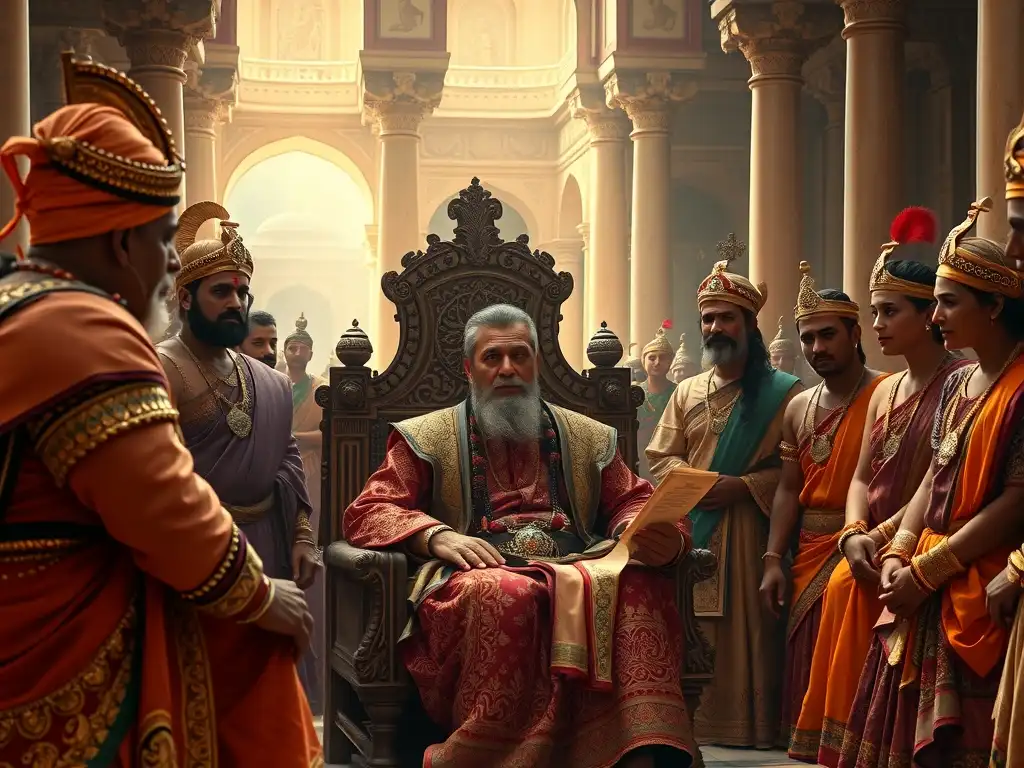
Welcome to Ancient India History, where we embark on a captivating journey through time to uncover the profound stories of civilization that shaped not just a land, but the very essence of leadership itself. In our featured article, "The Rise and Fall of Kingdoms: Leadership Lessons from Ancient Indian History," we delve deep into the wisdom of key historical figures who navigated the complexities of power, governance, and society in ancient India. What secrets can their experiences reveal to us today?
Join us as we explore these invaluable lessons, inviting you to reflect on how the echoes of the past can guide us in the present and beyond. Continue reading to unlock the treasures of knowledge that await you!
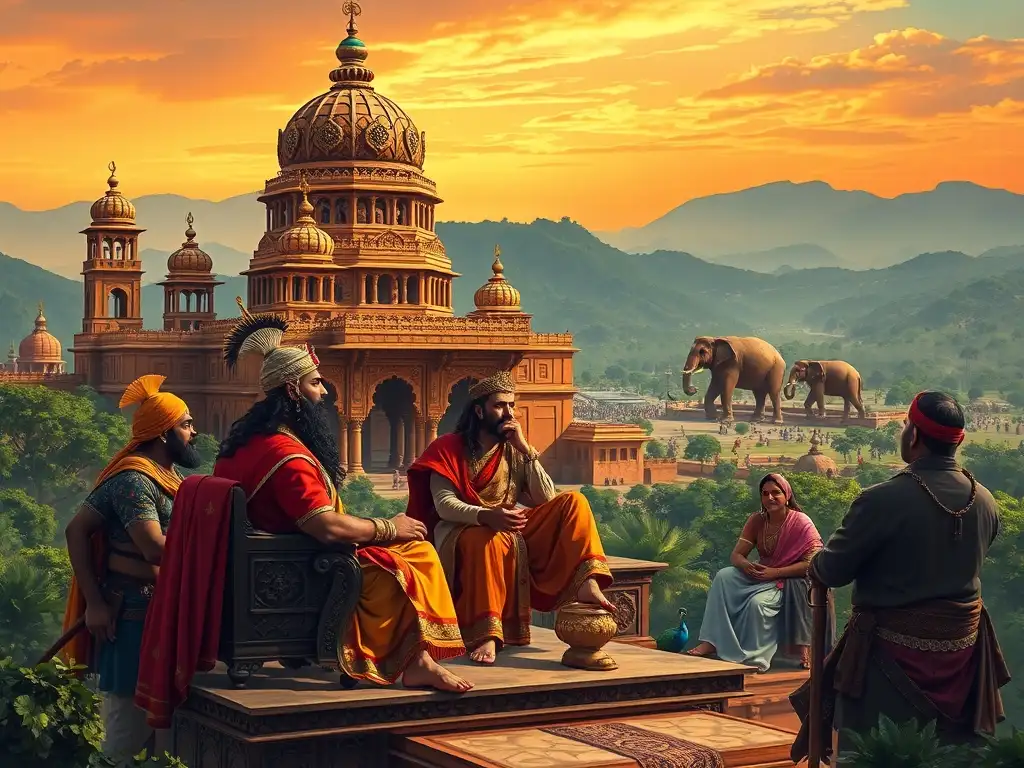
In the vast tapestry of ancient Indian history, the rise and fall of kingdoms offer profound insights into leadership, governance, and the socio-political dynamics that shaped the subcontinent. From the urban sophistication of the Indus Valley Civilization to the intellectual zenith of the Gupta Empire, each kingdom was marked by unique leadership styles that addressed the challenges of their times.
This article delves into the leadership lessons from ancient India, providing contemporary leaders with valuable takeaways from the strategies and decisions of influential historical figures. By understanding the legacies of these rulers, we can gain a deeper appreciation of how effective leadership can foster resilience, unity, and cultural advancement, even in the face of adversity.
Introduction to Leadership in Ancient Indian Civilizations
Ancient India was home to a plethora of kingdoms, each with its own distinctive approach to leadership. From the formidable Maurya Empire to the culturally rich Gupta Empire, the rulers not only governed but also inspired their people through visionary leadership.
Overview of Ancient Indian Kingdoms and Their Impact
The ancient Indian landscape was dominated by several key kingdoms, each contributing to the socio-economic and cultural fabric of the region. Major empires such as the Maurya, Gupta, and Vijayanagara not only expanded their territories but also enriched Indian culture through advancements in arts, sciences, and philosophy. These kingdoms set the stage for a legacy of leadership that emphasized moral authority, strategic governance, and public welfare.
- Maurya Empire: Known for its vast territorial expansion and the establishment of a centralized administration.
- Gupta Empire: Often referred to as the Golden Age of India, marked by significant achievements in science, technology, and the arts.
- Vijayanagara Empire: Renowned for its contributions to architecture and literature, promoting a rich cultural milieu.
Significance of Leadership Lessons from Ancient India
The lessons drawn from the leadership styles of ancient Indian rulers are not merely historical relics; they serve as timeless principles that can be applied to modern leadership contexts. The strategies employed by these leaders in governance, crisis management, and societal cohesion offer valuable insights into effective leadership today. By examining their successes and failures, contemporary leaders can learn to navigate complex challenges with wisdom and foresight.
Key Historical Figures in Ancient Indian Leadership
The exploration of leadership in ancient India would be incomplete without acknowledging the key historical figures whose legacies continue to resonate. Each of these leaders exemplified unique attributes that contributed to their kingdoms' successes.
The Maurya Empire: Chandragupta Maurya’s Vision
Chandragupta Maurya, the founder of the Maurya Empire, is celebrated for his strategic acumen and visionary leadership. Under his reign, the empire unified large parts of the Indian subcontinent, establishing a robust administrative framework that emphasized effective governance. His ability to forge alliances and implement innovative policies laid the groundwork for a flourishing empire.
The Gupta Empire: Samudragupta and His Military Strategy
Samudragupta, often regarded as one of the greatest military leaders of ancient India, expanded the Gupta Empire through a series of successful campaigns. His military strategies, which combined diplomacy and force, not only consolidated power but also promoted cultural integration across his realm. His reign is a testament to the importance of adaptability and strategic planning in leadership.
The Vijayanagara Empire: Krishnadevaraya’s Cultural Leadership
Krishnadevaraya stands out as a beacon of cultural leadership in the Vijayanagara Empire. His patronage of the arts and emphasis on literature fostered a vibrant cultural renaissance. By promoting inclusivity and encouraging diverse artistic expressions, Krishnadevaraya exemplified how cultural leadership can enhance a kingdom's identity and unity.
The leadership lessons from ancient India, drawn from the rise and fall of its kingdoms, provide timeless wisdom that continues to inform modern leadership practices. By studying these historical figures and their contributions, one can glean important insights into the art of leadership that are relevant even in today's fast-paced world.
Leadership Styles and Strategies in Ancient Indian History
Ancient India witnessed a diverse range of leadership styles and strategies that played a crucial role in shaping the kingdoms and empires of the time. Leaders such as Chandragupta Maurya, Ashoka the Great, and the rulers of the Gupta Empire exemplified different approaches to governance, each adapted to their unique historical and cultural contexts.
The leadership strategies varied significantly, from autocratic rule to more democratic forms of governance. For instance, while the Mauryan Empire under Chandragupta emphasized strong centralized authority, the Gupta Empire showcased a more decentralized approach, allowing local rulers to maintain power while paying tribute to the central authority. This adaptability in leadership styles reflects the dynamic nature of ancient Indian governance and the influence of cultural philosophies such as Buddhism and Hinduism.
Furthermore, leaders often employed a combination of military prowess, administrative efficiency, and cultural patronage to solidify their power. For example, Ashoka's leadership is noted for his transformation from a warrior king to a benevolent ruler who prioritized dharma (moral duty) and non-violence. This shift not only strengthened his rule but also left a lasting legacy in Indian culture.
The Role of Dharma in Leadership
Dharma, or the moral law combined with spiritual discipline, played a fundamental role in ancient Indian leadership. The concept of dharma guided rulers in their decision-making processes, emphasizing the importance of ethical governance and the welfare of their subjects. Leaders such as Ashoka famously integrated dharma into their policies, promoting non-violence, compassion, and the welfare of all living beings.
The principles of dharma also mandated that rulers act justly and fairly, reinforcing the notion that a king’s legitimacy is derived from his adherence to moral and ethical standards. This idea is reflected in the ancient Indian texts, such as the Arthashastra by Kautilya, which outlines the responsibilities of a ruler to uphold dharma while also making pragmatic decisions for statecraft.
Moreover, rulers who failed to uphold dharma often faced rebellion and loss of loyalty from their subjects, highlighting the intrinsic connection between moral leadership and the success of a kingdom. The emphasis on dharma in leadership not only fostered stability but also facilitated a sense of belonging and unity among the people, further consolidating a ruler's strength.
Strategic Alliances and Diplomacy: Lessons from Ancient Rulers
The art of diplomacy and the formation of strategic alliances were pivotal in the rise and sustenance of ancient Indian kingdoms. Leaders understood that forming alliances could bolster their military strength and provide economic benefits. The Mauryan Empire, for instance, engaged in various alliances with neighboring states, which not only expanded its territorial reach but also ensured a degree of peace and stability.
Ancient rulers utilized marriage alliances as a diplomatic tool to strengthen ties with other kingdoms. These alliances were instrumental in fostering mutual respect and cooperation among diverse cultures. The Gupta Empire, known for its golden age of culture and science, also relied on strategic diplomacy to maintain its influence across the subcontinent.
Moreover, the use of spies and intelligence gathering, as detailed in Kautilya’s Arthashastra, underscores the importance of information in ancient diplomacy. Leaders who effectively navigated the complex political landscape through alliances and negotiations often enjoyed prolonged reigns and successful kingdoms, serving as a vital leadership lesson for modern governance.
Effective Governance: Administrative Innovations of Ancient Kings
The ancient Indian kings were not only warriors and diplomats but also astute administrators who implemented innovative governance strategies. The establishment of efficient administrative systems was crucial for managing vast empires. For example, the Mauryan Empire introduced a well-structured bureaucracy, with officials appointed to oversee various sectors such as taxation, agriculture, and law enforcement.
Ashoka’s reign showcased significant administrative innovations, particularly in promoting welfare programs and infrastructure development. He built roads, hospitals, and rest houses, ensuring better connectivity and access to services for his subjects. His edicts, engraved on pillars and rocks, served as a means to communicate policies and ethical guidelines directly to the populace, fostering transparency and trust.
Additionally, the Gupta Empire is noted for its local self-governance, allowing village assemblies (grama sabhas) to have a say in local matters. This practice not only empowered communities but also encouraged participation in governance, demonstrating the effectiveness of inclusive administration. These innovations in governance provide essential lessons on the importance of structure, transparency, and community involvement in leadership.
The Rise of Empires: Key Leadership Lessons
The rise of empires in ancient India offers valuable leadership lessons that transcend time. The strategies employed by ancient rulers reveal insights into effective governance, resource management, and visionary leadership that can inform contemporary leaders.
Harnessing Resources for Growth and Expansion
Ancient Indian empires thrived on the effective harnessing of resources, be it natural, human, or cultural. Leaders recognized that sustainable resource management was critical for their empires' growth and longevity. The Mauryan Empire, for instance, capitalized on the fertile land of the Gangetic plains, utilizing agriculture as the backbone of its economy.
Trade routes also played a significant role in resource acquisition and wealth generation. The Gupta Empire benefited immensely from its strategic location along key trade routes, facilitating commerce and cultural exchange. Leaders who understood the importance of both local and international resources were able to enhance their empires' wealth and stability, highlighting the need for adaptability and foresight in leadership.
The Importance of Visionary Leadership in Building Empires
Visionary leadership was a hallmark of successful ancient Indian rulers. Leaders like Ashoka and Chandragupta Maurya had a clear vision for their empires, which guided their policies and military strategies. Ashoka's vision of a peaceful and prosperous empire, grounded in dharma, transformed the Mauryan Empire into a beacon of civilization.
Moreover, visionary leaders often inspired loyalty and a sense of purpose among their subjects. The ability to articulate a compelling vision not only motivated citizens but also attracted skilled individuals who contributed to the empire’s growth. This aspect of leadership illustrates the significance of having a long-term perspective and the capacity to inspire others toward a common goal.
Learning from the Rise of the Indus Valley Civilization
The Indus Valley Civilization stands as one of the earliest examples of urban planning and governance in ancient India. Its rise offers critical insights into leadership, particularly in the context of sustainable development and community organization. Leaders of this civilization implemented advanced agricultural practices and established trade networks, fostering economic stability.
The sophisticated urban planning, evident in cities like Harappa and Mohenjo-Daro, reflects a strong vision for resource management and public welfare. The emphasis on hygiene, with well-planned drainage systems, underscores the importance of health in governance. Furthermore, the lack of evident military fortifications suggests a focus on trade and diplomacy over conquest, revealing a leadership style that prioritized stability and prosperity.
The lessons gleaned from the rise of ancient Indian kingdoms emphasize the importance of ethical leadership, strategic resource management, and visionary governance, all of which are vital for contemporary leaders aiming to build lasting legacies.
The Fall of Kingdoms: Mistakes and Missteps
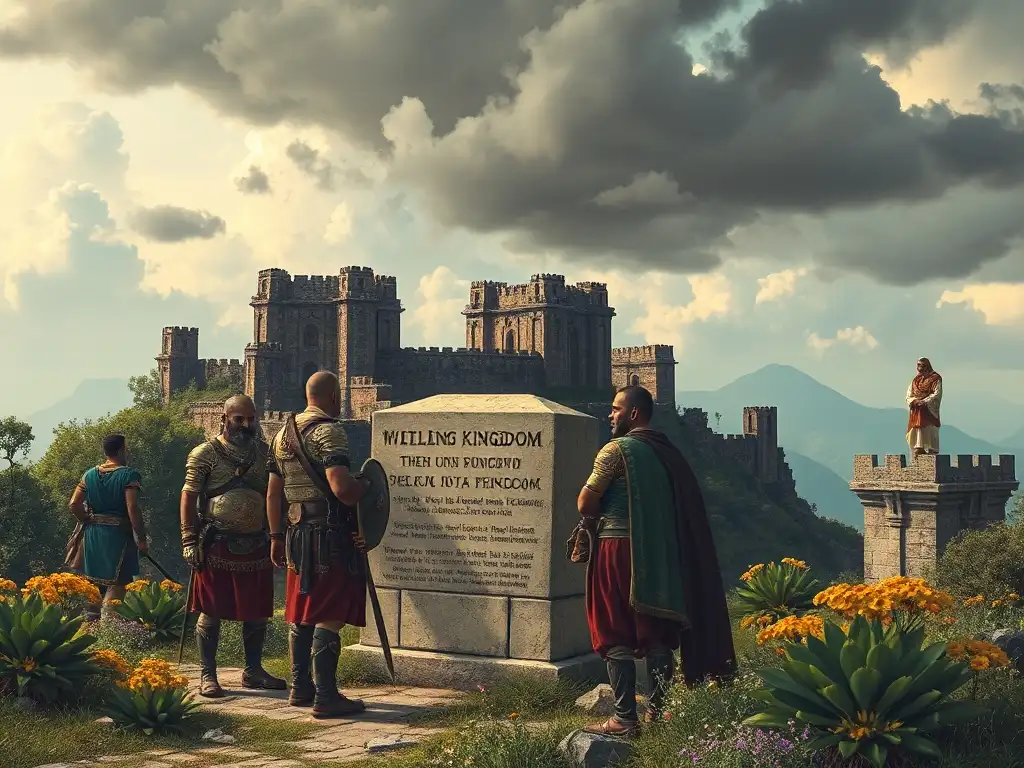
The decline of ancient Indian kingdoms often provides a wealth of leadership lessons that remain relevant today. Various factors contribute to the fall of these once-prosperous empires, shedding light on the mistakes and missteps made by their leaders. Key among these are internal conflicts, neglect of public welfare, and a failure to adapt to changing circumstances.
One significant aspect of leadership in ancient India was the reliance on power and authority without engaging the populace. When rulers became disconnected from their subjects, dissatisfaction brewed, leading to revolts and the eventual disintegration of their authority. Additionally, many leaders underestimated the importance of diplomacy, opting instead for brute force, which often backfired and weakened their positions.
Understanding these mistakes offers valuable insights into effective leadership. By analyzing these historical failures, current leaders can better navigate challenges, ensuring they remain connected to their communities and adapt to the evolving landscape of governance.
Internal Conflicts and Their Impact on Leadership
Internal conflicts within a kingdom can severely undermine leadership and stability. In ancient India, many empires faced challenges from within, such as factionalism, family disputes, and competition among nobility. These conflicts often distracted leaders from pressing external threats and weakened the overall governance structure.
For instance, the decline of the Gupta Empire can be attributed, in part, to the power struggles among regional governors and the royal family. As these conflicts escalated, the central authority diminished, leading to fragmentation and vulnerability to invasions. Leaders who fail to manage internal disputes effectively risk losing the loyalty and support of their subjects, ultimately leading to a kingdom's downfall.
The lesson here is clear: effective leadership requires fostering unity and resolving conflicts before they escalate. Encouraging dialogue and collaboration among stakeholders can create a more cohesive and resilient governance structure.
The Consequences of Ignoring Public Welfare
Public welfare was a critical component of successful governance in ancient India. Leaders who prioritized the needs and well-being of their subjects often enjoyed loyalty and stability. Conversely, those who neglected this aspect faced dire consequences.
A notable example is the downfall of the Maurya Empire, where Chandragupta Maurya's successors became increasingly detached from the populace. Over time, heavy taxation and inadequate attention to agricultural needs led to widespread dissatisfaction among farmers and merchants. This neglect eroded trust in the government and fueled rebellion.
The key takeaway for modern leaders is to recognize that public welfare is integral to sustainable governance. Prioritizing the needs of citizens fosters loyalty, promotes stability, and ultimately leads to a thriving society.
Lessons from the Fall of the Maurya Empire
The Maurya Empire, once a symbol of strength and unity, provides essential lessons in leadership. Its decline was marked by several critical errors, including ineffective succession planning and the inability to adapt to changing political landscapes.
After the reign of Ashoka, the empire struggled with weak leadership and internal divisions. The lack of a clear succession plan led to power struggles, undermining the stability that Ashoka had built through his policies of peace and welfare. Furthermore, the empire failed to address the growing influence of regional powers, leading to fragmentation and vulnerability.
From the fall of the Maurya Empire, leaders today can learn the importance of strategic planning and the need for adaptability. Ensuring a clear vision for succession and remaining attuned to external threats can help maintain stability and prevent decline.
Timeless Leadership Lessons from Ancient India
The rich tapestry of ancient Indian history offers timeless leadership lessons that resonate across generations. By examining the successes and failures of past leaders, contemporary leaders can glean insights into effective governance and inspire positive change.
Resilience in Leadership: Overcoming Adversity
Resilience is a hallmark of effective leadership, especially in times of crisis. Ancient Indian leaders faced numerous challenges, from invasions to internal strife. Those who demonstrated resilience by adapting their strategies and maintaining focus on their goals were often able to overcome adversity and restore stability.
For example, after significant military defeats, leaders like Raja Raja Chola I of the Chola dynasty rebuilt their kingdoms by investing in infrastructure and fostering trade. Such adaptability not only helped them recover but also laid the groundwork for future prosperity.
Modern leaders can take inspiration from this resilience, recognizing that setbacks are often opportunities for growth and innovation. Embracing change and remaining steadfast in the face of challenges can lead to long-term success.
The Importance of Ethical Leadership and Integrity
Ancient India placed a strong emphasis on ethical leadership and integrity. Leaders were expected to uphold moral values and govern with fairness. Those who strayed from these principles often faced backlash from their subjects, leading to a loss of credibility and authority.
The story of Ashoka, who transformed from a conqueror to a proponent of Buddhism, illustrates the power of ethical leadership. His commitment to moral governance and social welfare earned him the loyalty of his people and solidified his legacy.
This highlights the importance of ethical standards in leadership. Upholding integrity fosters trust and respect, essential ingredients for effective governance and long-term success.
Inspiring Loyalty and Unity Among Subjects
The ability to inspire loyalty and unity among subjects is a crucial trait of successful leaders. Ancient Indian rulers employed various strategies to cultivate a sense of belonging and allegiance among their people. They often promoted cultural and religious unity, which played a significant role in nation-building.
For example, Akbar the Great of the Mughal Empire implemented policies that emphasized religious tolerance and cultural integration. By promoting dialogue among different faiths and communities, he fostered a sense of unity that strengthened his empire.
Modern leaders can draw from this approach by actively promoting inclusivity and collaboration within their communities. Inspiring loyalty through shared values and collective identity not only enhances governance but also builds a resilient society.
Conclusion: Applying Ancient Leadership Lessons Today
The study of ancient Indian kingdoms provides a wealth of knowledge about leadership, governance, and the intricate balance of power. The lessons learned from their rise and fall are not merely historical anecdotes but serve as valuable frameworks for contemporary leaders. By understanding the principles that guided these ancient rulers, modern leaders can navigate the complexities of today's society more effectively.
Incorporating the strategies of ancient leaders can enhance decision-making processes, promote ethical governance, and foster a sense of responsibility towards the populace. The adaptability and foresight exhibited by these rulers in different contexts can inspire current leaders to develop flexible strategies that respond to changing environments. Ultimately, the legacy of ancient Indian leadership can inform and enrich the leadership practices of today.
The Relevance of Ancient Indian Leadership Principles in Modern Times
Ancient Indian leadership principles emphasize virtues such as dharma (righteousness), sama (equanimity), and sankhya (wisdom). These values remain relevant in addressing contemporary challenges, such as ethical dilemmas in corporate governance, environmental sustainability, and social justice.
For instance, the principle of dharma encourages leaders to act with integrity and fairness, fostering trust and collaboration within organizations. Additionally, the concept of sama underscores the importance of maintaining composure and balance in decision-making, crucial for leaders facing crises. By applying these ancient principles, modern leaders can build resilient organizations that thrive in the face of adversity.
Furthermore, the focus on community well-being in ancient governance can inform current leaders about the importance of stakeholder engagement and social responsibility. This holistic approach, which prioritizes the welfare of the community over mere profit, can lead to sustainable growth and development.
Final Thoughts on Learning from the Rise and Fall of Kingdoms
The rise and fall of ancient Indian kingdoms illustrate that leadership is a dynamic and multifaceted endeavor. The successes and failures of past rulers offer critical insights into the nature of power, governance, and the impact of decisions on society.
In reflecting on these historical experiences, current leaders can appreciate the complexities of leadership, recognizing that the pursuit of power must be balanced with ethical considerations and a commitment to the greater good. Learning from history enables leaders to avoid repeating past mistakes and to build on the successes of their predecessors.
As we look to the future, the lessons from ancient India remain pertinent, urging leaders to embrace adaptability, ethical governance, and a profound understanding of their role in shaping society.
References for Further Reading on Leadership Lessons from Ancient India
Suggested Books and Articles on Ancient Indian Leadership
- "The Art of War in Ancient India" by K. M. Shrimali: This book delves into the military strategies and leadership qualities of ancient Indian rulers.
- "Leadership Lessons from the Mahabharata" by Ramesh Menon: Analyzes the complex characters in the Mahabharata, extracting valuable leadership lessons from their narratives.
- "The Ramayana: A New Translation": by R. K. Narayan: Offers insights into the virtues of leadership as depicted through the characters in the epic.
Documentaries and Resources for Deeper Understanding
- "The Story of India": A BBC documentary series that explores the rich history of India, including its ancient kingdoms and leadership practices.
- "Ancient India: The Forgotten Past": A documentary that highlights the rise and fall of various Indian dynasties and the leadership lessons that can be drawn from their stories.
- "Epic India: The Mahabharata": This resource provides a detailed look at the epic's themes, including leadership, ethics, and governance, through engaging storytelling and analysis.
- Introduction to Leadership in Ancient Indian Civilizations
- Key Historical Figures in Ancient Indian Leadership
- Leadership Styles and Strategies in Ancient Indian History
- The Rise of Empires: Key Leadership Lessons
- The Fall of Kingdoms: Mistakes and Missteps
- Timeless Leadership Lessons from Ancient India
- Conclusion: Applying Ancient Leadership Lessons Today
- References for Further Reading on Leadership Lessons from Ancient India
- What can we learn about leadership from ancient Indian civilizations?
- How did the Indus Valley Civilization demonstrate leadership?
- What role did religion and philosophy play in ancient Indian leadership?
- How did the Gupta Empire exemplify effective governance?
- What are some challenges faced by ancient Indian leaders?
Frequently Asked Questions
What can we learn about leadership from ancient Indian civilizations?
Ancient Indian civilizations provide valuable insights into effective leadership, emphasizing qualities such as wisdom, justice, and strategic thinking that can be applied in modern contexts.
How did the Indus Valley Civilization demonstrate leadership?
The Indus Valley Civilization showcased advanced urban planning and governance, indicating that strong leadership facilitated social structure and economic prosperity, which are essential for any thriving society.
What role did religion and philosophy play in ancient Indian leadership?
Religion and philosophy deeply influenced leadership styles in ancient India, with rulers often seen as divinely ordained and guided by ethical principles drawn from texts like the Bhagavad Gita.
How did the Gupta Empire exemplify effective governance?
The Gupta Empire is known for its golden age, which was characterized by stability, cultural flourishing, and economic prosperity, demonstrating how enlightened leadership can lead to societal advancement.
What are some challenges faced by ancient Indian leaders?
Ancient Indian leaders often faced external invasions, internal dissent, and the task of unifying diverse cultures, which required adaptable leadership strategies to maintain order and stability.
Final Reflection: Timeless Leadership Lessons from Ancient India
The exploration of leadership lessons from ancient India reveals not only the complexities of historical governance but also the enduring principles that resonate in today's world. In an era marked by rapid change and uncertainty, the wisdom gleaned from the rise and fall of kingdoms serves as a powerful reminder that effective leadership transcends time and culture. The lessons learned from the past are not merely historical anecdotes; they are vital strategies that can guide contemporary leaders in navigating the challenges of modern governance.
As we reflect on the intricate tapestry of ancient Indian history, it becomes evident that these leadership lessons have profoundly influenced our cultural and social landscape. The principles of dharma, strategic foresight, and the importance of ethical governance continue to shape our understanding of leadership today. The greatest leader is not necessarily the one who does the greatest things. He is the one that gets the people to do the greatest things.
This quote encapsulates the essence of leadership, reminding us that the true measure of a leader lies in their ability to inspire and empower others, a lesson that echoes through the ages.
In closing, I invite you to take these timeless lessons to heart and reflect on how they can be applied in your own life and leadership journey. Consider the qualities that define effective leadership and how you can embody them in your personal and professional interactions.
Let the stories of ancient Indian leaders inspire you to cultivate a leadership style that prioritizes integrity, vision, and the well-being of those you lead. Together, let us strive to create a future where the wisdom of the past informs our actions today, fostering a new generation of leaders who are equipped to face the challenges ahead.
Unveil the Power of Leadership Today!
Thank you for diving into the rich tapestry of ancient Indian history with us! You’ve explored invaluable leadership lessons that transcend time and culture. Now, it’s time to take these insights and apply them to your own journey.
Here are a few actions you can take to harness the wisdom of the past:
- Reflect on your leadership style by journaling your thoughts on how the lessons learned can influence your daily decisions.
- Join or create a discussion group focused on ancient leadership and share your insights with like-minded individuals.
- Explore a historical figure from ancient India who resonates with you and adopt one of their principles in your leadership practice.
Which ancient leadership lesson are you excited to implement in your life or work? **We would love to hear your thoughts in the comments below! **