
Ancient Indian Military Logistics: Supply Chains Before Modern Times

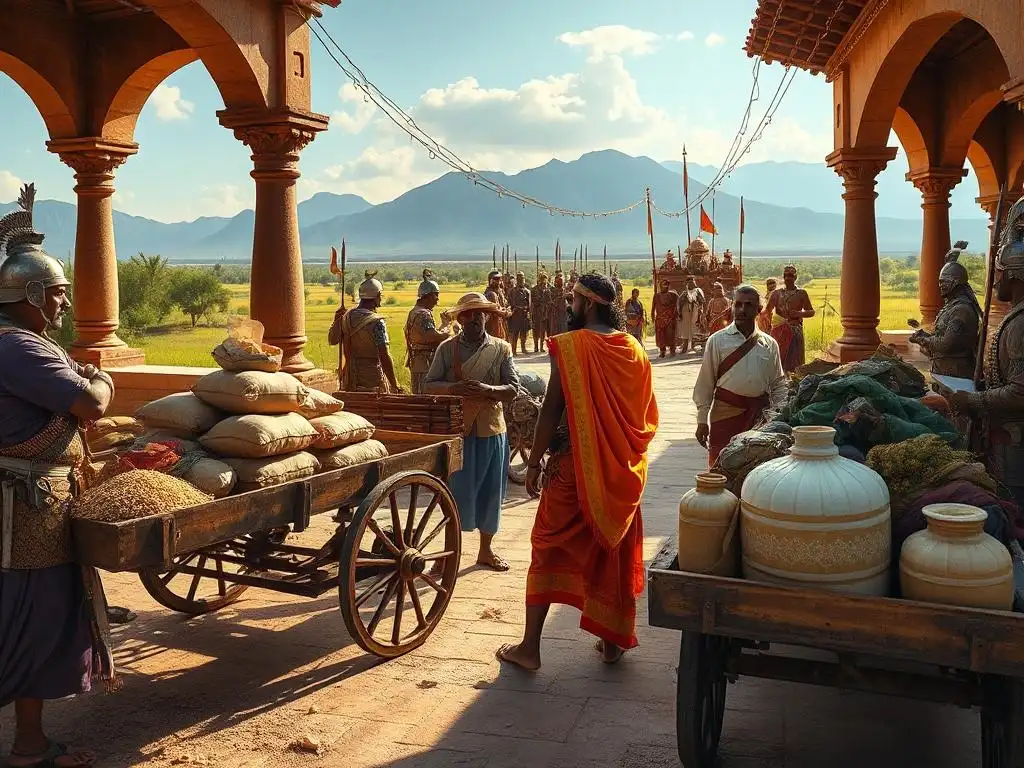
Welcome to Ancient India History, where we invite you to embark on a captivating journey through time, exploring the rich tapestry of ancient Indian civilizations. Dive into our featured article on Ancient Indian military logistics, a fascinating examination of how these early societies managed their supply chains long before the advent of modern systems. From the strategic maneuvers of the Indus Valley to the formidable organization of the Gupta Empire, discover the ingenious methods that sustained their armies and shaped their legacies.
Ready to unravel the secrets of the past? Read on to uncover the intricate logistics that played a pivotal role in the history of ancient India!
Introduction to Ancient Indian Military Logistics
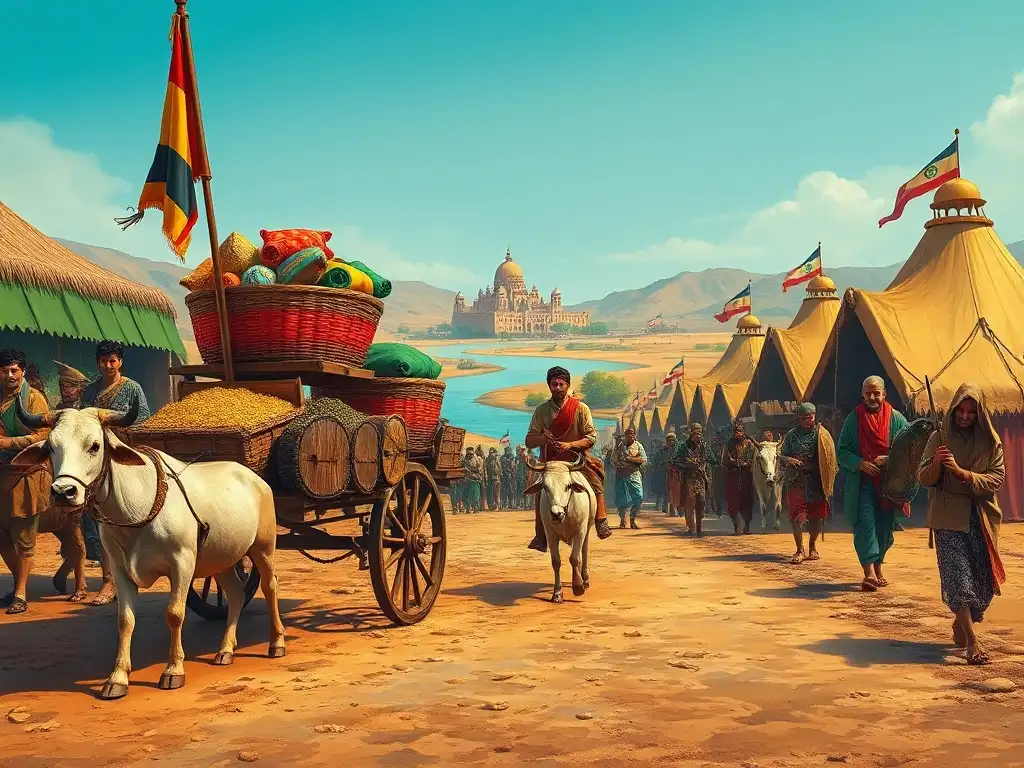
The intricacies of military logistics are often overshadowed by the grand narratives of warfare, yet they form the backbone of any successful military campaign. In ancient India, military logistics encompassed an extensive array of systems and practices that facilitated the efficient movement of troops, weapons, and supplies across vast terrains.
These logistical frameworks were pivotal in ensuring that armies could maintain their operational readiness and effectiveness, even before the advent of modern logistics concepts. This exploration into Ancient Indian military logistics delves into the methods, innovations, and historical contexts of supply chains that supported India’s ancient civilizations, from the Indus Valley through to the Gupta Empire.
Definition of Military Logistics in Ancient India
Military logistics in ancient India can be defined as the planning, execution, and management of the flow of resources necessary for the sustenance and operational capability of military forces. This included not only the procurement and distribution of food, weapons, and provisions but also the organization of transportation systems, communication channels, and infrastructure to support military campaigns.
Importance of Logistics in Ancient Warfare
The significance of logistics in ancient warfare cannot be overstated. A well-organized supply chain enabled armies to:
- Maintain morale and combat readiness
- Execute prolonged military campaigns
- Ensure effective communication and coordination among units
- Adapt to the dynamic conditions of warfare
Without robust logistical support, even the most strategically sound military plans could falter, leading to potential defeat.
Historical Overview of Ancient Indian Military Logistics
Early Concepts of Supply Chains in the Indus Valley Civilization
The foundations of military logistics in ancient India can be traced back to the Indus Valley Civilization (c. 3300–1300 BCE). Archaeological evidence suggests that this civilization had established sophisticated urban planning and resource management systems. Key aspects included:
- Granaries: Used for storing surplus grain, which could be vital for feeding troops.
- Road Networks: Facilitated the movement of goods and personnel across cities, enhancing logistical efficiency.
These early concepts laid the groundwork for more complex logistical operations in subsequent periods.
Military Logistics during the Vedic Period
The Vedic Period (c. 1500–500 BCE) marked a significant evolution in military logistics. The emergence of organized warfare necessitated improved supply chain management. Notable developments included:
- Horse and Chariot Supply: The increased use of cavalry and chariots required specialized resources.
- Local Resource Utilization: Armies increasingly relied on local supplies, leading to strategies that integrated logistics with regional geography.
These practices enhanced the effectiveness of military campaigns during this period.
Advancements in Logistics during the Maurya Empire
The Maurya Empire (c. 322–185 BCE) is often hailed for its administrative sophistication, which extended to military logistics. Key advancements included:
- Centralized Supply Systems: The establishment of centralized depots for storing weapons and provisions.
- Infrastructure Development: Improvements in roads and communication routes facilitated quicker troop movements and supply deliveries.
The Mauryan approach to logistics significantly increased the empire's military capabilities, allowing for successful campaigns across vast territories.
Gupta Empire's Contributions to Military Supply Chains
The Gupta Empire (c. 320–550 CE) is known for its cultural and scientific achievements, but it also made notable contributions to military logistics. Innovations during this period featured:
- Standardized Supply Protocols: The implementation of protocols for the distribution of resources, ensuring uniformity and efficiency.
- Intelligence Networks: The use of scouts and informants to gather information about enemy movements and local resources, enhancing logistical planning.
These developments in military logistics played a crucial role in maintaining the Gupta Empire's dominance during its height.
Ancient Indian military logistics were characterized by a rich tapestry of practices and innovations that evolved over centuries. Understanding these logistics not only illuminates the military prowess of ancient Indian civilizations but also highlights their contributions to the broader field of military history.
Key Elements of Ancient Indian Military Logistics
Ancient Indian military logistics encompassed a variety of elements essential for sustaining armies in the field. At the core of these logistics were the supply chains that ensured troops had access to vital resources, including food, weapons, and medical supplies. The ancient Indian military system relied heavily on local resources and infrastructure, which facilitated the movement and storage of these supplies.
The organization of military logistics was often hierarchical, involving local leaders who coordinated the supply of resources from nearby villages and towns. This decentralized approach allowed for rapid responses to the dynamic requirements of military campaigns. Additionally, records from various ancient texts, like Arthashastra by Kautilya, provide insights into the sophisticated methods used for managing logistics, emphasizing the importance of planning, resource allocation, and efficient communication.
Transportation Methods for Troop Movements
Transportation in ancient India was pivotal for effective military logistics. Various methods were employed, depending on the terrain and the distance to be covered:
- Foot Soldiers: The backbone of ancient Indian armies were the infantry, who relied primarily on foot movement. Marching in formation allowed for quick troop mobilization across vast distances.
- Elephants: Used not only in combat but also for transporting supplies and commanding respect on the battlefield, war elephants played a significant role. They were capable of traversing difficult terrains and could carry heavy loads, making them invaluable in logistics.
- Chariots: Chariots allowed for faster movement of troops and were also used for transporting important figures, including commanders. Their mobility enhanced the speed of logistical operations.
- Pack Animals: Horses, camels, and mules were frequently employed to carry supplies. These animals were particularly useful in regions where roads were limited or non-existent.
Efficient transportation methods ensured that armies could maintain their fighting capabilities while adapting to the challenges posed by geography.
Storage and Management of Military Supplies
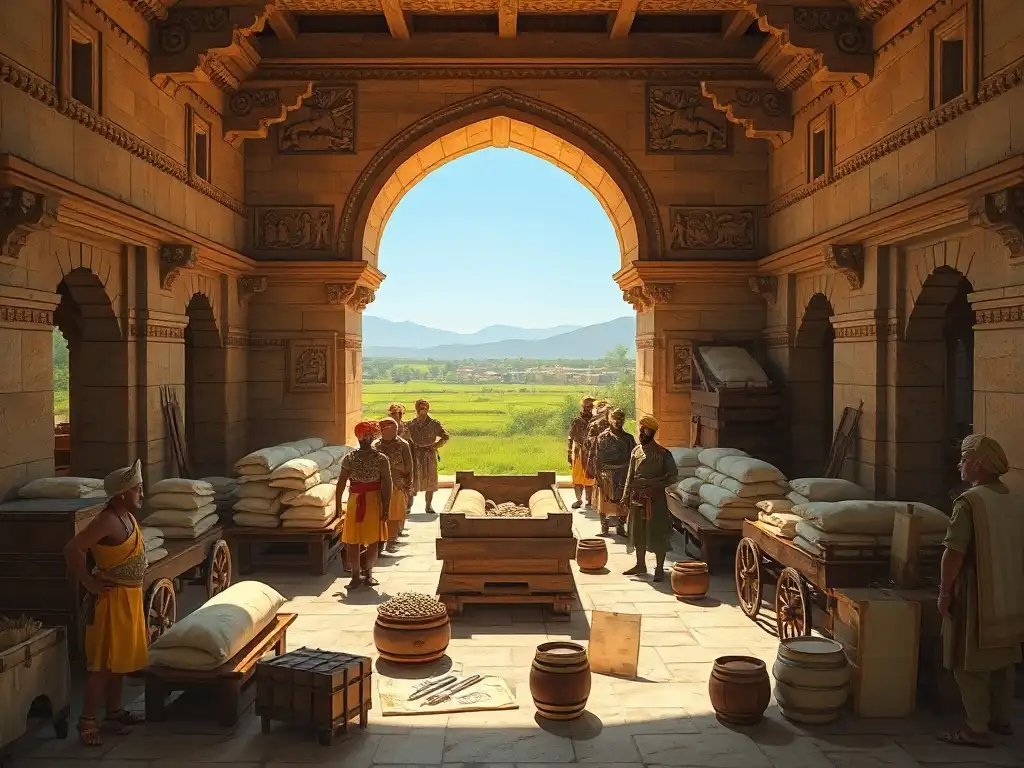
The storage and management of military supplies were crucial for maintaining an army's operational readiness. Ancient Indian military leaders employed various strategies to ensure that supplies were available when needed:
- Granaries and Depots: Military granaries were established to store food supplies like grains, which were essential for troops during campaigns. These facilities were strategically located to ensure easy access and rapid resupply.
- Inventory Management: Scribes played a vital role in recording and managing supplies. They maintained inventories that allowed commanders to track resources and anticipate shortages, enabling proactive measures to be taken.
- Local Resource Utilization: Ancient Indian armies often relied on the local populace for supplies. This approach not only reduced the burden of transporting goods over long distances but also fostered relationships with local communities.
Effective storage and management practices were fundamental to the success of military campaigns, ensuring that soldiers remained well-fed and equipped.
Strategies for Effective Military Logistics
The effectiveness of ancient Indian military logistics was rooted in strategic planning and coordination. Leaders recognized the necessity of having a robust logistical framework to support their military operations.
Planning and Coordination in Ancient Indian Armies
Planning was integral to the success of military logistics. Ancient Indian commanders employed strategic foresight to anticipate the logistical needs of their armies. This involved:
- Route Planning: Detailed maps and knowledge of the terrain were crucial for selecting the best routes for troop movements. Commanders often relied on local guides to navigate challenging landscapes.
- Timing of Supply Deliveries: Coordinating the timing of supply deliveries with troop movements ensured that resources were available when and where they were needed. This careful synchronization minimized delays and maintained operational momentum.
- Role of Local Leaders: Local chieftains and governors were often enlisted to assist in logistics, leveraging their knowledge of the region to facilitate smooth operations.
Importance of Intelligence and Information Gathering
Intelligence gathering played a key role in logistics strategies. Ancient Indian armies understood the importance of having accurate information about enemy movements, local resources, and potential threats. This intelligence allowed commanders to make informed decisions regarding:
- Supply Routes: Knowledge of safe and efficient supply routes was critical. Scouts and spies were often dispatched to gather information on enemy positions and movements.
- Resource Availability: Understanding local agricultural cycles and resource availability enabled commanders to plan their logistics effectively, ensuring that supplies could be procured without delay.
- Adaptation to Changing Conditions: Intelligence helped armies adapt to changing battlefield conditions, allowing for real-time adjustments to logistics plans.
Adaptation to Terrain and Climate in Logistics Operations
Ancient Indian military logistics were characterized by a remarkable ability to adapt to various terrains and climatic conditions. Different regions presented unique challenges, and commanders employed several strategies to address these:
- Terrain-Specific Strategies: In mountainous areas, logistics relied on pack animals and local knowledge to navigate difficult paths. In contrast, plains allowed for faster movements with chariots and larger units.
- Seasonal Considerations: Commanders carefully planned campaigns around seasonal weather patterns. Monsoons, for example, were taken into account when determining the timing of troop movements and supply routes.
- Infrastructure Utilization: Ancient India had an extensive network of roads and waterways that facilitated movement. Armies leveraged these infrastructures, adapting their logistics to utilize available resources effectively.
By adapting to the challenges posed by terrain and climate, ancient Indian armies were able to maintain operational efficiency in diverse conditions.
Case Studies of Notable Campaigns
Ancient Indian military logistics played a pivotal role in the success of various campaigns throughout history. By examining specific case studies, we can gain insight into how logistics were managed effectively in the face of diverse challenges. The campaigns of Chandragupta Maurya, Ashoka, and the Gupta Empire provide remarkable examples of strategic planning and execution in military logistics.
Chandragupta Maurya's Campaigns: Logistics in Action
Chandragupta Maurya, the founder of the Maurya Dynasty, is known for his ambitious conquests, which laid the foundation for one of the largest empires in ancient India. His campaigns against the Nanda Empire and subsequent expansion required meticulous logistical planning.
- Supply Routes: Chandragupta established essential supply routes, ensuring the movement of troops and provisions. He utilized rivers for transport, arranging for boats to carry supplies efficiently.
- Local Resources: Understanding the importance of local resources, Chandragupta appointed local governors to manage supply depots, which helped in the timely provision of food and materials.
- Coordination with Allies: Additionally, he forged alliances with various regional rulers, which facilitated access to additional resources and manpower. This collaboration proved crucial during prolonged sieges and battles.
These logistic strategies not only supported his military campaigns but also contributed to the establishment of the Maurya Empire, showcasing a well-organized military supply chain.
Ashoka's Military Logistics during Expansion
Emperor Ashoka, Chandragupta’s grandson, is renowned for his military prowess as well as his subsequent embrace of Buddhism. His earlier military campaigns, particularly the conquest of Kalinga, highlight a sophisticated approach to military logistics.
- Infrastructure Development: Ashoka invested in infrastructure, building roads and rest houses along critical trade routes, which ensured the timely movement of troops and supplies. This network also facilitated communication and intelligence gathering.
- Efficient Resource Management: During the Kalinga War, his forces relied on extensive supply chains that included food, weapons, and medical supplies to support the troops. The management of these resources was critical, given the scale of the conflict.
- Post-War Logistics: After his military campaigns, Ashoka transformed his logistical focus from warfare to the propagation of Buddhism. He utilized the existing logistics networks to spread his message across the empire, demonstrating the versatility of military logistics in peacetime.
Ashoka’s military logistics exemplified a blend of strategic planning and adaptability, crucial for sustaining and expanding his empire.
The Gupta Empire's Strategic Supply Chains in Warfare
The Gupta Empire, often referred to as the Golden Age of India, witnessed significant advancements in military logistics that contributed to its stability and prosperity.
- Centralized Logistics Management: The Gupta rulers implemented a centralized approach to logistics, establishing a system of supply depots across the empire. This system allowed for quick mobilization of resources in response to threats.
- Use of Cartography: The Guptas utilized cartography to map supply routes and enemy territories, enhancing their strategic planning capabilities. Accurate maps facilitated better navigation and resource allocation during military campaigns.
- Trained Personnel: The empire also emphasized training personnel in logistics management, ensuring that soldiers were not only skilled in combat but also in the effective management of supplies. This holistic approach to military preparedness proved beneficial during conflicts.
The Gupta Empire's strategic logistics framework was instrumental in maintaining its dominance and fostering economic growth, reflecting the sophistication of ancient Indian military logistics.
Challenges Faced in Ancient Indian Military Logistics
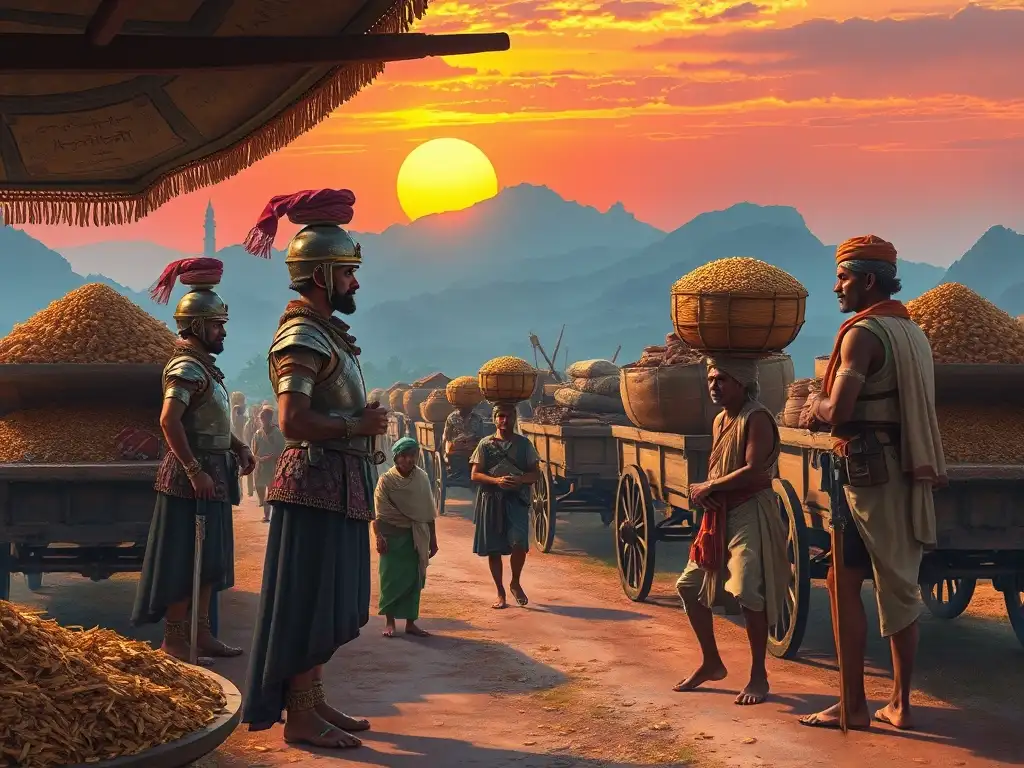
Despite the advanced logistical practices of ancient Indian civilizations, numerous challenges persisted that complicated military supply chains. These challenges stemmed from geographic, technological, and socio-political factors.
Geographic and Environmental Factors
The diverse geography of ancient India, characterized by mountains, rivers, and forests, presented significant logistical hurdles for military campaigns.
- Terrain Navigation: Different terrains required varied logistical strategies. For instance, mountainous regions necessitated the use of pack animals, while rivers enabled the transportation of goods by boat.
- Seasonal Weather: Monsoon seasons posed additional challenges, as heavy rains could disrupt supply routes and hinder troop movements. Military planners had to account for these seasonal variations when scheduling campaigns.
The geographic diversity of India required adaptable logistics strategies to ensure the successful movement of troops and supplies.
Limitations of Technology and Resources
Ancient Indian military logistics were also constrained by the technological limitations of the time.
- Transportation Methods: The absence of modern transportation technologies meant that armies relied heavily on manual labor and animal power. This limited the speed and efficiency of supply movements.
- Resource Scarcity: During prolonged campaigns, securing enough resources became increasingly difficult. Warfare often strained local economies, leading to shortages of food and materials necessary for sustaining military operations.
These technological and resource limitations necessitated innovative solutions to logistical challenges, often impacting the outcomes of campaigns.
Political and Social Challenges in Supply Chain Management
Political and social dynamics played a crucial role in shaping military logistics in ancient India.
- Regional Autonomy: Many regions had their own local rulers and governance structures. Coordinating logistics across these diverse political entities often led to conflicts and inefficiencies, complicating supply chain management.
- Social Class Dynamics: The class system and social hierarchies also influenced logistics. For example, lower classes may have been reluctant to support military campaigns, impacting the recruitment and supply of manpower.
The interplay of political and social factors introduced complexities that ancient military leaders had to navigate to maintain effective supply chains during their campaigns.
The study of ancient Indian military logistics reveals a dynamic interplay of strategies, challenges, and adaptations that defined the military history of this rich civilization.
Conclusion: Legacy of Ancient Indian Military Logistics
The legacy of ancient Indian military logistics is profoundly significant, as it laid the groundwork for efficient supply chain management long before modern systems emerged. Ancient Indian civilizations demonstrated an impressive understanding of logistics, emphasizing the importance of planning, organization, and resource allocation. The ability to mobilize troops, maintain supply lines, and ensure the smooth flow of resources was crucial to the success of various kingdoms, from the Mauryas to the Guptas.
These logistics systems were not merely about moving supplies; they reflected a deep integration of military strategy with economic and social structures. The methodologies developed during this time have influenced military operations in various cultures, showcasing the sophistication of ancient Indian military thought. As historians continue to explore these logistics frameworks, the contributions of ancient Indian civilizations become increasingly evident, revealing a legacy that transcends time.
Influence on Modern Military Supply Chains
The principles established by ancient Indian military logistics have left an indelible mark on contemporary military supply chain management. Many modern logistics concepts—such as the importance of efficient transportation networks, inventory management, and distribution strategies—can trace their roots back to practices employed by ancient Indian armies.
For instance, the Mauryan Empire's ability to sustain large armies in the field relied on well-planned supply routes and storage facilities. This foresight is echoed in today's military logistics, where rapid deployment and resource availability are critical for operational success. Additionally, the integration of local economies into the supply chains, as practiced in ancient India, continues to inform modern strategies that advocate for leveraging regional resources to enhance operational efficiency.
Continued Relevance of Ancient Logistics Strategies
The strategies developed in ancient India remain relevant in various fields beyond military applications. The principles of logistics management, including sourcing, transportation, and inventory control, are applicable in sectors such as trade, disaster management, and humanitarian aid.
Moreover, the adaptability of these ancient strategies highlights the importance of cultural context in logistics. For example, the use of local knowledge and resources in supply chain operations is a practice that modern businesses now recognize as paramount for success. As organizations worldwide seek to enhance their logistical operations, they can draw inspiration from the sophisticated systems established by ancient Indian civilizations, which demonstrated a remarkable understanding of resource management and operational efficiency.
Further Reading and Resources
For those interested in delving deeper into the topic of ancient Indian military logistics and its historical implications, several resources provide valuable insights and comprehensive information.
Recommended Books on Ancient Indian Military History
-
"The Art of War in Ancient India" by B. N. Mukherjee
This book explores the military strategies and logistics of ancient Indian warfare, providing a thorough analysis of historical texts and practices.
-
"War and Diplomacy in Ancient India" by A. K. Sharma
This work examines the interplay between military logistics and diplomatic strategies in ancient India, highlighting how logistics influenced political relations.
-
"The Mauryan Empire and Its Legacy" by R. S. Sharma
This book offers a detailed account of the Mauryan Empire, including insights into its military logistics and supply chain management.
Online Resources for Exploring Ancient Logistics
-
Digital South Asia Library
A valuable resource for accessing primary texts and historical documents related to ancient Indian military practices, including logistics.
-
Indus Valley Civilization: An Overview
This online platform provides insights into the logistical systems of one of the earliest urban centers in ancient India, emphasizing trade and resource management.
-
Ancient Military Logistics: A Comparative Study
A scholarly article available online that compares ancient Indian logistics with those of other civilizations, highlighting similarities and differences in military supply chains.
These resources not only enhance understanding but also encourage further exploration of the complexities and innovations of ancient Indian military logistics.
- Introduction to Ancient Indian Military Logistics
- Historical Overview of Ancient Indian Military Logistics
- Key Elements of Ancient Indian Military Logistics
- Transportation Methods for Troop Movements
- Storage and Management of Military Supplies
- Strategies for Effective Military Logistics
- Case Studies of Notable Campaigns
- Challenges Faced in Ancient Indian Military Logistics
- Conclusion: Legacy of Ancient Indian Military Logistics
- Further Reading and Resources
Frequently Asked Questions
What is ancient Indian military logistics?
Ancient Indian military logistics refers to the strategies and systems used by Indian civilizations to manage the supply chains and resources necessary for their military operations throughout history.
How did ancient Indian civilizations manage their supply chains?
Ancient Indian civilizations utilized well-organized systems involving transport routes, warehouses, and local resources to ensure their armies were adequately supplied during campaigns.
What were some key features of military logistics in ancient India?
Key features included centralized planning, efficient communication, and the use of local populations for support, which allowed for sustained military campaigns over long distances.
How did the Gupta Empire influence military logistics?
The Gupta Empire is known for its advanced administrative structures that improved resource allocation and logistics, facilitating the movement and supply of troops across their vast territories.
Why is studying ancient Indian military logistics important today?
Studying ancient Indian military logistics provides insights into historical military strategies, the economic implications of warfare, and the cultural significance of logistics in maintaining power and stability in ancient societies.
Final Reflection: The Enduring Legacy of Ancient Indian Military Logistics
The intricate systems of supply chains in ancient Indian military logistics not only shaped the outcomes of battles but also laid the groundwork for modern logistical practices. Today, as we navigate complex global supply chains, the lessons from these ancient practices resonate more than ever. The ability to efficiently manage resources and ensure timely delivery is a timeless challenge that continues to influence military and civilian operations alike.
The impact of ancient Indian military logistics extends far beyond historical battles; it has woven itself into the fabric of our cultural and social understanding of organization and efficiency. The strategic foresight and meticulous planning of ancient military leaders serve as a testament to the importance of logistics in achieving success. Logistics is the backbone of any successful operation, and its roots can be traced back to the wisdom of our ancestors.
This observation reminds us that the principles of logistics are not merely modern innovations but rather a continuation of age-old practices that have evolved over centuries.
As we reflect on the significance of ancient Indian military logistics, I invite you to consider how these lessons can be applied in your own life. Think about the ways in which you can streamline your personal or professional endeavors, drawing inspiration from the meticulous planning of the past. Whether it's in managing your time, resources, or relationships, let the wisdom of ancient logistics guide you toward greater efficiency and success. Embrace the legacy of those who came before us, and carry it forward into the future.
Uncover the Secrets of Ancient Supply Chains!
Thank you for diving into the fascinating world of ancient Indian military logistics! You’ve uncovered the intricate systems that played a crucial role in the success of various empires. Now, let’s take that knowledge a step further and apply it to your exploration of history and culture.
Here’s how you can keep the momentum going:
- Dive Deeper: Explore more articles on ancient innovations and military strategies to expand your understanding of how logistics shaped the course of history.
- Share Your Insights: Discuss this article with friends or engage in history forums. Sharing knowledge is a wonderful way to enhance your own understanding while sparking meaningful conversations.
- Engage with Our Community: Join our newsletter for exclusive content and insights that will keep you informed on all aspects of ancient history.
As you reflect on these incredible logistics systems, consider this: In what ways do you think the efficiency of supply chains in ancient times compares to today’s logistics operations?