
The Role of Elephants in Ancient Indian Warfare

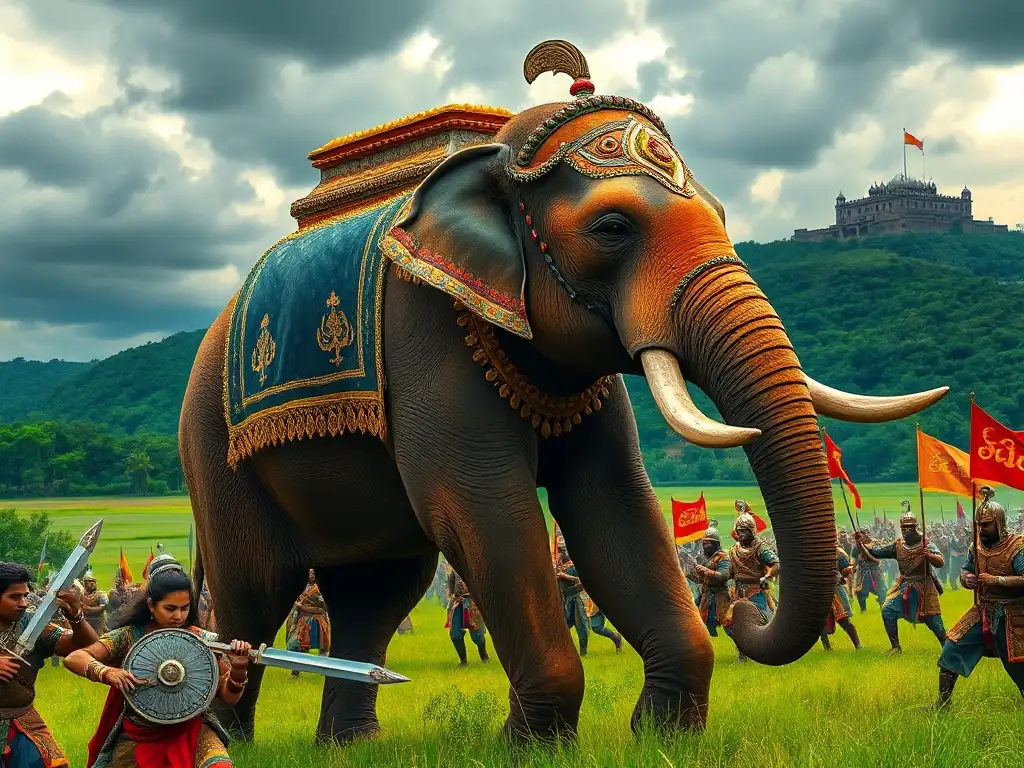
Welcome to Ancient India History, where we embark on a fascinating journey through the rich tapestry of India's past. Here, we delve into the profound impact of ancient civilizations and their remarkable contributions to the world. In this article, we explore the pivotal role of elephants in ancient Indian warfare, uncovering how these majestic creatures shaped battle strategies and influenced the course of conflicts.
Prepare to be captivated by tales of valor and innovation as we unearth the secrets behind these magnificent beasts and their enduring legacy in military history. Join us as we unravel the intricate connections between culture, warfare, and the extraordinary elephants of ancient India!
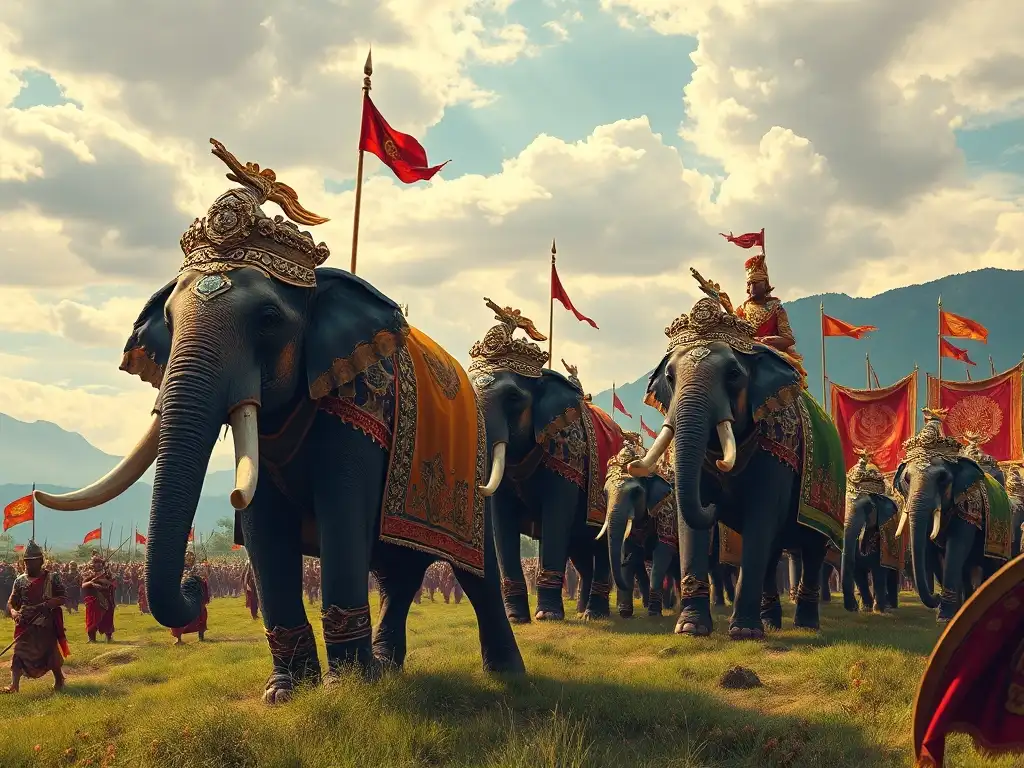
The use of elephants in warfare is a fascinating aspect of ancient Indian military history, symbolizing not only brute strength but also a deep-rooted cultural significance. From the early days of the Indus Valley Civilization through the powerful Maurya Empire and into the flourishing Gupta Empire, elephants played a crucial role in shaping military tactics and strategies.
Their presence on the battlefield often turned the tide of conflicts, making them invaluable assets for kings and commanders. This article delves into the multifaceted role of elephants in ancient Indian warfare, exploring their strategic significance, historical context, and their evolution through different empires.
Introduction to Elephants in Ancient Indian Warfare
Elephants have long been revered in Indian culture, symbolizing wisdom, strength, and royalty. In the context of warfare, these majestic creatures were more than mere beasts of burden; they were pivotal components in ancient military formations. Commanders recognized their ability to instill fear in the enemy, crush infantry, and serve as mobile platforms for archers and other troops. The strategic deployment of elephants significantly influenced the outcome of numerous battles throughout ancient Indian history.
Significance of Elephants in Military Strategy
- Psychological Impact: The sight and sound of a war elephant could demoralize enemy troops, creating chaos and confusion on the battlefield.
- Tactical Advantages: Elephants were often used to charge into enemy formations, breaking their lines and creating openings for infantry and cavalry to exploit.
- Versatile Roles: They served multiple purposes, including carrying supplies, transporting generals, and providing a high vantage point for archers.
Overview of Historical Context
The history of elephants in warfare dates back to the ancient civilizations of India, where they were domesticated for various purposes long before they became prominent in military engagements. Their use was particularly notable during significant periods such as the Vedic age, the rise of the Maurya Empire, and the Gupta Empire, where they were integrated into sophisticated military strategies. Understanding their historical context allows us to appreciate the evolution of warfare in ancient India and the pivotal role these animals played in shaping the outcomes of key battles.
Historical Use of Elephants in Warfare
Elephants in the Indus Valley Civilization
The Indus Valley Civilization (c. 3300–1300 BCE) provides some of the earliest evidence of elephant domestication. Archaeological findings suggest that elephants were admired and possibly trained for various tasks, although direct evidence of their use in warfare during this period remains sparse. However, the significance attributed to elephants in the cultural artifacts of the time hints at their potential military importance in later centuries.
The Maurya Empire and War Elephants
The Maurya Empire (c. 322–185 BCE) marked a significant turning point in the use of elephants in warfare. Under the leadership of Chandragupta Maurya and later, Ashoka the Great, war elephants became a cornerstone of the imperial army. Notable battles, such as the Kalinga War, showcased the effectiveness of elephants in combat, where they were used to charge enemy lines and provide logistical support. The Mauryan strategy emphasized the training and breeding of war elephants, leading to the establishment of dedicated elephant corps that were integral to their military success.
Role of Elephants in the Gupta Empire's Campaigns
The Gupta Empire (c. 240–550 CE) further advanced the tactical use of elephants in warfare. During this period, elephants were not only employed for their brute strength but also for their strategic versatility. They were utilized in various campaigns, including against foreign invaders and rival kingdoms. The Guptas effectively integrated elephants into their military formations, employing them for flanking maneuvers and as platforms for archers, thereby enhancing their battlefield effectiveness.
The legacy of elephants in ancient Indian warfare reflects a blend of military strategy, cultural significance, and the evolution of combat techniques across various empires. Their role was pivotal in shaping the military landscape of ancient India, illustrating the intricate relationship between animals and warfare.
Types of Elephants Used in Ancient Warfare
In ancient Indian warfare, elephants played a pivotal role, serving as formidable assets on the battlefield. Two primary species were utilized: the Asian elephant ( Elephas maximus) and, to a lesser extent, the African elephant ( Loxodonta africana). Their unique characteristics made them well-suited for various military applications, including transportation, shock tactics, and psychological warfare.
African vs. Asian Elephants: Characteristics and Uses
Although both African and Asian elephants have been documented in warfare, the Asian elephant was predominantly favored in ancient India.
- Asian Elephants:
- Size: Generally smaller than their African counterparts, Asian elephants stand about 8 to 10 feet tall at the shoulder.
- Temperament: Known for their docile nature, Asian elephants were easier to train and manage.
- Uses: They were primarily employed for charging into enemy lines, carrying riders, and transporting heavy artillery or supplies.
- African Elephants:
- Size: Larger and more robust, they can reach heights of up to 13 feet.
- Temperament: More aggressive and difficult to domesticate, African elephants were less commonly used in Indian armies.
- Uses: When used, they were typically employed for intimidation purposes due to their sheer size and strength.
Both species significantly impacted military strategies, but the Asian elephant's trainability and reliability solidified its primary role in ancient Indian warfare.
Domestication and Training of War Elephants
The domestication of elephants for warfare in ancient India involved a complex and lengthy process. Initially captured from the wild, these elephants underwent rigorous training to ensure they could perform effectively in battle.
- Training Process:
- Socialization: Young elephants were raised in herds to develop social bonds and learn from older, trained elephants.
- Desensitization: Elephants were exposed to various stimuli, including sounds of battle, to ensure they remained calm under pressure.
- Commands: Specific commands were taught to guide the elephants during warfare, utilizing both verbal cues and physical signals.
The training not only focused on obedience but also on the elephants’ ability to respond to the chaotic environment of the battlefield, ensuring they could execute maneuvers effectively when it mattered most.
Specific Breeds Preferred for Warfare
Ancient Indian military leaders often preferred certain breeds of elephants known for their strength, size, and temperament. Noteworthy breeds included:
- Kedargad Elephants: Renowned for their size and strength, these elephants were often chosen for heavy cavalry roles.
- Brahma Elephants: These were smaller but exceptionally agile and were preferred for their ability to navigate through dense terrain and perform tactical maneuvers.
- Makhanas: Known for their docility and intelligence, these elephants were effectively trained for various roles, from transportation to direct combat.
Each breed brought unique strengths to the battlefield, enabling commanders to tailor their use of elephants according to the specific needs of their strategies.
Tactical Advantages of War Elephants
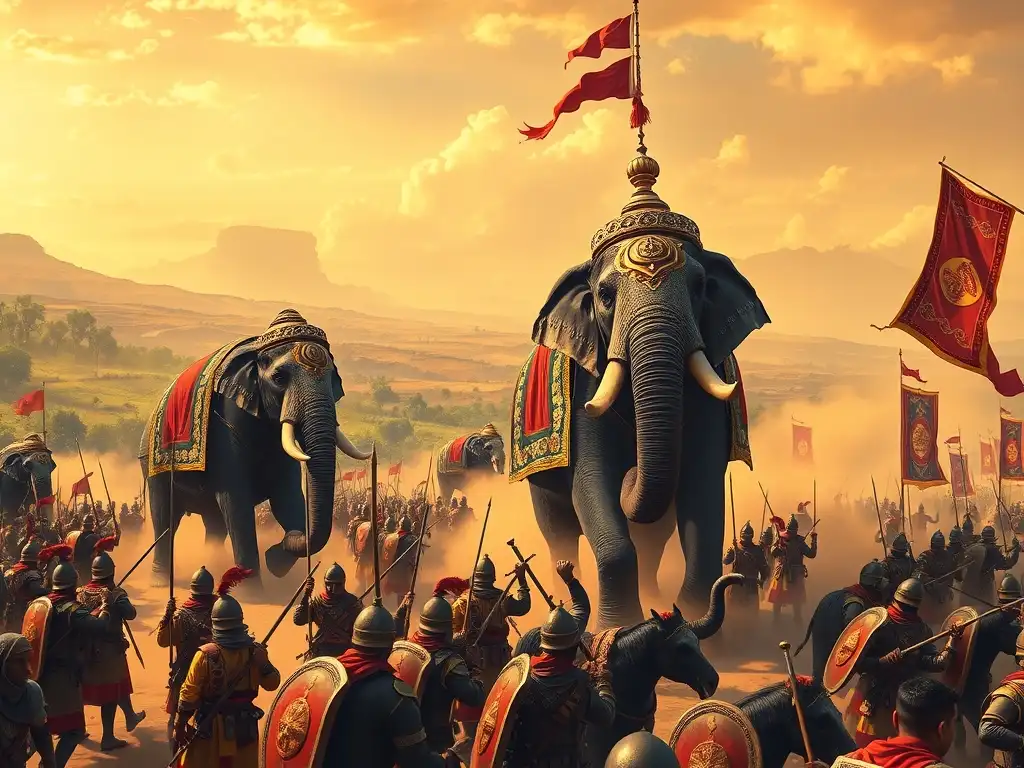
War elephants provided several tactical advantages that significantly influenced the outcomes of battles in ancient India.
Psychological Impact on Enemies
One of the most substantial advantages of using elephants in warfare was their psychological impact on enemy forces. The sight of a massive war elephant charging towards them often instilled fear and panic among opposing troops.
- Intimidation Factor: The sheer size and presence of elephants could disrupt enemy formations, causing disarray and confusion.
- Cultural Significance: In many ancient cultures, elephants were revered and viewed as symbols of power and strength, enhancing their psychological effectiveness in battle.
The psychological warfare aspect of elephants often proved as crucial as their physical capabilities, as fear could lead to premature retreats or uncoordinated attacks.
Physical Strength and Battlefield Maneuverability
War elephants were not just symbols of intimidation; they also possessed remarkable physical capabilities that were utilized strategically on the battlefield.
- Strength: Elephants could crush enemy soldiers and break through infantry lines, creating openings for advancing troops.
- Maneuverability: Despite their size, trained elephants could maneuver effectively, navigating through rough terrains, which allowed them to flank enemy positions or retreat quickly when necessary.
Their ability to combine strength with agility made them valuable assets in various combat scenarios.
Use of Elephants in Flanking and Charge Tactics
The strategic use of elephants in warfare often included flanking maneuvers and direct charges, allowing commanders to exploit vulnerabilities in enemy formations.
- Flanking Tactics: Elephants could be deployed to the sides of the battlefield, where they could charge into the flanks of enemy troops, causing chaos and breaking defensive lines.
- Direct Charges: In head-on engagements, elephants were used to lead the charge, often resulting in massive disruptions to enemy formations as they advanced with their riders armed with weapons and armor.
These tactics were crucial in various notable battles, demonstrating how elephants were not merely support units but were integral to the overall military strategy in ancient Indian warfare.
Famous Battles Featuring Elephants in Ancient India
Elephants played a significant role in the warfare strategies of ancient Indian civilizations, often serving as powerful tools of intimidation and combat. Their sheer size and strength made them invaluable assets on the battlefield. Several notable battles from ancient Indian history highlight the strategic use of elephants, showcasing their importance in military tactics and formations.
The Battle of Kalinga: Elephants on the Frontlines
The Battle of Kalinga, fought in 261 BCE between the Mauryan Empire led by Emperor Ashoka and the state of Kalinga, is one of the most famous examples of elephants being used in warfare. Ashoka's army included a significant contingent of war elephants, which were deployed to break enemy lines and instill fear among Kalinga's warriors. The elephants charged into battle, trampling soldiers and creating chaos within the enemy ranks.
The aftermath of the battle had profound effects on Ashoka, leading to his conversion to Buddhism and his commitment to non-violence. Despite the victory, the massive loss of life and suffering caused by the use of elephants and other military strategies deeply impacted him, marking a pivotal moment in Indian history.
The Role of Elephants in the Battle of the Hydaspes
The Battle of the Hydaspes in 326 BCE was a significant confrontation between Alexander the Great and King Porus of the Punjab region. This battle showcased the strategic deployment of war elephants, as Porus commanded a formidable force that included a number of these majestic beasts.
Alexander's forces faced a unique challenge, as the elephants not only provided a physical barrier against cavalry and infantry but also served to inspire fear among his troops. The elephants charged into the Macedonian ranks, wreaking havoc and disrupting their formations. However, Alexander's tactical genius, combined with the use of specialized units trained to counter elephants, ultimately led to his victory in this fierce encounter. The battle illustrated both the advantages and complexities of employing elephants in warfare.
Elephants in the Campaigns of Alexander the Great in India
Throughout his campaigns in India, Alexander the Great encountered numerous armies that utilized elephants for warfare. The sight of these massive creatures, often adorned with armor and weaponry, posed a psychological challenge to his troops.
In his quest to expand his empire, Alexander's encounters with Indian armies revealed both the strengths and limitations of elephants as military assets. While the elephants initially intimidated his forces, Alexander adapted his strategies, employing tactics such as flanking maneuvers and targeted archery to neutralize the threats posed by these formidable animals. The interactions between Alexander and Indian war elephants marked a significant chapter in the fusion of military tactics between Greek and Indian warfare.
Challenges and Limitations of Using Elephants in Warfare
Despite their imposing presence and value in ancient warfare, elephants also posed several challenges and limitations. Their use required careful consideration of logistics, management, and battlefield strategy.
Logistics of Maintaining Elephants in Armies
The logistics of maintaining elephants in ancient Indian armies were complex and demanding. Elephants required substantial amounts of food and water, making their upkeep a significant concern for military commanders. Transporting these massive beasts across difficult terrain posed another logistical challenge, as they needed specialized care and attention to remain healthy and battle-ready.
Additionally, the training of war elephants was a time-consuming process that required skilled handlers. Elephants had to be conditioned to withstand the chaos of battle, endure loud noises, and respond to commands from their mahouts (elephant drivers). This training and logistical support meant that armies had to allocate considerable resources to effectively integrate elephants into their ranks.
Vulnerabilities of Elephants in Battle
While elephants were formidable in battle, they were not without vulnerabilities. They could become frightened or agitated in the chaos of combat, sometimes leading to uncontrollable behavior. In such cases, elephants could trample their own troops or flee from the battlefield, causing disarray and panic among their allies.
Moreover, the presence of specialized troops trained to combat elephants could turn the tide of battle. Archers and infantry armed with long spears or other ranged weapons could inflict serious damage on elephants, making them a target on the battlefield. The potential for collateral damage during a battle involving elephants also posed risks, as friendly forces could inadvertently be harmed by the elephants' erratic movements.
Historical Instances of Defeats Involving War Elephants
Throughout history, there are notable instances where the use of war elephants did not lead to victory, illustrating their limitations. For example, during the Second Battle of Panipat in 1761, despite having a large number of elephants, the Maratha forces faced significant challenges against the Afghan army led by Ahmad Shah Durrani. The elephants, while initially a source of strength, became liabilities as they panicked amid the intense fighting.
Additionally, in the Battle of the Hydaspes, although King Porus's elephants initially caused distress to Alexander's troops, the Macedonian strategy ultimately led to Porus's defeat. These historical examples indicate that while elephants were powerful military assets, their effectiveness depended on the broader context of battle tactics and the ability to manage their inherent risks.
Cultural Significance of Elephants Beyond Warfare
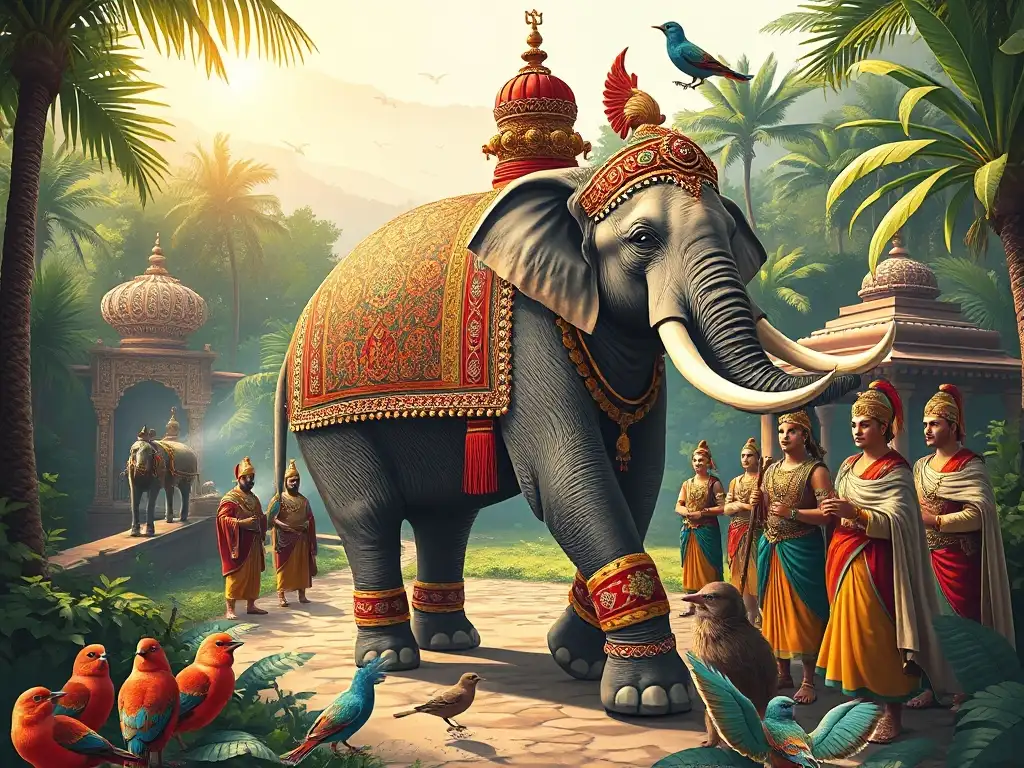
Elephants have held a profound cultural significance in ancient India, transcending their role as mere instruments of warfare. These majestic creatures were revered for their intelligence, strength, and gentle nature, making them central to various aspects of life, ranging from religion to art. The bond between humans and elephants in ancient India was deeply rooted in tradition and spirituality, symbolizing wisdom and royalty.
In addition to their military applications, elephants were often associated with social status. Kings and rulers would use elephants to display their power and prestige during processions and ceremonies. The care and training of elephants became a mark of nobility, with specialized elephant trainers known as mahouts playing an essential role in their management. This cultural reverence for elephants fostered a unique relationship that extended into various facets of Indian society.
Elephants in Ancient Indian Art and Literature
The portrayal of elephants in ancient Indian art and literature reflects their significance in both warfare and everyday life. Numerous sculptures, paintings, and inscriptions depict elephants in battle scenes, often illustrating their crucial role in military strategy. These artistic representations serve as a testament to the respect and admiration ancient Indians held for these animals.
Literature from ancient India, including texts like the Mahabharata and Ramayana, also features elephants prominently. They are often depicted as noble creatures that were integral to the armies of legendary warriors. The Mahabharata, for example, highlights the use of elephants in the Kurukshetra War, emphasizing their formidable presence on the battlefield. Such literary references not only celebrate the strength of elephants but also weave them into the fabric of Indian heritage.
Symbolism of Elephants in Religion and Mythology
In ancient Indian religion and mythology, elephants symbolize various attributes, including wisdom, strength, and protection. The deity Ganesha, depicted with the head of an elephant, is one of the most revered figures in Hinduism, representing the removal of obstacles and the importance of intelligence in overcoming challenges. This association elevates elephants to a divine status, reinforcing their significance beyond the realm of warfare.
Moreover, elephants are often featured in mythological tales and fables, embodying virtues such as loyalty and bravery. They are seen as guardians of royal palaces and temples, further solidifying their role as protectors in both spiritual and physical realms. This multifaceted symbolism enriches the cultural landscape of ancient India, highlighting the deep-rooted reverence for elephants throughout history.
The Legacy of War Elephants in Indian Culture
The legacy of war elephants is a prominent aspect of Indian culture that has persisted through centuries. Their strategic use in battles, such as those fought by the Maurya and Gupta empires, has left a lasting impression on military tactics and governance. The tactics involving elephants in warfare influenced neighboring cultures and armies, showcasing the effectiveness of these animals in combat scenarios.
As time progressed, the significance of elephants evolved from war machines to symbols of royalty and power in various dynasties. They became integral to royal processions and ceremonies, further embedding themselves in the cultural identity of India. Today, elephants are celebrated in festivals and rituals, maintaining their revered status and reminding contemporary society of their historical importance.
Conclusion
The role of elephants in ancient Indian warfare is a fascinating study that illustrates their multifaceted significance. From their contributions to military strategies to their deep-rooted cultural and religious symbolism, elephants have been pivotal in shaping the history and heritage of India. Their legacy continues to resonate, reminding us of the profound connections between humans and these magnificent creatures.
The Enduring Legacy of Elephants in Ancient Indian Warfare
The enduring legacy of elephants in ancient Indian warfare is evident in the continued fascination with these majestic animals. Historical accounts and archaeological findings provide insight into their roles in various battles, underscoring their importance in shaping military outcomes. Their unique capabilities, such as charging into enemy lines and trampling foes, made them invaluable assets on the battlefield.
Moreover, the portrayal of war elephants in literature and art has ensured that their legacy remains alive in the collective memory of Indian culture. Festivals and cultural events often celebrate this ancient connection, highlighting the respect and admiration that modern society continues to hold for elephants.
Reflecting on the Evolution of Military Tactics in Ancient India
The use of elephants in warfare marks a significant evolution in military tactics in ancient India. Their integration into battle strategies not only provided a psychological advantage but also transformed the dynamics of warfare itself. As armies adopted innovative approaches that included the deployment of elephants, traditional combat methods evolved to accommodate this formidable presence.
The lessons learned from the use of elephants in warfare have influenced subsequent generations, shaping military doctrines in India and beyond. As such, the story of elephants in ancient Indian warfare is not just about their physical prowess but also about the cultural and tactical innovations they inspired throughout history.
References
Key Texts and Sources on Elephants in Ancient Warfare
Understanding the role of elephants in ancient Indian warfare requires delving into a variety of historical texts and archaeological findings. Notable sources include:
- Arthashastra by Kautilya (Chanakya): This ancient Indian treatise on statecraft and military strategy highlights the strategic use of elephants in warfare, detailing their training, tactics, and the psychological impact they had on enemy forces.
- Mahabharata: This epic poem not only narrates the great Kurukshetra War but also includes descriptions of war elephants, their roles in battles, and their symbolic significance in the ancient Indian military ethos.
- The Edicts of Ashoka: These inscriptions offer insights into the Mauryan Empire's military practices, including the deployment of war elephants, emphasizing their importance in the expansion and maintenance of the empire.
- The Ramayana: Similar to the Mahabharata, this epic contains references to elephants as formidable units in battle, showcasing their strength and valor in the context of mythical warfare.
- Archaeological Findings: Excavations of ancient battlefields, such as those in the Indus Valley and in various locations throughout the Gangetic plains, have unearthed evidence of elephant remains and artifacts that illustrate their use in military contexts.
Suggested Further Reading on Ancient Indian Military History
For those interested in expanding their knowledge of ancient Indian military history and the specific role of elephants within it, the following texts are highly recommended:
- "War in Ancient India" by R. S. Sharma: This comprehensive study explores various aspects of warfare in ancient India, including strategies, weaponry, and the significant role of elephants.
- "The History of Indian Warfare" by R. K. Sharma: An insightful overview of the evolution of military tactics in India, this book pays special attention to the deployment of elephants and their impact on various battles throughout different dynasties.
- "The Elephant in Indian History" by A. L. Basham: This book delves into the cultural significance of elephants in Indian society, including their military applications, and offers a broader understanding of their role in shaping ancient Indian civilization.
- "Elephants and Empires: State Formation in Early India" by Michael W. Meister: Focusing on the political and military functions of elephants, this work examines how these majestic creatures influenced statecraft and warfare in ancient India.
- "The Art of War in Ancient India" by S. S. Sharma: This text provides a detailed analysis of military strategies and the tactical deployment of elephants, enriching the reader's understanding of ancient Indian warfare dynamics.
These readings not only provide historical context but also illuminate the multifaceted role elephants played in ancient Indian warfare, culture, and society.
- Introduction to Elephants in Ancient Indian Warfare
- Historical Use of Elephants in Warfare
- Types of Elephants Used in Ancient Warfare
- Tactical Advantages of War Elephants
- Famous Battles Featuring Elephants in Ancient India
- Challenges and Limitations of Using Elephants in Warfare
- Cultural Significance of Elephants Beyond Warfare
- Conclusion
- References
- What significance did elephants hold in ancient Indian warfare?
- How were war elephants utilized in ancient battles?
- What types of elephants were preferred for warfare in ancient India?
- How did ancient Indian civilizations train their war elephants?
- What impact did elephants have on the outcomes of battles in ancient India?
Frequently Asked Questions
What significance did elephants hold in ancient Indian warfare?
Elephants were considered powerful assets in battle, symbolizing strength, royalty, and military prowess. Their sheer size and strength made them effective in intimidating enemies.
How were war elephants utilized in ancient battles?
War elephants were primarily used for charging into enemy lines, trampling soldiers, and creating chaos. They also carried armored warriors, providing a height advantage for strategic attacks.
What types of elephants were preferred for warfare in ancient India?
The Asian elephant was predominantly used due to its size, strength, and trainability. Specific breeds were chosen based on their temperament and ability to endure combat conditions.
How did ancient Indian civilizations train their war elephants?
Training involved a process called ‘kraal’, where elephants were socialized and conditioned for battle. They were taught to respond to commands and endure the noises and chaos of warfare.
What impact did elephants have on the outcomes of battles in ancient India?
The presence of elephants often swayed the tide of battles, contributing to victories or defeats. Their ability to instill fear and disrupt enemy formations made them a decisive factor in warfare strategies.
Final Reflection: The Enduring Legacy of Elephants in Ancient Indian Warfare
The role of elephants in ancient Indian warfare is not just a relic of the past; it is a powerful testament to the intricate relationship between nature and human strategy. Today, as we navigate complex geopolitical landscapes, the lessons learned from the majestic presence of elephants in battle remind us of the importance of adaptability and strength in overcoming challenges. The legacy of these magnificent creatures continues to resonate, urging us to reflect on how we can harness the wisdom of history to inform our present and future.
Culture and society are profoundly shaped by the narratives we choose to remember. The influence of elephants in ancient Indian warfare extends beyond mere tactics; it encapsulates the values of bravery, loyalty, and the bond between humans and animals. The stories of these grand beasts charging into battle evoke a sense of awe and respect that still permeates our cultural consciousness. The greatness of a nation and its moral progress can be judged by the way its animals are treated.
– Mahatma Gandhi. This quote underscores the enduring impact of our interactions with animals, reminding us that the legacy of elephants is not solely about their physical prowess but also about the ethical considerations that arise from their use in warfare.
As we reflect on the significance of elephants in ancient Indian warfare, I invite you to consider how these lessons can be applied to your own life. How can you channel the strength and resilience of these magnificent creatures in your daily challenges? Whether it’s in your personal endeavors or your contributions to society, let the legacy of elephants inspire you to approach obstacles with courage and determination. Embrace the wisdom of the past, and let it guide you toward a future where you harness your own strengths to create a meaningful impact in the world.
Thank you for taking the time to explore the remarkable role of elephants in ancient Indian warfare! You've uncovered fascinating insights into their strategic importance and cultural significance. Now, let’s take the next step in celebrating this incredible legacy.
Here’s how you can get involved and deepen your connection to this captivating history:
- Dive deeper: Research a specific battle or region where elephants played a crucial role and share your findings with our community!
- Join the conversation: Engage with others by sharing this article on social media and inviting friends to discuss the impact of elephants in military history.
- Expand your knowledge: Explore related historical texts or documentaries about ancient warfare and elephants that you can recommend to others!
What aspect of elephants in warfare surprised you the most, and how do you think they influenced military strategies in ancient India?