
The Science of Warfare: Ancient Indian Contributions to Military Technology

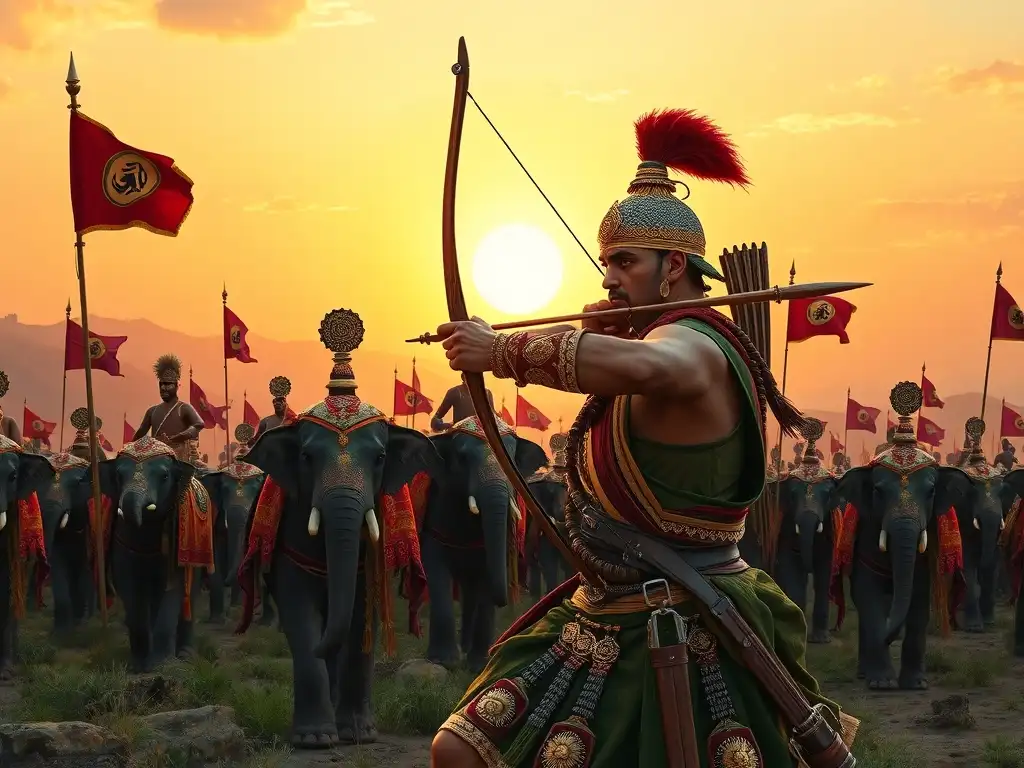
Welcome to Ancient India History, where we embark on a fascinating journey through the rich tapestry of ancient Indian civilizations. As we delve into the science of warfare, discover how ancient Indian military technology not only shaped the strategies of the past but also laid the groundwork for innovations that resonate through history. Prepare to uncover the remarkable contributions that defined battlefields and influenced empires, sparking curiosity about the ingenuity and resilience of our ancestors. Join us as we explore the intricate intertwining of culture and warfare, and unlock the secrets of an era that continues to inspire.
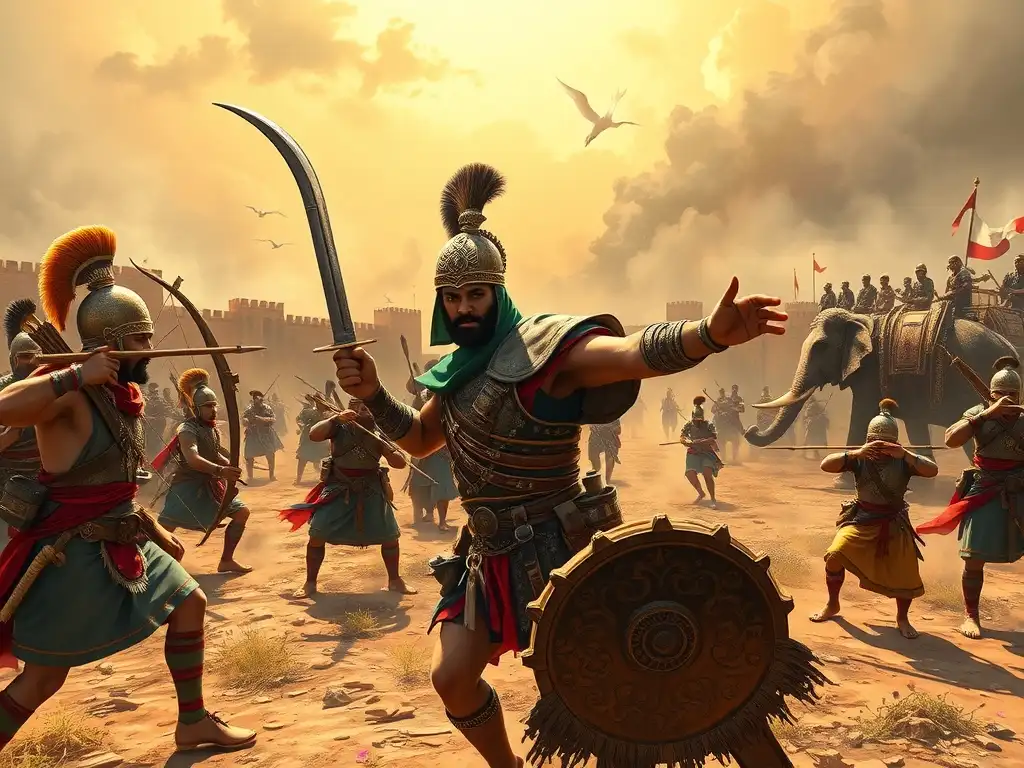
The study of ancient Indian military technology offers a fascinating glimpse into the sophisticated warfare strategies and innovations that shaped one of the world's oldest civilizations. From the meticulously planned armies of the Indus Valley Civilization to the advanced military tactics of the Gupta Empire, ancient India was a cradle of military innovation that influenced not only the subcontinent but also had far-reaching effects on warfare practices in other regions.
Understanding these contributions is vital, as they not only reflect the technological advancements of the time but also the cultural and societal structures that supported them. This exploration delves into the various aspects of ancient Indian military technology, showcasing how these innovations laid the groundwork for future developments in warfare.
Introduction to Ancient Indian Military Technology
Ancient Indian military technology was marked by a blend of indigenous innovations and adaptations influenced by interactions with neighboring cultures. The development of weapons, fortifications, and military strategies was critical in establishing and maintaining power throughout ancient Indian history. As we investigate the intricacies of these military advancements, it becomes evident that ancient Indians were not only adept at creating effective weaponry but also at developing comprehensive tactics that would govern their use in battle.
Overview of Military Innovations in Ancient India
The innovations in ancient Indian military technology can be categorized into several key areas:
- Weapons: Ancient Indians crafted a variety of weapons, including swords, bows and arrows, and spears. The use of metallurgy allowed for the development of iron weapons, which significantly enhanced their effectiveness in combat.
- Chariots and Elephants: The incorporation of chariots and war elephants in battles provided mobility and a psychological edge over opponents. Chariots, often drawn by horses, were used for quick strikes and retreats, while elephants were employed for their sheer size and strength.
- Fortifications: Ancient Indian civilizations built impressive fortifications, using materials like stone and mud. The strategic design of these structures played a vital role in defense against invasions and during prolonged sieges.
Importance of Studying Ancient Indian Warfare
Understanding ancient Indian military technology is crucial for several reasons:
- Cultural Significance: Warfare was intertwined with the socio-political fabric of ancient India. Analyzing military practices reveals insights into the values, beliefs, and organizational structures of these civilizations.
- Technological Influence: The military innovations of ancient India had a lasting impact on subsequent generations and influenced military practices beyond the Indian subcontinent. Studying these technologies helps trace the evolution of warfare globally.
- Lessons in Strategy: Ancient Indian military texts, such as the Arthashastra by Kautilya, provide timeless lessons in strategy, diplomacy, and resource management that remain relevant in modern contexts.
Historical Context of Warfare in Ancient India
The historical context of warfare in ancient India is complex and multifaceted, shaped by various civilizations and their respective military practices. To fully appreciate the advancements in military technology, we must examine the evolution of warfare from the earliest times through critical historical periods.
Evolution of Warfare from the Indus Valley Civilization
The Indus Valley Civilization (circa 3300–1300 BCE) marks one of the earliest examples of organized warfare in ancient India. Archaeological findings suggest the presence of fortified cities, indicating the need for defense against potential invasions. The evolution of warfare during this period laid the groundwork for subsequent military strategies and technologies, as communities learned the importance of organization, supply chains, and tactical planning.
Key Historical Periods Influencing Military Technology
Several key historical periods played pivotal roles in the development of military technology in ancient India:
- Vedic Period: The emergence of the Vedic texts (circa 1500–500 BCE) introduced concepts of warfare that emphasized the importance of valor and duty. The early use of chariots and archery became prominent during this era.
- Maurya Empire: Under Chandragupta Maurya and his grandson Ashoka (circa 322–185 BCE), military organization reached new heights, with large standing armies and sophisticated war strategies.
- Gupta Empire: The Gupta period (circa 240–550 CE) is often referred to as a golden age of India, where military technology flourished alongside advancements in science and culture. Innovations in warfare during this time included improved weaponry and tactics that were highly influential in shaping future engagements.
By exploring these periods, we gain a deeper understanding of how ancient Indian military technology evolved and its lasting impact on military history.
Key Contributions to Ancient Indian Military Technology
Ancient India made remarkable strides in military technology, significantly impacting the art of warfare. The innovations and methodologies developed by Indian civilizations not only served their own military needs but also influenced neighboring cultures and empires. Key contributions included advancements in weaponry, tactics, and strategies that reflected a deep understanding of both technology and human psychology in warfare.
Development of Weapons and Armaments
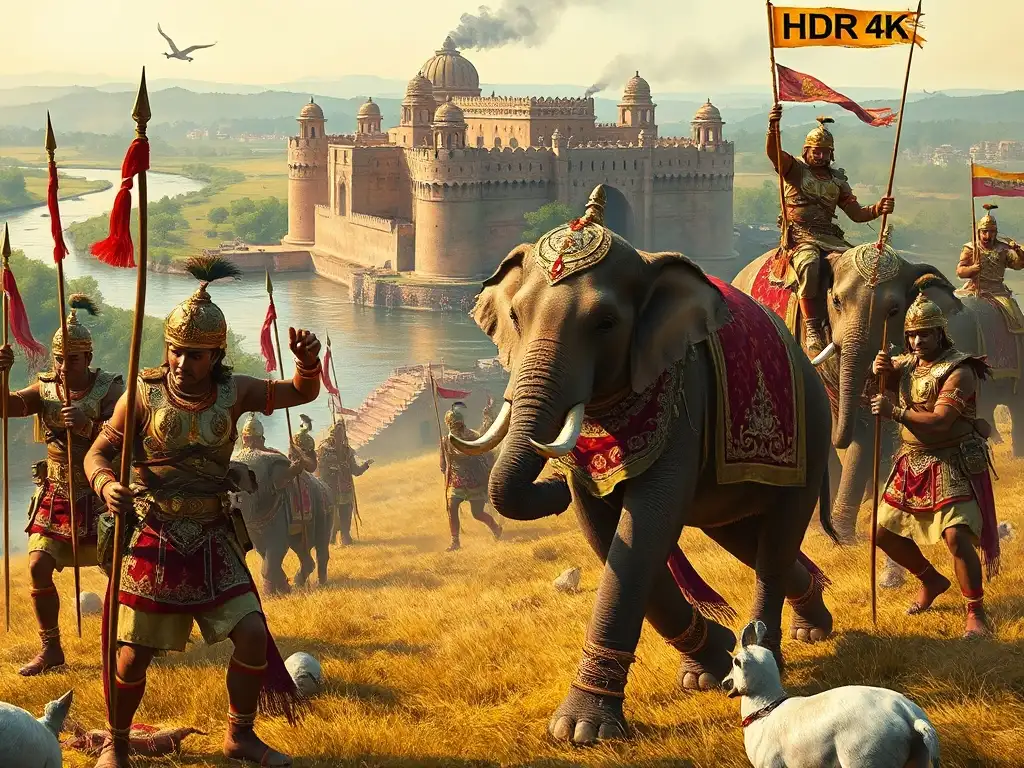
The evolution of weapons in ancient India can be traced back to the Indus Valley Civilization, around 2500 BCE, where early forms of weapons like copper and bronze tools were used. As metallurgy advanced, so did the sophistication of weaponry. The following weapons became prominent in ancient Indian warfare:
- Bows and Arrows: Indian archers were renowned for their skill. The composite bows of ancient India, made from wood, horn, and sinew, offered greater power and range than their simpler counterparts.
- Swords and Blades: The design and crafting of swords, such as the khanda and the tulwar, showcased advanced metallurgy and artistry. These weapons were not merely tools of war but also symbols of status and power.
- Spears and Pikes: Used for both throwing and close combat, these weapons were essential in infantry formations, allowing soldiers to engage enemies effectively at various ranges.
- Firearms: By the late medieval period, India saw the introduction of gunpowder weapons, including early cannons and handguns, which were pivotal in changing warfare dynamics.
Innovations in Siege Warfare
Siege warfare in ancient India was characterized by both ingenuity and strategic planning. Innovations included the development of various siege engines and tactics aimed at breaching fortified walls or overpowering enemy defenses. Notable contributions to siege warfare involved:
- Battering Rams: Used to demolish gates and walls, these were essential tools in capturing fortified cities. Their design evolved to increase effectiveness and ease of use.
- Catapults and Trebuchets: These artillery pieces were employed to launch projectiles over walls, causing damage to both structures and personnel.
- Tunneling and Mining: Ancient Indian armies practiced the art of tunneling beneath enemy walls to undermine their foundations, a technique that required careful planning and execution.
Military Strategies and Tactics in Ancient India
The strategic approach to warfare in ancient India was multifaceted, combining traditional battlefield tactics with psychological warfare. Leaders often employed a variety of strategies to outwit opponents, adapt to changing circumstances, and maximize their strengths.
The Role of Chariots in Warfare
Chariots played a critical role in ancient Indian warfare, particularly during the Vedic period and beyond. They were not only used for transportation but also served as mobile platforms for archers and commanders. The advantages of chariots included:
- Mobility: Chariots allowed for rapid movement across the battlefield, facilitating flanking maneuvers and quick retreats.
- Height Advantage: Mounted archers in chariots could shoot arrows from an elevated position, giving them a significant edge over infantry.
- Psychological Impact: The sight of advancing chariots could instill fear and chaos among enemy ranks, often leading to psychological warfare that preceded actual combat.
Infantry Tactics and Formation
Infantry tactics in ancient India were sophisticated, with formations designed to maximize effectiveness against various types of enemies. Key elements included:
- Phalanx Formation: Soldiers would form a dense line, presenting a united front to the enemy, which proved effective in close combat situations.
- Use of Elephants: War elephants were integrated into infantry tactics, serving as both mounts and a source of intimidation on the battlefield. Their sheer size and strength were used to break enemy lines and create openings for infantry advances.
- Flexible Tactics: Commanders often adapted their strategies based on terrain and enemy movements, employing deceptive maneuvers and ambushes to gain the upper hand.
Naval Warfare Techniques in Ancient Indian History
Naval warfare in ancient India, though less documented than land battles, was crucial for trade routes and coastal defense. The following techniques and aspects were prominent:
- Shipbuilding: Ancient Indians were skilled shipbuilders, constructing various types of vessels for trade and warfare, including large cargo ships and warships.
- Naval Strategies: Control of the seas was vital for trade and military dominance. Naval forces were employed to protect merchant vessels and engage in combat with rival fleets.
- Riverine Warfare: Many battles were fought on rivers, where tactics involved using smaller, more maneuverable boats for ambushes and surprise attacks against larger enemy ships.
These elements of ancient Indian military technology demonstrate a rich tapestry of innovation and strategic thinking that has shaped the course of military history. Through weaponry, siege tactics, and naval strategies, ancient India contributed significantly to the broader field of military science.
Notable Figures in Ancient Indian Military History
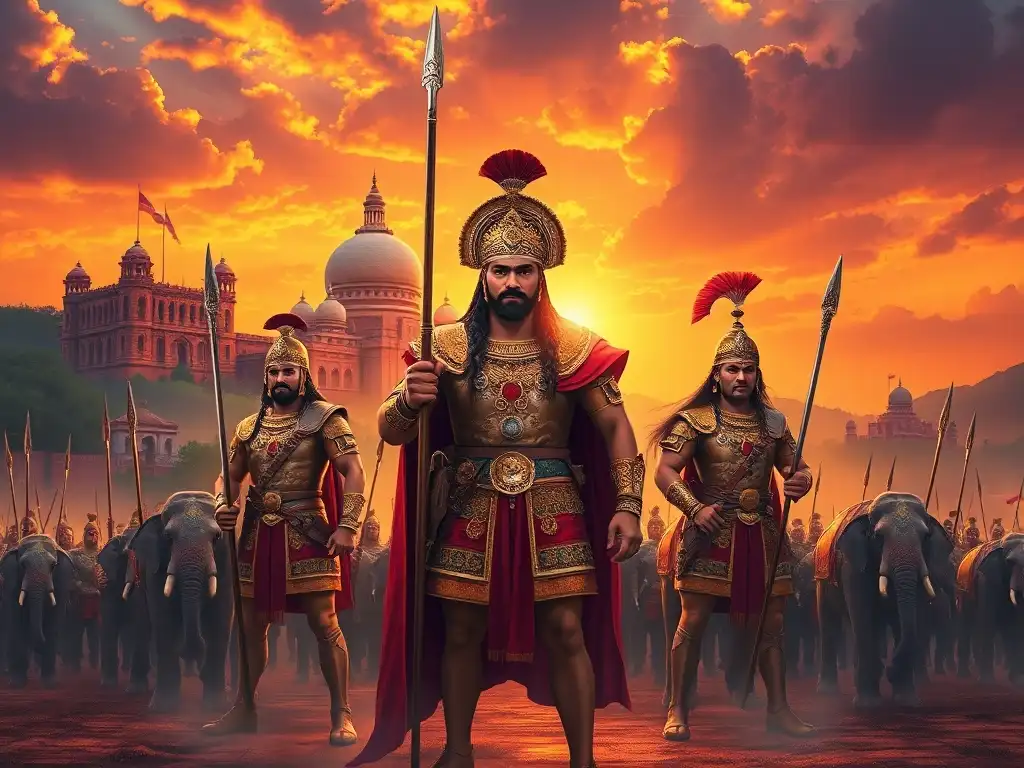
Ancient India was home to several influential military leaders who played pivotal roles in shaping the course of its history. These figures were not only skilled warriors but also strategic thinkers who contributed significantly to military technology and tactics. Their legacies continue to influence military practices and theories even today. Noteworthy among them are Chandragupta Maurya, Ashoka the Great, and the leaders of the Gupta Empire, each of whom made lasting contributions to ancient Indian military history.
Chandragupta Maurya and His Military Reforms
Chandragupta Maurya, the founder of the Maurya Empire in the 4th century BCE, is celebrated for his military reforms that laid the foundation for a unified Indian state. He utilized a combination of guerrilla tactics and traditional warfare to defeat the Nanda Dynasty and expand his empire.
Chandragupta's military innovations included:
- Infantry and Cavalry Integration: He effectively combined infantry and cavalry units, enhancing battlefield mobility and flexibility.
- War Elephants: He is credited with the strategic use of war elephants, which played a crucial role in intimidating enemies and breaking enemy lines.
- Fortifications and Logistics: Chandragupta emphasized the importance of well-fortified cities and effective supply chains, ensuring that his troops were well-equipped for extended campaigns.
His military reforms not only strengthened his empire but also set a precedent for future rulers in ancient India.
Ashoka the Great: Warfare and Diplomacy
Ashoka the Great, Chandragupta's grandson, is another significant figure in ancient Indian military history. Initially known for his military conquests, particularly the Kalinga War, Ashoka underwent a profound transformation that shaped his legacy.
Key aspects of Ashoka's military and diplomatic strategies include:
- The Kalinga War: This brutal conflict led to a massive loss of life and prompted Ashoka to embrace Buddhism. His regret over the war's devastation marked a turning point in his approach to governance.
- Promotion of Non-Violence: Post-Kalinga, Ashoka advocated for non-violence (Ahimsa) and diplomacy over warfare, influencing the moral compass of military conduct in India.
- Edicts of Ashoka: He issued edicts promoting peace, welfare, and ethical governance, which served as a guide for future rulers regarding the balance between military power and moral responsibility.
Ashoka's legacy reflects a unique blend of military prowess and a commitment to peace, influencing both Indian society and global perspectives on governance.
The Gupta Empire: Military Leadership and Strategy
The Gupta Empire, which thrived from the 4th to the 6th centuries CE, is often regarded as the Golden Age of India. Its military leaders showcased advanced strategies and technologies that contributed to the empire's stability and expansion.
Notable features of Gupta military leadership include:
- Cavalry Dominance: The Guptas excelled in the use of cavalry, which became the backbone of their military forces. Cavalry units were well-trained and equipped with advanced weaponry.
- Use of Composite Bows: The Guptas utilized composite bows, which were more powerful and effective than traditional bows, allowing for greater range and accuracy in battles.
- Strategic Alliances: Gupta leaders often formed strategic alliances with local rulers, which helped in consolidating power and maintaining peace in the region.
The Gupta Empire's military strategies were instrumental in expanding their influence across northern India and securing their place in history.
The Influence of Ancient Indian Military Technology on Later Civilizations
Ancient Indian military technology significantly influenced neighboring regions and cultures, contributing to the evolution of warfare practices across Asia. The innovations and strategies developed by ancient Indian states were not confined to their borders but resonated throughout the world.
Impact on Neighboring Regions and Cultures
The military advancements of ancient India had profound effects on neighboring regions, particularly in Southeast Asia and Central Asia. Key influences included:
- Spread of Warfare Techniques: Techniques such as the use of war elephants and advanced archery spread to regions like Persia and beyond, altering local military tactics.
- Cultural Exchange: The Indian concept of statecraft and military organization influenced various dynasties, including the Khmer Empire and Srivijaya, leading to the adoption of similar military structures and strategies.
- Trade Routes and Diplomacy: The flourishing trade routes facilitated the exchange of military technology, weapons, and ideas, fostering a rich tapestry of cross-cultural military practices.
These interactions underscore the importance of ancient Indian military technology as a catalyst for broader military development across Asia.
Legacy of Ancient Indian Warfare in Modern Military Practices
The contributions of ancient Indian military technology continue to resonate within modern military practices. Several elements of ancient strategies and technologies have been incorporated into contemporary military doctrines, reflecting their enduring relevance.
Significant aspects of this legacy include:
- Emphasis on Mobility: The emphasis on cavalry and rapid movement in ancient Indian warfare has influenced modern military strategies that prioritize speed and flexibility on the battlefield.
- War Elephants as a Concept: While no longer employed, the strategic use of elephants has inspired contemporary discussions around the use of specialized units in warfare, highlighting the importance of unique assets in military operations.
- Integration of Technology: Ancient practices of integrating various military units can be seen in modern militaries, where combined arms approaches are crucial for operational success.
The study of ancient Indian military technology not only enriches our understanding of historical warfare but also provides valuable lessons for current military strategies and tactics.
Conclusion: The Enduring Legacy of Ancient Indian Military Technology
The realm of ancient Indian military technology is marked by an impressive array of innovations that not only shaped the subcontinent's warfare strategies but also influenced military practices across the globe. From the advanced metallurgy of weapons to the strategic use of war elephants, ancient Indian civilizations demonstrated a profound understanding of both technology and tactics. This legacy continues to resonate in modern military thought and practices, where the principles of warfare and the innovations developed during these early periods remain relevant.
Moreover, the extensive documentation of military strategies in texts such as the Arthashastra by Kautilya provides insights into the sophisticated approach to warfare that characterized ancient India. Such knowledge reflects a holistic view of warfare, encompassing not just the physical confrontations but also the psychological and strategic elements that are vital for success in any military endeavor.
Summary of Key Contributions
Ancient Indian military technology was characterized by several key contributions, including:
- Metallurgical Advances: The use of high-quality iron and steel for weapons, such as swords and arrows, was well-established. Notable examples include the production of wootz steel, which was renowned for its durability and sharpness.
- War Elephants: Utilized extensively in battle, war elephants were trained for combat and served both as a psychological weapon and a means of transportation for commanders. They played a crucial role in various battles, particularly during the Maurya and Gupta empires.
- Innovative Weaponry: The development of various weapon types, including bows, crossbows, and siege equipment, showcased the ingenuity of ancient Indian engineers and craftsmen. The use of composite bows provided greater range and power in warfare.
- Strategic Texts: Works such as the Arthashastra provided comprehensive strategies on governance, warfare, and espionage, reflecting the intellectual contributions to military thought.
- Fortifications and Military Architecture: The construction of forts and defensive structures demonstrated advanced architectural techniques that played a critical role in protecting territories.
These contributions collectively underscored the advanced nature of ancient Indian military technology and its lasting impact on warfare.
Reflection on the Importance of Ancient Indian Warfare in Global History
The significance of ancient Indian warfare extends beyond the subcontinent, influencing military practices and technologies worldwide. The innovative military strategies and technologies developed in ancient India laid the groundwork for various subsequent military developments across different cultures and civilizations.
For instance, the use of war elephants and the principles outlined in ancient texts were absorbed into the military doctrines of neighboring regions, including Persia and the Hellenistic world. Additionally, the advancements in metallurgy and weapon design influenced both Eastern and Western military technologies.
Reflecting on the importance of ancient Indian warfare highlights how cultures can share and adapt technologies and strategies, leading to a richer tapestry of military history. The enduring legacy of ancient Indian military technology serves as a reminder of the interconnectedness of civilizations and the shared pursuit of knowledge and innovation throughout history. As we study these ancient practices, we gain not only insights into military capabilities but also a deeper appreciation for the cultural exchanges that have shaped human civilization.
- Introduction to Ancient Indian Military Technology
- Historical Context of Warfare in Ancient India
- Key Contributions to Ancient Indian Military Technology
- Development of Weapons and Armaments
- Innovations in Siege Warfare
- Military Strategies and Tactics in Ancient India
- Notable Figures in Ancient Indian Military History
- The Influence of Ancient Indian Military Technology on Later Civilizations
- Conclusion: The Enduring Legacy of Ancient Indian Military Technology
- What were the key advancements in ancient Indian military technology?
- How did the Indus Valley Civilization influence military technology?
- What role did the Gupta Empire play in military advancements?
- Were there any significant weapons developed in ancient India?
- How did ancient Indian military technology compare to that of other civilizations?
Frequently Asked Questions
What were the key advancements in ancient Indian military technology?
Ancient Indian civilizations made significant contributions, including war chariots, advanced archery techniques, and the development of fortifications. These innovations played a vital role in warfare strategies.
How did the Indus Valley Civilization influence military technology?
The Indus Valley Civilization showcased early forms of urban planning, which included defensive walls and strategic layouts that enhanced military operations and protection against invasions.
What role did the Gupta Empire play in military advancements?
The Gupta Empire is known for its innovative military strategies and technologies, including the use of war elephants and siege tactics, significantly impacting warfare during its reign.
Were there any significant weapons developed in ancient India?
Yes, ancient Indian civilizations developed various weapons, such as crossbows, swords, and spears, which were crafted using advanced metallurgy techniques, enhancing their effectiveness in battle.
How did ancient Indian military technology compare to that of other civilizations?
Ancient Indian military technology was highly sophisticated, often on par with contemporary civilizations like the Greeks and Persians, especially in terms of tactics and weaponry innovations.
Final Reflection: The Enduring Legacy of Ancient Indian Military Technology
The exploration of ancient Indian military technology reveals a profound connection between history and contemporary warfare. As we delve into the innovations and strategies developed by ancient Indian civilizations, we uncover not only their military prowess but also their enduring influence on modern military practices. The principles of strategy, engineering, and technology that emerged from this rich heritage continue to resonate in today's defense systems and military tactics, underscoring the timeless relevance of these ancient contributions.
Culture and society are often shaped by the technologies they embrace, and ancient Indian military advancements have left an indelible mark on the world stage. From the use of advanced weaponry to the strategic deployment of forces, these innovations reflect a sophisticated understanding of warfare that is still studied and revered today. The greatest victory is that which requires no battle.
This quote encapsulates the essence of ancient Indian military philosophy, emphasizing the importance of strategy and intellect over sheer force, a lesson that remains pertinent in our modern context.
As we reflect on the lessons of ancient Indian military technology, I invite you to consider how these insights can be applied in your own life. What strategies can you adopt from these historical examples to navigate your personal and professional challenges? Embrace the wisdom of the past as you forge your path forward, recognizing that the principles of innovation, strategy, and resilience are timeless tools that can empower you to overcome obstacles and achieve your goals.
Unveil the Legacy of Ancient Indian Warfare
Thank you for diving into the fascinating world of Ancient India's contributions to military technology! You've discovered the depth of innovation and strategy that shaped warfare in remarkable ways. Now, it's time to take your enthusiasm further and explore these ancient legacies.
Here are some engaging actions you can take right now:
- Dive deeper into military history: Research one of the ancient technologies mentioned and share your findings with friends or on social media to spark discussions about their relevance today.
- Visit a local museum or historical site that features ancient military artifacts, and take notes on what intrigues you the most.
- Join a history forum or community to discuss Ancient Indian warfare and connect with others who share your passion – you might uncover new insights!
As you journey through the rich history of military innovation, consider what aspect of Ancient Indian warfare inspires you the most and why. Share your thoughts below!