
Dance Festivals of Ancient India: Celebrating Cultural Heritage Through Movement

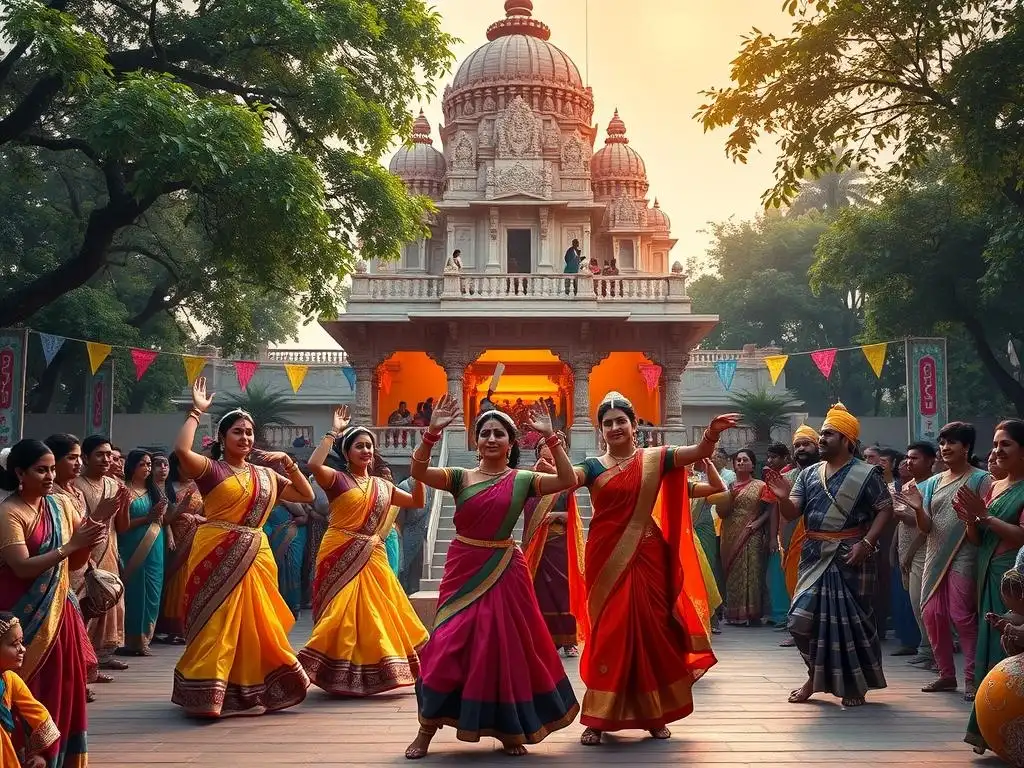
Welcome to Ancient India History, where we invite you to embark on a fascinating journey through time, revealing the rich tapestry of ancient Indian civilizations. Dive into our featured article on Ancient Indian dance festivals, a vibrant celebration that not only showcases the artistic expressions of the past but also encapsulates the cultural heritage that has shaped the identity of a nation. Discover how these festivals, rooted in tradition and spirituality, continue to resonate today, inviting you to explore the intricate movements and stories behind them.
Are you ready to unlock the rhythms of history? Let’s dance through the ages together!
Introduction to Ancient Indian Dance Festivals
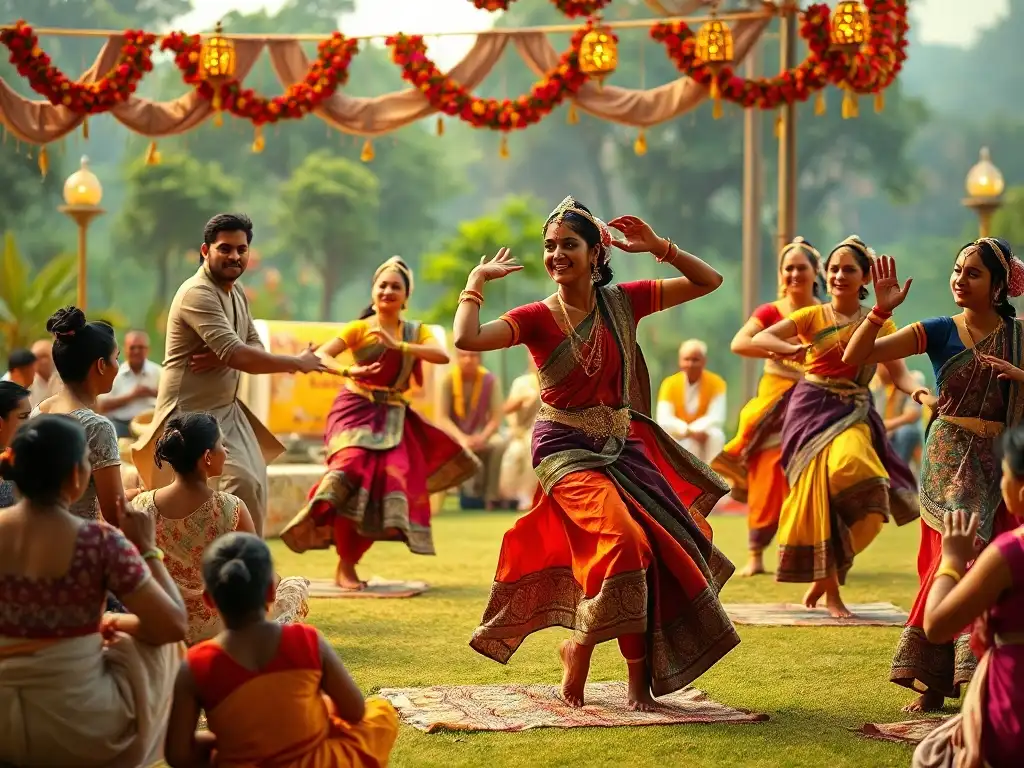
Dance has always been a vibrant thread woven into the fabric of ancient Indian civilization, serving not only as a form of artistic expression but also as a medium of cultural communication and spiritual significance. From the ceremonial performances of the Indus Valley to the grand celebrations of the Gupta Empire, ancient Indian dance festivals embody the rich tapestry of traditions, beliefs, and artistic innovations that have flourished over millennia. These festivals were not merely events of entertainment; they were essential gatherings that fostered community ties, celebrated religious devotion, and showcased the profound connection between art and life.
In this exploration, we will delve into the historical significance, cultural relevance, and evolution of ancient Indian dance festivals. By examining the various forms and contexts in which these festivals emerged, we aim to uncover the profound impact they had on the social and cultural landscape of ancient India. The keyword "ancient Indian dance festivals" will guide our inquiry, shedding light on how these celebrations reflect the diverse heritage of a civilization that continues to inspire contemporary art forms.
Overview of Dance as a Cultural Expression in Ancient India
Dance in ancient India was not merely a performance art; it was a complex language of expression that conveyed emotions, stories, and spiritual beliefs. Each dance form was imbued with specific meanings and often linked to religious rituals and celebrations. The intricate movements, gestures, and expressions, known as "mudras," served as a means to communicate the narratives of mythology and folklore, allowing participants and spectators alike to connect deeply with their cultural heritage.
The significance of dance varied across regions and communities, with styles evolving to reflect local traditions and influences. From the graceful movements of Bharatanatyam in the South to the energetic folk dances of the North, each form showcases the diversity of ancient Indian culture. Festivals provided a platform for these artistic expressions, allowing communities to come together, celebrate, and honor their shared heritage.
Importance of Festivals in Ancient Indian Society
Festivals held a central place in the social and religious life of ancient Indian society. They were occasions for communal bonding, where people from diverse backgrounds united to celebrate shared beliefs and values. These gatherings often featured music, dance, and drama, creating a holistic cultural experience that transcended individual differences.
The significance of these festivals extended beyond mere celebration; they were also times for renewal and reflection. Rituals performed during these events were believed to invoke blessings from deities and ensure prosperity for the community. As such, dance festivals served both as a means of artistic expression and a vital component of the cultural and spiritual fabric of ancient India.
Historical Context of Dance Festivals in Ancient India
To fully appreciate the evolution of dance festivals in ancient India, it is essential to examine their historical context. This journey begins with the Indus Valley Civilization, where the roots of dance can be traced, and extends through the Vedic period and into the flourishing empires of Maurya and Gupta.
Dance in the Indus Valley Civilization
The Indus Valley Civilization, one of the earliest urban cultures in the world, showcased significant evidence of dance as an integral part of their social life. Archaeological findings, such as terra-cotta figurines depicting dancers and the discovery of dance-related artifacts, suggest that dance played a role in religious rituals and community celebrations. Although direct historical records are scarce, the artistic representations indicate that dance was a cherished form of expression, likely associated with fertility rites and worship of deities.
Influence of Vedic Traditions on Dance Festivals
With the emergence of Vedic traditions, dance began to acquire a more structured and ritualistic form. The Vedas, ancient Indian scriptures, contain references to dance and music as essential elements of religious ceremonies. They emphasized the importance of performing arts in invoking divine presence and ensuring cosmic harmony.
As Vedic rituals became more elaborate, dance festivals evolved into grand occasions that combined music, poetry, and movement. These festivals were not only spiritual gatherings but also significant social events that reinforced communal bonds and cultural identity.
Evolution of Dance Festivals Through the Maurya and Gupta Empires
The Maurya and Gupta Empires marked a golden age for arts and culture in ancient India. During this period, dance festivals flourished, reflecting the increasing patronage of the arts by rulers and the growing influence of regional traditions. The synthesis of various dance forms led to the emergence of classical styles, many of which continue to be celebrated today.
Dance festivals during these empires often featured elaborate performances that showcased the skills of accomplished dancers and musicians. They served as platforms for cultural exchange, where diverse traditions converged, enriching the artistic landscape of ancient India. This vibrant environment ensured that dance remained a dynamic and evolving aspect of Indian culture, laying the foundation for future generations to build upon.
Major Ancient Indian Dance Festivals
Ancient Indian dance festivals served as vibrant celebrations of culture and spirituality, showcasing the artistic talents of dancers while fostering a sense of community. These festivals were often held in conjunction with religious observances, seasonal changes, or significant historical events. One notable festival is the Kumbh Mela, which, while primarily a pilgrimage, also features various dance forms performed by devotees and professional artists alike.
Another prominent festival is the Mahashivaratri, dedicated to Lord Shiva, where classical dance performances, particularly Bharatanatyam and Kathak, are integral to the celebrations. Navaratri, a festival honoring the goddess Durga, is another significant occasion that features elaborate dance performances, including Garba and Dandiya Raas, which highlight regional folk dance forms.
These festivals not only serve as platforms for showcasing dance but also play a crucial role in preserving ancient traditions, fostering cultural exchange, and promoting the spiritual dimensions of dance.
The Natya Shastra and Its Role in Dance Festivals
The Natya Shastra, attributed to the sage Bharata Muni, is an ancient Indian treatise on performing arts that covers drama, music, and dance. It is considered the foundational text for classical Indian dance and has significantly influenced the structure and presentation of dance festivals throughout history.
The Natya Shastra outlines various aspects of dance, including abhinaya (expressive acting), mudras (hand gestures), and ragas (melodic frameworks), which are essential components of dance performances. During ancient dance festivals, the principles outlined in this text were embodied by performers, ensuring that the dances conveyed the intended emotional and spiritual messages.
Moreover, the Natya Shastra emphasizes the importance of storytelling in dance, encouraging artists to draw from mythological narratives and local folklore, which enriched the cultural tapestry of ancient Indian festivals. As a result, the Natya Shastra not only served as a guideline for performers but also helped elevate dance festivals into rituals that celebrated the divine and the human experience.
Significant Festivals Celebrating Classical Dance Forms
Several significant festivals throughout ancient India were dedicated to the celebration of classical dance forms, each with its unique flavor and historical significance.
- The Khajuraho Dance Festival: Held annually in Madhya Pradesh, this festival showcases the intricate dance forms that are intricately linked to the sculptures of the Khajuraho temples. It attracts dancers from various classical backgrounds, including Bharatanatyam, Kathak, Odissi, and Manipuri.
- The Konark Dance Festival: Celebrated in Odisha, this festival is held against the backdrop of the Sun Temple and features performances that honor the rich tradition of Odissi dance, as well as other classical styles.
- The Mahabalipuram Dance Festival: This festival, celebrated in Tamil Nadu, merges dance and heritage, taking place amidst ancient rock-cut sculptures. It primarily highlights Bharatanatyam performances, reflecting the cultural heritage of the region.
These festivals not only provide a platform for artists to showcase their skills but also serve to educate audiences about the rich history and traditions of Indian classical dance.
Styles of Dance Featured in Ancient Indian Festivals
Ancient Indian festivals were a melting pot of various dance styles, each with its distinct attributes and cultural significance. The styles featured in these celebrations represent the diverse heritage of India and its myriad of regional influences.
Bharatanatyam: Roots and Rituals
Bharatanatyam, one of the oldest classical dance forms of India, originated in Tamil Nadu. It is known for its fixed upper torso, bent legs, intricate footwork, and expressive hand gestures. Traditionally performed by Devadasis in temples, Bharatanatyam embodies a deep spiritual connection, often depicting stories from Hindu mythology.
During ancient dance festivals, Bharatanatyam performances were integral to worship rituals, serving as offerings to deities. The dancers not only entertained but also conveyed profound spiritual narratives through their movements, emphasizing devotion and grace.
Odissi: Spirituality in Motion
Odissi, hailing from Odisha, is characterized by its fluid movements and unique poses, known as Chowk and Bhangai. This dance form often explores themes of devotion and love, primarily focusing on the relationship between the divine and human aspects.
Odissi performances at ancient festivals were often set within temples, merging the sacred with the artistic. The intricate footwork and expressive gestures allowed dancers to narrate stories from ancient texts, inviting audiences into a world of spirituality and artistic expression.
Kathak: Storytelling Through Dance
Kathak, a dance form that evolved in Northern India, is renowned for its storytelling ability through intricate footwork, spins, and facial expressions. Traditionally performed in both Hindu temples and royal courts, Kathak draws upon themes of love, mythology, and social issues.
In ancient festivals, Kathak performances would often incorporate live musical accompaniment, enhancing the narrative quality of the dance. The art of improvisation in Kathak allows performers to engage with their audiences, creating a dynamic and interactive festival atmosphere.
Other Notable Dance Styles Represented at Festivals
Beyond Bharatanatyam, Odissi, and Kathak, other notable dance styles also graced ancient Indian festivals, showcasing the vast cultural diversity.
- Manipuri: Originating from Manipur, this dance form is known for its graceful movements and themes revolving around the divine love of Radha and Krishna. Manipuri dances often feature elaborate costumes and are performed during religious festivals.
- Kuchipudi: Hailing from Andhra Pradesh, Kuchipudi is not only a dance form but also a theatrical performance. It is characterized by its narrative storytelling and rhythmic footwork, often performed at temple festivals.
- Mohiniyattam: This dance form from Kerala combines grace and emotion, often depicting female characters. Mohiniyattam performances at festivals emphasize the beauty of femininity through intricate movements and expressions.
These diverse dance styles collectively enrich the cultural fabric of ancient Indian festivals, celebrating the artistic heritage and spiritual traditions that have been passed down through generations.
Cultural Significance of Dance Festivals
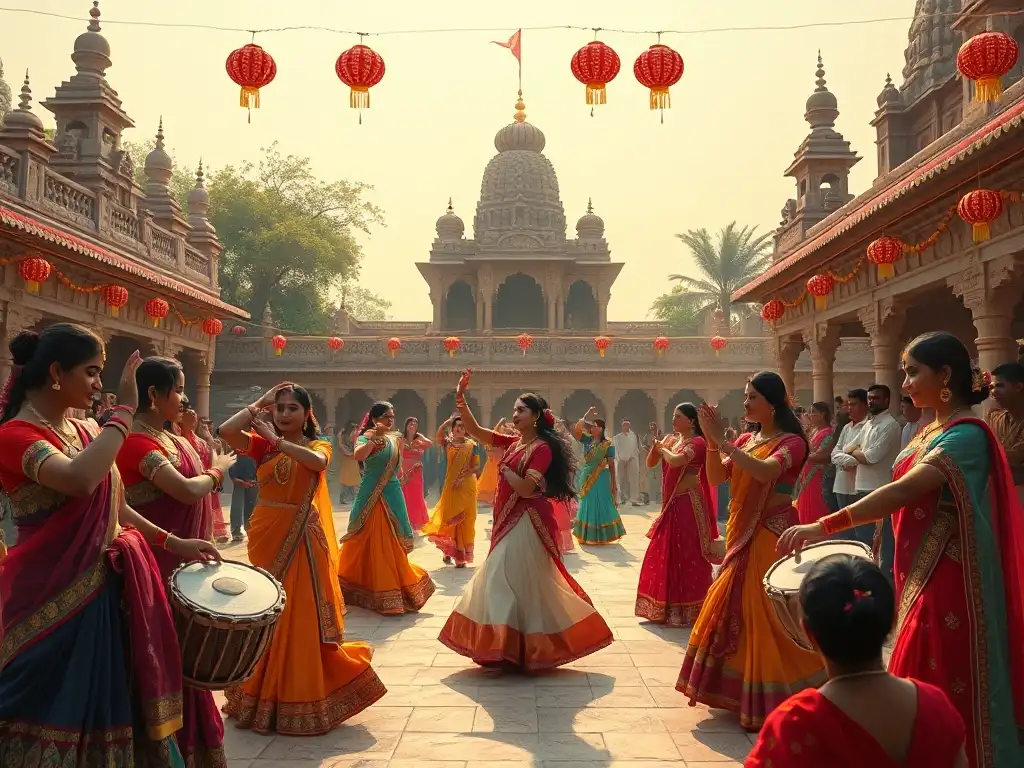
Dance festivals in ancient India were much more than mere entertainment; they served as vibrant expressions of cultural identity, spiritual beliefs, and social cohesion. These festivals were deeply intertwined with the rhythms of daily life, seasonal changes, and religious practices. By showcasing traditional dances, communities would honor their heritage and pass down stories, values, and teachings from one generation to the next.
The festivals often included a variety of dance forms, each representing different regional traditions and cultural backgrounds. They were occasions for people to come together, fostering a sense of unity and belonging. The communal aspect of these celebrations not only reinforced social bonds but also highlighted the diversity within the ancient Indian societal fabric.
Dance as a Means of Preserving Heritage
Dance has always been a vital medium for the transmission of culture in ancient India. Through rhythmic movements and intricate gestures, dance forms acted as a storytelling device, preserving folklore, mythology, and historical narratives. Each dance style, whether it was Bharatanatyam, Kathak, or Odissi, carried its own set of stories and traditions, often rooted in ancient texts and scriptures.
The performance of these dances during festivals ensured that the knowledge embedded in them was not lost over time. Local customs, language, and attire were also celebrated, creating a rich tapestry of regional identities. This preservation of heritage through dance allowed communities to maintain a connection to their past, fostering pride and continuity.
The Role of Dance Festivals in Community Cohesion
Dance festivals served as essential platforms for fostering community ties. They provided opportunities for collaboration among different groups, allowing individuals to come together in celebration of shared traditions. Local artisans, musicians, and dancers would participate, creating a vibrant atmosphere filled with creativity and expression.
Moreover, such festivals often transcended individual families or clans, inviting participation from various societal segments, thereby promoting inclusivity. The communal preparation and celebration of these festivals encouraged mutual respect and understanding, reinforcing social harmony. Through collective participation, dance festivals became a means of strengthening relationships among people of diverse backgrounds.
Dance and Religious Significance in Ancient India
In ancient India, dance was often intertwined with religious practices and spiritual expression. Many dance festivals were held in honor of deities, celebrating their stories and virtues. Temples served as central venues for these festivals, where dancers performed rituals that were believed to invoke divine blessings.
The choreography and movements were often symbolic, representing spiritual concepts and teachings. This connection between dance and spirituality enhanced the festivals' significance, transforming them into sacred observances. The act of dancing was seen as a form of devotion, allowing practitioners to express their reverence and connect with the divine.
Conclusion: Legacy of Ancient Indian Dance Festivals
The legacy of ancient Indian dance festivals is profound, extending far beyond their historical context. They have played a pivotal role in shaping cultural narratives and artistic expressions within the region. The traditions established during these festivals continue to inspire contemporary dance forms, reflecting the enduring influence of ancient practices.
Modern Influence of Ancient Dance Festivals on Contemporary Culture
Today, ancient Indian dance festivals still resonate within modern cultural contexts. Many festivals have been revived or adapted to suit contemporary tastes, with performances that blend traditional elements with modern interpretations. This evolution showcases the dynamic nature of these art forms, allowing them to remain relevant in the face of changing societal norms.
Moreover, the global appreciation for ancient Indian dance has increased, with international audiences recognizing its aesthetic and cultural significance. Modern festivals often provide platforms for intercultural exchange, leading to collaborative performances that celebrate both heritage and innovation.
The Importance of Preserving Ancient Dance Traditions Today
Preserving ancient dance traditions is crucial for maintaining cultural diversity and identity. As globalization continues to influence artistic expressions, it is essential to safeguard these unique forms of dance that tell the stories of ancient civilizations. Efforts to document and teach these traditions are vital, ensuring that future generations appreciate and understand their cultural roots.
Moreover, the revival and promotion of ancient dance festivals can significantly contribute to the broader cultural landscape, fostering a sense of pride and continuity among communities. By investing in the preservation of these traditions, society can celebrate its rich heritage while promoting artistic expression and cultural understanding.
References
Key Texts and Resources on Ancient Indian Dance Festivals
-
Natya Shastra by Bharata Muni
This ancient treatise on the performing arts, dated back to around 200 BCE to 200 CE, is essential for understanding the foundations of Indian dance and theatre. It provides insights into various dance forms, aesthetics, and the significance of dance in religious and cultural contexts.
-
Abhinaya Darpanam by Nandikeshvara
An important text that elaborates on the art of expression in dance, this work emphasizes the techniques of facial expressions and gestures, which are crucial to many ancient Indian dance forms.
-
The Dance of the Peacock by Sunil Kothari
This comprehensive book explores the evolution and significance of classical dance forms in India, including their regional variations, historical contexts, and the role they play in festivals.
-
Classical Dance in India by K. S. Subramanian
A detailed examination of the various classical dance forms that emerged from ancient Indian traditions, including their connection to dance festivals and cultural celebrations.
-
Dance Festivals of India by Rajeev Sethi
This resource outlines the major dance festivals across India, providing a historical perspective and highlighting their cultural importance in celebrating traditional practices.
Suggested Readings on Ancient Indian Dance and Music
-
Indian Music: A Historical Perspective by B. R. Deodhar
This book offers a historical survey of Indian music, discussing its evolution alongside dance forms and the integral role they play in festivals.
-
Dance as a Cultural Expression by Gurusaday Dutt
An exploration of how dance functions as a form of cultural expression in ancient India, detailing various festivals that showcase these art forms.
-
The Performing Arts in India by Anna Morcom
This text analyzes the interrelationships between various performing arts in India, including dance and music, and their collective significance during festivals.
-
Sacred Dance in India by Ranjana S. Mehta
A focused study on the spiritual aspects of dance, this book discusses the connection between sacred rituals and dance performances during ancient Indian festivals.
-
Folk Dances of India by K. B. Chandra
This resource provides insights into the folk dance traditions of India, discussing how regional festivals celebrate these art forms and their historical roots.
- Introduction to Ancient Indian Dance Festivals
- Historical Context of Dance Festivals in Ancient India
- Major Ancient Indian Dance Festivals
- Styles of Dance Featured in Ancient Indian Festivals
- Cultural Significance of Dance Festivals
- Conclusion: Legacy of Ancient Indian Dance Festivals
- References
- What were the main types of ancient Indian dance festivals?
- How did dance festivals contribute to cultural heritage in ancient India?
- Which dance forms were prominent during ancient Indian festivals?
- How did the royalty influence ancient Indian dance festivals?
- Are there any modern celebrations of ancient Indian dance festivals?
Frequently Asked Questions
What were the main types of ancient Indian dance festivals?
Ancient Indian dance festivals included religious celebrations, royal court performances, and seasonal harvest festivals, each showcasing the unique cultural expressions of the time.
How did dance festivals contribute to cultural heritage in ancient India?
Dance festivals served as a medium for storytelling, preserving myths, and promoting community bonding, thereby playing a crucial role in maintaining and celebrating ancient Indian cultural identity.
Which dance forms were prominent during ancient Indian festivals?
Prominent dance forms included Bharatanatyam, Kathak, and Odissi, each with its distinct styles and ritual significance, often performed during festivals to honor deities and narrate sacred tales.
How did the royalty influence ancient Indian dance festivals?
Royalty often sponsored and participated in these festivals, which helped to elevate the status of dance as an art form and encouraged local artists to innovate and showcase their talents.
Are there any modern celebrations of ancient Indian dance festivals?
Yes, many modern festivals continue to celebrate ancient dance traditions, such as the Khajuraho Dance Festival and the Konark Dance Festival, promoting awareness and appreciation of India's rich cultural heritage.
Final Reflection: Celebrating the Timeless Legacy of Ancient Indian Dance Festivals
The exploration of ancient Indian dance festivals reveals not only a rich tapestry of cultural heritage but also a profound connection to our contemporary society. Today, as we navigate a world increasingly defined by rapid change and globalization, these festivals serve as a vital reminder of our roots and the importance of preserving traditions. The vibrancy and diversity of these dance forms echo through time, inviting us to embrace the stories and values they represent.
The influence of ancient Indian dance festivals extends far beyond their historical context; they continue to shape our cultural and social landscape. These festivals foster a sense of community, bridging generational gaps and inspiring new artists to explore their heritage. As we witness a resurgence of interest in traditional arts, we are reminded of the words of renowned Indian dancer, Uday Shankar: Dance is the hidden language of the soul.
This sentiment encapsulates the essence of these festivals, highlighting their role in expressing our innermost feelings and connecting us to one another.
As we reflect on the significance of ancient Indian dance festivals, I invite you to consider how you can incorporate these lessons into your own life. Take a moment to celebrate your cultural heritage, whether through dance, music, or storytelling. Engage with your community, learn about your traditions, and share them with others. In doing so, you not only honor the past but also contribute to a vibrant future where cultural expressions continue to thrive. Let us all dance through life, celebrating the beauty of our shared heritage.
Embrace the Rhythm of Ancient India!
Thank you for journeying through the vibrant world of ancient Indian dance festivals. We hope you’ve discovered the profound connection between movement and cultural heritage. Now, it’s time to bring that inspiration into your life! Here are some actionable steps to keep the celebration alive:
- Join a Local Dance Class: Immerse yourself in the rhythms of ancient Indian dance. Look for beginner-friendly classes in your area and embrace the joy of movement.
- Attend a Cultural Festival: Seek out local or online festivals that celebrate the rich tapestry of Indian culture. These events often showcase traditional dance, providing a unique opportunity to experience this heritage firsthand.
- Share Your Experience: Write about what you’ve learned or share your favorite memories from dance festivals on social media or community boards. Engaging with others can deepen your understanding and appreciation of this art form.
How will **embracing a new dance form** transform your view of culture and heritage?