
Investment Strategies for Navigating Challenges in the Indian Handicraft Market

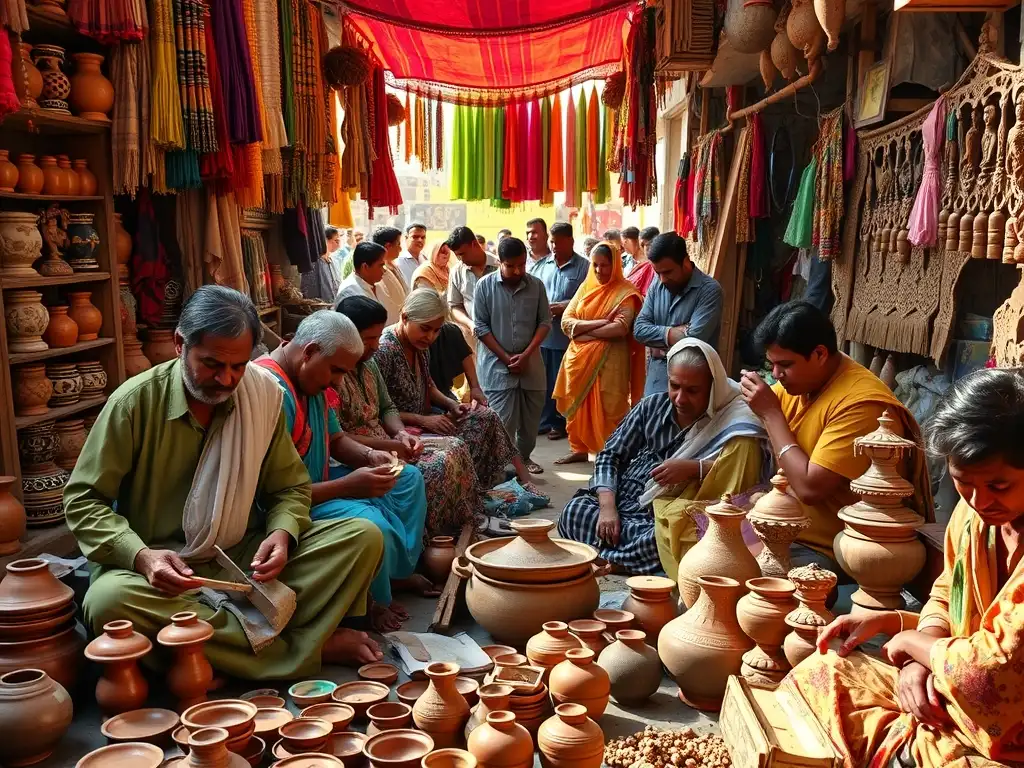
Welcome to Ancient India History, where we embark on a captivating journey through the rich tapestry of ancient Indian civilizations. As we delve into the investment strategies for navigating challenges in the Indian handicraft market, prepare to uncover the intricate connections between culture and commerce. Did you know that the vibrant world of Indian handicrafts not only reflects centuries of artistry but also presents unique investment opportunities? Join us as we explore how these timeless creations can shape modern business ventures, and discover strategies that honor both tradition and innovation. Your exploration begins now!
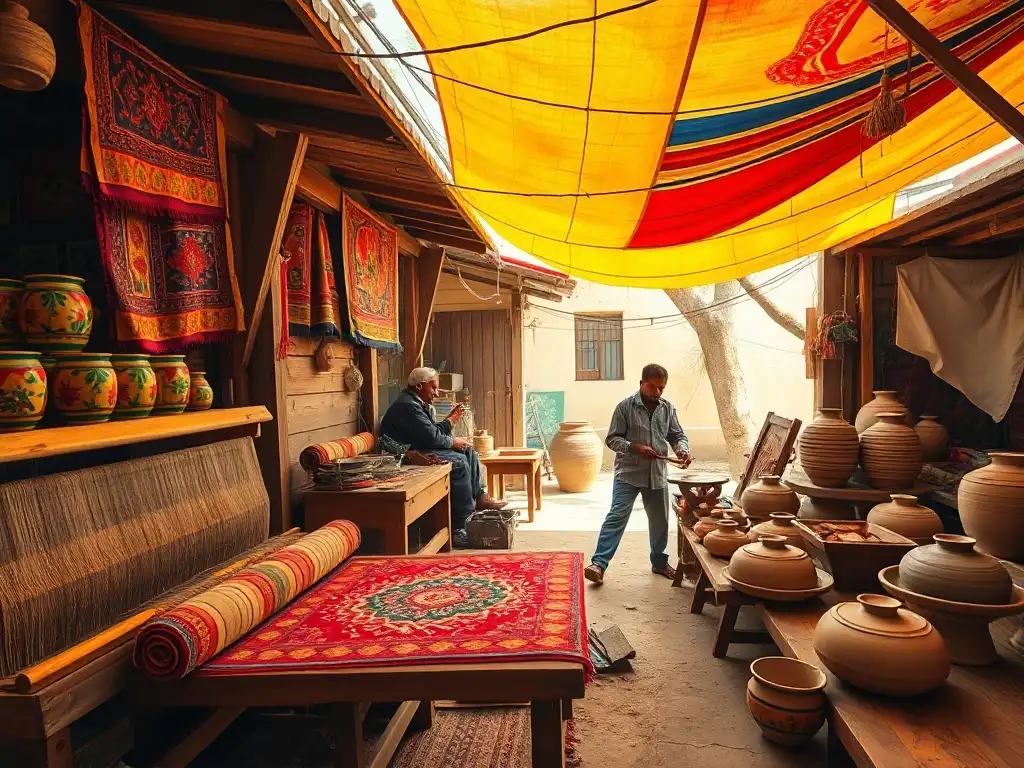
The Indian handicraft market is a tapestry of vibrant traditions, intricate craftsmanship, and diverse cultural heritage. It represents a significant segment of the economy, employing millions and contributing to the socio-economic fabric of the nation. However, navigating this market presents unique challenges that require well-thought-out investment strategies. Investors must not only understand the nuances of this sector but also develop approaches that can mitigate risks and enhance profitability. This article examines the investment strategies tailored for the Indian handicraft market, focusing on the challenges artisans face and the sustainable practices that can influence investment decisions.
Understanding the Indian Handicraft Market
Overview of Indian Handicrafts and Artisanal Products
The Indian handicraft sector is renowned for its rich variety, including textiles, pottery, metalwork, and woodcraft. With over 7 million artisans contributing to this industry, it serves as a vital source of income for many households across the country. Here are some key aspects of Indian handicrafts:
- Diversity: From the intricate embroidery of Rajasthan to the exquisite woodwork of Kerala, the diversity in styles and materials is immense.
- Cultural Significance: Each craft has a unique story that reflects the local culture and traditions, making these products not just items for sale but artifacts of heritage.
- Market Potential: The market for Indian handicrafts is estimated to reach $100 billion by 2025, driven by both domestic and international demand.
Key Challenges Faced by Artisans and Investors
Despite the potential, the Indian handicraft market faces several challenges that can hinder growth:
- Access to Capital: Many artisans lack the financial resources to scale their operations or invest in quality materials.
- Market Competition: The influx of machine-made goods has created stiff competition, often undercutting traditional artisans.
- Supply Chain Issues: Inconsistent supply of raw materials and logistical hurdles can disrupt production processes.
- Quality Control: Maintaining quality in handicrafts is crucial, yet many artisans struggle with standardization.
Importance of Investment Strategies in Indian Handicrafts
How Investment Strategies Influence Market Stability
Investment strategies play a critical role in stabilizing the handicraft market. By fostering relationships between artisans and investors, these strategies can lead to:
- Financial Support: Providing artisans with access to capital allows them to invest in better materials and tools.
- Market Access: Strategic partnerships can help artisans reach broader markets, both domestically and internationally.
- Skill Development: Investments directed towards training programs can enhance artisans' skills, thereby improving product quality.
The Role of Sustainable Practices in Investment Decisions
Sustainability is becoming increasingly important in investment decisions within the handicraft sector. Here’s how it contributes:
- Eco-Friendly Materials: Investors are more inclined to support businesses that utilize sustainable raw materials, which can appeal to environmentally conscious consumers.
- Social Responsibility: Investing in artisans who follow fair trade practices not only supports local communities but also enhances brand reputation.
- Long-Term Viability: Sustainable practices ensure that the handicraft industry can thrive for future generations, making it a more attractive investment opportunity.
Developing effective investment strategies is crucial for navigating the complexities of the Indian handicraft market. By addressing the challenges faced by artisans and focusing on sustainable practices, investors can create a positive impact while also reaping economic benefits.
Types of Investment Strategies for Indian Handicrafts
Investing in the Indian handicraft market presents a unique opportunity to support local artisans while also capitalizing on the growing global demand for sustainable and culturally significant products. Various investment strategies can be employed to navigate this landscape effectively. These strategies range from direct investments in artisan cooperatives to leveraging modern financial technologies like crowdfunding and microfinance. Each approach has its nuances, catering to different investor profiles and objectives.
Direct Investment in Artisan Cooperatives
Direct investment in artisan cooperatives is a robust strategy that fosters community development and supports sustainable practices. By investing directly into these cooperatives, investors can provide the necessary capital for artisans to expand their production capabilities, acquire raw materials, and invest in marketing their products.
Investors often gain a deeper understanding of the artisans' craftsmanship, which can lead to enhanced product quality and innovation. For instance, by collaborating with cooperatives, investors can influence design choices and introduce new market trends, ensuring that the products align with consumer preferences. Furthermore, investing in cooperatives can yield significant social returns, as it strengthens community ties and improves the livelihood of artisans.
Crowdfunding Platforms for Handicraft Projects
Crowdfunding has emerged as a powerful tool for financing handicraft projects, allowing investors to support multiple initiatives with relatively low individual contributions. Platforms like Kickstarter and Indiegogo have been instrumental in helping artisans present their products to a global audience, enabling them to raise funds while retaining creative control.
Investors can choose specific projects that resonate with their values, whether it's eco-friendly products or traditional crafts facing extinction. The benefits of crowdfunding include not only financial returns but also the satisfaction of contributing to the preservation of cultural heritage. Moreover, successful crowdfunding campaigns can serve as a marketing tool, creating a buzz around the products and enhancing their visibility in competitive markets.
Microfinance Solutions for Local Artisans
Microfinance solutions offer an alternative way to support local artisans, particularly those who may not have access to traditional banking services. Microloans can empower artisans to invest in their businesses, whether for purchasing materials, upgrading tools, or expanding their operations. This strategy is particularly effective in rural areas where artisans often face significant financial barriers.
By providing small loans, investors can play a pivotal role in uplifting these artisans, allowing them to build sustainable livelihoods. Microfinance not only supports individual artisans but also contributes to the overall economic development of their communities. Furthermore, microfinance institutions often provide training and resources, helping artisans improve their skills and business acumen, thereby enhancing their potential for success.
Evaluating High-Potential Investment Opportunities
To effectively navigate the Indian handicraft market, investors must evaluate high-potential opportunities carefully. This involves analyzing emerging trends, understanding market demand, and identifying specific categories that show promise for growth. The handicraft sector is dynamic, and staying informed about shifts in consumer preferences and market conditions is crucial for success.
Identifying Emerging Trends in Indian Handicrafts
Emerging trends in Indian handicrafts can significantly influence investment decisions. Current trends include a growing preference for sustainable and ethically sourced products, as consumers become more conscious of their purchasing choices. Additionally, the fusion of traditional craftsmanship with contemporary design elements is gaining traction, appealing to younger demographics.
Investors should monitor exhibitions, trade fairs, and online marketplaces to identify these trends early. Collaborating with design experts and conducting market research can provide valuable insights into upcoming styles and materials that are set to gain popularity. By aligning investment strategies with these trends, investors can maximize returns while supporting artisans in adapting to changing market demands.
Assessing Market Demand for Specific Handicraft Categories
Understanding market demand for specific handicraft categories is vital for making informed investment choices. Categories such as textiles, pottery, and jewelry often exhibit varying levels of consumer interest and profitability. Investors should conduct thorough market analyses, examining factors such as sales data, consumer preferences, and competitive landscape.
Tools like surveys, focus groups, and industry reports can provide critical data regarding consumer behavior and preferences. By identifying high-demand categories, investors can target their resources more effectively, ensuring that their investments align with market needs. This approach not only enhances the likelihood of financial returns but also supports artisans in creating products that resonate with consumers.
Risk Management Strategies for Investors
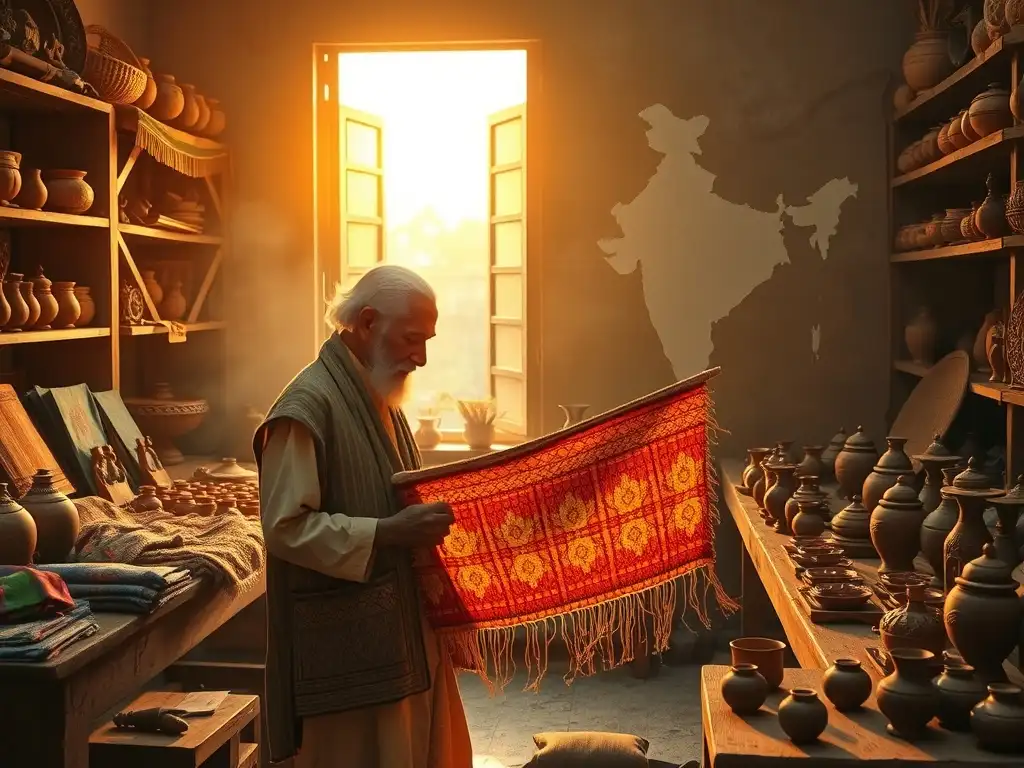
Investing in the Indian handicraft market presents both opportunities and challenges. To navigate these effectively, investors must adopt comprehensive risk management strategies. One of the primary strategies involves thorough market research to identify trends, consumer preferences, and potential challenges. Understanding the dynamics of supply and demand is crucial to minimize investment risks.
Another critical approach is to establish strong relationships with artisans and suppliers. By fostering trust and communication, investors can mitigate risks associated with quality control and supply chain disruptions. Additionally, implementing a robust financial plan that includes setting aside emergency funds can help manage unforeseen circumstances that may arise in this vibrant but unpredictable market.
Investors should also consider leveraging insurance products tailored for their specific needs, such as coverage for inventory and liability. This provides a safety net in case of unexpected events that could impact their investments.
Diversification in Handicraft Investments
Diversification is a key principle in investment strategies, and it holds true for the Indian handicraft market as well. By spreading investments across various types of handicrafts—such as textiles, pottery, jewelry, and woodwork—investors can reduce their exposure to market volatility and specific sector risks.
Investors should also consider geographic diversification, targeting different regions known for unique artisanal products, such as Rajasthan for textiles or Kerala for coir products. This not only enhances the portfolio but also allows investors to tap into different consumer bases and preferences.
Moreover, investing in a mix of established brands and emerging artisans can create a balanced portfolio. Established brands may offer stability, while emerging artisans can provide high growth potential, especially if they leverage modern marketing techniques. This balanced approach helps in cushioning against market fluctuations.
Understanding Legal and Regulatory Challenges
The handicraft sector in India is subject to various legal and regulatory frameworks that investors must navigate. Understanding these regulations is vital to avoid potential pitfalls. Investors should familiarize themselves with laws related to labor, environmental standards, and intellectual property rights, as these can significantly impact operations.
For instance, the Handicrafts (Development and Promotion) Act provides guidelines for artisans and protects their interests. Investors should ensure that their operations are compliant with this and other relevant regulations to mitigate legal risks.
Additionally, understanding the processes involved in obtaining necessary licenses and permits is crucial. Engaging with legal experts who specialize in Indian handicrafts can provide valuable insights and help investors navigate the complex regulatory landscape effectively.
Leveraging Technology for Investment Success
In an increasingly digital world, leveraging technology is essential for investors in the Indian handicraft market. Technology can streamline operations, enhance marketing efforts, and improve customer engagement, making it a powerful tool for success.
Investors should consider adopting digital tools for inventory management and sales tracking, which can provide real-time data and insights for informed decision-making. Furthermore, utilizing analytics can help identify market trends and consumer behaviors, allowing for more targeted marketing strategies.
Another important aspect is embracing automation in production processes. This can improve efficiency, reduce costs, and ensure consistent quality, which is vital in maintaining customer satisfaction.
E-Commerce Platforms for Indian Handicrafts
E-commerce platforms have revolutionized the way handicrafts are marketed and sold. They provide artisans and investors with access to a broader customer base beyond local markets. By utilizing platforms like Amazon Handmade, Etsy, and dedicated Indian e-commerce sites, investors can showcase a diverse range of handicraft products.
These platforms offer tools and features that help in creating appealing product listings, managing inventory, and processing payments efficiently. Additionally, they often provide marketing support, which can further enhance visibility and sales.
Investors should also consider building their own e-commerce websites to establish a direct connection with consumers. This allows for greater control over branding and customer interactions, ultimately leading to improved customer loyalty and higher profit margins.
Social Media Marketing Strategies for Artisans
Social media is a powerful marketing tool that artisans can use to promote their products and connect with potential buyers. Investors should encourage artisans to leverage platforms like Instagram, Facebook, and Pinterest, where visual content thrives.
Creating engaging content that showcases the craftsmanship and stories behind the products can attract and engage audiences. Regularly posting high-quality images, videos of the crafting process, and customer testimonials can help build a strong online presence.
Moreover, collaboration with influencers and bloggers within the handicraft niche can amplify reach and credibility. Hosting live sessions, workshops, or virtual tours can also enhance engagement and offer potential customers a deeper understanding of the products.
Investors should support artisans in developing a cohesive social media strategy that aligns with their brand identity, ensuring consistency and authenticity in all communications.
Conclusion: Crafting a Profitable Future in Indian Handicrafts
As we draw to a close on our exploration of investment strategies in the Indian handicraft market, it's clear that this sector holds significant potential for growth and profitability. The unique blend of traditional craftsmanship, cultural significance, and rising global demand creates a fertile ground for investors. However, navigating the intricacies of this market requires a well-thought-out approach that considers both the opportunities and challenges present.
Investors should focus on understanding local artisans, their skills, and the stories behind their crafts. This not only enhances the value of the products but also ensures sustainable practices that empower communities. Additionally, leveraging technology for e-commerce and digital marketing can bridge the gap between artisans and consumers, expanding market reach and driving sales.
A strategic investment in Indian handicrafts can yield fruitful results, provided it is approached with diligence, respect for tradition, and a commitment to ethical practices.
Final Thoughts on Investment Strategies for Indian Handicrafts
The Indian handicraft sector is a tapestry of creativity, tradition, and innovation. To successfully invest in this market, it is essential to adopt a multi-faceted strategy that encompasses various aspects:
- Market Research: Understand consumer trends, preferences, and the competitive landscape.
- Partnerships: Build relationships with local artisans and cooperatives to ensure authenticity and quality.
- Sustainability: Prioritize eco-friendly materials and practices that appeal to the increasingly conscious consumer base.
- Diversification: Consider investing in a diverse range of handicrafts to mitigate risks and capitalize on different market segments.
By aligning investment strategies with the core values of the Indian handicraft industry, investors can foster a sustainable and profitable future while preserving the rich cultural heritage that defines this sector.
Call to Action: Getting Started with Your Investment Journey
If you're ready to embark on your investment journey in the Indian handicraft market, now is the time to take action. Here are some steps to help you get started:
- Educate Yourself: Familiarize yourself with the diverse handicrafts of India. Explore various regions and their unique offerings.
- Network with Artisans: Attend handicraft fairs, exhibitions, and trade shows to connect with artisans and understand their challenges and needs.
- Create a Business Plan: Outline your investment goals, strategies, and budget. Consider how you will market and sell the products.
- Leverage Online Platforms: Utilize e-commerce platforms to reach a wider audience and promote the craftsmanship of Indian artisans.
- Stay Informed: Keep abreast of trends in the handicraft industry, consumer preferences, and market dynamics to adapt your strategies accordingly.
By taking these steps, you can not only invest in a lucrative market but also contribute positively to the livelihoods of artisans and the preservation of India's rich cultural heritage. Now is the time to turn your passion for handicrafts into a meaningful investment!
- Understanding the Indian Handicraft Market
- Importance of Investment Strategies in Indian Handicrafts
- Types of Investment Strategies for Indian Handicrafts
- Evaluating High-Potential Investment Opportunities
- Risk Management Strategies for Investors
- Leveraging Technology for Investment Success
- Conclusion: Crafting a Profitable Future in Indian Handicrafts
- What are the main challenges in the Indian handicraft market?
- How can investment strategies help artisans in the handicraft sector?
- What role does government support play in the handicraft market?
- How can technology impact the Indian handicraft market?
- Why is the Indian handicraft market considered important for the economy?
Frequently Asked Questions
What are the main challenges in the Indian handicraft market?
The main challenges include competition from mass-produced items, fluctuating demand, and issues related to supply chain management. These factors can significantly affect the profitability of artisans and businesses.
How can investment strategies help artisans in the handicraft sector?
Investment strategies can provide artisans with the necessary capital to innovate, expand their reach, and improve production techniques. This leads to enhanced quality and sustainability in their offerings.
What role does government support play in the handicraft market?
Government support, through policies and funding, can boost the handicraft sector by providing training programs, facilitating access to markets, and promoting export opportunities for artisans.
How can technology impact the Indian handicraft market?
The use of technology can streamline production processes, enhance marketing strategies, and help artisans reach a global audience, thus creating new opportunities for growth and innovation.
Why is the Indian handicraft market considered important for the economy?
The Indian handicraft market is vital as it contributes to employment, supports cultural heritage, and generates revenue. It plays a significant role in promoting sustainable development and rural livelihoods.
The resilience of the Indian handicraft market in the face of contemporary challenges underscores the importance of effective investment strategies. As we explore the intricate tapestry of this sector, it becomes evident that strategic investments are not merely financial decisions but are vital for preserving cultural heritage and empowering artisans. The current global emphasis on sustainable and ethical consumption makes this an opportune moment to invest in Indian handicrafts, ensuring that these unique creations continue to thrive in a rapidly changing marketplace.
The influence of the Indian handicraft market extends beyond economics; it shapes cultural identity and community resilience. As we witness a growing appreciation for artisanal products, the role of strategic investment becomes even more critical in fostering innovation while maintaining traditional craftsmanship. Art is not a thing; it is a way.
– Elbert Hubbard. This quote resonates deeply as it encapsulates the essence of investing in handicrafts—not just as a means to profit, but as a commitment to preserving the artistry and stories behind each piece.
As you reflect on the insights shared in this article, consider how you can contribute to the sustainability of the Indian handicraft market. Embrace the opportunity to support artisans and invest in their craft, not only for the potential financial returns but for the cultural legacy it represents. By choosing to engage with this vibrant sector, you become part of a movement that honors tradition while paving the way for future generations. Let us all take action, fostering a deeper connection with the rich heritage of Indian handicrafts and ensuring its prosperity for years to come.
Unlock Your Potential in the Indian Handicraft Market!
Thank you for diving into our exploration of investment strategies within the vibrant Indian handicraft market! You've gained valuable insights that can empower your journey in this unique industry. Now, it's time to put your knowledge into action and elevate your impact.
Here are some clear steps to help you get started:
- Conduct Local Research: Delve into your region's handicraft sector. Identify artisans or products that resonate with your interests and consider investing in those unique offerings.
- Connect with Artisans: Establish relationships with local craftsmen. Building these connections can lead to collaborative opportunities and a deeper appreciation for their craft.
- Share Your Insights: Join online forums and social media groups focused on Indian handicrafts. Your thoughts and experiences could inspire others in their journey.
What unique handicraft are you excited to explore or invest in next? Let's spark a conversation!