
The Legacy of the Rajputana Campaigns on Indian History

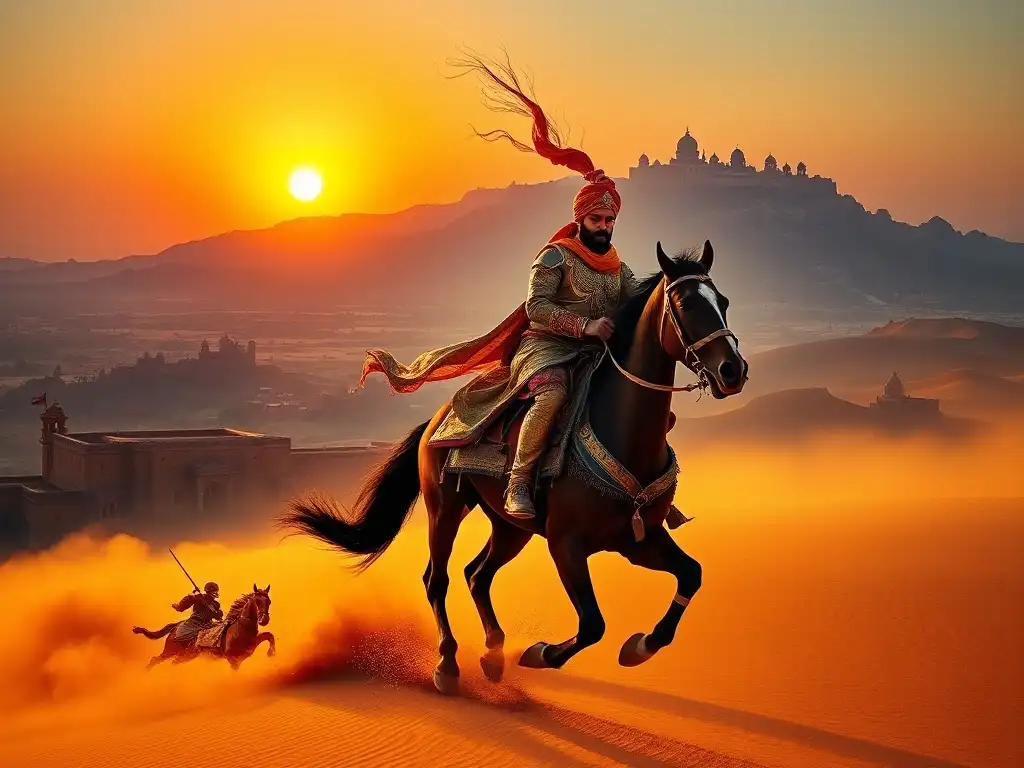
Welcome to Ancient India History, where we embark on a fascinating journey through the rich tapestry of India's past. Today, we delve into the Rajputana Campaigns, a pivotal chapter in Indian military history that not only shaped the subcontinent's landscape but also left a profound legacy on its culture and society. What drove these courageous warriors to engage in such fierce battles, and how did their actions reverberate through time? Join us as we unravel the intricate tales of valor, strategy, and the enduring spirit of the Rajputs, inviting you to explore the depths of this remarkable epoch.
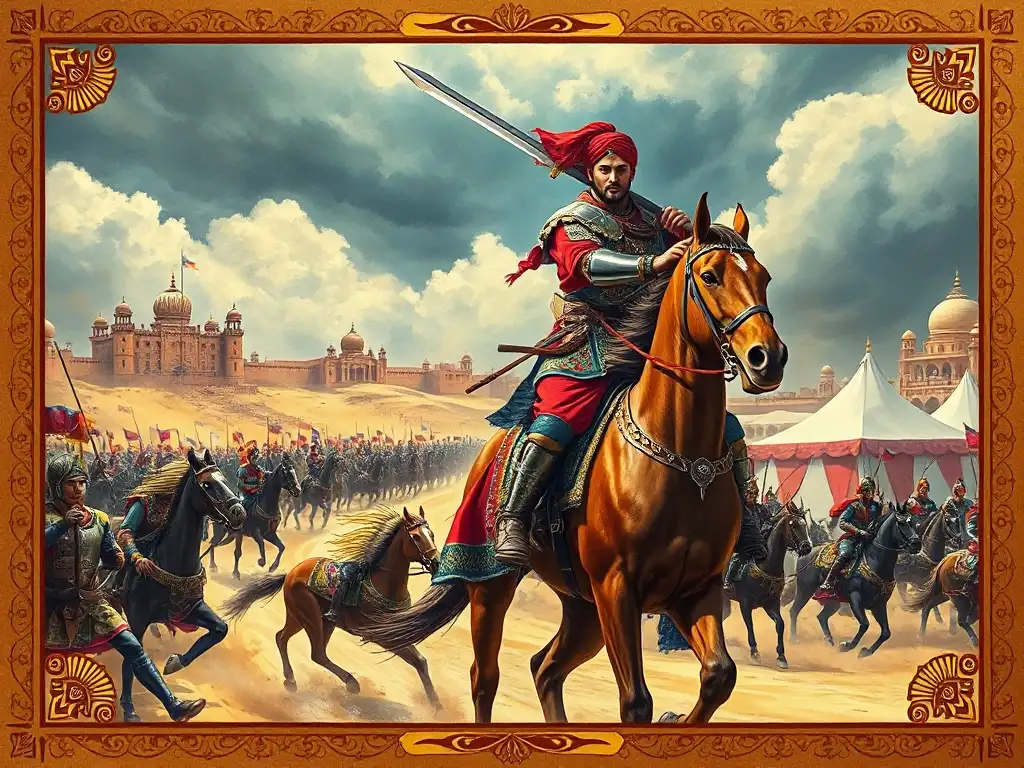
Introduction to Rajputana Campaigns in Indian History
The Rajputana Campaigns represent a significant chapter in the military history of India, showcasing the valiant efforts and enduring spirit of the Rajput warriors. Spanning several decades, these campaigns were not merely military endeavors; they embodied the intricate tapestry of power dynamics, cultural exchanges, and the relentless pursuit of sovereignty in a region renowned for its valor and rich heritage.
Understanding the legacy of these campaigns provides crucial insights into how they shaped Indian history, influencing political, social, and cultural developments in the subcontinent. This article delves into the multifaceted nature of the Rajputana Campaigns, examining their historical context, key players, and the profound implications they had on Indian civilization.
Overview of Rajputana and its Significance
Rajputana, located in the northwest of India, encompasses the present-day state of Rajasthan. This region is characterized by its arid landscape, formidable forts, and a rich cultural heritage that celebrates bravery and honor. The Rajputs, a warrior class, played a pivotal role in the history of India, particularly during the medieval period.
- Cultural Significance: The Rajputs are renowned for their chivalry, extensive code of honor, and their contributions to art and architecture, most notably exemplified in their majestic forts and palaces.
- Strategic Importance: Geographically, Rajputana served as a corridor for various invasions and trade routes, making it a significant focal point in India's military strategies.
Introduction to the Rajputana Campaigns
The Rajputana Campaigns were a series of military confrontations primarily involving the British Empire and various Rajput princely states during the 19th century. These campaigns were instrumental in consolidating British power in India, while also reflecting the resilience and martial prowess of the Rajput clans.
- Timeline: The campaigns took place from the early to mid-1800s, with notable battles such as the Battle of Mewar and the Battle of Sikar.
- Outcomes: The outcomes of these campaigns had lasting effects on the political landscape of India, leading to significant territorial changes and the eventual establishment of British suzerainty over the region.
Historical Context of the Rajputana Campaigns
The Political Landscape of India Pre-Campaigns
Before the onset of the Rajputana Campaigns, India was characterized by a fragmented political landscape. The decline of the Mughal Empire created a power vacuum, which various local rulers and clans sought to fill.
- Regional Powers: Several regional powers, including the Marathas, Sikhs, and the emerging British, were vying for dominance.
- Rajput Kingdoms: The Rajput kingdoms, known for their fierce independence and military capabilities, were significant players in this tumultuous environment.
Key Players in the Rajputana Campaigns
The Rajputana Campaigns involved a diverse array of stakeholders, each with distinct motivations and interests.
- British East India Company: The British sought to expand their influence and control over India, viewing the Rajput states as both an opportunity and a challenge.
- Rajput Leaders: Notable Rajput leaders such as Maharana Pratap and others played crucial roles in leading their forces against the British, displaying remarkable military acumen and strategic prowess.
Major Causes Leading to the Campaigns
The motivations behind the Rajputana Campaigns were complex and multifaceted.
- Expansion of British Power: The British East India Company aimed to consolidate its power and eliminate any threats posed by the Rajput states.
- Rajput Resistance: The inherent desire of the Rajput clans to preserve their sovereignty and cultural identity fueled the resistance against external domination.
The Rajputana Campaigns not only serve as a pivotal moment in the military history of India but also reflect the broader themes of cultural resilience, power struggles, and the evolution of Indian identity in the face of colonial expansion.
Detailed Analysis of the Rajputana Campaigns
The Rajputana Campaigns, primarily conducted during the late 18th and early 19th centuries, represent a crucial period in Indian military history. These campaigns were characterized by a series of conflicts between the British East India Company and various Rajput states. The primary objective of the British was to consolidate power and extend their territorial control in northern India. Each campaign showcased distinct military strategies, political maneuvers, and cultural interactions that would shape the future of Indian governance.
The Rajputana region, known for its fierce warrior clans, presented both formidable resistance and opportunities for alliances. As the British sought to subjugate these kingdoms, they encountered a complex web of alliances and rivalries among the Rajput clans, which often influenced the outcome of various battles. The campaigns were not merely military endeavors; they also involved extensive negotiations and treaties that would redefine the political landscape of the region.
The campaigns highlighted the adaptability of British military strategies in dealing with the challenges posed by the Rajputs. The British forces employed a combination of traditional warfare and innovative tactics, including the use of artillery and cavalry, which were pivotal in securing victories. The legacy of these campaigns lies not only in the military successes achieved by the British but also in the profound changes they brought to the socio-political fabric of the Indian subcontinent.
Major Battles and Events in the Rajputana Campaigns
Several significant battles marked the Rajputana Campaigns, influencing the course of Indian history. Noteworthy among them are:
- Battle of Merta (1826): This battle showcased the resilience of Rajput forces against the might of the British, ultimately leading to a temporary halt in British expansion in the region.
- Battle of Haldighati (1576): Although predating the British campaigns, this battle between Maharana Pratap and Akbar’s forces is often referenced in the context of Rajput valor and resistance, influencing later conflicts against colonial powers.
- Siege of Chittorgarh (1818): The British forces laid siege to this symbolic stronghold of Rajput pride, marking a pivotal moment in their campaign to subdue the Rajput states.
These battles were not only military confrontations but also represented the cultural ethos of the Rajputs, who fought valiantly to protect their honor and territory. Each conflict had ripple effects, altering alliances and prompting shifts in power dynamics within Rajputana.
Strategies and Tactics Employed during the Campaigns
The strategies employed during the Rajputana Campaigns were multifaceted, reflecting the complexities of warfare in the region. The British commanders often relied on:
- Superior Artillery: The use of advanced artillery allowed British forces to breach fortifications that had withstood Rajput assaults for centuries.
- Cavalry Maneuvers: The mobility of British cavalry units proved crucial in outmaneuvering the often static Rajput formations, allowing for rapid engagements and retreats.
- Intelligence Networks: The British effectively utilized local informants and spies to gain insights into Rajput movements and strategies, enabling preemptive strikes.
On the other hand, Rajput commanders employed guerrilla tactics and fortified defenses, leveraging their knowledge of the terrain. These tactics included ambushes and surprise attacks, which allowed them to exploit the vulnerabilities of the British forces despite being outgunned.
Role of Key Figures in the Rajputana Campaigns
The Rajputana Campaigns were shaped by several prominent figures who played critical roles in the conflict:
- Maharana Pratap: A symbol of Rajput resistance, his legendary stand against Mughal forces at Haldighati inspired later Rajput leaders in their struggles against British colonization.
- Raja Man Singh: An ally of the Mughals, his involvement in the campaigns highlights the complex alliances that characterized Rajput politics during this period.
- Colonel James Skinner: A key British commander known for his cavalry tactics, Skinner’s leadership was instrumental in several successful campaigns against the Rajputs.
These figures not only influenced the military outcomes but also represented the cultural values and political aspirations of their respective factions. Their legacies continue to resonate in the historical narratives of Rajput valor and British imperial ambition.
Impact of the Rajputana Campaigns on Indian History
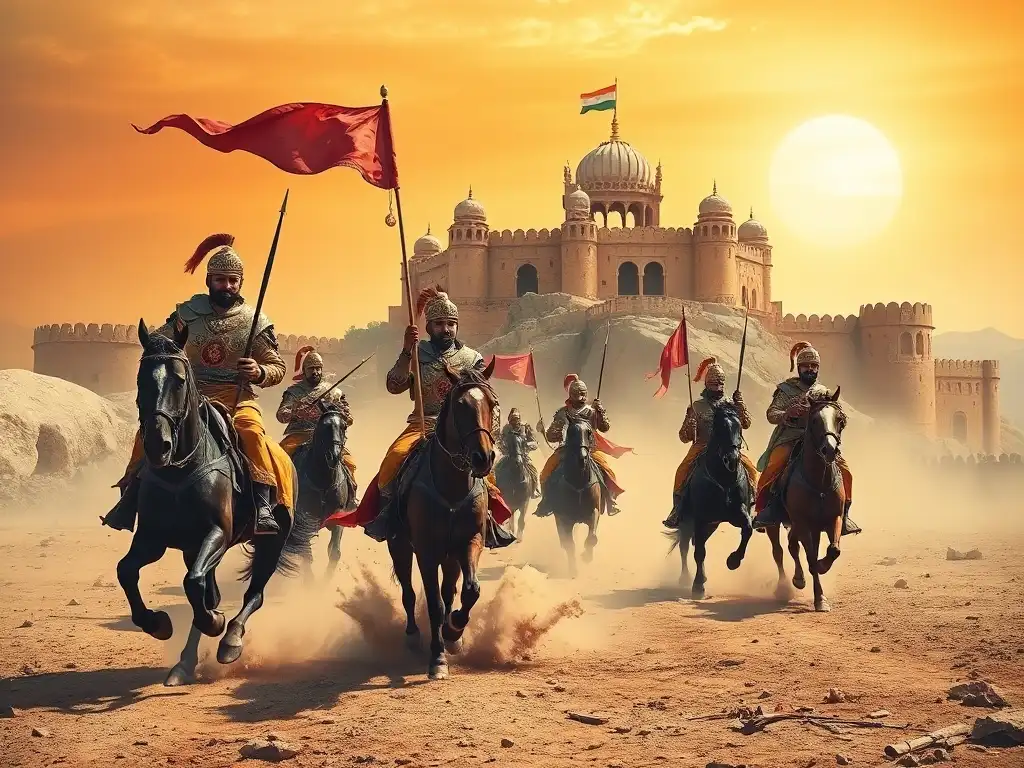
The Rajputana Campaigns had profound implications for the trajectory of Indian history, both in the short and long term. The outcomes of these campaigns reshaped political alliances, territorial boundaries, and cultural identities across the subcontinent.
Short-term Consequences for the Rajput Kingdoms
In the immediate aftermath of the Rajputana Campaigns, many Rajput kingdoms faced significant territorial losses and political fragmentation. The British systematically dismantled traditional power structures, leading to:
- Loss of Autonomy: Many Rajput rulers were forced to accept subsidiary alliances, significantly curtailing their power and sovereignty.
- Increased British Presence: The establishment of British residency in various Rajput states marked the beginning of direct British involvement in local governance.
- Economic Strain: The costs of warfare and subsequent taxes imposed by the British led to economic hardship for many Rajput states, destabilizing local economies.
These short-term consequences not only weakened Rajput power but also laid the groundwork for further British expansion across India.
Long-term Effects on Indian Political Structure
The long-term impact of the Rajputana Campaigns was profound, leading to significant changes in the Indian political landscape:
- Centralization of Power: The British imposition of governance structures facilitated the centralization of power, diminishing the autonomy of regional rulers and leading to a more unified administrative framework.
- Legal Reforms: The introduction of British legal practices and systems marked a departure from traditional Rajput laws, influencing the legal landscape of India in subsequent decades.
- Formation of New Alliances: The campaigns led to the realignment of political alliances, with some Rajput states collaborating with the British to counterbalance the power of rival clans.
These changes in governance and political alliances set the stage for the eventual emergence of modern states within India, influencing the course of its history.
Cultural and Social Changes Following the Campaigns
The Rajputana Campaigns also instigated significant cultural and social changes that reverberated throughout Indian society:
- Cultural Synthesis: The interactions between British forces and Rajput cultures led to a blend of customs, languages, and traditions, enriching the cultural tapestry of the region.
- Shift in Martial Values: The valorization of Rajput warriors was challenged by the realities of colonial warfare, leading to a re-evaluation of martial identity and pride.
- Social Stratification: The campaigns exacerbated existing social hierarchies, with British favoring certain clans over others, thereby influencing social dynamics in Rajputana.
These cultural and social transformations reflect the complex legacy of the Rajputana Campaigns, illustrating how military conflicts can shape not only political landscapes but also the very fabric of society.
The Legacy of the Rajputana Campaigns
The Rajputana Campaigns, a series of military engagements that took place primarily in the regions of Rajasthan during the medieval period, played a pivotal role in shaping the course of Indian history. These campaigns were marked by the valor and chivalry of the Rajput warriors, who fiercely defended their territories against various invading forces. Their legacy is multi-faceted, influencing military strategies, cultural developments, and social structures that would resonate throughout Indian history.
Contributions to Military History in India
The Rajputana Campaigns significantly contributed to the evolution of military tactics in India. Notably, the Rajputs were known for their cavalry-based warfare, which emphasized mobility and speed. This approach allowed them to outmaneuver larger armies, showcasing their tactical ingenuity.
The campaigns also introduced new forms of warfare, including the use of fortified hill forts, such as Chittorgarh and Kumbhalgarh, which became strategic military bases. These forts not only served as defensive strongholds but also as centers for administration and culture. The architectural innovations in fort construction reflected the military prowess of the Rajputs and influenced subsequent military architecture across India.
Moreover, the Rajputana Campaigns highlighted the importance of alliances and feudal systems in warfare. Rajput clans often formed strategic alliances through marriages and treaties, which were crucial for consolidating power and resources against common enemies. This practice would later influence the political landscape of India, shaping the dynamics of power among various kingdoms.
Influence on Later Historical Events and Movements
The legacy of the Rajputana Campaigns extended beyond their immediate military context, influencing subsequent historical events and movements in India. The fierce resistance exhibited by the Rajputs against Mughals, particularly during the sieges of Chittorgarh, became a symbol of Rajput valor and pride. This narrative was later romanticized in literature and folklore, reinforcing the image of the Rajputs as noble warriors.
The Rajput resistance also had a significant impact on Mughal strategies in India. Recognizing the challenges posed by the Rajputs, emperors like Akbar sought to integrate Rajput clans into the Mughal administration through alliances, which eventually led to a more syncretic culture in northern India. This integration played a crucial role in stabilizing Mughal rule and fostering a period of cultural flourishing.
Additionally, the legacy of the Rajputana Campaigns influenced the rise of regional powers in the 17th and 18th centuries. As the Mughal Empire waned, the ethos of Rajput valor inspired various regional leaders to assert their independence, leading to the emergence of new kingdoms and the fragmentation of power in India.
Preservation of Rajputana Heritage and Identity
The Rajputana Campaigns also played a crucial role in the preservation of Rajput heritage and identity. The valorous tales of battles and the code of honor upheld by Rajputs became integral aspects of their cultural identity. These narratives were passed down through generations, often celebrated in poetry, music, and dance, thus keeping the spirit of Rajputana alive.
Moreover, the architectural legacy of the campaigns, including palaces, temples, and forts, continues to reflect Rajput culture. These structures are not only tourist attractions today but also serve as historical reminders of the Rajputs' contributions to Indian history. The craftsmanship and artistry displayed in Rajput architecture have influenced various art forms across India, contributing to the country’s rich cultural tapestry.
The Rajput identity, characterized by honor, bravery, and loyalty, remains a source of pride for many in Rajasthan and beyond. The cultural festivals and traditions that celebrate Rajput heritage play a vital role in maintaining this identity, even in modern times.
Conclusion
Reflection on the Importance of Rajputana Campaigns in Indian History
In reflecting on the Rajputana Campaigns, it is evident that these military endeavors were not merely battles for territory but pivotal episodes that shaped the identity and history of India. The campaigns underscored the valor of the Rajputs, their strategic acumen, and their contributions to military tactics, which have influenced the broader narrative of Indian military history.
Furthermore, the interaction between the Rajputs and other powers, particularly the Mughals, illustrates how these campaigns were integral to the political and cultural transformations in India. The campaigns fostered a sense of regional pride and identity that resonates to this day.
Final Thoughts on Military Legacy in Ancient India
The military legacy of the Rajputana Campaigns is a testament to the complexities of ancient Indian warfare and governance. By showcasing the interplay of valor, strategy, and cultural identity, these campaigns serve as a critical chapter in understanding the broader historical narrative of India.
As modern India continues to evolve, the lessons from the Rajputana Campaigns remind us of the enduring spirit of resilience and honor that can inspire future generations. The legacy of these campaigns is not only essential for understanding the past but also for appreciating the rich tapestry of Indian history that continues to unfold.
- Introduction to Rajputana Campaigns in Indian History
- Historical Context of the Rajputana Campaigns
- Detailed Analysis of the Rajputana Campaigns
- Impact of the Rajputana Campaigns on Indian History
- The Legacy of the Rajputana Campaigns
- Conclusion
Frequently Asked Questions
What were the Rajputana Campaigns?
The Rajputana Campaigns were military expeditions undertaken during the 19th century by the British East India Company to subdue the Rajput kingdoms in western India. These campaigns significantly influenced the political landscape of the region.
How did the Rajputana Campaigns affect Indian history?
The Rajputana Campaigns played a crucial role in the establishment of British colonial rule in India, leading to the annexation of several princely states and altering the balance of power in the subcontinent.
What was the significance of the Rajput warriors during these campaigns?
The Rajput warriors were known for their bravery and valor, fiercely resisting British forces. Their legacy is celebrated in Indian culture and continues to be a symbol of national pride and resilience.
Did the Rajputana Campaigns have any cultural impacts?
Yes, the campaigns influenced art, literature, and folklore in India. They contributed to the romanticization of Rajputana culture and the valor of its warriors, which is still reflected in modern Indian society.
How are the Rajputana Campaigns remembered today?
Today, the Rajputana Campaigns are studied as a significant part of Indian history, reflecting the struggles between indigenous kingdoms and colonial powers, and are often discussed in the context of national identity and historical legacy.
Final Reflection: The Enduring Legacy of the Rajputana Campaigns in Indian History
The Rajputana Campaigns stand as a pivotal chapter in Indian history, shaping not only the political landscape of the time but also influencing the cultural identity of the region. Today, as we navigate a world increasingly defined by its historical narratives, understanding the implications of these campaigns is more relevant than ever. The legacies of valor, resistance, and cultural fusion that emerged from these campaigns continue to resonate, reminding us of the complexities of our past and the lessons they impart for our future.
The impact of the Rajputana Campaigns extends beyond mere historical events; they have woven themselves into the fabric of our cultural and social identity. These campaigns reflect the spirit of resilience and honor that defines the Rajput community and Indian society at large. The stories of bravery and sacrifice from this era serve as a source of inspiration, fostering a sense of pride and unity. As Mahatma Gandhi once said, A nation's greatness is measured by how it treats its weakest members.
This quote underscores the importance of remembering and honoring the diverse narratives that contribute to our collective history, ensuring that the voices of all communities are acknowledged and celebrated.
As we reflect on the lessons from the Rajputana Campaigns, I invite you to consider how these historical events shape your understanding of identity and heritage. Take a moment to delve into your own history and recognize the influences that have shaped your community.
By embracing the lessons of resilience and unity from the past, we can foster a more inclusive future, one that honors the complexities of our shared heritage. Let us carry forward the legacy of the Rajputana Campaigns, not just as a remembrance of battles fought, but as a beacon guiding us toward a more harmonious and understanding society.
Embrace the Heritage: Act Now!
Thank you for exploring the rich narrative of the Rajputana campaigns and their profound impact on Indian history! Your interest in these historical events not only enriches your knowledge but also honors the legacy of those who shaped our past. Now, it's time to take meaningful steps to deepen your connection with this fascinating era.
- Explore further by reading additional articles on the intricacies of Rajputana's history and its influential figures.
- Join a local history group or online forum to discuss the campaigns and their implications, sharing your insights with fellow enthusiasts.
- Consider visiting historical sites related to the Rajputana campaigns to experience their legacy firsthand—plan your next adventure today!
As you reflect on this compelling history, ask yourself: How can understanding our past shape our vision for the future of India?