
The Role of Artisans in Preserving Cultural Heritage in Ancient India

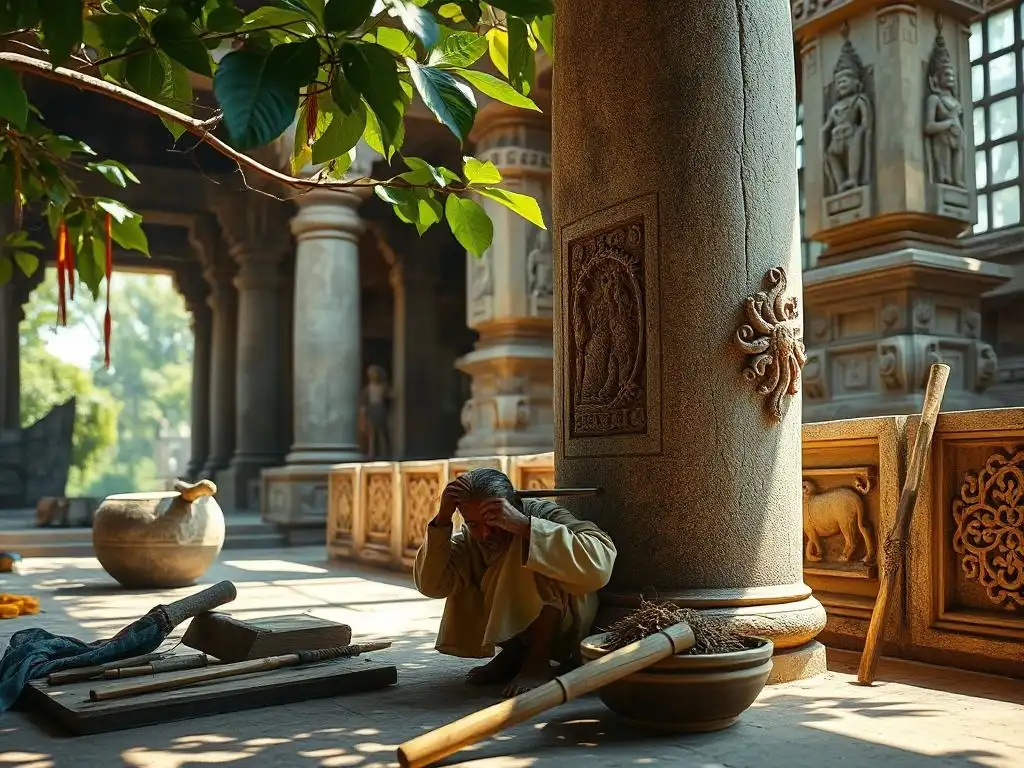
Welcome to Ancient India History, where we embark on a captivating journey through the rich tapestry of ancient Indian civilizations. In this exploration, we shine a light on the invaluable contributions of artisans who played a pivotal role in preserving the cultural heritage of their time. Discover how these skilled craftsmen and women not only shaped the daily life and society of ancient India but also left a lasting legacy that continues to inspire us today.
As you delve into our featured article, "The Role of Artisans in Preserving Cultural Heritage in Ancient India," prepare to uncover the intricate connections between creativity, culture, and community that defined an era. Your adventure into the heart of ancient India awaits!
Introduction to Artisans in Ancient Indian Culture
Artisans played a pivotal role in shaping and preserving the cultural heritage of ancient India. With their exceptional skills and creativity, these craftsmen were not only responsible for creating everyday objects but also for producing intricate artworks that reflected the society's values, beliefs, and aesthetics.
From the beautifully crafted pottery of the Indus Valley Civilization to the exquisite sculptures of the Gupta Empire, artisans contributed significantly to the cultural tapestry of ancient India, ensuring that traditions, stories, and identities were passed down through generations. Their work was more than mere craftsmanship; it was a vehicle for cultural expression and a means of sustaining the rich legacy of Indian civilization.
Definition of Artisans and Their Importance
Artisans in ancient India were skilled individuals who devoted their lives to the creation of various goods, including textiles, pottery, metalwork, stone carvings, and more. Defined as craftsmen or skilled laborers, their importance transcended economic contributions. Artisans served as custodians of cultural knowledge, often working within familial or community traditions that dictated their craft. Their roles included:
- Creators of Daily Necessities: Artisans produced tools and household items essential for daily life.
- Cultural Symbols: Many of their creations served as symbols of cultural identity and pride.
- Transmitters of Knowledge: They passed down techniques and styles from generation to generation, ensuring the continuity of artistic traditions.
Overview of Cultural Heritage in Ancient India
Cultural heritage in ancient India encompasses a vast array of practices, beliefs, languages, and artistic expressions that evolved over millennia. This heritage reflects the complex interplay of various civilizations, religions, and philosophies. Key components of ancient Indian cultural heritage include:
- Religious Art and Architecture: Temples adorned with intricate carvings and sculptures that depicted deities and mythological narratives.
- Textiles and Weaving: The production of vibrant fabrics and garments that showcased regional styles and materials.
- Pottery and Ceramics: Artistic pottery that not only served functional purposes but also displayed aesthetic innovation.
Artisans were instrumental in the creation of these cultural artifacts, making them vital to the preservation and continuation of heritage.
Historical Context of Artisans in Ancient India
To understand the role of artisans in ancient India, it is essential to explore their historical context and how their roles evolved through different periods. The contributions of artisans varied significantly across major civilizations, influenced by socio-economic changes, technological advancements, and cultural exchanges.
Evolution of Artisan Roles in Different Periods
Throughout ancient Indian history, the roles of artisans transformed in response to changing political and economic landscapes. Key periods include:
- Indus Valley Civilization (c. 3300–1300 BCE): Artisans specialized in bead-making, pottery, and metallurgy, creating goods for trade and daily use.
- Maurya Empire (c. 322–185 BCE): A flourishing economy enabled artisans to gain prominence, with state-sponsored projects leading to the creation of monumental sculptures and architecture.
- Gupta Empire (c. 320–550 CE): This period is marked by a renaissance in art and culture, where artisans produced exquisite works that reflected the empire's wealth and intellectual achievements.
Each period saw artisans adapting to new techniques and materials, which enriched their crafts and the cultural landscape of India.
Major Civilizations and Their Artisan Contributions
Different civilizations in ancient India showcased unique artisan contributions that influenced not just local but also global cultures. Notable examples include:
- Indus Valley Civilization: Renowned for their terracotta figurines, seals, and urban planning, artisans here displayed advanced skills in ceramics and metallurgy.
- Mauryan Period: The craftsmen created monumental pillars, stupas, and intricate stone carvings that communicated Buddhist teachings and royal power.
- Gupta Empire: This era saw the rise of classical art forms, such as intricate temple sculptures and finely crafted jewelry, which were celebrated for their beauty and craftsmanship.
These contributions highlight the essential role that artisans played in reflecting and preserving the cultural heritage of their respective civilizations, making them indispensable to the historical narrative of ancient India.
Types of Artisans in Ancient Indian Society
Artisans in ancient India played a pivotal role in the socio-economic fabric of society, contributing significantly to the preservation and evolution of cultural heritage. They were skilled craftsmen who specialized in various trades, each representing a unique aspect of Indian culture. The diversity of artisanship in ancient India can be categorized into several distinct types, each with its own methods, materials, and cultural significance.
Weavers and Textile Artisans
Weavers were among the most prominent artisans in ancient Indian society, with textile production being a vital aspect of daily life and commerce. Regions like Varanasi, Kanchipuram, and Ahmedabad became renowned centers for weaving, producing exquisite fabrics such as silk, cotton, and wool.
- Techniques and Patterns: Weaving techniques included handloom weaving, tie-dye (bandhani), and block printing. Each region developed unique patterns and motifs, often inspired by local flora, fauna, and religious themes.
- Cultural Significance: Textiles were not merely practical; they carried social and cultural meanings. Certain weaves were reserved for specific ceremonies, indicating status and tradition, while others became integral to religious rituals.
Potters and Their Craft
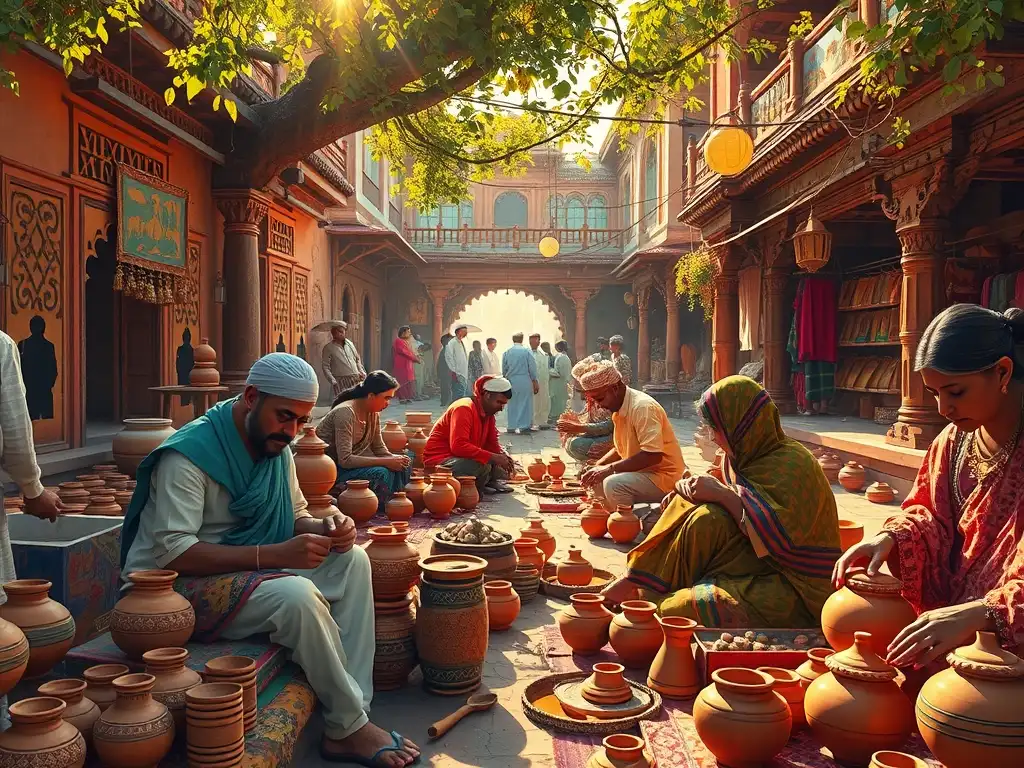
Pottery-making is one of the oldest crafts in India, dating back to the Indus Valley Civilization. Potters, known as "kumbhar," played a crucial role in everyday life, producing various earthenware items used for cooking, storage, and rituals.
- Types of Pottery: The craft included the making of terracotta figurines, storage jars, and ritual pots. Each type served a specific purpose, reflecting the skills and creativity of the potters.
- Cultural Role: Pottery also had a ceremonial aspect, with many items being used in religious practices. The design and form often held symbolic meanings, connecting the physical object to cultural narratives.
Metalworkers and Jewelers
Metalworking was a highly regarded craft, encompassing the skills of blacksmiths, goldsmiths, and silversmiths. Artisans in this field were crucial in producing tools, weapons, and intricate jewelry that reflected the wealth and artistry of ancient Indian culture.
- Craftsmanship: Techniques like casting, forging, and engraving were common. Gold and silver jewelry, often adorned with precious stones, showcased remarkable artistry and were considered status symbols.
- Cultural Importance: Metal artifacts held both practical and spiritual significance. For instance, weapons were essential for protection, while jewelry played a role in rituals and personal adornment, symbolizing prosperity and social status.
Stone Carvers and Sculptors
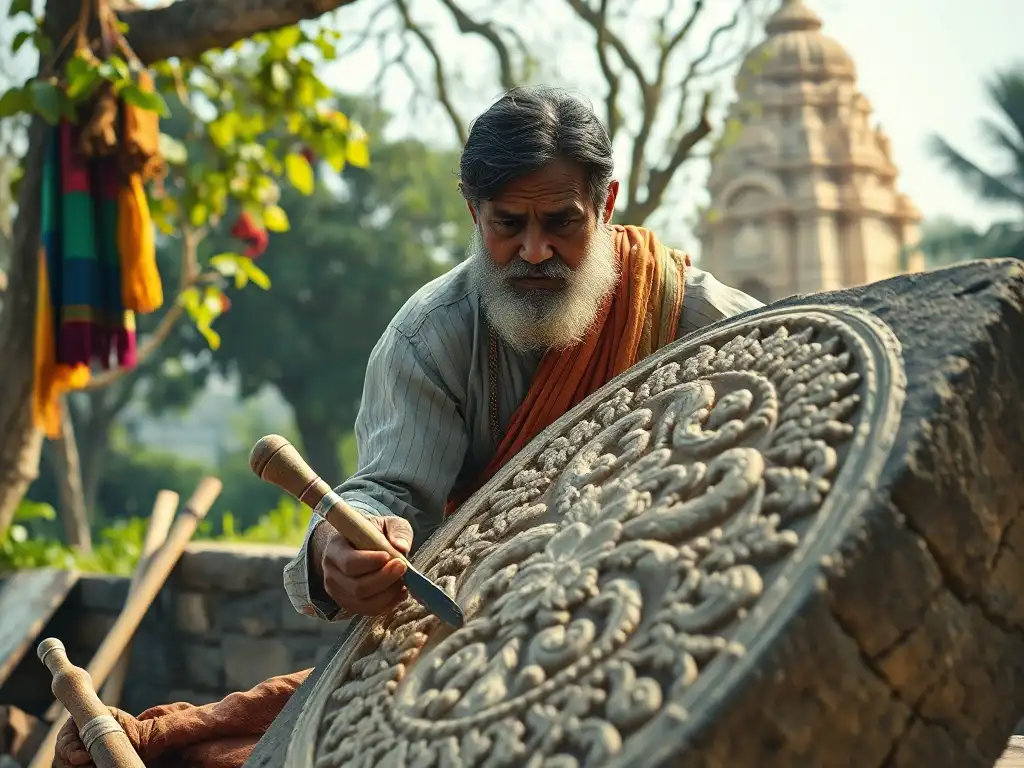
Stone carving and sculpture were esteemed crafts that contributed to the architectural grandeur of ancient India. Stone carvers created intricate sculptures for temples, palaces, and public spaces, serving both decorative and religious purposes.
- Artistic Styles: Different regions developed distinct styles, such as the intricate carvings of Khajuraho and the massive sculptures of Hampi. The choice of stone, such as granite or sandstone, influenced the techniques and designs.
- Religious Function: Many sculptures depicted deities, mythological stories, and historical figures, playing a critical role in the devotional practices of society. These works not only enhanced the aesthetic appeal of structures but also served as educational tools about religion and culture.
Techniques and Skills of Artisans
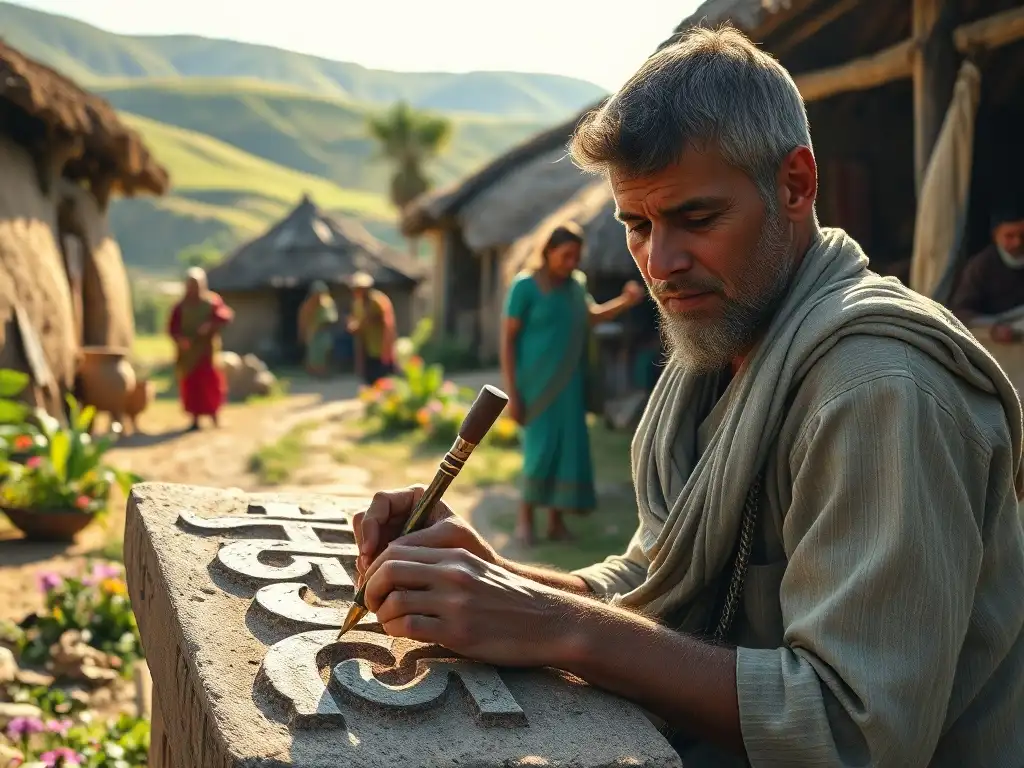
The artisans' expertise in various techniques and skills was crucial in preserving and enhancing the rich cultural heritage of ancient India. Their craftsmanship not only reflected their individual artistry but also the communal knowledge passed down through generations.
Traditional Methods of Craftsmanship
Traditional craftsmanship in ancient India was characterized by a blend of skill, knowledge, and creativity, often learned through apprenticeships.
- Community Knowledge: Artisans typically belonged to specific castes or communities, where trade secrets and techniques were shared. This communal knowledge ensured the continuity of crafts over centuries.
- Rituals in Crafting: Many artisans incorporated rituals and prayers into their crafting processes, believing that spiritual blessings could enhance the quality and significance of their work.
Tools and Materials Used by Ancient Artisans
The tools and materials used by artisans in ancient India were as diverse as the crafts themselves, often determined by the availability of resources and the specific requirements of each trade.
- Common Tools: Weavers used looms, potters utilized wheels and kilns, while metalworkers employed hammers, anvils, and smelting furnaces. Each tool was designed to enhance efficiency and precision in the crafting process.
- Materials: Artisans sourced materials locally; for instance, cotton and silk for weavers, clay for potters, and various metals for metalworkers. The choice of materials not only influenced the final product's quality but also reflected regional characteristics and cultural preferences.
The intricate skills and knowledge possessed by these artisans were integral to the preservation and evolution of cultural heritage in ancient India. Their contributions continue to resonate in contemporary Indian culture, where traditional crafts are celebrated and preserved.
Artisans and Cultural Heritage Preservation
Artisans played a pivotal role in preserving the cultural heritage of ancient India by creating and maintaining traditional crafts, artworks, and practices that reflect the rich history and diversity of the civilization. Their work not only showcased the skills passed down through generations but also served as a means of storytelling, illustrating the social, religious, and economic aspects of life in ancient India. This preservation of cultural heritage ensured that the values, beliefs, and historical narratives of the society were embedded in tangible forms, allowing future generations to connect with their ancestry.
The contributions of artisans can be seen in various forms, including pottery, textiles, metalwork, sculpture, and architecture. Each of these crafts carries unique significance, often intertwined with local traditions and customs. By mastering their respective crafts, artisans became custodians of culture, ensuring that the rich tapestry of ancient Indian identity remained vibrant and relevant.
How Artisans Maintain Traditional Practices
Artisans in ancient India maintained traditional practices through rigorous training and apprenticeship models that allowed them to learn from older generations. This hands-on learning process was crucial in ensuring that skills, techniques, and cultural narratives were passed down accurately. Many artisans belonged to specific communities or castes that specialized in particular crafts, reinforcing a sense of identity and continuity within their trades.
In addition to formal training, artisans often participated in communal rituals and festivals where their skills were showcased. These events provided them with opportunities to demonstrate their craftsmanship while reinforcing the cultural significance of their work. For example, during religious festivals, artisans would create intricate decorations and offerings, integrating their craftsmanship into the spiritual fabric of society.
The oral traditions associated with these crafts also played a significant role. Stories, myths, and legends related to specific techniques or designs were shared within artisan communities, ensuring that cultural knowledge remained alive. This blend of practical skill and narrative tradition is what allowed artisans to keep ancient practices vibrant and dynamic, adapting them as needed while preserving their core essence.
The Role of Artisans in Religious and Ritualistic Art
Artisans were integral to the creation of religious and ritualistic art in ancient India, reflecting the deep connections between culture, spirituality, and craftsmanship. They produced a variety of items, from sculptures of deities to intricately designed temple architecture, which were essential in worship practices and community gatherings. The significance of these artifacts extended beyond their aesthetic value; they served as conduits for spiritual expression and cultural identity.
Specific artisan groups, such as stone carvers and bronze smiths, were dedicated to creating religious icons and ritualistic objects. For instance, the exquisite sculptures found in temple complexes, like those in Khajuraho and Hampi, are testaments to the skilled artisans who worked tirelessly to depict divine figures with precision and beauty. These works were often accompanied by intricate carvings that narrated mythological tales, further enhancing their spiritual significance.
Artisans also played a role in the creation of textiles and ceremonial attire used in religious rituals. Their ability to weave intricate patterns and dyes not only showcased their technical prowess but also infused the garments with symbolic meanings tied to various deities and festivals. Thus, artisans contributed significantly to the spiritual landscape of ancient India, shaping both the physical and metaphysical realms through their craftsmanship.
Economic Impact of Artisans in Ancient India
The economic impact of artisans in ancient India cannot be overstated, as they were vital contributors to the economy through their production of goods and services. Their influence extended beyond local markets, significantly affecting trade networks that connected various regions and cultures. Through their craftsmanship, artisans fostered economic growth and stability while enriching the cultural fabric of society.
Artisans as Economic Contributors
Artisans were essential members of the economic landscape, engaging in various trades that included textiles, pottery, metalwork, and woodworking. Their ability to create high-quality goods made them valuable to both local communities and long-distance traders. The demand for artisan products was often high, leading to the establishment of specialized markets where these goods could be exchanged.
The organization of artisans into guilds further enhanced their economic influence. These guilds not only provided a support network for artisans but also played a role in regulating standards, prices, and the training of new craftsmen. This structure allowed for the efficient distribution of artisan products, ensuring that communities had access to quality goods while also fostering competition and innovation within the crafts.
Trade and Artisan Goods in Ancient Markets
The trade of artisan goods in ancient markets was a vital component of the economy. Artisans often participated in local and regional trade routes, supplying their products to larger markets and urban centers. Goods such as textiles from Varanasi, pottery from the Indus Valley, and metalwork from Tamil Nadu were highly sought after, showcasing the diversity and richness of artisan output.
Markets served as bustling hubs for the exchange of not only goods but also ideas and cultural practices. The interactions between artisans and merchants facilitated a dynamic flow of creativity and innovation, leading to the evolution of new styles and techniques. This symbiotic relationship between artisans and trade networks ensured that their crafts remained economically viable while contributing to the overall prosperity of ancient Indian society.
Through their skills and economic contributions, artisans played a crucial role in sustaining the cultural heritage and economic vitality of ancient India, leaving a legacy that continues to be celebrated in contemporary society.
Case Studies of Notable Artisans
The role of artisans in ancient India can be illustrated through various case studies that highlight their skills, contributions, and the impact they had on cultural heritage. One notable example is the work of the Indus Valley Civilization artisans, who were known for their sophisticated bead-making and metallurgy. Artisans in cities like Harappa and Mohenjo-Daro produced intricate jewelry and tools, showcasing advanced techniques that reflect both artistic flair and practical functionality.
Another significant artisan group emerged during the Maurya Empire, particularly those involved in stone carving. The development of the Ashoka Pillars, with their beautifully inscribed edicts and intricate sculptures, exemplifies the high craftsmanship of this period. These artisans not only contributed to architecture but also played a vital role in propagating Buddhist teachings through their art.
Additionally, during the Chola Dynasty, artisans developed unique bronze casting techniques, leading to masterpieces such as the Nataraja statue. This work not only exemplified artistic excellence but also held religious significance, representing the cultural synthesis of art and spirituality.
Famous Artisans and Their Masterpieces
Several individual artisans rose to prominence in ancient Indian culture, leaving behind a legacy of remarkable masterpieces. One of the most famous artisans is Chola bronze sculptor, who excelled in the art of lost-wax casting. Their intricate statues, particularly of deities like Shiva and Parvati, are celebrated for their fluid forms and dynamic poses, serving both religious and decorative purposes in temples.
Another noteworthy artisan is Vishvakarma, often revered as the divine architect in Hindu mythology. According to ancient texts, he is credited with creating the city of Lanka and the splendid Maya Sabha for the Pandavas. His legendary craftsmanship has set a benchmark for artisans throughout Indian history.
In the field of textiles, Kanchipuram weavers are renowned for their silk sarees, characterized by vibrant colors and intricate designs. These artisans have maintained their traditional techniques across generations, preserving a crucial aspect of cultural heritage linked to ancient Indian attire.
Regional Variations in Artisan Work
Artisan work in ancient India was not monolithic; it varied significantly across different regions, influenced by local materials, traditions, and cultural practices. For instance, artisans from Gujarat were known for their exquisite block printing and bandhani (tie-dye) techniques, which showcased bright colors and intricate patterns, often used in clothing and decorative fabrics.
In contrast, the Himachal Pradesh region specialized in wood carving, producing elaborate wooden sculptures and intricate furniture that reflected the natural surroundings and local beliefs. This artistic expression was closely tied to the local environment and the cultural narratives of the region.
Moreover, in Rajasthan, the tradition of miniature painting flourished, with artisans creating intricate artworks that depicted royal courts, hunting scenes, and folklore. These paintings utilized vibrant colors and fine brushwork, demonstrating the unique cultural identity of the region.
Challenges Faced by Artisans in Ancient India
Despite their essential role in preserving cultural heritage, artisans in ancient India faced numerous challenges that impacted their livelihoods and practices. One of the primary challenges was the socio-economic factors that influenced their work and social standing.
Socio-Economic Factors Affecting Artisans
Artisans often belonged to specific caste groups, which limited their social mobility and access to resources. This caste-based hierarchy defined the types of crafts they could pursue, often confining them to traditional occupations without opportunities for diversification. Economic pressures, such as the rise of trade routes and changes in demand for artisan goods, frequently threatened their livelihoods, pushing many artisans into poverty.
Additionally, the patronage system played a significant role in sustaining artisan communities. Artisans relied heavily on royal patronage and the support of wealthy merchants. However, as political power shifted and empires rose and fell, many artisans faced instability in their sources of income, leading to a decline in traditional crafts.
Changes in Patronage and Market Dynamics
Changes in patronage models significantly affected artisans' work in ancient India. With the decline of centralized empires, such as the Gupta Empire, artisanal crafts that once flourished under royal patronage began to suffer. The emergence of a more market-driven economy shifted the focus toward mass-produced goods, which often came from outside traditional artisan communities.
Moreover, the introduction of new materials and techniques from trade routes altered the landscape of craftsmanship. For instance, the influx of foreign textiles and metalwork began to overshadow traditional Indian crafts, leading to a gradual decline of local artisanal practices.
While artisans in ancient India played a crucial role in preserving cultural heritage through their diverse crafts, they faced numerous challenges stemming from socio-economic factors and changing market dynamics. Their resilience and adaptability remain a testament to their significance in the historical narrative of ancient Indian culture.
Conclusion: The Lasting Legacy of Artisans in Ancient Indian Culture
The artisans of ancient India played an indispensable role in shaping the cultural and artistic landscape of the subcontinent. Their work transcended mere craftsmanship, embedding itself deeply within the societal fabric and becoming a means of preserving cultural narratives, traditions, and collective identities.
From the intricate beadwork of the Indus Valley Civilization to the magnificent sculptures of the Gupta Empire, these skilled individuals not only contributed to the economy but also safeguarded the heritage that continues to inspire and educate future generations. The legacies of these artisans are evident in the continued reverence for traditional crafts, highlighting their essential role in cultural continuity.
The impact of artisans extends beyond their immediate contributions, as their techniques, styles, and innovations serve as a bridge connecting past and present. The vibrant colors and intricate designs that adorned temples, textiles, and everyday objects reflect the cosmopolitan nature of ancient Indian society, showcasing a harmonious blend of local traditions and external influences. Understanding the significance of these artisans allows us to appreciate the depth and richness of ancient Indian culture, fostering a sense of pride and connection to our historical roots.
Reflection on the Importance of Preserving Artisan Skills
In the contemporary world, the preservation of artisan skills is vital for maintaining cultural heritage. These skills, often passed down through generations, encapsulate not just techniques but also stories, values, and philosophies integral to a community's identity. The decline of traditional crafts in the face of globalization and industrialization poses a significant threat to these ancient practices, making it imperative to reflect on their importance.
Artisans in ancient India were not merely laborers; they were custodians of knowledge and creativity. Their ability to adapt to changing demands while maintaining the essence of their craft speaks to the resilience of cultural practices. By investing in educational programs and initiatives that value and teach these skills, we can ensure that future artisans are equipped to carry forward this legacy. Efforts such as workshops, apprenticeships, and community exhibitions can help revive interest in traditional crafts, allowing for a richer understanding of our heritage.
Future Implications for Cultural Heritage in Modern India
The future of cultural heritage in modern India hinges significantly on our approach to artisan crafts. As urbanization and technological advancements reshape lifestyles, there exists a dual opportunity and challenge. On one hand, there is a risk of losing traditional skills; on the other, there is potential for innovation by integrating ancient techniques with modern design philosophies. This fusion can lead to the creation of contemporary products that resonate with both heritage and modernity, appealing to a broader audience.
Moreover, the revival and promotion of artisan crafts can play a crucial role in fostering sustainable development. By supporting local artisans, we can contribute to economic empowerment, job creation, and the preservation of traditional knowledge. Initiatives aimed at promoting fair trade and ethical practices can facilitate the growth of artisan communities, ensuring their skills and crafts remain relevant in a rapidly changing world.
The artisans of ancient India not only contributed to the richness of cultural heritage but also laid the foundation for future generations to build upon. Their legacy continues to inspire a renewed appreciation for craftsmanship and cultural identity, reminding us of the importance of preserving and celebrating the diverse narratives that shape our society today.
- Introduction to Artisans in Ancient Indian Culture
- Historical Context of Artisans in Ancient India
- Types of Artisans in Ancient Indian Society
- Techniques and Skills of Artisans
- Artisans and Cultural Heritage Preservation
- Economic Impact of Artisans in Ancient India
- Case Studies of Notable Artisans
- Challenges Faced by Artisans in Ancient India
- Conclusion: The Lasting Legacy of Artisans in Ancient Indian Culture
- What was the significance of artisans in ancient Indian culture?
- How did artisans contribute to the economy of ancient India?
- What types of crafts did artisans specialize in during ancient times?
- How did the patronage of artisans influence their work?
- What is the legacy of ancient Indian artisans today?
Frequently Asked Questions
What was the significance of artisans in ancient Indian culture?
Artisans played a crucial role in preserving the cultural heritage of ancient India by creating intricate artworks, textiles, and crafts that reflected the values and beliefs of their society.
How did artisans contribute to the economy of ancient India?
Artisans were vital to the economic system, producing goods for trade and local markets, which not only supported their families but also facilitated cultural exchanges between different regions.
What types of crafts did artisans specialize in during ancient times?
Artisans specialized in a variety of crafts, including pottery, metalwork, textiles, jewelry-making, and painting, each reflecting the regional styles and techniques of their communities.
How did the patronage of artisans influence their work?
The support from patrons, such as royalty or temples, allowed artisans to create masterpieces that showcased their skills, often leading to the preservation of traditional techniques and artistic innovations.
What is the legacy of ancient Indian artisans today?
The legacy of ancient Indian artisans is evident in modern craftsmanship, as many traditional methods and designs continue to thrive, highlighting the enduring impact of their contributions to culture and art.
Final Reflection: The Enduring Legacy of Artisans in Ancient Indian Culture
The role of artisans in preserving cultural heritage is not merely a relic of the past; it is a vibrant thread woven into the fabric of contemporary society. As we navigate an increasingly globalized world, the significance of these skilled individuals becomes ever more apparent. Their craftsmanship, steeped in tradition and history, serves as a reminder of our roots and the diverse narratives that shape our identity. The artistry of ancient India is not just a memory; it is a living legacy that continues to inspire and influence modern creativity.
Artisans have always been the custodians of culture, bridging the gap between generations and ensuring that the wisdom of the past is not lost to time. Their intricate work in textiles, pottery, and sculpture reflects a deep understanding of their environment and community, fostering a sense of belonging and continuity. As we witness a resurgence of interest in traditional crafts, it is clear that the impact of these artisans extends beyond mere aesthetics. Art is the most beautiful of all lies.
This quote resonates deeply, as it encapsulates the transformative power of art in preserving stories and traditions that might otherwise fade away.
As we reflect on the invaluable contributions of artisans in ancient Indian culture, let us take a moment to consider our own role in this ongoing narrative. How can we honor and support the artisans of today, ensuring that their skills and stories are celebrated and passed on? I invite you to explore local crafts, engage with artisans, and appreciate the cultural heritage that surrounds you. By doing so, we not only enrich our lives but also contribute to the preservation of a legacy that deserves to thrive for generations to come.
Embrace the Craft: Protecting Our Cultural Heritage Together
Thank you for exploring the fascinating role artisans played in preserving the rich tapestry of cultural heritage in ancient India. Your interest in this topic demonstrates a commitment to valuing and understanding our past. Now, let’s take that passion further with some actionable steps!
- Dive deeper into artisanal crafts: Visit local galleries or workshops where traditional techniques are still practiced. Engage with artisans to learn about their craft and its historical significance.
- Share your knowledge: Discuss what you've learned with friends and family, or share insights on social media. Encouraging others to appreciate these cultural stories promotes awareness and preservation.
- Get involved: Look for community initiatives that support artisans and their crafts. Whether it’s through volunteering, donating, or participating in workshops, every action contributes to the cause!
What unique artisan craft would you like to explore further, and how do you believe it reflects the values of our cultural heritage?