
The Importance of Family Lineage in Ancient Indian Culture

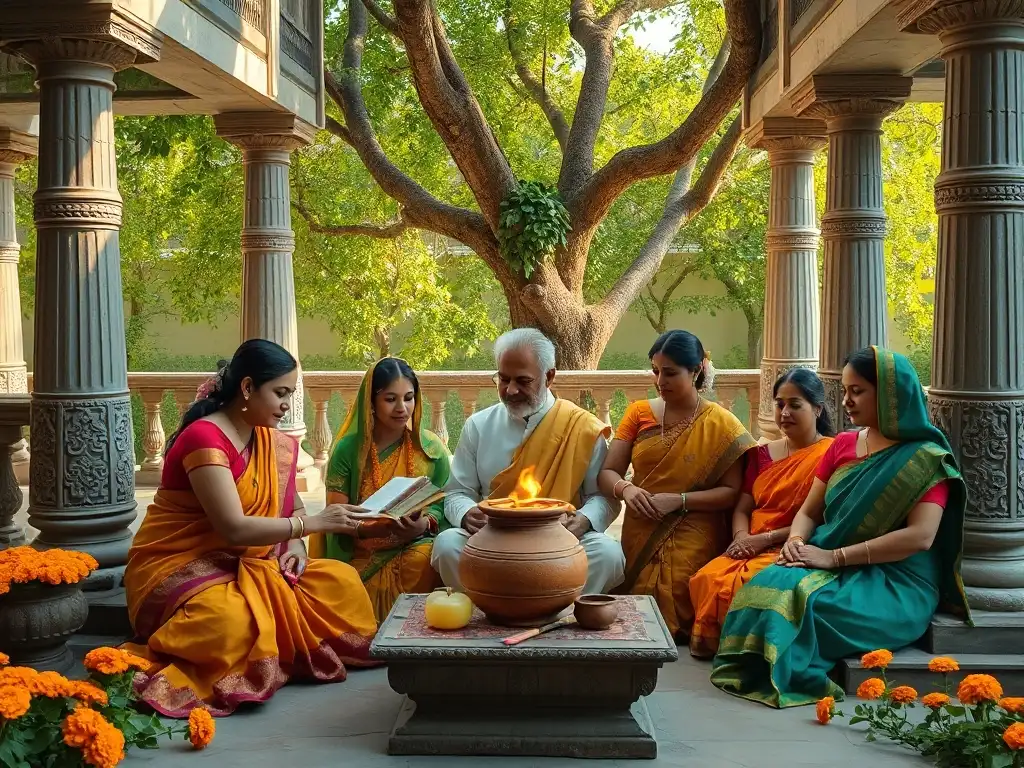
Welcome to Ancient India History, where we invite you to embark on a captivating journey through the rich tapestry of ancient Indian civilizations. As we delve into the importance of family lineage in ancient Indian culture, you will uncover the profound ways in which ancestry shaped societal structures, traditions, and values. What secrets lie within the familial bonds that have influenced generations?
Join us as we explore the intricate connections that define daily life and society in this remarkable era, and discover why understanding family lineage is key to appreciating the legacy of ancient India. Your adventure into history awaits!
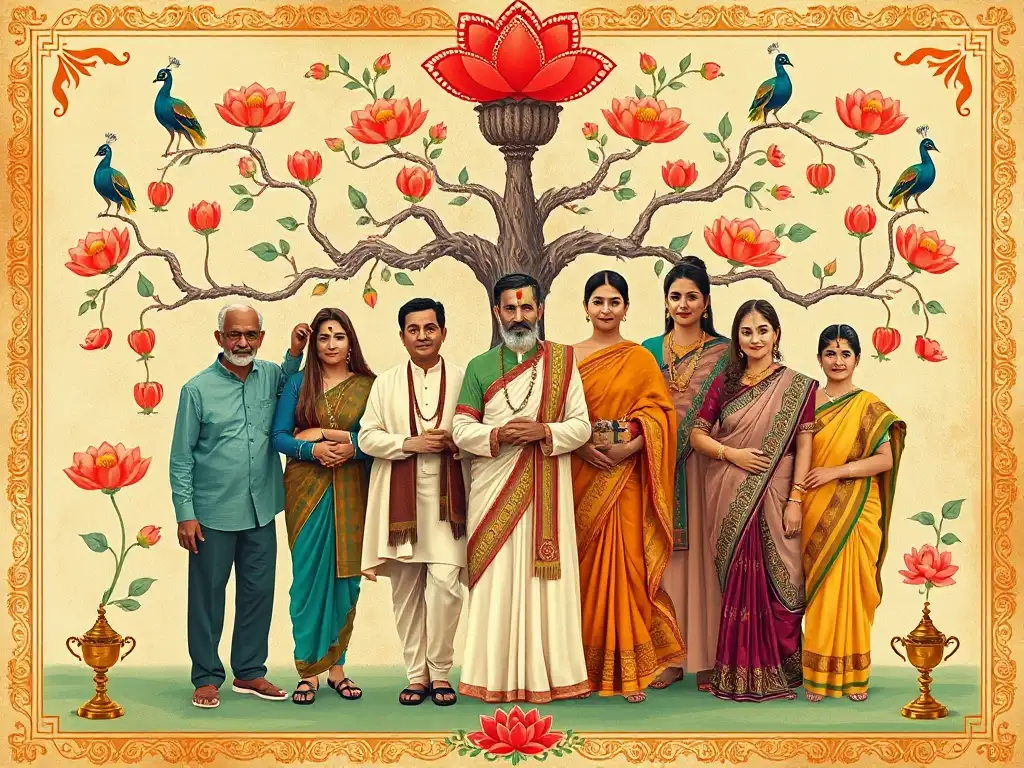
In ancient Indian culture, family lineage played a pivotal role in shaping individual identities, societal structures, and the intricate web of relationships that defined communities. The concept of lineage was not merely a matter of ancestry; it encompassed the values, traditions, and legacies passed down through generations. Understanding ancient Indian family lineage offers insight into the values and beliefs that governed daily life and social interactions.
It reveals how familial ties influenced marriage practices, inheritance, and social status, highlighting the profound impact lineage had on the overall fabric of ancient Indian society. This exploration delves deep into the significance of family lineage, its historical context, and its integral role in the social structure of ancient India.
Understanding Ancient Indian Family Lineage
Family lineage in ancient India served as the backbone of social organization, fundamentally influencing various aspects of life.
Definition of Family Lineage in Ancient India
Family lineage, or kula, refers to the ancestral line from which individuals descend, encompassing not only blood relations but also the cultural and social frameworks that bind families together. It often determined personal and communal identity, guiding individuals in their choices and responsibilities. The lineage could be traced through either the maternal or paternal side, though patrilineal descent was predominantly emphasized in many regions.
Historical Significance of Lineage in Indian Society
The historical significance of family lineage in ancient Indian society cannot be overstated. Lineage provided a sense of belonging and continuity, which was essential for the stability of communities. It served several purposes:
- Inheritance of Property: The transmission of property and wealth was primarily governed by familial ties, ensuring that resources remained within the lineage.
- Marriage Alliances: Lineage influenced marriage practices, with families often seeking alliances that would enhance their social standing or consolidate power.
- Religious Duties: Ancestral worship and adherence to family traditions played a critical role in religious practices, emphasizing the importance of upholding one's lineage.
The structure of ancient Indian society was heavily reliant on family lineage, intertwining personal identity with broader social dynamics.
Lineage and Caste System in Ancient India
The caste system, a defining feature of ancient Indian society, was intrinsically linked to family lineage. Each caste was associated with specific lineages, determining social roles and responsibilities. This hierarchical structure created a framework where lineage dictated not only occupation but also social interactions and relationships between different castes. The implications of this system were profound, as it influenced everything from marriage choices to community support.
Family Lineage as a Marker of Status
Family lineage served as a significant marker of status in ancient India. Nobility and prominent families often had their lineage meticulously documented, reflecting their heritage and social standing. This status was crucial in courtly interactions, political alliances, and even in religious contexts, where lineage could determine one's eligibility for certain rites and responsibilities. In essence, an individual’s lineage was directly correlated with their place in society, reinforcing the importance of family heritage in ancient Indian culture.
Cultural Practices Surrounding Family Lineage
Family lineage held a significant place in ancient Indian culture, influencing various aspects of daily life, social structure, and cultural identity. The patrilineal system dominated much of ancient Indian society, where heritage and property were passed down through male descendants. This emphasis on lineage not only fostered a sense of belonging but also reinforced social hierarchies and caste systems, as families identified themselves through their ancestral roots.
The connection to lineage was often expressed through rituals and cultural practices that celebrated ancestry. Festivals, feasts, and ceremonies were organized to honor family ancestors, thereby reinforcing the bonds between generations. Such practices served not only as a means of remembrance but also as a way to invoke blessings for prosperity and protection from ancestral spirits.
Rituals and Traditions Linked to Lineage
Rituals related to family lineage played a crucial role in ancient Indian society. One prominent tradition was the Shraddha, a ritual performed to pay homage to deceased ancestors. This ritual often involved offerings of food and water, which were believed to provide nourishment to the spirits of the ancestors. Families would gather to conduct these rituals during specific periods, particularly during the Pitru Paksha, a fortnight dedicated to honoring forefathers.
Another significant practice was the Namakarana, or naming ceremony, which involved naming a child in accordance with the family lineage. This ceremony often included the recitation of family names and the invocation of ancestral blessings, linking the newborn to their lineage right from birth. Such practices reinforced the importance of lineage and familial identity within the community.
Ancestor Worship in Ancient Indian Culture
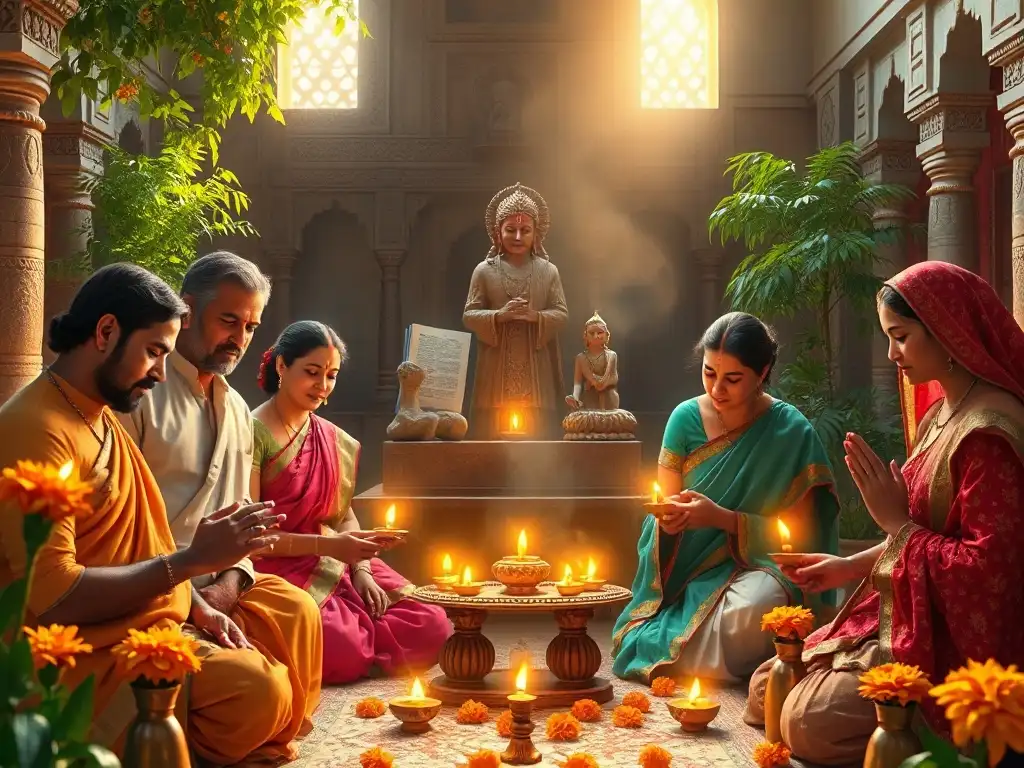
Ancestor worship was a vital aspect of ancient Indian culture, emphasizing respect and reverence for family predecessors. This practice stemmed from the belief that ancestors continued to influence the lives of their descendants, providing guidance, protection, and blessings. Families would often create shrines or altars at home dedicated to their ancestors, where they would offer prayers and perform rituals.
The Panchayat system, a form of local governance in villages, often included the veneration of ancestors as part of its cultural framework. Elders in the community would recount stories of their ancestors, thus preserving the lineage's history and values. This practice not only strengthened familial bonds but also fostered a collective identity among community members, as they shared a common heritage.
The Impact of Family Lineage on Marriage Practices
Family lineage significantly influenced marriage practices in ancient India, shaping societal norms and individual choices. Marriages were often viewed as alliances between families rather than mere unions between individuals. Consequently, maintaining family lineage and ensuring the continuation of ancestral traditions were paramount considerations in marital arrangements.
The importance of lineage was particularly evident in the practice of arranged marriages, where families played a central role in selecting suitable partners for their children. These arrangements were typically based on caste, social status, and family reputation, reflecting the family's lineage and heritage.
Arranged Marriages and Family Lineage
Arranged marriages served as a strategic means of preserving family lineage in ancient India. Families sought to align themselves with other reputable lineages, thereby enhancing their social standing and economic stability. The choice of a spouse was often less about personal preference and more about familial compatibility and the assurance of a union that would uphold the family’s honor.
In many cases, the families would consider factors such as the prospective spouse's family background, wealth, and social status, all tied to lineage. This strategic approach ensured that the family's lineage remained strong and continued to thrive across generations, reinforcing the importance of ancestral ties in shaping marital choices.
Lineage Considerations in Choosing Spouses
When selecting spouses, lineage considerations played a critical role, particularly in the context of caste and social hierarchy. Families often prioritized alliances that would not only maintain their lineage but also elevate their social standing within the community. As a result, marriages were frequently arranged between families of similar caste and status to ensure compatibility and to uphold societal norms.
Additionally, the practice of gotra, which refers to the lineage or clan system, was significant in marital decisions. Individuals from the same gotra were typically discouraged from marrying each other to prevent inbreeding and maintain the integrity of the lineage. This practice underscored the importance placed on family heritage and the need to preserve distinct lineages within the larger societal framework.
Family lineage in ancient Indian culture was deeply intertwined with various societal practices, significantly influencing rituals, marriage customs, and the overall social structure. Understanding these dynamics provides valuable insight into the cultural fabric of ancient India and the enduring legacy of family lineage in shaping identity and community relations.
Preservation of Family Lineage in Ancient Texts
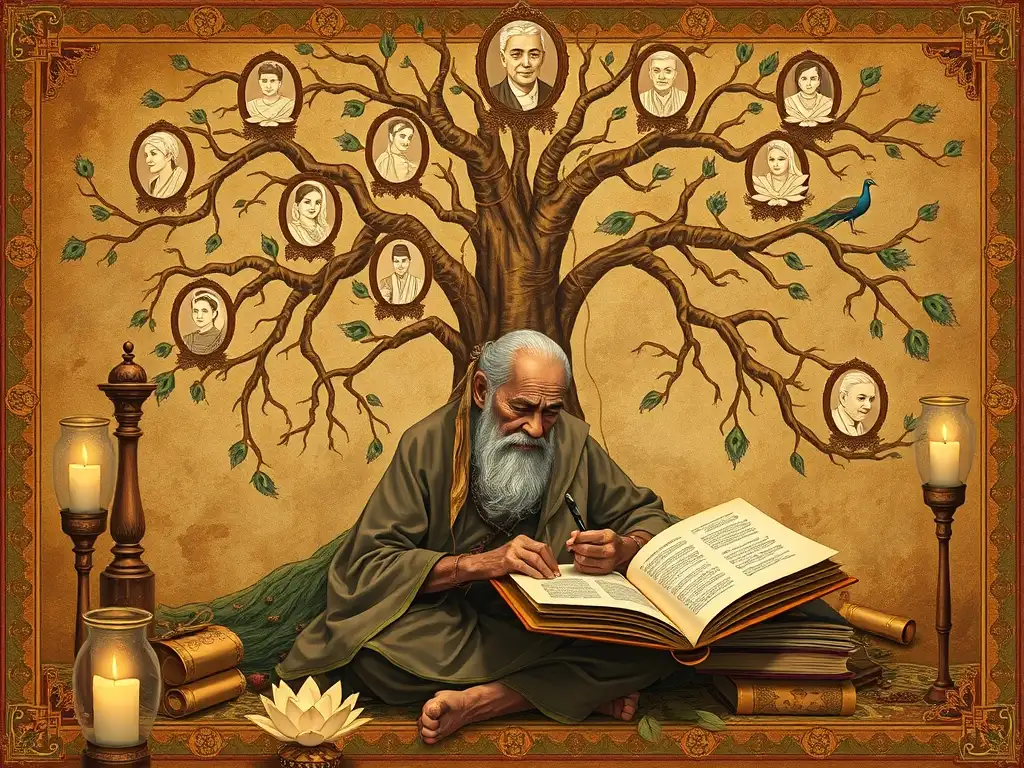
The preservation of family lineage in ancient Indian culture is intricately woven into the fabric of its historical texts. These texts serve not only as records of religious and philosophical thought but also as repositories of genealogical information. The significance of lineage in ancient Indian society is underscored by its reflection in various literary works, which document the ancestry and familial ties of prominent figures. This emphasis on lineage is crucial for understanding social status, inheritance rights, and cultural identity within ancient Indian communities.
Ancient texts, such as the Vedas, Puranas, and Dharmashastras, meticulously outline the importance of lineage and the rituals associated with it. These texts often include detailed accounts of family trees, highlighting the connections between different clans and their historical significance. Furthermore, the practice of maintaining genealogical records was not only a way to honor ancestors but also a means to validate one's position within the societal structure of ancient India.
References to Lineage in Vedic Literature
Vedic literature, which is among the oldest sacred texts in India, contains numerous references to family lineage. The concept of gotra—a lineage or clan system—originates from Vedic texts, indicating the importance of ancestry in social organization. Each gotra is traced back to a sage or a revered figure in the Vedic tradition, establishing a spiritual and cultural connection that influences marriage alliances and social interactions.
In the Vedas, lineage is often linked to the performance of rituals, which are believed to ensure the well-being of both the individual and their family line. The texts emphasize the role of sons in continuing the family lineage, as they are responsible for performing the shraddha rituals for their ancestors. This demonstrates a deep-seated belief in the continuity of family lineage as a means of honoring and maintaining connections with the past.
Family Lineage in Epic Narratives (e.g., Mahabharata, Ramayana)
The epics of Mahabharata and Ramayana serve as profound examples of how family lineage is depicted in ancient Indian culture. Both texts illustrate the complexities of family dynamics and the consequences of lineage on personal and political conflicts.
In the Mahabharata, the Pandavas and Kauravas represent two branches of the same royal lineage, with their rivalry ultimately leading to the great war of Kurukshetra. The narrative not only highlights the significance of familial bonds but also examines how lineage can dictate one's fate and legacy. The characters’ actions are often motivated by their desire to uphold their family honor and legacy, demonstrating the weight that lineage carries in shaping individual identity.
Similarly, in the Ramayana, the lineage of Lord Rama is meticulously detailed, tracing his ancestry back to the solar dynasty. Rama’s adherence to dharma (righteousness) is portrayed as a reflection of his royal lineage, emphasizing the responsibilities that come with such heritage. These epic narratives reinforce the idea that family lineage is not merely a matter of ancestry but is deeply intertwined with moral and ethical obligations in society.
Modern Implications of Ancient Indian Family Lineage
The legacy of ancient Indian family lineage continues to resonate in contemporary society, shaping various aspects of life, including marriage, social status, and cultural identity. While modern influences have introduced new dynamics into family structures, the foundational principles of lineage remain significant in many communities across India.
Continuity of Family Lineage Practices in Contemporary India
In contemporary India, the importance of family lineage is still evident, particularly in marriage practices. Arranged marriages often take lineage into account, with families seeking partners from similar gotras or social standings to maintain cultural continuity. This practice reflects a deep-rooted belief in the preservation of family honor and status through lineage.
Additionally, the significance of family lineage is reinforced through festivals and rituals that celebrate ancestral ties. Traditional practices, such as pind daan—the offering made to ancestors—highlight the ongoing reverence for lineage and the responsibility of descendants to honor their forebears. This continuity illustrates how ancient practices have adapted yet remain relevant in modern society.
Lessons from Ancient Indian Family Lineage for Today's Society
The exploration of ancient Indian family lineage offers valuable lessons for contemporary society. One key lesson is the importance of understanding one’s roots and the role that lineage plays in shaping personal identity. In an increasingly globalized world, where cultural identities may blur, embracing one's lineage can foster a sense of belonging and community.
Moreover, the emphasis on familial responsibilities in ancient texts encourages a re-evaluation of modern familial relationships. By reflecting on the values of duty and respect toward ancestors, individuals can cultivate stronger family bonds and a greater sense of accountability within their family structures. Ultimately, the teachings from ancient Indian family lineage can guide contemporary society in preserving cultural heritage while adapting to the challenges of modern life.
Conclusion
The significance of family lineage in ancient Indian culture cannot be overstated. It served as a foundational aspect that influenced various dimensions of life, from social structure and marriage practices to religious beliefs and economic transactions. The emphasis on lineage fostered a strong sense of identity, belonging, and continuity within families and communities, allowing ancient Indian societies to thrive and maintain their cultural heritage over millennia. Understanding this facet of ancient Indian life not only sheds light on historical societal norms but also highlights the enduring influence of family lineage in contemporary Indian society.
Summary of the Importance of Family Lineage in Ancient Indian Culture
Family lineage in ancient India was pivotal for numerous reasons:
- Social Hierarchy: Lineage determined an individual's social standing, often dictating their rights and responsibilities within society. The caste system, which emerged from ancient practices, was deeply intertwined with family lineage, influencing interactions and relationships among different groups.
- Marriage Alliances: Marriages were often arranged to strengthen family ties and maintain or enhance status. Families sought alliances with those of similar or higher lineage, reflecting the importance placed on bloodlines and heritage.
- Religious Duties and Rites: Family lineage played a crucial role in the execution of religious rituals. Certain ceremonies and rites of passage were performed by specific lineages, ensuring that cultural and spiritual practices were preserved and passed down through generations.
- Inheritance and Property Rights: Lineage determined inheritance laws, influencing the distribution of property and wealth. The principle of primogeniture, where the eldest son inherited most of the family estate, was prevalent, reflecting the importance of preserving family lineage and status.
Overall, ancient Indian family lineage was a vital component of societal organization, shaping individual identities and community dynamics.
Reflection on the Legacy of Family Lineage in Modern Indian Identity
The legacy of family lineage continues to resonate in modern India, where many cultural practices still reflect ancient traditions. Although contemporary society has evolved significantly, certain elements of lineage remain influential:
- Caste and Community: Despite legal frameworks aimed at reducing caste-based discrimination, many communities still uphold lineage-based identities, impacting social interactions and marriage choices.
- Marriage Practices: Arranged marriages persist, with families often considering lineage and social standing as critical factors in the selection of partners. This practice underscores the ongoing value placed on family heritage.
- Cultural Rituals: Many modern rituals and festivals retain lineage significance, reinforcing familial bonds and cultural continuity. The observance of ancestral worship is a testament to the enduring connection to one’s lineage.
- Identity and Belonging: In an increasingly globalized world, many individuals find solace in their family lineage, using it as a means to connect with their roots and navigate their identities.
While the context and structure of family lineage may have transformed, its essence remains a core element of modern Indian identity, linking past to present and shaping the future of Indian society.
- Understanding Ancient Indian Family Lineage
- The Role of Family Lineage in Social Structure
- Cultural Practices Surrounding Family Lineage
- Rituals and Traditions Linked to Lineage
- Ancestor Worship in Ancient Indian Culture
- The Impact of Family Lineage on Marriage Practices
- Arranged Marriages and Family Lineage
- Lineage Considerations in Choosing Spouses
- Preservation of Family Lineage in Ancient Texts
- Modern Implications of Ancient Indian Family Lineage
- Conclusion
- What is the significance of family lineage in ancient Indian culture?
- How did family lineage affect marriage practices in ancient India?
- What role did lineage play in the political structure of ancient India?
- How did ancient Indian texts reflect the importance of family lineage?
- What are some modern implications of studying ancient Indian family lineage?
Frequently Asked Questions
What is the significance of family lineage in ancient Indian culture?
Family lineage was crucial in ancient India as it determined one's social status, inheritance, and caste. It played a significant role in maintaining traditions and ensuring the continuation of family legacies.
How did family lineage affect marriage practices in ancient India?
Family lineage influenced marriage choices, as marriages were often arranged to maintain social standing and strengthen alliances between families. Marriages within the same caste ensured the preservation of family values and traditions.
What role did lineage play in the political structure of ancient India?
In ancient India, lineage often determined political power, with royal families establishing dynasties. This connection to ancestry was vital for legitimizing authority and maintaining control over territories.
How did ancient Indian texts reflect the importance of family lineage?
Ancient texts, such as the Vedas and Puranas, often emphasized the value of family lineage in terms of dharma (duty) and rituals. They provided guidelines on the responsibilities of family members based on their ancestral roles.
What are some modern implications of studying ancient Indian family lineage?
Understanding ancient Indian family lineage can offer insights into contemporary cultural practices and social structures. It helps in recognizing the historical significance of family ties that continue to influence Indian society today.
Final Reflection: The Enduring Legacy of Ancient Indian Family Lineage
The exploration of ancient Indian family lineage reveals its profound significance in shaping cultural identity and societal values today. In a world increasingly characterized by rapid change and globalization, understanding our roots becomes essential. The intricate tapestry of family lineage not only connects us to our ancestors but also serves as a reminder of the values and traditions that have been passed down through generations. The importance of family lineage in ancient Indian culture is not merely a relic of the past; it is a guiding principle that continues to resonate in contemporary society.
Cultural heritage is a powerful force that influences our identities and relationships. The reverence for family lineage in ancient Indian culture has fostered a sense of belonging and continuity that transcends time. As we navigate the complexities of modern life, the lessons learned from our ancestors can provide clarity and direction. To know where you come from is to know where you are going.
This quote encapsulates the essence of understanding our lineage; it empowers us to honor our past while forging our own paths in the present and future.
As you reflect on the importance of family lineage, consider how you can incorporate these lessons into your own life. Take a moment to explore your family history, engage with your heritage, and share stories with loved ones. By doing so, you not only preserve the wisdom of the past but also strengthen the bonds that connect us all. Embrace the journey of discovering your roots, and let the legacy of ancient Indian family lineage inspire you to cultivate a deeper appreciation for your own family's story.
Embrace Your Roots and Honor Your Heritage!
Thank you for diving into the rich tapestry of family lineage within ancient Indian culture. By exploring this vital aspect of our heritage, you have gained insights into how our ancestors shaped the world we live in today. Now, let’s transform that newfound understanding into meaningful action!
Here’s how you can connect with your lineage:
- Research Your Family History: Begin tracing your family's roots. Utilize online resources, engage in conversations with relatives, or visit local archives to uncover stories that connect you to your ancestry.
- Share Your Findings: Share your family's legacy with friends and family. Post about your discoveries on social media or participate in community forums to inspire others to explore their own heritage.
- Engage in Cultural Practices: Take part in traditional ceremonies or learn ancient crafts that celebrate your lineage. This not only honors your ancestors but also strengthens your bond with family members.
What unique stories have you uncovered about your family's past, and how have they shaped your identity today?