
Marriage Across Cultures: Comparing Ancient Indian Practices with Others

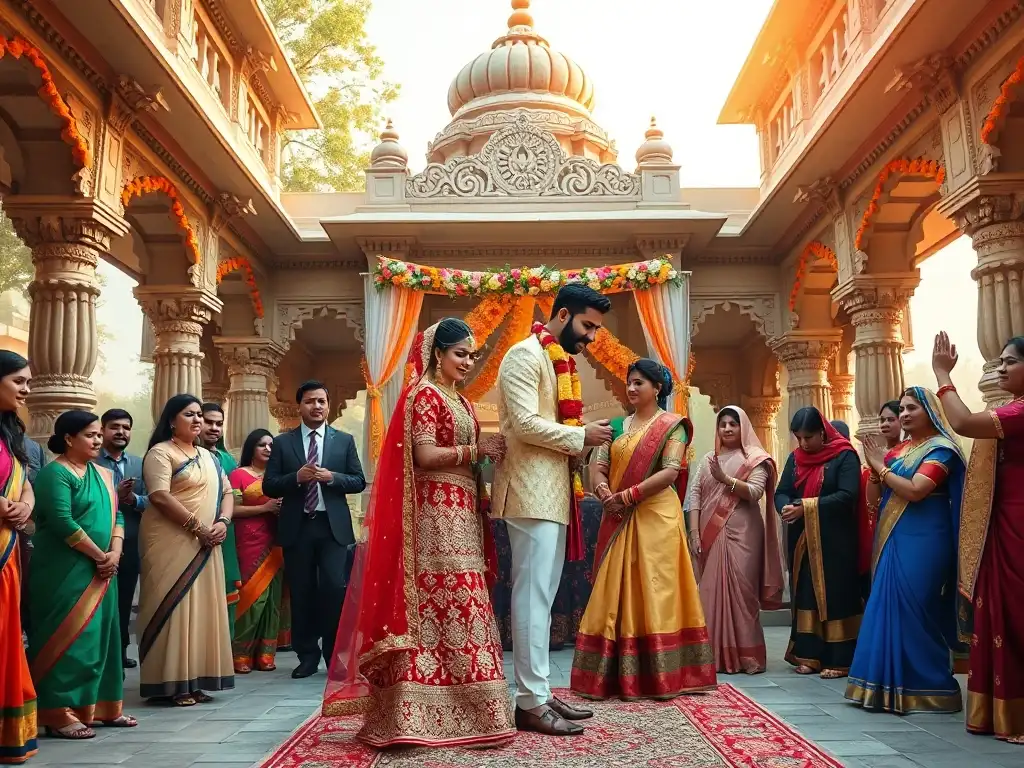
Welcome to Ancient India History, where we delve into the rich tapestry of ancient Indian civilizations and their profound contributions to our world. Today, we invite you to explore the fascinating world of Ancient Indian marriage customs—a topic that not only highlights the intricate rituals and traditions of the past but also offers a captivating comparison with marriage practices from other cultures.
Join us on this journey as we unveil the significance of these customs and how they shaped societal norms, sparking curiosity about the diverse ways love and union were celebrated throughout history. Dive deeper with us and discover the stories waiting to be told!
- Introduction to Ancient Indian Marriage Customs
- Ancient Indian Marriage Customs
- Comparison with Other Cultures
- Key Elements of Ancient Indian Marriage Customs
- The Evolution of Marriage Customs
- Conclusion
-
Frequently Asked Questions
- What were some common ancient Indian marriage customs?
- How did marriage in ancient India differ from other cultures?
- What role did religion play in ancient Indian marriages?
- Were there any notable variations in marriage customs across ancient Indian regions?
- How have ancient Indian marriage customs influenced modern practices?
- Final Reflection: Embracing the Rich Tapestry of Ancient Indian Marriage Customs
- Embrace the Diversity of Marriage Traditions!
Introduction to Ancient Indian Marriage Customs
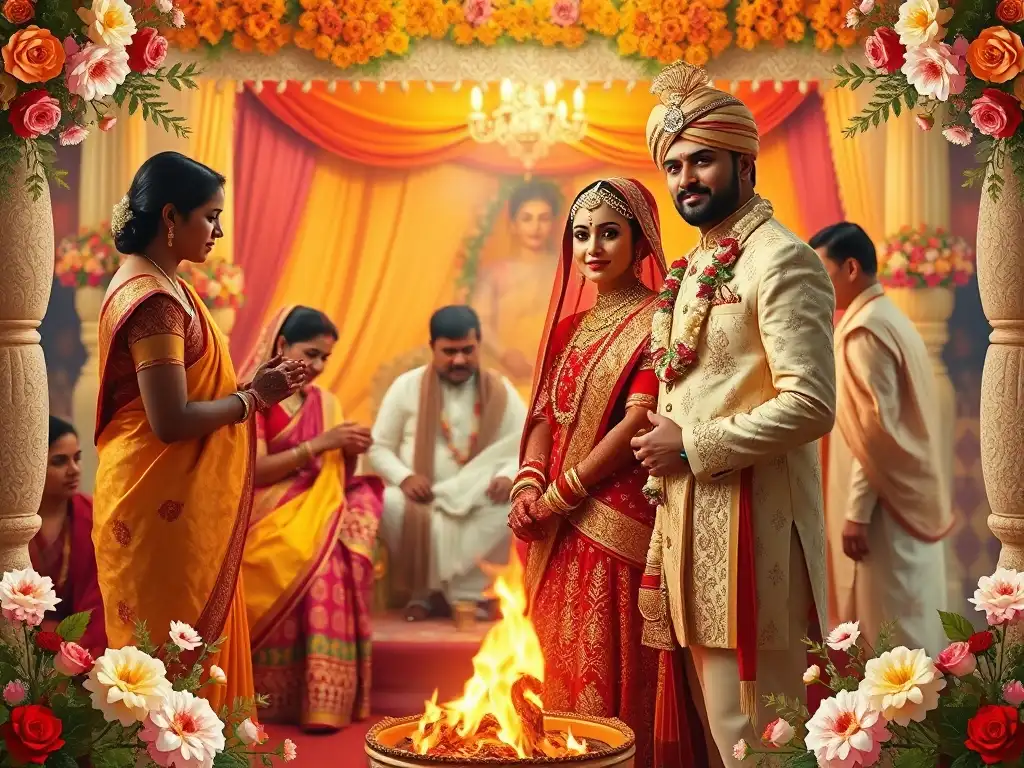
Marriage is a foundational institution that shapes social structures, cultural practices, and familial relationships. In ancient India, marriage customs were rich and varied, reflecting the diversity of the subcontinent's cultures, religions, and traditions. From the sophisticated rituals of the Indus Valley Civilization to the elaborate ceremonies of the Gupta Empire, ancient Indian marriage customs were deeply intertwined with societal norms and values.
These customs not only served as a means of personal union but also played a crucial role in maintaining social order and continuity. This article aims to explore ancient Indian marriage customs, comparing them with practices from other cultures, and highlighting their significance in the broader context of family and societal dynamics.
Overview of Marriage in Ancient India
In ancient India, marriage was more than just a personal commitment; it was a sacred duty, often seen as a rite of passage that marked the transition from childhood to adulthood. The customs surrounding marriage were diverse and varied by region, caste, and community. Some key aspects of ancient Indian marriage practices include:
- Types of Marriages:
- Brahma Marriage: The most revered form, where the bride's father gives her away to the groom in a ceremony.
- Gandharva Marriage: A love marriage, entered into by mutual consent.
- Asura Marriage: Involving a transaction where the groom gives gifts to the bride's family.
- Rituals and Ceremonies:
- Saptapadi: The seven steps taken by the couple during the wedding ceremony, symbolizing their commitment to each other.
- Kanyadaan: The ritual where the bride’s father places her hand in the groom's, signifying the transfer of responsibility.
- Cultural Influences: The customs were influenced by local traditions, religious beliefs, and philosophical ideologies, resulting in a rich tapestry of marital practices across different regions.
Importance of Marriage in Ancient Indian Society
Marriage held immense significance in ancient Indian society, serving not only as a personal union but also as a crucial social contract. Its importance can be understood through several key aspects:
- Social Structure:
- Marriage reinforced social hierarchies and caste systems, often determining the social standing of families and communities.
- Alliances formed through marriage were essential for political and economic stability, often leading to strategic partnerships between families.
- Cultural Continuity:
- Marriages were integral in preserving cultural traditions, values, and rituals, ensuring the transmission of heritage to future generations.
- Festivals and ceremonies associated with marriage contributed to the community's collective identity and cohesion.
- Legal and Economic Aspects:
- Marriages often involved the exchange of dowries, which served as a means of economic security for brides.
- Legal frameworks surrounding marriage provided guidelines for inheritance and property rights, influencing family dynamics and societal norms.
Ancient Indian marriage customs were complex and multifaceted, reflecting the intricate interplay of culture, religion, and society. Understanding these practices not only sheds light on the historical context of marriages in India but also offers insights into the broader cultural significance of marriage across various civilizations.
Ancient Indian Marriage Customs
Rituals and Traditions in Ancient Indian Weddings
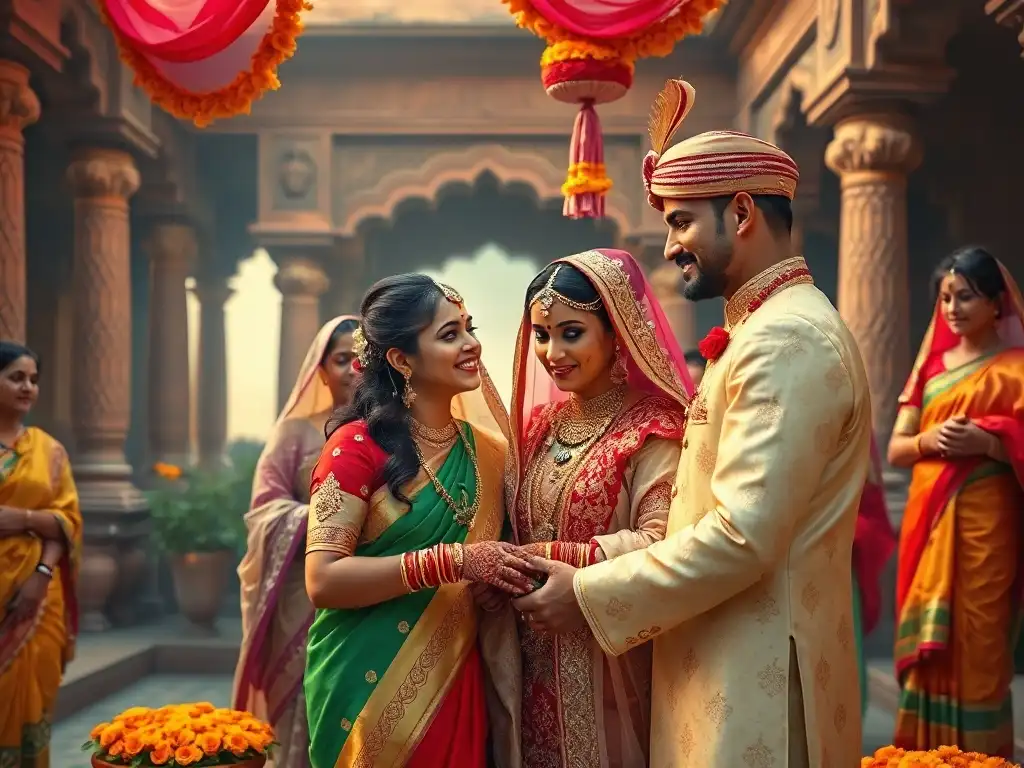
Ancient Indian marriage customs are steeped in rich rituals and traditions that reflect the cultural diversity of the subcontinent. These customs were not merely ceremonial; they were imbued with spiritual significance and aimed at fostering familial bonds.
The primary ritual in ancient Indian weddings was the Saptapadi, or the seven steps, where the couple would take seven vows together, each step symbolizing a specific commitment. This ritual emphasized the importance of mutual support, fidelity, and the spiritual connection between the couple.
Another notable tradition was the Kanya Daan, where the bride's father would give her away to the groom, symbolizing the transfer of responsibility. This act was treated with reverence, highlighting the sanctity of the marital bond.
The use of Havan, a sacred fire, played a pivotal role in many ceremonies, representing the presence of Agni, the fire god. The couple would make offerings into the fire to seek blessings for a prosperous and harmonious life together.
Here’s a brief overview of some key rituals:
| Ritual | Significance |
|---|---|
| Saptapadi | Seven vows and commitments between the couple |
| Kanya Daan | Symbolic giving away of the bride by her father |
| Havan | Invocation of blessings through fire |
These rituals varied across regions and communities but shared a common thread of celebrating the union of two families.
The Role of Dowry in Ancient Indian Marriages
Dowry has been a significant aspect of ancient Indian marriage customs, serving both social and economic purposes. Traditionally, it involved the transfer of parental wealth, including money, property, and goods, from the bride's family to the groom's family at the time of marriage.
This practice was not only a means of securing the bride's future but also aimed at establishing the social standing of the families involved. In many cases, the dowry system reinforced patriarchal norms, with families feeling pressured to provide substantial dowries to ensure favorable matches for their daughters.
However, it is important to note that the dowry was often viewed as a form of economic security for the bride. In some communities, it was also associated with the idea of the bride being a valuable asset to the groom's family, leading to a complex interplay of social dynamics.
Types of Marriages in Ancient India
Ancient Indian marriage customs encompassed various types of marriages, each with its own cultural significance and societal implications. The primary types included arranged marriages, love marriages, and group marriages.
Arranged Marriages
Arranged marriages were the most prevalent form of matrimony in ancient India, where families played a crucial role in selecting partners for their children. This practice was rooted in the belief that family compatibility, social status, and economic stability were vital for a successful marriage.
In an arranged marriage, the parents would consider various factors, including horoscopes, family reputation, and financial status, before finalizing a match. Once a suitable match was found, a formal engagement ceremony would take place, followed by the wedding itself.
This system aimed to strengthen family ties and create alliances, often resulting in marriages that were not only personal unions but also strategic partnerships.
Love Marriages
Though less common, love marriages did exist in ancient Indian society. These marriages typically arose from personal choice rather than familial arrangements. Love marriages were often romanticized in literature and folklore, portraying the idea of marrying for love as a noble pursuit.
However, societal acceptance of love marriages varied significantly across regions and castes. In some instances, couples faced resistance from their families, leading to elopements or secret unions. Despite the challenges, love marriages symbolized a shift towards individual autonomy in choosing one's partner.
Group Marriages
Group marriages, though rare, were practiced in certain tribal and community contexts in ancient India. This form of marriage involved multiple couples forming a collective bond, often within a specific community or clan.
Group marriages were typically governed by shared customs and communal living, promoting social cohesion and collective responsibilities. In some cultures, this practice provided social security and support systems for families, particularly in agrarian societies where labor sharing was essential.
Ancient Indian marriage customs reflect a complex interplay of social, economic, and cultural factors, showcasing the diversity of matrimonial practices across different regions and communities. These customs have evolved over time but continue to influence contemporary marriage practices in India today.
Comparison with Other Cultures
The study of ancient Indian marriage customs reveals a complex web of rituals, beliefs, and societal structures that resonate with or differ from marriage practices in other ancient civilizations. By examining the marriage customs of ancient Greece and Rome, we can highlight both unique and shared elements, enriching our understanding of how these cultures approached the institution of marriage.
Marriage Practices in Ancient Greece
In ancient Greece, marriage was not merely a union of two individuals but a significant social contract that reinforced family alliances and social status. Greek marriages were predominantly arranged, with parents playing a crucial role in selecting suitable partners for their children. This practice mirrors the ancient Indian system, where family involvement is also paramount.
Rituals and Beliefs in Greek Marriages
Greek marriage ceremonies were replete with rituals that underscored the significance of the union. Some key aspects include:
- Engagement and Betrothal: Similar to ancient Indian customs, the Greek engagement involved the exchange of gifts and promises, often formalized through a betrothal ceremony.
- The Wedding Day: The wedding typically took place during daylight and involved various rituals, such as the Kallimache, where the bride would be adorned with flowers and veils, symbolizing her transition into married life.
- Procession to the Groom's Home: The bride's procession to her new home was a significant event, marked by music and feasting, akin to the elaborate processions seen in ancient Indian weddings.
- Post-Wedding Celebrations: Following the wedding, a series of celebrations, such as the gamos, would take place, emphasizing fertility and the continuation of family lines. This is comparable to the communal feasts held in Indian weddings, where family and friends gather to bless the couple.
Greek beliefs surrounding marriage emphasized the sanctity of the union, with the goddess Hera often invoked for blessings. The importance of familial and societal approval in both cultures highlights a shared understanding of marriage as a foundational social institution.
Marriage Traditions in Ancient Rome
Ancient Roman marriage customs were similarly influenced by societal expectations and family dynamics. The Romans practiced a variety of marriage types, with confarreatio being the most formal and usus a more informal arrangement, showcasing the diversity of marital practices.
The Significance of Family in Roman Marriages
In Roman society, marriage was primarily a means of forming alliances and securing social standing, mirroring many ancient Indian customs. Key features of Roman marriage included:
- Paterfamilias: The head of the family, usually the father, held significant authority in marriage arrangements, reflecting the patriarchal structure also evident in ancient Indian families.
- Wedding Ceremony: A traditional Roman wedding included an exchange of vows and a celebration that often extended for several days, similar to the multi-day festivities found in Indian marriages.
- Dowry System: Like in ancient India, Roman marriages often involved a dowry, which was a transfer of property or wealth from the bride's family to the groom, solidifying the economic ties between families.
- Religious and Legal Aspects: Roman marriages were marked by religious ceremonies to secure divine favor, paralleling the sacred rituals found in Indian weddings, where various deities are honored.
The emphasis on family, economic factors, and religious significance in Roman marriages mirrors the principles underlying ancient Indian marriage customs, reinforcing the idea that marriage served as a vital social cornerstone across cultures.
By examining the marriage customs of ancient Greece and Rome alongside ancient Indian practices, we gain valuable insights into the universal themes of family, social structure, and the cultural significance of marriage throughout history.
Marriage Customs in Ancient China
Marriage in ancient China was deeply intertwined with social status, family lineage, and Confucian values. Traditionally, marriages were arranged by parents, emphasizing familial alliances over individual desires. The primary purpose of marriage was to continue the family line and ensure the family’s prosperity. As a result, considerations such as social class, wealth, and compatibility of family backgrounds played crucial roles in the matchmaking process.
Ceremonies were elaborate and steeped in rituals. The wedding process often started with a formal proposal, followed by the exchange of gifts between families. The bride usually moved into the groom's family home after the marriage, which reflected the patriarchal nature of society. The concept of filial piety was paramount; thus, a wife was expected to serve her husband and his family, often resulting in a subservient position within the household.
In addition to these customs, there were various regional variations and practices across different dynasties. For instance, during the Tang Dynasty (618–907 AD), love matches became more accepted, while the Song Dynasty (960–1279 AD) saw a return to more traditional, conservative approaches. This evolution reflects the dynamic nature of marriage customs in ancient China, influenced by social, economic, and political changes over time.
Confucian Influence on Marriage Practices
Confucianism played a significant role in shaping marriage practices in ancient China. Confucius emphasized the importance of filial piety, respect for authority, and the social order, which naturally extended into the institution of marriage. According to Confucian beliefs, a successful marriage was not only a personal union but also a fundamental component of social harmony and stability.
Key principles derived from Confucian teachings included the hierarchical roles within marriage, where men were viewed as the head of the household, and women were expected to be dutiful wives and mothers. This patriarchal structure was reinforced by the idea that a woman's primary role was to support her husband and raise children, particularly male heirs who would carry on the family name.
Furthermore, Confucianism stressed the importance of ancestor worship, which was intrinsically linked to marriage. The continuity of family lineage was paramount, and marriages were often arranged to strengthen family ties and honor ancestors. As a result, marriages not only served personal interests but also acted as a means to preserve family legacies and maintain social order.
Contrasts and Similarities in Marriage Across Cultures
When comparing ancient Indian marriage customs with those from other cultures, several contrasts and similarities emerge. One of the primary distinctions is the concept of arranged marriages, which was prevalent in both ancient India and China. In both cultures, marriages were often negotiated between families rather than between individuals, highlighting the importance of family alliances and social status.
However, while ancient Indian marriages often incorporated various rituals and were celebrated with elaborate ceremonies lasting several days, ancient Chinese marriages were typically more straightforward, focusing on formalities and adherence to Confucian principles. For instance, the Indian practice of "saptapadi," where the couple takes seven steps together to symbolize their union, contrasts with the Chinese emphasis on ritual exchanges and family approval.
Another similarity lies in the importance placed on lineage and offspring. Both cultures valued male heirs highly, reflecting patriarchal norms that dictated family structures. In ancient India, this was expressed through customs such as dowries and the preference for sons, while in ancient China, the continuation of the family line through male offspring was paramount.
Despite these parallels, cultural nuances influenced how marriage was perceived and practiced. For example, ancient Indian society allowed for more diverse forms of marriage, including love marriages and polygamy, depending on the region and community. In contrast, ancient Chinese society generally adhered to stricter norms, with monogamy being the standard, although concubinage was also accepted among the elite.
Overall, the exploration of marriage customs across cultures reveals a complex web of shared values and unique practices shaped by historical, social, and religious contexts. Understanding these similarities and contrasts enriches our appreciation of the diverse tapestry of human relationships throughout history.
Key Elements of Ancient Indian Marriage Customs
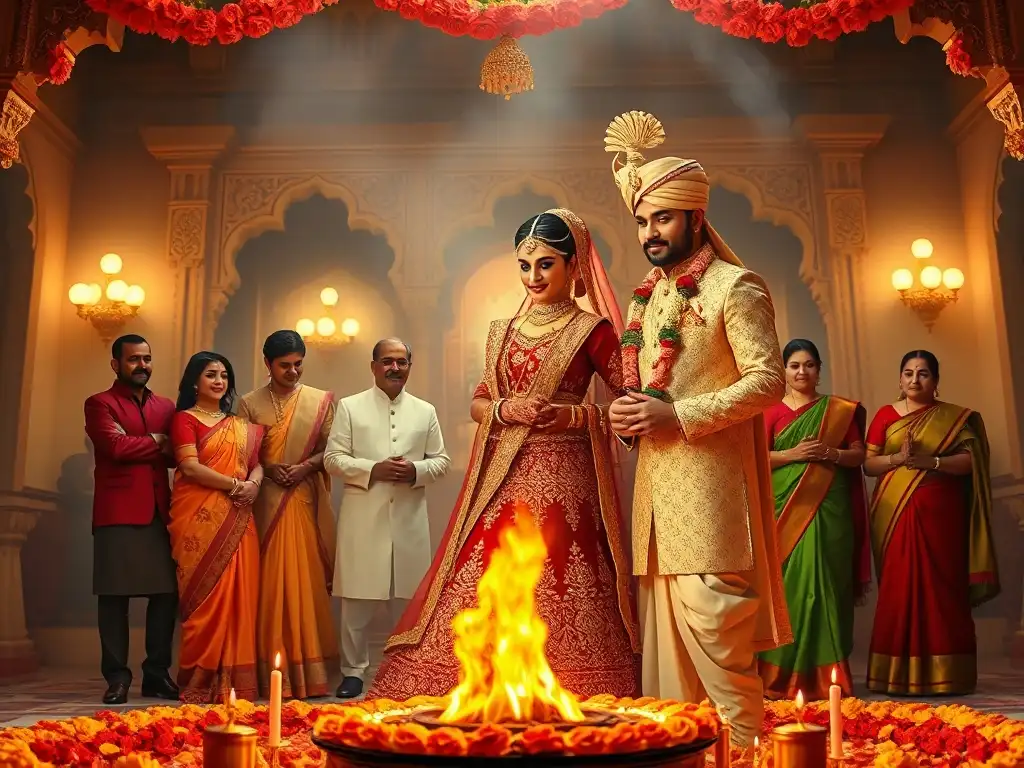
Ancient Indian marriage customs are deeply rooted in tradition, culture, and social structures. They reflect the values, beliefs, and practices of various civilizations that have thrived in India over centuries. Understanding these customs provides insights into the significance of marriage in ancient Indian society and the roles that various elements play in making it a sacred and celebrated institution.
Importance of Auspicious Timing (Muhurat)
One of the most critical aspects of ancient Indian marriage customs is the selection of an auspicious time, known as Muhurat. In Hindu tradition, it is believed that the timing of the wedding has a profound impact on the couple's future happiness and prosperity. Here are some key points regarding Muhurat:
- Astrological Considerations: Astrologers play a vital role in determining the Muhurat. They analyze the positions of celestial bodies at the time of the wedding and suggest dates that are deemed to be favorable.
- Seasonal Preferences: Certain seasons, particularly during spring and winter, are favored for marriages due to their auspiciousness and favorable weather conditions.
- Cultural Variations: Different regions in India may observe distinct customs related to Muhurat. For example, in some communities, lunar months are considered more auspicious than solar months.
The belief in Muhurat is not merely ritualistic; it signifies a deeper connection between cosmic order and human life, emphasizing the importance of timing in the sacred act of marriage.
Role of the Family in Arranging Marriages
In ancient India, marriages were predominantly arranged by families rather than the individuals involved. This custom highlights the collective nature of familial bonds and the importance of social alliances. Several factors characterize the role of families in arranging marriages:
- Parental Authority: Traditionally, parents hold the primary responsibility for selecting suitable partners for their children. This is often based on caste, social status, and family reputation.
- Negotiations and Agreements: Families engage in discussions regarding dowries, responsibilities, and expectations. These negotiations can often take considerable time, reflecting the seriousness of the commitment.
- Community Involvement: In many cases, extended family members and community leaders are involved in the matchmaking process, ensuring that the selected match aligns with social norms and expectations.
This practice underscores the significance of social structures in ancient Indian society, where marriage was not just a union of two individuals but a merger of families and communities.
Significance of the Saptapadi Ceremony
The Saptapadi, or "Seven Steps," is a pivotal ceremony in ancient Indian marriage customs, symbolizing the couple's commitment to each other and their journey together. Each of the seven steps carries distinct meanings and promises:
- First Step: Nourishment - The couple vows to provide for one another.
- Second Step: Strength - They promise to support each other in all endeavors.
- Third Step: Prosperity - The couple commits to sharing their wealth and resources.
- Fourth Step: Family - They pledge to raise a family together.
- Fifth Step: Health - The couple promises to care for each other's well-being.
- Sixth Step: Friendship - They vow to be companions and confidants.
- Seventh Step: Devotion - The final step solidifies their lifelong commitment to each other.
The Saptapadi is not only a ritual but also serves as a profound declaration of love and partnership, reinforcing the spiritual and emotional bonds that unite the couple. This ceremony, emblematic of the sanctity of marriage, showcases how ancient Indian marriage customs celebrate the union of two souls.
Ancient Indian marriage customs encompass a rich tapestry of traditions that emphasize auspicious timings, familial roles, and significant ceremonies. These elements contribute to the enduring legacy of marriage in ancient Indian society, reflecting its cultural and spiritual dimensions.
The Evolution of Marriage Customs
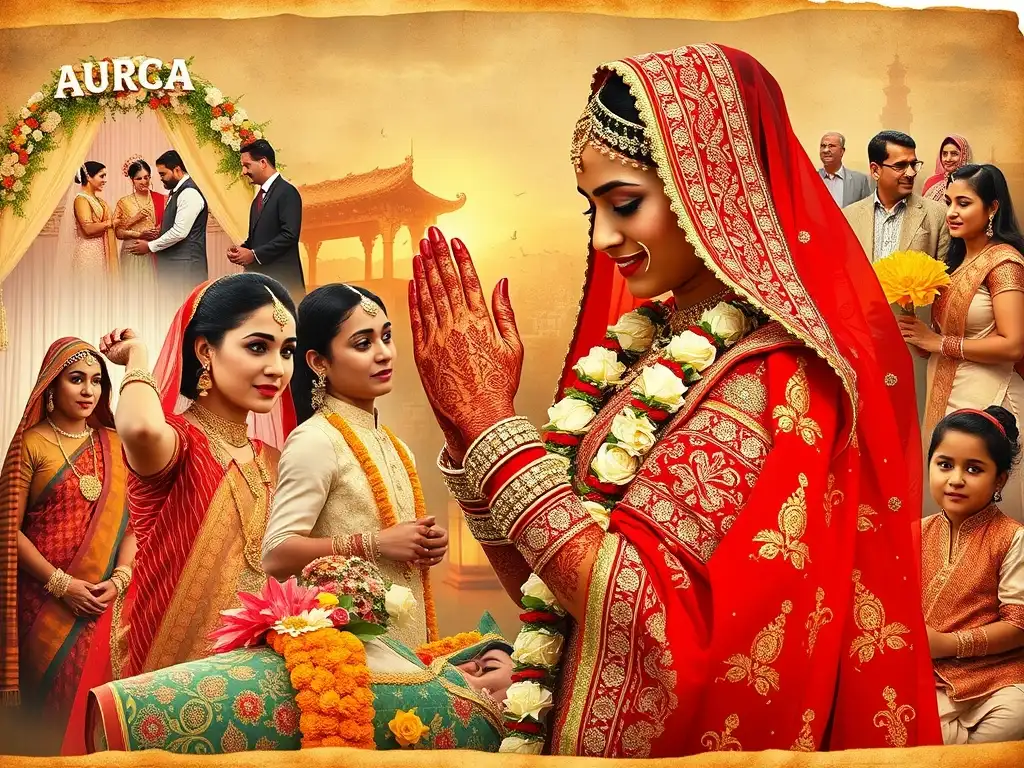
Changes in Ancient Indian Marriage Practices Over Time
Ancient Indian marriage customs have undergone significant transformations over the centuries, reflecting both societal changes and evolving norms. Initially, marriages in ancient India were primarily monogamous, with a strong emphasis on familial alliances and social status. The Vedic period (1500-500 BCE) showcased marriages as sacred bonds, often symbolized by the Saptapadi, where the couple takes seven steps together, signifying the beginning of their shared life.
Key Phases of Transformation:
- Vedic Era (1500-500 BCE):
- Marriages were often arranged, focusing on family ties and social status.
- The concept of Kanyadaan, or giving away the bride, became prominent.
- Post-Vedic Period (500 BCE - 200 CE):
- The rise of polygamy among royalty and higher social classes.
- The introduction of Gandharva Vivaha, a love marriage based on mutual consent, became notable.
- Medieval Period (200 CE - 1200 CE):
- Influence of regional cultures led to diverse customs, including Swayamvara, where brides chose their husbands from a group of suitors.
- Increased inter-community marriages due to influence from various dynasties and foreign invaders.
- Modern Era (1200 CE - 1947 CE):
- British colonial rule introduced legal frameworks that challenged traditional practices.
- The social reform movements led to the abolition of practices like Sati and child marriage, reshaping marriage customs towards more egalitarian values.
The evolution of ancient Indian marriage customs reflects a complex interplay of cultural, social, and political influences, resulting in a rich tapestry of practices that vary across regions.
Influence of Religion on Marriage Customs
Religion has played a pivotal role in shaping ancient Indian marriage customs, intertwining spiritual beliefs with social practices. The primary religious texts, including the Vedas, Manusmriti, and various Puranas, have laid down guidelines on the sanctity and rituals of marriage.
Major Religious Influences:
- Hinduism:
- Marriage is considered a samskara (sacrament) that is crucial for the continuation of family lineage.
- Rituals such as the Agni Parikrama (circumambulating the sacred fire) symbolize the divine witness of the marriage vow.
- Buddhism:
- While marriage is not a religious obligation, Buddhist teachings emphasize mutual respect, love, and the importance of family harmony.
- Rituals often incorporate local customs, reflecting a blend of Buddhist philosophy with regional traditions.
- Jainism:
- Jains place significant importance on non-violence and ethical living, influencing their marriage customs to emphasize compatibility and mutual support.
- Islam:
- Introduced practices such as Nikah, which emphasizes consent and the signing of a marriage contract, known as Mahr.
- The integration of Islamic customs has led to a unique fusion in regions with substantial Muslim populations, enriching the diverse landscape of marriage customs in India.
The interplay between religion and marriage customs in ancient India not only highlights the sacredness of the institution but also emphasizes the adaptability of these practices across different faiths and cultures. Understanding these influences provides valuable insights into the complexity of ancient Indian marriage customs and their legacy in contemporary society.
Conclusion
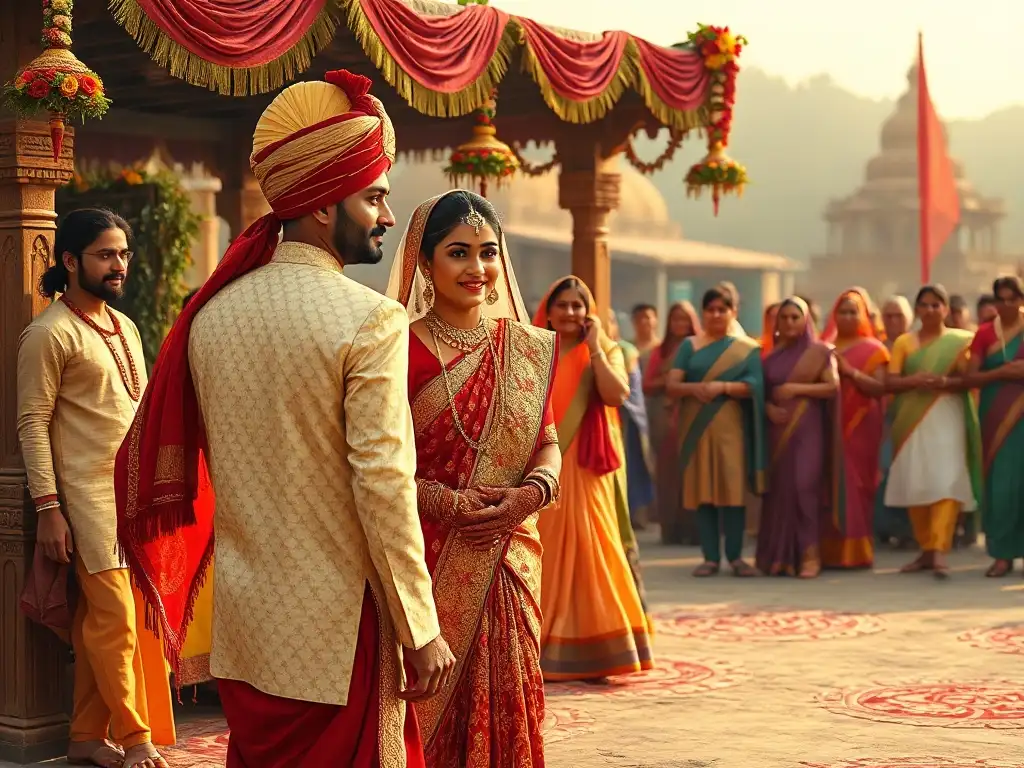
Summary of Key Insights on Ancient Indian Marriage Customs
Ancient Indian marriage customs were intricate and varied significantly across different regions and communities. These practices were deeply intertwined with the social, economic, and spiritual fabric of society. Here are some key insights:
- Diversity of Customs: Ancient Indian marriages were not monolithic; they varied widely based on caste, region, and community. For instance, while the Kshatriyas often practiced Gandharva marriage, which emphasized love and mutual consent, Brahmins were more inclined towards arranged marriages that ensured social alliances.
- Ritual Significance: Marriages in ancient India were laden with rituals that held great significance. The Saptapadi, or seven steps taken by the couple, symbolized their commitment to each other and established their bond in the eyes of the divine.
- Role of Dowry and Gift Exchange: The practice of dowry, although controversial, was a significant aspect of ancient Indian marriages. It was seen as a way to ensure the bride's security and was often accompanied by exchanges of gifts, which helped to strengthen family ties.
- Influence of Religion: Religion played a pivotal role in shaping marriage customs. Hindu, Buddhist, and Jain traditions each brought unique elements to marital practices, influencing everything from rituals to the roles expected of spouses.
- Marriage as a Social Contract: Beyond the emotional bonds, marriages were often viewed as strategic social contracts that helped to consolidate power, wealth, and influence within and between families.
Reflection on the Importance of Understanding Diverse Marriage Practices
Understanding ancient Indian marriage customs provides invaluable insights into the broader cultural and societal norms of the time. It is essential to appreciate that:
- Cultural Heritage: Marriage practices reflect the values and beliefs of a society. By studying these customs, we gain a deeper appreciation for the rich tapestry of ancient Indian culture and how it has evolved over time.
- Evolution of Social Norms: Examining how marriage customs have transformed can illuminate shifts in gender roles, family structures, and social dynamics. This understanding can foster a greater appreciation for contemporary practices and their historical roots.
- Comparative Analysis: By comparing ancient Indian marriage customs with those from other cultures, we can identify common themes and unique differences that enrich our understanding of human relationships. This comparative approach helps to promote cultural sensitivity and respect.
- Preservation of Traditions: Acknowledging the historical significance of these customs can encourage efforts to preserve and celebrate traditional practices that continue to hold meaning for many communities today.
Exploring ancient Indian marriage customs not only enhances our knowledge of a fascinating area of history but also encourages a deeper understanding of the complexities inherent in human relationships across cultures. 🌏
Frequently Asked Questions
What were some common ancient Indian marriage customs?
Ancient Indian marriage customs included practices such as arranged marriages, dowries, and various rituals based on regional traditions, reflecting the society's values and beliefs.
How did marriage in ancient India differ from other cultures?
While many cultures practiced arranged marriages, ancient Indian customs often included elaborate rituals and ceremonies that emphasized familial ties, which may differ from more modern or Western practices focusing on individual choice.
What role did religion play in ancient Indian marriages?
Religion significantly influenced ancient Indian marriage customs, where ceremonies were often tied to Hindu rituals, Vedic texts, and the castes system, ensuring adherence to spiritual and social norms.
Were there any notable variations in marriage customs across ancient Indian regions?
Yes, there were considerable variations in ancient Indian marriage customs based on regional practices, languages, and local traditions, showcasing the diversity of cultures within the subcontinent.
How have ancient Indian marriage customs influenced modern practices?
Many modern practices in Indian weddings, such as rituals, attire, and celebrations, can be traced back to ancient customs, reflecting a blend of historical traditions and contemporary influences.
Final Reflection: Embracing the Rich Tapestry of Ancient Indian Marriage Customs
In a world that is increasingly interconnected, the exploration of ancient Indian marriage customs offers a profound understanding of how cultural practices shape our identities and relationships. The traditions that have evolved over centuries not only reflect the values and beliefs of a society but also serve as a bridge connecting us to our past. As we navigate the complexities of modern relationships, the wisdom embedded in these customs can provide valuable insights into fostering deeper connections and mutual respect.
Cross-cultural comparisons reveal the enduring influence of marriage customs on our social fabric. From the vibrant rituals of Indian weddings to the diverse practices found across the globe, we see how these traditions continue to shape our perceptions of love, commitment, and family. As Mahatma Gandhi once said, "> A nation's greatness is measured by how it treats its weakest members." This sentiment resonates deeply when we consider how marriage customs can either uplift or constrain individuals within a society, emphasizing the need for a compassionate understanding of these practices.
As we reflect on the lessons gleaned from ancient Indian marriage customs, I invite you to consider how these insights can enrich your own life and relationships. Take a moment to explore the traditions that resonate with you, and think about how you can incorporate elements of respect, love, and community into your own practices. By honoring the past while embracing the future, we can create a more inclusive and harmonious world, where the beauty of diverse marriage customs is celebrated and cherished.
Embrace the Diversity of Marriage Traditions!
Thank you for exploring the fascinating world of marriage practices across cultures with us! You’ve discovered how ancient Indian customs compare to those from around the globe, revealing the rich tapestry of human connection. Now, let's put this newfound knowledge into action!
Here are some ways you can deepen your understanding and appreciation for these traditions:
- Dive Deeper: Research a specific marriage custom from a culture that interests you to uncover its significance and history.
- Share Your Insights: Discuss what you’ve learned with friends or family members and exchange thoughts on how these traditions influence relationships in contemporary society.
- Attend a Cultural Event: Look for local cultural festivals or workshops that celebrate various marriage rituals, allowing you to experience their beauty firsthand.
What unique customs have you encountered that inspire you to view marriage in a new light? We invite you to share your thoughts in the comments!