
The Role of Elders in the Caste System: Guardians of Tradition in Ancient India

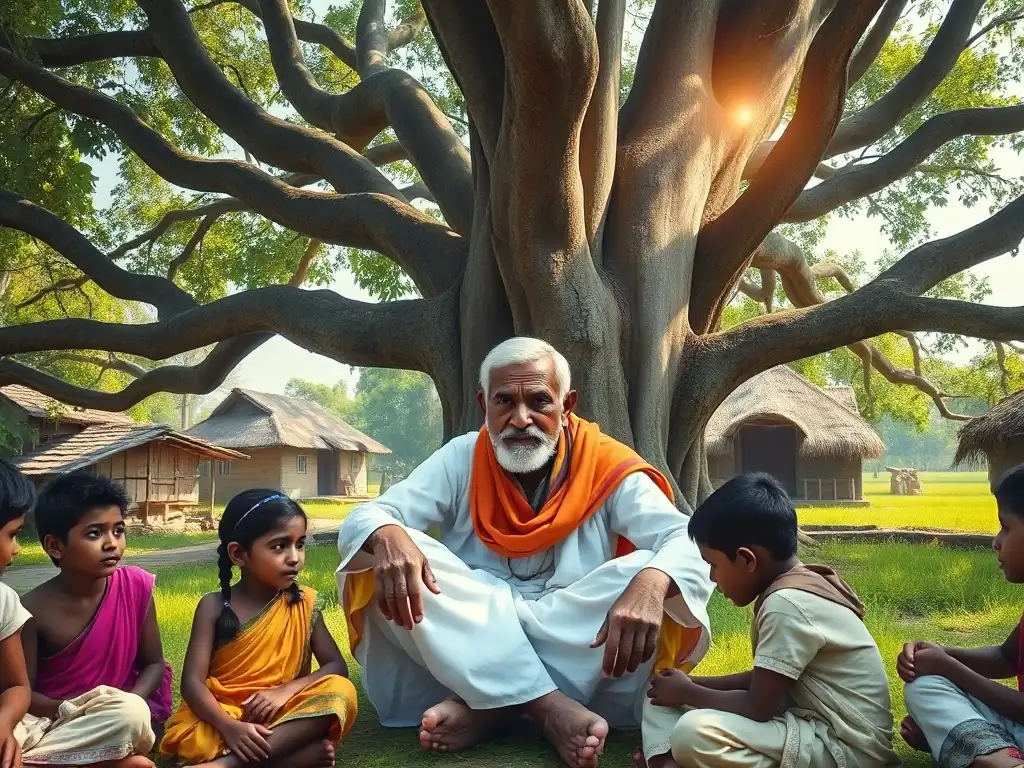
Welcome to Ancient India History, where we embark on a journey through the rich tapestry of ancient Indian civilizations. In our featured article, "The Role of Elders in the Caste System: Guardians of Tradition in Ancient India," we delve into the pivotal role that elders played in shaping societal norms and preserving cultural heritage. Discover how these venerable figures navigated the complexities of the caste system and upheld traditions that still resonate today.
Are you ready to uncover the secrets of their influence and wisdom? Join us as we explore the intricacies of daily life and society in this fascinating era!
Introduction to Elders in Ancient Indian Society
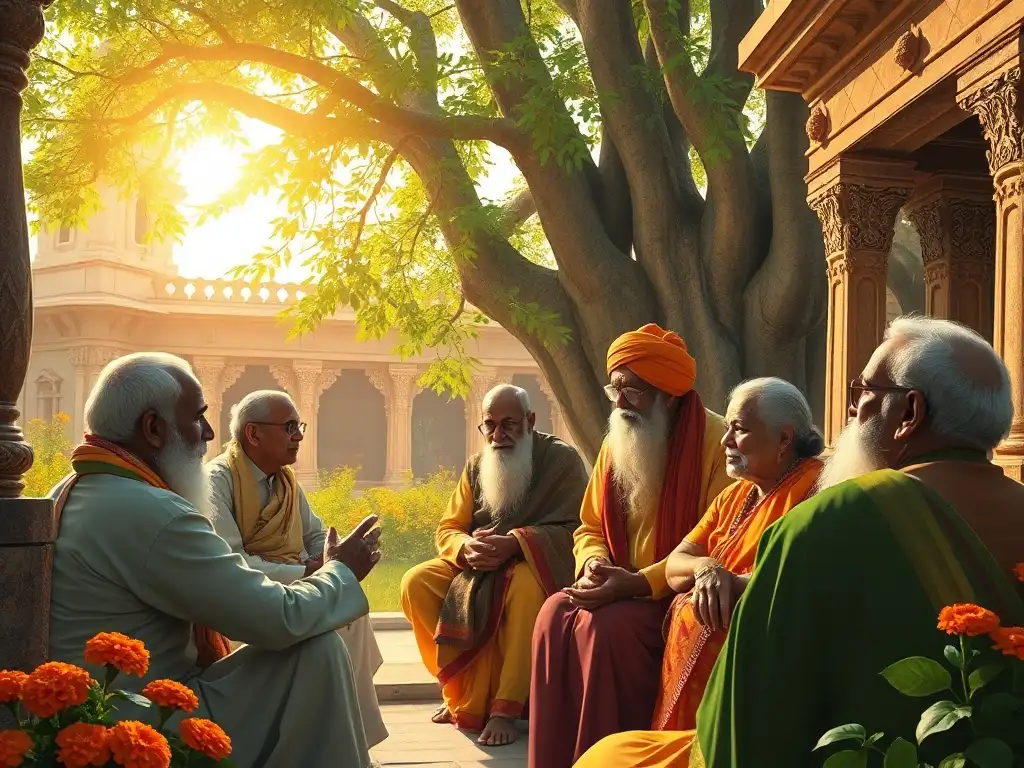
In ancient Indian society, the role of elders was pivotal, especially within the framework of the caste system. Elders were not just respected figures but served as the custodians of tradition, culture, and social norms. Their influence permeated all aspects of life, guiding younger generations in their duties and responsibilities.
Understanding the significance of elders in ancient Indian society is essential to grasp the broader dynamics of social structure, as they were instrumental in maintaining the delicate balance of customs and practices that defined various communities. This article delves into the multifaceted role of elders, shedding light on their contributions as guardians of tradition in the context of the caste system.
Definition of Elders in Ancient Indian Culture
In the context of ancient Indian culture, elders referred to individuals who were often older, respected members of the community, typically possessing wisdom and experience. They held a revered status, recognized for their knowledge of traditions, rituals, and moral conduct. Elders were considered the repositories of cultural heritage, responsible for imparting values and teachings to the younger generations. Their role extended beyond mere familial ties; they were integral to the community's social fabric, often participating in decision-making processes that impacted the lives of many.
Significance of Elders in Social Structure
The significance of elders in the social structure of ancient India cannot be overstated. They were seen as:
- Moral Compasses: Elders provided guidance on ethical and moral dilemmas, helping individuals navigate challenges.
- Cultural Custodians: They preserved and transmitted cultural narratives, ensuring the continuity of traditions and customs.
- Conflict Resolvers: Elders often acted as mediators in disputes, utilizing their wisdom to foster harmony within the community.
- Educators: They played a crucial role in educating the youth about societal norms, responsibilities, and the importance of caste roles.
Their presence and authority forged a strong communal identity, reinforcing the social hierarchy that characterized ancient Indian society.
Historical Context of the Caste System in Ancient India
To fully appreciate the role of elders within the caste system, it is essential to understand the historical context that shaped this social structure. The caste system, a complex framework of social stratification, deeply influenced the lives of individuals based on their birth and occupation.
Overview of the Caste System
The caste system in ancient India was primarily divided into four main categories, known as varnas:
- Brahmins: The priestly class responsible for religious rituals and scholarly pursuits.
- Kshatriyas: The warrior and ruler class, tasked with governance and protection.
- Vaishyas: The merchant class, involved in trade and agriculture.
- Shudras: The laboring class, providing services to the other three varnas.
Within each varna, numerous sub-castes, or jatis, emerged, further complicating the social hierarchy. This system dictated not only occupational roles but also social interactions, marriage practices, and even dietary restrictions.
The Emergence of Elders as Key Figures
As the caste system evolved, elders emerged as key figures within their respective communities. They were often the ones who enforced caste rules and traditions, ensuring adherence to societal expectations. Their authority was derived from a blend of age, wisdom, and community respect, making them pivotal in maintaining the integrity of the caste structure.
The elders in ancient Indian society played a crucial role as mediators of tradition and guardians of cultural values within the rigid framework of the caste system. Their influence shaped social interactions and guided the community in navigating the complexities of life in ancient India.
Functions of Elders in the Caste System
Elders in ancient Indian society played a pivotal role in maintaining the social fabric of the caste system. Their functions were multifaceted, encompassing the preservation of traditions, the promotion of social harmony, and the resolution of conflicts. As the custodians of cultural knowledge and societal norms, elders were instrumental in guiding their communities through various aspects of life, from rituals and education to conflict resolution and governance. Here’s a closer look at their specific roles:
Guardians of Tradition and Culture
Elders served as the primary custodians of cultural heritage in ancient Indian society. They were responsible for transmitting knowledge, customs, and religious practices to younger generations, ensuring the continuity of traditions. This role was especially significant in the context of the caste system, where each caste had its unique practices and rituals that defined its identity.
- Preservation of Oral Traditions: Elders recited ancient texts, oral histories, and folklore, making them vital in keeping the community's collective memory alive.
- Ritual Supervision: They oversaw religious ceremonies and festivals, ensuring that traditional customs were followed accurately and respectfully.
- Educational Role: Elders often acted as informal educators, imparting moral values, ethical behavior, and knowledge pertinent to their caste's profession.
Facilitators of Social Harmony
Elders played a crucial role in fostering social cohesion within their communities. They acted as mediators and leaders, promoting unity and stability among caste members.
- Conflict Resolution: By providing guidance and counsel, elders helped resolve disputes and misunderstandings within the caste, thereby maintaining peace.
- Setting Moral Standards: They established the moral and ethical guidelines for behavior, which were essential in maintaining order and mutual respect among caste members.
- Promotion of Cooperation: Elders often encouraged collaboration between different families and individuals, fostering a spirit of community and mutual assistance.
Mediators in Community Conflicts
In instances of conflict, elders were often called upon to mediate and resolve issues. Their wisdom and experience made them trusted figures in the community.
- Arbitration: Elders acted as arbitrators in disputes, providing fair and unbiased resolutions based on traditional laws and customs.
- Counseling: They offered personal counsel to individuals facing dilemmas, helping them navigate complex social situations.
- Community Meetings: Elders organized gatherings to discuss pressing issues, ensuring that all voices were heard and considered in decision-making processes.
Elders in Different Castes and Their Unique Roles
The role of elders varied significantly across different castes, each exhibiting unique functions and responsibilities that reflected their societal roles and cultural practices.
Role of Elders in Brahmin Communities
In Brahmin communities, elders held a position of high respect and authority, primarily due to their educational and spiritual roles.
- Spiritual Leaders: They served as priests and spiritual guides, conducting rituals and ceremonies that required deep knowledge of Vedic texts.
- Educators: Elders were responsible for the education of young Brahmins in scriptures, philosophy, and rituals, shaping future generations of scholars and priests.
- Advisors to Kings: Many Brahmin elders acted as advisors to kings, providing counsel on matters of governance, ethics, and spirituality.
Influence of Elders in Kshatriya Societies
In Kshatriya communities, elders were vital in shaping the warrior culture and upholding the values of bravery and honor.
- Military Leadership: Elders often served as commanders in battles, guiding the younger warriors in tactics and strategies.
- Custodians of Honor: They upheld the principles of honor and duty, instilling these values in the youth to ensure the protection of their land and people.
- Conflict Resolution: Elders mediated disputes between clans or families, using their influence to maintain alliances and peace in a competitive environment.
Contributions of Elders in Vaishya and Shudra Groups
Elders in Vaishya and Shudra communities played essential roles in economic activities and social organization.
- Economic Advisors: In Vaishya communities, elders guided trade practices, ensuring fairness and ethical conduct in business dealings.
- Skill Transmission: In Shudra groups, they were responsible for the transmission of practical skills and trades, ensuring that traditional professions were passed down effectively.
- Community Organization: Elders organized communal labor and festivals, fostering a sense of unity and collaboration among members of their caste.
Through these varied functions, elders in ancient Indian society were instrumental in preserving traditions, fostering social harmony, and resolving conflicts, ensuring the stability and continuity of the caste system across generations.
Elders as Educators and Knowledge Keepers
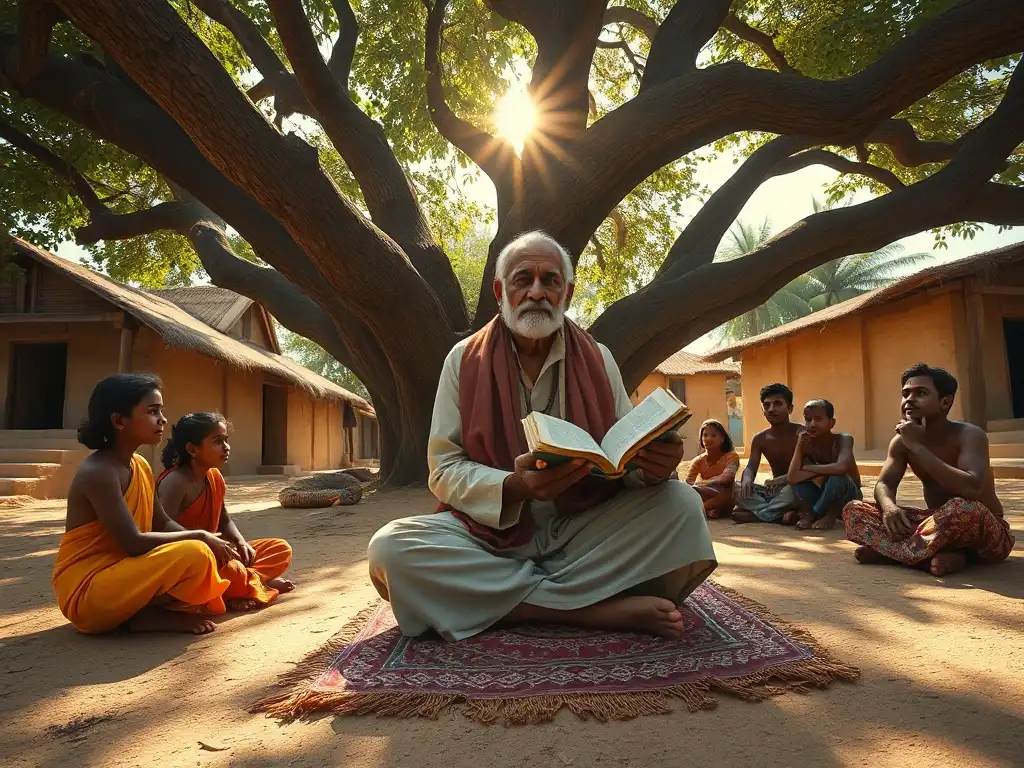
In ancient Indian society, elders held a pivotal role as educators and knowledge keepers, contributing significantly to the social fabric and cultural continuity of their communities. They were revered not only for their age but also for the wisdom and experiences they accumulated throughout their lives. Elders were responsible for the transmission of knowledge—both practical and philosophical—to the younger generations, ensuring that essential skills and cultural values were preserved and passed down.
The educational practices of these elders often took place within the family unit and community gatherings, where storytelling served as a primary method of teaching. They imparted knowledge about history, mythology, and local customs, fostering a sense of identity amongst their listeners. This role was particularly vital in a society where written records were limited, and oral traditions were the primary means of preserving the past.
Preservation of Oral Traditions
Oral traditions in ancient India were not merely stories; they were crucial tools for imparting wisdom, culture, and values. Elders were the custodians of these traditions, using their storytelling prowess to engage the community and instill a shared sense of belonging. By reciting epics, folklore, and parables, they preserved the collective memory of their people, reinforcing social norms and moral lessons.
Additionally, the oral transmission of knowledge allowed for adaptability and resilience within cultural practices. Elders could modify stories to reflect contemporary issues while maintaining core values, thereby ensuring relevance across generations. This dynamic form of education fostered an environment where cultural heritage thrived, directly influencing the identity and cohesion of various caste groups.
Teaching Values and Ethical Conduct
Elders in ancient Indian society were instrumental in teaching values and ethical conduct, acting as moral compasses for their communities. They instilled principles such as respect for elders, honesty, duty (dharma), and non-violence (ahimsa) through both direct instruction and exemplary behavior. The teachings of these elders were often rooted in religious texts and philosophies, which provided a framework for ethical living.
The emphasis on moral education was vital in maintaining social order, as it encouraged individuals to act responsibly within their roles in the caste system. Elders often mediated conflicts and offered guidance in ethical dilemmas, reinforcing the importance of community harmony and individual integrity. Their influence helped shape not only personal character but also the collective ethos of society.
The presence of elders in ancient Indian society significantly contributed to social stability. Their roles extended beyond education; they were integral to the maintenance of social structures that defined the caste system. Through their authority and wisdom, they fostered an environment where traditions were respected, and societal norms were upheld.
Maintaining Hierarchical Structures
Elders played a critical role in maintaining the hierarchical structures inherent in the caste system. Their status and experience granted them the authority to enforce social norms and expectations, ensuring that individuals adhered to their prescribed roles. This reinforcement of hierarchy was essential in preventing social discord, as it established clear boundaries for behavior within each caste.
Moreover, elders often acted as intermediaries between different castes, facilitating communication and negotiation. Their wisdom enabled them to navigate complex social dynamics, promoting a sense of order and predictability in interactions. This function was crucial in a society where caste delineations were strict and often contentious.
Promoting Social Cohesion and Order
By fostering a sense of belonging and shared identity, elders promoted social cohesion within their communities. Through their teachings and guidance, they created a supportive environment where individuals felt connected to their cultural heritage. This sense of belonging was especially important in a caste-based society, where social hierarchies could lead to isolation or conflict.
Elders also organized community rituals and gatherings, reinforcing bonds among individuals and groups. These events served to celebrate cultural practices and collective achievements, further strengthening the fabric of society. By nurturing relationships and encouraging collaboration, elders played a vital role in sustaining social order and harmony in ancient India.
The elders in ancient Indian society were not merely figures of authority; they were the guardians of tradition, educators, and pivotal players in the intricate web of social structures. Their contributions to education, social stability, and ethical guidance shaped the cultural landscape of ancient India, leaving a legacy that resonates even in contemporary discussions about caste and community.
Challenges Faced by Elders in Ancient Indian Society
Elders in ancient Indian society, while revered as custodians of tradition and knowledge, faced significant challenges that threatened their roles and the societal structure as a whole. These challenges were multifaceted, stemming from both internal dynamics within the caste system and external influences from the changing political and economic landscape of ancient India.
Changes in Social Dynamics
The rigid structure of the caste system, which placed elders in a position of authority within their communities, began to experience shifts as societies evolved. The emergence of new economic systems, particularly during the period of urbanization and trade, led to changes in social dynamics.
- Decline in Traditional Authority: As trade routes expanded and new economic opportunities arose, younger generations began to prioritize wealth and entrepreneurship over traditional roles dictated by caste. This shift resulted in a decline in the authority of elders, as younger individuals sought to assert their independence and influence.
- Inter-Caste Interactions: Increased interaction among different castes, fueled by economic necessity, challenged the established norms of segregation and hierarchy. Elders, who traditionally mediated relationships within and between castes, found their roles diminished as new alliances formed outside of rigid caste boundaries.
- Education and Knowledge: The rise of education, especially through the influence of Buddhism and later Islamic scholars, created a more informed younger population. This new generation often questioned the teachings and authority of elders, leading to a reevaluation of their roles in guiding societal values and practices.
The Influence of External Forces on Traditional Roles
External forces, including invasions, migrations, and the spread of new ideologies, further complicated the status of elders in ancient Indian society.
- Political Changes: The establishment of various kingdoms and empires brought about political changes that sometimes undermined the local power of elders. As rulers instituted new laws and governance structures, the traditional authority of elders was often overlooked, leading to conflicts over power and influence.
- Cultural Exchange: The arrival of different cultures through trade and conquest introduced new philosophies and social structures. Elders had to navigate these changes, adapting their roles while trying to maintain the core values of their own traditions. This cultural exchange often led to a blending of practices, which could dilute the authority and influence of traditional elders.
- Religious Transformations: The spread of different religious movements, such as Buddhism and later Islam, also posed challenges to the authority of Brahmin elders, who had been the primary religious guides in Hindu society. As these new religions gained followers, the established order faced scrutiny and competition, further complicating the elders' role in preserving tradition.
Conclusion: The Legacy of Elders in Ancient Indian Society
The legacy of elders in ancient Indian society is a testament to their critical role in shaping cultural and social norms. Despite the challenges they faced, the contributions of these guardians of tradition cannot be overstated. Their influence persisted, adapting to the changing landscape while striving to maintain the essence of ancient Indian values.
Reflection on the Role of Elders in Modern Context
In modern India, the role of elders continues to evolve, reflecting a complex interplay of tradition and contemporary values. While many families still honor the wisdom of their elders, the dynamics of nuclear families and urbanization have shifted the way respect and authority are perceived.
- Cultural Relevance: Elders are often seen as repositories of cultural knowledge, playing a vital role in passing down traditions and family histories. Their experiences and insights remain invaluable, especially in navigating the complexities of modern life.
- Adapting to Change: Many elders today engage with modern technology and education, bridging generational divides. By embracing change while preserving core values, they remain relevant in their families and communities.
The Continuing Influence of Elders on Contemporary Indian Culture
The continuing influence of elders on contemporary Indian culture is evident in various aspects of daily life.
- Family Structure: Elders often serve as the backbone of family units, providing guidance and emotional support during critical life events. Their participation in rituals, festivals, and decision-making processes underscores their enduring significance in social cohesion.
- Cultural Preservation: As custodians of cultural practices, elders play a crucial role in preserving languages, folklore, and traditional arts. They act as mentors to younger generations, ensuring that the richness of ancient Indian heritage is not lost amidst modernization.
The legacy of elders in ancient Indian society, while challenged by changing dynamics, continues to resonate in today's world. Their role as guardians of tradition remains a vital link to the past, influencing contemporary culture and familial structures across India.
- Introduction to Elders in Ancient Indian Society
- Historical Context of the Caste System in Ancient India
- Functions of Elders in the Caste System
- Elders in Different Castes and Their Unique Roles
- Elders as Educators and Knowledge Keepers
- The Impact of Elders on Social Stability
- Challenges Faced by Elders in Ancient Indian Society
- Conclusion: The Legacy of Elders in Ancient Indian Society
Frequently Asked Questions
What was the role of elders in ancient Indian society?
Elders in ancient Indian society served as guardians of tradition, preserving cultural practices and values within the community. They provided wisdom and guidance to younger generations, ensuring the continuity of social norms.
How did the caste system affect the status of elders?
The caste system elevated the status of elders, particularly in the Brahmin and warrior classes, where their knowledge and experience were highly valued. This structure reinforced their role as authority figures in guiding societal practices.
What were the responsibilities of elders within their families?
Elders were responsible for making crucial family decisions, managing resources, and teaching moral values to younger members. They played a vital role in maintaining family cohesion and upholding traditional practices.
How did elders contribute to education in ancient India?
Elders were pivotal in the education system, often serving as teachers or mentors in gurukuls (traditional schools). They imparted knowledge about scriptures, philosophy, and the arts, ensuring the transmission of cultural heritage.
What impact did elders have on community governance?
Elders often participated in community councils, influencing decisions that affected the social order. Their experience and wisdom helped maintain peace and harmony, reinforcing their role as leaders in ancient Indian society.
Final Reflection: The Enduring Legacy of Elders in Ancient Indian Society
The role of elders in ancient Indian society remains profoundly relevant today, as their wisdom and guidance continue to shape our understanding of tradition and community. In a world increasingly driven by rapid change and technological advancement, the insights of those who have come before us offer a vital connection to our roots. The reverence for elders, as guardians of tradition, serves as a reminder of the importance of intergenerational knowledge and the values that have sustained societies for centuries.
Culturally, the influence of elders in the caste system has left an indelible mark on the social fabric of India. Their position as custodians of customs and practices has not only preserved the essence of ancient traditions but has also fostered a sense of identity and belonging among communities. As we navigate the complexities of modern life, we can look to the words of Mahatma Gandhi, who said, The best way to find yourself is to lose yourself in the service of others.
This sentiment echoes the enduring significance of elders, who selflessly dedicate their lives to the betterment of society and the nurturing of future generations.
As we reflect on the lessons imparted by the elders of ancient Indian society, let us embrace the opportunity to honor their legacy in our own lives. Consider how you can integrate the wisdom of the past into your daily interactions and decisions.
Whether it’s through seeking guidance from those older than you or sharing your own experiences with younger generations, each of us has a role to play in bridging the gap between tradition and modernity. Together, we can cultivate a society that values the contributions of all ages, ensuring that the wisdom of our elders continues to illuminate the path forward.
Embrace the Wisdom of Tradition!
Thank you for exploring the nuanced role of elders within the caste system of ancient India! You’ve examined how these guardians of tradition shaped societies and preserved cultural heritage. Now, it's time to reflect and connect on a deeper level with this vital aspect of our history.
Here are some actionable steps you can take to deepen your understanding and involvement:
- Engage with your community: Participate in discussions about the impact of elders in your cultural context. Gather insights and share experiences that resonate with your findings.
- Share your knowledge: Write down your thoughts and reflections inspired by this exploration. Consider posting them on social media or a blog to spark conversations about the significance of tradition.
- Explore related resources: Seek out books, documentaries, or local events focused on the role of tradition in society. Discover how these historical insights can illuminate current challenges.
What traditional wisdom from your own culture do you believe could serve as a guiding light in today's society?