
Understanding the Concept of Dharma in Family Relationships

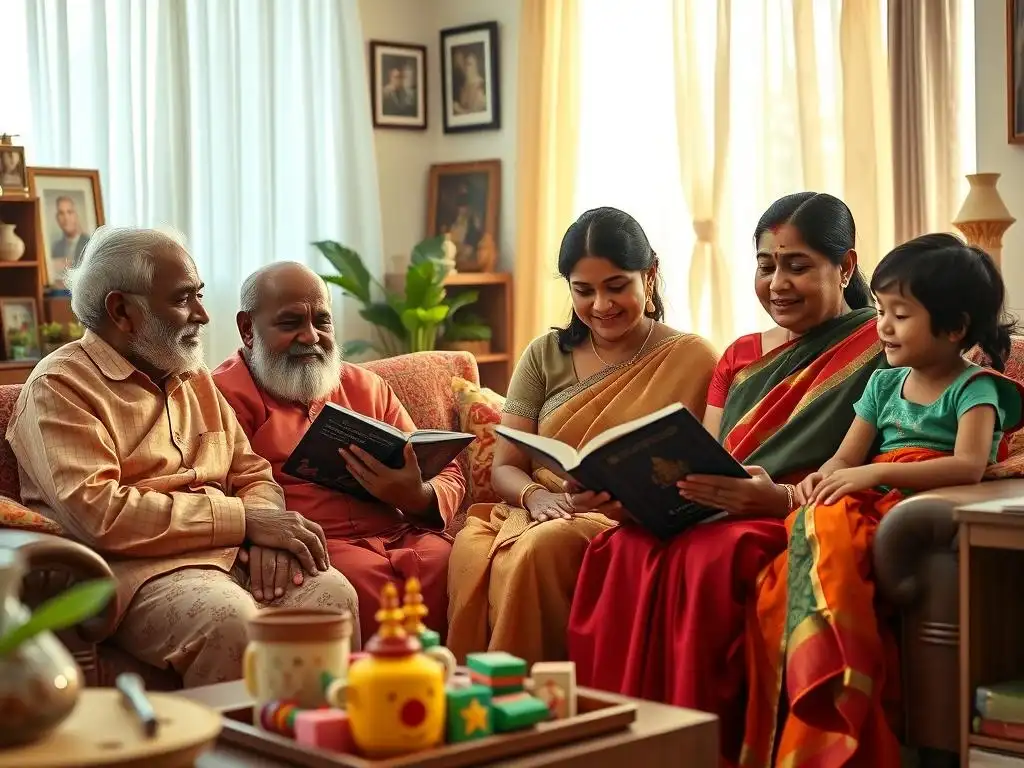
Welcome to Ancient India History, where we embark on a fascinating journey through the rich tapestry of India's past. Here, we delve into the intricate layers of culture and civilization that have shaped the subcontinent, from the advanced societies of the Indus Valley to the intellectual prowess of the Gupta Empire. In our featured article, Understanding the Concept of Dharma in Family Relationships, we unravel how the principle of Dharma plays a pivotal role in shaping family dynamics and societal norms.
Prepare to explore the profound connections between duty, morality, and familial bonds that have influenced generations. Join us as we uncover the wisdom of ancient traditions and their lasting impact on today's society.

Introduction to Dharma in Indian Family Culture
In the intricate tapestry of Indian family culture, the concept of Dharma plays a pivotal role, guiding relationships and interpersonal dynamics. Rooted in ancient philosophies, Dharma transcends mere duty or obligation; it embodies a moral framework that dictates the responsibilities individuals hold towards their families, society, and themselves. This article delves into the multifaceted nature of Dharma, particularly within the context of family relationships, exploring its significance and historical evolution from ancient civilizations like the Indus Valley to the influential Vedic period.
Definition of Dharma in the Context of Family
Dharma, derived from the Sanskrit root "dhr," signifies that which upholds or sustains. In the realm of family, it encompasses moral duties, ethical conduct, and social responsibilities that bind family members together. These duties can vary based on one's role in the family, such as being a parent, child, or spouse. For instance:
- Parents are expected to provide care, education, and moral guidance.
- Children have the duty to respect and care for their parents, especially in their old age.
- Spouses are bound by mutual respect, support, and fidelity.
Thus, Dharma fosters a sense of harmony and balance within the family unit, ensuring that relationships are nurtured and responsibilities are fulfilled.
Importance of Dharma in Indian Society and Culture
The significance of Dharma extends beyond the confines of individual families, influencing broader societal norms and values. In Indian culture, Dharma is considered a cornerstone for maintaining social order and stability. It encourages:
- Cooperation and mutual respect among family members.
- A strong sense of community and belonging.
- The transmission of cultural values and traditions across generations.
Moreover, Dharma contributes to conflict resolution within families, guiding members to act with integrity and uphold familial ties even in challenging circumstances. This enduring relevance of Dharma highlights its essential role in shaping Indian family culture and social interactions.
Historical Evolution of Dharma in Family Relationships
Throughout history, the concept of Dharma has evolved, influenced by various socio-political and cultural transformations. Understanding its historical context provides insight into how family relationships have been shaped over millennia.
Ancient Texts and Scriptures Discussing Dharma
Ancient Indian texts, such as the Vedas, Upanishads, and Smritis, serve as foundational sources discussing Dharma. These scriptures not only outline the principles of Dharma but also provide guidelines for family conduct, detailing the responsibilities of each family member. For example, the Manusmriti, a significant text in Hindu law, enumerates the duties of men and women within the family structure, emphasizing the importance of adhering to one's Dharma for societal harmony.
The Role of Dharma in the Indus Valley Civilization
The Indus Valley Civilization, one of the earliest urban cultures in India, exhibited signs of complex social structures that likely emphasized familial roles and responsibilities. Although direct texts are scarce, archaeological evidence suggests that the people of this civilization valued community life, cooperation, and possibly early forms of Dharma that governed family interactions. This foundational organization laid the groundwork for later interpretations of Dharma in subsequent cultural phases.
Dharma during the Vedic Period and its Influence on Family Life
The Vedic period marked a significant evolution in the understanding of Dharma, particularly as it pertained to family life. During this time, rituals and customs became intertwined with the concept of Dharma, guiding family relationships through prescribed duties and ethical conduct. The societal roles defined during this era created a framework within which families operated, influencing marriage practices, parenting styles, and the overall structure of family life in ancient India.
Through exploring these themes, we gain a deeper understanding of how Dharma has shaped and continues to influence family relationships in Indian culture, reflecting the enduring legacy of ancient traditions in contemporary society.
Key Principles of Dharma in Indian Family Culture
The concept of Dharma holds a central place in Indian family culture, embodying the ethical and moral principles that guide individuals in their familial roles. At its core, Dharma emphasizes righteousness, duties, and responsibilities that each member of the family must uphold to maintain harmony and social order. This principle is not merely a set of rules but a holistic framework that encourages individuals to act in accordance with their roles and responsibilities, fostering a sense of belonging and unity within the family structure.
One of the primary aspects of Dharma is its adaptability to various life stages and familial roles, ensuring that every member understands their unique contributions. For instance, the responsibilities of a parent differ significantly from those of a child or a sibling, yet each role is equally vital for the family's overall well-being. By adhering to Dharma, family members cultivate respect, love, and support, which are essential for nurturing strong familial bonds.
The Concept of Righteousness and Ethical Conduct
Righteousness in the context of Dharma refers to the moral compass that guides actions and decisions within the family. Ethical conduct is deeply rooted in the traditions and scriptures of ancient India, often derived from texts like the Bhagavad Gita and the Manusmriti. These texts outline the importance of truthfulness, integrity, and justice in family dealings.
In practical terms, this righteousness manifests in everyday interactions, where family members are encouraged to communicate honestly and strive for fairness in their relationships. For example, parents are expected to model ethical behavior for their children, teaching them the value of honesty and respect. This moral foundation not only strengthens family ties but also influences how members interact with society at large.
Duties and Responsibilities of Family Members
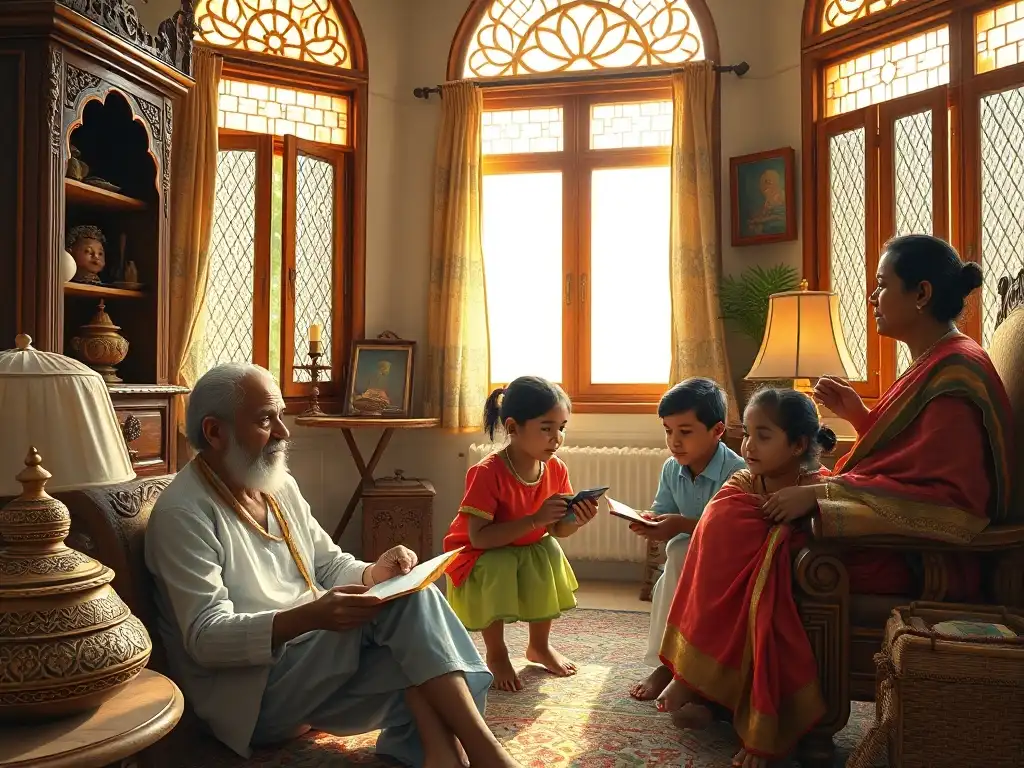
The duties and responsibilities outlined by Dharma vary according to the position of each family member, reflecting a hierarchical yet cooperative structure. Elders typically bear the responsibility of guiding and nurturing younger members, while younger individuals are expected to show respect and obedience.
Key Responsibilities Include:
- Parents: Providing for the family’s physical and emotional needs, imparting values, and ensuring education and moral development.
- Children: Showing respect, obedience, and care for parents, particularly in their old age, as well as actively participating in family duties.
- Siblings: Supporting one another, sharing responsibilities, and fostering loyalty and trust.
By fulfilling these roles, family members contribute to a balanced and harmonious household, reinforcing the principles of Dharma.
Interpersonal Relationships and Dharma
Interpersonal relationships within the family are significantly influenced by the concept of Dharma, which encourages cooperation, understanding, and respect. Each relationship, whether between spouses, parents and children, or siblings, is guided by specific Dharma principles that dictate expected behaviors and interactions.
For instance, in marital relationships, Dharma stresses mutual respect, love, and support. Couples are expected to work together in fulfilling their duties, balancing personal aspirations with family obligations. Moreover, siblings are taught to assist and protect each other, fostering a strong support system that can endure challenges. This interconnectedness helps build resilience within the family, ensuring that members stand together in times of need.
The Role of Dharma in Marriage Practices
Dharma plays a pivotal role in shaping marriage practices in Indian culture, guiding the rituals, customs, and ethical expectations associated with matrimony. These practices are not only about the union of two individuals but also reflect the intertwining of their families and communities within a framework of shared responsibilities and mutual respect.
Weddings in India often incorporate various rituals that symbolize the commitment to uphold Dharma in the marital relationship. These customs serve as reminders of the duties each partner must fulfill, both to each other and to their families.
How Dharma Shapes Marriage Rituals and Customs
Marriage rituals in India are deeply rooted in Dharma, often featuring symbolic acts that emphasize the responsibilities and expectations of married life. For instance, during the saat phere (seven circumambulations around the sacred fire), couples make vows that express their commitment to support each other in fulfilling their respective Dharmic duties.
These rituals are designed to reinforce the idea that marriage is a partnership grounded in shared responsibilities, where both partners must work together to uphold their values and commitments. Each ritual serves as a reminder of the ethical and moral obligations that come with the union, ensuring that both partners are aware of their roles in nurturing a harmonious family life.
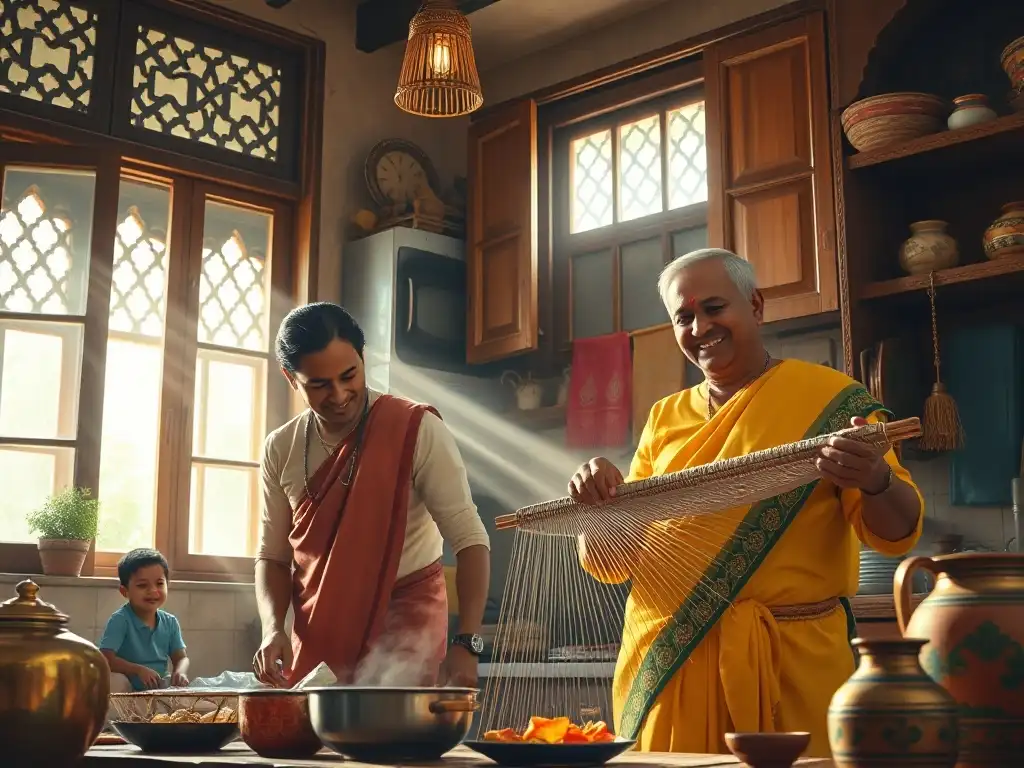
Sadharma, meaning shared duties, is an essential aspect of marriage in Indian culture, highlighting the importance of collaboration between spouses. This concept underscores that both partners are equally responsible for fulfilling their Dharmic obligations, which fosters equality and mutual respect within the marriage.
Sadharma encourages couples to communicate openly about their responsibilities and to support each other in their roles. This collaborative approach not only strengthens the bond between partners but also positively impacts the entire family unit, as both parties work towards common goals and shared values.
Examples of Dharma in Matrimonial Alliances
Real-life examples of Dharma in matrimonial alliances can be observed through various family practices and customs across India. In many families, the arranged marriage system emphasizes the importance of compatibility not just between individuals but also between families, ensuring that both parties are aligned in their values and responsibilities.
Additionally, the practice of dowry, while often criticized, is sometimes approached within the framework of Dharma, where families view it as a means of supporting the newlyweds in their shared responsibilities. This perspective emphasizes the cooperative nature of marriage, where both families contribute to the couple's new life together.
Through these examples, it becomes clear that Dharma is not just a philosophical concept but a practical guide that shapes family dynamics, marriage practices, and interpersonal relationships, fostering a cohesive and harmonious family environment in Indian culture.
Dharma and Parenting in Indian Families
Dharma plays a pivotal role in shaping parenting practices within Indian families. Rooted in ancient texts and traditions, the concept of Dharma emphasizes moral duties, righteousness, and ethical conduct. In the context of parenting, Dharma encompasses the responsibilities that parents hold towards their children, guiding them not only in their upbringing but also in instilling values that reflect the family's cultural heritage. This holistic approach to parenting ensures that children grow up with a strong sense of identity, morality, and respect for their elders and community.
Indian families often perceive parenting as a sacred duty, where the parents are seen as the primary architects of their children's character and future. The relationship between parents and children is thus built on mutual respect, love, and adherence to Dharma, which is crucial for fostering harmonious family dynamics. By nurturing a child's spiritual, emotional, and intellectual growth in alignment with Dharma, parents aim to prepare them for their roles in society, ensuring continuity of familial and cultural values.
Parental Duties as a Form of Dharma
In Indian culture, parental duties are considered a vital expression of Dharma. These responsibilities extend beyond mere provision of basic needs; they encompass the moral and ethical upbringing of children. According to texts like the Manusmriti, parents are expected to guide their children in learning, character formation, and spiritual development. This includes:
- Education: Providing formal and informal education that emphasizes not just academic achievement but also moral values and social responsibility.
- Discipline: Instilling a sense of discipline and respect for rules, which helps children understand boundaries and the importance of societal norms.
- Emotional Support: Offering love, care, and emotional guidance to foster a secure environment where children can flourish.
When parents fulfill these duties, they practice Dharma, promoting the well-being of their children and, by extension, the community.
The Role of Children in Upholding Family Dharma
Children also have a significant role in upholding family Dharma. As they grow, they are taught the importance of respecting their elders and honoring family traditions. This reciprocal relationship between parents and children reinforces the values of duty and respect in the family unit. Key responsibilities of children include:
- Respecting Elders: Acknowledging the wisdom and experience of older family members is fundamental. Children are taught to seek guidance and blessings from their parents and grandparents, which strengthens familial bonds.
- Participating in Family Traditions: Engaging in rituals and customs fosters a sense of belonging and continuity within the family. This participation is seen as a duty that reinforces cultural heritage.
- Assisting in Family Duties: Helping with household responsibilities and decision-making processes demonstrates a commitment to the family's welfare and reinforces the principle of service, which is a core aspect of Dharma.
Through these actions, children embody the principles of Dharma, ensuring that the values and teachings of their parents persist across generations.
Balancing Tradition and Modernity in Parenting
In contemporary Indian society, parents often face the challenge of balancing traditional values with modern influences. While there is a strong emphasis on upholding Dharma, the rapid pace of change in social norms and technological advancements requires families to adapt. This balancing act can manifest in various ways:
- Adopting New Educational Practices: While traditional methods emphasize rote learning and moral instruction, many modern parents are integrating experiential learning and critical thinking into their parenting, promoting a more holistic approach.
- Negotiating Gender Roles: Traditional views often dictate specific roles for sons and daughters. However, contemporary parenting increasingly encourages equal participation in household duties and decision-making, reflecting modern values of gender equality while still honoring familial responsibilities.
- Cultural Adaptation: Parents are finding ways to keep their cultural heritage alive while embracing new lifestyles, such as incorporating traditional festivals into modern celebrations, ensuring that children appreciate their roots while navigating a globalized world.
This dynamic interplay between tradition and modernity enriches the concept of Dharma in parenting, allowing families to evolve while remaining grounded in their cultural identity.
Case Studies of Dharma in Family Relationships
Historical Examples of Dharma in Prominent Families
Throughout history, several prominent Indian families have exemplified the principles of Dharma in their relationships. For instance, the Kuru family from the Mahabharata epitomizes the complexities of Dharma in familial duties. Characters like King Dhritarashtra and Bhishma faced moral dilemmas involving loyalty, justice, and familial love, illustrating the struggle to balance personal desires with the greater good of the family and society.
Another notable example is the Gupta Empire, where the rulers emphasized Dharma as a guiding principle in governance and family life. Their commitment to Dharma was reflected in their patronage of arts, education, and religious tolerance, fostering a thriving cultural environment that benefited their family and the empire as a whole.
Contemporary Interpretations of Dharma in Today’s Families
In modern Indian families, the interpretation of Dharma has evolved, reflecting the changing societal landscape. Contemporary families often navigate the complexities of individual aspirations while maintaining familial bonds. Here are some examples of how Dharma is interpreted today:
- Work-Life Balance: Many families now prioritize creating a balance between professional commitments and family time, recognizing the importance of nurturing relationships while pursuing personal goals. This reflects a modern understanding of Dharma, where individual fulfillment supports family harmony.
- Interfaith and Intercaste Marriages: As society becomes more inclusive, families are increasingly embracing interfaith and intercaste unions, often redefining Dharma to encompass acceptance and love over rigid adherence to traditional norms.
- Emphasis on Mental Health: The growing awareness of mental health issues has led many families to prioritize emotional well-being over strict adherence to traditional expectations, showcasing a broader interpretation of Dharma that values compassion and understanding.
These contemporary interpretations demonstrate that while the core principles of Dharma remain significant, families are adapting to ensure relevance in today’s diverse societal context.
Challenges to Dharma in Modern Indian Families
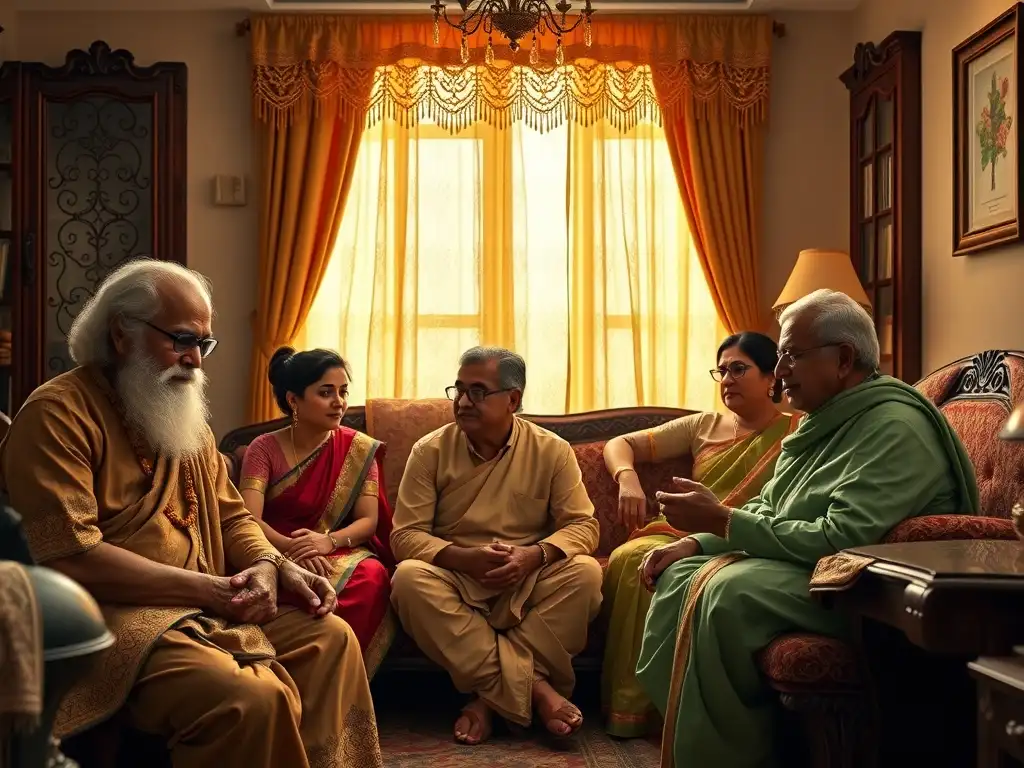
The concept of Dharma has been a guiding principle in Indian family culture for centuries, shaping relationships and responsibilities. However, as society evolves, modern families face numerous challenges that threaten the traditional understanding of Dharma. These challenges arise from various socio-economic and cultural shifts, necessitating a reevaluation of how Dharma is practiced in contemporary contexts.
The Impact of Urbanization on Family Dynamics
Urbanization has significantly transformed family structures and dynamics in India. As more individuals migrate to urban areas in search of better opportunities, traditional joint family systems are increasingly replaced by nuclear families. This shift can lead to the dilution of familial responsibilities that are intrinsic to Dharma.
Urban environments often promote individualism, where personal aspirations take precedence over collective family welfare. This change can create a disconnect from traditional values, leading to conflicts regarding duty and obligation. For instance, younger generations may prioritize career advancement over family commitments, challenging the expectations set by their elders.
Moreover, the fast-paced urban lifestyle can strain relationships, making it more difficult for family members to engage in the practices that reinforce Dharma, such as spending quality time together and participating in family rituals. The result is a potential erosion of the foundational values that have historically governed family relationships.
Struggles with Traditional vs. Modern Values
The clash between traditional and modern values presents another significant challenge to Dharma in Indian families. While traditional values emphasize duty, respect for elders, and familial obligations, modern values often advocate for personal freedom and equality. This dichotomy can lead to generational conflicts, as younger family members may question the relevance of traditional practices.
For instance, in matters of marriage, the pressure to conform to family expectations regarding caste or arranged marriages may conflict with the desire for love marriages based on personal choice. Such struggles can lead to feelings of guilt, resentment, and confusion about one's duties, ultimately challenging the adherence to Dharma.
Additionally, the influence of globalization has introduced diverse cultural norms that can clash with established Indian traditions. As families navigate these complexities, they may find it difficult to uphold the principles of Dharma in a way that satisfies both traditional and modern expectations.
Reaffirming Dharma in the Face of Change
Despite the challenges posed by urbanization and the clash of values, there are opportunities to reaffirm Dharma in modern Indian families. One approach is to reinterpret Dharma to align with contemporary realities without losing its essence. This can involve recognizing the importance of individual aspirations while still honoring familial responsibilities.
Family members can engage in open dialogues about their values and expectations, fostering a culture of respect and understanding. By allowing space for discussions around Dharma, families can collaboratively redefine their roles and obligations, ensuring that the concept remains relevant in a changing society.
Moreover, integrating traditional practices into modern lifestyles can help families maintain a connection to their heritage. Celebrating festivals, participating in rituals, and sharing stories of family history can reinforce the importance of Dharma, bridging the gap between past and present.
Conclusion: The Relevance of Dharma in Indian Family Culture Today
While modern Indian families face numerous challenges that impact the practice of Dharma, the concept remains vital in guiding relationships and responsibilities. Understanding how to navigate these changes is essential for preserving the cultural significance of Dharma within family structures.
Summary of Key Insights on Dharma
- Urbanization shifts family dynamics from joint to nuclear structures, often challenging traditional responsibilities.
- Generational conflicts arise as traditional and modern values clash, complicating the adherence to Dharma.
- Open dialogue and reinterpretation of Dharma can help families navigate contemporary challenges while honoring their heritage.
The Future of Dharma in Evolving Family Structures
Looking ahead, the future of Dharma in Indian family culture will likely require a balanced approach. As society continues to evolve, families must find ways to adapt traditional principles to modern contexts. This may involve embracing flexibility and allowing for personal choices within the framework of familial duties.
By fostering an environment that values both individual aspirations and collective responsibilities, families can ensure that Dharma remains a cornerstone of their relationships. Ultimately, the ability to integrate the wisdom of the past with the realities of the present will determine the ongoing relevance of Dharma in Indian family culture.
References and Further Reading on Dharma in Indian Family Culture
Understanding the concept of Dharma in Indian family culture is integral to appreciating the complexities of ancient Indian society. Various texts and scholarly resources delve into the philosophical, social, and emotional dimensions of Dharma, particularly its implications within family relationships. This section provides a compilation of recommended texts and articles that serve as valuable resources for those wishing to explore this topic further.
Recommended Texts and Resources for Deeper Understanding
- "The Bhagavad Gita"
- A seminal text that discusses Dharma in various contexts, including familial duties. It provides philosophical insights into righteousness and moral obligations, making it a critical resource for understanding family relationships.
- "Dharma: Its Meaning and History" by R. C. Sharma
- This book offers a comprehensive exploration of the concept of Dharma throughout Indian history, including its application in familial contexts. It examines how Dharma has shaped family roles and responsibilities.
- "The Laws of Manu" (Manusmriti)
- This ancient legal text outlines the duties and responsibilities of family members, emphasizing the importance of adhering to Dharma in maintaining social order and harmony within the family unit.
- "Hindu Ethics: A Philosophical Study" by J. N. Mohanty
- This work provides an analytical approach to Hindu ethical principles, including Dharma, and discusses how these principles influence family dynamics and relationships.
- "Indian Family Systems: A Psychological Perspective" by S. R. Sharma
- This text offers insights into the psychological aspects of family systems in India, discussing how the concept of Dharma shapes family interactions and emotional well-being.
Additional Articles on Family and Marriage Practices in Ancient India
- "Understanding Marriage Traditions in Ancient India"
- This article explores the various marriage customs and practices that were prevalent in ancient Indian society, emphasizing the role of Dharma in shaping marital relationships.
- "The Role of Women in Indian Family Structures"
- A detailed examination of how women’s roles within the family were influenced by the concept of Dharma, highlighting the balance of responsibilities and rights.
- "Child Rearing Practices in Ancient Indian Families"
- This piece discusses the significance of Dharma in parenting and child upbringing in ancient India, focusing on the moral and ethical teachings passed through generations.
- "Evolving Perspectives on Family Dynamics in Ancient India"
- An analysis of how family structures and relationships have evolved over time, particularly in relation to the enduring principles of Dharma.
These texts and articles provide a multifaceted understanding of Dharma and its significance in the fabric of Indian family culture, offering valuable insights for anyone interested in the history and societal norms of ancient Indian civilization.
- Introduction to Dharma in Indian Family Culture
- Historical Evolution of Dharma in Family Relationships
- Key Principles of Dharma in Indian Family Culture
- The Concept of Righteousness and Ethical Conduct
- Duties and Responsibilities of Family Members
- Interpersonal Relationships and Dharma
- The Role of Dharma in Marriage Practices
- How Dharma Shapes Marriage Rituals and Customs
- The Concept of Sadharma: Shared Duties in Marriage
- Examples of Dharma in Matrimonial Alliances
- Dharma and Parenting in Indian Families
- Case Studies of Dharma in Family Relationships
- Challenges to Dharma in Modern Indian Families
- Conclusion: The Relevance of Dharma in Indian Family Culture Today
- References and Further Reading on Dharma in Indian Family Culture
Frequently Asked Questions
What is Dharma in the context of Indian family culture?
Dharma refers to the moral duty and ethical conduct that individuals are expected to uphold within their family and society, guiding their actions and relationships.
How does Dharma influence family relationships in India?
In Indian culture, Dharma shapes the roles and responsibilities within families, promoting respect, loyalty, and support among family members, thus fostering harmony.
What are some examples of Dharma in family roles?
Examples of Dharma include the responsibilities of parents to nurture their children, the duty of children to care for their elders, and the expectation of spouses to support each other.
How has the concept of Dharma evolved over time?
While the core principles of Dharma remain intact, its interpretation has evolved, adapting to modern challenges and changing family structures in contemporary Indian society.
Why is understanding Dharma important for modern Indian families?
Understanding Dharma helps families navigate conflicts, strengthen bonds, and uphold traditions, ensuring that they maintain a balance between heritage and modernity.
Final Reflection: Embracing Dharma in Indian Family Culture
The concept of Dharma is not merely an ancient philosophy; it is a living principle that shapes our family relationships today. In a world increasingly driven by individualism, the teachings of Dharma remind us of our responsibilities towards one another, fostering harmony and understanding within the family unit. As we navigate the complexities of modern life, the essence of Dharma serves as a guiding light, illuminating the path towards stronger familial bonds and mutual respect.
Cultural narratives surrounding Dharma continue to resonate deeply within our society, influencing how we perceive our roles and responsibilities. The teachings of Dharma encourage us to reflect on our actions and their impact on our loved ones, promoting a sense of duty and care that transcends generations. Dharma is the foundation of a harmonious society; it is the glue that binds families together.
This ongoing influence of Dharma in Indian family culture not only shapes interpersonal dynamics but also reinforces the values of compassion and duty that are essential for nurturing healthy relationships.
As you ponder the insights shared in this article, I invite you to reflect on how the principles of Dharma can be woven into your own family life. Consider how you can embody these values in your daily interactions, fostering an environment of love, respect, and understanding. By embracing the teachings of Dharma, you can contribute to a more harmonious family dynamic and, in turn, a more compassionate society. Let us carry forward this legacy of Dharma, ensuring that it continues to thrive in our homes and hearts for generations to come.
Embrace Your Dharma Today!
Thank you for exploring the timeless concept of Dharma within family relationships! Your interest in this profound theme has provided you with insights that can transform your interactions and strengthen your familial bonds. Now, it's time to take action and integrate these principles into your daily life.
Here are a few steps you can take to embody Dharma in your family:
- Reflect on Your Roles: Take a few moments today to meditate on the roles you play in your family. Consider how you can fulfill your responsibilities with greater love and honor.
- Start a Family Discussion: Organize a casual gathering to explore the idea of Dharma together. Share your thoughts and encourage open dialogue about responsibilities and values.
- Spread the Wisdom: Think about writing a short note or creating a post on social media to share what you've learned about Dharma. This could inspire others to reflect on their own relationships!
How will you begin to live your Dharma within your family today? Share your thoughts and let’s spark a meaningful conversation!