
The Role of Elders in Guiding Family and Marriage Decisions

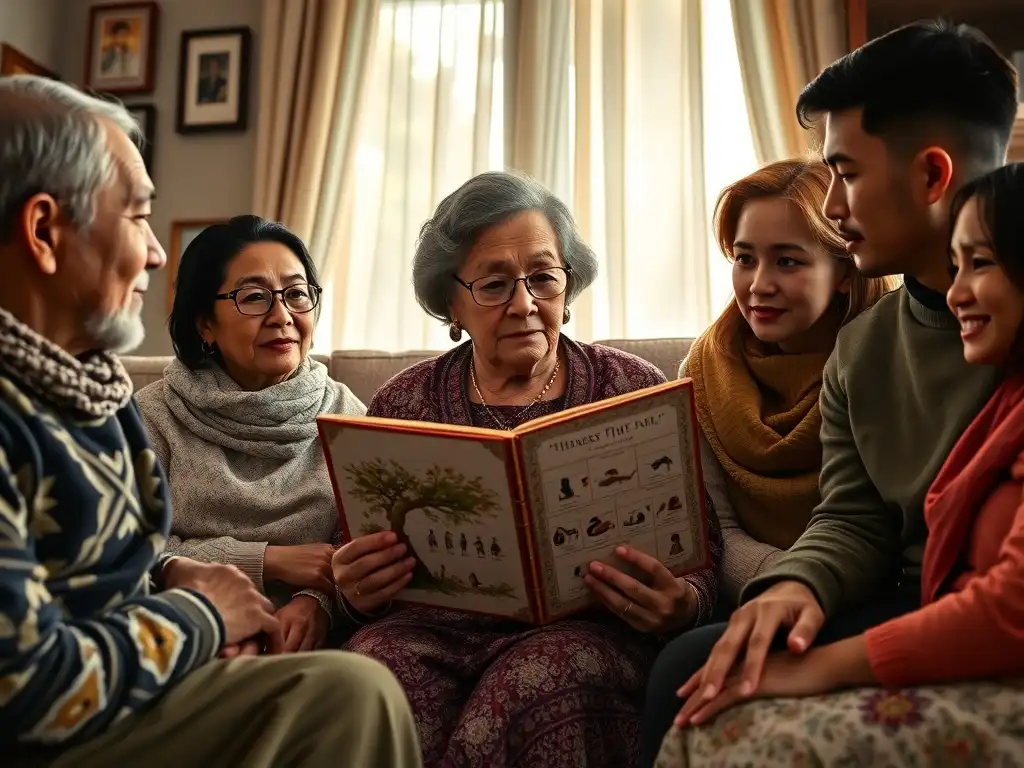
Welcome to Ancient India History, where we embark on a captivating journey through the rich and diverse tapestry of ancient Indian civilizations. From the remarkable achievements of the Indus Valley to the intellectual zenith of the Gupta Empire, our exploration reveals the profound cultural influences that shaped society.
In this article, we delve into the vital role of elders in guiding family and marriage decisions, uncovering how their wisdom and authority have shaped interpersonal relationships throughout history. Prepare to be intrigued as we unravel the intricate connections between tradition and modernity—let's dive deeper into the age-old customs that continue to resonate today!
Introduction to Elders' Influence on Marriage Decisions
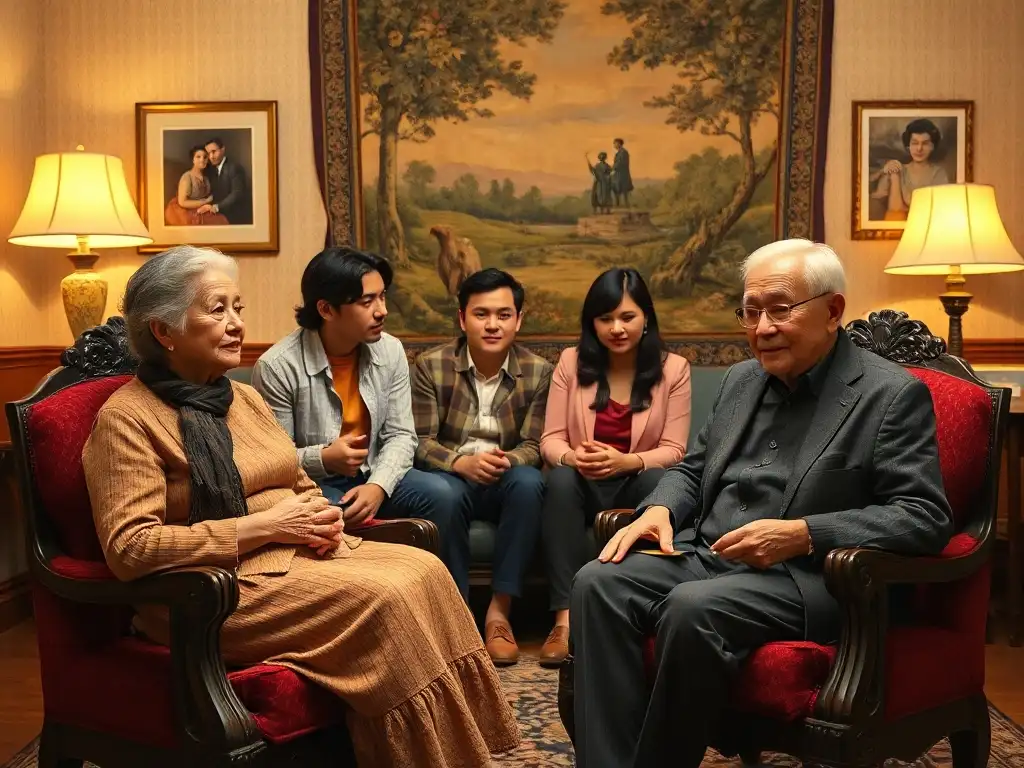
In the intricate tapestry of ancient Indian society, the influence of elders on marriage decisions has been a cornerstone of family structure and cultural continuity. Elders, often revered for their wisdom and experience, played a pivotal role in guiding the younger generation through the complexities of marital choices. Their involvement was not merely a matter of tradition but a reflection of the social fabric that prioritized familial harmony and community values.
Understanding the elders' influence on marriage decisions illuminates the broader context of family dynamics, cultural practices, and societal expectations in ancient India. This article delves into how the guidance of elders shaped marriage practices, ensuring alignment with societal norms and familial aspirations.
Defining the Role of Elders in Ancient Indian Society
Elders in ancient Indian society were not just family members; they were the custodians of culture, morality, and tradition. Their role encompassed several key aspects:
- Wisdom and Experience: Elders were often seen as the keepers of knowledge, having lived through various life experiences that allowed them to offer valuable insights into marital compatibility and family dynamics.
- Decision-Making Authority: In many families, the final say on marriage proposals often rested with the elders. Their approval was essential, as it symbolized the family's endorsement of the union.
- Mediators: Elders frequently acted as mediators during disputes or discussions related to marriage, ensuring that the perspectives of both families were heard and respected.
This multifaceted role underscores the respect and authority that elders commanded within the family unit, shaping not only marriage decisions but also the overall structure of society.
Importance of Marriage in Indian Culture
Marriage in ancient India was not just a personal union; it was a significant social institution that intertwined with various aspects of life. Key points highlighting its importance include:
- Cultural Continuity: Marriages were seen as a means of preserving cultural heritage, enabling the transmission of traditions and values from one generation to the next.
- Social Alliances: Marriages often served to strengthen alliances between families, enhancing social status and community ties.
- Religious Significance: Many marriages were conducted with rituals that held deep religious meaning, marking the union as sacred and divinely blessed.
Thus, the role of elders in marriage decisions was crucial, as they ensured that these unions adhered to cultural and spiritual standards.
Historical Context of Elders in Family Decisions
To truly appreciate the elders' influence on marriage decisions, it is vital to explore the historical context that shaped their authority and roles within families.
Elders as Authority Figures in Ancient Indian Families
Historically, the family structure in ancient India was patriarchal, with elders, particularly male figures, wielding significant authority. This authority was often derived from:
- Social Hierarchies: Elders were typically respected figures within their communities, their status reinforced by age, wisdom, and social standing.
- Cultural Norms: Societal expectations dictated that younger family members seek guidance from elders, reinforcing their role as decision-makers in marriage.
The reliance on elders as authority figures ensured that marriage decisions were made with careful consideration of familial and societal expectations, promoting stability and continuity.
Traditional Practices and Beliefs Surrounding Marriage
Traditional practices surrounding marriage in ancient India were deeply interwoven with cultural beliefs and societal norms. Some noteworthy aspects include:
- Arranged Marriages: The custom of arranged marriages prevailed, where elders would negotiate unions based on compatibility and family standing.
- Dowry System: Elders often played a crucial role in discussions regarding dowries, reflecting the economic aspects intertwined with marriage.
- Ceremonial Roles: Elders typically held significant positions during wedding ceremonies, symbolizing their blessing and approval of the union.
These practices highlight how elders were integral to not only the decision-making process but also the rituals and customs that defined marriage in ancient India, reinforcing their influence on family dynamics and societal structures.
The Influence of Elders on Marriage Choices
Elders have historically played a pivotal role in shaping marriage decisions within families in ancient India. Their influence extends beyond mere advice; they are often seen as the custodians of tradition and family honor. In many communities, the choice of a spouse is not solely an individual affair but a family decision. Elders are entrusted with the responsibility of ensuring that marriages align with cultural, social, and economic expectations. This is particularly significant in societies where arranged marriages are prevalent, as the elders' wisdom and experience are thought to lead to more favorable outcomes for the family.
Elders often guide younger generations in assessing potential partners based on various criteria, including social status, educational background, and compatibility with family values. Their involvement aims to foster stability and ensure that marital unions are beneficial for both families involved. The respect and authority that elders command in these decisions underscore their integral role in the social fabric of ancient Indian society.
How Elders Shape Marriage Decisions in Different Regions
The influence of elders on marriage decisions varies significantly across different regions of India, reflecting the rich tapestry of cultural practices. In northern states like Punjab and Haryana, the tradition of arranged marriages is deeply embedded in social norms. Here, elders actively participate in the matchmaking process, often relying on their networks to find suitable partners within the community. They assess the families' reputations, ensuring that the match is not only harmonious but also socially advantageous.
Conversely, in southern states such as Kerala and Tamil Nadu, while arranged marriages are also common, there is a growing acceptance of love marriages. Nevertheless, elders still play a crucial advisory role, guiding younger individuals on how to navigate familial expectations and societal norms. In these regions, elders may also emphasize the importance of compatibility and shared values, balancing traditional practices with modern influences.
In tribal communities, the role of elders can be even more pronounced, as they often hold authoritative positions within their clans. Their decisions regarding marriage can dictate social alliances and the transfer of resources, which are central to the community’s cohesion and survival. This regional variation highlights how the influence of elders adapts to local customs while maintaining the core principle of familial involvement in marriage decisions.
The Role of Elders in Matchmaking and Arranged Marriages
In the context of arranged marriages, elders serve as the primary matchmakers, leveraging their social networks and knowledge of community dynamics. They meticulously evaluate potential matches based on numerous factors, including caste, religion, and economic status. The goal is to create alliances that not only strengthen family ties but also enhance social standing within the community.
Elders often conduct interviews with both families, ensuring that the prospective couple aligns in terms of values and expectations. They may also facilitate meetings between families, creating an environment where both parties can assess the compatibility of the prospective bride and groom. This matchmaking process underscores the belief that elders possess the wisdom necessary to make informed decisions that can lead to successful marital outcomes.
Moreover, in many cases, elders also provide guidance on negotiation aspects, such as dowries and other marriage customs, ensuring that these arrangements are conducted with respect and adherence to tradition. Their involvement is crucial in maintaining the dignity and honor associated with marriage in ancient Indian society.
Cultural Significance of Elders in Family Dynamics
Elders hold a revered position in family dynamics, serving as the cornerstone of familial wisdom and continuity. Their presence is often associated with stability, providing emotional and practical support to younger family members. In many cultures, the advice of elders is sought not only in marriage decisions but also in various aspects of life, reflecting their importance as custodians of family traditions and values.
Their insights are particularly valued during key life events, such as weddings, where they guide rituals and ceremonies, ensuring that these practices align with cultural significance. This role reinforces the notion that elders are integral to preserving the family's heritage, instilling a sense of identity and belonging within the younger generations.
Elders as Mediators in Family Conflicts
Elders often act as mediators in family disputes, leveraging their authority and experience to resolve conflicts amicably. Their involvement is crucial in situations where disagreements may arise regarding marriage decisions. For instance, if a younger family member wishes to marry outside their community or against familial expectations, elders can provide a bridge between differing viewpoints.
Through dialogue and negotiation, elders facilitate understanding and compromise, often reminding family members of their shared values and the importance of family unity. This mediating role is essential in maintaining harmony, as conflicts can lead to long-lasting rifts within families.
The Impact of Elders on Family Values and Ethics
The influence of elders extends to the impartation of family values and ethics, shaping the moral framework within which younger generations operate. They embody the principles of respect, duty, and honor, often setting the standard for how family members should conduct themselves in relationships and society at large.
Elders instill a sense of responsibility among younger family members, emphasizing the importance of making decisions that honor the family lineage. This moral guidance is particularly significant in the context of marriage, where the choices made by one individual can have repercussions for the entire family. By fostering an understanding of ethical considerations, elders help ensure that marriage decisions reflect the family's values, contributing to a cohesive and principled family structure.
Case Studies: Examples of Elders' Influence on Marriage Decisions
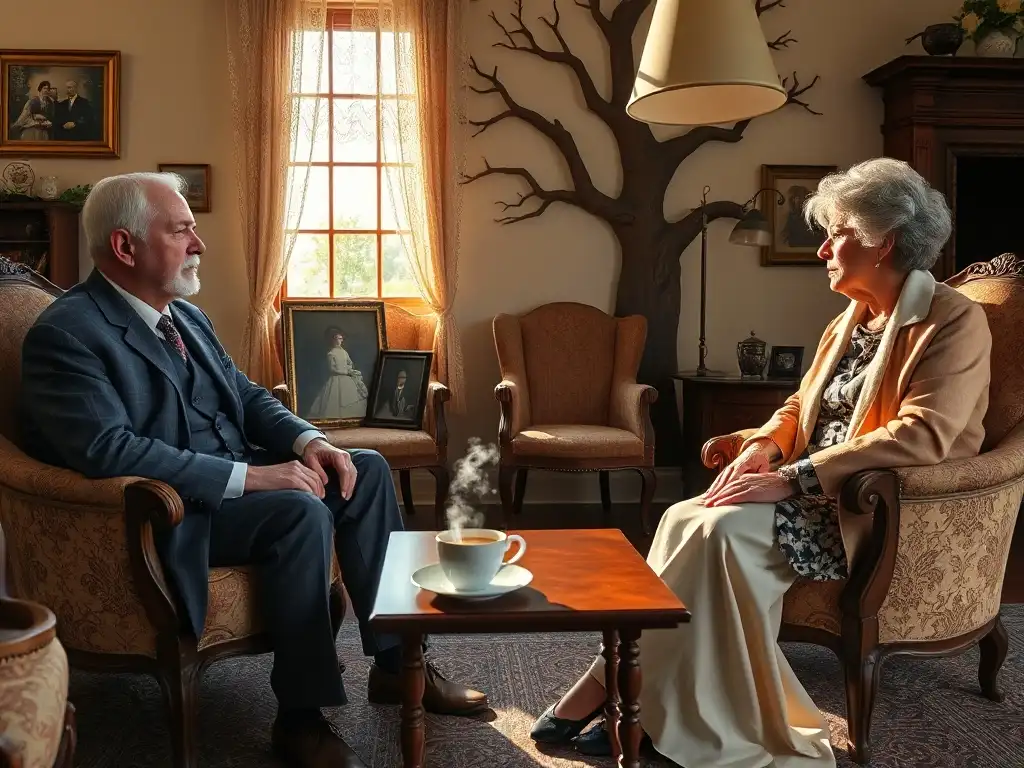
The influence of elders in marriage decisions is a deeply ingrained aspect of many Indian cultures, reflecting the values of respect, wisdom, and familial unity. Numerous case studies illustrate how elders play a crucial role in guiding marriage choices, often acting as mediators, advisors, and decision-makers within families.
The Role of Elders in a Traditional Punjabi Wedding
In traditional Punjabi weddings, the role of elders is paramount. Families often rely on the wisdom and experience of senior members to navigate the complexities of marriage arrangements. Elders are typically involved in the matchmaking process, where they assess potential partners based on family background, social status, and compatibility.
For example, in a typical Punjabi family, the maternal uncle (maternal uncle) and grandmother often take the lead in discussions about prospective brides or grooms. Their insights into family histories and values help in establishing a connection between the two families. The elders not only facilitate the initial introductions but also play a key role in negotiating dowries and other aspects of the wedding, ensuring that traditions are upheld and that both families come to a mutually beneficial agreement.
In many cases, the blessings of elders are considered essential for a successful marriage. The rituals often reflect this importance, with ceremonies emphasizing the couple's respect for their elders. This deep-rooted tradition showcases how elders’ influence on marriage decisions is not merely a formality but a significant cultural practice.
Elders' Influence in South Indian Arranged Marriages
In South India, arranged marriages are a prevalent practice, and elders are often the linchpins in these arrangements. The families of both the bride and groom usually consult with elders, seeking their wisdom and approval in selecting a suitable match. The elders' roles extend beyond mere matchmaking; they are also involved in assessing compatibility through horoscopes and other traditional methods.
For instance, in a typical Tamil Brahmin family, the parents and grandparents will often review the astrological charts of the prospective couple to ensure their compatibility. This practice is so integral that many families will not proceed with a match unless the elders give their consent based on these evaluations.
Moreover, in South Indian culture, the involvement of elders is also crucial during the wedding ceremonies themselves. Elders perform significant rituals, symbolizing their blessings for the couple. The couple often seeks guidance from their elders on family values and responsibilities, further reinforcing the elders' influence in shaping marital dynamics.
Challenges to Elders' Influence in Modern Times
While the influence of elders in marriage decisions has a rich history, contemporary society presents several challenges to this traditional role. As younger generations embrace modern values, the dynamics of family and marriage are evolving, leading to a shift in how elders influence these decisions.
Changing Perspectives on Marriage in Contemporary India
In recent years, there has been a noticeable shift in perspectives on marriage, particularly among urban youth. The rise of individualism and the desire for personal choice have led many young people to prioritize love and compatibility over familial approval. This shift is evident in the increasing acceptance of love marriages, where individuals choose their partners without significant involvement from elders.
Young couples today often seek to forge their paths, leading to a reevaluation of the elders' roles in marriage decisions. While many still respect and seek the guidance of their elders, the decision-making process is increasingly a collaborative effort between partners, reflecting a more egalitarian approach to marital relationships. The challenge for elders lies in adapting to these changing norms while retaining their influence and ensuring family harmony.
The Impact of Globalization and Education on Family Decisions
Globalization has significantly impacted family dynamics and marriage decisions in India. Exposure to diverse cultures and ideas has led to a blending of traditional and modern values. Young Indians, influenced by global trends and educational opportunities, often develop different expectations regarding marriage and family life.
Education plays a crucial role in this transformation. As more individuals pursue higher education and career opportunities, they tend to prioritize personal aspirations over traditional expectations. This shift often results in young people delaying marriage or opting for partners outside their families' preferences, challenging the longstanding influence of elders.
Moreover, globalization has facilitated increased mobility, allowing young people to interact with a broader spectrum of cultures and ideas. As a result, the traditional authority of elders in marriage decisions is being redefined, prompting a need for dialogue and understanding between generations. The challenge now lies in how families can balance respect for elders' wisdom while embracing the evolving perspectives of younger generations in the context of marriage.
Conclusion: The Enduring Role of Elders in Marriage Decisions
The influence of elders on marriage decisions in ancient India is a robust testament to the longstanding traditions that shape familial relationships. Elders serve as the guardians of cultural values and societal norms, ensuring that the sanctity of marriage is upheld. Their wisdom, derived from years of life experience, provides a framework within which younger generations navigate the complexities of romantic relationships and marital commitments. In many communities, the involvement of elders is not merely a tradition but a necessary element that integrates personal choices with familial expectations, fostering harmony and stability within households.
Elders act as mediators, balancing individual desires with collective familial aspirations. Their guidance often encompasses more than just matchmaking; it also includes advice on compatibility, financial stability, and the responsibilities that come with marriage. In this way, elders play an integral role in creating alliances that benefit both families, further strengthening community ties. The trust placed in their judgment reflects a deep-rooted respect for age and experience that transcends generations.
Summary of Elders' Influence on Marriage Choices
Elders exert a profound influence on marriage choices through various means, including arranged marriages, consultations, and the impartation of values. In traditional Indian society, arranged marriages are common, with families seeking the approval and involvement of elders to ensure compatibility and alignment of familial interests. This practice is rooted in the belief that elders possess the knowledge necessary to evaluate potential partners beyond superficial attributes.
Moreover, elders often participate in discussions surrounding marital prospects, offering insights based on their understanding of social dynamics and individual character. Their opinions can sway decisions significantly, as they are seen as custodians of wisdom who prioritize the long-term happiness and stability of the family unit. The values and teachings passed down from elders to younger generations also play a critical role in shaping attitudes toward marriage, reinforcing the importance of commitment, respect, and shared responsibilities.
This influence, while sometimes viewed as restrictive by younger individuals seeking autonomy, is often appreciated for its intention to preserve familial bonds and ensure social cohesion. The collective wisdom of elders serves as a guide, helping younger generations navigate the complexities of love and partnership within the framework of societal expectations.
The Future of Elders' Roles in Family and Marriage Practices in India
As India continues to evolve socially and culturally, the role of elders in family and marriage practices is also undergoing transformation. Increasing globalization and modernization have introduced new dynamics into relationships, with younger individuals seeking more autonomy in their marital decisions. However, the fundamental respect for elders remains deeply ingrained in many communities, suggesting that their influence will endure, albeit in a modified form.
The future may see a blending of traditional and contemporary practices, where elders continue to play a pivotal role in marriage decisions while adapting to the changing values of younger generations. This could manifest in a more consultative approach, where elders offer guidance and support without imposing decisions, allowing for a more collaborative dialogue between generations.
Additionally, societal shifts towards greater acceptance of love marriages and inter-caste unions may challenge traditional views, prompting elders to reassess their perspectives on marriage. As they navigate these changes, the challenge will be to balance respect for cultural heritage with the desire for personal freedom among younger individuals. This ongoing negotiation will shape the future landscape of family structures and marriage practices in India, ensuring that the role of elders evolves while maintaining its significance in guiding family and marriage decisions.
- Introduction to Elders' Influence on Marriage Decisions
- Historical Context of Elders in Family Decisions
- The Influence of Elders on Marriage Choices
- Cultural Significance of Elders in Family Dynamics
- Case Studies: Examples of Elders' Influence on Marriage Decisions
- Challenges to Elders' Influence in Modern Times
- Conclusion: The Enduring Role of Elders in Marriage Decisions
- What is the significance of elders' influence on marriage decisions in ancient India?
- How did marriage customs evolve in ancient Indian civilizations?
- What were the typical roles of elders in marriage arrangements?
- How does the elders' perspective on marriage differ across regions in India?
- Are there modern parallels to the elders' influence on marriage decisions today?
Frequently Asked Questions
What is the significance of elders' influence on marriage decisions in ancient India?
Elders played a crucial role in marriage decisions, ensuring that traditions and cultural values were upheld, promoting harmony within families and communities.
How did marriage customs evolve in ancient Indian civilizations?
Ancient Indian civilizations saw marriage customs evolve with time, influenced by various factors such as religion, social structure, and interactions with other cultures, while still retaining the elders' guidance.
What were the typical roles of elders in marriage arrangements?
Elders often acted as mediators and advisors, helping to negotiate terms, assess compatibility, and ensure that both families agreed on the marriage, thus reinforcing social bonds.
How does the elders' perspective on marriage differ across regions in India?
The elders' perspective can vary significantly across different regions, influenced by local customs, traditions, and cultural practices, reflecting a rich tapestry of marital norms throughout India.
Are there modern parallels to the elders' influence on marriage decisions today?
Yes, while modern influences exist, many families still value the elders' influence in marriage decisions, blending traditional wisdom with contemporary views on love and partnership.
Final Reflection: The Timeless Influence of Elders on Marriage Decisions
The role of elders in guiding family and marriage decisions remains profoundly relevant today, as their wisdom and experience serve as a compass for younger generations navigating the complexities of relationships. In a world where individualism often overshadows collective values, the insights of elders can provide a grounding perspective, reminding us of the importance of tradition and community in shaping our choices. Their influence on marriage decisions is not merely a relic of the past; it is a vital resource that can help foster stronger familial bonds and healthier partnerships.
Culturally, the impact of elders extends beyond mere advice; it shapes the very fabric of our social interactions and expectations. The lessons they impart about love, commitment, and conflict resolution resonate through generations, influencing how we perceive and engage in our relationships. As one elder wisely stated, In the tapestry of life, each thread of experience weaves a story that guides those who come after us.
This ongoing dialogue between the past and present underscores the importance of honoring our elders' contributions, as their narratives enrich our understanding of love and partnership.
As you reflect on the insights shared in this article, consider how you can embrace the wisdom of elders in your own life. Take a moment to engage with the older generations around you—listen to their stories, seek their advice, and allow their experiences to shape your understanding of love and marriage. By doing so, you not only honor their legacy but also cultivate a deeper appreciation for the values that can guide your own journey in relationships. Let us carry forward the lessons of our elders, ensuring that their influence continues to illuminate the path for future generations.
Embrace the Wisdom: Take Action for Stronger Families!
Thank you for exploring the profound role of elders in shaping family and marriage decisions. Your interest underscores the importance of these age-old traditions that guide us towards stronger relationships. Now, it’s time to turn this insight into action!
Here are some steps you can take to honor and incorporate this wisdom in your life:
- Engage with your elders: Schedule a visit or a call with a family elder to discuss their experiences and insights on marriage and family decisions. You might be surprised by the rich stories they share!
- Share your learnings: Discuss the insights you gained from this article with friends or family members. Consider organizing a small gathering to emphasize the significance of familial wisdom in today’s world.
- Start a conversation: Write or share a thoughtful post on social media about how elders have influenced your family decisions and encourage others to contribute their stories.
What unique wisdom have you learned from family elders that has impacted your choices in life?