
Culinary Adventures Await: Explore India’s Rich Gastronomic Tours

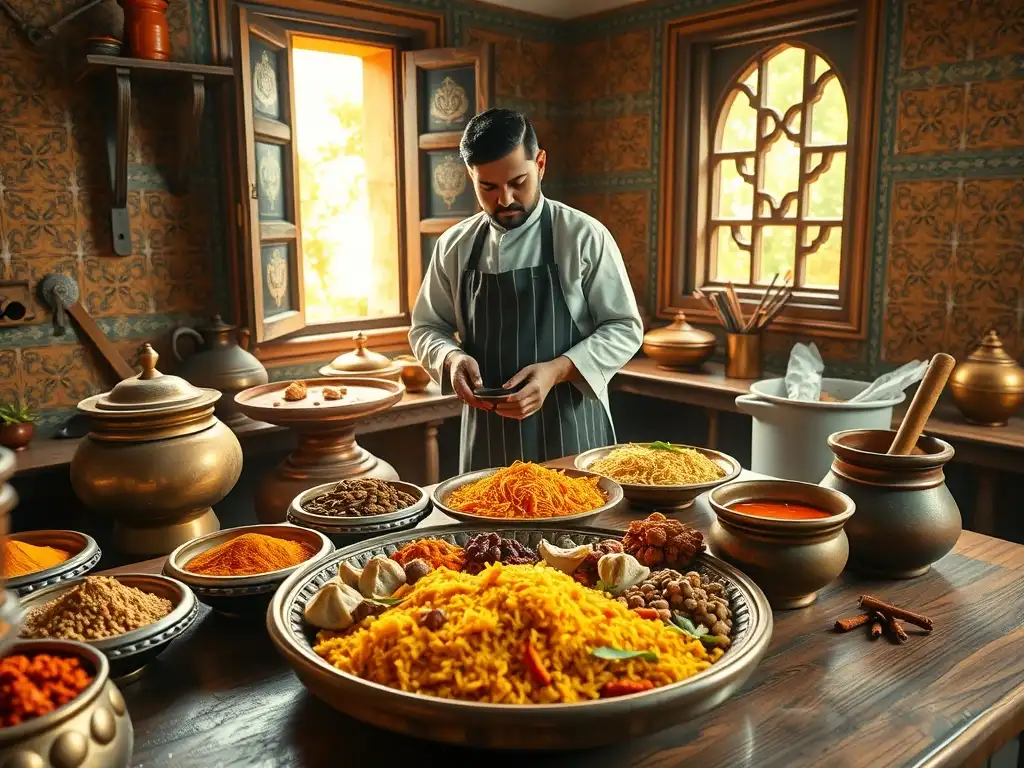
Welcome to Ancient India History, where we embark on a fascinating journey through time to uncover the rich tapestry of ancient Indian civilizations. In this exploration, we invite you to delve into Ancient Indian culinary traditions, a vibrant aspect of our heritage that has shaped the gastronomic landscape of today. Discover the flavors, techniques, and stories behind India’s remarkable culinary history as we take you on a delightful adventure through the ages. Are you ready to savor the past and ignite your curiosity about the culinary treasures waiting to be uncovered? Let’s dive in!
India, a land steeped in history and cultural diversity, offers a unique culinary landscape that reflects its ancient traditions and regional flavors. The country's gastronomic journey takes you through centuries of evolution, where each dish tells a story of civilization, trade, and migration. From the iconic spices of the Indus Valley civilization to the royal kitchens of the Gupta Empire, the ancient Indian culinary traditions are a treasure trove waiting to be explored.
As we embark on this culinary adventure, we will delve into the various aspects of ancient Indian cuisine, highlighting the rich heritage that has shaped modern culinary practices. Whether you're a food enthusiast, a history buff, or a curious traveler, discovering the flavors and techniques of ancient Indian gastronomy will enrich your understanding of the culture and history of this remarkable land.
Introduction to Ancient Indian Culinary Traditions
The roots of ancient Indian culinary traditions can be traced back to the earliest civilizations that thrived on the subcontinent. The Indus Valley Civilization, known for its advanced urban planning and agriculture, laid the foundation for a diverse range of ingredients and cooking methods. Archaeological findings suggest that the people of this era cultivated a variety of grains, pulses, and spices, which became integral to Indian cuisine.
Key Features of Ancient Indian Culinary Traditions:
- Use of Spices: Ancient Indian cooks were pioneers in utilizing spices not just for flavor but also for their preservative and medicinal properties. Spices like turmeric, cumin, and coriander were staples in their kitchens.
- Regional Diversity: The vast geography of India contributed to a wide variety of local ingredients and cooking styles. From the coastal regions that favored seafood to the arid deserts that relied on grains, each region developed its unique culinary identity.
- Cultural Influences: Over the centuries, ancient Indian cuisine absorbed influences from various invaders and traders, including the Mughals, Persians, and Arabs, leading to a rich tapestry of flavors and techniques.
- Religious Practices: Food in ancient India was often intertwined with religious practices, with certain dishes prepared for festivals and rituals. This connection between food and spirituality is still prevalent in modern Indian cuisine.
As we explore the top culinary tours in India, we will uncover how these ancient culinary traditions continue to influence contemporary gastronomy, inviting travelers to taste the past while celebrating the future of Indian cuisine.
The Influence of Ancient Civilizations on Indian Cuisine
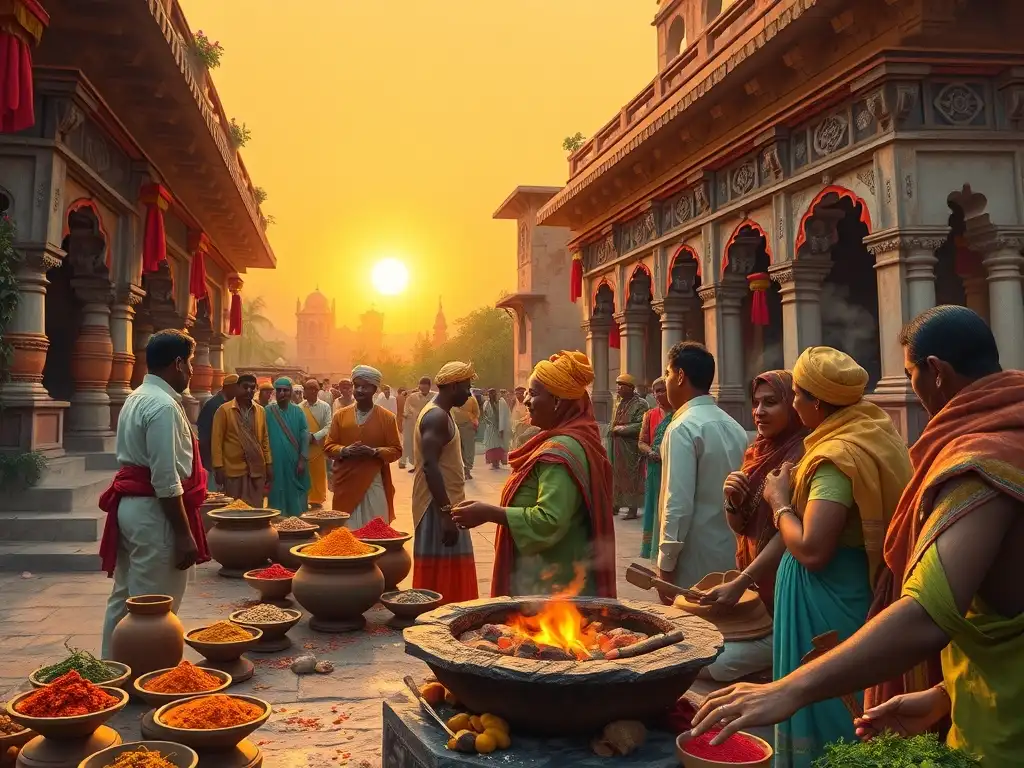
The culinary landscape of India is a tapestry woven from the threads of its ancient civilizations. Each epoch contributed unique ingredients, cooking techniques, and culinary philosophies, establishing a rich heritage that continues to influence modern Indian cuisine. Understanding these influences provides invaluable insight into the evolution of ancient Indian culinary traditions.
Indus Valley Civilization and Its Culinary Contributions
The Indus Valley Civilization, flourishing around 2500 BCE, is often regarded as one of the earliest urban societies. Its contributions to culinary traditions are profound and multifaceted:
- Agricultural Innovations: The Indus Valley people were among the first to practice agriculture, cultivating wheat, barley, peas, and various legumes. This agricultural foundation laid the groundwork for staple foods that are still prevalent in Indian cuisine today.
- Use of Spices and Herbs: Archaeological findings indicate that the people of the Indus Valley utilized spices such as turmeric and mustard. These ingredients not only enhanced flavor but also had preservative properties, which were essential before the advent of modern refrigeration.
- Cooking Techniques: The presence of ovens and pottery suggests advanced cooking techniques. Evidence of clay ovens indicates baking and roasting practices that were likely used to prepare a variety of breads and meats.
- Trade and Cultural Exchange: The Indus Valley's extensive trade networks facilitated the exchange of goods and culinary practices with neighboring civilizations, including Mesopotamia and Persia. This interaction likely introduced new ingredients and cooking methods, enriching local cuisines.
The Maurya and Gupta Empires: A Culinary Renaissance
The Maurya (322–185 BCE) and Gupta (c. 240–550 CE) Empires marked a period of significant cultural and culinary development in ancient India:
- Royal Patronage of Cuisine: Rulers like Ashoka of the Maurya Empire promoted vegetarianism, influenced by Buddhism, which led to the widespread use of pulses, grains, and vegetables in royal kitchens. This not only enriched the culinary repertoire but also emphasized health and sustainability.
- Fusion of Regional Flavors: The Gupta Empire, often referred to as the Golden Age of India, saw a confluence of regional culinary traditions. The integration of diverse ingredients from different parts of India led to the creation of new dishes, characterized by regional spices and cooking techniques.
- Textual References: Ancient texts such as the Manasollasa and Ayurvedic texts provide insights into the food practices of the time. They documented recipes, cooking methods, and the medicinal properties of various ingredients, showcasing the connection between health and cuisine that is a hallmark of Indian culinary traditions.
- Influence of Trade Routes: The expansion of trade routes during these empires facilitated the introduction of exotic ingredients from Southeast Asia and the Mediterranean, contributing to a richer culinary palette. Ingredients like coconut and tamarind became integral to southern Indian cooking, illustrating the diversity of flavors that emerged during this era.
The culinary traditions of ancient India are deeply rooted in its early civilizations. The Indus Valley Civilization's agricultural innovations and the Maurya and Gupta Empires' culinary advancements have collectively shaped the diverse and vibrant tapestry of Indian cuisine that we celebrate today. By exploring these ancient roots, culinary tourists can appreciate the historical significance behind the flavors they encounter on their gastronomic adventures.
Top Culinary Tours in India: An Overview
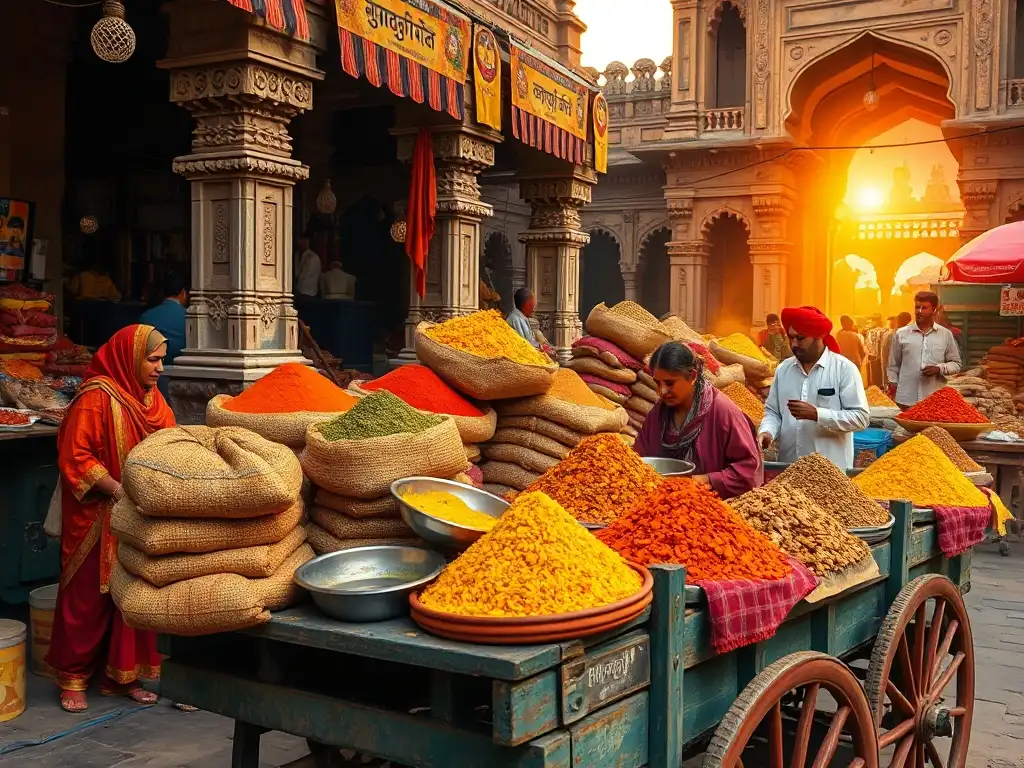
India’s culinary landscape is as diverse and complex as its rich history. Culinary tours in India offer an immersive experience into the ancient Indian culinary traditions that have evolved over millennia. These tours not only tantalize the taste buds but also provide a glimpse into the cultural practices, rituals, and regional specialties that define Indian cuisine.
From the aromatic spices of the Indus Valley Civilization to the sophisticated dishes of the Gupta Empire, ancient Indian culinary traditions have laid the foundation for the diverse food practices seen today. Tourists can explore various regions, each with its unique flavors and cooking techniques that reflect the history and culture of the area.
What to Expect from Culinary Tours in India
When embarking on a culinary tour in India, participants can expect a multifaceted experience that transcends mere food tasting. Here’s what to look forward to:
- Culinary Workshops: Many tours include hands-on cooking classes where participants learn to prepare traditional dishes using ancient recipes. From mastering the art of making naan to understanding the nuances of masala blends, these workshops provide invaluable insights into the cooking style of ancient India.
- Local Markets and Spice Trails: Exploring local markets is a highlight of culinary tours. Tourists can experience the vibrant atmosphere of bustling bazaars, where spices, herbs, and fresh ingredients are sold. Guides often share historical anecdotes about the significance of specific spices, many of which have been used since ancient times.
- Tasting Regional Specialties: Each region in India boasts its own culinary identity shaped by geography, climate, and cultural influences. Participants can indulge in various dishes such as:
- Gujarat: Dhokla and thepla, reflecting the state’s reliance on vegetarian ingredients.
- Punjab: Rich, buttery dishes like makki di roti and sarson da saag that showcase the agrarian lifestyle of ancient Punjab.
- Bengal: The delicate flavors of machher jhol (fish curry) that pay homage to the region's coastal heritage.
- Historical Context and Cultural Insights: Culinary tours often include visits to ancient temples and historical sites, providing context on how food plays a role in rituals and celebrations. Understanding the significance of prasad (food offered to deities) can deepen one’s appreciation of ancient culinary traditions.
- Traditional Dining Experiences: Many tours offer the opportunity to dine with local families or in traditional settings, allowing participants to enjoy meals served on banana leaves or wooden platters, reminiscent of ancient dining customs.
Culinary tours in India serve as a gateway to explore ancient Indian culinary traditions, providing an enriching experience that combines food, history, and culture. Whether you are a food enthusiast or a history buff, these tours promise an unforgettable journey through the flavors of ancient India.
Best Culinary Tours to Experience Ancient Indian Culinary Traditions
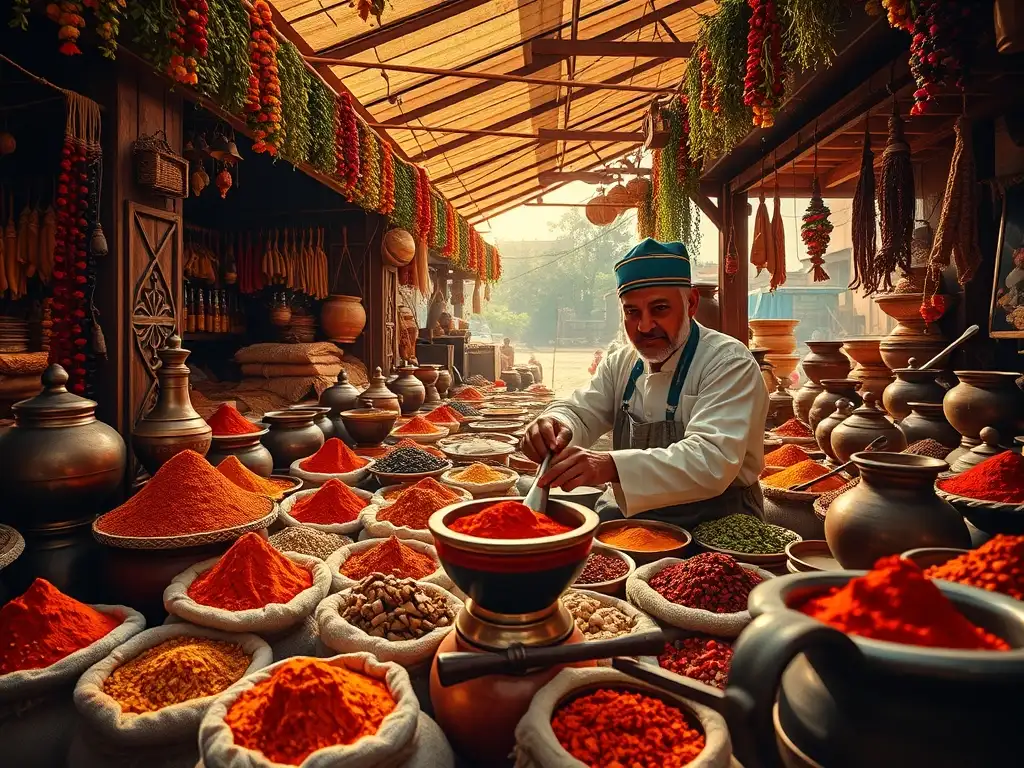
1. The Spice Route Tour: A Journey Through Kerala
The Spice Route Tour in Kerala is an immersive culinary journey that explores the historical significance of spices in ancient Indian culinary traditions. Kerala, known as the "Land of Spices," offers a unique opportunity to witness how the cultivation and trade of spices have influenced not only local cuisine but also global culinary practices.
During this tour, participants will visit spice plantations, where they can see first-hand the growth of spices like cardamom, pepper, and cinnamon, which were highly sought after in ancient trade routes. Guided by local experts, guests will learn about the traditional methods of harvesting and processing these spices, which are integral to many ancient recipes.
Highlights of the Spice Route Tour:
- Plantation Visits: Explore the lush landscapes of spice farms.
- Cooking Classes: Engage in hands-on cooking sessions, learning to prepare traditional Kerala dishes like Sadhya, a festive meal served on a banana leaf.
- Cultural Experiences: Participate in local festivals and markets, where ancient culinary traditions are still celebrated.
The Spice Route Tour not only highlights the importance of spices in ancient Indian culinary traditions but also allows participants to savor the rich flavors of Kerala's cuisine.
2. Rajasthan Food Trail: Flavors of the Desert
The Rajasthan Food Trail offers a deep dive into the royal heritage and ancient culinary practices of this vibrant region. Rajasthan's cuisine is characterized by its use of spices and unique cooking techniques, which have been passed down through generations. The royal kitchens of Rajasthan, known as Rajputana, have played a significant role in shaping these culinary traditions.
On this tour, travelers will explore various cities like Jaipur, Udaipur, and Jodhpur, indulging in traditional dishes such as Dal Baati Churma and Gatte Ki Sabzi. Guests will have the opportunity to learn about the historical significance of these dishes and how they were prepared for royal feasts.
Key Features of the Rajasthan Food Trail:
- Heritage Walks: Discover the history of Rajasthani palaces and how they influenced culinary practices.
- Cooking Demonstrations: Watch expert chefs recreate ancient recipes using traditional methods.
- Local Markets: Explore vibrant bazaars to understand the ingredients that are central to Rajasthani cuisine.
The Rajasthan Food Trail encapsulates the essence of ancient Indian culinary traditions, showcasing how history and culture are interwoven into the fabric of the region's food.
3. Delhi Street Food Tour: A Taste of Urban Tradition
The Delhi Street Food Tour is a vibrant exploration of the capital's rich culinary landscape, deeply rooted in ancient Indian traditions. Delhi's street food scene is a melting pot of flavors, reflecting the diverse cultural influences that have shaped the city over centuries.
Participants will savor iconic dishes such as Chaat, Parathe, and Jalebi, each with its own story that dates back to ancient times. The tour guides will share fascinating anecdotes about how these street foods have evolved, maintaining their traditional roots while adapting to modern tastes.
Tour Highlights:
- Food Tasting: Sample a variety of street foods from renowned vendors who have been perfecting their craft for decades.
- Culinary History: Gain insights into how ancient culinary traditions influence contemporary street food.
- Interactive Experiences: Engage with local vendors and learn about their cooking techniques and the history behind their dishes.
The Delhi Street Food Tour is an appetizing journey through urban tradition, showcasing the enduring legacy of ancient Indian culinary practices that continue to thrive in the bustling streets of Delhi.
4. The Coastal Culinary Adventure in Goa
Goa, a picturesque coastal state in India, is renowned not only for its stunning beaches but also for its vibrant culinary landscape that beautifully reflects ancient Indian culinary traditions. The fusion of various influences over the centuries has led to a unique cuisine that combines the indigenous flavors with those brought by Portuguese colonizers, making Goa a must-visit destination for culinary enthusiasts.
The Essence of Goan Cuisine
At the heart of Goan culinary traditions lies the abundant use of fresh seafood, coconut, and spices, which echo the region's historical trade connections. Traditional dishes such as fish curry, prawn balchão, and vindaloo showcase a rich tapestry of flavors. The use of kokum, a local fruit, adds a distinctive tanginess to many Goan preparations, while the liberal use of coconut milk creates a creamy texture that complements the spices beautifully.
- Key Ingredients:
- Seafood: Fresh fish, crabs, and prawns.
- Coconut: Used in various forms, including grated, milk, and oil.
- Spices: A blend of local and imported spices, including turmeric, coriander, and garam masala.
- Kokum: A souring agent that is unique to the region.
Culinary Tours in Goa
A culinary adventure in Goa typically involves guided tours that take you through local markets, where you can witness the vibrant colors and aromas of fresh produce and spices. Many tours include cooking classes where participants can learn the art of preparing authentic Goan dishes under the guidance of expert chefs. These experiences often celebrate ancient Indian culinary traditions by incorporating age-old recipes that have been passed down through generations.
- Popular Tour Options:
- Market Tours: Visit bustling local markets to shop for fresh ingredients.
- Cooking Classes: Hands-on sessions to learn traditional recipes.
- Food Tastings: Sampling a variety of cuisines, including street food delights.
Iconic Dishes to Try
When exploring Goa's culinary scene, there are several iconic dishes that you shouldn't miss. Each dish tells a story, reflecting the cultural amalgamation that defines Goan cuisine:
- Goan Fish Curry: A staple in every Goan household, made with fresh fish and a blend of spices simmered in coconut milk.
- Prawn Balchão: A spicy prawn pickle that is perfect as an accompaniment to rice or bread.
- Xacuti: A rich and aromatic curry made with chicken or lamb, featuring roasted spices and coconut.
- Sannas: Sweet, fluffy steamed rice cakes often enjoyed with curries.
The Experience Beyond Food
Beyond the exquisite flavors, a culinary tour in Goa also offers a glimpse into the region's cultural heritage. Many culinary experiences are set against the backdrop of beautiful landscapes, historical sites, and traditional Goan architecture, allowing participants to immerse themselves fully in the essence of Goa.
As you indulge in the culinary delights of Goa, you're not just tasting food; you're experiencing a rich history that interweaves ancient Indian culinary traditions with the vibrant culture of this coastal paradise. Whether you're savoring a traditional meal by the beach or participating in a cooking workshop, the Coastal Culinary Adventure in Goa promises an unforgettable journey through flavors and history.
The Role of Spices in Ancient Indian Culinary Traditions
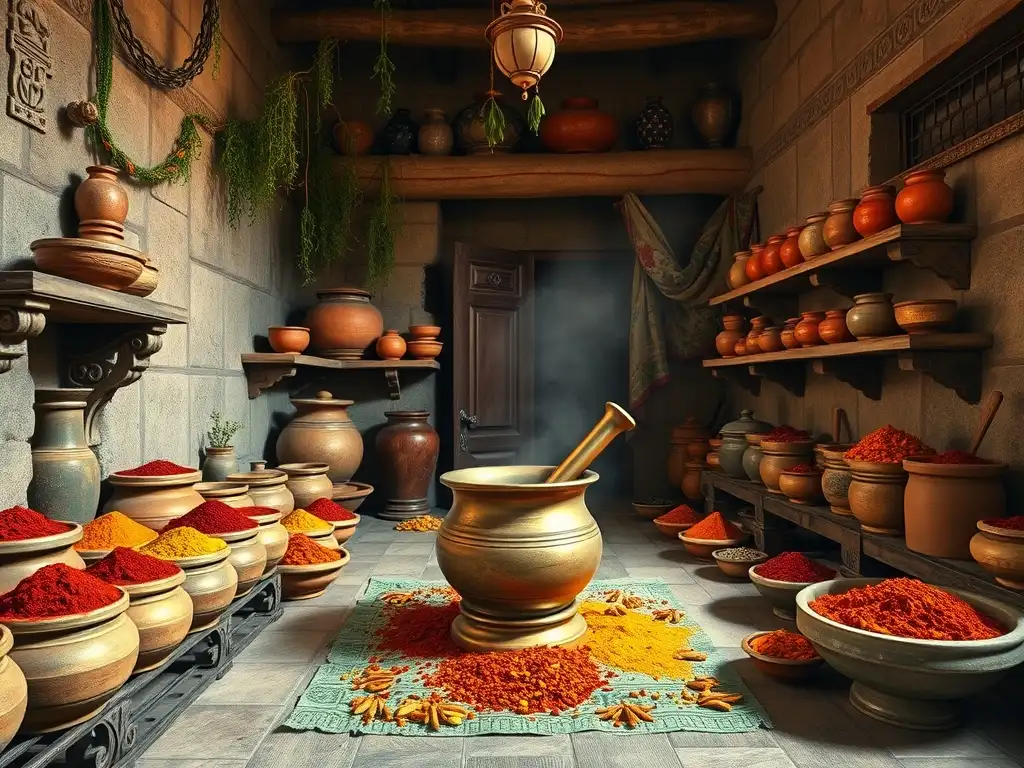
Spices have long been a cornerstone of ancient Indian culinary traditions, shaping not only the flavors of the dishes but also influencing trade, culture, and health practices. Ancient Indian civilizations recognized the diverse properties of spices, using them to enhance the taste of food, preserve perishable items, and even as medicinal remedies. The integration of spices into daily cooking reflects the culinary sophistication of ancient Indian society, where flavor and health were intricately linked.
Understanding the Spice Trade and Its Impact
The spice trade in ancient India was a complex and expansive network that facilitated the exchange of goods, culture, and knowledge across continents. Spices such as black pepper, cardamom, and turmeric were highly sought after, not only in India but also in regions as far as Europe and the Middle East. This trade significantly impacted ancient Indian culinary traditions in several ways:
- Economic Development: The demand for spices led to flourishing trade routes. Cities like Kochi and Calicut became bustling ports, facilitating the exchange of spices and other goods.
- Cultural Exchange: As merchants traveled along these trade routes, they brought with them new culinary ideas and techniques. This exchange enriched Indian cuisine, introducing foreign spices and cooking methods that were blended with local traditions.
- Preservation Techniques: Spices were utilized not only for flavor but also for preserving food, a crucial aspect before the advent of refrigeration. The antimicrobial properties of spices like turmeric and garlic made them essential in extending the shelf life of perishable items.
The impact of these trade networks can still be observed today in the vibrant and diverse flavors that characterize modern Indian cuisine, echoing the rich heritage of ancient culinary practices.
Top Spices to Discover on Your Culinary Tour
Exploring the ancient Indian culinary traditions would be incomplete without experiencing the wide array of spices that have shaped the flavors of Indian dishes for centuries. Here are some of the top spices to discover on your culinary tour:
- Turmeric (Haldi): Known for its vibrant yellow color and health benefits, turmeric is a staple in Indian cooking. It has anti-inflammatory properties and is often used in curries and rice dishes.
- Cardamom (Elaichi): Often referred to as the "queen of spices," cardamom adds a unique sweetness and aroma to both savory and sweet dishes. It’s commonly used in chai and various desserts.
- Cumin (Jeera): This earthy spice is integral to many Indian dishes, providing a warm flavor. Cumin seeds are often used in tempering and are a key ingredient in spice blends like garam masala.
- Black Pepper (Kali Mirch): Known as the "king of spices," black pepper has been a significant export from India for centuries. It adds heat and depth to dishes and is a versatile seasoning.
- Fenugreek (Methi): Both the seeds and leaves of fenugreek are used in cooking. The seeds have a slightly bitter taste, while the leaves provide a unique flavor to curries and dals.
- Mustard Seeds (Rai): These seeds are often used for tempering dishes, providing a pungent flavor. They are also essential in making pickles and various regional dishes.
- Saffron (Kesar): The most expensive spice in the world, saffron is known for its distinct color and flavor. It is used in dishes like biryani and sweets to impart a luxurious touch.
- Chili Peppers (Lal Mirch): A staple for adding heat, chili peppers have become ubiquitous in Indian cuisine. They are used in various forms, including fresh, dried, and as powder.
Exploring these spices not only offers insight into the ancient culinary traditions of India but also showcases the country’s rich agricultural heritage. Each spice carries with it a story of its journey, from cultivation to its role in the kitchen, making every culinary tour an adventure steeped in history and flavor.
Culinary Experiences Beyond Tours: Cooking Classes and Workshops
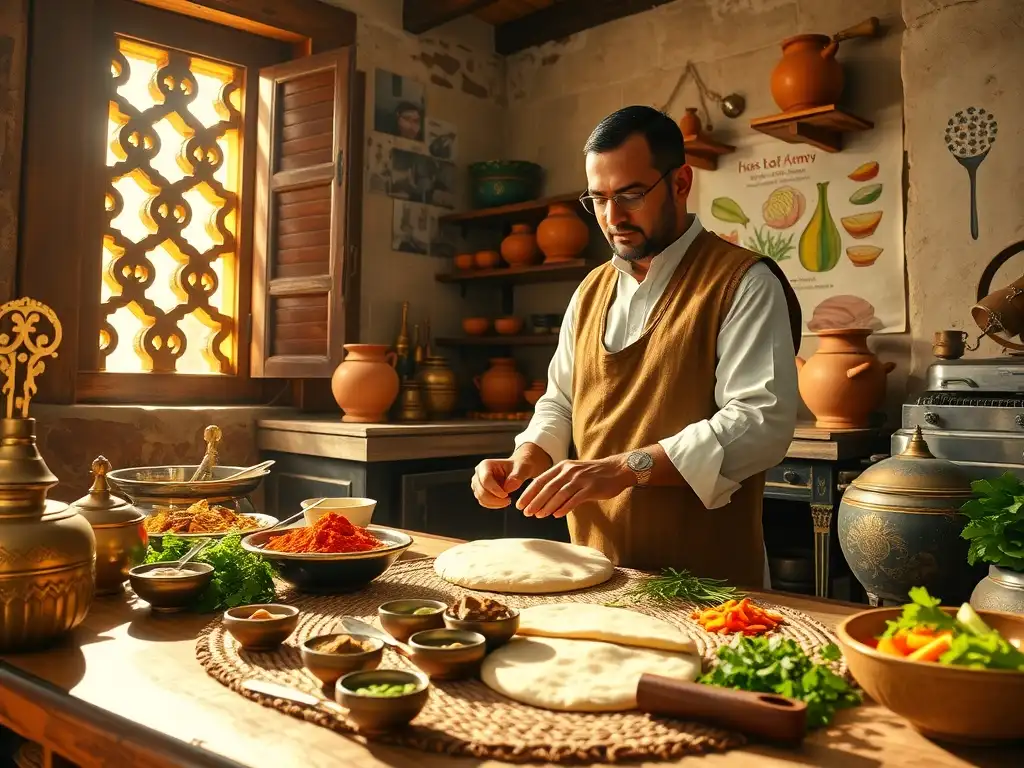
In addition to traditional culinary tours, engaging in cooking classes and workshops offers a unique opportunity to delve deeper into Ancient Indian culinary traditions. These immersive experiences not only allow participants to learn about the historical context of various dishes but also provide hands-on opportunities to create them. By participating in these classes, culinary enthusiasts can grasp the intricacies of ancient recipes that have been passed down through generations.
Learn to Cook Ancient Indian Dishes
Understanding the essence of Ancient Indian culinary traditions begins with the ingredients. Many cooking classes focus on the use of locally sourced produce, spices, and grains that have been staples in Indian kitchens for centuries. For example:
- Grains: The use of millet and barley, which were prominent during the Indus Valley Civilization, is often highlighted.
- Spices: Classes frequently emphasize the significance of spices like turmeric, cumin, and coriander, which have not only culinary but also medicinal value rooted in ancient practices.
During these classes, participants can expect to learn how to prepare various traditional dishes, such as:
- Biryani: A layered rice dish that showcases the depth of flavors from saffron to marinated meats, originating from royal kitchens.
- Daal: A lentil-based dish that symbolizes the simplicity and nutritional value found in ancient diets.
- Sweets: Recipes for desserts like Gulab Jamun or Kheer, which have historical significance and are prepared using techniques that date back to ancient times.
By the end of these sessions, participants not only leave with a deeper understanding of the Ancient Indian culinary traditions but also with the skills to recreate these dishes at home.
Engaging with Local Chefs and Food Experts
One of the most enriching aspects of culinary workshops is the engagement with local chefs and food experts who are often custodians of ancient recipes and techniques. These culinary figures bring a wealth of knowledge regarding the cultural significance of the dishes, illustrating how these traditions have evolved over time. Some key aspects of these interactions include:
- Storytelling: Chefs often share anecdotes about their personal experiences and family histories, providing context to the dishes being prepared.
- Demonstrations: Participants can witness firsthand the techniques used in ancient cooking, such as the art of making Chapati or the intricate processes of spice blending.
- Cultural Insights: Beyond cooking, these interactions provide insights into the festivals, rituals, and practices that shape Indian cuisine.
Through these workshops, participants gain not only practical cooking skills but also a profound appreciation for the cultural heritage embedded in Ancient Indian culinary traditions. The knowledge and connections formed during these experiences often inspire participants to explore further into the world of Indian cuisine, making it a truly rewarding culinary adventure.
Additional Resources
Recommended Books and Guides on Ancient Indian Cuisine
Exploring ancient Indian culinary traditions requires a deep dive into literature that captures the essence of the country's rich gastronomic history. Here are some recommended books and guides that offer insights into the flavors and cooking practices from ancient times:
-
"The Ancient Indian Kitchen" by Suman Kumar
This book delves into the historical context of Indian cuisine, tracing recipes and cooking methods back to the Vedic period. It includes:
- Traditional recipes: Authentic dishes that have stood the test of time.
- Cultural significance: Insights into how food was intertwined with rituals and festivals.
-
"Food and Faith in India: The Cultural Politics of Eating" by R. S. Sharma
An exploration of how ancient Indian culinary traditions reflect the diverse spiritual practices and beliefs across different regions. Key aspects include:
- Religious influences: The role of food in Hindu, Jain, and Buddhist practices.
- Regional variations: How geography influenced culinary practices.
-
"The Spice Route: A History" by John Keay
This book highlights the historical trade routes that facilitated the spread of spices and culinary practices. It provides:
- Historical context: The significance of spices in ancient Indian trade.
- Culinary exchanges: How Indian cuisine influenced and was influenced by other cultures.
-
"Culinary Heritage of India" by K. K. Sharma
A comprehensive guide that covers various ancient cooking techniques and ingredients that form the foundation of Indian cuisine. Highlights include:
- Preparation methods: Techniques that have been passed down through generations.
- Ingredient profiles: Detailed descriptions of spices, herbs, and grains used in ancient recipes.
-
"A Historical Dictionary of Indian Food" by K. T. Achaya
This dictionary offers an in-depth look at the evolution of food in India, with entries that cover various dishes, ingredients, and culinary practices. Notable features include:
- Chronological entries: Tracing the history of specific foods throughout ancient civilizations.
- Culinary terms: Definitions of terms that are essential for understanding ancient Indian cooking.
How to Access These Resources
To enhance your culinary journey through ancient India, consider visiting local libraries or bookstores. Many of these titles are also available in digital format for easy access. Additionally, online platforms such as Amazon or eBook services may offer downloadable versions, allowing you to explore ancient Indian culinary traditions at your convenience.
By immersing yourself in these resources, you will gain a deeper appreciation of the intricate tapestry of flavors and cultural narratives that define ancient Indian cuisine. 🍛
Frequently Asked Questions
What are ancient Indian culinary traditions?
Ancient Indian culinary traditions refer to the cooking practices and food customs that have evolved over thousands of years, influenced by various regions, cultures, and historical events in India.
How did geography influence ancient Indian cuisine?
The geographical diversity of India led to the development of distinct regional cuisines, with variations in ingredients, flavors, and cooking methods that reflect local resources and traditions.
What role did spices play in ancient Indian cooking?
Spices were central to ancient Indian culinary traditions, not only for their flavor but also for their preservative properties and health benefits, making India a hub for the spice trade.
How did ancient Indian civilizations contribute to modern cuisine?
Ancient Indian civilizations laid the foundation for modern culinary practices through the introduction of cooking techniques, the use of various spices, and the establishment of food rituals that continue today.
What are some popular dishes from ancient Indian cuisine?
Popular dishes include dal, biryani, and samosas, which have roots in ancient recipes and showcase the rich flavors and diversity of ancient Indian culinary traditions.
Final Reflection: Embracing the Essence of Ancient Indian Culinary Traditions
The exploration of ancient Indian culinary traditions is not merely a journey through flavors; it is a profound connection to the history, culture, and identity of a vibrant nation. Today, as we navigate a world increasingly defined by globalization, the significance of preserving and celebrating these age-old practices becomes ever more critical. The rich tapestry of Indian cuisine, steeped in centuries of tradition, offers us not just nourishment but a deeper understanding of the diverse communities that have shaped it.
The impact of ancient culinary traditions extends far beyond the kitchen, influencing social interactions, cultural celebrations, and even our understanding of health and wellness. As we engage with these traditions, we find ourselves part of a larger narrative that honors the wisdom of generations past. Food is not just what we eat; it is a reflection of who we are.
This quote encapsulates the essence of our culinary heritage, reminding us that every dish tells a story, and every recipe carries the weight of history.
As you reflect on the culinary adventures that await you in India, I invite you to embrace the lessons embedded in these ancient traditions. Consider how you can incorporate these rich flavors and practices into your own life, whether through cooking, sharing meals with loved ones, or exploring the stories behind the dishes you enjoy.
Let the vibrant world of Indian gastronomy inspire you to celebrate not just food, but the connections it fosters and the heritage it represents. Your journey into these culinary traditions is not just about tasting; it is about understanding and honoring the past while savoring the present.
Embark on Your Culinary Journey Today!
Thank you for diving into the rich tapestry of India’s gastronomic tours! By exploring the flavors, traditions, and stories behind each dish, you've taken a valuable step toward a delicious adventure. Now, let’s continue this journey together!
Here are a few exciting actions you can take:
- Join a Local Cooking Class: Immerse yourself in India's culinary heritage by learning to cook authentic dishes from skilled local chefs.
- Plan Your Own Food Trail: Research and create an itinerary featuring some of the best culinary spots in the region you wish to explore.
- Share Your Experiences: Connect with fellow food lovers by documenting your culinary adventures on social media or by starting a food blog!
What unique dish from India are you most eager to try and why? We invite you to share your thoughts in the comments below!