
The Role of Fortresses in Ancient Indian Defense Strategies


Welcome to Ancient India History, where we invite you to embark on a journey through the rich tapestry of ancient Indian civilizations. In this exploration, we delve into the fascinating world of fortresses and defense strategies, uncovering the ingenious architecture and military tactics that shaped the subcontinent's past. As you read our main article, "The Role of Fortresses in Ancient Indian Defense Strategies," prepare to be captivated by the stories of resilience and innovation that these formidable structures represent.
What secrets lie within the walls of these ancient strongholds? Join us as we uncover their significance in the grand narrative of India's military history!

Introduction to Ancient Indian Fortresses and Defense
The fortresses of ancient India stand as remarkable testaments to the ingenuity and strategic foresight of its civilizations. These architectural marvels were not merely military installations; they served as bastions of power, culture, and resilience. As we delve into the role of fortresses in ancient Indian defense strategies, we uncover a complex narrative that intertwines military prowess with the sociopolitical fabric of the time.
From the robust walls of the Indus Valley Civilization to the intricate designs of the Gupta Empire, ancient Indian fortresses were pivotal in safeguarding territories, managing resources, and fostering trade. This exploration reveals how these structures were essential to the broader narrative of ancient Indian history, illustrating the sophistication of defense mechanisms employed across various periods.
Overview of Ancient Indian Military Architecture
Military architecture in ancient India was characterized by a diverse range of structures designed for defense and protection. Key features of ancient Indian fortresses included:
- Thick Walls: Built using stone, brick, or mud, these walls were designed to withstand sieges and attacks.
- Strategic Locations: Many fortresses were constructed on elevated ground or near rivers, providing natural advantages against enemies.
- Gates and Entrances: Fortresses often featured intricately designed entrances, which served both as defensive mechanisms and ceremonial gateways.
The architectural styles varied significantly across regions and periods, reflecting the localized needs and resources available for construction. Fortresses such as Kumbhalgarh and Chittorgarh exemplify the grandeur of Rajput military architecture, while the forts of the Deccan showcase unique regional adaptations.
Importance of Fortresses in Historical Context
Throughout ancient Indian history, fortresses played a crucial role in shaping military strategies and influencing political dynamics. Their importance can be summarized as follows:
- Protection of Territories: Fortresses served as safe havens for inhabitants during invasions, significantly reducing casualties and loss of life.
- Centers of Administration: Many fortresses acted as administrative hubs, allowing rulers to exercise control over their regions effectively.
- Symbol of Power: The size and grandeur of a fortress often reflected the strength and wealth of a dynasty, deterring potential aggressors.
Understanding the significance of these fortresses provides insight into the broader themes of power, conflict, and resilience that defined ancient Indian civilizations.
Evolution of Fortress Design in Ancient India
The evolution of fortress design in ancient India was marked by a continuous adaptation to changing military technologies and warfare tactics. As new threats emerged, so did the need for innovative designs that could withstand the test of time.
Early Fortification Techniques
In the early periods, fortification techniques were relatively simple but effective. Key aspects included:
- Earthen Ramparts: Early civilizations, such as those from the Indus Valley, often relied on earthen walls for protection.
- Wooden Palisades: Some fortresses employed wooden barriers as an initial line of defense against invaders.
- Natural Defenses: Many fortifications utilized the surrounding landscape, integrating hills, rivers, and forests into their defensive strategies.
These techniques laid the groundwork for more sophisticated designs that would emerge in later centuries.
Architectural Innovations in Ancient Indian Fortresses
As time progressed, ancient Indian fortresses witnessed significant architectural innovations that enhanced their defensive capabilities:
- Stone Construction: The transition to stone fortifications allowed for more robust and durable structures.
- Complex Gateways: Innovations in gateway design, such as the Talaq (double gates), provided additional protection against enemy forces.
- Moats and Ditches: Many fortresses incorporated moats or ditches, creating natural barriers that impeded enemy access.
These advancements not only improved the defensive efficacy of fortresses but also reflected the cultural and artistic expressions of the time, showcasing the intricate craftsmanship of ancient Indian builders.
Strategic Significance of Fortresses in Defense
The fortresses of ancient India served as critical components of defense strategies, reflecting the intricate relationship between geography, politics, and military tactics. Positioned strategically across the subcontinent, these fortifications not only acted as physical barriers against invasions but also symbolized the power and authority of ruling dynasties. The architectural designs of these fortresses were meticulously crafted to utilize natural landscapes, enhancing their effectiveness in safeguarding territories.
Fortresses provided a robust defense mechanism against external threats. Constructed using local materials such as stone and brick, many of these structures featured high walls, moats, and watchtowers, facilitating effective surveillance and offering a formidable deterrent to enemies. The design also included fortified gates that could be easily defended, showcasing the ingenuity of ancient Indian military architects.
Moreover, the presence of these fortresses often dictated the political landscape. They served as administrative centers, allowing rulers to exert control over their realms. In times of conflict, these strongholds became refuges for local populations, who could seek shelter within their walls. Thus, the strategic significance of fortresses extended beyond mere defense; they were integral to the stability and governance of ancient Indian states.
Role of Fortresses in Protecting Trade Routes
The protection of trade routes was a paramount concern for ancient Indian civilizations, and fortresses played a vital role in this aspect. Ancient India was a hub of commerce, with trade routes connecting it to various parts of Asia and beyond. Fortresses were constructed along these routes to ensure safe passage for merchants and to safeguard valuable goods from potential banditry or invasion.
For instance, the placement of fortresses at key junctions allowed for the monitoring of trade activities, enabling rulers to collect taxes and maintain law and order. These strongholds not only provided security but also encouraged economic growth by fostering trade and commerce. Merchants felt more secure traveling through regions where fortresses were present, knowing that they were protected from external threats.
Additionally, fortresses served as depots for military supplies and resources. In times of war, they could quickly mobilize troops to protect trade routes, ensuring that the flow of goods remained uninterrupted. This strategic use of fortresses ultimately contributed to the prosperity of ancient Indian states, highlighting their multifaceted role in the defense of commerce.
Fortresses as Centers of Power and Control
Beyond their defensive capabilities, fortresses in ancient India emerged as centers of power and control. Rulers utilized these fortifications to assert their dominance over regions, establishing administrative and military hubs that facilitated governance. The presence of a fortress often signaled the authority of a ruler, serving as a physical manifestation of their power.
These strongholds were not merely defensive structures; they housed royal families, military leaders, and administrative officials. This centralization of power within fortresses allowed for effective governance and the implementation of policies across vast territories. Additionally, fortresses often contained temples and cultural sites, further solidifying their status as centers of influence.
The control exerted through these fortresses extended to the local populace. They served as a means of surveillance and control, with garrisons stationed in strategic locations to maintain order. This dual role of fortresses as both military and administrative centers played a crucial part in the socio-political fabric of ancient India.
Key Examples of Ancient Indian Fortresses
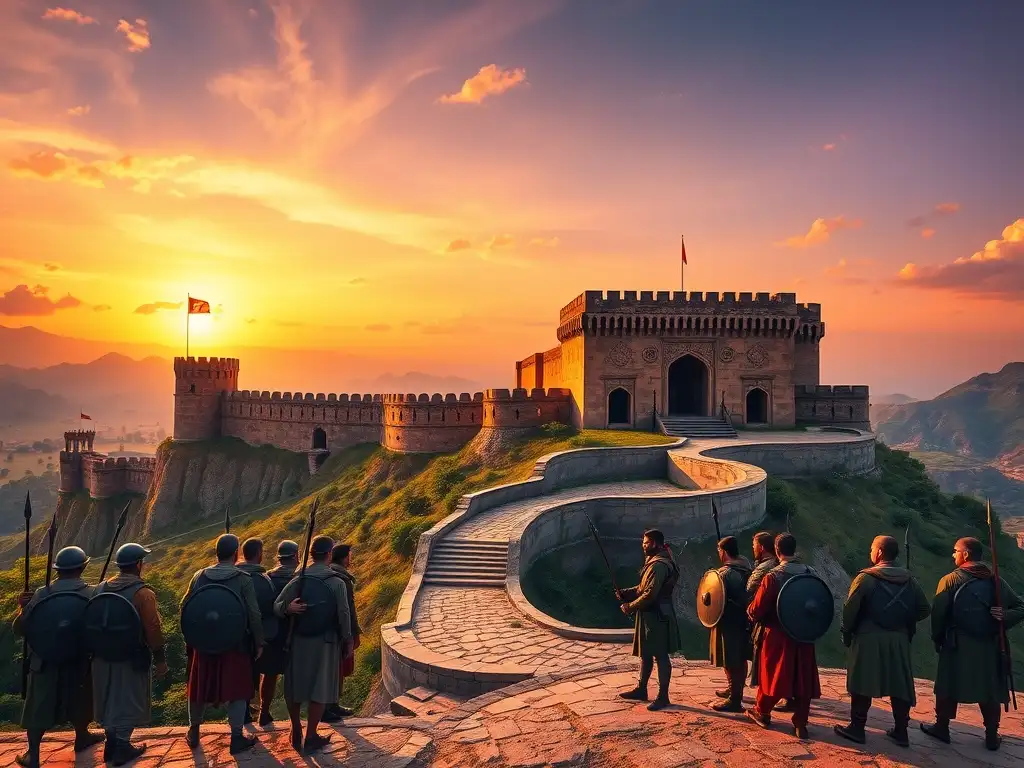
The Great Wall of India: Kumbhalgarh Fort
Kumbhalgarh Fort, often referred to as the "Great Wall of India," is one of the most remarkable examples of ancient Indian fortifications. Located in the Aravalli Range of Rajasthan, it boasts the second-longest wall in the world, stretching over 36 kilometers. Built during the 15th century by Maharana Kumbha, the fort was designed to protect the Mewar kingdom from invasions.
The fort's strategic location on a hilltop provided a significant advantage, allowing for panoramic views of the surrounding landscape. Its walls, constructed with a unique technique that involved interlocking stones, showcased the advanced engineering skills of the time. Kumbhalgarh Fort was not only a military bastion but also a cultural center, housing numerous temples and palaces within its walls.
The Strategic Location of Chittorgarh Fort
Chittorgarh Fort stands as a testament to the valiant history of the Rajputs. Located in the southern part of Rajasthan, it is one of the largest forts in India and is renowned for its strategic significance. The fort's location on a 180-meter-high hill provided a natural defense against invaders, making it a formidable stronghold.
Chittorgarh Fort has witnessed numerous battles and sieges throughout history, including the famous siege by Alauddin Khilji in the 14th century. Its sprawling complex includes palaces, temples, and memorials, reflecting the rich cultural heritage of the region. The fort's iconic Vijay Stambha (Victory Tower) stands tall, symbolizing the bravery and resilience of its defenders.
The Historical Importance of Golconda Fort
Golconda Fort, located near Hyderabad, is another significant example of ancient Indian fortifications. Originally built in the 12th century, it served as the capital of the Qutb Shahi dynasty and played a crucial role in the region's history. The fort's impressive architecture features massive gates, intricate carvings, and a sophisticated water supply system, showcasing the engineering prowess of its builders.
One of the most noteworthy aspects of Golconda Fort is its acoustic system, which allowed messages to be transmitted over long distances. This strategic feature was invaluable during times of war. The fort also served as a center for trade, particularly in diamonds, contributing to the wealth and power of the Golconda Sultanate.
Golconda's historical significance is further highlighted by its association with the famous Koh-i-Noor diamond, which was once part of the Golconda diamond mines. Today, the fort stands as a symbol of the region's rich history and architectural brilliance.
Military Technology and Fortification Strategies
Ancient Indian fortresses were pivotal in shaping the defense strategies of various kingdoms throughout history. The construction and design of these fortifications were influenced by the prevailing military technology and strategic needs of the time. From the elaborate walls that encased cities to the ingenious use of natural landscapes, these fortresses served as bastions of power and security against invasions.
The military technology of the era included not only the weapons used in combat but also the tools and techniques employed in the construction of fortifications. Techniques such as employing local materials, like stone and mud, were essential in creating robust structures that could withstand sieges. The fortresses often featured multiple layers of defense, including gates, bastions, and watchtowers, which allowed defenders to maintain a tactical advantage during conflicts.
In the context of defense, fortresses served not only as military strongholds but also as administrative and economic centers. Their strategic importance extended beyond mere protection, facilitating control over trade routes and surrounding territories. As such, the design and fortification strategies were continuously adapted to incorporate advancements in military technology, ensuring their effectiveness against evolving threats.
Use of Moats and Walls in Ancient Indian Defense
Moats and walls were fundamental components of ancient Indian fortification strategies. The presence of a moat, typically filled with water or sometimes dry, created an additional barrier against invaders, complicating their efforts to breach the fortress. This defensive mechanism not only provided physical protection but also served as a psychological deterrent, instilling fear in potential attackers.
The walls of fortresses were often constructed to be thick and high, using materials such as stone, brick, or rammed earth. In many cases, these walls were adorned with battlements, allowing defenders to fire arrows or launch projectiles while remaining protected. The design often included features like crenellations and platforms for archers, enhancing the defensive capabilities of the fortress.
Moreover, some fortresses utilized a combination of both moats and walls, creating a layered defense system that significantly increased their resilience against siege warfare. Historic examples, such as the fortifications of the Indus Valley Civilization and later structures like the forts of Chittorgarh and Gwalior, showcase the sophisticated understanding of these defensive strategies.
The Role of Siege Weapons in Fortress Defense
Siege weapons played a crucial role in the defense of ancient Indian fortresses, influencing both the design of fortifications and the strategies employed during conflicts. Ancient Indians developed various siege weapons, including catapults, trebuchets, and battering rams, which posed significant threats to fortified structures.
In response to these threats, many fortresses incorporated specific defensive features such as thick walls, angled surfaces to deflect projectiles, and fortified towers to counteract siege warfare. The strategic placement of archers and artillery within the fortresses allowed for effective retaliation against attacking forces, making it essential for defenders to have a deep understanding of siege tactics.
Additionally, the development of counter-siege strategies became prevalent in ancient Indian military doctrine. This involved not only defending against external assaults but also planning for the potential need to break sieges laid by enemies. Fortresses often housed provisions and resources, enabling defenders to withstand prolonged sieges while devising plans to counterattack or negotiate peace.
The Influence of Geography on Fortress Locations
The geographical landscape of ancient India heavily influenced the placement and construction of fortresses. From the rugged Himalayas in the north to the vast Thar Desert in the west, the natural terrain provided strategic advantages that shaped defensive strategies.
Natural Defenses: Hills, Rivers, and Terrain
Natural features such as hills, rivers, and diverse terrains were often utilized to enhance the defensive capabilities of fortresses. Many fortifications were strategically located on elevated ground, offering a commanding view of the surrounding areas and creating a natural barrier against attacks.
Rivers served as formidable natural defenses, often determining the location of fortresses along their banks. The water bodies not only provided a source of sustenance but also complicated enemy movements, making it harder for invading forces to approach without detection. The use of steep cliffs and dense forests further augmented the defensive attributes of these fortresses, allowing defenders to exploit the terrain to their advantage.
Furthermore, ancient Indian strategists understood the importance of integrating these natural features into their defense plans. The fortresses were often designed to blend seamlessly with their surroundings, utilizing the landscape to fortify their positions against potential threats.
Strategic Placement of Fortresses Across Ancient India
The strategic placement of fortresses across ancient India reflects a keen understanding of both military tactics and regional politics. Fortresses were often situated at critical junctures, such as trade routes, mountain passes, and river crossings, enabling kingdoms to control movement and exert influence over neighboring territories.
For instance, the fort of Kumbhalgarh was built in the Aravalli Range, providing natural defense while controlling trade routes between northern and southern India. Similarly, the strategic location of forts like Agra and Delhi allowed for the effective monitoring of invasions and movements, serving as key defensive positions during various historical conflicts.
Additionally, the distribution of fortresses also showcased the power dynamics of ancient Indian kingdoms. The rivalry between different states often led to the establishment of fortifications in close proximity to one another, creating a landscape dotted with military strongholds that reflected the competitive nature of ancient Indian politics. Each fortress not only served a defensive purpose but also acted as a symbol of power and authority for the ruling dynasty, highlighting the intertwined nature of military strategy and governance in ancient India.
Cultural and Political Impact of Fortresses
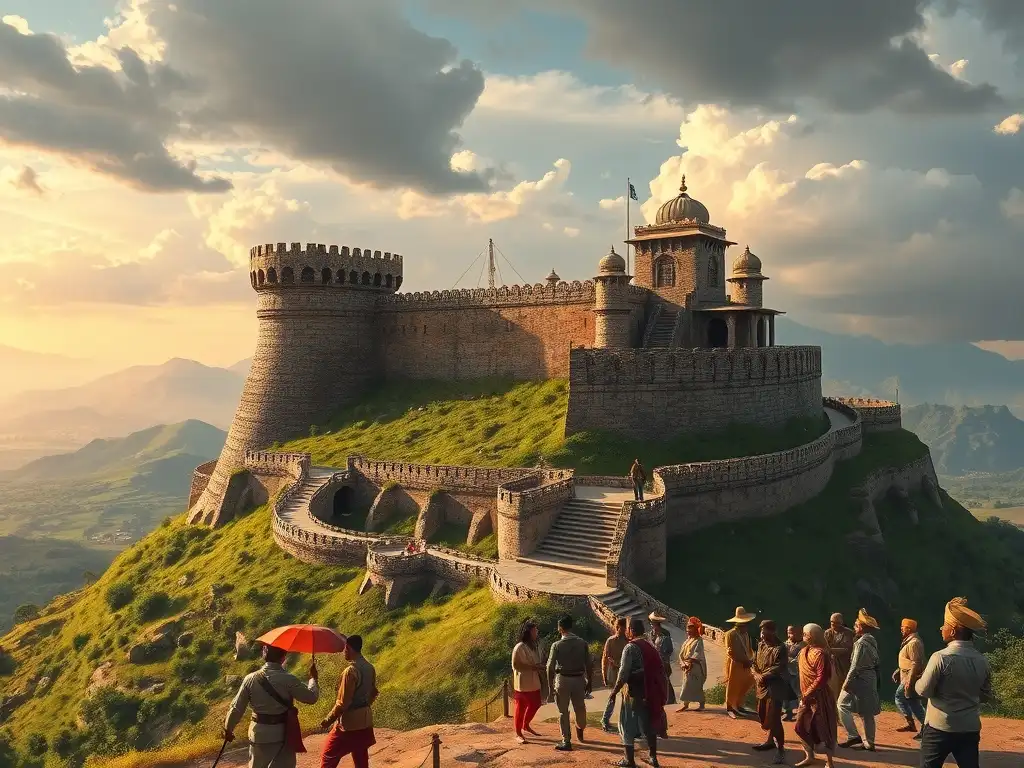
Fortresses in ancient India were not merely military structures; they were powerful symbols of cultural identity and political authority. These strongholds served as a focal point for communities, embodying the strength and stability of the ruling powers. The architectural grandeur of fortresses, often adorned with intricate carvings and design, reflected the artistic achievements of the time and the cultural ethos of the civilizations that built them.
The political significance of fortresses cannot be overstated. They were strategic points for defense against invasions and played a crucial role in establishing the dominance of various dynasties. Rulers utilized fortifications to consolidate power, often using them as administrative centers where governance and trade could thrive. As a result, fortresses became intertwined with the very fabric of societal organization, influencing everything from local economies to social hierarchies.
Moreover, the presence of a fortress often attracted artisans, traders, and scholars, fostering economic activity and cultural exchange. This contributed to the development of surrounding areas, transforming them into vibrant hubs of civilization. Thus, ancient Indian fortresses were pivotal in shaping not only the military landscape but also the cultural and political realms of their time.
Fortresses as Symbols of Authority
Fortresses were emblematic of authority in ancient Indian society, serving as physical manifestations of a ruler's power and legitimacy. The construction of a fortress often signaled the establishment of a new dynasty or the expansion of an existing one. For example, the massive fortifications of the Rajput clans, such as the Chittorgarh and Kumbhalgarh forts, not only protected their territories but also showcased their wealth and military prowess.
In many instances, fortresses were designed to intimidate potential adversaries, signaling that the ruling power was formidable and well-defended. The imposing structures of forts like the Red Fort in Delhi or the Golconda Fort in Hyderabad were constructed with the intent to project strength and stability. Additionally, these fortifications often served as royal residences, further reinforcing the connection between the fortress and the ruler's authority.
The symbolism of fortresses extended beyond mere defense; they became key components of cultural narratives. Legends and folklore surrounding these forts often highlighted the valor of their builders and defenders, thus embedding them deeper into the collective memory of the people. As a result, fortresses became not just military bastions but also icons of the rich heritage and history of ancient Indian civilizations.
The Role of Fortresses in Dynastic Conflicts
Throughout ancient Indian history, fortresses played a crucial role in dynastic conflicts, serving as battlegrounds for power struggles among various rulers. These fortified structures were often the epicenters of military campaigns, with rival factions vying for control over strategically important locations. The sieges and battles that took place around these fortifications were instrumental in determining the rise and fall of empires.
One notable example is the conflict between the Mughals and Rajputs, where forts like Ranthambore and Amber became significant sites of warfare. The fortified cities not only provided refuge to the defending forces but also served as logistical hubs for military operations. The ability to control a fortress often translated into political power, as it allowed the victors to exert influence over the surrounding regions.
Moreover, the architectural design of these fortresses often reflected their military significance. Features such as thick walls, moats, and watchtowers were strategically incorporated to enhance defense capabilities. The evolution of fort construction techniques over time showcased the changing dynamics of warfare and the necessity for advanced military technology in securing dynastic supremacy.
Conclusion: The Legacy of Ancient Indian Fortresses
The legacy of ancient Indian fortresses is profound, influencing not only the military strategies of their time but also shaping the cultural and political landscapes of the subcontinent. These structures stand as testaments to the ingenuity and resilience of ancient civilizations, embodying the spirit of their eras. The architectural marvels of forts like Mehrangarh and Jaisalmer continue to attract visitors, serving as reminders of the rich history and heritage of ancient India.
Lasting Impact on Modern Military Strategies
The strategies employed in the construction and defense of ancient Indian fortresses have had a lasting impact on modern military thought. The principles of fortification, siege warfare, and strategic placement of military assets can trace their roots back to these ancient practices. Modern military architects and strategists often study these historical fortifications to inform contemporary designs, incorporating lessons learned from their resilience and effectiveness.
Additionally, the emphasis on psychological warfare, as demonstrated by the imposing presence of fortresses, continues to resonate in modern military strategy. The need to project strength and deter potential aggressors remains a cornerstone of defense planning, reflecting the enduring influence of ancient practices on contemporary military doctrine.
Preservation of Ancient Fortresses in Contemporary India
Today, many ancient Indian fortresses are preserved as cultural heritage sites, recognizing their historical significance and architectural brilliance. Efforts are underway to maintain and restore these structures, ensuring that future generations can appreciate their grandeur. Organizations and governments are increasingly aware of the importance of these sites in educating the public about the rich military history of India.
Moreover, the preservation of these fortresses often contributes to local economies through tourism, generating revenue and fostering community engagement. Initiatives to promote heritage tourism not only protect these ancient structures but also allow visitors to connect with the past, ensuring that the stories and legacies of ancient Indian fortresses continue to resonate in contemporary society.
References
Key Texts on Ancient Indian Military History
-
"The Art of War in Ancient India" by K. M. Shrimali
This pivotal work delves into the military tactics, strategies, and technologies employed in ancient Indian warfare, providing insights into how fortresses played a crucial role in defense.
-
"Military History of Ancient India" by R. B. Singh
Singh's comprehensive examination of military practices in ancient India covers various aspects, including the significance of fortifications and their strategic importance in different eras.
-
"Fortifications of Ancient India" by M. A. Dhaky
This text focuses specifically on the architectural and strategic elements of ancient fortresses, analyzing their designs and the military doctrines that governed their use.
-
"War and Society in Ancient India" by N. R. Ray
Ray explores the broader context of warfare in ancient Indian society, including the relationship between military structures like fortresses and social dynamics.
-
"The Indian Army: A Historical Perspective" by R. C. Gupta
Offering a detailed account of the evolution of military forces in India, Gupta's work discusses how ancient fortresses were integral to defense strategies throughout history.
Suggested Further Reading on Fortresses and Defense Strategies
-
"The Forts of India: A Historical Overview" by S. P. Sinha
This book provides an extensive look at various forts across India, detailing their historical significance and the roles they played in military defense.
-
"Defensive Architecture in Ancient India" by P. M. Joshi
Joshi explores the architectural innovations that characterized ancient Indian fortresses, highlighting their defensive features and their impact on military strategies.
-
"Siege Warfare in Ancient India" by A. K. Malhotra
This work discusses the tactics and technologies used during sieges, with a particular focus on how fortresses were designed to withstand prolonged attacks.
-
"The Gupta Empire: Military and Strategic Aspects" by T. R. Sharma
Sharma’s analysis of the Gupta Empire includes discussions on the fortifications and defense mechanisms that were crucial during this period.
-
"Cultural and Military Interactions in Ancient India" by L. S. Verma
This book examines the interplay between culture and military strategy, including the evolution and role of fortresses in ancient Indian defense.
- Introduction to Ancient Indian Fortresses and Defense
- Evolution of Fortress Design in Ancient India
- Strategic Significance of Fortresses in Defense
- Key Examples of Ancient Indian Fortresses
- Military Technology and Fortification Strategies
- The Influence of Geography on Fortress Locations
- Cultural and Political Impact of Fortresses
- Conclusion: The Legacy of Ancient Indian Fortresses
- References
- What were the primary functions of ancient Indian fortresses?
- How did fortresses contribute to defense strategies in ancient India?
- Can you name some famous ancient Indian fortresses?
- What architectural features were common in ancient Indian fortresses?
- How did the Gupta Empire influence fortress construction?
Frequently Asked Questions
What were the primary functions of ancient Indian fortresses?
Ancient Indian fortresses served multiple purposes, including military defense, administrative control, and as symbols of power for rulers.
How did fortresses contribute to defense strategies in ancient India?
Fortresses were strategically located to guard key trade routes and urban centers, allowing for effective military defense against invasions and attacks.
Can you name some famous ancient Indian fortresses?
Notable fortresses include the Red Fort, Jaigarh Fort, and Chittorgarh Fort, each showcasing unique architectural styles and historical significance.
What architectural features were common in ancient Indian fortresses?
Common features of ancient Indian fortresses included thick walls, watchtowers, moats, and intricate gateways designed for enhanced defense and protection.
How did the Gupta Empire influence fortress construction?
During the Gupta Empire, there was a notable advancement in engineering, leading to more sophisticated designs and enhanced fortification techniques in fortress construction.
Final Reflection: The Enduring Legacy of Ancient Indian Fortresses
The significance of ancient Indian fortresses in defense strategies is not merely a relic of the past; it serves as a profound reminder of the resilience and ingenuity of civilizations. In an era where security and territorial integrity were paramount, these fortresses stood as symbols of strength and strategic foresight. Today, as we navigate complex geopolitical landscapes, the lessons learned from these ancient structures resonate more than ever, urging us to appreciate the intricate balance between defense and diplomacy.
The architectural marvels and strategic placements of ancient Indian fortresses have left an indelible mark on our cultural and social landscape. These fortifications were not just military outposts; they were vibrant centers of trade, culture, and community life. The echoes of their history remind us that defense is not solely about walls and weapons but also about fostering a sense of belonging and identity. Fortresses are not just built to protect; they are built to empower communities.
This perspective encourages us to view these ancient structures as vital components of societal cohesion, which continue to inspire modern approaches to security and community building.
As we reflect on the lessons from ancient Indian fortresses, let us consider how we can apply their principles in our lives today. Think about the fortresses you build in your own life—what protects you, what empowers you, and how can you strengthen your foundations?
Embrace the spirit of resilience and ingenuity that these fortresses symbolize, and let it inspire you to create spaces of safety and strength in your own community. The legacy of these ancient structures is not just a chapter in history; it is a call to action for us to build a future that honors the past while forging new paths of security and unity.
Unveil the Strength of Ancient Defense Strategies!
Thank you for taking the time to explore the profound role of fortresses in ancient Indian defense strategies! We hope you gained valuable insights into how these monumental structures shaped the history of warfare and protection in India. Now, it's time to take action and deepen your understanding of this fascinating topic.
Here are a few steps you can take to continue your journey:
- Dive Deeper: Explore the rich histories of specific fortresses such as Kumbhalgarh and Chittorgarh to uncover their unique stories and architectural wonders.
- Share Your Knowledge: Engage in discussions with friends or on social media! Start conversations about the strategic brilliance of ancient India and its lasting influence on modern defense systems.
- Join Our Community: Subscribe to our newsletter for in-depth articles and insights into various aspects of ancient Indian history and culture.
What fortress or ancient defense structure intrigues you the most, and why do you think it remains significant in today’s context?