
The Gupta Empire: Masters of Military Organization and Strategy

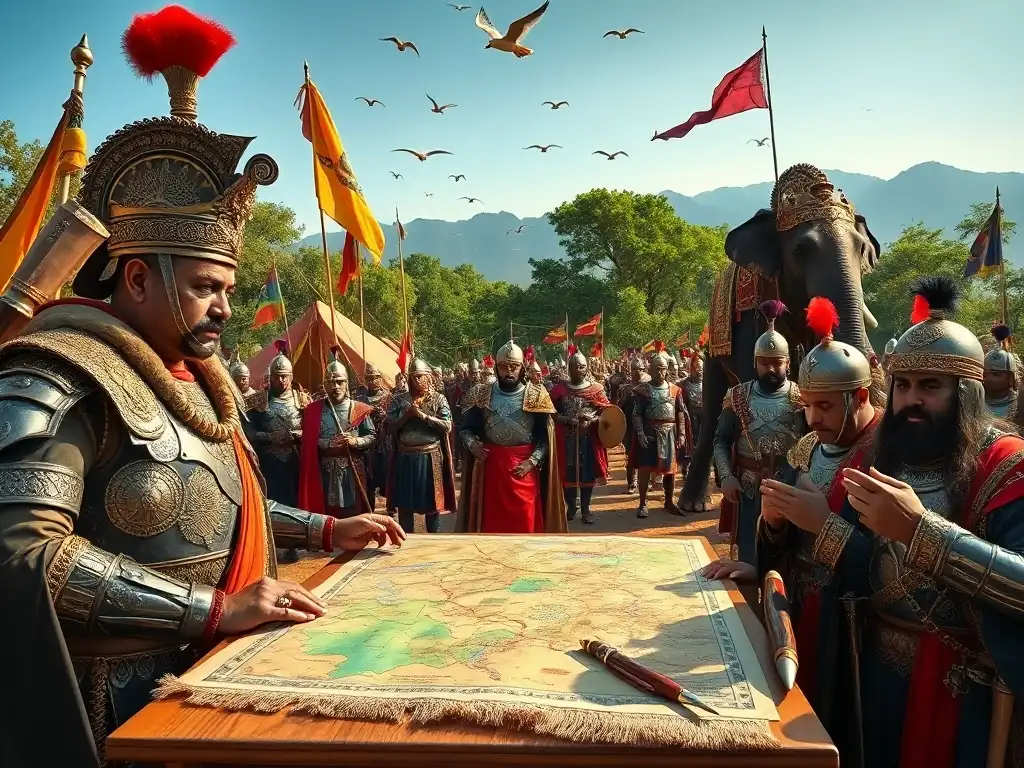
Welcome to Ancient India History, where we embark on a captivating journey through the rich tapestry of India's past. Dive deep into the fascinating world of the Gupta Empire, renowned not only for its remarkable cultural achievements but also for its masterful military organization and strategy. What secrets did the Guptas hold that allowed them to flourish as one of the most formidable empires of ancient times? Join us as we unravel the complexities of their military prowess, and discover how these tactics shaped the course of history. Your adventure into the depths of ancient civilizations begins here—let's explore!
The Gupta Empire, which flourished from approximately 240 to 550 CE, is often hailed as a golden age of Indian history, marked by remarkable advancements in arts, science, and governance. However, one of the empire's most significant yet often overlooked achievements lies in its military organization and strategy. Understanding the military prowess of the Gupta Empire provides invaluable insights into how it managed to establish and maintain a vast empire across the Indian subcontinent. This article delves into the intricacies of Gupta military organization, exploring the structures, strategies, and technologies that contributed to their effectiveness on the battlefield.
Historical Context of the Gupta Empire's Military
The Gupta Empire emerged in a period characterized by political fragmentation and regional conflicts. The unification of diverse territories under a single banner was no small feat, and the military organization played a pivotal role in this process. The Gupta rulers, particularly Chandragupta I and his successors, recognized the importance of a well-structured military force to defend their realm and expand their influence.
- Military Composition:
- The Gupta army was primarily composed of infantry, cavalry, and war elephants.
- Infantry units consisted of foot soldiers equipped with a variety of weapons, including swords, bows, and shields.
- Cavalry provided mobility and speed, essential for flanking maneuvers and rapid assaults.
- War elephants were not only used in combat but also served as symbols of power and prestige.
- Strategic Innovations:
- The Guptas employed various battlefield strategies that showcased their military ingenuity.
- They utilized formations that maximized the strengths of their troops while minimizing vulnerabilities.
- The integration of cavalry and infantry created a dynamic battlefield environment, allowing for versatile tactics.
The Role of Technology in Gupta Military Organization
Technological advancements played a crucial role in the military effectiveness of the Gupta Empire.
- Weapons and Armament:
- The Guptas were known for their craftsmanship in metalwork, producing superior weapons that enhanced their combat capabilities.
- Innovations in arrowheads and swords contributed to more effective ranged and close combat.
- Siege Warfare:
- The introduction of siege technologies, including catapults and battering rams, allowed the Guptas to effectively lay siege to fortified positions.
Legacy of Gupta Military Strategies
The military organization and strategies of the Gupta Empire not only facilitated its expansion but also influenced subsequent Indian kingdoms. Their approach to military organization set a precedent for future rulers, emphasizing the importance of a well-structured and technologically advanced military force.
The Gupta Empire's military organization was a testament to their strategic brilliance and adaptability. As we explore the depths of their military practices, we gain a clearer understanding of how the Gupta Empire became a dominant force in ancient India, shaping the course of its history for centuries to come.
- Historical Context of the Gupta Empire's Military
- The Role of Technology in Gupta Military Organization
- Legacy of Gupta Military Strategies
- What was the significance of the Gupta Empire's military organization?
- How did the Gupta Empire implement its military strategies?
- What role did technology play in the military of the Gupta Empire?
- How did the Gupta Empire maintain loyalty among its soldiers?
- What were some of the key military campaigns of the Gupta Empire?
Introduction to the Gupta Empire Military Organization
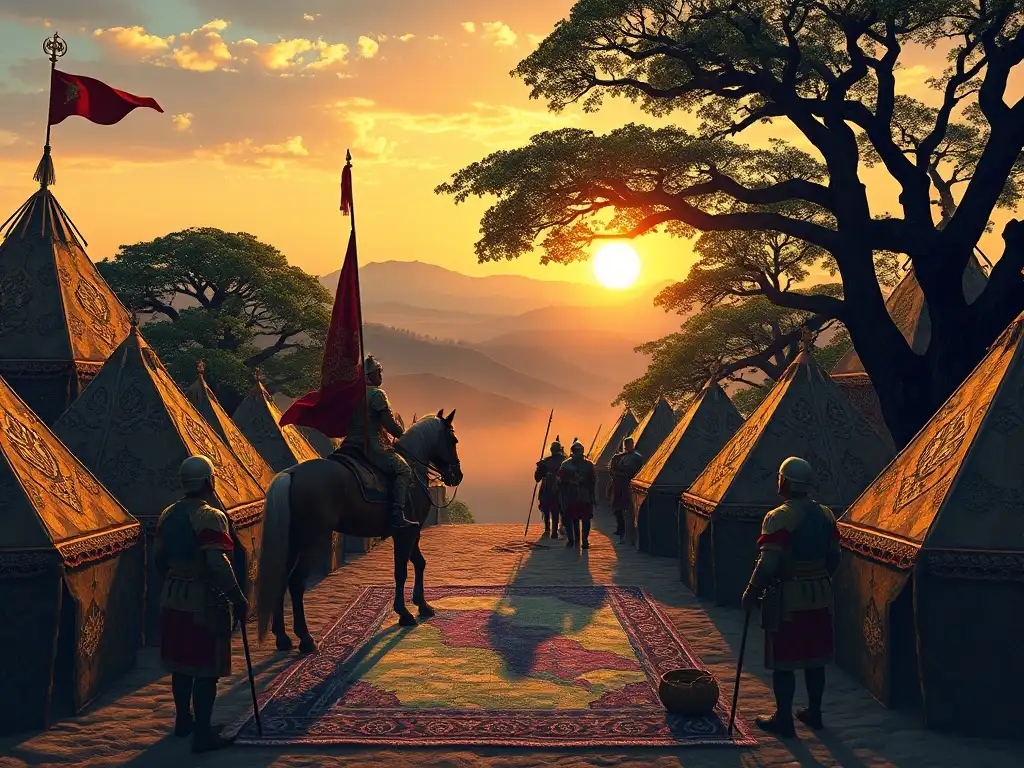
The Gupta Empire, which flourished from approximately 320 to 550 CE, is often referred to as the Golden Age of India due to its remarkable achievements in arts, science, and governance. Central to its success was a sophisticated military organization that enabled the Gupta rulers to expand their territory and maintain stability. The Gupta military was characterized by its strategic innovations, effective use of technology, and a well-structured hierarchy that facilitated coordination and effectiveness in warfare.
The military organization of the Gupta Empire was not only a reflection of its political ambitions but also a response to the various threats from neighboring kingdoms and nomadic tribes. This intricate system allowed the Gupta rulers to project power across vast regions, thereby contributing to the empire's longevity and influence. Understanding the military framework of the Gupta Empire provides insight into how it became one of the most powerful empires in ancient India.
Overview of the Gupta Empire
The Gupta Empire was founded by Maharaja Sri Gupta and reached its zenith under the reign of Chandragupta II, also known as Vikramaditya. This period saw significant territorial expansion, encompassing large parts of northern and central India. The empire's capital, Pataliputra, became a hub of culture and administration.
Key Features of the Gupta Empire
- Political Structure: The Gupta Empire operated under a feudal system, where local rulers (or samantas) were granted autonomy in exchange for military support and loyalty to the central authority.
- Cultural Flourishing: The Gupta period is noted for advancements in science, mathematics, literature, and the arts, with figures such as Kalidasa and Aryabhata emerging during this time.
- Economic Prosperity: Trade routes were expanded, and agriculture thrived, providing the necessary resources to support a formidable military.
The military organization of the Gupta Empire was crucial for maintaining this prosperity and ensuring the safety of its vast territories.
Significance of Military Organization in Ancient India
Military organization in ancient India, particularly within the Gupta Empire, played a vital role in the socio-political landscape of the time. The complexity of military strategies and technologies used by the Guptas highlights their importance not only in warfare but also in governance and cultural cohesion.
Key Aspects of Military Organization
- Hierarchy and Structure: The Gupta military was organized into various ranks and divisions, which included infantry, cavalry, and war elephants. This structure allowed for specialized training and strategic deployment in battle.
- Logistics and Supply Chains: Efficient logistics were essential for sustaining large armies. The Gupta military had established supply lines that ensured troops were well-equipped and adequately provisioned during campaigns.
- Innovative Warfare Tactics: The use of elephants in battle, along with advanced archery and swordsmanship, showcased the Gupta's emphasis on combining traditional and innovative tactics to secure victories.
The significance of military organization during this period extended beyond mere conquest; it was vital for the integration of diverse cultures within the empire, fostering a sense of unity among the population. The Gupta military's effectiveness in maintaining order and stability laid the groundwork for the empire's cultural and economic achievements, marking a pivotal chapter in Indian history.
The Gupta Empire's military organization was a masterclass in strategy and coordination that not only secured its dominance in ancient India but also contributed to the empire's rich legacy in history and culture.
Key Features of Gupta Military Organization
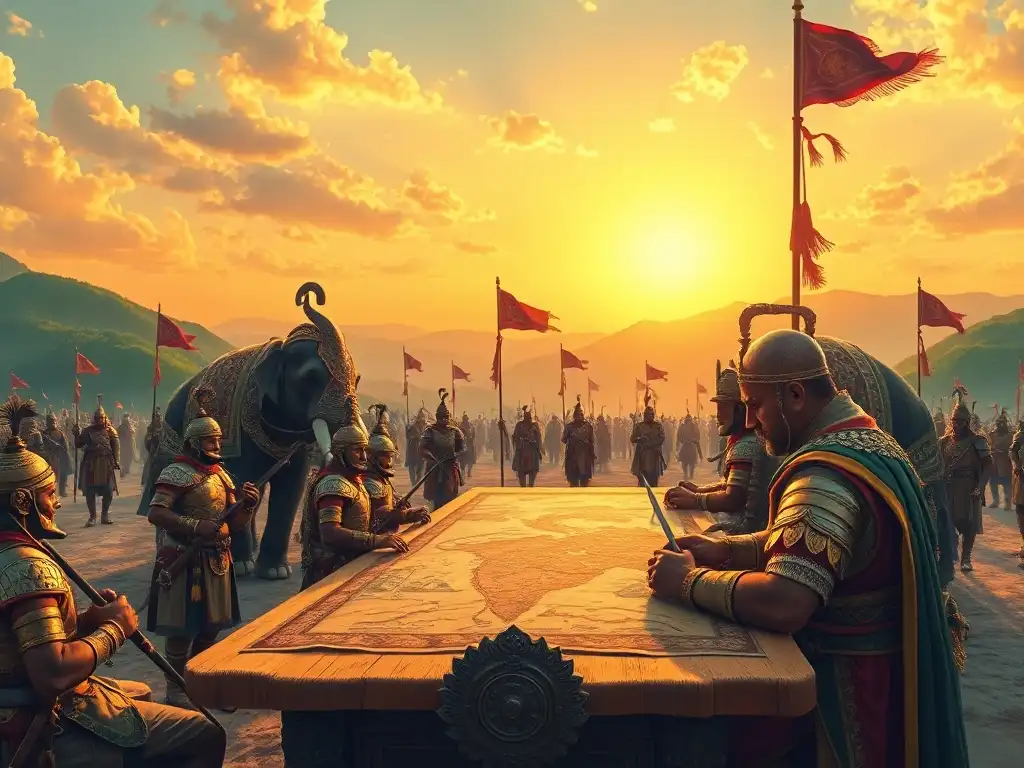
The Gupta Empire, often referred to as the Golden Age of India, is renowned not only for its cultural advancements but also for its highly organized military structure. The Gupta military organization was characterized by a combination of strategic planning, disciplined forces, and innovative tactics that allowed them to exert control over vast territories and defend against external threats. Understanding the key features of their military organization provides insight into how they maintained stability and power during their reign.
Structure of the Gupta Army
The Gupta army was a well-structured and adaptable force, designed to meet the demands of both offensive campaigns and defensive operations. It comprised various units that worked in synergy to achieve military objectives.
Division into Infantry, Cavalry, and War Elephants
- Infantry: The backbone of the Gupta military was its infantry, which included foot soldiers equipped with a variety of weapons, such as swords, spears, and bows. They were trained for close combat and played a crucial role during battles, often forming the frontline.
- Cavalry: The cavalry units were essential for mobility and rapid attacks. Gupta cavalrymen were typically armed with lances and swords, allowing them to engage in hit-and-run tactics. Their speed and agility made them formidable opponents on the battlefield.
- War Elephants: Elephants were a significant component of Gupta military strategy. Used in both warfare and as a means of transportation, these majestic animals were equipped with armor and often carried archers or spearmen into battle. The psychological impact of war elephants on enemy forces was substantial, often causing disarray and fear.
This structured division of military units facilitated effective combat strategies, enabling the Gupta Empire to respond to various threats and challenges.
Role of Local Militias and Auxiliaries
The Gupta military did not rely solely on its standing army; it also integrated local militias and auxiliaries into its forces. This approach had several advantages:
- Local Knowledge: Local militias had an intimate understanding of the terrain and could provide valuable intelligence, which was crucial for planning military campaigns.
- Supplementing Forces: During times of war, local militias could be quickly mobilized to supplement the regular army, increasing troop strength without the need for extensive recruitment processes.
- Cultural Unity: Involving local militias fostered a sense of loyalty and unity among different regions, as local warriors fought to protect their homelands.
Command and Control in the Gupta Military
Effective command and control were vital for the Gupta military's success. The hierarchical structure and efficient communication systems played key roles in executing military operations.
Hierarchical Structure of Commanders
The Gupta Empire maintained a clear hierarchical structure within its military ranks, ensuring that commands were delivered efficiently from the top down. Key features included:
- High Command: At the apex were the supreme commanders, often leaders from the royal family or trusted generals, responsible for strategic decisions and overall military direction.
- Regional Commanders: Below the high command, regional commanders managed specific territories, ensuring that local forces were adequately trained and prepared for defense or deployment.
- Unit Leaders: Each military unit, whether infantry, cavalry, or auxiliary, had designated leaders who reported to their respective commanders, streamlining the chain of command.
This structured hierarchy enabled rapid decision-making and effective deployment of resources during conflicts.
Communication Techniques within the Army
Efficient communication was essential for coordinating military efforts across the vast territories of the Gupta Empire. The following techniques were employed:
- Signal Flags and Drums: The use of visual signals, such as flags and drums, allowed commanders to relay messages over long distances quickly, facilitating coordinated movements during battle.
- Messengers: Trained messengers on horseback were utilized to carry orders and updates between commanders, ensuring that information flowed smoothly across the battlefield.
- Strategic Meetings: Regular strategy meetings among commanders helped in planning maneuvers and discussing intelligence reports, ensuring that all units were aligned in their objectives.
The combination of a well-defined hierarchical structure and effective communication techniques significantly contributed to the Gupta Empire's military successes, allowing them to maintain control and expand their influence during a pivotal era in Indian history.
Military Strategies Employed by the Gupta Empire
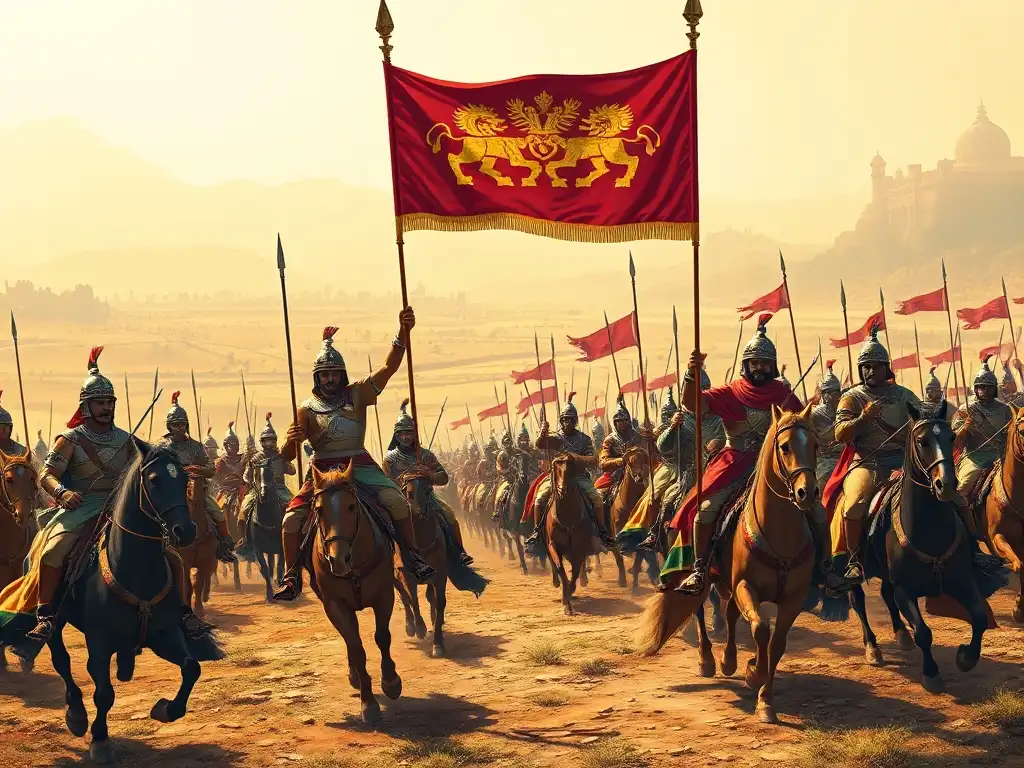
The Gupta Empire, which flourished between the 4th and 6th centuries CE, showcased a remarkable level of military organization and strategic acumen. Their military strategies were not only a reflection of their robust governance but also of their ability to adapt to changing circumstances on the battlefield. The Gupta's success in warfare can be attributed to several key elements, including tactical innovations, the effective use of naval power, and the strategic deployment of their resources across various terrains.
Tactical Innovations in Warfare
Use of Formations and Field Strategies
The Gupta Empire was known for its sophisticated military formations and field strategies, which were pivotal in their numerous campaigns. Their army typically consisted of a well-coordinated mix of infantry, cavalry, and war elephants.
- Deployment of Infantry and Cavalry: The infantry was often arranged in a phalanx formation, providing a solid defensive line while the cavalry executed flanking maneuvers to disrupt enemy formations. The integration of war elephants added a psychological and physical advantage, capable of breaking enemy lines and causing chaos among troops.
- Flexibility in Tactics: Gupta commanders demonstrated remarkable adaptability on the battlefield, allowing them to switch tactics based on the enemy's strengths and weaknesses. This flexibility enabled them to win battles against various foes, including the Saka and Hun invaders.
The mastery of formations allowed the Gupta armies to engage effectively across diverse terrains, showcasing their military prowess.
Incorporation of Siege Warfare Techniques
Siege warfare was another critical aspect of the Gupta military strategy, especially given the empire's vast urban centers and fortifications.
- Advanced Siege Equipment: The Gupta military utilized sophisticated siege engines, including catapults and battering rams, to breach enemy fortifications. Their engineers were adept at constructing these machines, which were crucial during prolonged sieges.
- Psychological Warfare: In addition to physical tactics, the Gupta employed psychological strategies, such as the use of deception and misinformation, to undermine enemy morale before and during sieges. This approach often led to surrenders without protracted conflict.
Importance of Rivers and Trade Routes
The Gupta Empire’s strategic location allowed them to harness the power of rivers and trade routes, which played a significant role in both military logistics and economic strength.
- Rivers as Natural Barriers: The major rivers, such as the Ganges and the Yamuna, served not only as vital trade routes but also as natural barriers against invasions. Control over these waterways was crucial for the movement of troops and resources, allowing for rapid deployment during conflicts.
- Protection of Trade: The Gupta emperors recognized the importance of safeguarding trade routes, which were vital for the economy. A strong naval presence enabled them to protect maritime trade against piracy and foreign invasions, thereby ensuring the prosperity of the empire.
Naval Engagements and Coastal Defense
While the Gupta Empire is often noted for its land-based military capabilities, its naval power was a crucial element of its strategy.
- Naval Fleets: The Gupta maintained a capable naval fleet that was essential for both defense and offense. Their ships were used to conduct naval patrols and engage in combat against rival factions threatening coastal areas.
- Coastal Defense Strategies: The construction of coastal fortifications helped secure key ports and trade routes. The navy played a key role in defending these strategic locations against invasions, showcasing the Gupta's foresight in military organization.
The military strategies employed by the Gupta Empire were characterized by tactical innovations, effective use of siege warfare, and a strong naval presence. Their ability to adapt and organize their military forces contributed significantly to their dominance and the stability of the empire during its height.
Weapons and Technology in Gupta Military Organization
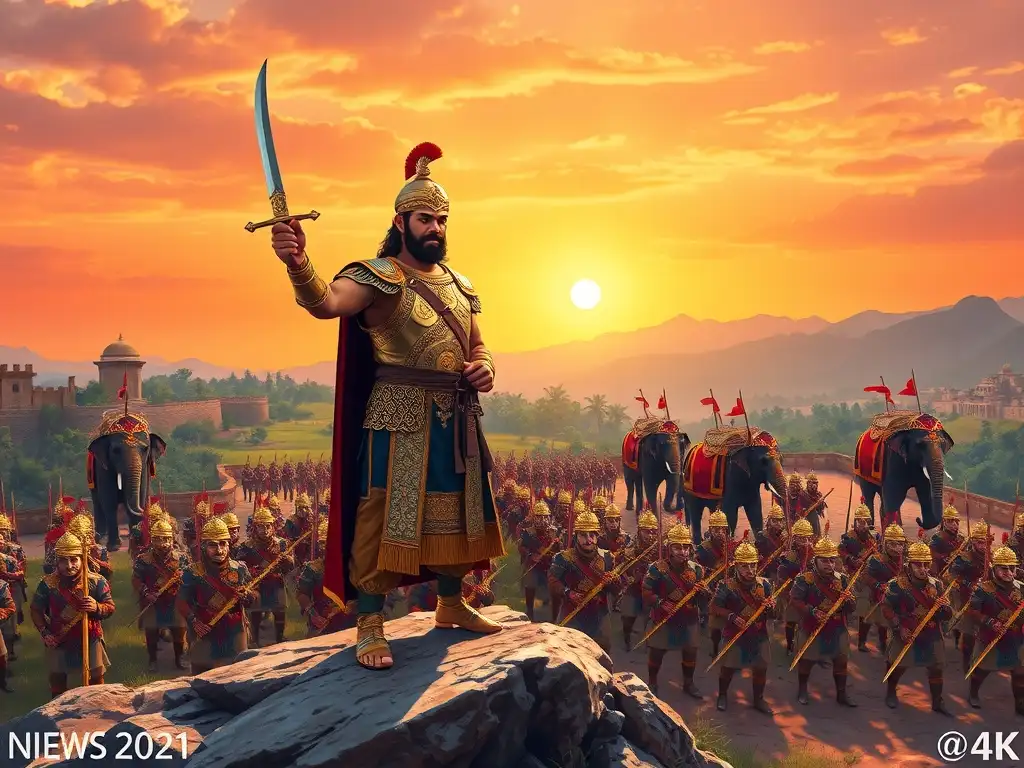
Overview of Military Weapons Used
The Gupta Empire, flourishing from approximately 320 to 550 CE, is often celebrated for its remarkable achievements in various fields, including military strategy and organization. Central to the success of the Gupta military was its sophisticated array of weapons and technology. The Gupta soldiers were equipped with a diverse arsenal that enabled them to engage effectively in warfare, reflecting the empire's emphasis on military prowess.
Spear, Bow, and Sword: Primary Arms of the Gupta Soldier
The primary arms of the Gupta soldier included spears, bows, and swords, each serving a unique purpose on the battlefield:
- Spears: These were versatile weapons that could be used for throwing or close combat. Crafted from sturdy materials, they allowed for both offensive and defensive maneuvers. The long reach of spears made them ideal for keeping enemies at bay.
- Bows: The bow was a critical component of the Gupta military's ranged attack strategy. Gupta archers were highly trained, capable of shooting arrows with precision and speed. The use of composite bows, which combined different materials for strength and flexibility, enhanced their effectiveness.
- Swords: Gupta swords, often made of iron, were designed for close combat. The quality of the metallurgy during this period ensured that swords were both durable and sharp, allowing soldiers to engage effectively in melee battles.
The combination of these weapons allowed Gupta forces to adapt to various combat scenarios, making them formidable opponents on the battlefield.
Development of Advanced Weaponry
The Gupta Empire witnessed significant advancements in weaponry, which were pivotal to their military organization. Key developments included:
- Crossbows: The introduction of crossbows provided a significant tactical advantage. These weapons allowed for greater force and accuracy, enabling soldiers to engage enemies from a distance with lethal efficiency.
- Catapults and Siege Engines: The Gupta military also utilized catapults and other siege engines during warfare. These innovations played a crucial role in besieging fortified cities, allowing Gupta forces to breach defenses effectively.
- Iron Technology: The Gupta period is renowned for its advancements in metallurgy, particularly ironworking. The production of high-quality iron weapons not only improved the effectiveness of the military but also allowed for mass production, ensuring that troops were well-equipped.
The development of advanced weaponry during the Gupta Empire was a key factor in their military successes, enabling them to dominate their rivals and expand their territory.
Innovations in Military Technology
In addition to weapons, the Gupta military organization also embraced innovations in military technology that enhanced their operational capabilities.
Armor and Defensive Gear
The protection of soldiers was paramount in the Gupta military strategy. Innovations in armor included:
- Chainmail and Scale Armor: Gupta soldiers wore chainmail and scale armor, which provided flexibility and protection. This type of armor allowed for greater mobility on the battlefield while safeguarding soldiers from enemy attacks.
- Shields: Shields were an essential part of the Gupta defense system. Crafted from wood and reinforced with metal, they offered additional protection against arrows and melee weapons.
- Helmets: Helmets were designed to protect the head and were often elaborately crafted, sometimes adorned with symbols of rank or allegiance, reinforcing the identity and morale of the soldiers.
These advancements in armor and defensive gear contributed significantly to the resilience of Gupta forces in battle.
Use of War Elephants in Combat
One of the most distinctive features of the Gupta military organization was the strategic use of war elephants. These magnificent creatures served multiple roles:
- Shock Troops: War elephants were often deployed as shock troops, creating chaos in enemy ranks. Their sheer size and strength allowed them to trample infantry and break formations, significantly impacting the dynamics of battle.
- Mobile Platforms: Elephants also served as mobile platforms for archers and commanders, providing height and visibility on the battlefield. This strategic advantage enabled commanders to direct troops more effectively.
- Psychological Warfare: The presence of war elephants instilled fear in enemy soldiers, serving as a psychological weapon that could demoralize and disrupt opposing forces.
The use of war elephants in combat exemplified the Gupta Empire's innovative military strategies, solidifying their reputation as masters of military organization and contributing to their enduring legacy in ancient military history.
The Gupta Empire’s Military Campaigns and Their Impact
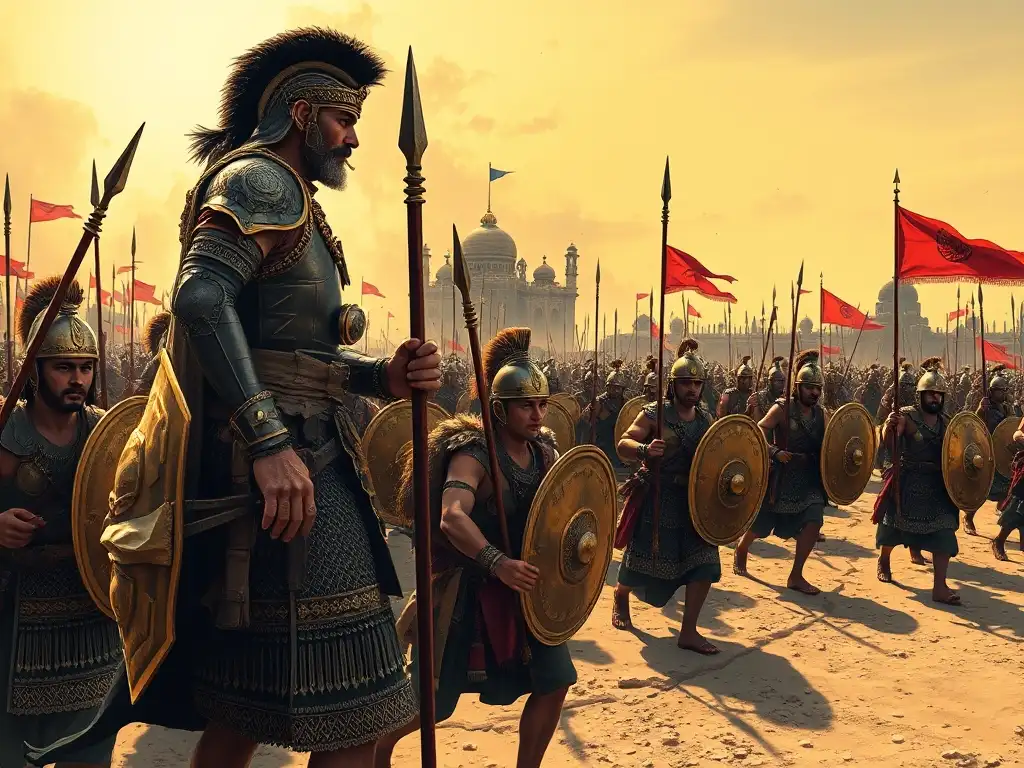
Major Conquests and Military Campaigns
During its reign from approximately 240 to 550 CE, the Gupta Empire showcased remarkable military organization that facilitated its expansion across vast territories. The Gupta military campaigns were characterized by strategic planning, effective logistics, and innovative tactics, resulting in significant territorial gains and a robust influence over the Indian subcontinent.
Expansion into Northern India
The Gupta Empire initially focused on consolidating power in Northern India, where it capitalized on the political fragmentation following the decline of the Kushan Empire. Under the leadership of Chandragupta I, the empire expanded its control through a combination of diplomacy and military prowess. Key regions such as Magadha, present-day Bihar, and parts of Uttar Pradesh were integrated into the empire's fold.
Notably, Samudragupta, often referred to as the "Napoleon of India," undertook extensive military campaigns that expanded Gupta influence across modern-day Haryana, Punjab, and further into the Deccan region. His military expeditions were meticulously documented in the Allahabad Pillar Inscription, where he is praised for subduing numerous kings and establishing Gupta supremacy.
- Key Campaigns:
- Conquest of the Northern Kingdoms: Samudragupta’s campaigns against the Shakas and other local rulers solidified Gupta power.
- Deccan Expeditions: The southern campaigns not only expanded territorial control but also facilitated cultural exchange and trade.
Conflicts with the Huns and Other Rivals
The latter part of the Gupta Empire saw increased challenges from external forces, particularly the Huns. The invasion by the Huna tribes during the reign of Skandagupta posed a significant threat. The Gupta military organization proved resilient, effectively mobilizing resources and troops to counter these invasions.
- Strategies Against the Huns:
- The Gupta forces utilized a combination of cavalry and infantry, employing hit-and-run tactics to disrupt Huna advances.
- Fortifications and strategic defense systems were enhanced during this period to protect key cities and trade routes.
The conflicts with the Huns and other rivals not only tested Gupta military strategies but also led to adaptations in warfare techniques, showcasing the empire's ability to evolve in the face of adversity.
Legacy of Gupta Military Organization
The military organization of the Gupta Empire left a lasting legacy that influenced subsequent Indian kingdoms and military practices. The structured hierarchy, efficient logistics, and innovative tactics established during this period would pave the way for future military endeavors in the region.
Influence on Subsequent Indian Kingdoms
The Gupta military organization served as a model for later Indian dynasties, including the Pratihara and the Chola empires. The strategies employed, such as the effective use of cavalry and coordinated infantry assaults, were adopted and adapted by these later rulers.
- Key Influences:
- Tactical Innovations: The emphasis on mobile cavalry units and coordinated attacks became standard practices in Indian warfare.
- Administrative Structures: The Gupta system of military administration influenced the organization of armies in subsequent kingdoms, reinforcing the importance of logistics and supply chains.
Contributions to Military Theory and Practice
The Gupta Empire is also credited with advancements in military theory, particularly through the works of scholars like Kautilya, whose treatise, the Arthashastra, outlined principles of warfare, statecraft, and governance. This text emphasized the importance of strategic planning, espionage, and the ethical conduct of war, which continued to shape Indian military thought for centuries.
- Military Theory Contributions:
- Strategic Planning: Gupta military campaigns highlighted the necessity of thorough reconnaissance and intelligence-gathering.
- Diplomacy and Alliances: The Gupta model demonstrated the effectiveness of forming alliances, which became a staple in Indian military strategy.
The Gupta Empire's military organization was not only instrumental in securing its dominance during its time but also set the foundation for military practices that would resonate throughout Indian history, showcasing the empire's enduring influence on military organization and strategy.
Challenges Faced by the Gupta Military Organization
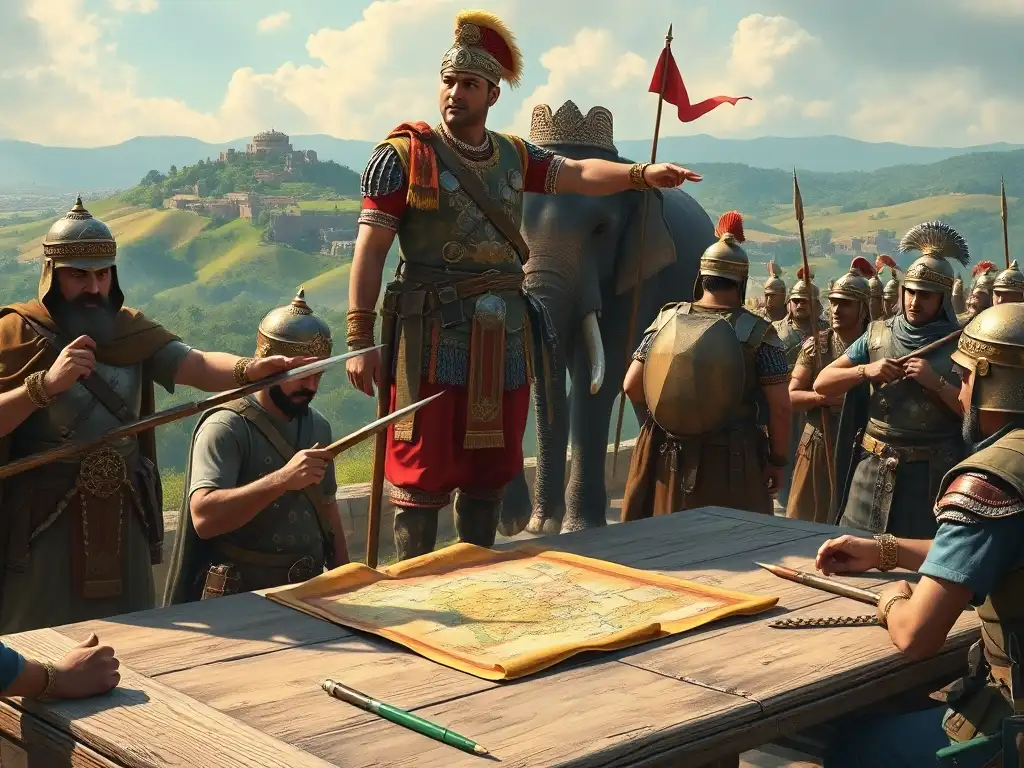
The Gupta Empire, despite its remarkable achievements in military organization and strategy, faced numerous challenges that tested the resilience and adaptability of its military forces. These challenges stemmed from both internal and external factors, each significantly impacting the stability and effectiveness of the Gupta military.
Internal Strife and Political Fragmentation
Internal strife within the Gupta Empire often arose from power struggles among regional governors and noble families. As the central authority of the Gupta rulers began to weaken, local leaders sought to assert their autonomy, leading to fragmentation. This political instability had several consequences for the Gupta military organization:
- Loyalty Issues: Regional generals became more loyal to their local rulers than to the Gupta emperor, creating divisions within the military that undermined cohesive military strategies.
- Resource Allocation: The fragmentation led to uneven resource distribution, with some regions hoarding military supplies while others suffered shortages.
- Civil Unrest: Internal conflicts frequently resulted in civil wars, diverting military attention and resources away from external threats.
The inability to maintain a unified front against these internal challenges ultimately weakened the Gupta military organization, making it more vulnerable to external incursions.
External Threats and Invasions
The Gupta Empire was not only beset by internal turmoil but also faced significant external threats. As the empire expanded, it encountered various groups that posed formidable challenges to its military organization.
The Impact of the Huna Invasions
Among the most notable external threats were the Huna invasions during the 5th and 6th centuries CE. The Huna, a nomadic warrior tribe, launched several incursions into Gupta territories, severely testing the empire's military capabilities. The consequences of these invasions included:
- Territorial Losses: The Huna invasions resulted in substantial territorial losses for the Gupta Empire, particularly in northern India, leading to diminished resources and manpower.
- Disruption of Trade Routes: The invasions disrupted vital trade routes, which were essential for the economic stability of the empire, further straining military resources.
- Psychological Impact: The fear instilled by the Huna raids weakened the morale of Gupta soldiers and citizens, contributing to a loss of confidence in the Gupta military's ability to protect the empire.
Responses to External Military Challenges
In response to the Huna invasions and other external military challenges, the Gupta military organization devised several strategies to bolster its defenses and regain lost territories:
- Reorganization of Military Forces: The Gupta rulers implemented a reorganization of their military, focusing on the creation of specialized units capable of responding to specific threats, including cavalry and war elephants.
- Diplomatic Alliances: They sought to form alliances with neighboring states and tribes, leveraging diplomacy to create a united front against common enemies.
- Fortification of Borders: The Gupta Empire invested in fortifying key border regions, constructing defensive structures to repel invasions and safeguard trade routes.
Despite these efforts, the combination of internal strife and relentless external pressures ultimately culminated in the gradual decline of the Gupta Empire's military organization, highlighting the intricate relationship between military strength and political stability.
Conclusion: The Gupta Empire’s Military Organization and Its Enduring Legacy
Summary of Key Insights on Military Strategy and Organization
The military organization of the Gupta Empire was a cornerstone of its formidable power and influence in ancient India. The Gupta military was characterized by its highly structured hierarchy, efficient logistics, and innovative strategies. Key aspects of their military organization included:
- Centralized Command: The Gupta emperors maintained strict control over their armies, with a clear chain of command that ensured effective communication and swift decision-making on the battlefield.
- Diverse Forces: The military comprised various units, including infantry, cavalry, and war elephants, each playing a specific role in combat. This diversity allowed for flexible tactics tailored to different battle scenarios.
- Advanced Training and Discipline: Soldiers underwent rigorous training, emphasizing discipline and skill development. This preparation was crucial in maintaining the effectiveness of the military during campaigns.
- Innovative Tactics: The Gupta army employed various strategies, such as flanking maneuvers and the use of surprise attacks, which were essential in overcoming adversaries and expanding their territory.
Overall, the Gupta Empire's military organization not only facilitated the conquest of vast regions but also ensured the stability and prosperity of the empire during its peak.
Reflection on the Gupta Empire’s Role in Shaping Military History in India
The Gupta Empire's influence on military history in India is profound and enduring. As one of the first major empires to implement a cohesive military structure, it set a precedent for subsequent Indian kingdoms. Key reflections on this impact include:
- Military Innovations: The Gupta period saw significant advancements in military technology, including the development of more effective weapons and improved tactics, which laid the groundwork for future military strategies in India.
- Cultural Integration: The military campaigns of the Gupta Empire facilitated cultural exchanges across the Indian subcontinent, promoting unity among diverse groups and blending various military traditions.
- Legacy of Strategy: The organizational principles and strategies adopted by the Gupta military influenced later empires, such as the Chola and Mughal empires, demonstrating the lasting significance of Gupta military organization in shaping Indian military history.
The Gupta Empire's military organization was not only a key factor in its successes during its time but also left a lasting legacy that continued to influence military practices in India for centuries to come. The Gupta Empire remains a pivotal chapter in the history of military organization, exemplifying the integration of strategy, technology, and cultural elements in creating a powerful military force.
Frequently Asked Questions
What was the significance of the Gupta Empire's military organization?
The Gupta Empire's military organization was crucial for its expansion and defense, allowing it to maintain control over vast territories and protect against invasions.
How did the Gupta Empire implement its military strategies?
The Gupta Empire employed a combination of infantry, cavalry, and war elephants, which facilitated a flexible and effective approach to warfare, adapting to various battlefield scenarios.
What role did technology play in the military of the Gupta Empire?
Technological advancements in weaponry, such as improved bows and swords, significantly enhanced the combat effectiveness of Gupta forces, contributing to their military successes.
How did the Gupta Empire maintain loyalty among its soldiers?
The Gupta Empire fostered loyalty through reward systems, such as land grants and titles for military service, ensuring that soldiers were motivated to defend the empire.
What were some of the key military campaigns of the Gupta Empire?
The Gupta Empire conducted notable military campaigns against various rival states, including the Vakatakas and the Hunas, which helped to secure its dominance in northern India.
Final Reflection: The Enduring Legacy of Gupta Military Organization
The Gupta Empire's military organization and strategy not only shaped the course of its own history but also laid foundational principles that resonate in modern military practices. Today, as nations grapple with complex geopolitical landscapes, the lessons drawn from the Gupta's strategic innovations remind us of the importance of adaptability, discipline, and cohesive command structures in achieving success on the battlefield. The Gupta Empire serves as a testament to how effective military organization can influence the fate of civilizations.
The impact of Gupta military organization extends beyond historical analysis; it continues to inspire contemporary military and leadership strategies. The principles of unity, strategic foresight, and logistical efficiency that characterized the Gupta forces are echoed in modern military doctrines around the world. As historian Romila Thapar aptly noted, The Gupta period was not just an era of military prowess; it was a time when the art of governance and warfare became intricately linked.
This observation highlights the profound connection between military organization and broader societal structures, emphasizing the Gupta Empire's role as a model for future generations.
As we reflect on the Gupta Empire's military organization, let us consider how these lessons can be applied in our own lives. How can we cultivate a sense of unity and strategic thinking in our personal and professional endeavors? I invite you to embrace the principles of organization and adaptability that defined the Gupta military, applying them to your own challenges. By doing so, we honor the legacy of the Gupta Empire and empower ourselves to navigate the complexities of our modern world with confidence and purpose.
Unleash Your Inner Strategist: Dive Deeper into the Gupta Empire!
Thank you for exploring the fascinating world of the Gupta Empire with us! By learning about their exceptional military organization and strategies, you've taken the first step in understanding how these masters shaped ancient history. Now, let's put that newfound knowledge into action!
Here are a few steps you can take to deepen your connection with this captivating topic:
- Explore further: Read additional articles on ancient military strategies to uncover valuable lessons from the past.
- Join the conversation: Share your thoughts or questions in the comments section below; your insights could spark engaging discussions!
- Connect with history enthusiasts: Participate in online forums or social media groups dedicated to ancient history to exchange ideas and insights.
What aspect of the Gupta Empire’s military strategy do you find most intriguing, and how do you think it can inform modern strategic thinking?