
The Role of Vedic Texts in Shaping Modern Indian Identity


Welcome to Ancient India History, where we embark on a fascinating journey through the tapestry of time, exploring the rich and diverse heritage of ancient Indian civilizations. In our featured article, "The Role of Vedic Texts in Shaping Modern Indian Identity," we delve into the profound impact of Vedic literature on the very fabric of contemporary Indian identity. How did these ancient texts influence philosophical thought, cultural practices, and societal values?
Join us as we unravel the captivating connections between past and present, igniting your curiosity to discover how the echoes of the Vedic era still resonate in today's India. Dive deeper with us and uncover the legacy that shapes millions!
Introduction to Vedic Texts and Indian Identity
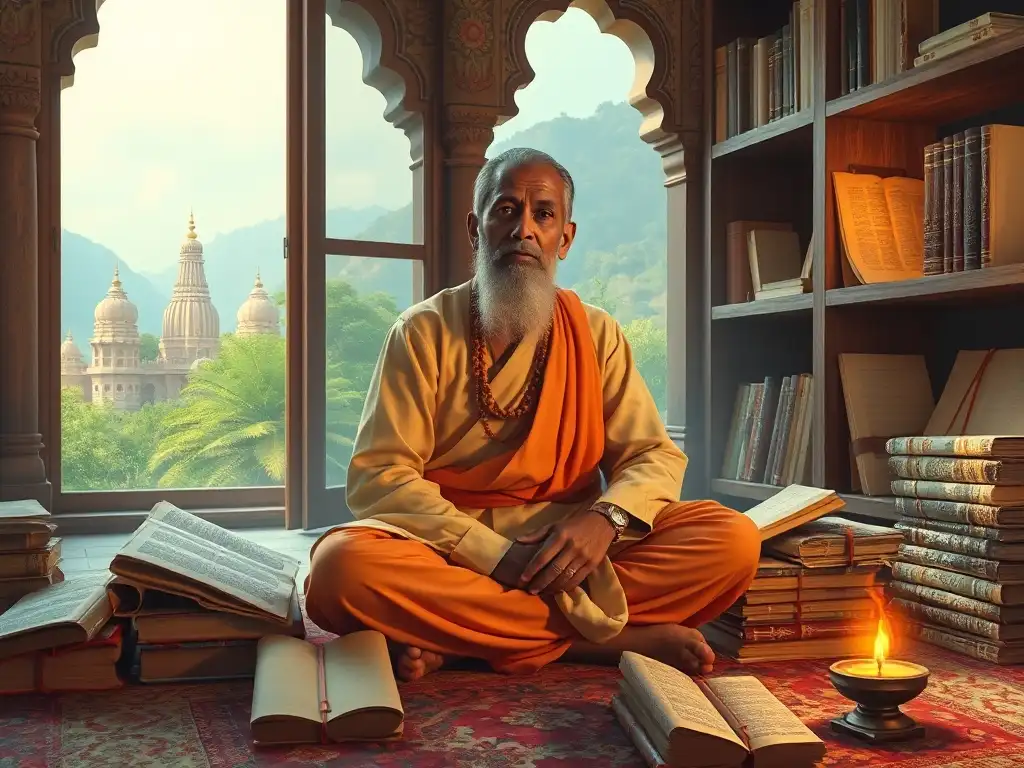
The Vedic texts, composed over three millennia ago, are among the oldest literary works in the world, serving as foundational scriptures for Hindu philosophy and spirituality. Their profound insights and teachings have significantly influenced not just ancient Indian culture but also continue to shape the modern Indian identity. From rituals and social structures to philosophical inquiries, the Vedic texts encapsulate a complex worldview that resonates with contemporary values and traditions. Understanding the Vedic texts' influence on Indian identity requires an exploration of both their historical significance and their enduring relevance in today's diverse society.
Definition of Vedic Texts
Vedic texts refer to a large body of religious literature originating from the Vedic period (approximately 1500–500 BCE) in ancient India. These texts are primarily composed in Sanskrit and are categorized into four main collections, known as the Vedas:
- Rigveda - A collection of hymns dedicated to various deities.
- Yajurveda - Contains prose mantras for rituals and sacrifices.
- Samaveda - Known for its musical chants derived from hymns in the Rigveda.
- Atharvaveda - Encompasses rituals, spells, and practical advice for daily life.
These texts not only outline religious practices but also ponder philosophical questions, forming the bedrock of Hindu thought.
Overview of Modern Indian Identity
Modern Indian identity is a tapestry woven from various threads of history, culture, religion, and language. It is characterized by:
- Diversity: India is home to multiple ethnicities, languages, and religions, reflecting a rich cultural mosaic.
- Tradition and Modernity: The interplay between ancient traditions and contemporary influences creates a unique societal dynamic.
- Spirituality: The influence of ancient texts, including the Vedas, continues to be a vital aspect of Indian spirituality and ethical practices.
The legacy of the Vedic texts remains intertwined with the collective consciousness of the Indian populace, influencing everything from societal norms to personal beliefs.
Historical Context of Vedic Texts
Creation and Significance of Vedic Literature
The creation of Vedic literature marks a pivotal moment in Indian history. Scholars suggest that the Vedas were composed between 1500 BCE and 500 BCE during a time of significant social and cultural evolution. This era witnessed the transition from nomadic lifestyles to settled agricultural communities, which fostered the development of complex societies. The Vedic texts played a crucial role in:
- Establishing Religious Practices: The rituals and ceremonies outlined in the Vedas laid the groundwork for subsequent Hindu religious practices.
- Organizing Society: The texts contributed to the formation of social structures, including the caste system, which has had long-lasting implications for Indian society.
Vedic Texts as Cultural Foundations of Ancient India
The Vedic texts not only served as religious scriptures but also functioned as cultural compasses for ancient Indian civilization. They provided guidelines on:
- Ethics and Morality: The teachings within the Vedas emphasized dharma (duty/righteousness), shaping moral conduct and social responsibilities.
- Philosophical Inquiry: The Vedic texts encouraged a quest for knowledge and understanding, leading to the development of various philosophical schools that continue to influence thought today.
The legacy of these texts is evident in the ways they have shaped cultural practices, festivals, and even modern interpretations of spirituality in India. As we delve deeper into the Vedic texts' influence on Indian identity, it becomes clear that their impact extends far beyond their historical context, resonating through generations to the present day.
Vedic Texts Influence on Indian Identity
The influence of Vedic texts on Indian identity is profound and multifaceted, encompassing spiritual, philosophical, and social dimensions. These ancient scriptures not only laid the foundation for various aspects of Indian culture but also continue to resonate in contemporary society. The Vedas, composed around 1500 BCE to 500 BCE, are revered as the oldest sacred texts in Hinduism and serve as a crucial reference point for understanding the values, beliefs, and practices that have shaped the Indian identity over millennia.
The Vedic texts have provided a framework for ethical and moral guidance, influencing individual behavior and societal norms. Their teachings have permeated various aspects of life in India, from religious rituals and festivals to daily practices and artistic expressions. As India continues to evolve, the relevance of these texts remains significant, offering insights that help navigate the complexities of modern life while staying rooted in tradition.
Philosophical and Spiritual Contributions
The Vedic texts are rich in philosophical discourse, addressing fundamental questions about existence, the nature of the self, and the universe. The Upanishads, which form the concluding part of the Vedic literature, delve deeply into metaphysical concepts, exploring the relationship between the individual soul (Atman) and the ultimate reality (Brahman). This philosophical inquiry has profoundly influenced Indian thought, providing a sense of continuity that connects ancient wisdom with modern existential questions.
Spiritually, Vedic rituals and hymns are integral to various Hindu practices, emphasizing the importance of devotion (bhakti) and knowledge (jnana). The emphasis on meditation and contemplation found in these texts encourages introspection and personal growth, fostering a collective spiritual identity that continues to thrive in contemporary India. This synthesis of philosophy and spirituality has not only shaped individual beliefs but has also contributed to a shared cultural heritage that unites diverse communities across the nation.
Social Structure and Vedic Influence on Modern Society
The Vedic texts have played a pivotal role in informing the social structure of ancient India, particularly through the varna system, which classifies society into four main categories: Brahmins, Kshatriyas, Vaishyas, and Shudras. Although this system has evolved and faced criticism over the centuries, its origins in Vedic literature continue to influence contemporary societal dynamics and discussions on caste.
In modern India, the principles derived from Vedic texts inform various aspects of social life, including governance, education, and family structures. The emphasis on duty (dharma) and righteousness in social interactions promotes values such as justice, equality, and community service, which are essential for maintaining harmony in a diverse society. As India grapples with its historical legacies, the teachings of the Vedas provide a reference point for redefining social roles and responsibilities in a rapidly changing world.
Key Vedic Concepts Shaping Indian Identity
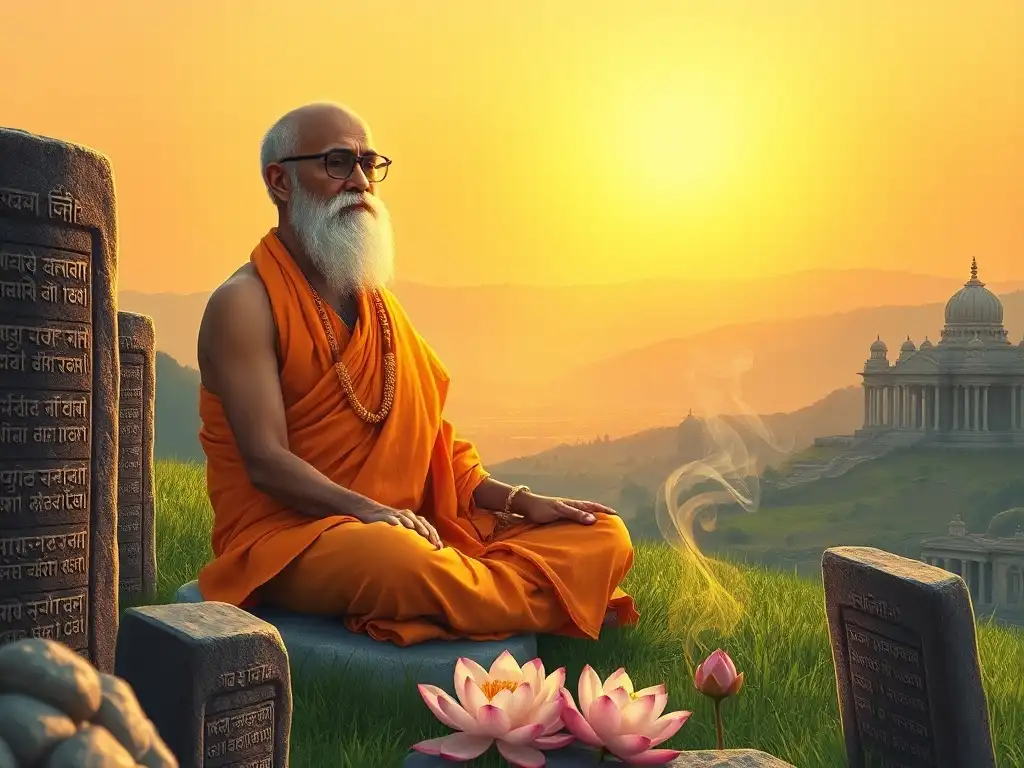
The Vedic texts are not only foundational to religious practices but also introduce key concepts that continue to shape the Indian identity in profound ways. Among these concepts, dharma and karma are particularly significant, influencing ethical frameworks and personal philosophies across generations.
Dharma and Its Relevance in Contemporary India
Dharma, often translated as "duty" or "righteousness," is a central theme in Vedic literature and remains a guiding principle for individuals and societies. It encapsulates the idea of living in accordance with moral and ethical obligations, which is crucial in maintaining societal order and balance. In contemporary India, the concept of dharma finds relevance in various fields, including law, education, and leadership, emphasizing the importance of moral integrity and social responsibility.
Modern interpretations of dharma also reflect the challenges of globalization, where individuals must navigate complex ethical dilemmas. By adhering to the principles of dharma, many strive to align their personal choices with broader societal values, fostering a sense of community and shared identity. This adaptability of dharma illustrates its enduring significance in shaping modern Indian consciousness.
The Concept of Karma in Modern Indian Thought
Karma, the principle of cause and effect, is another vital concept derived from Vedic texts that has greatly influenced Indian philosophy and ethics. The understanding that actions have consequences—both in this life and future reincarnations—encourages individuals to act with intention and mindfulness. In contemporary Indian thought, the concept of karma motivates many to engage in positive actions, emphasizing personal accountability and social contribution.
This belief in karma fosters resilience and hope, as individuals recognize their agency in shaping their destinies. It also plays a critical role in discussions around social justice, personal development, and spiritual growth. As modern society grapples with challenges such as inequality and environmental degradation, the teachings of karma inspire collective efforts towards creating a more equitable and sustainable world, thereby reinforcing the connection between ancient wisdom and present realities.
Vedic Texts and National Identity
The Vedic texts, composed around 1500 to 500 BCE, serve as a foundational aspect of Indian civilization and thought. Their influence extends beyond religious practices; they are a vital part of the cultural and national identity of India. The teachings encapsulated within the Vedas promote a sense of unity among diverse linguistic and cultural groups across the country. By emphasizing shared philosophies, rituals, and values, the Vedic texts contribute to a collective identity that transcends regional differences, making them a touchstone for understanding what it means to be Indian.
In contemporary society, the Vedic texts are often referenced in discussions about national identity, particularly in the context of cultural revival and pride. Many Indians view these texts as synonymous with their heritage, linking them to notions of authenticity and tradition. This connection to ancient wisdom provides a sense of continuity and stability in a rapidly changing world, reinforcing the idea that modern Indian identity is deeply rooted in its historical past.
Role of Vedic Texts in Nationalism and Cultural Pride
During the 19th and 20th centuries, the Vedic texts took on a new significance as they became associated with the nationalist movement. Leaders such as Swami Vivekananda and Bal Gangadhar Tilak promoted the idea that the Vedas embodied the true essence of Indian culture. They argued that a return to Vedic principles was essential for reviving Indian pride and resisting colonial influences. This interpretation of the Vedas fueled a sense of cultural nationalism, encouraging Indians to take pride in their ancient heritage.
In the post-independence era, the Vedic texts have continued to play a role in shaping cultural pride. Educational curricula often include references to Vedic literature, and various organizations promote the study and practice of Vedic traditions as a means of fostering national identity. The resurgence of interest in yoga, meditation, and Ayurveda, all rooted in Vedic traditions, further illustrates how these texts contribute to a contemporary understanding of Indian identity.
Revival of Vedic Traditions in Modern India
The revival of Vedic traditions in modern India can be seen through various movements that seek to reconnect with ancient wisdom. Organizations like the Rashtriya Swayamsevak Sangh (RSS) and cultural festivals celebrating Vedic rituals have gained prominence. These initiatives aim to instill a sense of pride in India's ancient contributions to philosophy, science, and arts.
Moreover, the popularity of Vedic astrology and rituals in personal and community life underscores the ongoing relevance of these texts. Many Indians turn to Vedic principles for guidance on moral and ethical living, reinforcing their importance in contemporary culture. This revival is not merely an academic interest; it is woven into the fabric of daily life, influencing everything from personal decisions to community celebrations.
Comparative Analysis
Vedic Influence vs. Other Ancient Texts on Indian Identity
While the Vedic texts are paramount in shaping Indian identity, it is essential to recognize the contributions of other ancient texts, such as the Upanishads, the Mahabharata, and the Ramayana. Each of these works offers unique perspectives on morality, duty, and the nature of reality, forming a rich tapestry of Indian thought. However, the Vedas are often regarded as the authoritative source of spiritual and philosophical wisdom, establishing the foundational principles that later texts build upon.
The Vedic influence is particularly significant in the context of Hinduism, where concepts like dharma (duty) and karma (action and its consequences) originated. In contrast, other texts may focus more on narrative and storytelling, providing a different lens through which to view Indian identity. The interplay between these texts allows for a multifaceted understanding of what it means to be Indian, with the Vedas often serving as the cornerstone of this identity.
How Vedic Texts Differ in Their Impact on Indian Culture
The impact of Vedic texts on Indian culture is profound and distinct from that of other literary traditions. Unlike texts that primarily serve as historical accounts or epic narratives, the Vedas provide a framework for understanding the cosmos, human existence, and the divine. Their emphasis on ritual and oral transmission has shaped religious practices and cultural customs in India.
Furthermore, the Vedic texts advocate for a holistic understanding of life that integrates spiritual, social, and moral dimensions. This comprehensive approach fosters a sense of interconnectedness among individuals, communities, and the environment. In contrast, other ancient texts may focus on specific themes or lessons, lacking the broader philosophical implications found in the Vedas. Thus, while various texts contribute to the rich cultural milieu of India, the Vedic texts hold a unique position in shaping the spiritual and ethical landscape of modern Indian identity.
Case Studies
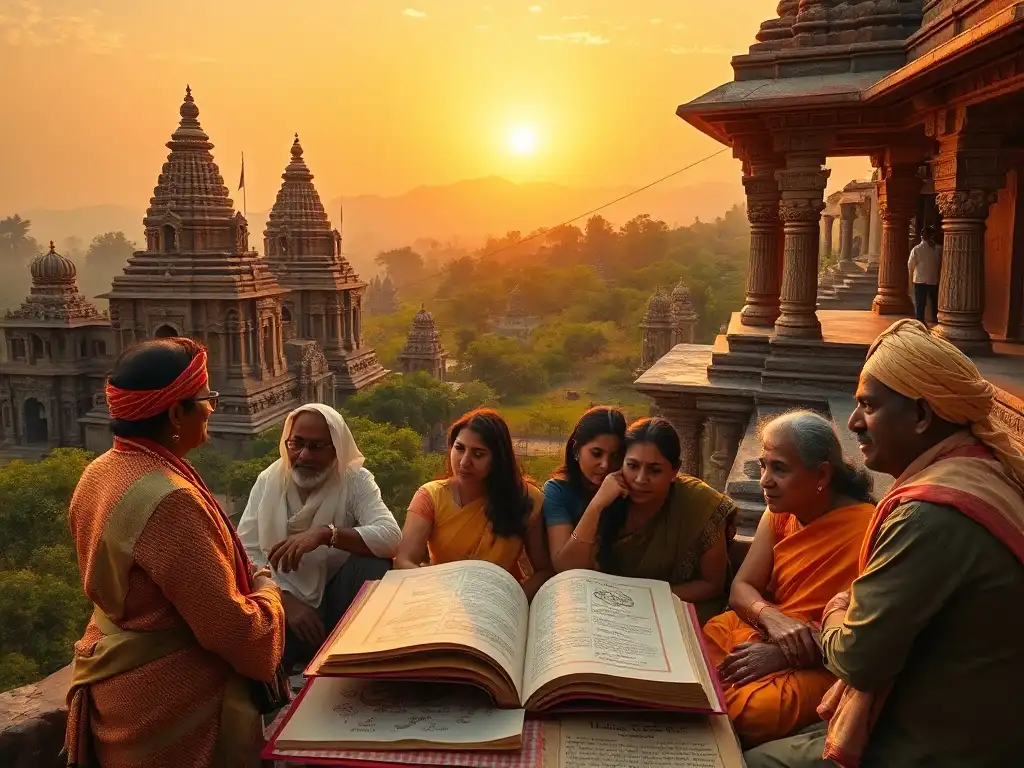
The influence of Vedic texts on modern Indian identity can be observed through various case studies that highlight their relevance in contemporary society. These studies illustrate how the teachings and philosophies embedded in the Vedas continue to shape cultural, spiritual, and social constructs in India.
Modern Movements Inspired by Vedic Texts
Several modern movements draw inspiration from Vedic teachings, advocating for a return to traditional values while addressing contemporary societal issues. For instance, the Rashtriya Swayamsevak Sangh (RSS) has emphasized the Vedic ethos in promoting nationalism and cultural pride among Indians. By invoking the principles of dharma and righteousness found in the Vedas, the RSS has created a framework for social change that resonates with many citizens.
Another notable example is the Art of Living Foundation, founded by Sri Sri Ravi Shankar. The foundation integrates Vedic wisdom into its wellness programs, emphasizing meditation and yoga as pathways to spiritual enlightenment and mental health. These initiatives not only promote individual well-being but also foster a collective identity rooted in ancient Indian heritage.
Examples of Vedic Influence in Contemporary Literature and Art
Contemporary literature and art in India frequently reflect the themes and philosophies of the Vedic texts. Writers such as Amitav Ghosh and Arundhati Roy incorporate Vedic narratives and metaphors in their works, exploring the juxtaposition of ancient wisdom with modern dilemmas. Ghosh’s novels often weave in historical elements that echo Vedic concepts, showcasing how these ancient teachings still resonate with modern readers.
In the realm of visual arts, artists like Subodh Gupta and Bharti Kher utilize Vedic symbolism to comment on contemporary issues. Gupta’s installations often reflect themes of transformation and rebirth, resonating with the cyclical nature of life discussed in the Vedas. Kher’s work frequently incorporates traditional motifs, bridging the gap between ancient practices and modern artistic expression. These examples demonstrate how the Vedic texts continue to inspire and shape the cultural landscape of contemporary India.
Challenges and Critiques
While the Vedic texts play a significant role in shaping modern Indian identity, their interpretation and application are not without challenges. The complexities and nuances of these ancient scriptures often lead to varying interpretations that can conflict with contemporary values.
Misinterpretation of Vedic Texts in Modern Context
One of the primary challenges is the misinterpretation of Vedic texts. In some instances, individuals or groups may selectively interpret passages to support specific ideologies or agendas, leading to a skewed understanding of the original teachings. For example, certain interpretations may emphasize caste hierarchies or gender roles that conflict with modern egalitarian values. This selective reading can perpetuate social divisions and hinder progress toward a more inclusive society.
Furthermore, the lack of comprehensive understanding of Vedic philosophy among the general populace can lead to the propagation of myths and misinformation. Ensuring accurate and contextual interpretations of these texts is crucial for fostering a balanced modern identity that honors ancient wisdom without reinforcing outdated norms.
Balancing Tradition and Modernity in Indian Identity
Another significant challenge lies in the balancing of tradition and modernity. As India evolves in the face of globalization and technological advancements, there is an ongoing tension between preserving traditional values derived from the Vedas and adapting to contemporary realities.
For many, the Vedic teachings offer a moral compass and a sense of belonging; however, integrating these teachings into modern life can be complex. The younger generation often grapples with the expectations of traditional practices while striving for individual expression and autonomy. This balancing act is essential for shaping a cohesive Indian identity that respects its ancient roots while embracing the dynamism of modern society.
The role of Vedic texts in shaping modern Indian identity is multifaceted, encompassing both inspirational movements and critical challenges. By addressing these complexities, it is possible to cultivate a contemporary identity that honors the wisdom of the Vedas while navigating the demands of modernity.
Conclusion
The Vedic texts serve as a foundational pillar in the formation of modern Indian identity, influencing not only religious beliefs but also cultural practices, social structures, and philosophical thought. While these ancient scriptures are primarily spiritual in nature, their implications extend far beyond the realm of religion, guiding the moral and ethical frameworks within which contemporary Indian society operates. The principles enshrined in the Vedas—such as the concepts of dharma (duty), karma (action), and moksha (liberation)—continue to resonate with individuals, shaping their values and choices in a rapidly changing world.
As India navigates its path toward modernization, the enduring relevance of Vedic literature becomes increasingly apparent. It not only fosters a sense of continuity with the past but also encourages a dialogue between tradition and contemporary realities. The Vedic texts thus play a vital role in preserving the rich tapestry of Indian heritage while simultaneously guiding future generations.
Summary of Vedic Texts' Influence on Indian Identity
The Vedic texts have profoundly impacted the development of Indian identity through several key aspects:
- Spiritual Framework: They provide a comprehensive understanding of spirituality that has influenced the religious practices of Hinduism and other Indian religions. The concept of a universal soul (Brahman) and the individual soul (Atman) has shaped philosophical discussions and personal spiritual journeys.
- Cultural Practices: Rituals, festivals, and customs that are prevalent in modern India can trace their origins back to the Vedic period. Practices such as yoga, meditation, and various forms of worship find their roots in these ancient texts, thereby continuing to impact daily life and cultural expressions.
- Social Structure: The Vedic texts introduced ideas about social organization that have endured through centuries. Though the caste system has evolved and faced criticism, the initial classifications found in Vedic texts have had lasting implications for societal roles and responsibilities.
- Language and Literature: The Sanskrit language, which is the medium of the Vedic texts, has not only influenced the development of various Indian languages but also contributed to a rich literary tradition that continues to thrive today.
Overall, the Vedic texts are integral to understanding the complexities of modern Indian identity, serving as a bridge between the ancient and the contemporary.
Future Perspectives on Vedic Literature and Indian Culture
Looking ahead, the role of Vedic literature in shaping Indian culture is poised to evolve further. As India continues to grapple with globalization and technological advancements, there is potential for a renaissance of interest in Vedic teachings. This resurgence may manifest in various ways:
- Interdisciplinary Studies: Scholars from diverse fields—philosophy, sociology, and environmental science—are increasingly recognizing the relevance of Vedic texts in contemporary discussions. This interdisciplinary approach could lead to new interpretations and applications of ancient wisdom in modern contexts.
- Cultural Revival: There may be a growing movement towards the revival of traditional practices rooted in Vedic literature, such as Ayurveda, yoga, and Vedic chanting. Such practices not only promote wellbeing but also foster a deeper connection with one’s heritage.
- Global Outreach: As global interest in spirituality and holistic living increases, the teachings of the Vedas may gain prominence on the world stage, presenting an opportunity for cross-cultural exchanges that enrich both Indian and global perspectives.
- Digital Preservation: The digitization of Vedic texts and their commentary will make them more accessible to future generations. This technological shift might encourage a wider audience to engage with these ancient scriptures, fostering a renewed appreciation for their teachings.
The future of Vedic literature in shaping Indian culture looks promising, with opportunities for greater integration, understanding, and application of these foundational texts in the modern world. The continued exploration of Vedic wisdom is likely to play a crucial role in defining the evolving identity of India as it stands at the crossroads of tradition and modernity.
- Introduction to Vedic Texts and Indian Identity
- Historical Context of Vedic Texts
- Vedic Texts Influence on Indian Identity
- Key Vedic Concepts Shaping Indian Identity
- Vedic Texts and National Identity
- Comparative Analysis
- Case Studies
- Challenges and Critiques
- Conclusion
Frequently Asked Questions
What are Vedic texts?
Vedic texts are ancient scriptures originating from India, composed in Sanskrit. They form the foundation of Hindu philosophy, rituals, and cultural practices.
How do Vedic texts influence Indian identity?
The Vedic texts profoundly shape Indian identity by providing a framework for spiritual beliefs, social structures, and cultural values that continue to resonate in modern society.
What is the significance of the Vedas in Indian culture?
The Vedas are considered the oldest sacred literature, influencing art, music, and literature. Their teachings guide ethical and moral conduct, forming the core of Indian cultural heritage.
How did Vedic texts contribute to the development of Hinduism?
The Vedic texts laid the groundwork for Hinduism by establishing core concepts such as dharma (duty), karma (action), and moksha (liberation), which are central to the religion's teachings.
Are Vedic texts relevant to contemporary Indian society?
Yes, the Vedic texts remain highly relevant today, influencing social norms, rituals, and values in contemporary Indian society, helping to shape a unified Indian identity amidst its diversity.
Final Reflection: The Enduring Influence of Vedic Texts on Indian Identity
The exploration of Vedic texts and their profound impact on modern Indian identity is not merely an academic pursuit; it is a vital conversation that resonates deeply with contemporary society. As we navigate a rapidly changing world, the teachings and philosophies embedded in these ancient scriptures offer a compass for understanding our cultural roots and values. The Vedic texts influence on Indian identity is a testament to the power of tradition in shaping who we are today.
The legacy of Vedic texts continues to permeate various aspects of Indian culture, from philosophy and spirituality to art and literature. Their teachings encourage introspection and foster a sense of belonging among individuals in a diverse society. As Mahatma Gandhi once said, "> A nation's greatness is measured by how it treats its weakest members."
This sentiment underscores the importance of the values derived from Vedic wisdom, which advocate for compassion, unity, and respect for all beings. In this way, the Vedic texts serve as a bridge connecting the past with the present, influencing the collective consciousness of modern India.
As we reflect on the insights gained from the Vedic texts, let us consider how we can incorporate these timeless teachings into our daily lives. I invite you to explore your own identity and heritage, drawing inspiration from the wisdom of the ancients. Embrace the values of harmony, respect, and self-awareness that these texts promote, and let them guide you in your journey toward personal and communal growth. In doing so, we not only honor our past but also pave the way for a future that celebrates the richness of our shared identity.
Unveil the Power of Vedic Wisdom Today!
Thank you for exploring the profound impact of Vedic texts on modern Indian identity. Your engagement with this topic reflects a commitment to understanding the roots of culture and heritage. Now, let’s take that knowledge further and make it a part of your personal journey!
Here are a few actionable steps to deepen your exploration:
- Join a local or online discussion group focused on Vedic studies or cultural heritage to connect with like-minded individuals.
- Consider reading a Vedic text that resonates with you this week, and delve into its themes.
- Share your insights with others by creating a post on social media that highlights a Vedic teaching and its relevance in today's world.
Which Vedic concept do you believe has the most significant influence on today’s societal values? Your thoughts could spark an inspiring conversation!