
The Ramayana’s Role in Shaping Indian Folklore and Legends

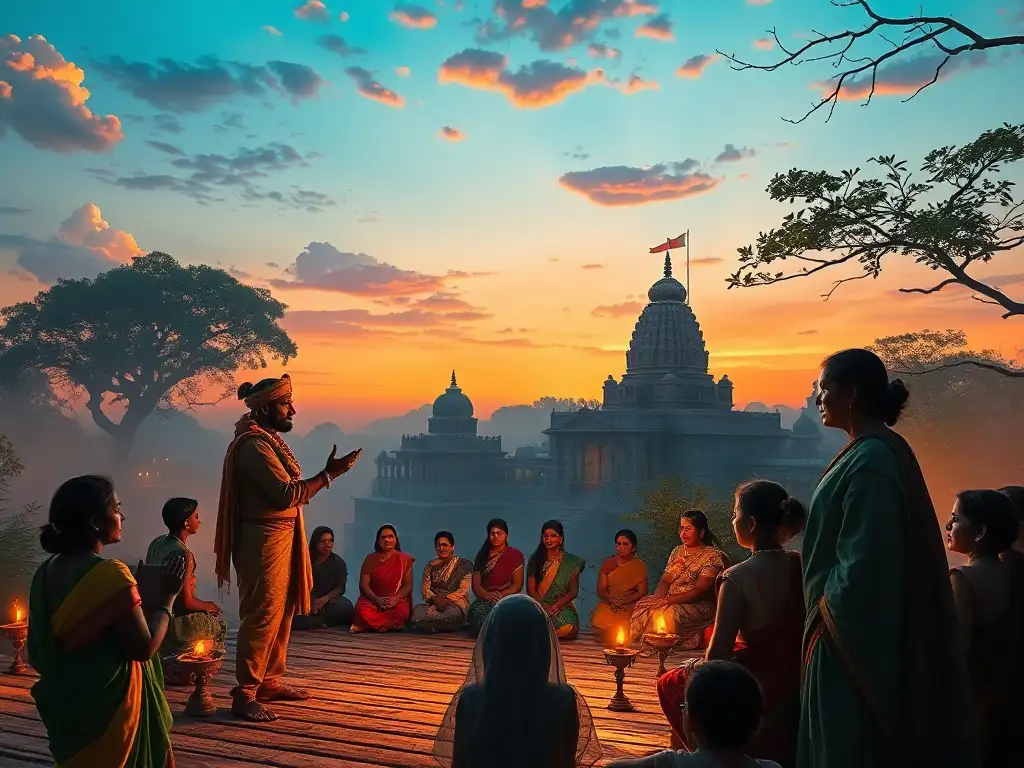
Welcome to Ancient India History, where we embark on a captivating journey through the rich tapestry of ancient Indian civilizations. Here, we delve into the profound influence of the Ramayana, a timeless epic that has not only shaped Indian folklore but also enriched the cultural narratives that resonate through generations.
As you explore our main article, "The Ramayana’s Role in Shaping Indian Folklore and Legends," prepare to uncover the intricate connections between this legendary tale and the myriad legends that define Indian heritage. Join us as we unravel the stories that continue to inspire and captivate, inviting you to dive deeper into the legacy of ancient India!
- Introduction to the Ramayana and Its Significance in Indian Folklore
- The Ramayana’s Narrative and Themes
- The Ramayana Influence on Indian Folklore
- Regional Variations of the Ramayana
- The Ramayana's Impact on Artistic Expressions
- Contemporary Relevance of the Ramayana
- Conclusion: The Enduring Legacy of the Ramayana on Indian Folklore
-
Frequently Asked Questions
- What is the Ramayana and why is it significant in Indian history?
- How has the Ramayana influenced Indian folklore?
- What are some key characters in the Ramayana that impact folklore?
- In what ways is the Ramayana adapted in modern storytelling?
- How does the Ramayana compare to other ancient texts in its cultural influence?
- Final Reflection: The Enduring Influence of the Ramayana on Indian Folklore
- Unlock the Secrets of the Ramayana!
Introduction to the Ramayana and Its Significance in Indian Folklore
The Ramayana, one of the two great epics of ancient India, holds a profound place in the tapestry of Indian folklore and cultural heritage. Written by the sage Valmiki, this epic narrates the life and adventures of Lord Rama, an avatar of Vishnu, and his quest to rescue his wife, Sita, from the demon king Ravana. Beyond its narrative, the Ramayana serves as a beacon of moral values, duty, and righteousness, offering insights into the human experience that resonate through generations.
Its influence stretches far beyond literature, permeating various aspects of Indian life, including art, theater, and religious practices. Understanding the Ramayana's role in shaping Indian folklore reveals not only its historical significance but also its enduring legacy in contemporary culture.
Overview of the Ramayana
The Ramayana is structured into seven Kandas (books) and consists of approximately 24,000 verses. Each Kanda delves into different phases of Rama's life, from his birth and exile to his heroic battles and eventual triumph. Key characters such as Sita, Lakshmana, Hanuman, and Ravana are intricately crafted, embodying virtues and vices that reflect the moral dilemmas faced by humanity.
- Key Themes:
- Dharma (Righteousness): The Ramayana emphasizes the importance of duty and ethical conduct, showcasing how characters navigate complex moral landscapes.
- Devotion: The unwavering devotion of Hanuman to Rama highlights the theme of loyalty and love.
- Good vs. Evil: The epic portrays the eternal struggle between good and evil, making it a timeless tale of hope and resilience.
The Ramayana has inspired countless adaptations, retellings, and performances across various cultures, showcasing its universal appeal. It serves as a foundation for many traditional Indian art forms, including dance, theater, and storytelling, reinforcing its status as a cultural cornerstone.
Importance of the Ramayana in Ancient Indian Culture
The Ramayana's impact on ancient Indian culture cannot be overstated. It is not merely a narrative but a comprehensive guide to understanding social norms, values, and spirituality in ancient India.
- Cultural Influence:
- Festivals and Rituals: The epic plays a crucial role in several festivals, such as Diwali, which celebrates Lord Rama's return to Ayodhya after defeating Ravana.
- Art and Literature: Numerous artists and poets have drawn inspiration from the Ramayana, creating works that reflect its themes and characters.
- Philosophical Teachings: The philosophical discourse within the Ramayana provides insights into life’s complexities, guiding individuals towards virtuous living.
Through its rich narrative and moral lessons, the Ramayana continues to influence contemporary Indian culture, serving as a source of inspiration and reflection. It not only shapes folklore and legends but also fosters a sense of identity and continuity within Indian society. The enduring relevance of the Ramayana illustrates its foundational role in the broader narrative of India's historical and cultural evolution.
The Ramayana’s Narrative and Themes
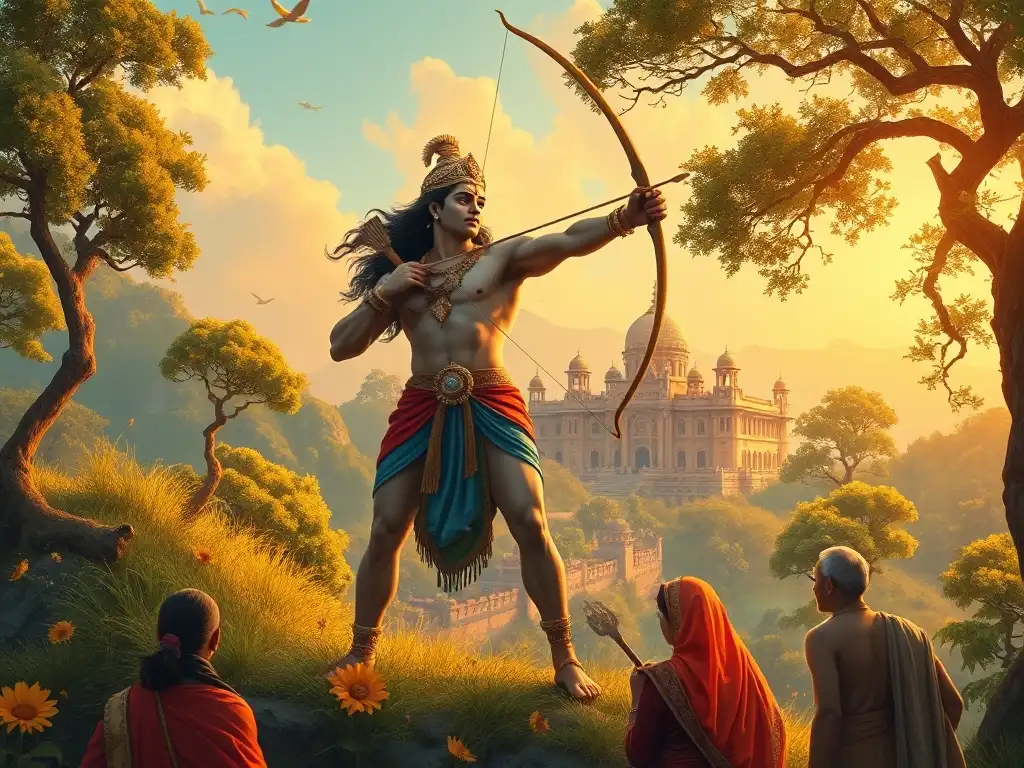
The Ramayana, attributed to the sage Valmiki, is one of the two great epics of ancient Indian literature. It narrates the life of Lord Rama, his wife Sita, and his loyal companion Hanuman, depicting their adventures and trials. The epic is not merely a story; it serves as a profound reflection of dharma (righteousness), duty, and the moral fabric of society. Its narrative spans multiple regions of India, weaving together various cultural strands and giving rise to countless retellings and adaptations over centuries. This rich tapestry of stories has significantly influenced Indian folklore, shaping legends and cultural narratives.
Key Characters in the Ramayana
The Ramayana introduces a plethora of characters, each embodying various virtues and vices that resonate with different facets of human experience.
- Rama: The protagonist, representing the ideal man and king, embodies virtue, honor, and duty.
- Sita: The epitome of loyalty and virtue, Sita's trials symbolize the struggles of women in society and their resilience.
- Hanuman: The devoted monkey god, Hanuman represents unwavering devotion and bravery. His character has become a symbol of strength in Indian folklore.
- Ravana: The ten-headed demon king of Lanka, Ravana embodies arrogance and evil, serving as a foil to Rama's righteousness.
- Lakshmana: Rama's loyal brother, who stands by him through thick and thin, representing brotherly devotion and loyalty.
These characters are not just confined to the epic; they have transcended into folklore, inspiring numerous tales, dances, and performances across India.
Major Themes of the Ramayana
The Ramayana explores several enduring themes that have left a lasting impact on Indian society and folklore. Some of the most prominent include:
- Dharma: The concept of duty is central to the narrative, illustrating how individuals must navigate their responsibilities toward family, society, and self.
- Devotion and Loyalty: The unwavering devotion of characters like Hanuman and Sita emphasizes the importance of loyalty and faithfulness.
- Good vs. Evil: The struggle between Rama and Ravana symbolizes the eternal battle between good and evil, a theme prevalent in many Indian folktales.
- Sacrifice: The sacrifices made by Rama and Sita highlight the lengths to which individuals will go for the greater good, reinforcing moral values within folklore.
- Love and Relationships: The relationships depicted in the Ramayana, particularly between Rama and Sita, serve as archetypes for love, fidelity, and partnership.
These themes resonate deeply in Indian folklore, inspiring countless stories that echo the moral fabric of the Ramayana.
Moral Lessons and Their Relevance in Folklore
The moral lessons derived from the Ramayana have been integral to shaping the ethical and cultural landscape of India. These lessons are often reiterated in folklore, teaching values that remain relevant across generations:
- The Importance of Righteousness: The idea that one's actions should align with dharma is a recurring theme in folklore, encouraging individuals to lead a virtuous life.
- The Power of Devotion: Stories highlighting Hanuman's devotion remind listeners of the strength found in loyalty and faith, often serving as a source of inspiration in various narratives.
- Courage in Adversity: The trials faced by Rama and Sita are echoed in folklore, emphasizing resilience in the face of challenges, a trait admired in many cultural heroes.
- Unity and Brotherhood: The bond between Rama and Lakshmana promotes the importance of family and brotherhood, themes that are often explored in regional folktales.
As these moral lessons permeate folklore, they continue to influence the collective consciousness of Indian society, ensuring that the teachings of the Ramayana endure in the hearts and minds of its people.
The Ramayana Influence on Indian Folklore
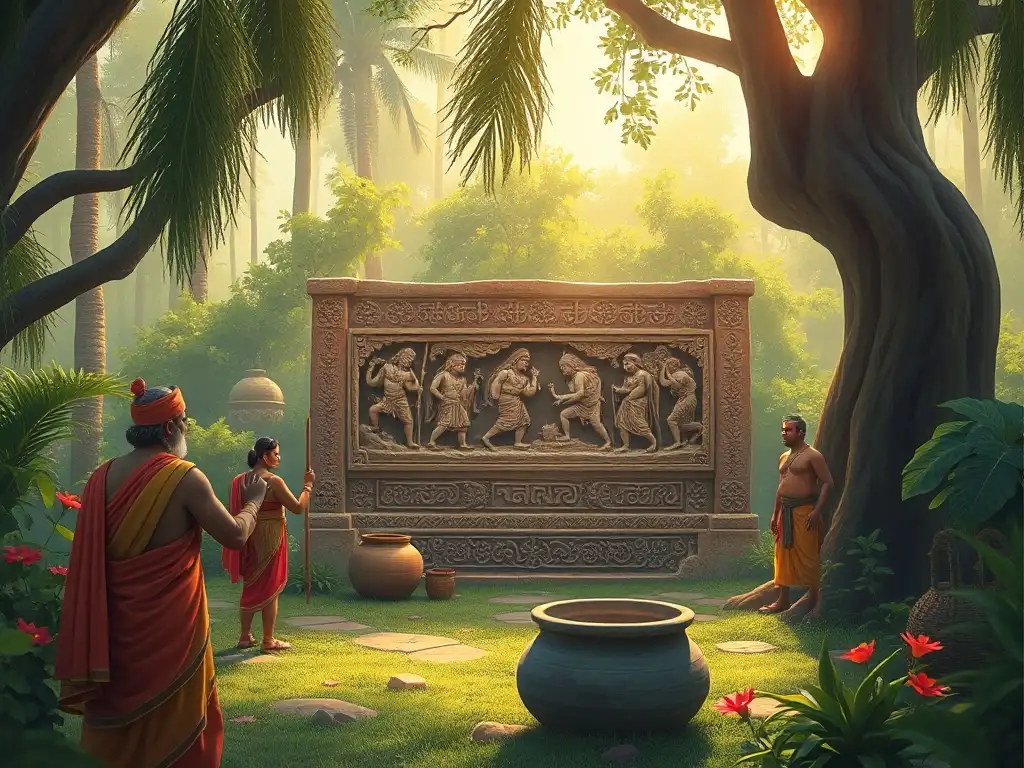
The Ramayana, one of the two major Sanskrit epics of ancient Indian literature, has profoundly influenced Indian folklore and cultural narratives. Its themes of duty, righteousness, and the struggle between good and evil resonate across generations, shaping the moral framework and values within various communities. The epic's characters, events, and moral dilemmas serve as archetypes that have been woven into the fabric of Indian folklore, enriching the storytelling tradition and providing a source of inspiration for countless tales throughout history.
Direct References in Indian Folklore
The Ramayana is often directly referenced in various forms of Indian folklore, where its characters and narratives are invoked to convey moral lessons or explain cultural practices.
- Characters and Archetypes:
- Rama: Often seen as the ideal man and king, Rama's virtues are highlighted in folklore, serving as a model for behavior.
- Sita: As a symbol of purity and devotion, Sita’s trials are recounted in folk tales to emphasize the strength of women in adversity.
- Hanuman: The monkey god's unwavering devotion to Rama has made him a beloved figure, often referenced in stories that celebrate loyalty and bravery.
- Moral Lessons: Folklore frequently draws upon the Ramayana to illustrate ethical dilemmas:
- Dharma (duty): Many tales reflect the importance of dharma, echoing Rama's choices and sacrifices.
- The Power of Good Over Evil: Stories often conclude with the triumph of good, mirroring the ultimate victory of Rama over Ravana.
These direct references not only enrich the narratives but also serve to reinforce the values embedded in the Ramayana, ensuring its continued relevance in contemporary discussions about morality and ethics.
Adaptations of Ramayana Stories in Regional Folklore
The influence of the Ramayana extends beyond its original text, manifesting in a myriad of adaptations across different regions of India. Each region infuses its cultural nuances into the stories, reflecting local beliefs and practices.
- Regional Variants:
- Ramcharitmanas: Tulsidas’s adaptation in the Awadhi dialect popularized the Ramayana in North India, making it accessible to the masses and integrating local dialects and traditions.
- Kamba Ramayanam: In Tamil Nadu, Kambar’s rendition emphasizes local cultural elements while retaining the core narrative of the Ramayana.
- Performance Arts:
- Ramlila: The annual theatrical reenactment of the Ramayana in various parts of India serves as both entertainment and a means to disseminate the epic's morals.
- Dance and Music: Folk dances and musical adaptations often narrate episodes from the Ramayana, blending local artistic expressions with its timeless tales.
This regional adaptation enriches the folklore landscape, making the Ramayana a living tradition that continues to evolve while retaining its foundational themes.
Ramayana's Role in Oral Traditions and Storytelling
The oral tradition in India has played a crucial role in preserving the Ramayana and its associated stories. Storytelling has historically served as a means of cultural transmission, where the Ramayana is woven into the fabric of communal narratives.
- Storytelling Traditions:
- Bards and Performers: Traditional storytellers, or bards, often recite Ramayana tales during festivals and communal gatherings, ensuring that the epic's messages are passed down through generations.
- Community Engagement: The communal aspect of storytelling fosters a collective memory, where audiences engage with the narrative, reflecting their own lives through the lens of the epic.
- Cultural Festivals:
- Diwali: The festival commemorating Rama's return to Ayodhya is steeped in narratives from the Ramayana, illustrating the epic's integration into cultural practices.
- Holi: Stories of Rama and Sita are often recounted during Holi celebrations, emphasizing themes of love and unity.
Through these oral traditions, the Ramayana not only persists in the collective consciousness of Indian society but also adapts to contemporary issues, showcasing its enduring influence on Indian folklore.
The Ramayana stands as a monumental pillar in the building of Indian folklore, its narratives and characters continuing to inspire and evoke moral and ethical reflections within the diverse tapestry of Indian culture.
Regional Variations of the Ramayana
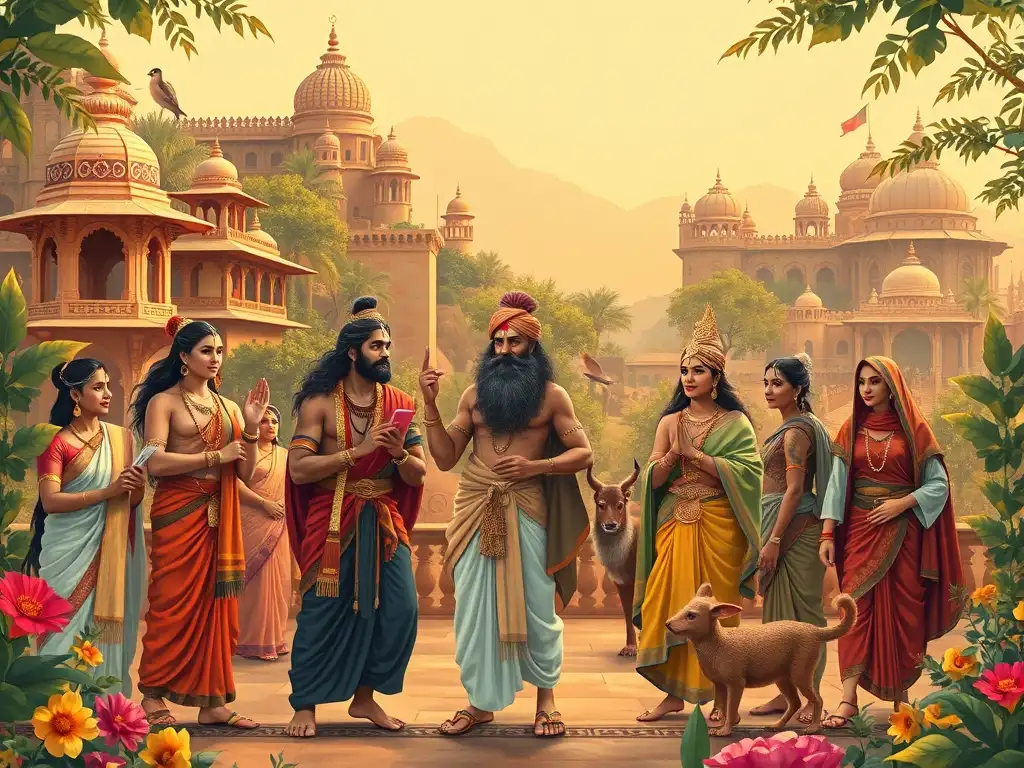
The Ramayana, one of the two great Hindu epics, has left a profound imprint on Indian culture and folklore. Its narratives have traversed geographical boundaries, leading to an array of regional variations that reflect the diverse traditions and beliefs of the Indian subcontinent. These adaptations provide insight into how the core themes of the Ramayana were interpreted and integrated into local cultures, thus enriching the folklore across different regions.
Differences in Retellings Across India
The Ramayana's retellings vary significantly across India, influenced by local languages, customs, and historical contexts. Here are some notable variations:
- Valmiki Ramayana: The original Sanskrit text by Valmiki remains the authoritative version. It emphasizes the moral and ethical dilemmas faced by its characters, particularly Rama, the ideal man.
- Tulsidas’ Ramcharitmanas: Written in Awadhi, this retelling is more accessible to the masses and focuses on devotion (bhakti) towards Rama. It highlights the emotional aspects of the characters and promotes the idea of Rama as a divine figure.
- Kamba Ramayana: In Tamil Nadu, Kambar’s version presents Rama with a distinctly regional flavor, incorporating local deities and cultural references, while retaining the narrative's essence.
- Ramayana in Assamese Literature: The Assamese adaptation includes local folklore elements, blending them with the main storyline and emphasizing regional heroes.
- Rama Katha in Bengali Culture: This version reflects the socio-political landscape of Bengal, with adaptations that resonate with the local populace’s values and beliefs.
These variations not only exemplify the adaptability of the Ramayana but also highlight the cultural nuances that each region brings to the epic, showcasing the richness of Indian folklore.
Influence on Local Legends and Myths
The influence of the Ramayana extends beyond the text itself, permeating local legends and myths across India. These adaptations often serve to reinforce cultural values and local identities. Some notable influences include:
- Integration with Local Deities: In many regions, characters from the Ramayana are worshipped as local deities. For example, Hanuman is revered as a protector in various folk traditions, often associated with local festivals and rituals.
- Folklore Narratives: Many local legends draw inspiration from the Ramayana's characters and themes. In Maharashtra, the tale of Savitribai, a local heroine, parallels the trials faced by Sita, highlighting themes of resilience and devotion.
- Festivals and Celebrations: Many regional festivals are rooted in Ramayana narratives, such as Ramlila, which dramatizes the epic's events and reinforces community bonds through storytelling.
This influence emphasizes how the Ramayana has become a foundational myth in various regional contexts, shaping local identities and traditions.
Case Studies of Regional Adaptations
Several specific adaptations of the Ramayana illustrate how it has been localized across India. Here are a few case studies:
- Ramayana in Kerala: The Kathakali dance form incorporates the Ramayana’s themes, with performances depicting key scenes. The local tradition of "Kottiyoor Kshetra" also intertwines with the Ramayana, showcasing Sita as a goddess worshipped in temples.
- Ramayana in North-East India: In the Manipuri tradition, the Ramayana is presented through dance dramas, emphasizing the emotional and spiritual connections between characters. The adaptation often includes local folklore, making it relevant to the Manipuri audience.
- Ravindra Katha in Gujarat: In Gujarat, the Ramayana is often told through folk tales that emphasize Ravana's perspective, portraying him not merely as a villain but as a complex figure with justifiable motives. This adaptation promotes a nuanced understanding of good and evil.
- Naga Ramayana: In Nagaland, the Ramayana has been reinterpreted through the lens of local tribal beliefs, integrating elements of nature worship and ancestral spirits, thus creating a unique narrative that resonates with the local populace.
These case studies exemplify the Ramayana's significant role in shaping regional folklore, illustrating its adaptability and the ways it has been woven into the cultural fabric of diverse communities across India. The Ramayana influence on Indian folklore is profound, as it continues to inspire new interpretations and artistic expressions, ensuring its relevance in contemporary storytelling.
The Ramayana's Impact on Artistic Expressions
Ramayana in Indian Performing Arts
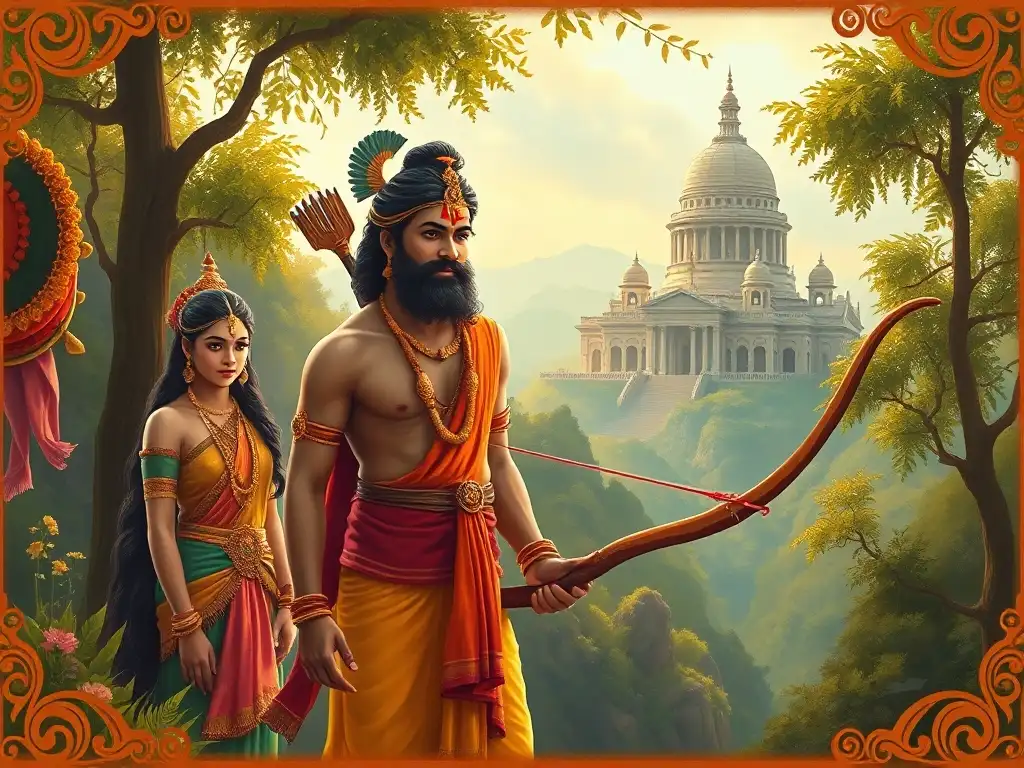
The Ramayana has significantly influenced various forms of Indian performing arts, weaving its narratives and characters into the cultural fabric of the subcontinent. One of the most notable expressions is the traditional dance drama known as Ram Lila, which portrays the life and adventures of Lord Rama. This vibrant theatrical performance not only serves as entertainment but also as a medium for spiritual education, reflecting moral values and dharma (righteousness).
- Key Elements of Ram Lila:
- Costumes: Elaborate costumes are worn to depict characters like Rama, Sita, Hanuman, and Ravana.
- Music and Dance: Each performance incorporates traditional music and dance, enhancing the storytelling experience.
- Community Participation: Often performed during festivals, Ram Lila involves local communities, fostering a sense of unity and cultural identity.
Another prominent form is Kathakali, a classical dance-drama from Kerala that brings to life scenes from the Ramayana through intricate facial expressions, gestures, and movements. This art form emphasizes the emotional depth of characters, allowing audiences to connect with the epic's themes on a personal level.
Influence on Visual Arts and Iconography
The Ramayana's influence is profoundly visible in Indian visual arts, including paintings, sculptures, and murals. Artists have drawn inspiration from its characters and stories, creating visual representations that capture the essence of the epic.
- Murals and Frescoes: Many temples and historical sites feature murals depicting scenes from the Ramayana. For instance, the Ajanta Caves showcase vibrant frescoes that illustrate key moments from the epic.
- Sculptures: Iconic sculptures of deities such as Rama and Sita are prevalent in temples, often accompanied by narratives carved into stone that recount their adventures. These sculptures serve both a decorative and educational purpose, conveying stories to worshippers.
- Miniature Paintings: The Ramayana has also inspired miniature paintings, particularly during the Mughal era. Artists created intricate pieces that depict various episodes, showcasing their skill while preserving the epic's legacy.
Ramayana in Literature and Poetry
The literary impact of the Ramayana extends beyond its original text, influencing countless works across different languages and genres in India. Poets and writers have drawn from its themes, characters, and moral lessons to enrich their own narratives.
- Regional Adaptations: The Ramayana has been retold in numerous regional languages, each version reflecting local culture and traditions. Notable adaptations include Kamban's Ramayana in Tamil and Tulsidas's Ramcharitmanas in Hindi, both of which have contributed to the epic's enduring popularity.
- Poetry and Folk Songs: The epic's characters and events have inspired a rich tradition of poetry and folk songs. These works often encapsulate the moral dilemmas faced by characters, providing a platform for societal reflection and personal introspection.
- Contemporary Literature: Modern authors continue to reinterpret the Ramayana, placing it in contemporary contexts. Works like “The Forest of Enchantments” by Chitra Banerjee Divakaruni provide fresh perspectives on female characters, exploring their roles and agency within the epic's framework.
The Ramayana's multifaceted influence on artistic expressions not only preserves its stories but also ensures its relevance in contemporary society, inspiring future generations to engage with its rich tapestry of themes and lessons.
Contemporary Relevance of the Ramayana
Modern Interpretations of the Ramayana
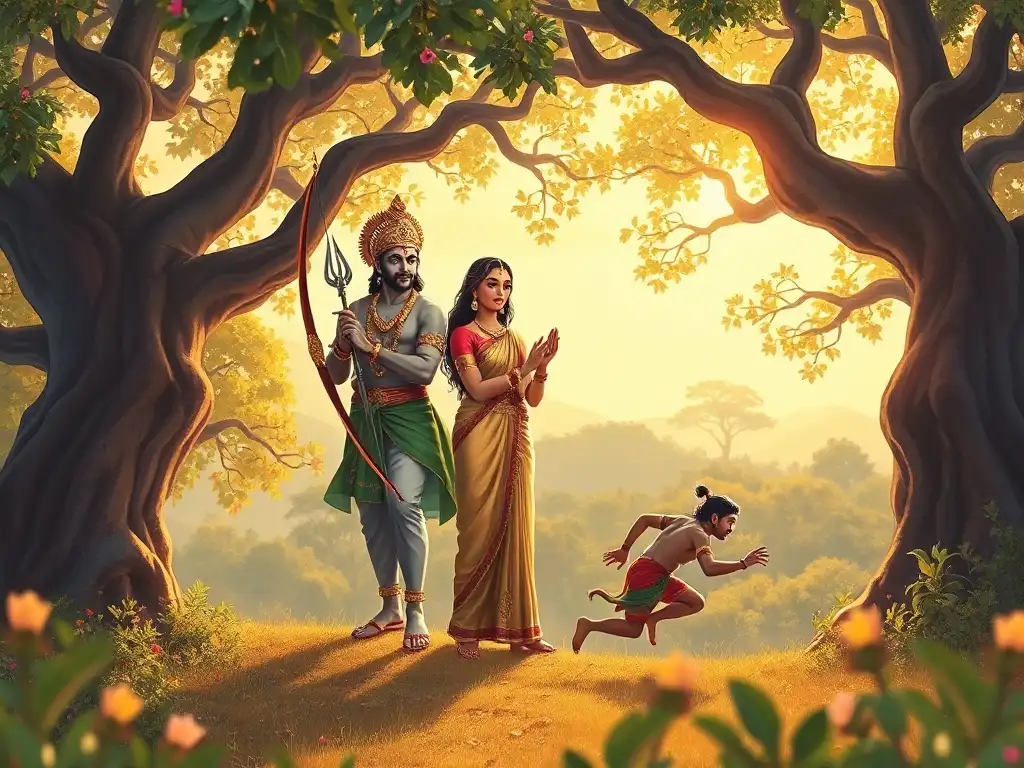
The Ramayana, an epic that has transcended time, continues to inspire modern interpretations across various mediums. Today, scholars, artists, and storytellers explore the narrative through diverse lenses, reflecting contemporary issues and societal norms.
- Literary Adaptations: New retellings of the Ramayana often focus on marginalized characters, offering fresh perspectives. For instance, the retelling by Devdutt Pattanaik emphasizes the roles of women, showcasing Sita’s strength and resilience in a patriarchal world. These adaptations not only preserve the essence of the original text but also resonate with modern readers seeking relatable themes.
- Theatrical Productions: Modern theatrical interpretations, such as Ramayana: The Legend of Prince Rama, incorporate contemporary issues such as gender equality and the struggle against oppression. These performances bridge the gap between ancient narratives and modern societal challenges, making the Ramayana relevant to today’s audiences.
- Digital Media: The rise of digital storytelling has birthed new formats for the Ramayana. Animated series, web series, and video games introduce the epic to younger generations. For example, the animated series Little Krishna targets children, teaching them moral lessons through engaging storytelling.
The Ramayana in Popular Culture
The influence of the Ramayana in popular culture is profound, manifesting in various forms that reflect its enduring legacy.
- Television Series: The iconic 1987 TV adaptation of the Ramayana by Ramayan director Ram Mukherjee became a cultural phenomenon, drawing millions of viewers and instilling a sense of pride in Indian heritage. This series set a standard for future adaptations and has led to numerous remakes and reboots.
- Festivals and Celebrations: The festival of Dussehra, which celebrates the victory of Lord Rama over Ravana, is a vivid example of the Ramayana’s influence in contemporary society. The enactment of Ramlila, a theatrical performance depicting the life of Rama, fosters community participation and reinforces cultural values.
- Art and Craft: Traditional Indian art forms, such as Madhubani and Pattachitra, frequently depict scenes from the Ramayana. These artworks not only celebrate the epic but also serve as a medium to pass down stories through generations.
Lessons from the Ramayana for Today's Society
The Ramayana offers timeless lessons that resonate with contemporary audiences, providing guidance on moral and ethical dilemmas. Some of these lessons include:
- Dharma (Righteousness): The concept of dharma is central to the Ramayana, teaching individuals to adhere to their duties and responsibilities. In modern contexts, this principle encourages people to act with integrity and uphold ethical standards in personal and professional lives.
- Resilience and Perseverance: The trials faced by Rama and Sita symbolize the importance of resilience in the face of adversity. In today’s world, where challenges are inevitable, these narratives inspire individuals to remain steadfast and courageous.
- Unity and Brotherhood: The bond between Rama and his brothers exemplifies loyalty and unity. As societies navigate increasing fragmentation, the Ramayana encourages collaborative efforts and collective responsibility towards common goals.
- Empathy and Compassion: Characters such as Hanuman exemplify selfless devotion and compassion. In an era marked by conflict and division, the Ramayana’s teachings on empathy can foster understanding and reconciliation among diverse communities.
The Ramayana's influence on Indian folklore is not merely historical; it remains a dynamic force shaping contemporary cultural expressions and societal values, ensuring its relevance for future generations.
Conclusion: The Enduring Legacy of the Ramayana on Indian Folklore
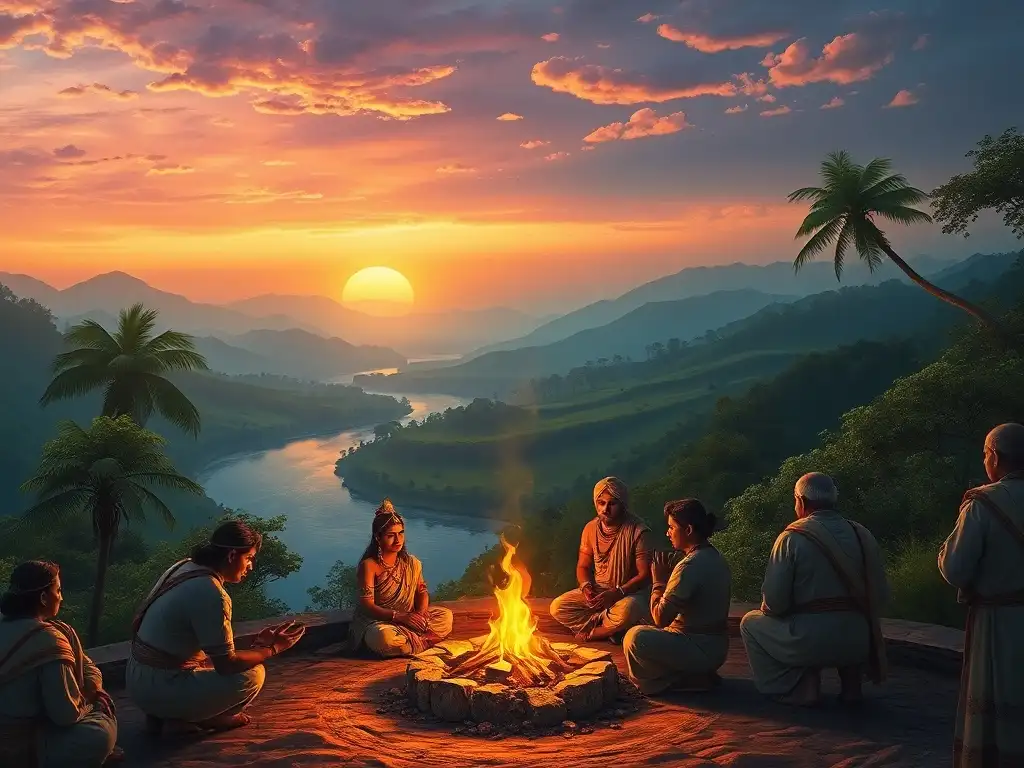
The Ramayana, composed by the sage Valmiki, is not merely an epic but a foundational text that has profoundly influenced Indian folklore and cultural narratives throughout history. Its themes of duty (dharma), righteousness, and the eternal struggle between good and evil resonate deeply within the fabric of Indian society. The characters, particularly Rama and Sita, have become archetypes representing virtue and moral integrity, serving as inspirational figures for generations.
Summary of Ramayana’s Influence on Indian Folklore
The influence of the Ramayana on Indian folklore is extensive and multifaceted. Here are some of the key areas where its impact is most prominent:
- Storytelling Traditions: The Ramayana has inspired countless retellings across various regional languages and cultures in India. Each version of the Ramayana, such as the Kamba Ramayanam in Tamil or the Ramcharitmanas by Tulsidas in Hindi, reflects local customs and beliefs, thereby enriching the narrative and making it accessible to different audiences.
- Festivals and Rituals: The epic's narratives have given rise to numerous festivals, such as Diwali, which celebrates the return of Rama to Ayodhya. Rituals associated with the Ramayana, such as Ramlila performances, keep the stories alive and engage communities in their cultural heritage.
- Folklore Characters: Characters from the Ramayana, such as Hanuman and Ravana, have become central figures in various folk tales and local legends. Hanuman, often depicted as the epitome of devotion and strength, is celebrated in numerous regional narratives, illustrating the epic's adaptability and the enduring nature of its themes.
- Moral Lessons: The Ramayana serves as a moral compass within Indian folklore, imparting crucial lessons on ethics, duty, and the importance of righteousness. These lessons are often woven into folk stories, making them relevant to contemporary issues faced by society.
The Future of the Ramayana in Cultural Narratives
As society evolves, so does the interpretation and relevance of the Ramayana. The future of the Ramayana in cultural narratives appears promising, with several trends emerging:
- Adaptations in Modern Media: The Ramayana continues to be reimagined through various forms of media, including films, television series, and digital content. These adaptations often explore contemporary themes while retaining the essence of the original narrative, attracting younger audiences.
- Scholarly Interest and Research: Academic studies on the Ramayana are flourishing, as scholars delve into its historical context, literary significance, and cultural impact. This research not only preserves the epic's legacy but also fosters a deeper understanding of its role in shaping Indian identity.
- Global Influence: The Ramayana's themes resonate beyond Indian borders. It has inspired global adaptations and interpretations, contributing to cross-cultural dialogues and enriching world literature.
- Continued Community Engagement: Local communities continue to celebrate the Ramayana through festivals, theatrical performances, and storytelling sessions, ensuring that the epic remains a living tradition that evolves with the times.
The Ramayana's influence on Indian folklore is profound and enduring. Its narratives, characters, and moral lessons continue to shape cultural identities and inspire new generations, ensuring that this epic remains an integral part of India's rich tapestry of history and storytelling.
Frequently Asked Questions
What is the Ramayana and why is it significant in Indian history?
The Ramayana is an ancient Indian epic that narrates the life of Lord Rama. Its significance lies in its profound influence on culture, values, and moral lessons in Indian society.
How has the Ramayana influenced Indian folklore?
The Ramayana's influence on Indian folklore is immense, as it has inspired countless stories, performances, and art forms throughout the ages, enriching the narrative traditions of the region.
What are some key characters in the Ramayana that impact folklore?
Key characters like Rama, Sita, and Hanuman serve as moral exemplars and have become central figures in various folk tales and regional stories, symbolizing dharma and devotion.
In what ways is the Ramayana adapted in modern storytelling?
The Ramayana has been adapted into various media, including films, television series, and stage performances, ensuring its relevance and continued impact on contemporary Indian folklore.
How does the Ramayana compare to other ancient texts in its cultural influence?
Although other ancient texts like the Mahabharata also have significant cultural influence, the Ramayana's unique narrative and themes of devotion and heroism have made it especially prominent in shaping Indian folklore.
Final Reflection: The Enduring Influence of the Ramayana on Indian Folklore
The Ramayana's profound impact on Indian folklore continues to resonate in contemporary society, shaping narratives, values, and cultural expressions across generations. As we explore the intricate tapestry of stories that stem from this epic, we realize that its themes of duty, righteousness, and devotion are not just relics of the past but vital threads woven into the fabric of modern Indian identity. The Ramayana is not merely a story; it is a living tradition that informs our understanding of morality and heroism in today's world.
Culturally, the Ramayana has transcended its original text, influencing countless art forms, festivals, and local legends throughout India. The epic's characters and their journeys have become archetypes that reflect the complexities of human nature and societal values. As noted by scholar R. K. Narayan, “The Ramayana is not just a story; it is a way of life.” This observation underscores the ongoing relevance of the Ramayana, as it continues to inspire and shape the narratives that define our cultural landscape, reminding us of the timeless lessons embedded within its verses.
As we reflect on the Ramayana's lessons, I invite you to consider how these ancient stories can inform your own life. What values do you hold dear, and how can the teachings of the Ramayana guide you in your personal journey? Embrace the opportunity to draw inspiration from this epic, allowing its wisdom to illuminate your path forward. Let us carry the essence of the Ramayana into our daily lives, fostering a deeper connection with our heritage while shaping a future that honors the rich tapestry of Indian folklore.
Unlock the Secrets of the Ramayana!
Thank you for joining us on this fascinating journey through the Ramayana and its profound impact on Indian folklore and legends. We hope you discovered valuable insights into how this ancient epic continues to resonate in today’s culture. Now, it’s your turn to dive deeper and keep the conversation alive!
Here’s how you can further explore and celebrate this timeless story:
- Engage with the Epic: Start a reading group or book club dedicated to the Ramayana. Share your thoughts and perspectives with friends and family to enrich your understanding!
- Create Your Own Legend: Write a contemporary retelling or an inspired narrative based on the themes of the Ramayana. Let your creativity flow and contribute to the enduring tradition of storytelling!
- Share the Knowledge: Discuss your insights on social media or at local community events. Encourage others to explore the richness of Indian folklore and its valuable lessons.
What aspect of the Ramayana inspires you most, and how do you plan to share its teachings with those around you?