
The Mahabharata: Bridging the Gap Between Myth and History

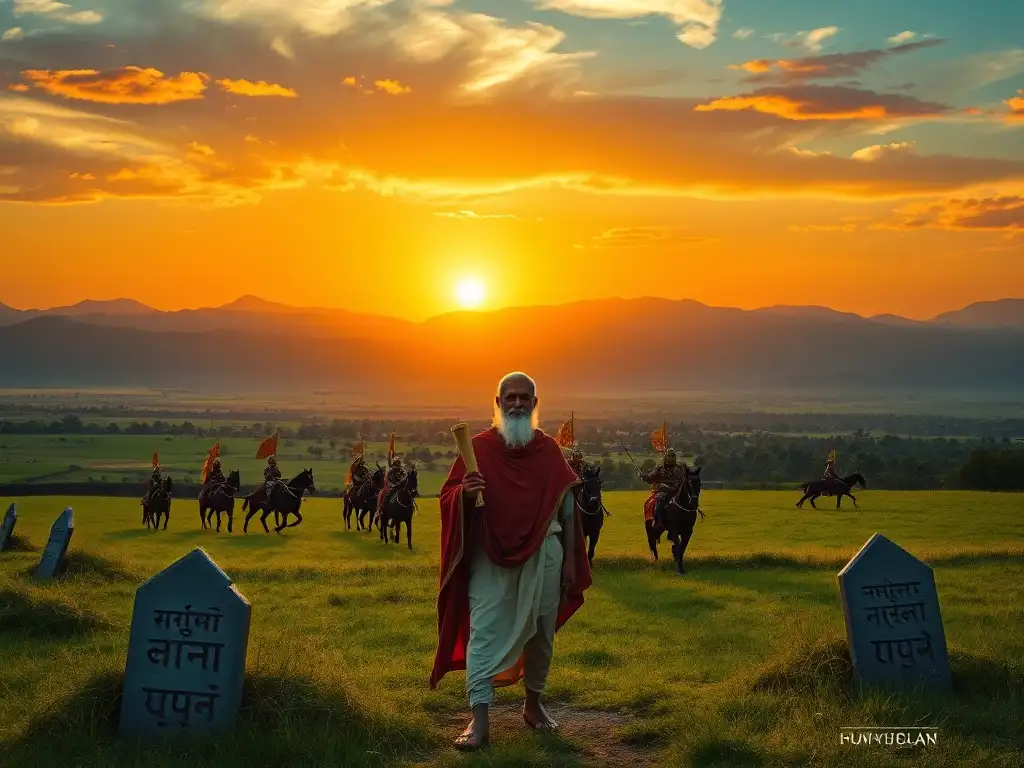
Welcome to Ancient India History, where we embark on a fascinating journey through time, uncovering the rich tapestry of India's ancient civilizations. In our featured article, "The Mahabharata: Bridging the Gap Between Myth and History," we delve deep into the historical significance of the Mahabharata, revealing how this epic not only shapes our understanding of ancient Indian culture but also reflects the profound philosophies and moral dilemmas that resonate even today.
Prepare to unlock the secrets of a narrative that transcends time and space, inviting you to explore the intricate connections between myth and reality. Dive in and discover the legacy of a civilization that continues to inspire and intrigue!
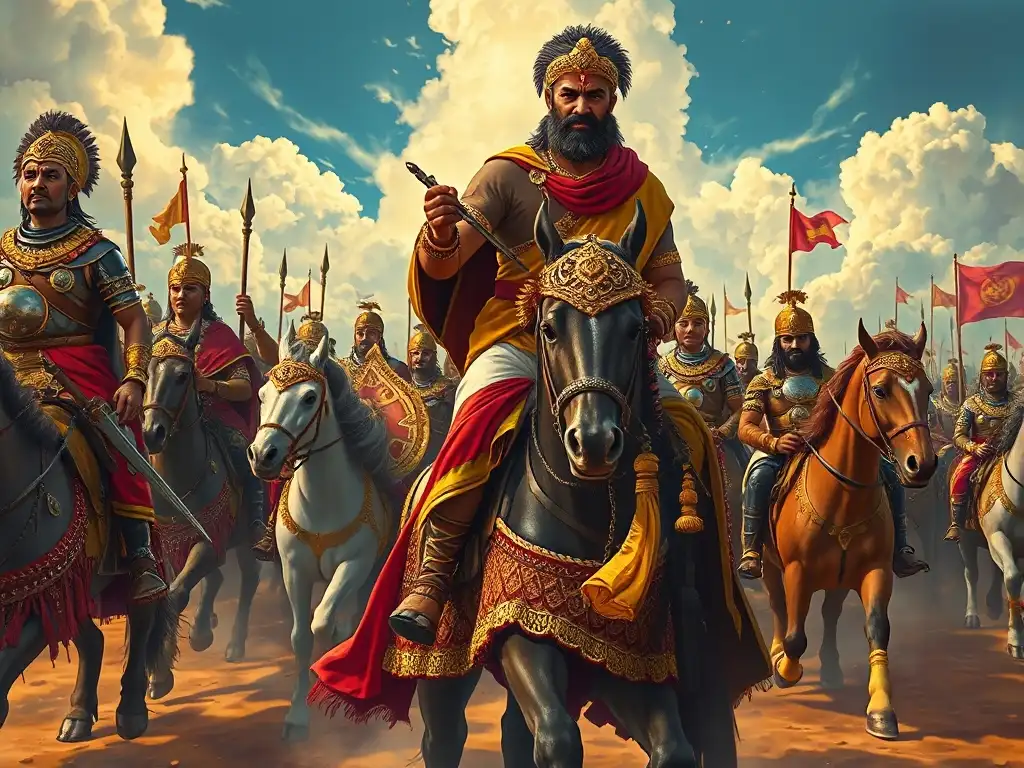
The Mahabharata is not merely an epic poem; it is a profound narrative that intertwines myth, philosophy, and history, reflecting the complexities of ancient Indian civilization. As one of the longest epic tales in the world, it encompasses a wide range of themes including duty (dharma), righteousness, and the moral dilemmas faced by its characters.
This article delves into the historical significance of the Mahabharata in understanding India's heritage, exploring how this epic serves as a bridge between the mythological and historical realms. In doing so, we will uncover the intricacies of its narrative and its enduring impact on Indian culture and identity.
Introduction to the Mahabharata
Overview of the Mahabharata
The Mahabharata is attributed to the sage Vyasa and is composed of approximately 100,000 shlokas or over 200,000 individual verse lines, making it about ten times the length of the Iliad and Odyssey combined. The epic narrates the story of the Kurukshetra War and the fates of the Kaurava and Pandava princes. It encompasses various sub-stories, philosophical discourses, and ethical discussions, notably the Bhagavad Gita, which presents a dialogue between Prince Arjuna and Lord Krishna on the battlefield, offering profound insights into duty and morality.
Importance of Myth and History in Ancient India
In ancient Indian society, the distinction between myth and history was often blurred, with epics like the Mahabharata serving as both historical narratives and moral guides. Myths were essential in shaping cultural identity and community values. They provided frameworks for understanding the universe, human existence, and societal norms. Consequently, the Mahabharata holds significant historical relevance as it reflects the socio-political environment of its time, revealing insights into ancient Indian governance, warfare, and philosophy.
Historical Context of the Mahabharata
The Era of the Mahabharata: Historical Timeline
The Mahabharata is believed to have been composed between 400 BCE and 400 CE, although it references events that may date back to around 1000 BCE. This timeline coincides with significant developments in ancient Indian history, including the rise of kingdoms, the establishment of the caste system, and the evolution of Hindu philosophy. The epic's setting in the Indian subcontinent during the late Vedic period provides context for understanding the social and political dynamics of that era, particularly the conflicts between various clans and the transition from tribal to more centralized forms of governance.
Key Figures in the Mahabharata and Their Historical Significance
The Mahabharata is populated with a plethora of characters whose actions and decisions have left an indelible mark on Indian history and culture. Key figures include:
- Krishna: A multifaceted character who serves as a divine charioteer, counselor, and strategist, embodying the principles of dharma.
- Arjuna: The skilled archer whose moral dilemmas reflect the ethical complexities of war and duty.
- Draupadi: A pivotal female figure whose plight highlights issues of gender and honor in ancient society.
- Bhishma: A symbol of sacrifice and loyalty, representing the conflicts between personal obligation and duty to the state.
These characters not only drive the narrative but also serve as archetypes that resonate with historical themes, making the Mahabharata a crucial text for understanding India's past.
The Mahabharata is a remarkable confluence of myth and history, offering profound insights into the ancient Indian civilization. Its historical significance continues to be a subject of exploration, revealing the epic's role in shaping cultural, social, and moral constructs that endure to this day.
The Mahabharata as a Historical Document
The Mahabharata, one of the largest epic poems in the world, serves as a significant historical document that provides insights into ancient Indian society, culture, and politics. Composed by the sage Vyasa, this epic intertwines mythology, philosophy, and history, making it a complex narrative that reflects the socio-political landscape of its time.
Scholars argue that while it contains legendary elements, it also preserves historical events, characters, and places that can be correlated with archaeological findings and ancient texts. The epic's verses not only narrate the legendary Kurukshetra War but also encapsulate the customs, governance, and moral dilemmas faced by its characters, offering a lens through which we can examine the values and beliefs of ancient India.
Analyzing the Text: Historical vs. Mythological Elements
In examining the Mahabharata, it’s essential to distinguish between its historical and mythological components. The text is replete with grandiose narratives, divine interventions, and supernatural occurrences that can easily be categorized as mythological. For instance, the characters of Krishna and Bhishma are often depicted with divine attributes, elevating their status beyond mere mortals. However, embedded within these mythological tales are historical references that provide context to real events, such as territorial disputes, dynastic struggles, and social customs.
Scholars have analyzed the Mahabharata through various lenses, including literary critique and historical analysis, to uncover the layers of meaning within the text. By employing methods such as comparative mythology and historical linguistics, researchers have identified parallels between the epic and other ancient texts, suggesting that while the Mahabharata is indeed steeped in mythology, it also holds kernels of historical truth that reflect the realities of ancient Indian life.
Archaeological Evidence Supporting the Mahabharata's Historicity
Archaeological findings have played a pivotal role in substantiating the historical significance of the Mahabharata. Excavations in regions believed to be associated with the epic, such as Hastinapura, Kurukshetra, and Indraprastha, have uncovered artifacts and structures that align with descriptions found in the text. For instance, the discovery of fortified settlements and ancient urban centers provides evidence of the complex socio-political organization that the Mahabharata hints at.
Moreover, inscriptions and coins from the period have been unearthed, displaying names and dynasties that appear in the epic. These findings suggest a historical backdrop that is consistent with the narrative of the Mahabharata, indicating that it is not merely a work of fiction but a document rooted in the historical realities of ancient India.
The Cultural Impact of the Mahabharata in Ancient India
The Mahabharata has had a profound impact on the cultural landscape of ancient India, influencing various aspects of art, literature, and philosophy. Its narratives have inspired countless adaptations in different forms, including theater, dance, and visual arts, making it a cornerstone of Indian cultural heritage. The epic’s themes of duty, righteousness, and the complexities of human relationships resonate deeply within Indian culture, reflecting values that have shaped societal norms for centuries.
Influence on Art and Literature in Ancient Indian Society
The Mahabharata has served as a rich source of inspiration for artists and writers throughout Indian history. In ancient India, its stories were depicted in various art forms, including sculptures, murals, and traditional paintings, showcasing the epic's enduring legacy. Temples across India often feature intricate carvings and frescoes illustrating key scenes from the epic, such as the game of dice and the epic battle of Kurukshetra.
Literary adaptations of the Mahabharata have also flourished, with poets and playwrights drawing from its narratives to create new works. The epic's influence can be seen in classical Sanskrit dramas, regional folk tales, and modern literature, demonstrating its versatility and relevance across different eras and cultural contexts. This continued engagement with the text highlights its role as a foundational narrative in Indian literature and art.
The Mahabharata's Role in Shaping Indian Philosophy and Ethics
The Mahabharata is not only a tale of war and conflict but also a profound exploration of philosophy and ethics. The epic is home to the Bhagavad Gita, a philosophical dialogue between Prince Arjuna and Lord Krishna that addresses the moral dilemmas faced by individuals in times of crisis. This section of the epic has had a lasting impact on Indian philosophy, influencing thinkers and scholars throughout history.
The ethical questions raised in the Mahabharata, such as the nature of dharma (righteousness) and the consequences of one's actions, continue to resonate in contemporary discussions of morality and ethics. The epic’s exploration of human emotions, dilemmas, and the complexities of duty offers a nuanced perspective on human behavior, shaping the moral fabric of Indian society. Through its rich philosophical discourse, the Mahabharata has contributed significantly to the intellectual and spiritual traditions of India, establishing itself as a timeless source of wisdom and guidance.
The Mahabharata and Its Relevance Today
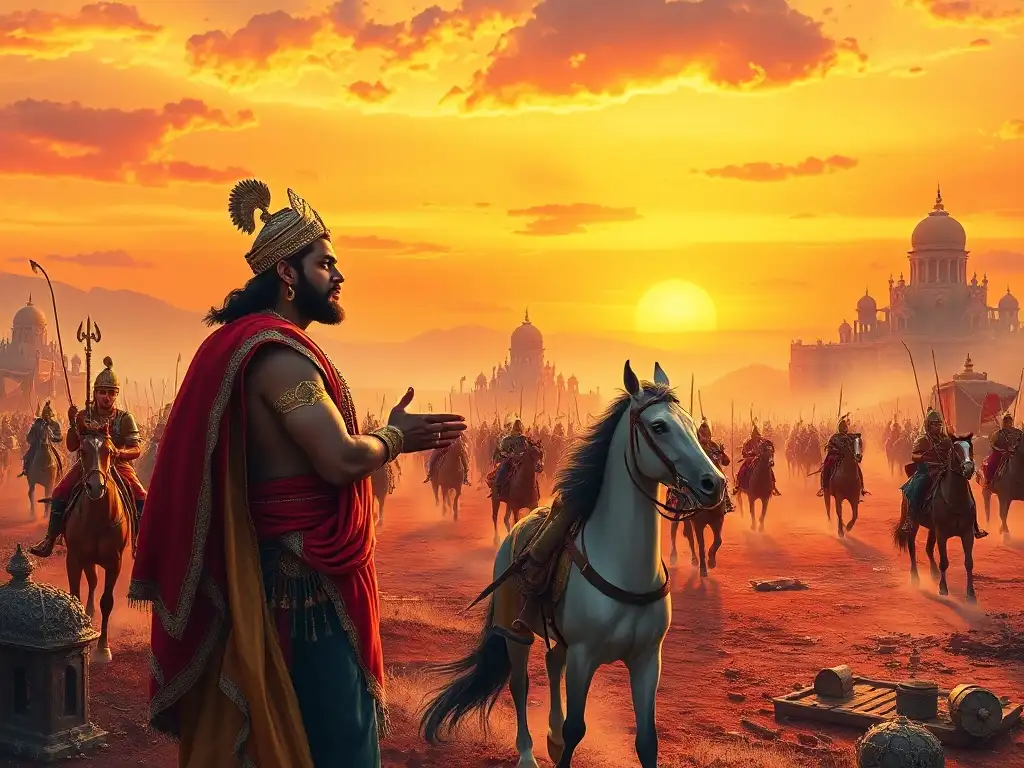
The Mahabharata, one of the longest epics in the world, continues to resonate with contemporary audiences, serving as a profound source of philosophical, ethical, and moral guidance. Its themes transcend time, addressing fundamental human dilemmas such as righteousness, duty, and the complexities of moral choices. In an increasingly complex world, the lessons derived from the Mahabharata can be applied to various aspects of modern life, including governance, interpersonal relationships, and personal development.
Moreover, the epic's intricate narrative structure, filled with subplots and diverse characters, mirrors the multifaceted nature of human experiences. This complexity allows readers and viewers to find relatable experiences, fostering a connection that spans generations. The Mahabharata's relevance is also evident in its adaptations across various media, including films, television series, and literature, which continue to bring its timeless messages to new audiences.
Lessons from the Mahabharata: Moral and Ethical Implications
The Mahabharata is replete with moral and ethical lessons that are still significant today. Central to its narrative is the concept of Dharma, often translated as duty or righteousness. Characters like Arjuna grapple with the conflicts between personal desires and societal obligations, a theme that resonates in various modern contexts, such as workplace ethics and civic responsibilities.
One of the most profound ethical dilemmas presented in the epic is the Bhagavad Gita, a philosophical dialogue between Arjuna and Lord Krishna, where Arjuna is counseled on the nature of duty and righteousness in the face of conflict. This dialogue encourages introspection on moral choices, emphasizing that actions should align with one's values and the greater good.
The epic also explores the consequences of actions, known as Karma, highlighting that every decision has far-reaching effects. This principle encourages individuals to act thoughtfully and with integrity, considering the impact of their choices on others and society.
The Mahabharata's Influence on Modern Indian Culture and Society
The influence of the Mahabharata on modern Indian culture and society is profound and multifaceted. It shapes various aspects of Indian art, literature, and philosophy, influencing contemporary storytelling and cultural practices. The epic's characters and their virtues and flaws serve as archetypes in Indian literature, providing frameworks for understanding human behavior and societal roles.
In contemporary India, the Mahabharata is often referenced in political discourse and social commentary. Leaders and public figures invoke its lessons to justify actions or policies, drawing parallels between historical events and modern-day dilemmas. This intertwining of myth and history underscores the epic's enduring legacy in shaping national identity.
Furthermore, the Mahabharata's themes of justice, loyalty, and the struggle against tyranny resonate deeply within the socio-political landscape of India, inspiring movements and dialogues around social justice and equality. Festivals, theatrical performances, and educational curricula incorporate the epic, ensuring its principles are passed down to future generations.
Conclusion
Summarizing the Mahabharata's Historical Significance in India
The Mahabharata holds a unique place in Indian history, serving as a bridge between myth and tangible historical narratives. Its rich tapestry of characters and events reflects the socio-political dynamics of ancient India, offering insights into the values and beliefs of its time. The epic's portrayal of conflict, governance, and moral dilemmas provides a lens through which historians can analyze the complexities of ancient Indian civilization.
The Mahabharata's historical significance is further reinforced by its role in shaping cultural identity, influencing religious practices, and contributing to the philosophical discourse that continues to evolve in contemporary society. The epic not only preserves the historical context of its creation but also serves as a living document of India's moral and ethical evolution.
Final Thoughts on Bridging Myth and History through the Mahabharata
In exploring the Mahabharata, one finds that the lines between myth and history are often blurred, creating a narrative that encapsulates the essence of human experience. The epic serves as a testament to the rich intellectual and cultural heritage of ancient India, providing insights that remain relevant today. By bridging the gap between myth and history, the Mahabharata invites ongoing reflection on the nature of truth, morality, and the human condition.
The Mahabharata is not merely a story from the past; it is a dynamic force that continues to inspire, educate, and provoke thought in contemporary society. Its lessons, rooted in ancient wisdom, encourage individuals to navigate the complexities of modern life with integrity and purpose, reaffirming its status as a crucial pillar of Indian cultural identity.
References
The Mahabharata, one of the two major Sanskrit epics of ancient Indian literature, serves as a crucial resource for understanding the historical and cultural context of ancient India. Numerous texts and studies have been published that explore its narrative, themes, and impact on Indian society. Below are some key texts and studies, along with suggestions for further reading that delve into the historical significance of the Mahabharata in India.
Key Texts and Studies on the Mahabharata
-
The Mahabharata (Translated by Ramesh Menon)
This modern retelling of the epic captures the essence of the original text while making it accessible to contemporary readers. Menon’s translation is noted for its fidelity to the original Sanskrit while simplifying complex narratives.
-
The Mahabharata: An Inquiry in the Human Condition (by J. A. van Buitenen)
A profound scholarly examination of the Mahabharata that investigates its philosophical themes and insights into the human experience, this work provides a deeper understanding of its significance beyond merely a historical narrative.
-
The Great Epic of India: Character and Context of the Mahabharata (by N. S. Rajaram)
This study outlines the historical and cultural contexts of the Mahabharata, analyzing its characters and events in light of archaeological findings and historical records.
-
Mahabharata: A Modern Rendering (by Kamala Subramaniam)
This adaptation presents the epic in a more digestible format while retaining its core themes, making it suitable for readers of all ages and backgrounds.
-
Mahabharata and the Study of History (by R. S. Sharma)
This scholarly article discusses the interplay between mythology and history within the Mahabharata, arguing for its significant role in shaping the collective memory of ancient Indian civilizations.
Further Reading on the Historical Significance of the Mahabharata in India
-
The Historical Mahabharata: A Study of Its Impact on Indian Culture (by R. S. Gupta)
In this comprehensive work, Gupta explores the influence of the Mahabharata on various aspects of Indian culture, including art, music, and philosophy, emphasizing its role as a historical document.
-
Epic India: The Mahabharata’s Role in Shaping Ancient Indian Society (by A. K. Narayanan)
This book analyzes the societal structures depicted in the Mahabharata and their reflections in ancient Indian society, providing insights into the historical significance of its teachings.
-
Myth and History in the Mahabharata: Lessons from Ancient India (by S. P. Mishra)
Mishra’s research focuses on the ways in which the Mahabharata negotiates the boundaries between myth and historical fact, examining how its narratives have influenced historical interpretation in India.
-
Cultural Memory and the Mahabharata (edited by A. D. Sharma)
This collection of essays discusses how the Mahabharata has been remembered and reinterpreted through generations, shedding light on its lasting impact on Indian identity.
-
The Mahabharata: A Historical Perspective (by V. K. Mehta)
Mehta offers a critical analysis of the Mahabharata in terms of historical events, assessing the relevance of its narrative in understanding the political and social dynamics of ancient India.
By engaging with these texts and studies, readers can gain a deeper appreciation of the Mahabharata's multifaceted role in shaping the historical landscape of India, bridging the gap between myth and history.
- Introduction to the Mahabharata
- Historical Context of the Mahabharata
- The Mahabharata as a Historical Document
- The Cultural Impact of the Mahabharata in Ancient India
- The Mahabharata and Its Relevance Today
- Conclusion
- References
- What is the historical significance of the Mahabharata in India?
- How does the Mahabharata connect with India's historical events?
- What role does the Mahabharata play in understanding ancient Indian civilization?
- How has the Mahabharata influenced modern Indian culture?
- Are there any historical figures in the Mahabharata?
Frequently Asked Questions
What is the historical significance of the Mahabharata in India?
The Mahabharata is not only an epic narrative but also a crucial cultural and philosophical text that reflects ancient Indian values and societal norms, influencing literature, art, and politics throughout history.
How does the Mahabharata connect with India's historical events?
The Mahabharata is believed to be rooted in real historical events, depicting the Kurukshetra War, which serves as a metaphor for the struggles and moral dilemmas faced by humanity.
What role does the Mahabharata play in understanding ancient Indian civilization?
The Mahabharata provides insights into the social structure, religious beliefs, and philosophical ideas of ancient India, making it an essential resource for understanding the cultural fabric of the time.
How has the Mahabharata influenced modern Indian culture?
The epic has significantly shaped modern Indian culture through its themes of dharma (duty), justice, and human relationships, continuing to inspire literature, film, and theatre today.
Are there any historical figures in the Mahabharata?
Yes, several characters in the Mahabharata, such as Krishna and Yudhishthira, are often regarded as historical figures, representing ideals and virtues that resonate with the moral and ethical dilemmas of real-life leaders in ancient India.
Final Reflection: The Mahabharata's Enduring Legacy in History and Myth
The Mahabharata serves as a profound testament to the intricate tapestry of India's cultural and historical identity. As we navigate through the complexities of modern society, the lessons and narratives embedded within this epic continue to resonate deeply, reminding us of the timeless struggles between duty, morality, and the human condition. The significance of the Mahabharata in understanding India's historical landscape cannot be overstated; it is not merely a story of war and rivalry but a reflection of the values that shape our collective consciousness.
The Mahabharata's influence extends beyond literature and into the very fabric of Indian society, shaping our philosophies, ethics, and social norms. Its themes of justice, righteousness, and the quest for truth are as relevant today as they were thousands of years ago. The Mahabharata is not just a story; it is a mirror reflecting the complexities of life.
This ongoing relevance highlights how the epic continues to inspire dialogues about morality and ethics in contemporary contexts, urging us to confront our own dilemmas with courage and wisdom.
As we reflect on the Mahabharata's teachings, let us embrace the opportunity to integrate its lessons into our lives. Consider how the themes of duty and righteousness can guide your decisions and interactions in a world that often feels divided. By engaging with the rich narratives of the Mahabharata, we can foster a deeper understanding of ourselves and our place in the world, ultimately bridging the gap between myth and history in our own journeys.
Unveil the Depths of the Mahabharata: Take Action Today!
Thank you for delving into the rich tapestry of the Mahabharata with us! Through this journey, you've gained insights into how this epic seamlessly blends myth and history, inviting us to explore deeper meanings and valuable lessons. Now, it’s time to take those insights further and bring them to life.
Here’s how you can continue your exploration of the Mahabharata and its historical significance:
- Dive into a related text: Select another ancient epic or historical document to compare with the Mahabharata. This comparison will enhance your understanding of ancient narratives and their interconnections.
- Share your thoughts: Engage your friends or social media community in a discussion about the lessons from the Mahabharata. Which moral dilemmas resonate with you the most?
- Join a local or online discussion group: Connect with others who share your interest in ancient history and mythology to exchange ideas and interpretations.
As you reflect on these actions, consider this: In what ways can the themes and lessons of the Mahabharata apply to our modern lives and choices? We invite you to share your thoughts below!