
The Ramayana: A Journey Through the Epic Tale of Rama and Sita

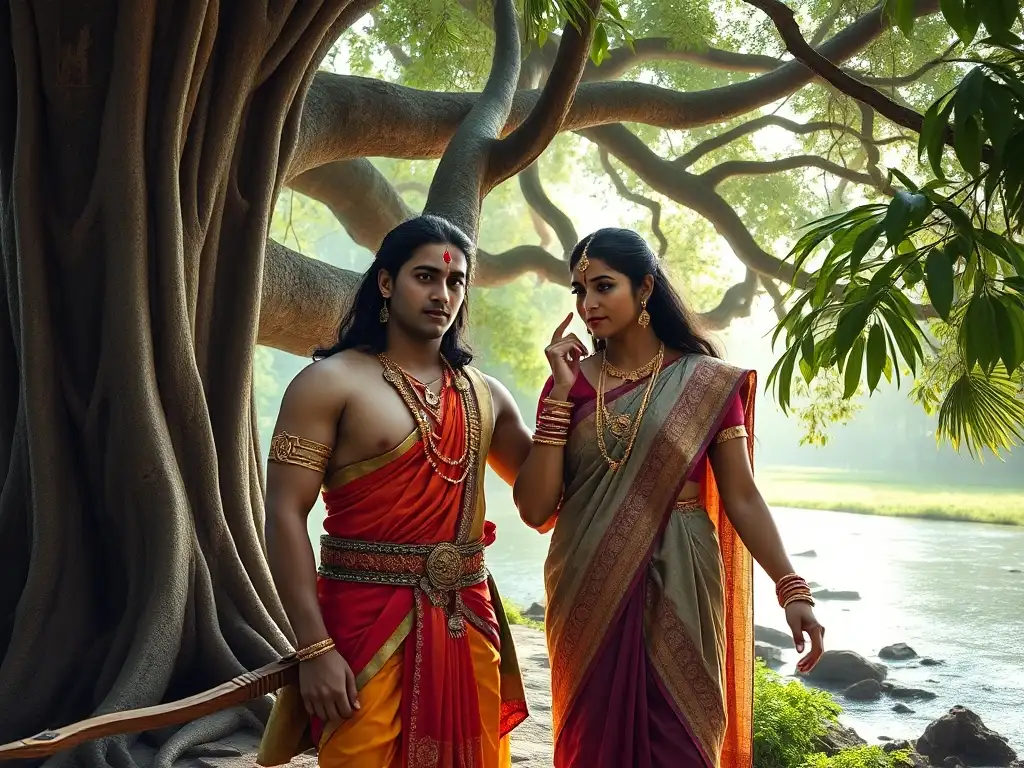
Welcome to Ancient India History, where we embark on a captivating journey through the rich tapestry of ancient Indian civilizations. In this exploration, we delve into profound narratives and cultural milestones that have shaped our world. Today, we invite you to uncover the significance of the Ramayana epic story—a timeless tale of love, duty, and the eternal battle between good and evil.
What lessons does this ancient epic hold for us today? Join us as we unravel the layers of this monumental story and discover its enduring impact on literature and society. Your adventure into the heart of ancient India begins now!
Introduction to the Ramayana Epic Story
The Ramayana is one of the two great epics of ancient Indian literature, alongside the Mahabharata, and it holds a significant place in the cultural and spiritual fabric of India. Composed by the sage Valmiki, this epic narrative chronicles the life and adventures of Lord Rama, his wife Sita, and his loyal companion Hanuman.
The Ramayana not only serves as a tale of heroism, love, and righteousness but also embodies principles of dharma (duty/righteousness) that are essential for personal and societal conduct. As we delve into the Ramayana epic story significance, we explore how this ancient text continues to influence contemporary thought, ethics, and values in Indian society.
Overview of the Ramayana's Importance in Ancient Indian Literature
The Ramayana's significance extends far beyond its narrative; it is a cornerstone of ancient Indian literature that has shaped various aspects of Indian culture, religion, and philosophy. The epic is divided into seven Kandas (books), each detailing different phases of Rama's life, from his birth to his eventual ascension to the throne of Ayodhya.
- Cultural Influence: The Ramayana has inspired countless adaptations, from dance dramas to modern literature, reinforcing its enduring relevance.
- Moral Framework: It provides a moral framework that emphasizes the importance of duty, devotion, and ethical conduct, making it a guide for personal behavior and governance.
- Spiritual Significance: The characters and their journeys serve as spiritual allegories, illustrating the triumph of good over evil and the importance of righteousness.
Key Themes and Messages in the Ramayana Epic Story
The Ramayana is rich with themes that resonate deeply within the human experience. Some of the most prominent themes include:
- Dharma: The concept of duty is central to the narrative, as characters continuously navigate their responsibilities to family, society, and the divine.
- Sacrifice: The epic emphasizes the importance of sacrifice for the greater good, with Rama and Sita embodying selflessness in their struggles.
- Love and Devotion: The bond between Rama and Sita, as well as the loyalty of Hanuman, showcases the power of love and devotion in overcoming adversity.
The Characters of the Ramayana Epic
The Ramayana is populated by a rich tapestry of characters, each contributing to the epic's profound messages.
Rama: The Ideal Hero and His Significance
Rama, the protagonist, epitomizes the ideal hero in Hindu mythology. He is often referred to as "Maryada Purushottama," or the perfect man, representing the virtues of honor, bravery, and compassion. His journey from a prince to an exiled warrior is a testament to his unwavering commitment to dharma.
- Leadership Qualities: Rama's ability to lead and inspire loyalty exemplifies effective leadership and governance.
- Moral Integrity: His choices reflect a profound sense of justice and morality, guiding readers to aspire to similar virtues.
Sita: The Embodiment of Virtue and Strength
Sita, Rama's wife, is a powerful figure in her own right. Often seen as the embodiment of virtue, she represents strength, resilience, and devotion. Sita's trials during her abduction by Ravana emphasize her unwavering loyalty to Rama and her moral fortitude.
- Symbol of Sacrifice: Sita's experiences highlight the challenges faced by women, symbolizing the strength required to uphold virtue in adversity.
- Cultural Icon: Her character has become a symbol of honor and fidelity, influencing the portrayal of women in Indian literature and culture.
Other Key Characters and Their Roles in the Ramayana
The Ramayana features a diverse array of characters, each with unique roles that enrich the narrative:
- Hanuman: The devoted monkey god who helps Rama in his quest, Hanuman symbolizes loyalty and devotion.
- Lakshmana: Rama's younger brother, who accompanies him into exile, exemplifying brotherly love and loyalty.
- Ravana: The ten-headed demon king, whose abduction of Sita serves as the catalyst for the epic’s central conflict, represents the destructive power of desire and arrogance.
Together, these characters weave a complex tapestry of virtues and vices, making the Ramayana a timeless exploration of the human condition and the significance of moral choices.
The Structure of the Ramayana
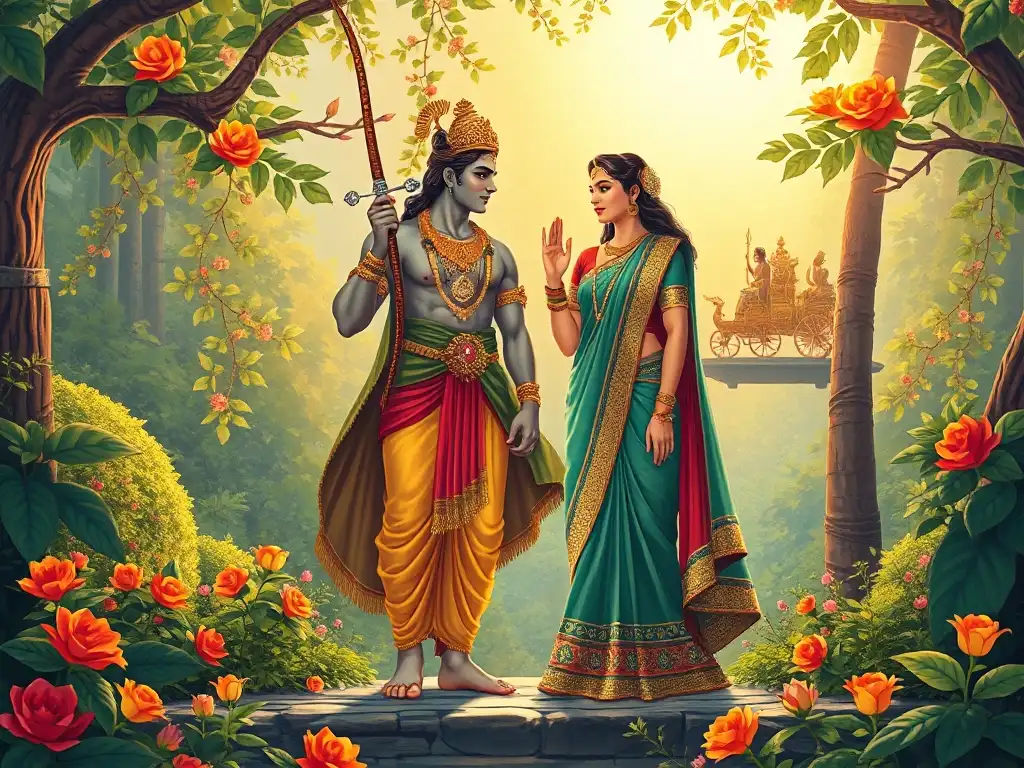
The Ramayana, one of the two major Sanskrit epics of ancient Indian literature, is traditionally attributed to the sage Valmiki. This epic is structured into seven Kandas (books), each detailing different phases of the narrative that revolves around the life and adventures of Lord Rama, his wife Sita, and his devoted companion Hanuman. The structure serves to organize the complex story and its themes, making it accessible and engaging for both readers and listeners.
The narrative begins with the Bala Kanda, which introduces Rama's birth and childhood. It progresses through the Ayodhya Kanda, where the key events of Rama's exile unfold. Each Kanda contributes to character development, moral lessons, and the exploration of dharma—the principle of cosmic order and righteousness. The interweaving of divine elements with relatable human emotions adds depth to the structure, enabling audiences to connect with the epic's themes on multiple levels.
The Different Kandas (Books) of the Ramayana
- Bala Kanda: This Kanda details the early life of Rama, his childhood, and his marriage to Sita. It sets the stage for the epic's themes of duty and virtue.
- Ayodhya Kanda: Here, Rama's exile is narrated, along with the political intrigue that leads to his departure from the kingdom of Ayodhya. This Kanda highlights the challenges of upholding dharma in the face of adversity.
- Aranya Kanda: This section describes Rama's life in the forest during his exile and the abduction of Sita by Ravana, the demon king. The themes of loss and courage are central here.
- Kishkindha Kanda: Rama allies with the monkey king Sugriva and begins his quest to rescue Sita. This Kanda emphasizes themes of friendship and loyalty.
- Sundara Kanda: Renowned for its portrayal of Hanuman, this Kanda details his journey to Lanka to find Sita, showcasing devotion and bravery.
- Yuddha Kanda: The battle between Rama and Ravana unfolds in this Kanda, illustrating the triumph of good over evil. It contains profound lessons on justice and righteousness.
- Uttara Kanda: The final Kanda wraps up the narrative with Rama's return to Ayodhya and his subsequent challenges as a ruler, including the testing of Sita's purity. It embodies the complexities of dharma and societal expectations.
Key Episodes and Their Significance in the Ramayana Epic Story
The Ramayana is replete with key episodes that significantly contribute to its overarching themes and moral teachings.
- Rama's Exile: This pivotal moment reveals the conflict between personal desires and duty, setting the tone for the entire epic. It underscores the importance of sacrificing personal happiness for the greater good.
- Sita's Abduction: The kidnapping of Sita by Ravana serves as the catalyst for Rama's heroic journey. This episode emphasizes themes of loyalty, resilience, and the lengths one will go to for loved ones.
- Hanuman's Leap: When Hanuman leaps to Lanka, it symbolizes unwavering devotion and courage. His character is a representation of selfless service and loyalty, resonating deeply within the cultural fabric of India.
- The Battle of Lanka: The climactic battle between Rama and Ravana encapsulates the epic's moral dichotomy and the ultimate victory of dharma over adharma (unrighteousness). This episode serves as a powerful reminder of the consequences of one’s actions and the need for justice.
The Cultural Impact of the Ramayana
The Ramayana has had a profound influence on various aspects of culture, art, and spirituality in ancient India and beyond. Its narratives and characters continue to inspire generations, shaping societal values and artistic expressions.
Influence on Art and Literature in Ancient India
The Ramayana's impact on art and literature is immense. It has inspired countless works across various genres, including poetry, drama, and storytelling. Artists have depicted scenes from the epic in paintings, sculptures, and dance forms, each interpretation adding layers to its rich narrative tradition.
- Classical Dance: Traditional dance forms like Kathakali and Bharatanatyam often portray tales from the Ramayana, bringing the epic to life through movement and expression.
- Literary Adaptations: Numerous poets and authors have created their own versions of the Ramayana, adapting its themes to reflect local cultures and values. Notable adaptations include Tulsidas's Ramcharitmanas, which makes the epic accessible to a wider audience through its vernacular storytelling.
The Ramayana's Role in Spiritual and Religious Practices
The Ramayana plays a crucial role in the spiritual and religious practices of Hinduism. It serves as a moral guide, inspiring individuals to lead lives rooted in righteousness and devotion.
- Rituals and Recitations: Many Hindus engage in rituals that involve reciting verses from the Ramayana during festivals and religious ceremonies, reinforcing its teachings and values.
- Pilgrimages: Locations associated with the Ramayana, such as Ayodhya, Rameshwaram, and Hanuman Garhi, are significant pilgrimage sites, attracting devotees who seek blessings and spiritual connection through their association with the epic.
Celebrations and Festivals Inspired by the Ramayana
The Ramayana significantly influences various festivals celebrated across India, reflecting its importance in cultural and religious life.
- Diwali: The festival of lights is linked to the return of Rama, Sita, and Lakshmana to Ayodhya after defeating Ravana. Celebrations often include the lighting of diyas (lamps) and the reenactment of Ramayana scenes.
- Ram Navami: This festival celebrates the birth of Lord Rama, marked by prayers, recitations, and processions that honor his life and virtues, reinforcing the epic's teachings of dharma and righteousness.
- Dussehra: Celebrated to mark the victory of Rama over Ravana, Dussehra involves dramatic performances of the Ramayana, emphasizing the triumph of good over evil and the importance of adhering to moral values.
The Ramayana continues to resonate through its timeless lessons and rich cultural legacy, making it a cornerstone of ancient Indian civilization and an enduring source of inspiration.
The Ramayana in Modern Context
The Ramayana, one of the two major Sanskrit epics of ancient Indian literature, continues to resonate deeply within contemporary society. As a narrative that encapsulates ideals of duty, righteousness, and moral dilemmas, the Ramayana transcends time, finding new expressions and interpretations in various modern contexts. Its characters and themes are not just relics of the past; they serve as frameworks through which current generations explore ethical questions and navigate the complexities of human relationships.
In the modern world, the Ramayana has been adapted into various formats such as television series, films, and theatrical productions, which play a crucial role in making the epic accessible to a broader audience. These adaptations often reinterpret the original text, infusing it with contemporary relevance while preserving its core values.
Contemporary Interpretations of the Ramayana Epic Story
Modern interpretations of the Ramayana often focus on the nuanced portrayals of its characters, particularly Rama and Sita. Scholars and artists alike have sought to present these figures in a light that reflects current societal issues, such as gender roles, justice, and leadership. For example, feminist readings of the text highlight Sita's agency and her struggles as a woman in a patriarchal society, prompting discussions about women's rights and empowerment in today's context.
Additionally, various regional adaptations have emerged, each interpreting the epic through the lens of local cultures and traditions. These adaptations underscore the universality of the Ramayana's themes, demonstrating how its teachings can be applied to diverse cultural landscapes. They encourage audiences to engage with the epic in ways that resonate with their own experiences and societal challenges.
The Ramayana's Relevance in Today's Society
The ethical dilemmas presented in the Ramayana remain pertinent in contemporary society. The struggles between good and evil, duty versus personal desire, and the complexities of familial relationships are themes that resonate with individuals facing moral choices today. The epic serves as a moral compass, offering lessons on integrity, honor, and perseverance.
Moreover, as the world grapples with issues such as social justice, environmental degradation, and political strife, the Ramayana provides timeless insights into leadership and responsibility. Characters like Rama exemplify the traits of a righteous leader, emphasizing the importance of making sacrifices for the greater good. This aspect of the epic encourages individuals to reflect on their roles in their communities and inspire positive change.
Conclusion: The Lasting Significance of the Ramayana Epic Story
The Ramayana's enduring significance lies in its ability to inspire and evoke deep emotional responses across generations. Its teachings and values have been woven into the fabric of Indian culture and continue to shape societal norms and collective consciousness.
Reflections on the Teachings of Rama and Sita
The teachings of Rama and Sita offer profound insights into human ethics and relationships. Rama is often viewed as the ideal man, embodying dharma (righteousness), while Sita represents fidelity and strength. Their journey together reflects the challenges of maintaining virtue in the face of adversity.
These characters remind us of the importance of compassion, empathy, and commitment, encouraging individuals to navigate their own lives with integrity and honor. The lessons derived from their experiences are relevant not only within the context of Indian culture but also resonate globally, making the Ramayana a universal tale of humanity.
The Ramayana's Legacy in Indian Culture and Beyond
The legacy of the Ramayana extends far beyond its original narrative. It has influenced various art forms, including dance, music, and literature, and has inspired countless works of art and philosophy. Festivals like Diwali, which celebrates Rama's return to Ayodhya, highlight the epic's cultural significance and its role in the collective memory of Indian society.
Moreover, the Ramayana has found a place in global literature and thought, inspiring retellings and adaptations around the world. Its themes of love, sacrifice, and the struggle between good and evil resonate with diverse audiences, affirming its status as a monumental work in the canon of world literature. The Ramayana not only enriches the cultural landscape of India but also serves as a bridge to understanding the shared values that unite humanity across different cultures and epochs.
- Introduction to the Ramayana Epic Story
- Overview of the Ramayana's Importance in Ancient Indian Literature
- Key Themes and Messages in the Ramayana Epic Story
- The Characters of the Ramayana Epic
- The Structure of the Ramayana
- The Cultural Impact of the Ramayana
- The Ramayana in Modern Context
- Conclusion: The Lasting Significance of the Ramayana Epic Story
Frequently Asked Questions
What is the Ramayana about?
The Ramayana is an ancient Indian epic that narrates the story of Rama and Sita, their adventures, and the values of dharma (righteousness) and devotion.
Why is the Ramayana considered significant?
The Ramayana is significant for its moral teachings, portrayal of ideal relationships, and its influence on Indian culture, literature, and art throughout history.
How does the Ramayana reflect ancient Indian civilization?
The Ramayana reflects ancient Indian civilization through its depictions of social values, customs, and the importance of family and community in shaping society.
What are the key themes in the Ramayana?
Key themes in the Ramayana include love, loyalty, sacrifice, and the struggle between good and evil, which resonate with universal human experiences.
How has the Ramayana impacted modern culture?
The Ramayana continues to influence modern culture through its adaptations in films, theatre, and literature, fostering a deeper understanding of Indian heritage and values.
Final Reflection: The Enduring Significance of the Ramayana Epic Story
The Ramayana is not just an ancient tale; it is a timeless narrative that continues to resonate with our modern lives. In a world increasingly defined by chaos and moral ambiguity, the lessons embedded within the Ramayana serve as a guiding light, illuminating the path of righteousness and virtue. The epic story of Rama and Sita transcends its historical context, offering profound insights into duty, love, and the eternal struggle between good and evil.
Culturally and socially, the Ramayana has woven itself into the fabric of societies across generations, shaping values and beliefs. Its influence can be seen in literature, art, and even contemporary media, where the themes of sacrifice, loyalty, and justice remain relevant. As the renowned scholar R.K. Narayan once said, The Ramayana is not just a story; it is a way of life.
This observation underscores the epic's role in providing moral frameworks that guide individuals and communities, fostering a sense of identity and purpose.
As we reflect on the teachings of the Ramayana, let us invite ourselves to embody its principles in our daily lives. Consider how the virtues of Rama and Sita can inspire you to navigate your own challenges with integrity and compassion. By embracing the lessons of this epic tale, we can contribute to a more harmonious world, where love and righteousness prevail. Take a moment to reflect on your journey and ask yourself: How can the timeless wisdom of the Ramayana shape my actions and decisions today?
Embark on Your Own Epic Journey!
Thank you for taking the time to explore the captivating tale of Rama and Sita within the Ramayana. We hope you’ve uncovered valuable insights and inspiration from this timeless epic that resonates with themes of love, duty, and heroism. Now, it's time to dive deeper and apply these lessons to your own journey!
Here are some actions you can take to continue your exploration:
- Read more: Discover additional texts or scholarly interpretations of the Ramayana to enhance your understanding of its profound themes.
- Share your thoughts: Join our community on social media or in the comments section to discuss your favorite moments from the epic and how they relate to your personal experiences.
- Explore local adaptations: Attend theater shows, dance performances, or local readings that bring the Ramayana to life in your community.
What aspect of the Ramayana resonates with you the most, and how can you incorporate its wisdom into your daily life?