
The Contributions of Untouchable Communities in Ancient Indian History

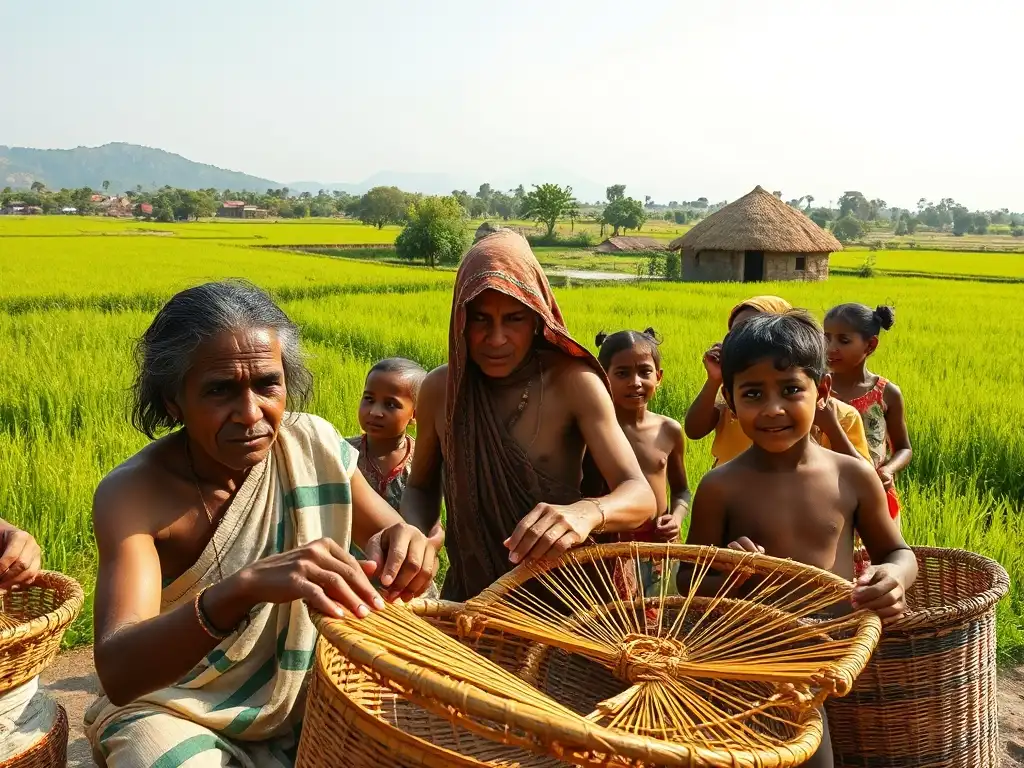
Welcome to Ancient India History, where we take you on a journey through the rich tapestry of civilizations that shaped the subcontinent. In this exploration, we delve into the often-overlooked yet profoundly impactful untouchable communities in ancient India. Discover how these resilient groups contributed to the cultural and social fabric of their time, influencing everything from daily life to societal structures.
Prepare to challenge your perceptions and uncover the hidden narratives that have long remained in the shadows. Join us as we illuminate the remarkable legacies of these communities and their vital role in the grand story of ancient Indian history.
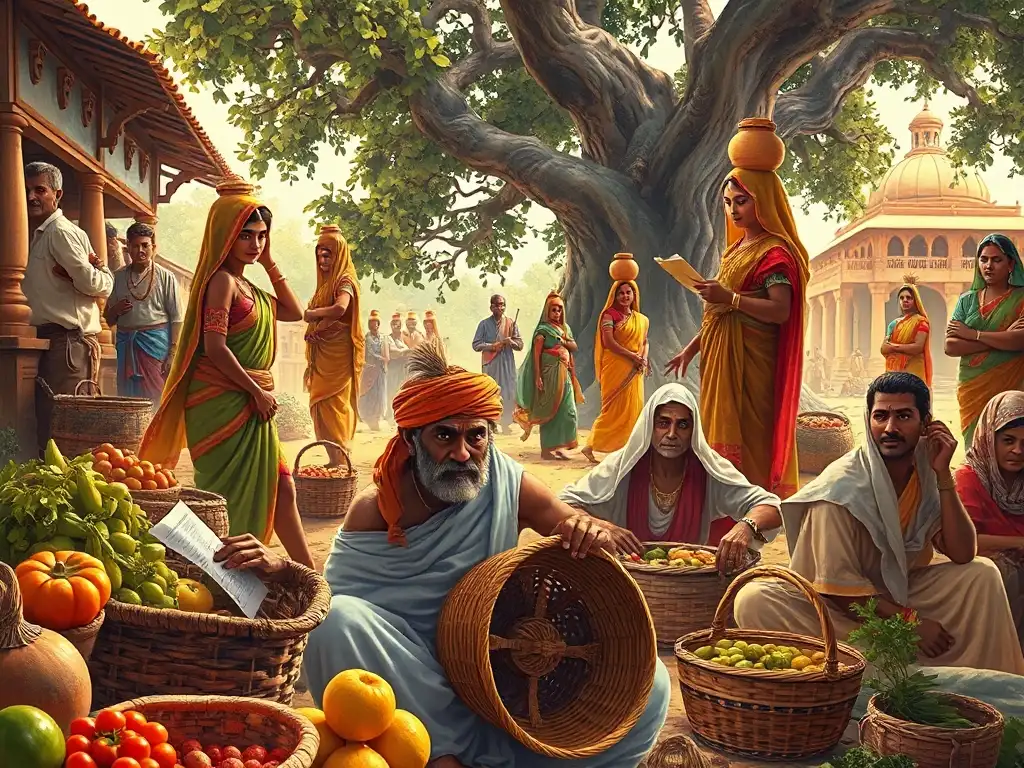
In examining the rich tapestry of ancient Indian history, it is imperative to acknowledge the often-overlooked contributions of untouchable communities. These communities, marginalized and relegated to the fringes of society, played a significant role in the evolution of social, cultural, and economic frameworks throughout ancient India.
Their existence challenges the conventional narratives that have historically centered on the more privileged classes, shedding light on the complexities of the caste system and the diverse experiences that shaped Indian civilization. By delving into their contributions, we can gain a deeper understanding of the intricate social dynamics that have influenced India from the Indus Valley civilization through to the Gupta Empire.
Introduction to Untouchable Communities in Ancient India
Untouchable communities, often referred to as Dalits, occupied a unique and marginalized position within the ancient Indian social hierarchy. Despite facing systemic discrimination and exclusion, these communities significantly contributed to various aspects of society, including the economy, culture, and even spiritual practices. Understanding their role is essential for a comprehensive view of ancient Indian society, which was characterized by its diversity and complexity.
The social structure of ancient India was predominantly influenced by the caste system, a hierarchical framework that organized society into distinct groups based on occupation and social status. This structure not only dictated daily life but also shaped the interactions between different communities.
Definition of Untouchable Communities
Untouchable communities are often defined as the lowest tier of the caste system, traditionally associated with occupations considered impure or polluting. This includes:
- Manual scavenging
- Leatherworking
- Street sweeping
- Other menial tasks
Their contributions, though often unrecognized, were vital for the functioning of society, providing essential services that supported the broader community.
Historical Context of the Caste System
The origins of the caste system in ancient India can be traced back to the Vedic period, with texts such as the Rigveda outlining the four primary varnas: Brahmins (priests), Kshatriyas (warriors), Vaishyas (traders), and Shudras (laborers). However, untouchable communities exist outside of this framework, reflecting the complexities and variations of social stratification across different regions and periods.
The historical context reveals that the caste system evolved over centuries, influenced by various factors such as religion, economics, and politics. This evolution not only marginalized untouchable communities but also enforced a rigid social order that has persisted into modern times. Understanding these dynamics is crucial for unraveling the intricate history of ancient India and recognizing the contributions of all its communities.
Contributions of Untouchable Communities in Different Periods
Untouchable communities, often marginalized in the social hierarchy of ancient India, played significant roles throughout various historical periods. Their contributions spanned numerous aspects of society, culture, and economy, even though they were often relegated to the peripheries of historical narratives. Understanding their impact requires a closer examination of their roles during key periods of ancient Indian history.
Untouchable Communities in the Indus Valley Civilization
During the Indus Valley Civilization (circa 3300–1300 BCE), evidence suggests that various social classes existed, and while details about specific communities are sparse, there is speculation regarding the roles of marginalized groups. Archaeological findings indicate that urban centers like Harappa and Mohenjo-Daro had advanced sanitation systems, which likely required a workforce responsible for maintenance and waste management.
These roles could have been filled by those considered "untouchables," who, despite their low status, contributed to the city's infrastructure and hygiene. Their involvement in everyday life was crucial, as sanitation was paramount for the health of densely populated urban areas. This early recognition of their contributions highlights the complex social dynamics present even in one of the world’s earliest urban civilizations.
Contributions during the Vedic Period
The Vedic Period (circa 1500–500 BCE) marked significant developments in Indian society, including the establishment of the varna system. While this system stratified society into four main categories, untouchable communities often constituted the lowest, performing essential yet menial tasks.
Their contributions included:
- Agricultural Labor: Many untouchables were involved in agriculture, working as laborers on the fields, which was vital for sustaining the agrarian economy.
- Craftsmanship: Untouchables engaged in various crafts, providing essential goods such as textiles and pottery, which were critical for trade and daily life.
- Servitude: They often served higher caste families, playing a vital role in maintaining households and ensuring the smooth functioning of society.
Despite their low social standing, these contributions were indispensable for sustaining the societal structure of the time.
Roles in the Maurya and Gupta Empires
In the Maurya (322–185 BCE) and Gupta (circa 320–550 CE) Empires, the status and roles of untouchable communities evolved. During the Maurya Empire, under Emperor Ashoka, there was a notable push towards social welfare and inclusion. Policies promoting welfare may have opened avenues for untouchables to engage in trade and commerce.
In the Gupta Empire, although the caste system became more rigid, untouchables continued to play crucial roles:
- Economic Contributions: They worked in various trades, contributing to the economic prosperity of the empires, especially in rural areas.
- Military Support: Some untouchables served in the military, where their skills and labor were utilized in support roles.
- Cultural Intermediaries: They often acted as intermediaries between different castes, facilitating trade and communication.
These roles helped maintain the economic and cultural vibrancy of the empires, showcasing the indispensable nature of untouchable communities in ancient governance and society.
Cultural Contributions of Untouchable Communities
Untouchable communities significantly enriched the cultural tapestry of ancient India through their unique traditions and practices. Their contributions in art, literature, and performing arts are vital to understanding the cultural heritage of the region.
Art and Craftsmanship
Untouchable communities were often the unsung artisans whose skills in craftsmanship contributed to the material culture of ancient India. They produced a wide range of items, including:
- Pottery: Distinctive pottery styles, often with unique designs, were created by untouchable potters, serving both functional and artistic purposes.
- Textiles: Weavers from these communities created fabrics that were used in clothing and rituals, contributing to the textile economy of ancient India.
- Metalwork: Some untouchables were skilled in metalwork, producing tools and ornaments that were essential for daily life and trade.
Despite often being overlooked, their artistic contributions played a crucial role in the economic and cultural development of ancient Indian societies.
Folk Traditions and Oral Literature
Untouchable communities preserved rich folk traditions and oral literature that reflected their experiences and cultural identity. Their contributions included:
- Fables and Folklore: These communities often shared stories that conveyed moral lessons and cultural values, enriching the oral tradition of the region.
- Local Histories: Oral histories and legends passed down through generations provided insights into their struggles, resilience, and cultural practices, contributing to the collective memory of the society.
- Community Rituals: Various rituals and practices unique to untouchable communities highlighted their cultural significance and fostered social cohesion among members.
These narratives and traditions form an essential part of India’s cultural heritage and illustrate the depth of contribution from untouchable communities.
Music and Dance Forms
The music and dance forms associated with untouchable communities reflect their rich cultural heritage and serve as a means of expression and storytelling. Their contributions include:
- Folk Music: Songs that encapsulate the joys, sorrows, and daily lives of these communities have been integral to Indian folk music. They often serve as vehicles for social commentary.
- Dance Forms: Various dance styles, often performed during festivals and community gatherings, embody traditional stories and cultural practices unique to these communities.
- Instruments: Many untouchable musicians crafted and played traditional instruments, contributing to the diversity of Indian music and influencing mainstream forms.
Through these artistic expressions, untouchable communities not only preserved their cultural identity but also enriched the broader cultural landscape of ancient India.
Economic Contributions of Untouchable Communities
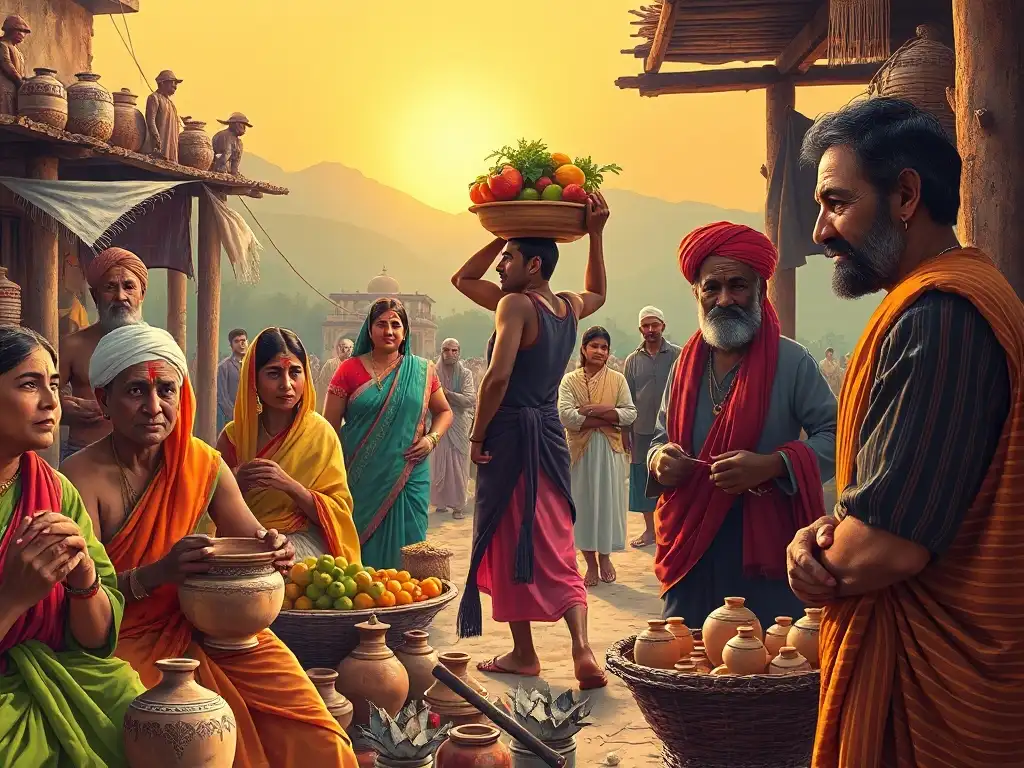
Untouchable communities, often marginalized within the broader social structure of ancient India, played a vital yet frequently overlooked role in the economic landscape of their time. Their contributions spanned various sectors, showcasing their significance in both agricultural practices and trade. By examining these economic contributions, we can better understand the integral role these communities played in shaping the agrarian and commercial economy of ancient India.
Agricultural Practices
Untouchable communities were primarily involved in agricultural labor, often working as farmers, laborers, or in other essential agricultural roles. Despite facing social stigma, they contributed to the cultivation of staple crops, such as rice, wheat, and pulses, which formed the backbone of the ancient Indian diet.
Their knowledge of local agricultural techniques, including crop rotation and irrigation methods, significantly enhanced agricultural productivity. For instance, some communities specialized in the cultivation of specific crops, such as sugarcane or cotton, which were crucial for trade. This expertise not only ensured food security but also supported the agrarian economy's growth, proving that these communities were essential to sustaining the livelihoods of many.
Trade and Commerce Involvement
In addition to their agricultural roles, untouchable communities were often involved in the trade and commerce sectors. They engaged in local markets, facilitating the exchange of goods and services. Many belonged to artisan groups that produced essential items, including pottery, textiles, and tools.
Their craftsmanship was highly valued, and they often operated as vendors in marketplaces, contributing to the local economy's vibrancy. Notably, some untouchable groups provided essential services such as butchery, leatherworking, or the production of handicrafts, which were crucial for the functioning of urban centers. Their contributions in these areas not only supported economic activities but also illustrated their resilience and adaptability in a society that marginalized them.
Contributions to Local Economies
The economic contributions of untouchable communities extended to local economies in various ways. They often worked in essential services that supported the daily life of larger communities, such as waste management and sanitation, which were vital for public health.
Moreover, by participating in agricultural and trade activities, they helped establish a network of interdependence among different social groups. Their labor and skills contributed to the prosperity of local economies, underscoring that the economic fabric of ancient India was woven from diverse threads, including those of untouchable communities. Their roles, while often invisible in historical narratives, were fundamental in creating a robust economic structure.
Religious and Spiritual Contributions of Untouchable Communities
The religious and spiritual dimensions of untouchable communities are equally significant, as they contributed to the spiritual landscape of ancient India. Their involvement in religious practices and movements not only provided them with a sense of identity but also influenced broader spiritual currents in society.
Role in Religious Practices and Rituals
Untouchable communities often participated in religious rituals, albeit in a limited capacity due to the prevailing caste norms. However, they held unique positions within certain religious practices, especially in folk traditions and local deities' worship.
Their roles often included serving as custodians of local shrines or engaging in ritualistic practices that emphasized community solidarity. In many cases, untouchable communities developed their own spiritual traditions, which blended elements of mainstream religions with local beliefs, contributing to the rich tapestry of spiritual life in ancient India.
Influence on Spiritual Movements
Throughout history, various spiritual movements emerged in India that challenged the rigid caste system and sought to uplift marginalized communities, including the untouchables. Figures like Kabir and Ravidas, who hailed from untouchable backgrounds, played pivotal roles in advocating for social equality and spiritual liberation.
These movements emphasized devotion, equality, and direct connection with the divine, resonating with the struggles of untouchable communities. Their teachings and philosophies helped lay the groundwork for later reform movements that sought to abolish caste discrimination, showcasing the profound impact of untouchable voices on India's spiritual evolution.
Contributions to Philosophical Thought
Untouchable communities also contributed to philosophical thought, particularly through their oral traditions and folk wisdom. Their perspectives on life, morality, and spirituality often presented alternative views that challenged mainstream philosophical doctrines.
These communities' experiences with marginalization and social injustice fostered a unique understanding of equity and ethics, which became integral to various philosophical discussions. The narratives and teachings of untouchable thinkers contributed not only to the discourse on caste and society but also enriched the broader philosophical landscape of ancient India, promoting ideas of inclusivity and social harmony.
The struggle for social justice among Untouchable communities in ancient India is deeply intertwined with the historical context of the caste system and its rigid hierarchies. These communities, often referred to as "Dalits," faced systemic discrimination that marginalized them within the social fabric of ancient Indian society. Despite this, they played crucial roles in various aspects of daily life, including agriculture, sanitation, and craftsmanship, which significantly contributed to the economy and culture of their times.
Throughout history, Untouchable communities have been emblematic of resilience and resistance against oppression. Their fight for dignity and recognition has been a long-standing issue that reflects broader social struggles. The quest for social justice has often led to movements and organized efforts aimed at challenging the entrenched norms of caste discrimination, advocating for equal rights, and redefining their status within society.
Historical Challenges Faced by Untouchable Communities
Historically, Untouchable communities encountered severe challenges that limited their opportunities and social mobility. They were often relegated to menial jobs, facing discrimination that prevented them from accessing education, religious practices, and social interaction with other caste groups. Some of the most significant challenges included:
- Occupational Restrictions: Many Untouchables were forced into occupations considered impure, such as leatherworking, manual scavenging, and other forms of labor deemed unsuitable for higher castes. This confinement perpetuated the cycle of poverty and social exclusion.
- Social Exclusion: Untouchables were often forbidden from entering temples, drinking from the same water sources as higher castes, or even walking on the same paths. This exclusion was not only a social stigma but also a violation of their basic human rights.
- Violence and Intimidation: Throughout ancient times, Untouchable communities faced violence and intimidation from higher caste groups, which sought to maintain their dominance and suppress any attempts at mobility or rights assertion.
These challenges contributed to a deep-seated sense of injustice that would eventually fuel movements for rights and recognition.
Movements for Rights and Recognition in Ancient Times
While the history of organized movements for Untouchable rights is more prominently recorded in modern times, early forms of resistance can be traced back through various periods of ancient Indian history. Notable movements and figures include:
- Buddhist Influence: The teachings of Gautama Buddha in the 5th century BCE emphasized equality and compassion, providing a philosophical foundation that challenged the caste system. Many Untouchables adopted Buddhism, seeking liberation from social oppression.
- Bhakti Movement: This spiritual movement, which flourished between the 7th and 17th centuries, promoted devotion to God and rejected caste distinctions. Saints like Kabir and Ravidas were pivotal in advocating for the rights and dignity of marginalized communities, fostering a sense of unity among diverse groups.
- Local Uprisings: Throughout ancient India, there were instances of localized revolts and protests against oppressive practices, where Untouchable communities sought to claim their rights and challenge the status quo. These movements laid the groundwork for future social reform efforts.
Conclusion: The Legacy of Untouchable Communities in Ancient Indian History
The contributions of Untouchable communities in ancient Indian history are profound and multifaceted. Their resilience in the face of adversity and their roles in various sectors underscore the significance of recognizing their historical impact.
Reflection on Historical Contributions
Untouchable communities have significantly shaped the social, economic, and cultural landscapes of ancient India. They were instrumental in various industries, including agriculture and craftsmanship, providing essential services that sustained the economy. Furthermore, their contributions to religious and philosophical discourse through movements like Buddhism and the Bhakti movement have had lasting effects on Indian society's moral and ethical frameworks.
Importance of Recognizing Untouchable Contributions in Modern India
In contemporary India, recognizing the contributions of Untouchable communities is vital for fostering an inclusive society that respects diversity. Acknowledging their historical struggles and contributions can help dismantle lingering prejudices and promote social justice. It is essential for modern India to embrace the legacy of these communities, ensuring their voices are heard and their rights are protected, paving the way for a more equitable future.
- Introduction to Untouchable Communities in Ancient India
- Understanding the Social Structure of Ancient India
- Contributions of Untouchable Communities in Different Periods
- Cultural Contributions of Untouchable Communities
- Economic Contributions of Untouchable Communities
- Religious and Spiritual Contributions of Untouchable Communities
- Social Justice and the Struggle of Untouchable Communities
- Conclusion: The Legacy of Untouchable Communities in Ancient Indian History
- What are Untouchable communities in ancient India?
- How did Untouchable communities contribute to ancient Indian culture?
- What were some of the occupations of Untouchable communities?
- Did Untouchable communities have any influence on ancient Indian religions?
- What challenges did Untouchable communities face in ancient India?
Frequently Asked Questions
What are Untouchable communities in ancient India?
Untouchable communities, often referred to as Dalits, were marginalized groups in ancient Indian society who faced severe social discrimination and exclusion based on the caste system.
How did Untouchable communities contribute to ancient Indian culture?
Despite facing discrimination, Untouchable communities played a vital role in preserving and transmitting cultural traditions, arts, and crafts, enriching the overall cultural landscape of ancient India.
What were some of the occupations of Untouchable communities?
Untouchable communities often engaged in manual labor, such as agriculture, leatherwork, and sanitation, performing essential tasks that were deemed impure by higher caste groups.
Did Untouchable communities have any influence on ancient Indian religions?
Yes, many Untouchable communities contributed to the spiritual landscape of ancient India by embracing and promoting alternative beliefs and practices, often leading to the rise of reform movements in Hinduism and Buddhism.
What challenges did Untouchable communities face in ancient India?
Untouchable communities faced systematic oppression, social ostracism, and limited access to education and resources, making their contributions to society often overlooked in historical narratives.
Final Reflection: Recognizing the Legacy of Untouchable Communities in Ancient India
The contributions of untouchable communities in ancient India are not just historical footnotes; they are vital threads woven into the fabric of our cultural heritage. Today, as we strive for social equity and justice, it is crucial to acknowledge the roles these communities played in shaping society, economy, and culture. Their resilience and ingenuity remind us that history is often told from a singular perspective, and it is our responsibility to broaden that narrative to include all voices.
The impact of untouchable communities extends far beyond the past; it continues to resonate in contemporary discussions about caste, identity, and social justice. Their contributions to agriculture, craftsmanship, and various art forms have laid the groundwork for many aspects of Indian culture that we cherish today. As we reflect on this, we are reminded of the words of Dr. B.R. Ambedkar: I measure the progress of a community by the degree of progress which women have achieved.
This quote encapsulates the ongoing struggle for equality and recognition, highlighting the need to honor the contributions of all societal segments, especially those historically marginalized.
As we conclude this exploration, I invite you to reflect on the lessons learned from the untouchable communities in ancient India. Consider how their stories can inspire us to challenge existing prejudices and foster inclusivity in our own lives. Let us commit to acknowledging and celebrating the diverse contributions that shape our society, ensuring that every voice is heard and valued. In doing so, we not only honor the past but also pave the way for a more equitable future.
Thank you for diving into the rich tapestry of Ancient Indian history with us! You've uncovered the invaluable contributions of untouchable communities, and now it’s time to honor and amplify their legacy. Here are a few empowering actions you can take to further engage with this topic:
- Share Your Insights: Discuss or share this article with friends and family to highlight the overlooked histories that have profoundly shaped our culture.
- Dive Deeper: Explore additional resources such as documentaries or books that focus on the significant contributions of marginalized groups throughout history.
- Join the Conversation: Engage with online forums or local groups dedicated to social history and equality, advocating for the recognition and respect that these communities deserve.
What aspect of untouchable communities resonates most with you, and how can we continue to ensure their stories are told and celebrated?