
The Art of Storytelling in Rituals: Legends Passed Through Generations

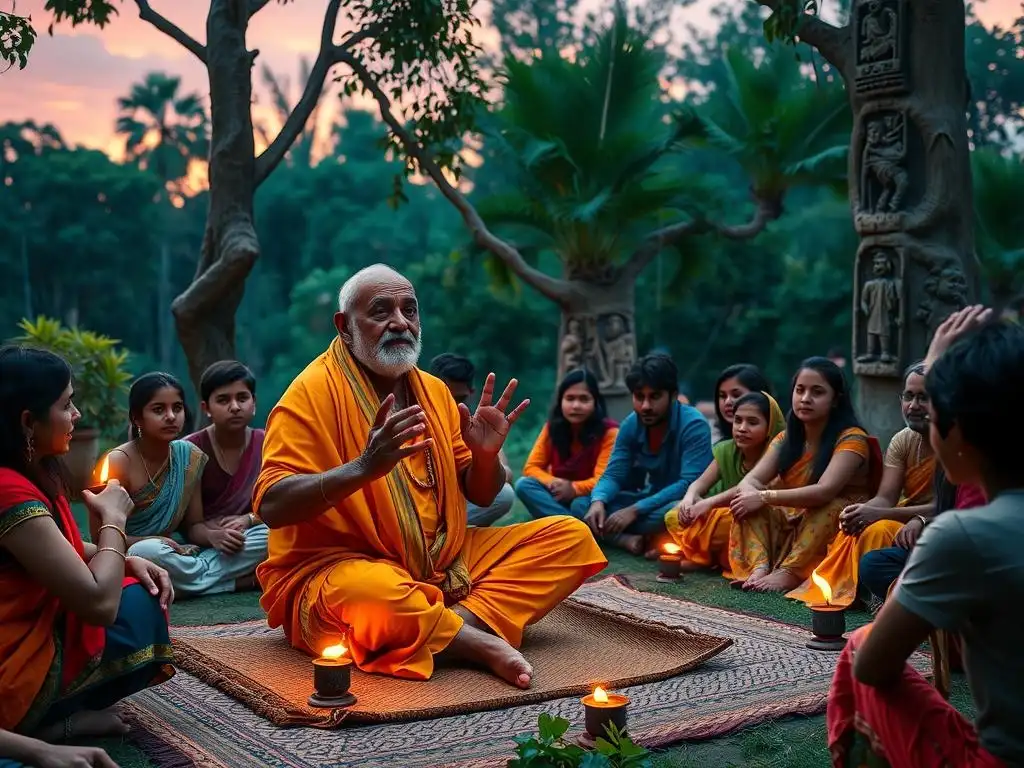
Welcome to Ancient India History, where we embark on a journey through the vibrant tapestry of India's past. In this exploration, we are especially excited to share insights into the ancient Indian storytelling rituals that have woven legends into the fabric of time, preserving wisdom across generations.
As you delve into "The Art of Storytelling in Rituals: Legends Passed Through Generations," prepare to uncover the profound significance of these traditions and how they continue to shape cultural identities today. Join us as we unlock the secrets of a world where every tale is a thread in the grand narrative of our heritage!
Introduction to Ancient Indian Storytelling Rituals
The art of storytelling in ancient India is a rich tapestry woven with threads of mythology, tradition, and cultural heritage. From the early narratives of the Indus Valley Civilization to the intricate tales shared during the Gupta Empire, storytelling has played a pivotal role in the preservation and transmission of knowledge, values, and beliefs. Ancient Indian storytelling rituals were not mere entertainment; they served as vital tools for educating younger generations, instilling moral lessons, and fostering a sense of community.
These rituals often took place during significant festivals, ceremonies, and communal gatherings, creating a vibrant atmosphere where stories came alive through spoken word, gestures, and even music. The storytellers, often revered figures within their communities, would engage their audiences with captivating narratives that reflected the complexities of human existence, divine interventions, and the natural world. As these stories were passed down through generations, they not only preserved the cultural identity of various communities but also highlighted the diverse traditions and practices that characterized ancient Indian civilization.
Importance of Storytelling in Ancient Indian Culture
Storytelling in ancient India was deeply intertwined with the spiritual and social fabric of society. Here are some key aspects highlighting its significance:
- Cultural Preservation:
- Storytelling acted as a vessel for preserving ancient myths, legends, and historical accounts.
- Oral traditions ensured that the collective memory of communities remained intact, allowing future generations to connect with their roots.
- Moral Instruction:
- Many stories were imbued with moral lessons that guided individuals in their conduct and decision-making.
- Characters in these narratives often embodied virtues such as bravery, honesty, and compassion, serving as role models for listeners.
- Community Bonding:
- Storytelling rituals fostered a sense of belonging and unity among participants.
- Gatherings for storytelling often became communal events, where people shared not just tales but also laughter, tears, and experiences, strengthening social ties.
- Spiritual Connection:
- Many stories were sacred, recounting divine exploits and cosmic events, thereby deepening the spiritual connection of individuals to the divine.
- Rituals involving storytelling often included prayers, chants, and offerings, intertwining the act of narration with spiritual devotion.
- Entertainment and Engagement:
- Beyond their educational and spiritual functions, storytelling served as a form of entertainment, captivating audiences with imaginative plots and dramatic performances.
- Engaging narratives allowed for creative expression, keeping the tradition alive through diverse interpretations and adaptations.
In essence, storytelling was much more than a form of entertainment in ancient Indian culture; it was a profound practice that shaped identities, preserved traditions, and fostered connections among people across generations. Through an exploration of these rituals, we can gain insight into the values and beliefs that have defined the rich heritage of ancient India.
- Introduction to Ancient Indian Storytelling Rituals
- Importance of Storytelling in Ancient Indian Culture
Historical Context of Storytelling in Ancient India
The Role of Oral Traditions in Ancient Indian Societies
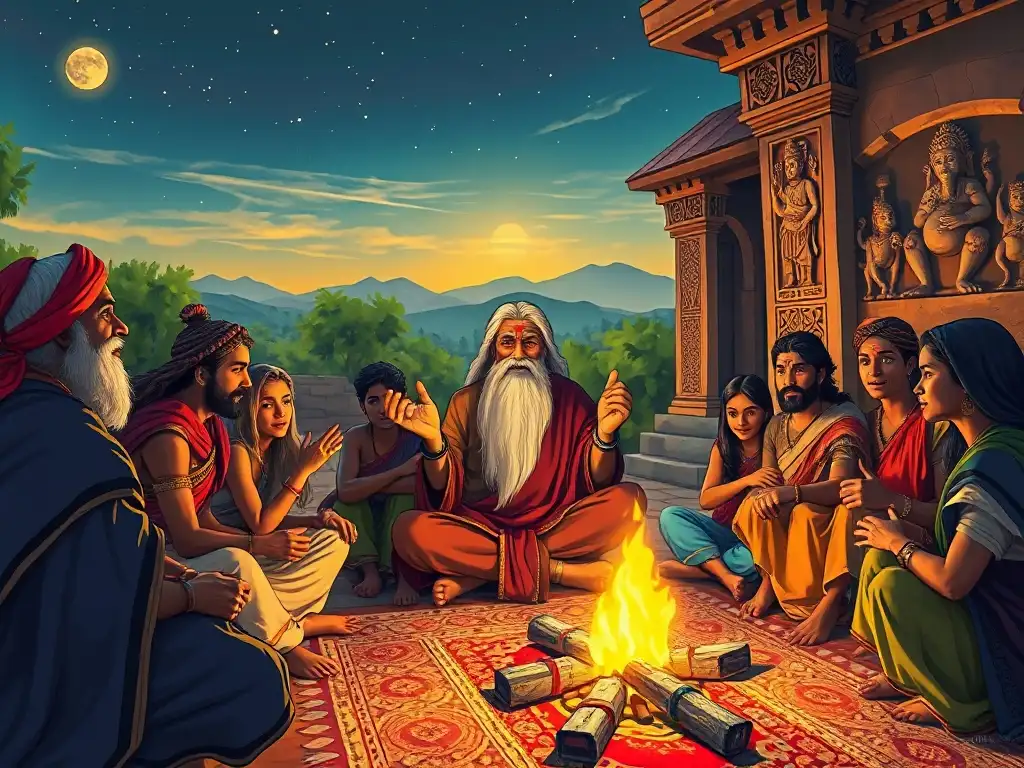
Oral traditions were the backbone of ancient Indian storytelling rituals and served as an essential means of communication, education, and cultural preservation. In a time when written records were scarce, stories passed down through generations became vital for maintaining collective memory. These narratives encompassed myths, legends, fables, and historical accounts, often intertwined with moral lessons and societal values.
The significance of oral storytelling can be observed in various ancient texts, such as the Vedas and the Puranas. These texts not only provided religious and philosophical insights but also contained rich narratives that were recited during rituals and ceremonies. The stories acted as vehicles for transmitting knowledge and ensuring the continuity of cultural practices.
In ancient Indian societies, storytellers, or sutas and bards, held a revered position. They were entrusted with the responsibility of preserving and sharing the community's history. Their performances were often accompanied by music and dance, creating an immersive experience that engaged the audience both emotionally and intellectually. Thus, oral traditions not only entertained but also played a crucial role in shaping societal norms and identities.
Influences of Major Civilizations on Storytelling Practices
The evolution of storytelling in ancient India was profoundly influenced by various civilizations, each contributing unique elements to the art form.
- Indus Valley Civilization: Evidence from archaeological sites indicates that storytelling may have been prevalent even in the Indus Valley Civilization (c. 3300–1300 BCE). Seals and figurines suggest narratives involving deities and animals, hinting at the early integration of storytelling in rituals.
- Vedic Period: During the Vedic period (c. 1500–500 BCE), storytelling evolved with the composition of the Vedas. These texts emphasized oral recitation, and the stories often included cosmological themes and rituals linked to nature and the divine.
- Mahajanapadas: The rise of city-states (Mahajanapadas) in the 6th century BCE saw an increase in cultural exchanges and the blending of storytelling traditions, influenced by regional dialects and local deities. This period birthed significant epics, such as the Mahabharata and Ramayana, which are steeped in moral and ethical dilemmas, reflecting the complexities of human nature.
- Gupta Empire: By the time of the Gupta Empire (c. 320–550 CE), storytelling had reached new heights, with the patronage of arts and literature. The Panchatantra, a collection of fables, emerged during this era, showcasing the fusion of storytelling with educational purposes.
These influences highlight how storytelling practices were dynamic and ever-evolving, reflecting the socio-political contexts of their times while retaining core elements of ancient Indian culture.
Key Historical Figures in Ancient Indian Storytelling
Several historical figures stand out for their contributions to ancient Indian storytelling rituals, each leaving an indelible mark on the art form.
- Vyasa: Often regarded as the compiler of the Mahabharata, Vyasa is a legendary figure in Indian literature. His narrative techniques and character development set a standard for storytelling, emphasizing the importance of moral and philosophical themes.
- Valmiki: Known as the adi kavi (first poet), Valmiki composed the Ramayana, which became a cornerstone of Indian storytelling. His use of poetic meter and vivid imagery has inspired countless adaptations and retellings over centuries.
- Bharavi: A celebrated poet of the 6th century CE, Bharavi's works are noted for their complexity and depth. His contributions to the Karna Parva of the Mahabharata exemplify the sophistication of storytelling during the Gupta period.
- Kalidasa: As one of the greatest Sanskrit dramatists and poets, Kalidasa's plays, such as Shakuntala, illustrate the seamless integration of storytelling with performance arts. His works reflect the cultural richness of ancient India and remain influential in contemporary storytelling practices.
These figures not only shaped the narratives that form the foundation of ancient Indian storytelling rituals but also ensured the survival and relevance of these stories through generations. Their legacies continue to resonate, reminding us of the enduring power of storytelling in human culture.
Elements of Ancient Indian Storytelling Rituals
Ritualistic Settings and Their Significance
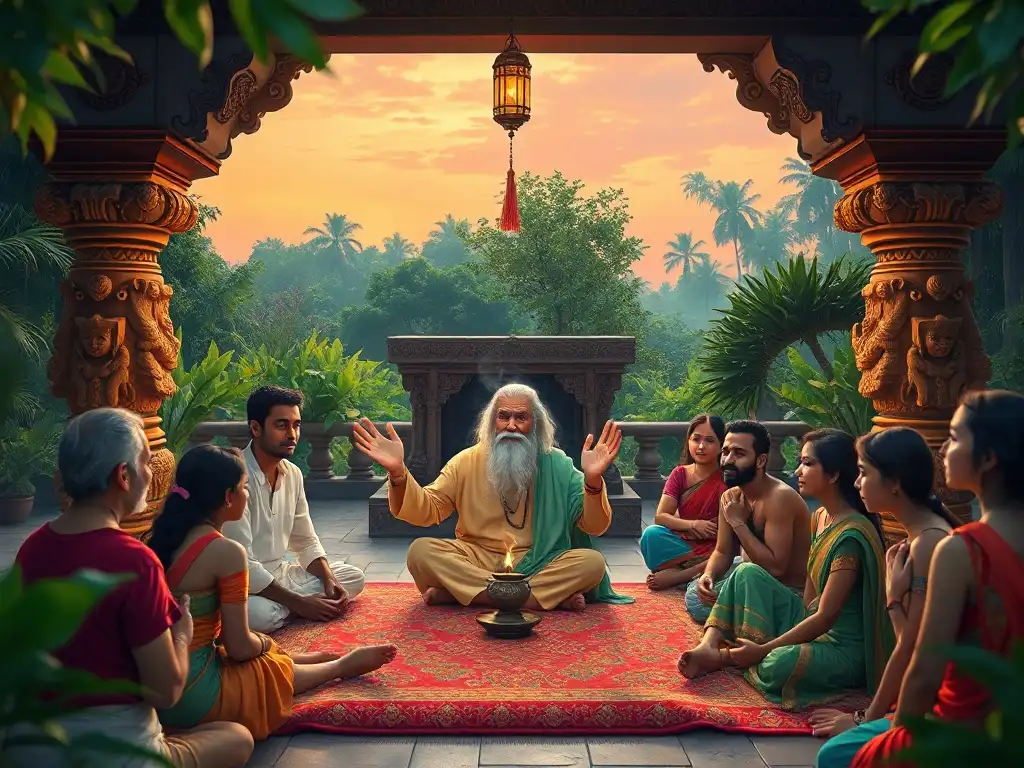
In ancient India, storytelling rituals were often embedded within specific cultural and religious contexts, providing a profound significance to the narratives being shared. These rituals typically took place in sacred spaces such as temples, village squares, and during festivals, where the communal atmosphere heightened the impact of the stories.
- Temples as Storytelling Venues:
- Temples served not only as religious places but also as cultural hubs where stories of gods, goddesses, and epic heroes were narrated.
- The architecture and carvings on temple walls often depicted scenes from these stories, reinforcing the narratives.
- Village Squares:
- In rural settings, communal storytelling took place in village squares, fostering a sense of community.
- These gatherings were often accompanied by traditional rituals, blending oral traditions with social bonding.
- Festivals:
- Festivals like Diwali and Holi provided an opportunity to narrate tales of victory, love, and sacrifice.
- The celebratory mood enhanced the storytelling experience, as participants engaged with the narratives both emotionally and spiritually.
The significance of these settings lies in their ability to facilitate a deeper connection between the audience and the stories, making the experience not merely one of entertainment but also of cultural preservation.
Symbolism and Themes in Ancient Indian Stories
Ancient Indian storytelling is rich in symbolism and recurring themes that reflect the values and beliefs of the civilization. These stories often conveyed moral lessons and philosophical insights, serving as a medium for imparting wisdom to the younger generations.
- Divine Intervention: Many tales feature deities intervening in human affairs, symbolizing the belief in a higher power guiding destinies. For instance, the story of Ramayana illustrates dharma (righteousness) and the triumph of good over evil.
- Nature and Cosmic Order: Nature plays a pivotal role in these narratives, often symbolizing the interconnectedness of life. For example, the stories of Krishna and his playful interactions with nature highlight the importance of harmony between humans and the environment.
- Struggles and Triumphs: Themes of struggle against adversity are prevalent. The Mahabharata, with its intricate plots of war and peace, embodies the complexities of human relationships and ethical dilemmas.
- Cultural Identity: Stories served as a means to reinforce cultural identity and collective memory, preserving the history and values of ancient Indian societies.
Through these themes, ancient Indian storytelling rituals not only entertained but also educated, instilling a sense of identity and moral compass in the community.
Use of Music and Dance in Storytelling
The integration of music and dance in ancient Indian storytelling rituals enhanced the narrative experience, transforming it into a multisensory event. These art forms were not mere embellishments; they played crucial roles in conveying emotions and themes.
- Music:
- Traditional instruments like the sitar, tabla, and flute accompanied storytellers, setting the mood and rhythm of the tale.
- Melodies often reflected the emotional undertones of the story, deepening the audience's engagement.
- Dance:
- Dance forms such as Bharatanatyam and Kathak were used to express the narratives physically. Each gesture and movement conveyed specific meanings, enriching the storytelling experience.
- Dancers often portrayed characters from the stories, bringing them to life and allowing the audience to visualize the narrative.
- Ritualistic Elements:
- Storytelling was often framed within ritualistic performances, where music and dance were integral. This fusion created a sacred atmosphere, enhancing the spiritual significance of the narratives.
The use of music and dance in ancient Indian storytelling rituals not only entertained but also served as a vital means of preserving and transmitting cultural heritage, ensuring that the legends and lessons of the past continued to resonate through generations.
Types of Storytelling Rituals in Ancient India
Mythological Narratives and Their Cultural Impact
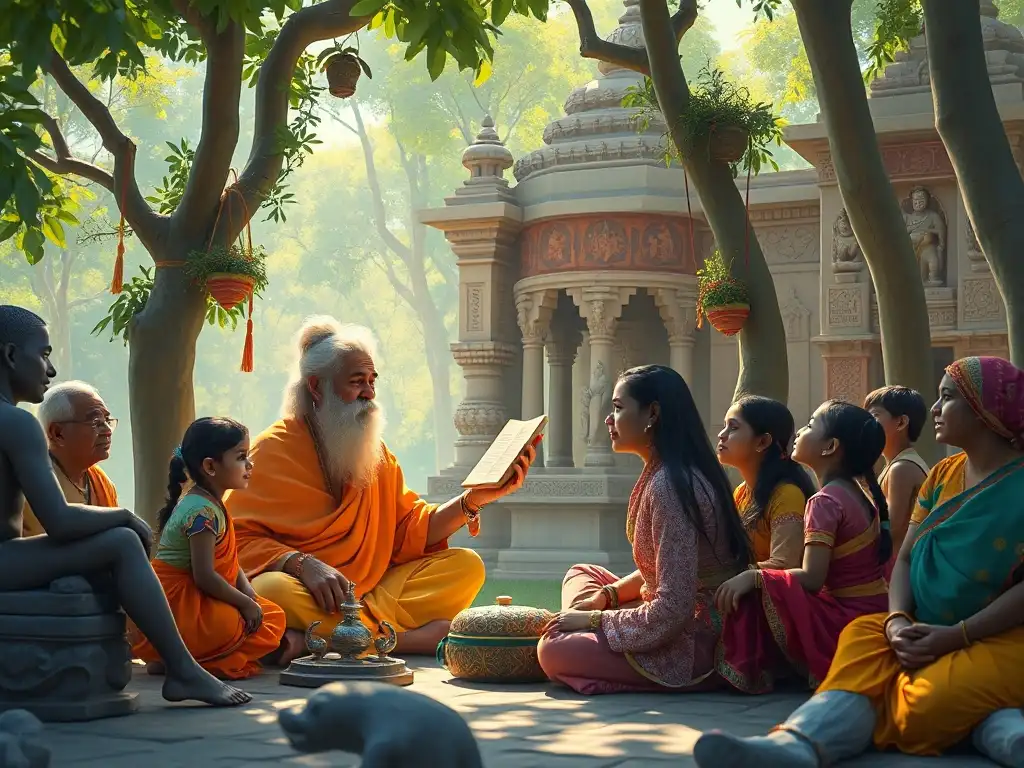
Mythological narratives have been a cornerstone of ancient Indian storytelling rituals, captivating audiences with tales that blend morality, spirituality, and entertainment. These stories often revolve around deities, heroes, and cosmic events, serving not just as entertainment but also as a means to impart ethical values and cultural identity.
- Epics and Puranas:
- The Mahabharata and Ramayana are not merely epic tales; they embody the socio-political fabric of ancient India. These texts explore complex themes such as duty (dharma), justice, and the human condition, influencing generations.
- Puranas, including the Bhagavata Purana, recount the stories of gods and goddesses, providing a rich tapestry of narratives that connect the divine with everyday life.
- Symbolism and Allegory:
- Characters in these stories often symbolize broader concepts, such as good versus evil, wisdom versus ignorance. For instance, Lord Krishna’s life illustrates the ideals of love, duty, and divine play (lila), resonating deeply with cultural values.
- Cultural Transmission:
- These narratives were traditionally transmitted orally, allowing for regional variations that enriched the storytelling tradition. Each retelling could introduce local elements, making the stories resonate with diverse audiences.
The cultural impact of these mythological narratives is profound, as they have shaped not only religious practices but also art, literature, and philosophy in ancient India.
Festivals as Platforms for Storytelling
Festivals in ancient India served as vibrant platforms for storytelling, where communities gathered to celebrate, reflect, and pass down their heritage. These occasions provided a structured environment for the performance of stories that conveyed historical and spiritual significance.
- Ratha Yatra (Chariot Festival):
- During the Ratha Yatra, particularly in Puri, the story of Lord Jagannath’s annual journey is enacted. This festival integrates storytelling through processions, music, and dance, inviting participation from thousands.
- Navaratri:
- The nine nights of Navaratri celebrate the goddess Durga’s victory over the buffalo demon Mahishasura. Each night, stories are recounted that highlight aspects of the goddess’s strength and valor, fostering a sense of community and spiritual connection.
- Diwali:
- The festival of lights, Diwali, commemorates the return of Lord Rama to Ayodhya. The retelling of this story through plays (Ramlila) and family gatherings emphasizes themes of light overcoming darkness and the triumph of good over evil.
These festivals not only serve as celebrations but also as vital rituals for storytelling, reinforcing cultural values and communal bonds through shared narratives.
Storytelling in Religious Ceremonies and Practices
Religious ceremonies in ancient India were deeply intertwined with storytelling, often serving as a medium to convey spiritual teachings and connect communities with their divine heritage.
- Puja and Ritual Offerings:
- During pujas (ritual worship), stories related to the deity being worshiped are narrated, enhancing the spiritual experience. For example, recounting the exploits of Ganesha during Ganesh Chaturthi serves to invoke blessings and remove obstacles.
- Sanskrit Drama:
- Traditional Sanskrit dramas, such as those by Kalidasa, were performed as part of religious festivals, blending narrative and performance art. These dramas often drew upon mythological tales and moral lessons, captivating audiences while reinforcing social values.
- Ashtavakra Gita and Spiritual Discourse:
- Philosophical texts like the Ashtavakra Gita utilize storytelling as a means to explore profound spiritual concepts. In rituals where these texts are recited, the stories serve as a guide for seekers on their spiritual journeys.
Through these religious ceremonies, storytelling functions as a crucial element, enriching spiritual practices and ensuring the continuity of ancient Indian traditions.
The Process of Passing Down Legends
Methods of Oral Transmission in Ancient Communities
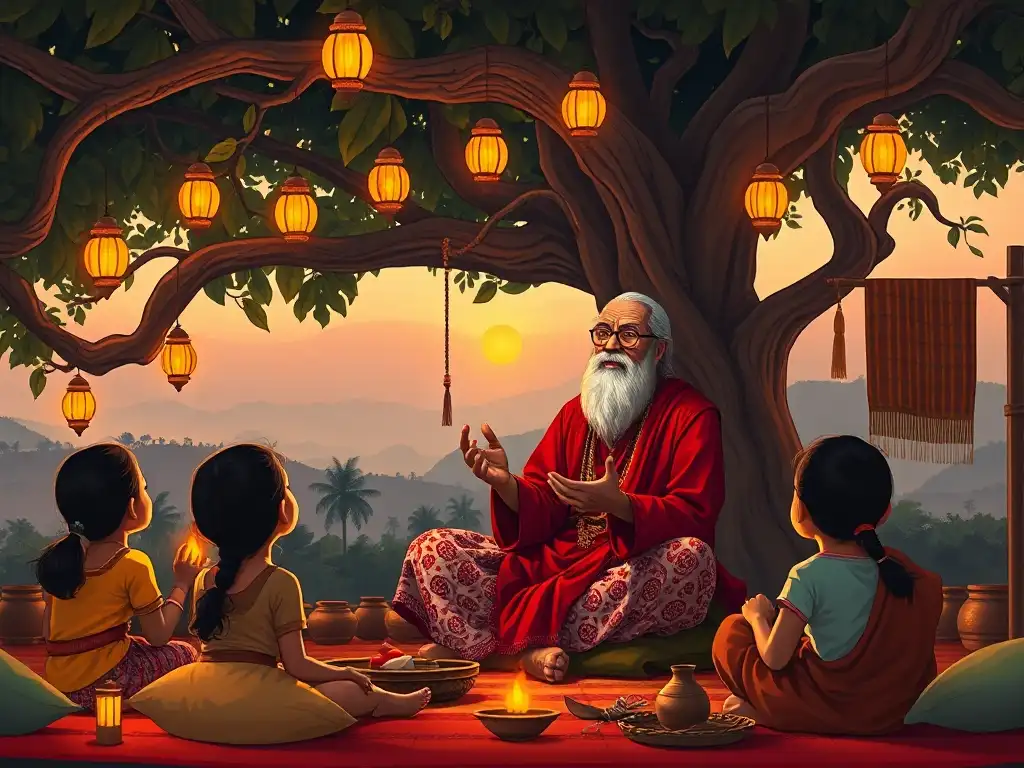
In ancient Indian civilizations, storytelling was primarily an oral tradition, deeply embedded in the cultural and social fabric of communities. The methods of oral transmission varied significantly, but they all shared the goal of preserving legends and imparting moral lessons to subsequent generations.
- Recitation and Performance: Storytelling took the form of recitation or dramatic performance, often accompanied by music and dance. This multisensory approach captivated audiences and ensured they remembered the tales. For example, the epic narratives of the Mahabharata and Ramayana were often performed during religious festivals, making them accessible and engaging.
- Ritualistic Context: Many stories were integrated into rituals and ceremonies, where they served not only to entertain but also to convey spiritual truths. For instance, during Navaratri, the tales of the goddess Durga's victory over evil were narrated, reinforcing cultural values and beliefs.
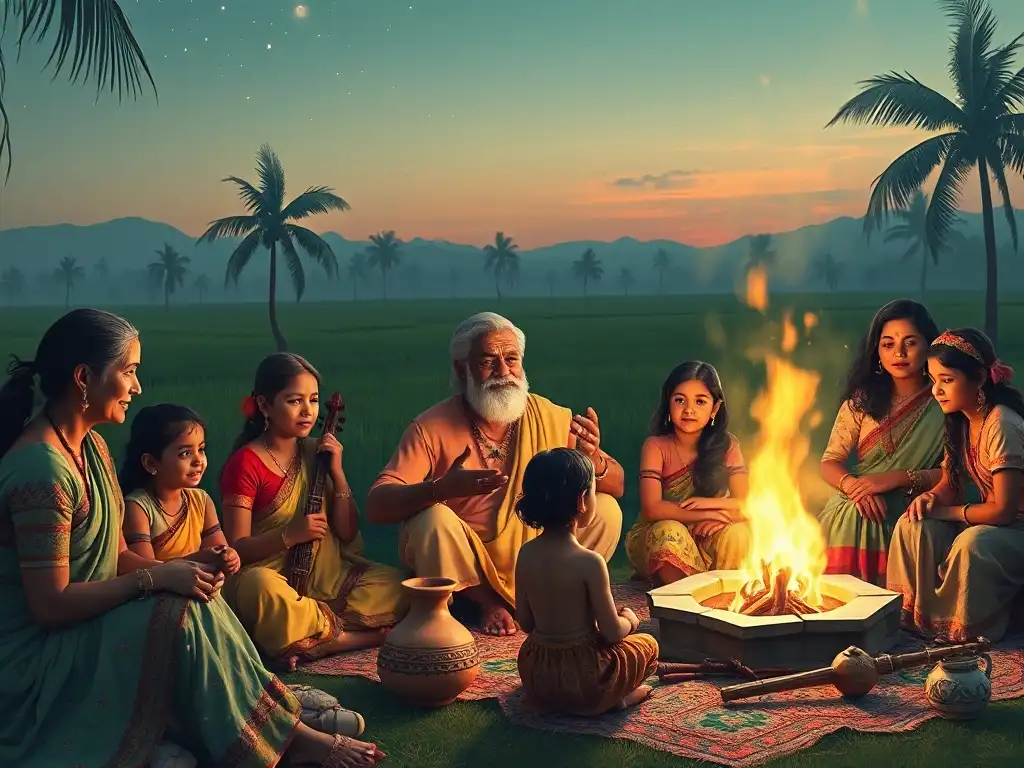
- Community Gatherings: Storytelling sessions were communal events, often held during evenings or festivals. Elders would gather the youth around a fire, sharing tales that instilled a sense of identity and continuity. This practice fostered a communal bond, as everyone contributed to and participated in the storytelling process.
Role of Elders and Storytellers in Preservation of Legends
Elders and designated storytellers played a crucial role in the preservation of legends within ancient Indian societies. Their authority and expertise made them the guardians of cultural memory.
- Custodians of Knowledge: Elders were revered as the custodians of ancient wisdom. Through their storytelling, they transmitted not just tales but also cultural norms, ethical values, and historical events, ensuring that these elements were not lost over time.
- Mentorship: Young aspirants often learned the art of storytelling under the guidance of experienced narrators. This mentorship was essential for mastering the nuances of oral tradition, including voice modulation, pacing, and audience engagement. The emphasis on apprenticeship helped maintain the integrity of the narratives.
- Adaptation and Innovation: While preserving traditional stories, storytellers also adapted them to reflect contemporary issues, ensuring their relevance. This dynamic approach allowed legends to evolve while retaining their core messages, thus attracting new audiences.
The Influence of Regional Variations on Storytelling
Ancient Indian storytelling rituals were not monolithic; they were profoundly influenced by regional variations. The diversity of languages, cultures, and local customs contributed to the rich tapestry of storytelling practices.
- Linguistic Diversity: With hundreds of languages spoken across India, stories were often reinterpreted in local dialects. This ensured that the essence of the legends resonated with the local populace. For example, the same tale of Krishna might be told differently in Braj compared to Gujarat, reflecting regional idioms and cultural nuances.
- Cultural Context: Regional beliefs and practices informed the storytelling traditions. In coastal regions, tales may involve maritime themes, while in the plains, agricultural motifs might dominate. This contextualization made the stories more relatable and ensured their transmission was relevant to local audiences.
- Festivals and Local Legends: Many storytelling rituals are tied to specific festivals that celebrate local deities or historical events. For instance, during Pongal in Tamil Nadu, stories about the sun god and harvest are shared, emphasizing the significance of agrarian practices and community gratitude.
Through these diverse influences, ancient Indian storytelling rituals not only preserved legends but also enriched cultural identities across different regions, fostering a vibrant and interconnected heritage.
Modern Interpretations of Ancient Indian Storytelling Rituals
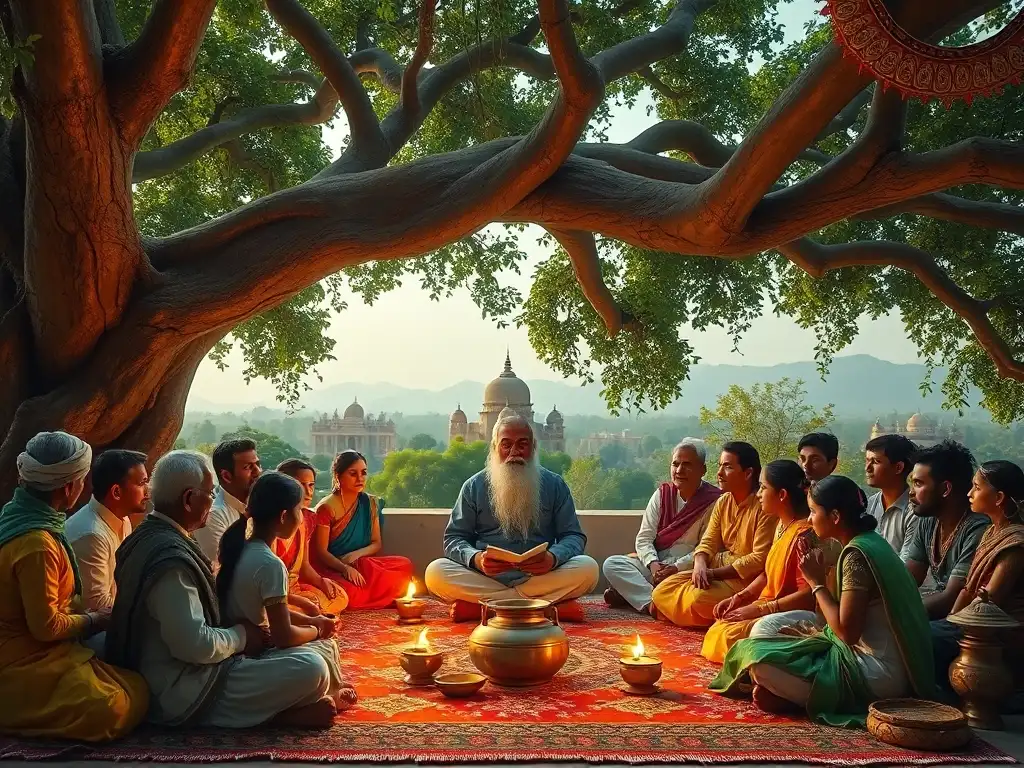
Ancient Indian storytelling rituals have evolved significantly over time, adapting to the changing cultural and social landscapes. This transformation reflects how these practices can resonate with contemporary audiences while preserving their historical essence. The revival of these storytelling traditions plays a crucial role in bridging the past with the present, allowing new generations to connect with their rich heritage.
Revival of Traditional Storytelling in Contemporary Culture
In recent years, there has been a marked resurgence in the appreciation of traditional storytelling practices across India. Local communities and cultural organizations are actively engaging in the revival of storytelling events, workshops, and festivals that celebrate ancient narratives. This movement is not merely nostalgic; it aims to educate younger generations about their cultural roots and the moral lessons embedded in these stories.
- Storytelling Festivals: Events such as the Kahani Festival and Katha Utsav showcase traditional storytelling forms, inviting storytellers from various regions to share their art. These festivals often include:
- Local Folklore: Narratives that highlight regional customs and traditions.
- Mythological Tales: Stories from ancient scriptures that convey moral teachings.
- Interactive Sessions: Opportunities for audiences to engage with storytellers, fostering a communal atmosphere.
This revival is also reflected in educational institutions that incorporate storytelling into their curricula, enhancing students' understanding of ancient Indian civilization and its values.
Impact of Technology on Storytelling Practices
The rise of digital media has dramatically transformed storytelling practices in India. While traditional methods of oral storytelling remain vital, technology has introduced new platforms for sharing these age-old tales.
- Social Media and Podcasts: Platforms like Instagram, YouTube, and dedicated podcast channels allow storytellers to reach wider audiences. This shift has led to:
- Visual Storytelling: Integration of art, animation, and video to enhance the narrative experience.
- Global Reach: Stories from local cultures can now attract international attention, fostering cross-cultural appreciation.
- Digital Archives: Organizations are digitizing folklore and mythological tales, making them accessible for future generations. This initiative ensures that ancient Indian storytelling rituals are preserved and can be easily referenced or studied.
However, the challenge remains to balance technological advancements with the authenticity of oral traditions, ensuring that the core essence of these stories is maintained.
Celebrating Ancient Legends in Modern Festivals
Modern festivals in India often incorporate elements of ancient storytelling rituals, creating a vibrant tapestry of culture and tradition. Events like Diwali and Holi not only celebrate seasonal changes but also weave in narratives that highlight their significance.
- Thematic Performances: During festivals, performances that depict ancient legends are common. These can include:
- Dance Dramas: Traditional forms such as Kathakali and Bharatanatyam portray stories from epics like the Ramayana and Mahabharata.
- Street Plays: Local artists engage audiences with short plays that narrate folklore, making storytelling accessible to all.
- Rituals and Offerings: Many festivals involve rituals that recount ancient tales. For example:
- Rama Navami: Celebrated with recitations of the Ramayana and reenactments of Rama's life.
- Durga Puja: Involves storytelling sessions that narrate the triumph of Goddess Durga over the buffalo demon, Mahishasura.
These modern festivals not only keep ancient storytelling alive but also foster a sense of community and shared identity, ensuring that the legends of the past continue to inspire and educate future generations.
Conclusion: The Enduring Legacy of Ancient Indian Storytelling Rituals
The art of storytelling in ancient India is not merely a relic of the past; it embodies a rich legacy that continues to resonate in contemporary society. Storytelling rituals, deeply embedded in cultural practices, have transcended generations, adapting and evolving while retaining their core values and themes. These narratives serve as a bridge connecting the past with the present, allowing modern audiences to understand the complexities of human experiences through the lens of ancient wisdom.
As we reflect on the various storytelling rituals, such as Kathakali, Ramleela, and folk narratives, it becomes evident that they are more than just performances. They are vibrant expressions of cultural identity, community bonding, and moral education. The use of music, dance, and dramatic representation in these rituals enhances their impact, making them a multisensory experience that captivates audiences of all ages. Today, these performances are increasingly being incorporated into educational curricula and community events, ensuring that the essence of ancient storytelling rituals remains alive.
Moreover, the global interest in storytelling has led to the revival and reinterpretation of these ancient practices. Contemporary artists and storytellers are drawing from traditional narratives to create innovative works that address modern issues, from social justice to environmental concerns. This fusion of the old and new not only honors the heritage of ancient Indian storytelling but also ensures its relevance in a rapidly changing world.
Reflection on the Importance of Preserving Cultural Narratives
Preserving cultural narratives through storytelling rituals is vital for maintaining the richness of a civilization's heritage. These stories, often passed down orally, carry profound insights into the values, beliefs, and historical experiences of a community. They offer a sense of belonging and continuity, allowing individuals to connect with their roots and understand their place within the larger tapestry of history.
The act of storytelling serves as a vehicle for cultural transmission. It fosters an appreciation for diversity by highlighting the unique perspectives and experiences of various communities. In an era marked by globalization and homogenization, preserving these narratives becomes essential in safeguarding the distinct identities of cultures worldwide.
Moreover, storytelling rituals can play a significant role in instilling moral values and life lessons. Through allegories and fables, they impart wisdom that resonates with listeners across different ages and backgrounds. This moral education is crucial in nurturing empathetic citizens who can engage thoughtfully with the world around them.
As we move forward, it is imperative to actively engage in the preservation of these cultural narratives. This can be achieved through documentation, performance, and education, ensuring that future generations inherit the rich tapestry of stories that define ancient Indian civilization. By valuing and honoring these traditions, we not only keep the past alive but also enrich our collective human experience.
Frequently Asked Questions
What are ancient Indian storytelling rituals?
Ancient Indian storytelling rituals are traditional practices that involve narrating myths, legends, and folklore as part of spiritual or cultural ceremonies, often aimed at preserving heritage and teaching values.
How did storytelling contribute to cultural preservation in ancient India?
Storytelling served as a vital tool for cultural preservation by passing down knowledge, traditions, and moral lessons through generations, ensuring that the values and beliefs of ancient Indian civilizations remained alive.
What role did mythology play in these storytelling rituals?
Mythology played a crucial role by providing narratives that intertwined spiritual beliefs and cultural identity, often represented through performative arts during rituals to engage the community and reinforce shared values.
Can you give examples of storytelling techniques used in rituals?
Techniques such as dramatic reenactments, dance, and music were commonly used to enhance storytelling, making the narratives more engaging and memorable for participants during rituals.
Why are these storytelling rituals important today?
These rituals remain important as they help connect modern society with its ancient roots, fostering a sense of identity and continuity while also promoting the understanding of diverse cultural practices and values.
Final Reflection: The Enduring Power of Ancient Indian Storytelling Rituals
The art of storytelling in rituals remains profoundly relevant today, as it serves as a bridge connecting us to our past and shaping our cultural identity. In a world increasingly dominated by technology and fleeting digital interactions, the timeless practice of sharing stories through ancient Indian rituals reminds us of the importance of community, tradition, and the wisdom embedded within our legends. The narratives passed down through generations not only entertain but also impart essential life lessons, fostering a sense of belonging and continuity.
The influence of these storytelling rituals extends far beyond mere entertainment; they are vital threads woven into the fabric of our cultural and social landscapes. As we gather around fires or in intimate circles, we engage in a collective experience that transcends time and space. The stories we share resonate deeply, echoing the values and beliefs of our ancestors. Stories are the communal currency of humanity.
– Tahir Shah. This quote encapsulates the essence of storytelling, emphasizing its role as a shared heritage that enriches our lives and strengthens our connections with one another.
As you reflect on the significance of ancient Indian storytelling rituals, consider how you can incorporate these lessons into your own life. Embrace the power of storytelling, whether through sharing your own experiences or listening to the tales of others. By doing so, you not only honor the rich traditions of the past but also contribute to the ongoing narrative of humanity. Let us commit to keeping these stories alive, ensuring that the wisdom of our ancestors continues to inspire future generations.
Unleash the Power of Storytelling Today!
Thank you for diving into the rich world of storytelling in rituals with us! You've uncovered the profound ways legends connect generations and shape cultures. Now, it's time to bring that inspiration into your own life!
Here are a few simple yet transformative steps you can take right now:
- Start your own storytelling ritual: Gather your family or friends and share a story that has significantly impacted your life or community. Enhance the experience with props or images to make it more engaging!
- Explore local legends: Visit a community center or library to discover forgotten tales from your area. Research and share these treasures with others!
- Join or create a storytelling group: Connect with fellow enthusiasts either online or in person to share experiences, learn from each other, and develop your storytelling skills together.
Which story from your life or culture resonates with you the most, and how could you share it with others? We invite you to share your thoughts in the comments!