
Exploring the Symbolism of Marriage in Ancient Indian Texts

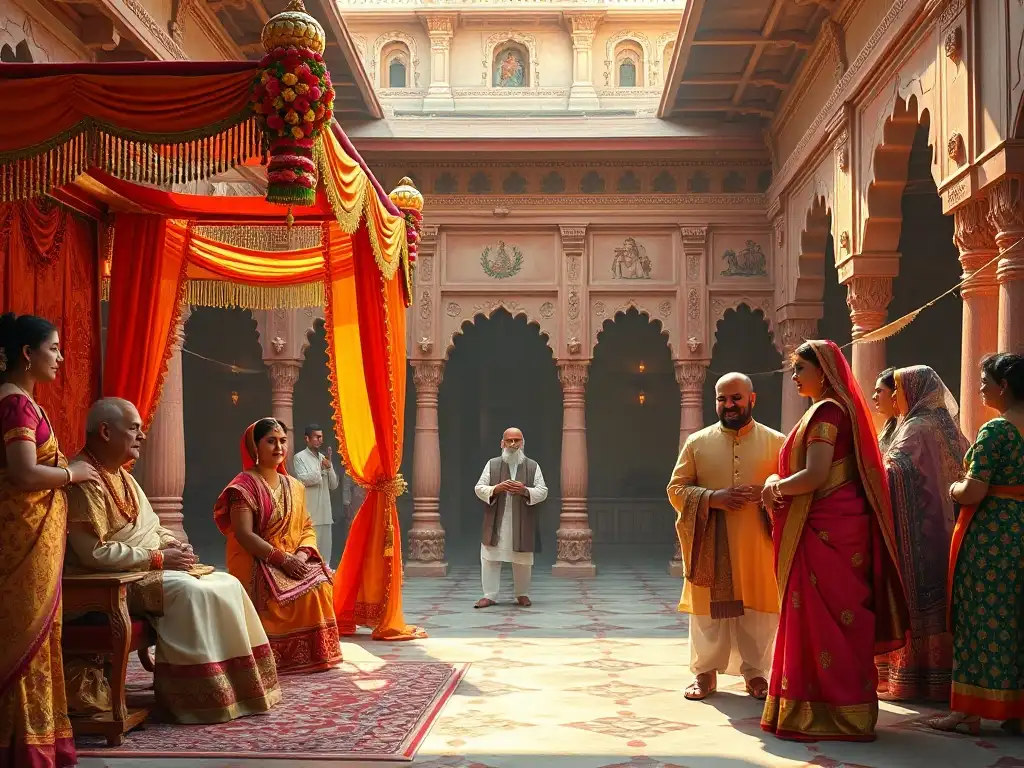
Welcome to Ancient India History, where we invite you to embark on a fascinating journey through the rich tapestry of ancient Indian civilizations. Discover how the intricate symbolism of marriage shaped societal norms and cultural practices from the Indus Valley to the Gupta Empire.
In our featured article, "Exploring the Symbolism of Marriage in Ancient Indian Texts," we unravel the deep-rooted traditions that have influenced relationships and family structures throughout history. Prepare to be captivated as we delve into the profound meanings behind these ancient customs, igniting your curiosity to explore more about daily life and society in this vibrant era.
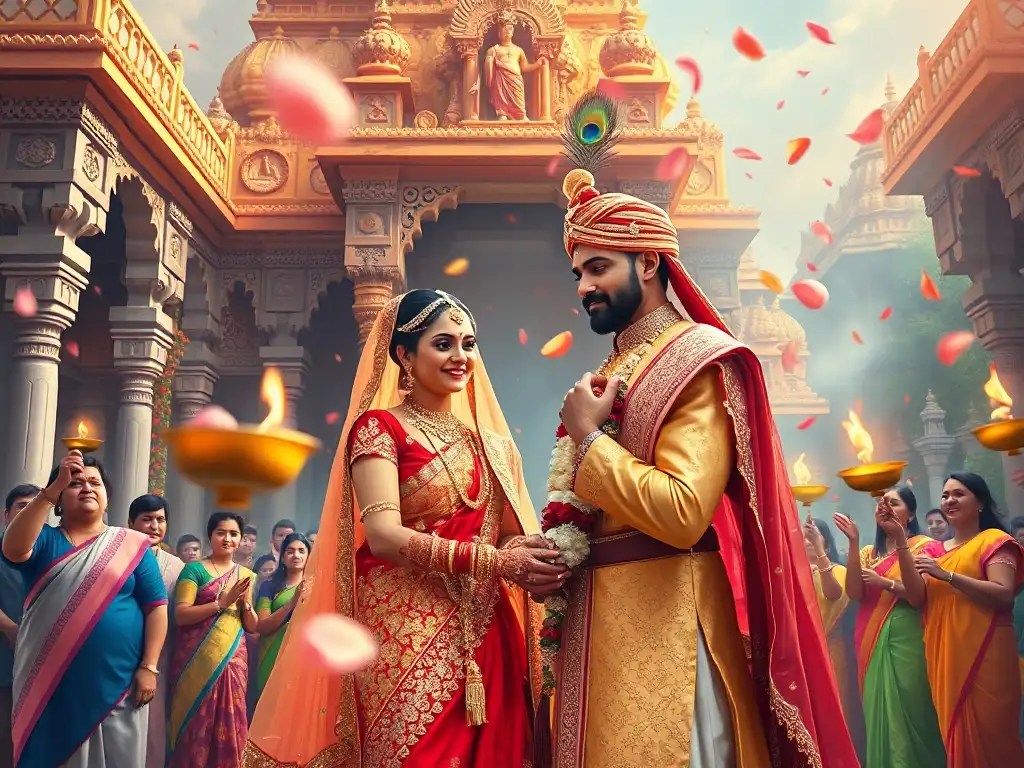
Introduction to Marriage Symbolism in Ancient India
Marriage in ancient India was not merely a social contract but a profound institution steeped in symbolism, reflecting the intricate tapestry of beliefs, values, and traditions of the time. The symbolism of marriage in ancient India encompassed various dimensions, intertwining spiritual, cultural, and social aspects that defined individual and collective identities. From the sacred rituals performed during weddings to the literary depictions found in ancient texts, marriage served as a cornerstone of society, illustrating the ideals of union, harmony, and familial responsibility.
Understanding marriage symbolism in ancient India allows us to appreciate how this institution influenced daily life and societal structures, acting as a bridge connecting generations through shared customs and beliefs. This exploration not only highlights the significance of marital unions but also sheds light on the roles and expectations assigned to individuals within these partnerships, contributing to the larger narrative of ancient Indian civilization.
Historical Context of Marriage in Ancient India
Overview of Ancient Indian Civilizations
Ancient India was home to several remarkable civilizations, each contributing unique perspectives on marriage and family life. The earliest known civilization, the Indus Valley Civilization (circa 3300–1300 BCE), showcased evidence of advanced urban planning and social organization, which likely included family structures and marriage practices. Following this period, the Vedic Age (circa 1500–500 BCE) introduced significant philosophical and religious texts, like the Vedas, that shaped societal norms, including marriage.
During the period of the Maurya Empire (circa 322–185 BCE), marriage began to take on more defined roles, with texts such as the Arthashastra outlining marital alliances as strategic tools for political and economic gain. The Gupta Empire (circa 320–550 CE) further evolved marriage customs, emphasizing the importance of dharma (duty) and the sanctity of marital bonds, influencing future generations' understanding of marriage in Indian society.
Role of Marriage in Different Indian Eras
Throughout ancient Indian history, marriage served as a vital institution, evolving in its significance and practice across various eras.
- Vedic Period:
- Emphasis on samskaras (sacraments) that sanctified marriage.
- Texts like the Rigveda describe the union as a sacred duty, where the husband and wife are seen as partners in both spiritual and worldly pursuits.
- Mauryan Era:
- Marriages often intertwined with political alliances.
- The Arthashastra emphasized strategic marital arrangements for consolidating power.
- Gupta Period:
- Recognized marriage as a social contract that upheld family honor and lineage.
- Literature from this era celebrated love and devotion, portraying marriage as a harmonious bond, crucial for the continuation of society.
Through these eras, marriage in ancient India reflected not only personal unions but also broader societal trends, illustrating the complexities of human relationships and the enduring symbolism that continues to resonate in contemporary discussions about marriage in Indian culture.
Key Symbols of Marriage in Ancient Indian Texts
Marriage in ancient India is richly embedded with symbolism that reflects the cultural values and spiritual beliefs of the time. These symbols serve not only as rites of passage but also as representations of the union between two individuals and their families. Each element in the marriage ceremony carries profound meaning and connects deeply with the cosmic and social order. Below are some of the key symbols associated with marriage in ancient Indian texts.
Sacred Fire (Agni)
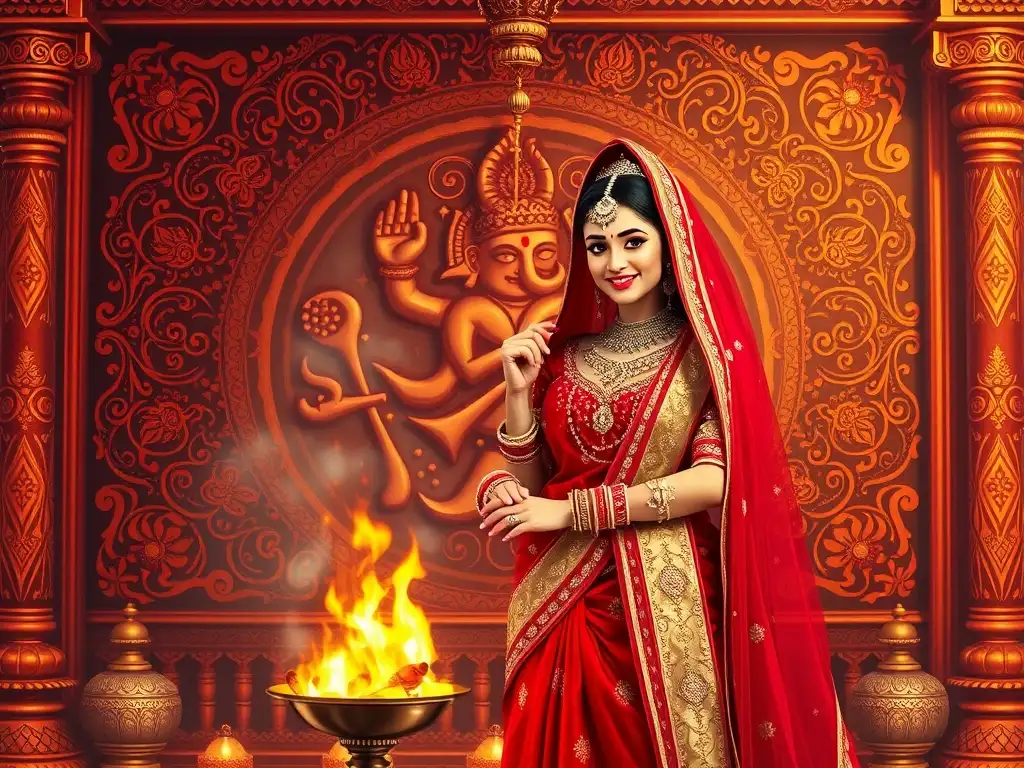
The sacred fire, or Agni, holds significant importance in ancient Indian marriage rituals. In the Vedic tradition, Agni is revered as a divine witness to the marriage vows taken by the couple. The couple circles the fire during the ceremony, signifying their commitment to one another and the sanctity of their union. This act symbolizes:
- Purity and Transformation: Fire is considered a purifying element, transforming offerings into divine energy. In marriage, it symbolizes the purification of the couple's intentions and the sanctification of their bond.
- Divine Presence: By invoking Agni, the couple acknowledges the presence of the divine in their union, seeking blessings for a harmonious life together.
- Fertility and Prosperity: The fire also represents the vitality and energy necessary for a fruitful partnership, emphasizing the importance of progeny and family continuity.
Saptapadi (Seven Steps)
The Saptapadi, or the Seven Steps, is a pivotal ritual in Hindu marriages, symbolizing the couple's journey together through life. Each step taken together around the sacred fire represents a specific vow that the couple makes to one another. The significance of the Saptapadi includes:
- Mutual Respect: The first step emphasizes the importance of respect and understanding between partners.
- Health and Strength: The second step invokes blessings for physical and mental well-being.
- Wealth and Prosperity: The third step symbolizes the pursuit of material prosperity for the family.
- Family Harmony: The fourth step focuses on the importance of nurturing a peaceful home environment.
- Fidelity: The fifth step represents the promise of loyalty and faithfulness to one another.
- Friendship: The sixth step emphasizes companionship and shared joys in life.
- Spiritual Growth: Finally, the seventh step signifies the couple's commitment to spiritual growth and mutual support in their personal journeys.
Together, these steps encapsulate the essence of marital life, highlighting the balance of duty, love, and shared aspirations.
Mangalsutra (Sacred Thread)
The Mangalsutra, or sacred thread, is another vital symbol in the context of marriage in ancient India. Traditionally worn by brides, this ornament signifies marital status and the sacred bond between husband and wife. Its significance includes:
- Protection and Well-being: The Mangalsutra is believed to protect the husband and ensure his well-being, thus securing the family’s prosperity.
- Bond of Love: The thread symbolizes the unbreakable bond of love and commitment that the couple shares, serving as a reminder of their vows even in challenging times.
- Cultural Identity: The design and style of the Mangalsutra can reflect regional and cultural identities, showcasing the diversity of marriage customs across ancient Indian societies.
Textual References to Marriage Symbolism
Ancient Indian texts offer a wealth of information regarding marriage symbolism, providing insights into the cultural and spiritual dimensions of marital practices. These texts not only detail the rituals involved but also explore the broader implications of marriage in society.
Vedic Literature and Marriage Practices
The Vedic literature, particularly the Rigveda, contains several hymns and verses that illuminate the significance of marriage in ancient Indian society. The texts often depict marriage as a sacred duty, vital for the continuation of family lineage and societal stability. Key points include:
- Rituals and Sacrifices: The Vedas outline various rituals accompanying marriage, such as sacrifices to deities, which invoke blessings for the couple and their future offspring.
- Role of Women: The texts emphasize the role of women as equal partners in marriage, highlighting their importance in maintaining the household and upholding dharma (righteousness).
- Cosmic Order: Marriage is portrayed as an essential component of the larger cosmic order, with each union contributing to the balance of the universe.
Epics and Puranas
The Epics and Puranas further elaborate on marriage symbolism, illustrating its complexities and social dimensions. Notable narratives include:
- Ramayana: The story of Rama and Sita underscores ideals of devotion, fidelity, and the challenges faced by couples in maintaining their vows amidst adversity.
- Mahabharata: This epic highlights various marriage arrangements, such as polyandry and polygamy, reflecting the diverse practices within ancient Indian societies.
- Puranic Texts: These texts often discuss the duties and responsibilities of spouses, emphasizing the balance of power and support that is crucial for a successful marriage.
Through these narratives, ancient Indian literature not only celebrates the institution of marriage but also serves as a guide for ethical living and societal harmony.
Cultural Variations in Marriage Symbolism
Marriage symbolism in ancient India is a multifaceted subject that reflects the diverse cultural landscape across different regions and communities. Each culture imbued its own unique interpretation and representation of marriage, highlighting the values, beliefs, and social structure prevalent at the time. From intricate rituals to the significance of matrimonial symbols, these variations offer a glimpse into the rich tapestry of Indian civilization.
In various communities, marriage was not merely a union of two individuals; it was often seen as a sacred contract between families. Symbols such as the sindoor (vermilion) and mangalsutra (sacred necklace) served as profound representations of marital status and commitment. The use of these symbols varied across regions, influenced by local customs and traditions. In some areas, the application of sindoor is accompanied by specific rituals, while in others, it takes on a more symbolic meaning, representing the husband's prosperity and the wife's devotion.
Moreover, the concept of marriage symbolism extended beyond physical adornments to include rituals and ceremonies that signified the transition from singlehood to marital life. For instance, the Swayamvara tradition, where a bride chose her groom from a gathering of suitors, was prevalent in many regions and underscored the importance of agency in marital decisions. Such practices reflect not only individual choice but also the social status and familial expectations that surrounded marriage in ancient India.
Regional Practices Across Ancient India
The regional practices of marriage in ancient India were as varied as the geographic and cultural diversity of the subcontinent itself. In the northern territories, where the Aryan culture thrived, marriages were often associated with elaborate rituals and celebrations, emphasizing the importance of familial alliances. The fire ceremony, or Agni Pariksha, where the bride and groom took vows in the presence of fire, symbolized the sanctity of their union and the divine witness to their commitment.
Moving towards the south, in regions influenced by Dravidian culture, marriage rituals exhibited distinct characteristics. The Kanyadaanam, a significant ritual where the father gives away his daughter, symbolizes the transfer of responsibility and care from one family to another. This practice illustrates the deep-rooted values of respect and honor associated with familial bonds.
In the east, particularly among Bengali communities, the symbolism of marriage incorporated local deities and folklore, reflecting the region's rich cultural narrative. The use of the nariyal (coconut) in rituals signifies prosperity and fertility, further emphasizing the connection between marriage and agricultural abundance.
The western regions, known for their vibrant traditions, showcased marriage as a grand affair. The practice of exchanging gifts, known as "Mangalya Daan," highlighted the importance of reciprocity and mutual respect between families. Each of these regional practices contributes to a broader understanding of marriage symbolism in ancient India, revealing how local customs shaped the collective cultural identity.
Influence of Religion on Marriage Symbolism
Religion played a pivotal role in shaping the symbolism associated with marriage in ancient India. Various religious texts, such as the Vedas, Upanishads, and Puranas, offered guidelines and narratives that influenced marriage customs and rituals. The sanctity of marriage was often linked to divine approval, with many rituals performed to invoke blessings from deities.
Hinduism, for example, emphasized the concept of Dharma (duty) in marriage, where the roles of husband and wife were clearly defined. The rituals performed during the wedding ceremony, including the seven circumambulations (Saptapadi), symbolized the couple’s commitment to fulfilling their duties towards each other and society. Each step taken together represented a vow to support one another in various aspects of life.
In contrast, Jainism and Buddhism introduced their own interpretations of marriage symbolism. In Jain culture, marriage is seen as a means to uphold non-violence and promote community harmony. Similarly, Buddhist texts reflect on the impermanence of relationships, emphasizing compassion and mutual respect over traditional rituals.
Furthermore, the influence of Islam in later periods introduced new symbols and practices into the marriage customs of ancient India, such as the Nikah ceremony, which highlighted the contractual aspect of marriage. This interplay of religious beliefs significantly enriched the symbolism surrounding marriage, establishing a diverse framework that continues to influence contemporary practices.
Conclusion: The Lasting Impact of Marriage Symbolism in Ancient India
The symbolism of marriage in ancient India has left an indelible mark on the societal fabric, influencing contemporary marital practices and cultural expressions. The diverse regional and religious interpretations of marriage underscore a rich history of values, beliefs, and social structures that shaped the institution of marriage over centuries.
As modern society continues to evolve, many of these ancient symbols and rituals remain relevant, reflecting the enduring legacy of tradition in contemporary Indian weddings. From the vibrant celebrations to the deep-rooted customs, the essence of marriage symbolism continues to foster connections between individuals and families, bridging the past and the present.
In essence, exploring the symbolism of marriage in ancient Indian texts not only enhances our understanding of historical practices but also offers insights into the cultural continuity that defines the Indian identity today. The values encapsulated in these symbols serve as reminders of the significance of marriage as a foundational institution within the rich narrative of ancient Indian civilization.
- Introduction to Marriage Symbolism in Ancient India
- Historical Context of Marriage in Ancient India
- Key Symbols of Marriage in Ancient Indian Texts
- Textual References to Marriage Symbolism
- Cultural Variations in Marriage Symbolism
- Conclusion: The Lasting Impact of Marriage Symbolism in Ancient India
- What is the significance of marriage symbolism in ancient India?
- How did ancient Indian texts portray marriage?
- What role did rituals play in marriage symbolism?
- Were there different marriage customs in ancient Indian civilizations?
- How do modern interpretations relate to ancient marriage symbolism?
Frequently Asked Questions
What is the significance of marriage symbolism in ancient India?
Marriage symbolism in ancient India represents the cultural values and social structures of the time. It reflects the interconnectedness of family, duty, and spirituality.
How did ancient Indian texts portray marriage?
Ancient Indian texts often depicted marriage as a sacred union, emphasizing the spiritual and ritualistic aspects that bind partners together, highlighting its importance in society.
What role did rituals play in marriage symbolism?
Rituals in ancient Indian marriages served as a means to convey cultural beliefs and spiritual significance. They symbolized the transition of individuals into a new social role.
Were there different marriage customs in ancient Indian civilizations?
Yes, various ancient Indian civilizations had distinct marriage customs, reflecting their regional diversity. These customs often included unique symbols and rituals that represented their cultural identity.
How do modern interpretations relate to ancient marriage symbolism?
Modern interpretations often draw on ancient marriage symbolism to understand the continuity of cultural practices, allowing insights into how traditions have evolved while still retaining their essential meanings.
Final Reflection: The Enduring Significance of Marriage Symbolism in Ancient India
The exploration of marriage symbolism in ancient India is not merely a historical inquiry; it is a profound reflection on the values and beliefs that continue to shape our understanding of relationships today. The intricate narratives and rituals surrounding marriage in ancient texts reveal a rich tapestry of cultural significance that resonates with contemporary society. As we navigate the complexities of modern relationships, the lessons embedded in these ancient symbols remind us of the timeless nature of love, commitment, and partnership.
Cultural narratives around marriage have evolved, yet the essence of these ancient symbols continues to influence our social fabric. The ideals of unity, respect, and mutual growth found in ancient Indian texts serve as a guiding light in our quest for meaningful connections. Marriage is not just a bond; it is a sacred journey that intertwines two souls.
This perspective encourages us to reflect on our own relationships and the values we uphold, fostering a deeper understanding of the commitments we make.
As we conclude this exploration, I invite you to reflect on the symbolism of marriage in your own life. Consider how the lessons from ancient India can inspire you to cultivate deeper connections and embrace the values of love and partnership. Let the wisdom of the past guide you in building relationships that are not only fulfilling but also rooted in the rich traditions that have shaped our understanding of love throughout history.
Unveil the Wisdom of Ancient Marriages!
Thank you for diving into the fascinating world of marriage symbolism in ancient Indian texts! You've uncovered valuable insights into cultural practices and their deeper meanings. Now, let's take that newfound knowledge a step further.
Here are some engaging ways to explore this rich topic even more:
- Join a discussion group focused on ancient Indian literature and share your thoughts on marriage symbolism. It's a wonderful opportunity to connect with fellow enthusiasts!
- Create a personal reflection by journaling your interpretations of how ancient marriages compare to modern ones. What lessons can you apply in your own life today?
- Explore additional texts or authors related to this topic that can enhance your understanding of the rich symbolism associated with marriage.
What aspect of marriage symbolism in these texts surprised you the most, and how do you see it influencing our contemporary views on relationships? We’d love to hear your insights!