
Sacred Seasons: The Calendar of Rituals in Ancient Indian Culture

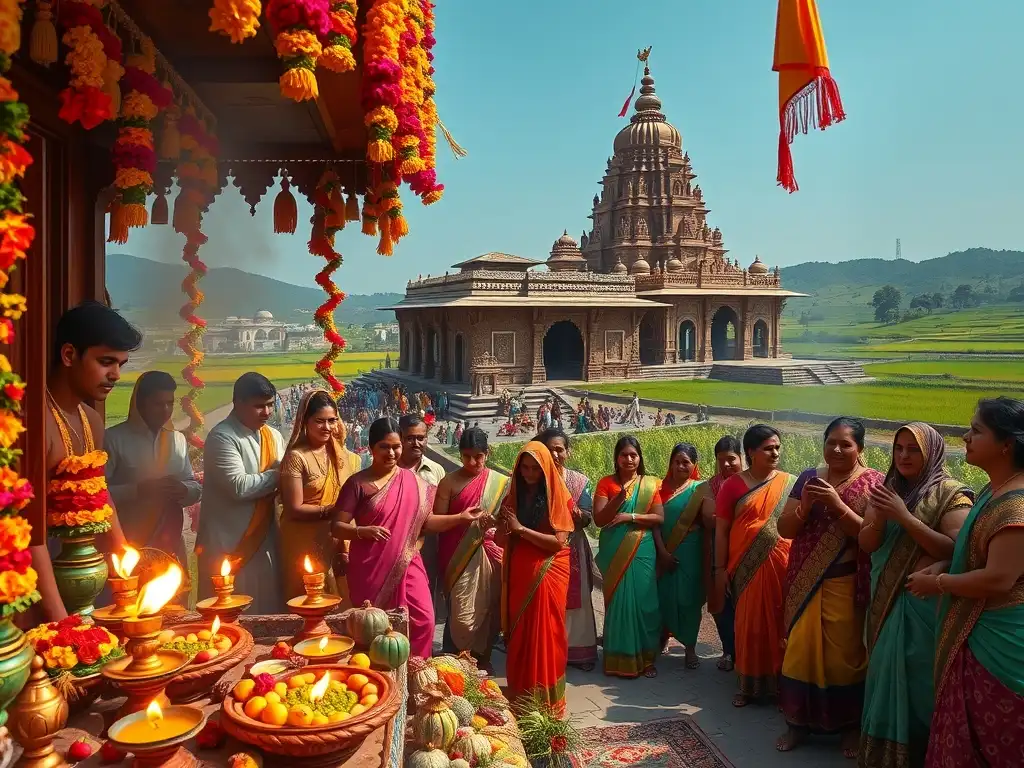
Welcome to Ancient India History, where we embark on a journey through the vibrant tapestry of ancient Indian civilizations. In this exploration, we unravel the mysteries of the ancient Indian rituals calendar, a fascinating glimpse into the sacred seasons that shaped cultural practices and festivals.
As you dive deeper into our featured article, "Sacred Seasons: The Calendar of Rituals in Ancient Indian Culture," prepare to discover how these rituals not only marked the passage of time but also connected communities to their spiritual heritage. Join us as we uncover the traditions that have transcended generations, inviting you to immerse yourself in the rich legacy of ancient India!
Introduction to Ancient Indian Rituals Calendar
The ancient Indian rituals calendar serves as a profound reflection of the cultural, spiritual, and agricultural rhythms of the civilizations that flourished on the Indian subcontinent. This calendar is not merely a guide to the passage of time but a framework within which countless rituals, festivals, and ceremonies were meticulously organized.
From the sacred traditions of the Indus Valley to the vibrant celebrations during the Gupta Empire, the rituals calendar encapsulates the essence of ancient Indian life—a blend of spirituality, community, and reverence for nature. Understanding this calendar provides insights into how ancient Indians perceived their world, their deities, and their own existence within the cosmos.
Overview of Ancient Indian Rituals
Rituals in ancient India were deeply intertwined with daily life, agriculture, and the changing seasons. These practices were often rooted in Vedic traditions, local beliefs, and varied significantly across regions and communities. Some key aspects include:
- Festivals: Celebrated to honor deities and mark seasonal changes.
- Sacred Offerings: Rituals often involved the presentation of food, flowers, and other items to please the gods.
- Ceremonial Practices: These included rites of passage, such as births, marriages, and funerals, each with specific rituals.
The rich tapestry of ancient Indian rituals reflects the diverse beliefs and customs that shaped the spiritual landscape of the time.
Importance of the Ritual Calendar in Ancient India
The ritual calendar was fundamental to maintaining the social and spiritual order in ancient Indian societies. Its importance can be seen in several dimensions:
- Agricultural Synchronization: Many rituals were scheduled around agricultural cycles, ensuring that communities were aligned with nature's rhythms, promoting fertility and harvest.
- Cultural Identity: The calendar fostered a sense of unity and identity among various communities, as collective participation in rituals reinforced social bonds.
- Spiritual Practices: Rituals provided a structured approach to spirituality, allowing individuals to connect with the divine and seek blessings for prosperity and well-being.
The Significance of Seasons in Ancient Indian Culture
Seasons played a crucial role in shaping the rituals and ceremonies of ancient India. Each season was associated with specific deities, agricultural activities, and cultural practices.
Seasonal Changes and Their Impact on Rituals
The four main seasons— Vasanta (Spring), Grishma (Summer), Varsha (Monsoon), and Sharad (Autumn)—each brought unique rituals:
- Spring (Vasanta): Celebrations like Holi marked the arrival of spring, symbolizing renewal and love.
- Summer (Grishma): Rituals focused on seeking protection from the intense heat and ensuring water supply.
- Monsoon (Varsha): Festivals such as Raksha Bandhan celebrated the arrival of rain, crucial for agriculture.
- Autumn (Sharad): This season was often associated with harvest festivals, expressing gratitude for the bounty.
Connection Between Nature and Spirituality in Ancient India
In ancient Indian culture, nature was not merely a backdrop for human activities but an integral part of spiritual existence. The connection between seasons and spirituality is evident in:
- Nature Worship: Many rituals were dedicated to natural elements—sun, moon, earth, and water—reflecting a deep reverence for the environment.
- Symbolism: Seasonal changes were frequently interpreted through mythological stories, linking natural phenomena to divine actions and teachings.
This intrinsic connection underscores the holistic worldview of ancient Indians, where the sacred and the natural were inseparable.
Major Festivals and Their Corresponding Seasons
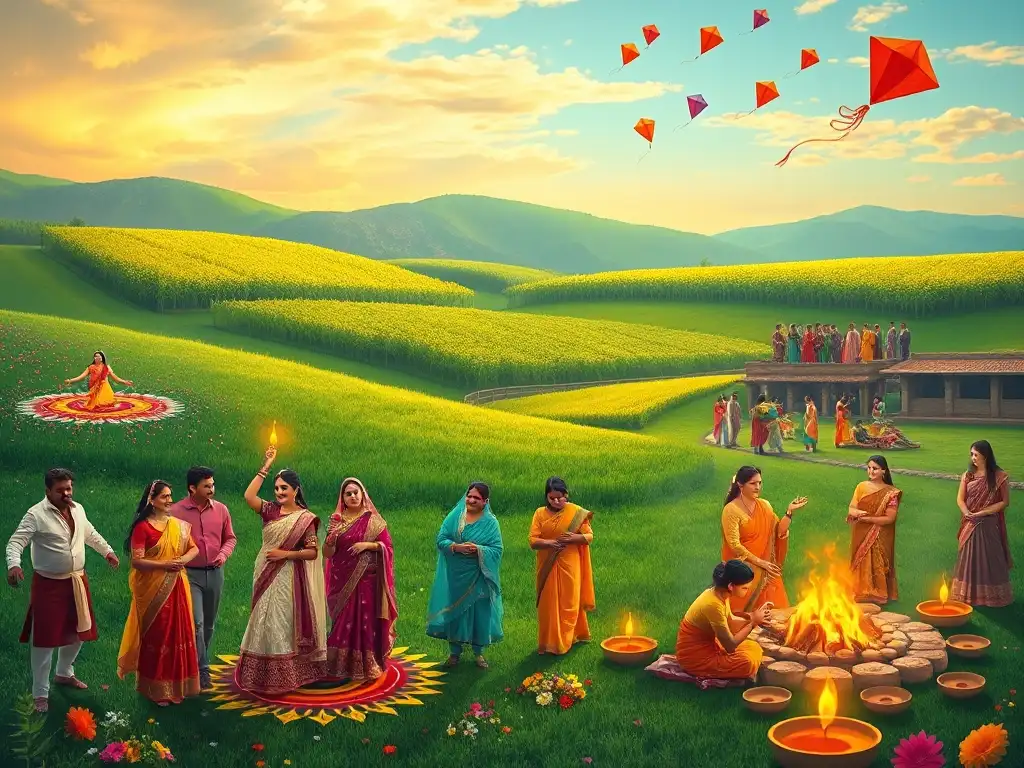
Ancient Indian culture is rich in rituals and ceremonies that are intricately tied to the seasons. Each season brings with it a unique set of festivals that reflect the agricultural cycles, climatic changes, and spiritual beliefs of the people. The ancient Indian rituals calendar is a vibrant tapestry of these events, with each festival serving as a celebration of life, nature, and the divine. The four main seasons—spring, summer, monsoon, and winter—each host their own distinct festivals that highlight the cultural significance of the time of year.
Spring Festivals: Celebrating Renewal
Spring is a season symbolizing renewal and rejuvenation, often associated with the festival of Holi. This vibrant celebration, known as the festival of colors, marks the arrival of spring and the end of winter. Participants throw colored powders and water at each other, representing the victory of good over evil, and the blossoming of new life. Another important spring festival is Vaisakhi, which celebrates the harvest and is particularly significant in the Punjab region. The festivities include traditional dances like Bhangra and Gidda, along with communal feasting.
Summer Festivals: Honoring the Sun
As the heat of summer sets in, ancient Indian cultures honor the sun through various festivals. Maha Shivaratri, celebrated in late winter and early summer, is dedicated to Lord Shiva and involves night-long vigils, fasting, and prayers. This festival emphasizes the importance of the sun in agricultural cycles, as it provides the necessary warmth and light for crops to thrive. Additionally, Rath Yatra, the chariot festival of Lord Jagannath, takes place during the summer months, symbolizing the journey of the deities from the temple to their garden, reinforcing the connection between the divine and the natural world.
Monsoon Festivals: Embracing Abundance
The arrival of monsoon rains is a cause for great celebration in ancient India, as it is crucial for agriculture. Onam, primarily celebrated in Kerala, is a harvest festival that welcomes the monsoon season with elaborate feasts, traditional dances, and boat races. Participants create intricate flower carpets known as Pookalam to honor the mythical King Mahabali. Similarly, Gudi Padwa, celebrated in Maharashtra, marks the beginning of the new year and the harvesting of crops, showcasing gratitude for the abundance that the rains bring.
Winter Festivals: Reflecting on the Year
Winter is a time for reflection and celebration, with festivals that honor the year's bounties and the cycle of life. Makar Sankranti, celebrated in January, marks the transition of the sun into the zodiac sign of Capricorn. It is a time of joy, with kite flying, bonfires, and feasting on traditional sweets made from sesame seeds and jaggery. Another significant winter festival is Pongal, celebrated in Tamil Nadu, where families express gratitude to the sun god for a prosperous harvest through rituals, offerings, and festive meals.
Rituals and Ceremonies Associated with Each Season
Each season’s festivals are accompanied by specific rituals and ceremonies that deepen the cultural significance of the celebrations. These practices not only honor the deities and nature but also strengthen community bonds and foster a sense of belonging among participants.
Ritual Practices During Spring
Spring rituals often include Puja (worship) and offerings to deities associated with fertility and renewal. During Holi, people perform rituals to honor Lord Krishna and Radha, symbolizing love and the arrival of spring. The rituals may also involve the preparation of special foods and the sharing of sweets among friends and family, reinforcing social ties and communal harmony.
Ceremonies Celebrating the Summer Solstice
The summer solstice is a significant time for various ceremonies that honor the sun's power. Rituals may include Surya Namaskar (sun salutations) and offerings of water and flowers to the sun god. Communities often gather to perform chanting and prayers, seeking blessings for health and abundance during the hotter months. These ceremonies reflect the deep reverence ancient Indians held for the sun as a life-giving force.
Monsoon Rituals for Fertility and Prosperity
Monsoon rituals focus on fertility and the prosperity brought by rain. Farmers perform Homa (fire sacrifices) and offer prayers for a bountiful harvest. During Onam, elaborate rituals are performed to welcome King Mahabali, including the preparation of a grand feast known as Onam Sadhya. These practices symbolize gratitude for the rains and the earth's gifts, ensuring a successful agricultural cycle.
Winter Solstice Celebrations and Their Significance
The winter solstice is celebrated with rituals that symbolize the return of longer days and the sun's power. During Makar Sankranti, devotees take holy dips in rivers and offer prayers to the sun god, marking the end of winter and the beginning of a new agricultural cycle. These celebrations often involve community gatherings, kite flying, and sharing of festive foods, reinforcing a sense of unity and hope as the year comes to a close.
The Role of Deities in the Ancient Indian Rituals Calendar
In ancient Indian culture, the calendar of rituals was intrinsically linked to the pantheon of deities worshipped within various traditions. These deities were often seen as embodiments of natural forces and cycles, and their veneration was crucial during seasonal transitions. The rituals performed at specific times of the year were believed to invoke blessings from these deities, ensuring fertility, prosperity, and harmony within the community.
The rituals often coincided with agricultural cycles, where deities associated with rain, harvest, and fertility were particularly honored. For example, the monsoon season, critical for crops, was marked by elaborate ceremonies to appease rain gods like Indra. The ancient Indian rituals calendar thus served not only as a means to celebrate deities but also as a framework for agricultural and social organization.
Major Deities Associated with Seasonal Festivals
The ancient Indian rituals calendar features a diverse array of deities, each linked to specific seasons and festivals. Here are some notable deities:
- Indra: The king of gods, Indra is primarily associated with rain and thunderstorms. His worship peaked during the monsoon months, particularly through festivals like Ashadha.
- Agni: The fire god, Agni, plays a pivotal role in rituals throughout the year, especially during harvest festivals where fire rituals (yajnas) are performed to seek his blessings.
- Saraswati: The goddess of knowledge and arts, Saraswati is celebrated during Vasant Panchami, marking the arrival of spring and the sowing of seeds.
- Durga: The fierce goddess, Durga, is revered during the autumn festival of Navaratri, which celebrates her victory over evil forces and the changing of seasons.
- Krishna: In many regions, Krishna is celebrated during Janmashtami and Holi, festivals that coincide with the end of winter and the arrival of spring.
These deities are not only central to specific festivals but also reflect the underlying themes of nature, fertility, and the cyclical rhythm of life.
Mythological Stories Behind Seasonal Rituals
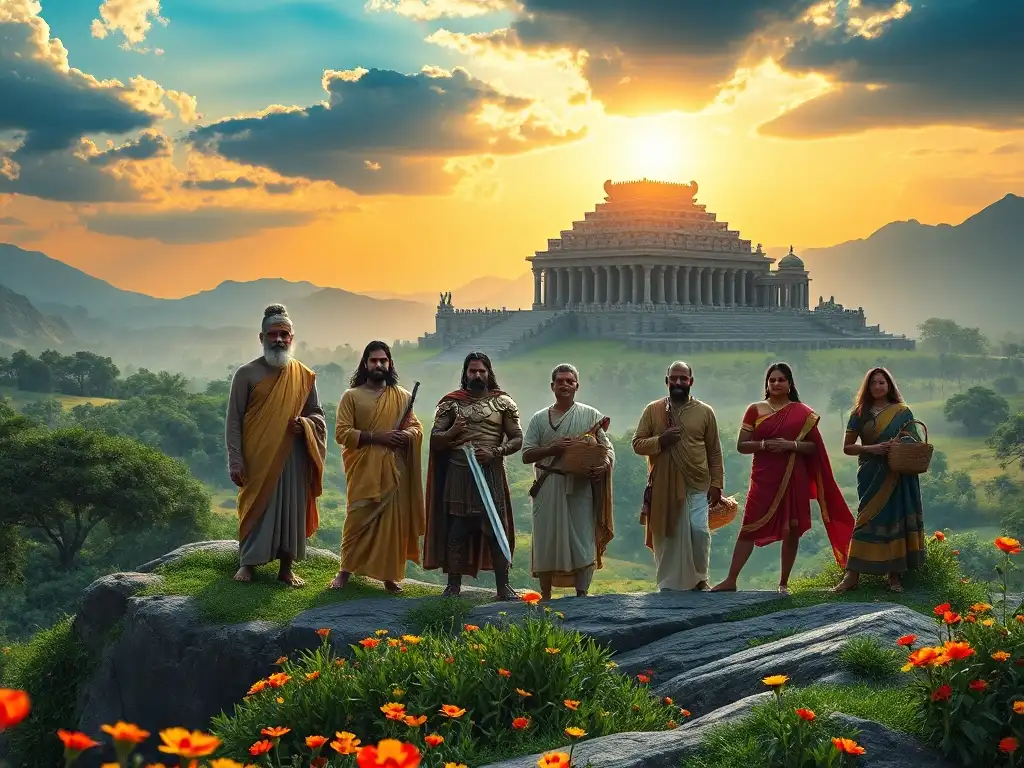
The rituals in the ancient Indian calendar are often steeped in mythology, with stories that explain the significance of festivals and the deities involved. These narratives serve as a means to communicate moral values, cultural beliefs, and the importance of seasonal transitions.
One prominent story is that of Chhath Puja, celebrated primarily in Bihar and Uttar Pradesh, which honors the sun god, Surya. The festival commemorates the myth of Kunti, the mother of the Pandavas, who prayed to Surya for strength and blessings. This story is symbolic of the gratitude towards the sun for its life-giving energy and the bountiful harvests it provides.
Another significant narrative is that of Navaratri, which celebrates the nine forms of the goddess Durga. The festival's mythological backdrop revolves around the battle between Durga and the buffalo demon Mahishasura, symbolizing the triumph of good over evil. This story is particularly poignant during the transition from monsoon to autumn, marking the end of the oppressive heat and the onset of cooler weather.
These mythological tales not only enhance the spiritual experience of rituals but also serve to educate communities about their cultural heritage and the natural world.
Regional Variations in the Ancient Indian Rituals Calendar
The ancient Indian rituals calendar is not monolithic; it exhibits significant regional variations that reflect local customs, traditions, and agricultural practices. Each region often adapts the broader themes of the calendar to fit its unique cultural context.
North Indian Rituals and Festivals
In North India, rituals are heavily influenced by the agricultural calendar, with festivals such as Baisakhi marking the harvest of wheat. This festival is celebrated with great enthusiasm, featuring traditional music, dance, and communal feasting. Makar Sankranti, celebrated in January, marks the transition of the sun into Capricorn and is associated with kite flying and the worship of the sun god. The rituals here often emphasize communal harmony and the gratitude of the harvest.
South Indian Rituals and Celebrations
South India boasts a rich tapestry of rituals, with festivals like Pongal symbolizing the harvest. Celebrated in January, Pongal involves cooking a special dish made from newly harvested rice and is dedicated to the sun god, Surya. Similarly, Onam, a harvest festival in Kerala, includes elaborate rituals, boat races, and traditional feasts, celebrating the mythical King Mahabali's annual return. The regional focus on nature and agricultural cycles is prominent in these festivities.
Eastern and Western Indian Ritual Practices
In Eastern India, festivals like Durga Puja celebrate the goddess Durga and involve elaborate rituals, artistic decorations, and community involvement. This festival, especially in West Bengal, signifies the victory of Durga over Mahishasura and coincides with the autumn harvest.
In Western India, the Gudi Padwa festival marks the New Year for Maharashtrians and is celebrated with the hoisting of a Gudi (a decorated pole). It symbolizes prosperity and the start of the harvest season. Similarly, Navratri is celebrated with traditional dances (Garba) and fasting, showcasing the vibrant cultural expressions of the region.
These regional variations highlight the diversity of practices and beliefs within the broader framework of the ancient Indian rituals calendar, emphasizing the deep connection between culture, nature, and spirituality.
Conclusion: The Legacy of the Ancient Indian Rituals Calendar
The ancient Indian rituals calendar is not merely a historical artifact; it has profoundly influenced the cultural and spiritual fabric of India. This calendar reflects the complex interplay between the natural world, agricultural cycles, and spiritual beliefs, creating a rhythm of life that resonates through the ages. The meticulous alignment of festivals with seasonal changes has fostered a deep connection between the people and their environment, emphasizing the importance of harmony and balance in life.
As we look at the legacy of this calendar, it becomes evident that the rituals and festivals rooted in ancient traditions continue to shape the identities of communities across India. The significance of these rituals transcends mere observance; they serve as a means to reinforce social bonds, instill cultural values, and celebrate the cyclical nature of life itself. In essence, the ancient Indian rituals calendar is a testament to the enduring spirit of Indian culture, where the past continually informs the present.
Lasting Influence on Modern Indian Festivals
Modern Indian festivals are often direct descendants of ancient rituals, celebrating the same themes of renewal, gratitude, and community. For instance, Diwali, the festival of lights, has its origins in ancient agricultural practices and harvest celebrations. Similarly, Makar Sankranti, marking the transition of the sun into Capricorn, is deeply rooted in the agrarian calendar and continues to be observed with great fervor across the country.
The adaptation of ancient rituals into contemporary celebrations illustrates the dynamic nature of Indian culture. While the core elements remain intact, festivals have evolved to incorporate modern sensibilities, technology, and global influences. This evolution is evident in the way festivals are celebrated today, often blending traditional rituals with contemporary practices, thereby ensuring their relevance for future generations.
Preserving Ancient Traditions in Contemporary Culture
In an age marked by rapid change and globalization, the preservation of ancient traditions is more crucial than ever. Many communities are actively working to keep the ancient Indian rituals calendar alive through educational initiatives, cultural programs, and community gatherings. These efforts not only celebrate the rich heritage of rituals but also educate younger generations about their significance and relevance.
Cultural organizations and institutions play a vital role in this preservation process, often organizing workshops, festivals, and exhibitions that highlight the importance of ancient rituals. By fostering a sense of pride and identity rooted in these traditions, they contribute to the continuity of the ancient rituals calendar in contemporary society, ensuring that the lessons and values embedded within these practices endure.
References and Further Reading on Ancient Indian Rituals Calendar
For those interested in delving deeper into the ancient Indian rituals calendar, a wealth of resources is available that explore its intricacies, significance, and evolution over time. Below is a curated list of suggested books, articles, and online resources to enhance your understanding.
Suggested Books and Articles
-
"The Hindu Calendar: A Guide to the Ancient Indian Rituals" by R. S. Sharma
This book provides an in-depth exploration of the Hindu calendar, detailing the significance of various festivals and their links to ancient rituals.
-
"Festivals of India: Their Origin and Significance" by A. K. Singh
This article examines the origins of major Indian festivals, shedding light on their historical and cultural contexts.
-
"Rituals and Festivals of the Indian Subcontinent" by M. N. Rao
A comprehensive study of rituals and festivals across the Indian subcontinent, offering insights into their evolution and contemporary practices.
Online Resources for Deeper Exploration
- The Indian Culture Portal: Offers a plethora of information on traditional festivals, rituals, and their historical contexts.
- The Archaeological Survey of India Website: Features articles and research papers on the historical aspects of ancient Indian rituals and their calendars.
- YouTube Channels on Indian Culture: Various channels provide documentaries and discussions about ancient Indian rituals, making them accessible to a wider audience.
Engaging with these resources will provide a richer understanding of the ancient Indian rituals calendar and its lasting impact on Indian culture and society today.
- Introduction to Ancient Indian Rituals Calendar
- Overview of Ancient Indian Rituals
- Importance of the Ritual Calendar in Ancient India
- The Significance of Seasons in Ancient Indian Culture
- Major Festivals and Their Corresponding Seasons
- Rituals and Ceremonies Associated with Each Season
- The Role of Deities in the Ancient Indian Rituals Calendar
- Major Deities Associated with Seasonal Festivals
- Mythological Stories Behind Seasonal Rituals
- Regional Variations in the Ancient Indian Rituals Calendar
- Conclusion: The Legacy of the Ancient Indian Rituals Calendar
- References and Further Reading on Ancient Indian Rituals Calendar
- What is the significance of the ancient Indian rituals calendar?
- How did the ancient Indian rituals calendar influence daily life?
- What are some key festivals included in the ancient Indian rituals calendar?
- How did the Indus Valley Civilization contribute to the rituals calendar?
- What role did the Gupta Empire play in shaping the rituals calendar?
Frequently Asked Questions
What is the significance of the ancient Indian rituals calendar?
The ancient Indian rituals calendar was essential for marking sacred seasons and guiding the community in performing religious ceremonies and festivals at the appropriate times.
How did the ancient Indian rituals calendar influence daily life?
The calendar shaped the daily routines of people by dictating times for farming, festivities, and rituals, thereby influencing their agricultural practices and social gatherings.
What are some key festivals included in the ancient Indian rituals calendar?
Festivals such as Diwali, Makar Sankranti, and Holi were significant, each tied to specific seasonal changes and agricultural cycles, reflecting the cultural diversity of ancient India.
How did the Indus Valley Civilization contribute to the rituals calendar?
The Indus Valley Civilization laid the groundwork for early urban planning and cultural traditions that were later integrated into the rituals calendar, influencing how time was perceived and celebrated.
What role did the Gupta Empire play in shaping the rituals calendar?
The Gupta Empire saw a flourishing of arts and culture, further refining the ancient Indian rituals calendar by promoting more formalized religious practices and festivals, which enhanced community cohesion.
Final Reflection: Embracing the Wisdom of Ancient Indian Rituals
The exploration of the ancient Indian rituals calendar reveals a profound connection between time, spirituality, and community. In today's fast-paced world, where the sacred often gets overshadowed by the mundane, revisiting these rituals can offer a much-needed grounding. The cyclical nature of these celebrations reminds us that life is not just a series of events but a tapestry woven with meaning and purpose.
Cultural practices rooted in ancient traditions continue to shape our identities and values. The rituals of ancient India were not merely ceremonial; they were a way of life that fostered community, respect for nature, and a deeper understanding of the cosmos. As we navigate modern challenges, the wisdom embedded in these practices can guide us toward a more harmonious existence. Rituals are the poetry of life, giving form to our deepest yearnings and connecting us to the universe.
As you reflect on the significance of these ancient rituals, consider how you can incorporate their lessons into your daily life. Embrace the opportunity to create your own sacred moments, whether through mindfulness, gratitude, or community gatherings. Let the ancient rhythms inspire you to cultivate a deeper connection with yourself, others, and the world around you. In doing so, you not only honor the past but also enrich your present and future.
Embrace the Harmony of Ancient Rituals Today!
Thank you for taking the time to explore the fascinating world of sacred seasons and rituals in ancient Indian culture! We hope you found inspiration in the rich traditions that have shaped humanity's connection to nature and spirituality. Now, let’s translate that inspiration into action!
- Dive deeper into the significance of each season by researching specific rituals celebrated in your local community or cultural background. Consider integrating some of these practices into your own life to enrich your connection with the natural world.
- Share your newfound knowledge with friends or family—host a discussion or create an online group to exchange insights about ancient rituals and their meanings in contemporary society!
- Curate a personal calendar inspired by these sacred seasons, marking your own rituals that resonate with you and celebrating pivotal moments throughout the year.
As you reflect on these ancient practices, we’d love to hear from you: Which ritual from ancient Indian culture resonates with you the most, and how would you like to incorporate it into your modern life? Share your thoughts in the comments below!