
Fire, Flowers, and Faith: The Importance of Rituals in Ancient Indian Life

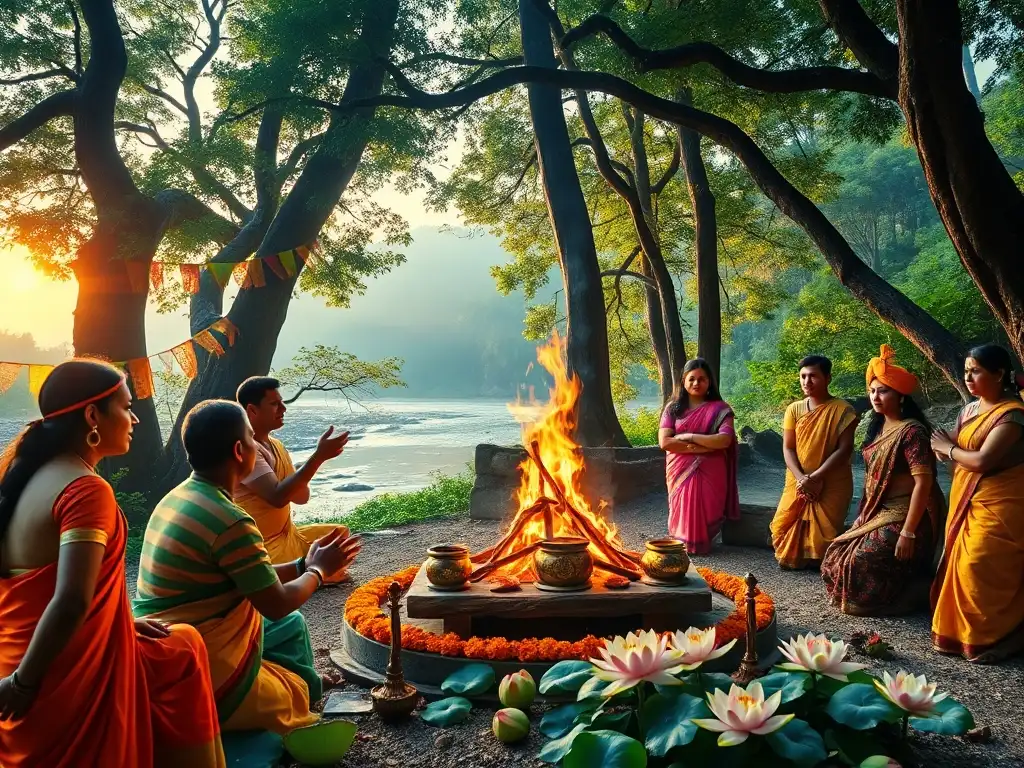
Welcome to Ancient India History, where we delve into the fascinating tapestry of India's rich past. In our featured article, Fire, Flowers, and Faith: The Importance of Rituals in Ancient Indian Life, we explore how rituals shaped the spiritual and social fabric of ancient Indian civilizations.
From the solemn ceremonies of the Indus Valley to the vibrant traditions of the Gupta Empire, discover how these practices not only marked the passage of time but also forged a deep connection between communities and their beliefs. Join us as we uncover the profound significance of rituals that continue to resonate through history—your journey into the heart of ancient India starts here!
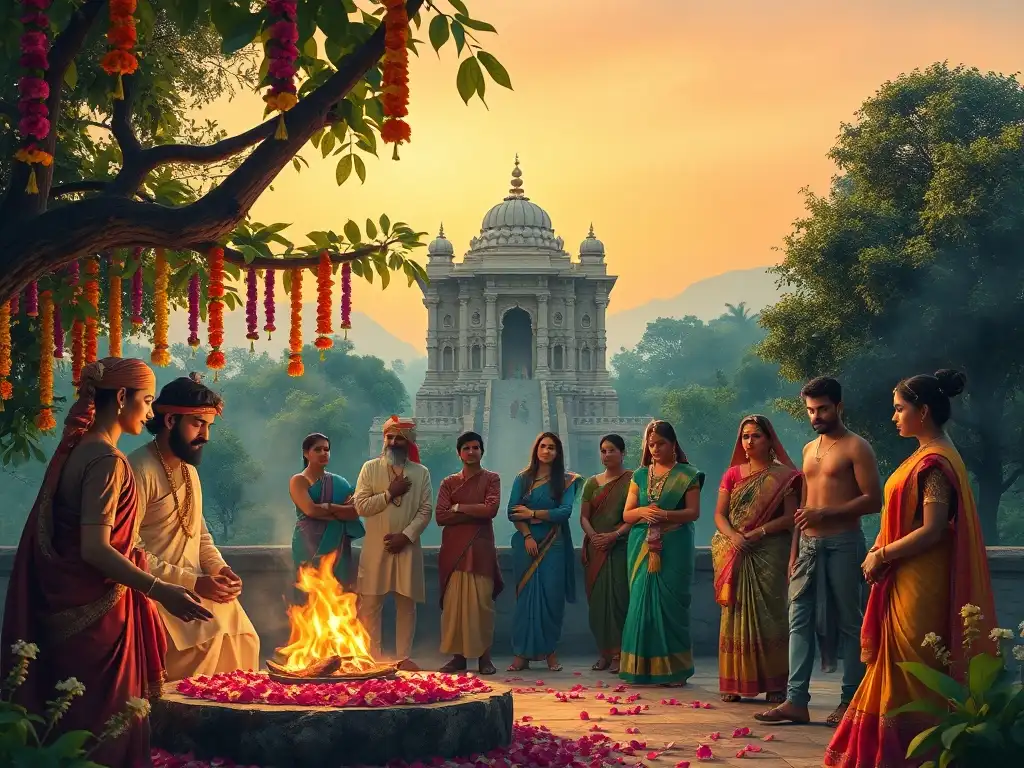
Rituals have long been a foundational element of life in ancient India, weaving a complex tapestry of belief, tradition, and practice that reflects the profound spiritual and cultural ethos of the civilization. From the sacred rituals of the Indus Valley to the elaborate ceremonies during the Gupta Empire, these practices played a pivotal role in shaping societal norms, religious beliefs, and communal identity.
The importance of rituals in ancient India extends beyond mere ceremony; they were integral to daily life, marking significant events, fostering community ties, and connecting individuals to the divine. This exploration delves into the multifaceted nature of rituals, their historical evolution, and their enduring legacy in shaping the rich culture of ancient Indian civilizations.
Understanding the Importance of Rituals in Ancient India
Definition of Rituals in Ancient Indian Culture
In ancient Indian culture, rituals can be defined as structured and ceremonial acts performed for a specific purpose, often imbued with religious significance. These rituals encompassed a wide range of activities, including:
- Puja: Worshipping deities through offerings and prayers.
- Yajna: Fire sacrifices intended to invoke divine blessings.
- Samskaras: Life-cycle rituals marking important transitions such as birth, marriage, and death.
Rituals were not just personal expressions of faith; they served as communal affirmations of belief, reinforcing social bonds and cultural identity.
Overview of Rituals and Their Role in Daily Life
Rituals permeated various aspects of daily life in ancient India. They functioned as:
- Cultural Markers: Distinct rituals denoted regional and community identities, helping preserve unique traditions.
- Social Cohesion: Participation in communal rituals fostered a sense of belonging and unity among individuals.
- Moral Frameworks: Many rituals were intertwined with ethical teachings, guiding behavior and societal norms.
The regular observance of rituals was essential in maintaining harmony within the community and aligning individual actions with the cosmic order.
Historical Context of Rituals in Ancient India
Origins of Ritual Practices in Early Civilizations
The roots of ritual practices in India can be traced back to the early Indus Valley Civilization, where archaeological evidence suggests the existence of ritualistic bathing, fire altars, and possibly even early forms of worship. The use of symbols, such as the swastika, and the presence of figurines believed to represent deities, indicate that ritual practices were an integral part of their spiritual life.
Evolution of Rituals from the Indus Valley to the Gupta Empire
As Indian civilization progressed, rituals evolved significantly, influenced by philosophical developments and cultural exchanges. During the Vedic period, rituals became more codified in texts such as the Vedas, where elaborate ceremonies and sacrifices were prescribed. The subsequent rise of Buddhism and Jainism introduced alternative spiritual practices, further diversifying the ritual landscape. By the time of the Gupta Empire, rituals had become deeply established within both religious and secular contexts, reflecting the complex interplay between faith, governance, and social order.
This historical journey illustrates how rituals in ancient India were not static; they adapted and transformed, reflecting the dynamic nature of society and spirituality throughout the ages.
Major Types of Rituals in Ancient Indian Life
In ancient India, rituals played a crucial role in everyday life, reflecting the deep interconnection between culture, spirituality, and community. These rituals can be broadly categorized into three major types: domestic rituals, agricultural rituals, and religious rituals. Each type serves specific purposes and is imbued with unique significance, guiding individuals and communities through various life processes and natural cycles.
Domestic Rituals: Significance and Practices
Domestic rituals in ancient India were integral to family life and social cohesion. These rituals often marked significant life events such as births, marriages, and deaths. For instance, the samskaras were a series of rites of passage that an individual underwent from birth to death, including naming ceremonies ( namakarana), initiation ( upanayana), and marriage ( vivaha).
The significance of these domestic rituals lay not only in honoring tradition but also in fostering familial bonds and ensuring the well-being of household members. Daily practices, such as lighting a lamp or offering food to deities, reinforced the sanctity of the home and served to invoke blessings for prosperity and health. Thus, domestic rituals were essential in cultivating a sense of belonging and continuity within families.
Agricultural Rituals: Connection to Seasons and Fertility
Agricultural rituals in ancient India were closely tied to the rhythm of nature and the cycles of planting and harvesting. These rituals were performed to invoke the gods for favorable weather conditions and bountiful harvests. Festivals like Pongal and Makar Sankranti celebrated the harvest season and were marked by communal feasting, rituals, and offerings to deities associated with agriculture.
The connection between agricultural rituals and seasonal changes was profound. Farmers performed specific rites at various stages of crop growth, believing that their adherence to these rituals would ensure fertility of the land and abundance of crops. This symbiotic relationship between humans and nature highlighted the importance of rituals as a means of expressing gratitude and respect for the environment, as well as a way to seek divine intervention in agricultural productivity.
Religious Rituals: Faith and Spirituality in Daily Life
Religious rituals were central to the spiritual life of ancient Indians, transcending personal beliefs and becoming collective expressions of faith. These rituals encompassed a wide range of practices, from daily prayers and temple offerings to elaborate festivals celebrating deities. For example, the worship of Durga during Navaratri involved nine nights of festivities with specific rituals, dances, and offerings that brought communities together in devotion.
The importance of religious rituals lay in their ability to create a sense of belonging and shared identity among practitioners. They provided a framework for understanding the divine and the moral order of the universe. Furthermore, engaging in these rituals was believed to purify the soul, enhance spiritual growth, and facilitate a deeper connection with the divine, thus shaping the spiritual landscape of ancient Indian society.
Key Elements of Rituals in Ancient Indian Culture
Rituals in ancient Indian culture were characterized by several key elements that contributed to their richness and complexity. Central to these rituals were the use of fire, flowers, and the overarching influence of faith and belief systems.
The Role of Fire in Rituals: Symbolism and Significance
Fire, or agni, holds a place of paramount significance in ancient Indian rituals. It is considered a purifying agent and a medium that connects the earthly realm with the divine. The act of lighting a fire during rituals symbolizes the dispelling of darkness and ignorance, ushering in knowledge and clarity.
In Vedic rituals, fire was used as a sacrificial element, where offerings were made into the flames as a form of communication with the gods. This act not only represented the offering of material goods but also the surrender of individuality to the divine will. Thus, fire's role in rituals embodies transformation, renewal, and the sacred bond between humanity and the divine.
Flowers and Offerings: Their Importance in Ceremonial Practices
Flowers have been an integral part of rituals in ancient India, symbolizing beauty, purity, and devotion. Used in offerings to deities, flowers were believed to enhance the sanctity of rituals and express love and reverence. The practice of creating garlands or using specific flowers, such as lotus and marigold, held deep symbolic meanings associated with various deities.
In addition to their aesthetic appeal, the act of offering flowers was a way to connect with the divine through sensory experiences. The fragrant aromas and vibrant colors contributed to the overall ambiance of rituals, making the experience more immersive and spiritually uplifting. Thus, flowers served not only as decorative elements but also as vital components of religious and domestic ceremonies.
The Influence of Faith and Belief Systems on Rituals
The foundation of rituals in ancient India was deeply rooted in the prevailing faith and belief systems, including Hinduism, Buddhism, and Jainism. These belief systems provided a framework that shaped the nature and purpose of rituals, influencing how they were performed and understood by practitioners.
For instance, the belief in karma and dharma significantly impacted the types of rituals conducted, as individuals sought to align their actions with their spiritual responsibilities. Furthermore, the diverse pantheon of deities worshipped across different regions resulted in a variety of regional rituals and practices, reflecting local traditions and cultural nuances.
Ultimately, the influence of faith and belief systems on rituals in ancient India underscores the profound connection between spirituality and daily life, illustrating how rituals served as a means of navigating the complexities of existence and fostering a sense of purpose within the community.
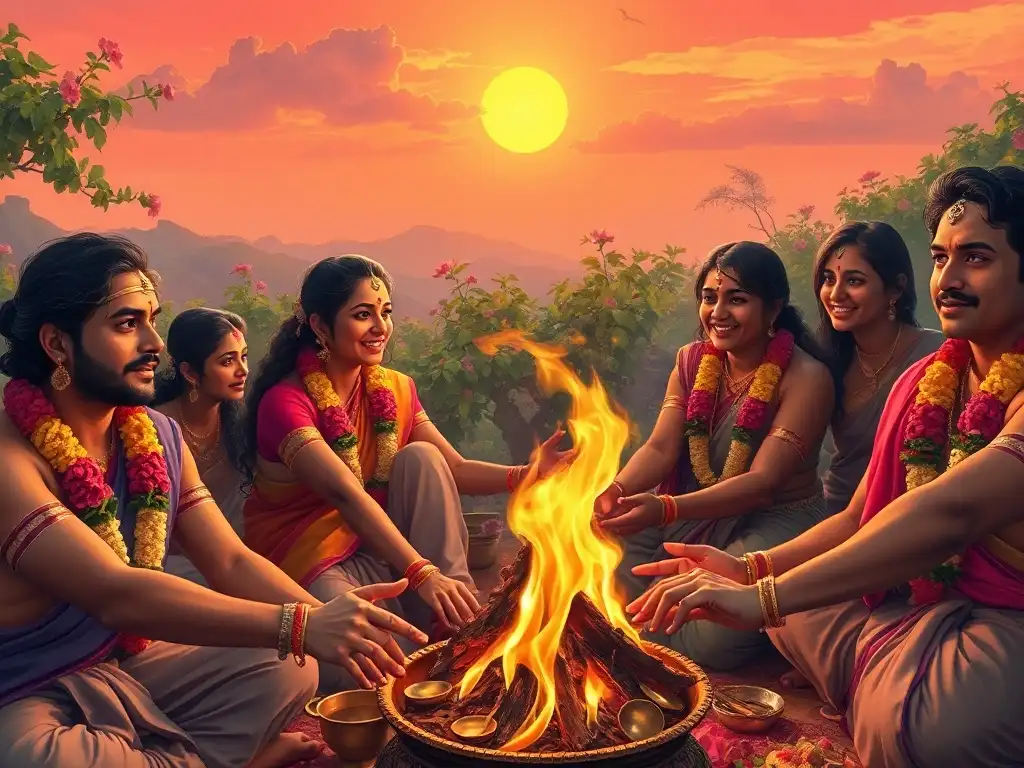
Rituals played an integral role in shaping the social and cultural landscape of ancient India. They were not merely acts of worship but multifaceted practices that fostered community cohesion, expressed individual and collective identities, and preserved historical narratives. The importance of rituals in ancient India transcended religious boundaries, influencing everyday life, social hierarchies, and cultural continuity. By examining the various dimensions of these rituals, we gain a deeper understanding of their significance in ancient Indian civilization.
Community Bonding Through Shared Rituals
Shared rituals served as a powerful tool for community bonding in ancient India. These collective practices, whether in the form of festivals, agricultural ceremonies, or religious observances, brought people together, fostering a sense of belonging and unity. For instance, during the harvest festival of Pongal, communities would engage in cooking, decorating their homes with intricate kolams (designs made with rice flour), and performing traditional dances. This collective participation not only celebrated the fruits of labor but also strengthened interpersonal ties and reinforced social networks.
Moreover, rituals often transcended caste and class divisions, allowing individuals from diverse backgrounds to come together for a common purpose. The communal aspect of rituals encouraged cooperation and mutual support, which were essential for survival in agrarian societies. As a result, these shared experiences contributed significantly to the social fabric of ancient Indian communities, creating bonds that endured through generations.
Rituals as Expressions of Identity and Tradition
Rituals in ancient India were profound expressions of individual and communal identity. They acted as a means for people to articulate their beliefs, values, and cultural heritage. Each community had its unique rituals that reflected its historical context, geographical location, and social customs. For instance, the rituals associated with the worship of local deities often included specific songs, dances, and offerings that were unique to that particular region, thus reinforcing local identity.
Additionally, rituals played a vital role in marking significant life events, such as birth, marriage, and death. These rites of passage, known as samskaras, helped individuals navigate the transitions of life while simultaneously affirming their cultural identity. By participating in these rituals, individuals connected with their ancestry, thereby preserving traditions that shaped their sense of self and community.
Preservation of Knowledge and History Through Rituals
The importance of rituals in ancient India also extended to the preservation of knowledge and history. Many rituals were accompanied by oral traditions, storytelling, and the recitation of sacred texts, which served as vehicles for transmitting cultural and historical knowledge from one generation to the next. The performance of these rituals often involved the recitation of Vedic hymns, mythological tales, and moral teachings, ensuring that the wisdom of the past remained alive.
Furthermore, rituals often commemorated historical events or celebrated the achievements of ancestors, reinforcing collective memory within communities. For example, the celebration of festivals like Diwali, which symbolizes the victory of light over darkness, also serves as a reminder of historical events, such as the return of Lord Rama to Ayodhya. Thus, rituals acted as a living archive, preserving the knowledge and experiences of ancient Indian societies.
Conclusion: The Enduring Legacy of Rituals in Ancient Indian Life
The significance of rituals in ancient Indian life cannot be overstated. They were central to social cohesion, identity formation, and the preservation of cultural heritage. As we reflect on the importance of rituals in ancient India, we recognize their lasting impact on contemporary society, where many of these practices continue to thrive in various forms.
Reflection on the Importance of Rituals in Contemporary Indian Culture
Today, rituals remain a vital aspect of Indian culture, serving as a bridge between the past and the present. Modern celebrations, such as weddings and religious festivals, still incorporate traditional rituals, reflecting the continuity of ancient practices. Moreover, these rituals continue to foster community engagement and reinforce cultural identity in an increasingly globalized world. They provide individuals with a sense of belonging and connection to their heritage, demonstrating that the essence of these ancient practices endures.
Lessons from Ancient Rituals for Modern Practices
The lessons drawn from ancient rituals can inform contemporary practices, particularly in fostering community and preserving cultural identity. In a fast-paced world, where individualism often takes precedence, the communal aspect of rituals reminds us of the importance of relationships and shared experiences. Embracing the values inherent in ancient rituals—such as cooperation, respect for tradition, and the celebration of cultural diversity—can enrich modern life and promote social harmony. By honoring these ancient practices, we not only keep the past alive but also create a vibrant tapestry of cultural continuity that resonates with future generations.
Additional Resources on Rituals and Ceremonies in Ancient India
To further explore the importance of rituals in ancient India, a variety of resources are available that delve into the historical, cultural, and spiritual dimensions of these practices. These resources encompass books, scholarly articles, and online platforms that provide comprehensive insights into the rituals and ceremonies that shaped ancient Indian society.
Engaging with these materials can enhance your understanding of how rituals influenced daily life, governance, and social structure. Below, you will find categorized resources that can serve as a foundation for deeper exploration.
Suggested Readings and References
- Books:
- The Hindu Rituals: A Historical Perspective by R. L. N. Shastri: This book provides a detailed examination of various Hindu rituals, tracing their origins and significance throughout history.
- Rituals of India: A Cultural Encyclopedia by Aditi S. Sharma: This encyclopedia offers insights into different rituals across various regions and communities in India, highlighting their cultural importance.
- Scholarly Articles:
- “Rituals and their Role in Ancient Indian Society” published in the Journal of Indian History: This article discusses the socio-political implications of rituals in ancient India, focusing on their role in unifying communities.
- “The Significance of Fire in Indian Rituals” in the International Journal of Asian Studies: This study explores the elemental significance of fire in various ancient Indian rituals, illustrating its spiritual and symbolic meanings.
- Online Resources:
- The Digital Library of India: A treasure trove of digitized texts that includes ancient scriptures, manuscripts, and documents related to rituals and ceremonies.
- The website of the Indian Council of Historical Research: Offers a plethora of research papers and articles focusing on ancient Indian history, including rituals and ceremonies.
Notable Studies on Ancient Indian Rituals
Several scholarly studies have made significant contributions to our understanding of rituals in ancient India. These studies employ various methodologies, including archaeological evidence, textual analysis, and anthropological approaches, to uncover the layers of meaning surrounding these practices.
- "The Role of Rituals in Hindu Society" by Dr. Priya Mehta:
- This study examines the transformative power of rituals in Hindu society, focusing on their role in marking important life events and fostering community identity. Dr. Mehta utilizes textual references alongside field studies to illustrate the continuity of these practices from ancient to modern times.
- "Fire and Sacrifice: The Vedic Tradition" by Professor Anil Kumar:
- Professor Kumar’s research delves into the Vedic rituals, particularly the significance of fire sacrifices (yajnas). The study highlights how these rituals were not only religious ceremonies but also vital to social cohesion and the agricultural calendar in ancient India.
- "Rituals and Power: A Study of Ancient Indian Kingship" by Dr. Nandita Rao:
- This analysis explores how rituals were integral to the exercise of power among ancient Indian rulers. By examining inscriptions and historical texts, Dr. Rao illustrates how rituals were used to legitimize authority and reinforce the divine right of kings.
By engaging with these readings and studies, one can gain a comprehensive understanding of the importance of rituals in ancient India, revealing their intricate connections to culture, religion, and social dynamics.
- Understanding the Importance of Rituals in Ancient India
- Historical Context of Rituals in Ancient India
- Major Types of Rituals in Ancient Indian Life
- Key Elements of Rituals in Ancient Indian Culture
- The Social and Cultural Impact of Rituals in Ancient India
- Conclusion: The Enduring Legacy of Rituals in Ancient Indian Life
- Additional Resources on Rituals and Ceremonies in Ancient India
Frequently Asked Questions
What role did rituals play in ancient Indian society?
Rituals were integral to social and religious life, serving as a means to connect individuals with the divine and their community, thus reinforcing cultural values.
How did the Indus Valley civilization incorporate rituals?
In the Indus Valley civilization, rituals were reflected in their urban planning and artifacts, suggesting an emphasis on religious practices and ceremonial activities.
What are some examples of rituals in the Vedic period?
The Vedic period saw the emergence of sacrificial rituals, including yajnas, which were essential for maintaining cosmic order and pleasing deities.
How did rituals influence daily life in ancient India?
Rituals shaped daily routines, marking important life events such as births, marriages, and deaths, thereby providing a framework for individual and collective identity.
What is the significance of rituals in ancient Indian philosophy?
Rituals are viewed as a means to achieve spiritual growth and understanding, reflecting the belief that they can lead to moksha, or liberation from the cycle of rebirth.
Final Reflection: Embracing the Essence of Rituals in Ancient India
The importance of rituals in ancient India resonates profoundly in our contemporary world, reminding us of the deep connections between culture, spirituality, and community. As we navigate the complexities of modern life, the rituals that once defined ancient Indian society serve as a beacon, illuminating pathways to understanding our own identities and values. In an age where the fast pace of life often overshadows meaningful connections, the essence of these rituals beckons us to pause and reflect on their enduring significance.
The influence of rituals in ancient India extends far beyond mere tradition; they shaped the very fabric of social and cultural identity. From the sacred fire ceremonies to the vibrant celebrations of harvest and life, these practices fostered a sense of belonging and continuity. As we look around us today, we can see echoes of these ancient customs in various forms, reminding us that rituals are not just relics of the past but living expressions of our shared humanity. Rituals are the threads that weave the tapestry of our lives, connecting us to our ancestors and to each other.
As we conclude this exploration of the importance of rituals in ancient India, I invite you to reflect on the rituals that shape your own life. Consider how these practices—whether they are family traditions, cultural celebrations, or personal routines—serve to ground you in your identity and foster connections with others. Let us embrace the wisdom of the past and carry it forward, allowing the power of rituals to enrich our lives and strengthen our communities in the future.
Embrace the Power of Rituals Today!
Thank you for joining us on this journey through the rich tapestry of rituals in ancient Indian life. We hope you’ve gained valuable insights into how these traditions shaped culture, spirituality, and community. Now, let’s bring this inspiration into our modern lives!
- Explore a ritual that resonates with you—such as daily meditation, celebrating seasonal festivals, or gathering with family. Start this practice today!
- Share your newfound knowledge with friends or family—discuss how rituals can strengthen connections and enhance experiences.
- Discover local cultural events or communities that embrace these traditions and get involved!
How can you integrate a meaningful ritual into your life this week? We’d love to hear your thoughts!