
The Exchange of Agricultural Practices: Ancient India's Impact on Southeast Asian Farming

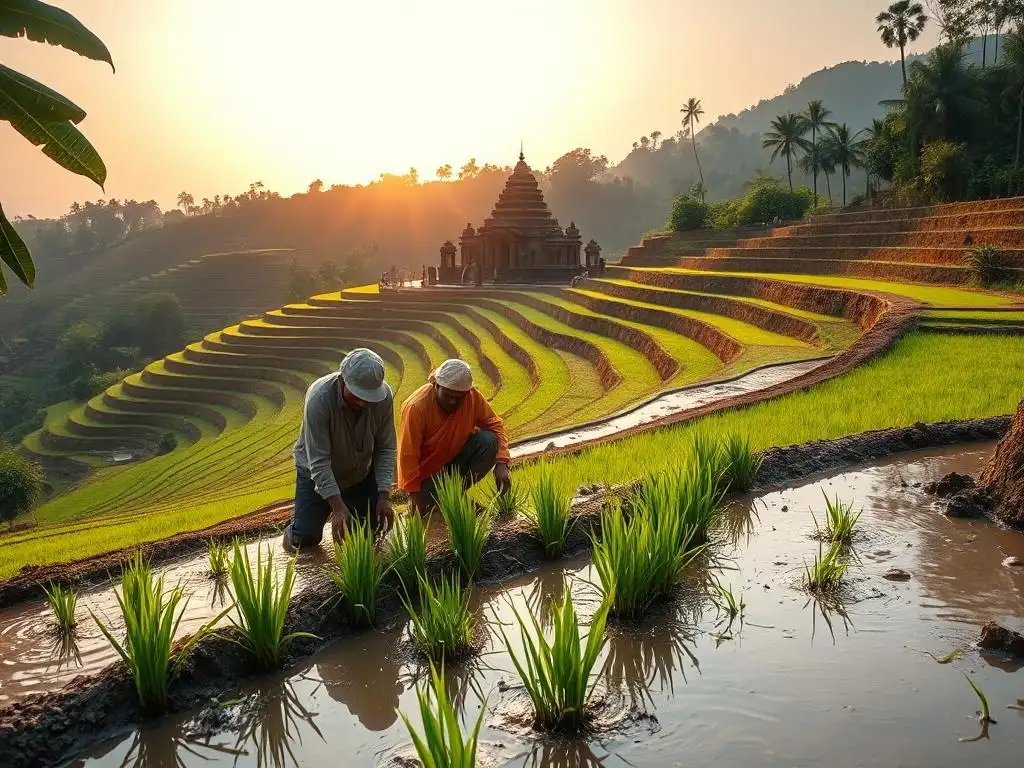
Welcome to Ancient India History—a portal into the vibrant tapestry of one of the world's oldest civilizations. Here, we invite you to delve into the profound influence of Ancient India's agricultural practices, a cornerstone of its cultural legacy that shaped not only its own society but also left a lasting mark on Southeast Asia. Discover how these timeless techniques fostered connections and exchanges that transcended borders, sparking curiosity about the interwoven destinies of ancient peoples.
Join us on this enlightening journey as we unravel the fascinating stories behind the exchange of agricultural practices and their enduring impact. Your exploration begins now!
- Introduction to Ancient India's Agricultural Influence
- Historical Context of Agricultural Development in Ancient India
- The Exchange of Agricultural Practices with Southeast Asia
- Specific Agricultural Contributions from Ancient India
- Case Studies of Ancient Indian Agricultural Influence in Southeast Asia
- The Impact of Ancient India's Agricultural Influence on Southeast Asian Societies
- Conclusion: The Legacy of Ancient India's Agricultural Influence
- References
-
Frequently Asked Questions
- What were the main agricultural practices in Ancient India?
- How did Ancient India's agricultural practices influence Southeast Asia?
- What crops were introduced to Southeast Asia by Ancient Indian farmers?
- Did Ancient India have any trade relationships related to agriculture?
- What role did religion play in Ancient India's agricultural practices?
- Final Reflection: The Enduring Legacy of Ancient India's Agricultural Influence
- Unveil the Farming Secrets of Ancient India!
Introduction to Ancient India's Agricultural Influence
Ancient India stands as a cornerstone of agricultural innovation, with a profound impact that reverberated beyond its borders, particularly in Southeast Asia. The exchange of agricultural practices between these regions not only transformed local farming techniques but also contributed significantly to the cultural and economic landscapes of Southeast Asian societies.
This article delves into the intricate web of agricultural influence stemming from ancient Indian civilizations, highlighting the key practices, crops, and methods that were shared and adapted across geographical boundaries. By examining this historical exchange, we can better understand how ancient India shaped the agricultural foundations of Southeast Asia and the lasting legacy of its farming traditions.
Overview of Agricultural Practices in Ancient India
Agriculture in ancient India was characterized by a diverse range of practices that evolved over centuries. The fertile plains of the Indus Valley were among the earliest centers of agricultural activity, where advanced techniques were developed to cultivate crops such as wheat, barley, and cotton. Key features of ancient Indian agriculture included:
- Irrigation Systems: Ancient Indians innovated various irrigation methods, utilizing canals and wells to ensure a steady water supply.
- Crop Rotation: Farmers practiced crop rotation to maintain soil fertility and maximize yields.
- Use of Fertilizers: Organic fertilizers, such as compost and animal manure, were widely used to enhance soil health.
These practices laid the groundwork for sustainable agriculture, influencing future generations and neighboring regions.
Significance of Agriculture in Ancient Indian Civilization
Agriculture was not merely an economic activity in ancient India; it was deeply intertwined with social and cultural aspects of life. The significance of agriculture can be understood through several key dimensions:
- Economic Stability: Agriculture provided the primary source of sustenance for the population, fostering economic stability and growth.
- Cultural Practices: Harvest festivals and rituals centered around agricultural cycles played a vital role in the cultural fabric of society, reflecting the reverence for the land and its bounty.
- Trade and Commerce: Surplus agricultural production facilitated trade with neighboring regions, enriching both local economies and cultural exchanges.
The cultivation of diverse crops, including rice, pulses, and spices, not only supported local communities but also established India as a vital player in ancient trade networks.
Purpose of Exploring Ancient India's Influence on Southeast Asia
Understanding the agricultural influence of ancient India on Southeast Asia serves multiple purposes, including:
- Historical Context: It provides insight into the interconnectedness of ancient civilizations and the flow of knowledge across regions.
- Cultural Exchange: Examining these influences highlights the cultural exchanges that shaped agricultural practices, traditions, and cuisines in Southeast Asia.
- Legacy of Practices: By tracing the roots of modern agricultural techniques and crops in Southeast Asia, we can appreciate the lasting legacy of ancient Indian innovations.
Through this exploration, we uncover the intricate ways in which ancient India's agricultural influence has left an indelible mark on the farming practices and cultural landscapes of Southeast Asia, fostering a deeper appreciation for the shared heritage of these regions.
Historical Context of Agricultural Development in Ancient India
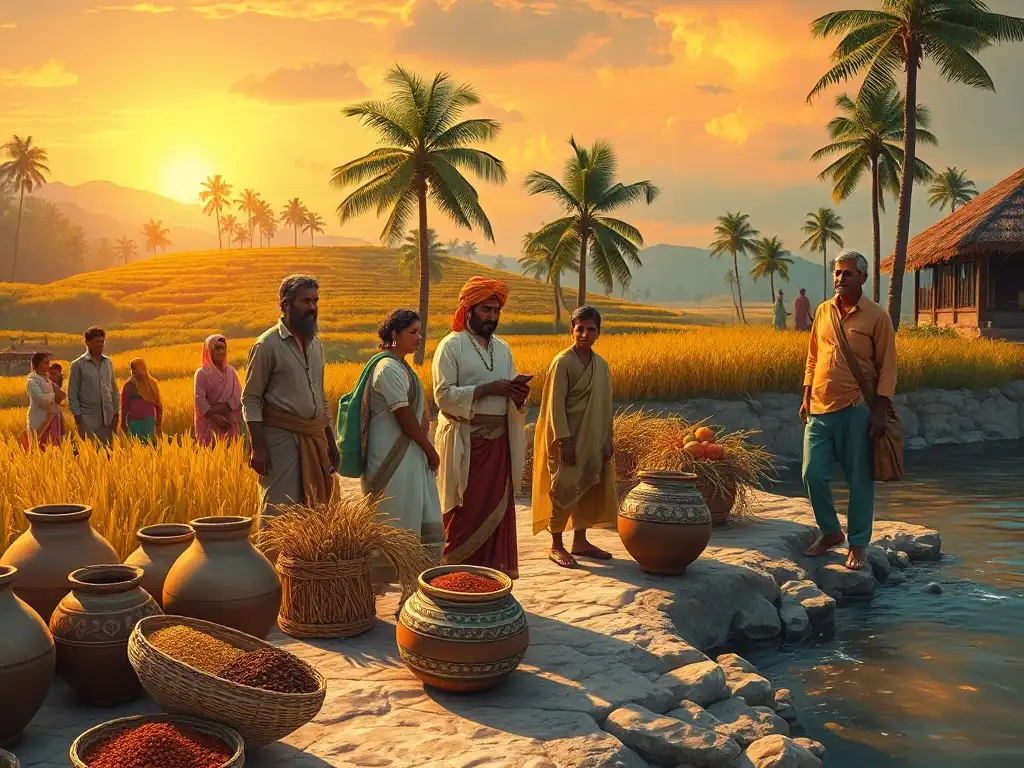
The historical development of agriculture in Ancient India is a story of innovation, adaptation, and exchange that laid the groundwork for the region's complex societies. The transition from hunter-gatherer lifestyles to settled farming began around 7000 BCE in the fertile plains of the Indus Valley. This era, characterized by the domestication of plants and animals, marked the dawn of agrarian communities that would flourish for millennia.
The Indus Valley Civilization (circa 3300-1300 BCE) exemplifies this agricultural evolution. Archaeological evidence suggests sophisticated irrigation systems, granaries, and crop storage facilities, indicating advanced agricultural practices. The civilization's ability to cultivate crops in a semi-arid climate showcased the ingenuity of its people. As the centuries progressed, various kingdoms and empires emerged, further refining agricultural techniques and expanding their crop diversity.
By the time of the Vedic period (circa 1500-500 BCE), agriculture had become a cornerstone of society and economy. Texts from this era, like the Rigveda, highlight the importance of farming in daily life, rituals, and trade. The growing population and social stratification necessitated an increase in agricultural output, leading to innovations in farming methods and crop management that would eventually influence regions beyond the Indian subcontinent.
Key Agricultural Innovations in Ancient India
Ancient India was a cradle of agricultural innovations that significantly impacted farming practices not only within the region but also in Southeast Asia. Some of the notable innovations include:
- Irrigation Techniques: The development of irrigation systems, such as canals and wells, allowed for the effective management of water resources. This innovation was crucial for rice cultivation, particularly in regions with seasonal monsoons.
- Crop Rotation: Ancient Indian farmers practiced crop rotation, which helped maintain soil fertility and reduce pest infestations. This technique was essential for sustainable agriculture and contributed to higher yields.
- Use of Fertilizers: The application of organic fertilizers, such as compost and dung, was common in ancient farming. This practice enriched the soil and supported the growth of various crops.
- Plough Technology: The introduction of iron ploughshares improved the efficiency of tilling the land, allowing farmers to cultivate larger areas and produce surplus crops.
- Seed Selection and Hybridization: Ancient Indian farmers engaged in selective breeding of crops, leading to the development of resilient varieties that were better suited to local climates and conditions.
Major Crops Cultivated in Ancient India
The agricultural landscape of Ancient India was diverse, with a variety of crops cultivated across different regions. Some of the major crops included:
- Rice: A staple food, particularly in the eastern regions, rice cultivation was facilitated by the monsoon rains and innovative irrigation techniques. Varieties such as Oryza sativa were extensively grown.
- Wheat: Predominantly cultivated in the northwestern plains, wheat was a significant crop that supported the diet of many ancient Indian communities.
- Barley: Barley was an important crop in arid regions and served as a key ingredient in food and beverages.
- Legumes: Pulses such as lentils, chickpeas, and mung beans played a crucial role in crop rotation and contributed to soil fertility.
- Spices and Condiments: The cultivation of spices like black pepper, cumin, and turmeric not only enriched the diet but also facilitated trade with neighboring regions, including Southeast Asia.
Role of Agriculture in Ancient Indian Society and Economy
Agriculture was central to the socio-economic structure of Ancient Indian civilization. Its impact can be seen across various facets of life:
- Economic Foundation: Agriculture provided the primary economic base for ancient societies, enabling the emergence of trade networks and urban centers. Surplus production allowed for the specialization of labor and the growth of crafts and commerce.
- Social Structure: Agricultural practices influenced social hierarchies. Land ownership became a source of power, leading to the formation of classes, including landowners, farmers, and laborers.
- Cultural Significance: Agriculture was intertwined with religious and cultural practices. Festivals celebrating harvests, such as Makar Sankranti, reflected the importance of farming in daily life and community bonding.
- Migration and Exchange: The agricultural advancements of Ancient India facilitated migration and cultural exchanges with Southeast Asia. As traders and settlers moved across regions, they brought with them agricultural knowledge, crops, and practices that significantly shaped the farming landscape of Southeast Asia.
Ancient India's agricultural influence extends far beyond its borders, leaving a lasting legacy on the agricultural practices of Southeast Asia. The innovations, crops, and societal structures rooted in agriculture played a pivotal role in shaping not only the economy but also the cultural fabric of ancient civilizations.
The Exchange of Agricultural Practices with Southeast Asia
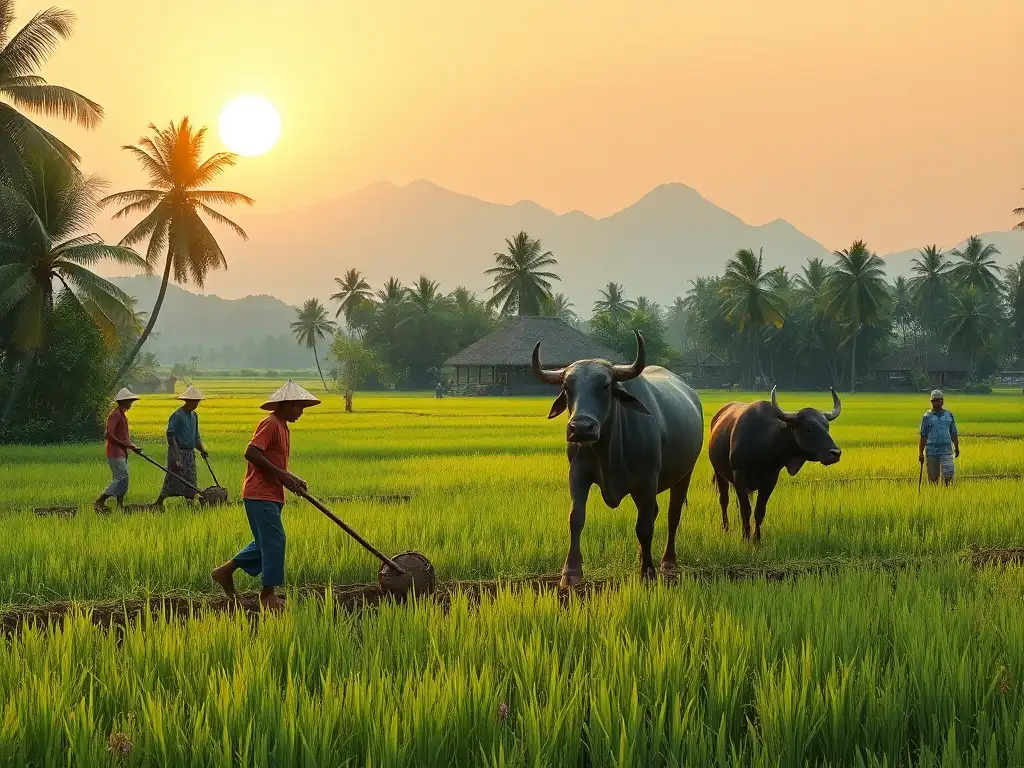
The agricultural exchanges between Ancient India and Southeast Asia played a crucial role in shaping the farming practices, crop varieties, and agricultural technologies of the region. This exchange was not merely a transfer of goods but involved a complex interplay of cultures, traditions, and innovations that significantly impacted the agricultural landscape of Southeast Asia.
Historical Trade Routes Connecting India and Southeast Asia
The historical trade routes that linked Ancient India with Southeast Asia were pivotal in facilitating the transfer of agricultural knowledge and practices. Two major maritime routes emerged during this period:
- The Maritime Silk Route: This sea route connected the Indian subcontinent with the islands of Southeast Asia, including Java, Sumatra, and Borneo. Traders not only exchanged silk, spices, and precious stones but also agricultural products such as rice, banana, and sugarcane.
- The Indian Ocean Trade Network: This extensive network linked the ports of India with those in East Africa, the Arabian Peninsula, and Southeast Asia. Indian merchants and sailors brought with them various agricultural techniques and crops, significantly influencing local farming systems.
These routes were instrumental in the movement of not only goods but also ideas, practices, and technologies. The spread of rice cultivation, for instance, is believed to have been facilitated by maritime trade, with Indian varieties being introduced to the lush landscapes of Southeast Asia.
Cultural Exchanges: Agriculture and Beyond
The influence of Ancient India's agricultural practices extended beyond mere crop exchange. Cultural interactions through trade led to the sharing of various agricultural techniques and philosophies. Key aspects of these exchanges included:
- Irrigation Techniques: Ancient Indians mastered sophisticated irrigation systems, including canals and water storage techniques. Southeast Asian societies adopted and adapted these practices, improving their agricultural yields.
- Crop Rotation and Fertilization: Indian farmers practiced crop rotation and organic fertilization, methods that enhanced soil health and productivity. These techniques were gradually assimilated into Southeast Asian farming practices, leading to more sustainable agriculture.
- Religious and Cultural Impacts: The introduction of new crops often came with cultural practices and religious beliefs associated with agriculture. For example, rice, a staple crop, became intertwined with local rituals and festivals in Southeast Asia, further embedding Indian agricultural influence in the region's culture.
Evidence of Agricultural Influence in Southeast Asia
Numerous archaeological and historical evidences highlight Ancient India's agricultural influence on Southeast Asia:
- Archaeological Finds: Excavations in regions like Vietnam and Thailand have uncovered remnants of Indian-style rice paddies, suggesting that Indian agricultural practices were adopted and adapted by local cultures.
- Literary References: Ancient texts, such as the Arthashastra, detail agricultural methods and practices that were likely disseminated throughout Southeast Asia through trade contacts, influencing local agricultural paradigms.
- Linguistic Evidence: The presence of Sanskrit loanwords related to agriculture in several Southeast Asian languages indicates a significant cultural exchange. Terms related to farming tools, crops, and agricultural practices often trace back to Sanskrit roots, evidencing the deep impact of Indian agriculture.
The exchange of agricultural practices between Ancient India and Southeast Asia was a multifaceted process that not only transformed farming practices but also enriched the cultural fabric of the region. The legacy of this exchange continues to be evident in the agricultural systems and cultural practices of Southeast Asian nations today.
Specific Agricultural Contributions from Ancient India
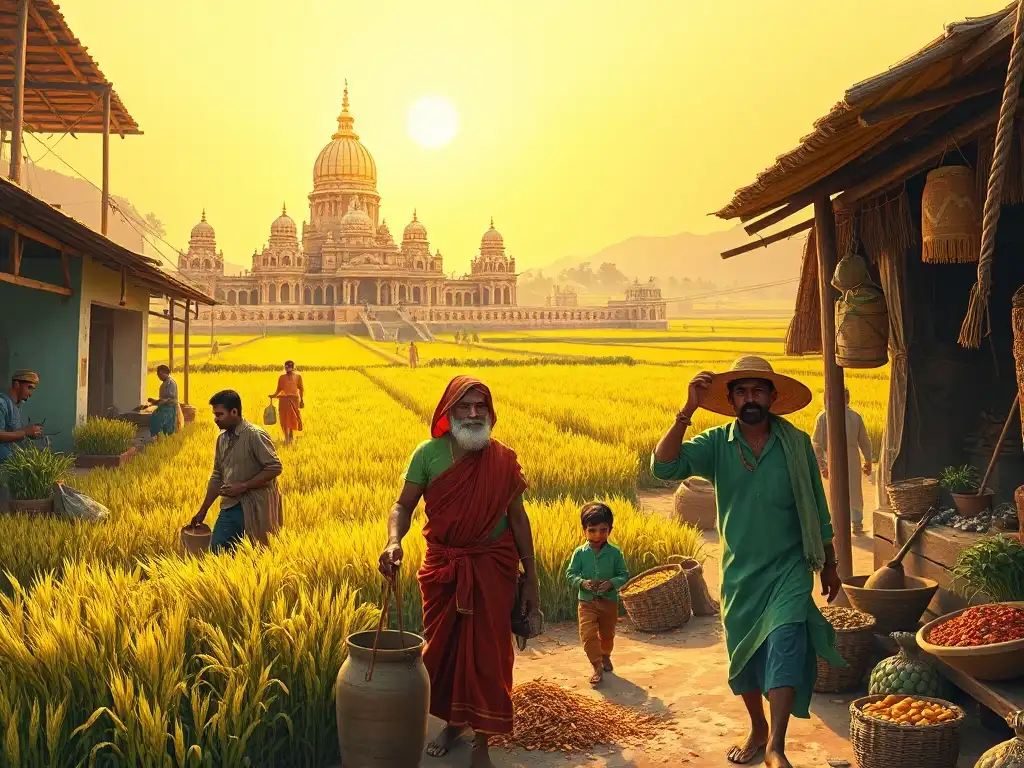
Introduction of Crops: Rice, Sugarcane, and Spices
Ancient India played a pivotal role in the development of agriculture in Southeast Asia, particularly through the introduction of various crops. The exchange of agricultural practices can be traced back to as early as the 1st millennium BCE, when Indian traders and settlers began to migrate to Southeast Asian regions, bringing with them essential agricultural knowledge and crops.
- Rice:
- Rice, a staple food in both India and Southeast Asia, was cultivated extensively in the fertile plains of the Indus Valley. The cultivation techniques developed in ancient India were instrumental in establishing rice farming in Southeast Asia. Archaeological evidence suggests that varieties of rice cultivated in India were introduced to regions like Vietnam and Thailand, where they flourished due to favorable climatic conditions.
- Sugarcane:
- The cultivation of sugarcane was another significant contribution from ancient India. Indian agronomists developed advanced techniques for sugar extraction, which were shared with Southeast Asian societies. This not only enhanced local diets but also spurred economic activities centered around sugar production and trade.
- Spices:
- Spices such as black pepper, cardamom, and turmeric were also introduced to Southeast Asia through Indian traders. These spices, prized for their flavor and medicinal properties, became integral to the culinary practices of various Southeast Asian cultures. The Indian spice trade significantly influenced local agricultural practices as regions adapted to cultivate these high-demand crops.
Agricultural Techniques and Methods Adopted in Southeast Asia
The agricultural influence of ancient India extended beyond crop introduction; it also encompassed various cultivation techniques and methods that were adopted by Southeast Asian farmers.
- Irrigation Systems:
- Ancient Indian civilizations were known for their sophisticated irrigation techniques. These methods, including the construction of canals and the use of water-lifting devices, were vital for successful crop cultivation in Southeast Asia’s diverse topographies. Farmers in regions like Cambodia and Thailand adopted these irrigation strategies, leading to increased agricultural productivity.
- Crop Rotation and Intercropping:
- The practice of crop rotation and intercropping, prevalent in ancient Indian agriculture, was also embraced by Southeast Asian farmers. By alternating different crops in the same field, they were able to enhance soil fertility and reduce pest infestations. This sustainable agricultural practice contributed to long-term agricultural viability in the region.
- Farming Implements:
- The introduction of various farming implements, such as the plow and sickle, revolutionized agricultural practices in Southeast Asia. These tools, which were refined in ancient India, enabled farmers to improve efficiency and yield in their farming operations.
The Role of Indian Texts and Knowledge in Agricultural Practices
Indian agricultural texts, such as the "Krishi Parashara" and "Vrikshayurveda," played a crucial role in disseminating agricultural knowledge to Southeast Asia.
- Agronomy and Botany:
- These texts provided detailed insights into agronomy and botany, covering topics such as soil management, pest control, and crop diseases. The translation and adaptation of these texts in Southeast Asian cultures facilitated a deeper understanding of agricultural practices, leading to improved farming techniques.
- Cultural Integration:
- The transmission of agricultural knowledge was not just a one-way street. As Indian agricultural texts and practices spread, they integrated with local traditions and customs, creating a unique blend of agricultural methods that were tailored to Southeast Asian environments. This cultural integration enriched the agricultural landscape of the region.
- Religious and Philosophical Influences:
- Additionally, the philosophical aspects of agriculture, often intertwined with religious beliefs in ancient India, influenced Southeast Asian societies. Concepts of sustainability, respect for nature, and the importance of agriculture in daily life were adopted by local cultures, further enhancing their agricultural practices.
Ancient India's agricultural influence on Southeast Asia is a remarkable example of cultural exchange, showcasing how the transmission of crops, techniques, and knowledge can shape agricultural practices across regions. The legacy of these contributions can still be seen in the agricultural systems of Southeast Asia today.
Case Studies of Ancient Indian Agricultural Influence in Southeast Asia
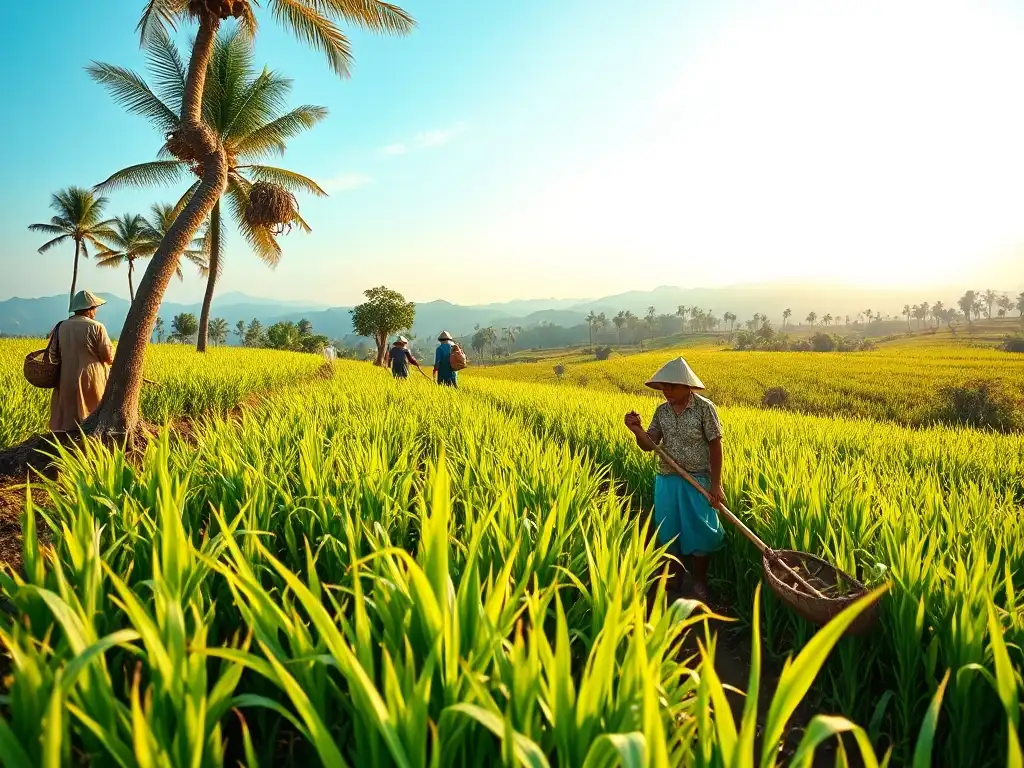
Example 1: The Adoption of Rice Cultivation Techniques
Ancient India played a pivotal role in shaping agricultural practices in Southeast Asia, notably through the introduction of rice cultivation techniques. Archaeological evidence suggests that rice was initially domesticated in the Indo-Gangetic plains around 2000 BCE. As trade routes expanded, these agricultural practices were transmitted to Southeast Asia, where local populations began to adopt and adapt these techniques.
- Irrigation Systems: Indian methodologies for irrigation, particularly in river basin regions, were instrumental in enhancing rice yields. The use of dikes, canals, and terracing methods, initially developed in India, proved beneficial in the wetter climates of Southeast Asia.
- Varieties of Rice: Indian traders brought with them diverse strains of rice, including Oryza sativa, which were better suited for different environmental conditions. This diversification led to improved food security and supported the burgeoning populations in regions such as present-day Vietnam, Thailand, and Indonesia.
- Cultural Practices: The integration of rice into local diets also transformed cultural practices around agriculture, leading to rice festivals and rituals that mirrored those from the Indian subcontinent. These practices fostered a deeper connection between agricultural cycles and community life.
Example 2: The Spread of Ayurvedic Agricultural Practices
The influence of ancient Indian agricultural methods extended beyond mere crop cultivation; it also encompassed holistic approaches to farming, such as those found in Ayurveda. This ancient system of medicine emphasized the relationship between health and agriculture, promoting sustainable practices that ensured both soil fertility and crop health.
- Natural Fertilizers: Ayurvedic principles encouraged the use of natural fertilizers derived from local flora and fauna, including cow dung and green manures. These practices were adopted in Southeast Asia, enhancing soil quality and crop resilience.
- Crop Rotation: The practice of rotating crops to maintain soil nutrients and prevent pest infestations was another significant contribution. This method, rooted in ancient Indian agricultural wisdom, became integral to Southeast Asian farming, promoting sustainable land use.
- Integrated Farming Systems: The Ayurvedic approach to agriculture advocated for integrated farming systems, combining crops with livestock. This synergy was embraced by farmers in Southeast Asia, leading to a more diversified and resilient agricultural ecosystem.
Example 3: Influence on Local Farming Methods in Southeast Asian Regions
The impact of ancient Indian agricultural practices on Southeast Asia can be further illustrated through specific regions that exhibit significant adaptations of these methods.
- Java: In Indonesia, particularly Java, Indian agricultural techniques influenced the sawah (rice paddy) system. The use of bunded fields and water management systems, similar to those in the Indian subcontinent, facilitated high-yield rice production and transformed the agricultural landscape.
- Thailand: Ancient Indian texts and agricultural treatises circulated among traders and scholars in Thailand, leading to the adoption of advanced farming techniques. The introduction of wet rice cultivation significantly enhanced agricultural output, contributing to the region's economic prosperity.
- Vietnam: The Red River Delta in Vietnam showcases the legacy of Indian agricultural influence through its sophisticated irrigation systems and rice cultivation practices. The adaptation of Indian methodologies resulted in increased agricultural productivity, allowing for the sustenance of larger populations.
The exchange of agricultural practices from ancient India to Southeast Asia not only improved local farming methods but also fostered cultural integration and economic growth. The enduring legacy of ancient India's agricultural influence continues to shape agricultural practices in the region today.
The Impact of Ancient India's Agricultural Influence on Southeast Asian Societies
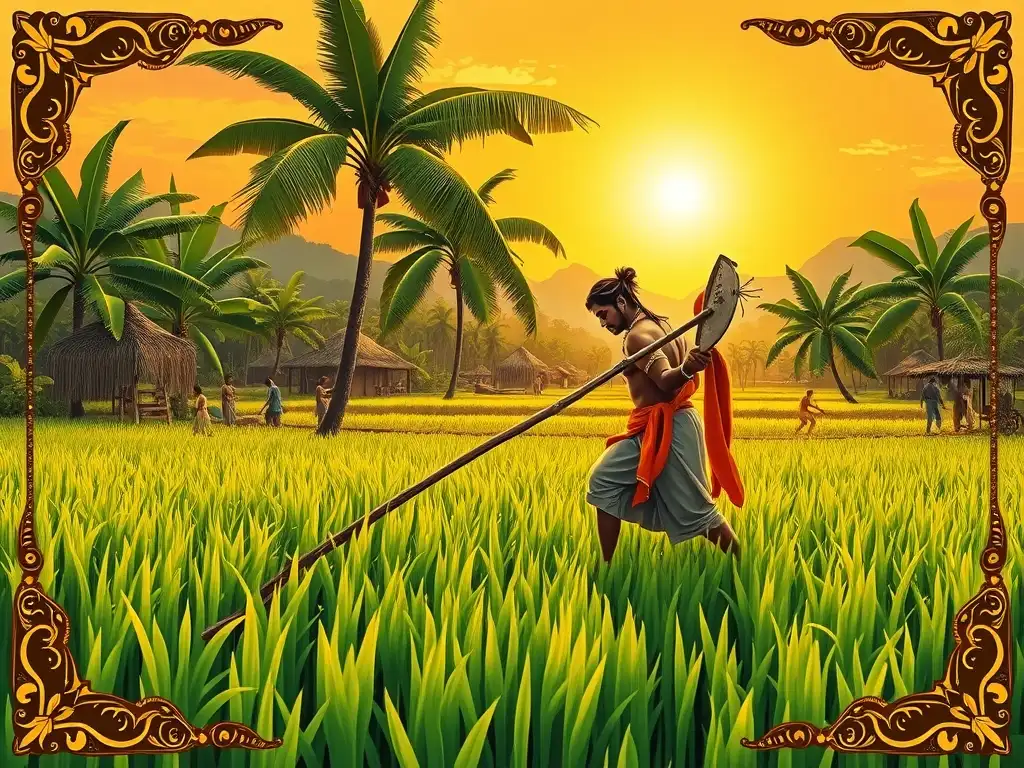
Socioeconomic Changes Resulting from Agricultural Exchanges
The exchange of agricultural practices between Ancient India and Southeast Asia profoundly influenced the socioeconomic structures of the latter regions. As Indian agricultural techniques were introduced, local economies underwent significant transformations, leading to increased productivity and trade. For instance, the adoption of rice cultivation methods, particularly wet-rice farming, allowed Southeast Asian societies to enhance their food security and elevate their agricultural output.
- Increased Agricultural Output: The integration of Indian farming techniques, such as irrigation and the use of fertilizers, resulted in higher yields. This increase in production supported population growth and urbanization in regions like the Mekong Delta and the Philippines.
- Trade Expansion: Enhanced agricultural practices facilitated the growth of surplus crops, which were crucial for trade development. Ports such as Funan and Srivijaya became vital trade hubs, exchanging rice, spices, and other agricultural products between Southeast Asia and beyond.
- Social Stratification: The rise in agricultural productivity contributed to the emergence of social hierarchies. Wealth generated from surplus farming allowed some families to gain influence and power, leading to the formation of early chiefdoms and eventually more complex political entities.
These socioeconomic changes laid the groundwork for the rich tapestry of trade and social organization that characterized ancient Southeast Asian societies.
Cultural Integration: Festivals, Practices, and Rituals
The agricultural influence of Ancient India extended beyond mere farming techniques; it permeated various aspects of cultural life in Southeast Asia. The introduction of Indian agricultural practices brought with it a myriad of cultural exchanges that enriched local traditions.
- Festivals and Celebrations: Many agricultural festivals in Southeast Asia bear the imprint of Indian traditions. For example, the celebration of the harvest festival, which often includes rituals for fertility and prosperity, can be traced back to similar practices observed in Indian agrarian societies. Festivals such as Pongal in Tamil Nadu resonate with similar harvest celebrations seen in parts of Southeast Asia, showcasing the shared cultural heritage.
- Rituals and Beliefs: The integration of Hindu and Buddhist agricultural rituals influenced local spiritual practices. The veneration of deities associated with agriculture, such as Goddess Lakshmi (associated with wealth and fertility), became prevalent in various Southeast Asian cultures, blending local beliefs with Indian religious practices.
- Culinary Influences: The introduction of new crops and spices transformed local cuisines. The adoption of Indian culinary techniques, such as the use of spices and preparation methods, can be observed in Southeast Asian dishes today. For instance, the incorporation of turmeric and chili, which have roots in Indian agricultural practices, is evident in many local recipes.
These cultural integrations not only enhanced the agricultural practices in Southeast Asia but also fostered a sense of shared identity and community among diverse groups.
Long-term Effects on Southeast Asian Agricultural Development
The agricultural influence of Ancient India has had lasting effects on the development of farming practices in Southeast Asia, shaping the region's agricultural landscape for centuries.
- Sustainable Farming Practices: Many of the techniques introduced by Indian farmers emphasized sustainability, such as crop rotation and the use of organic fertilizers. These practices have been adapted and continued by local farmers, ensuring the resilience and sustainability of agriculture in the region.
- Diverse Crop Varieties: The introduction of various crops, such as rice, sugarcane, and spices, led to the diversification of agricultural production in Southeast Asia. This diversification not only improved food security but also positioned the region as a crucial player in global agricultural trade.
- Influence on Modern Agriculture: The historical agricultural exchanges have left a legacy that can still be observed in contemporary farming practices. Modern Southeast Asian agriculture reflects a blend of indigenous methods with those influenced by Ancient Indian practices, demonstrating the enduring impact of this cultural exchange.
Ancient India's agricultural influence has played a significant role in shaping the agricultural landscape of Southeast Asia, fostering socioeconomic changes, cultural integration, and long-term agricultural development. This rich history highlights the interconnectedness of ancient civilizations and the profound impact of agricultural exchanges on societal evolution.
Conclusion: The Legacy of Ancient India's Agricultural Influence
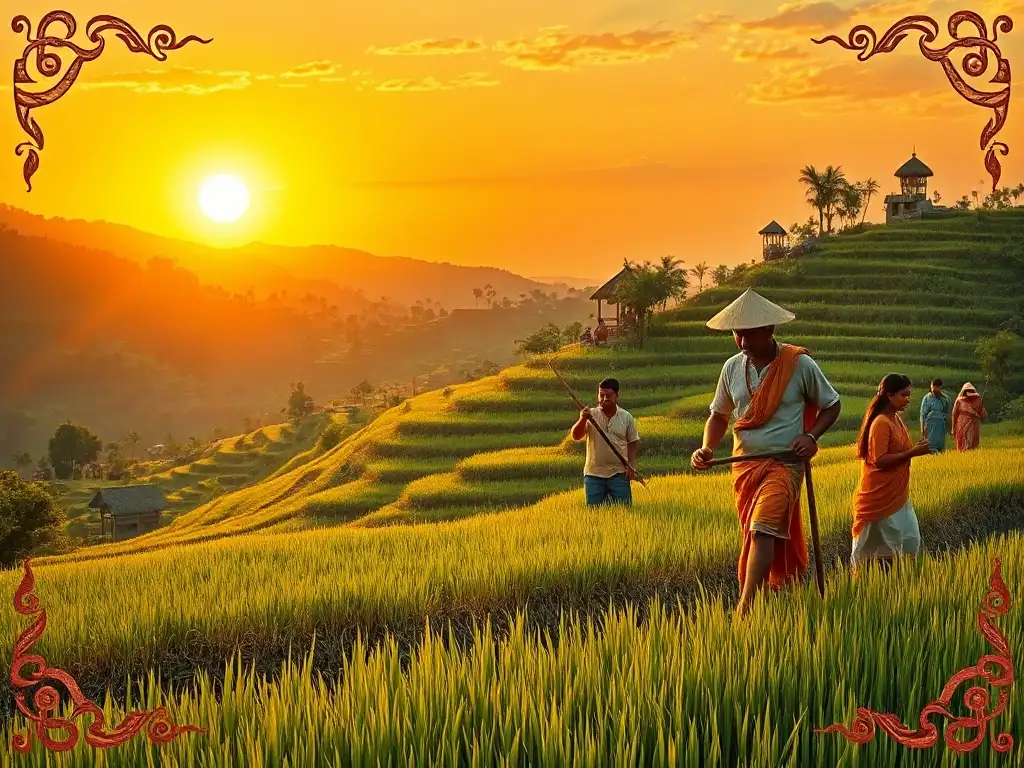
Ancient India's agricultural influence on Southeast Asia is a testament to the profound connections that transcended geographical boundaries. The exchange of agricultural practices not only enriched the farming techniques of Southeast Asian civilizations but also laid the groundwork for sustainable agricultural systems that continue to thrive today. Ancient Indian farmers, with their innovative methods and diverse crops, played a crucial role in shaping the agrarian landscapes of the region.
The introduction of key crops such as rice, millet, and various spices transformed the agricultural practices of Southeast Asia. These crops not only provided sustenance but also became integral to the local economies and cultures. The adaptability of Indian agricultural techniques to the tropical climates of Southeast Asia demonstrates the ingenuity and versatility of ancient Indian agricultural knowledge.
Summary of Key Contributions to Southeast Asian Agriculture
The contributions of ancient India to Southeast Asian agriculture can be categorized into several significant areas:
- Crop Diversification: Ancient Indian agronomists introduced a variety of crops, including:
- Rice: A staple food that became central to the region's diet.
- Millets: Hardy grains that thrived in diverse soil types.
- Spices: Such as black pepper and cardamom, which became critical for trade.
- Irrigation Techniques: Advanced irrigation methods, including:
- Canal Systems: Facilitated the distribution of water across fields.
- Rainwater Harvesting: Techniques adapted to local climates ensured the sustainability of farming.
- Farming Tools and Implements: The adoption of tools such as:
- Ploughs: Enhanced soil aeration and crop yields.
- Sickle and Hoe: Improved harvesting efficiency.
- Agricultural Calendar: The introduction of seasonal calendars helped synchronize planting and harvesting cycles with the monsoon rhythms of Southeast Asia, maximizing productivity.
Reflection on the Importance of Cultural Exchanges
The exchange of agricultural practices between ancient India and Southeast Asia serves as a compelling example of how cultural interactions can foster innovation and resilience. This dialogue not only influenced agricultural techniques but also led to the sharing of knowledge related to crop management, pest control, and sustainable practices.
As cultures intertwined, the blending of agricultural customs and local traditions resulted in unique farming practices that are still evident today. The mutual respect and learning between these civilizations highlight the intrinsic value of cultural exchanges in human history. Such interactions paved the way for collaborative advancements in agriculture, which were essential for food security and economic stability in the region.
Future Research Directions in Agricultural History
The study of ancient India's agricultural influence on Southeast Asia opens several avenues for future research. Scholars and researchers can explore:
- Comparative Studies: Investigating the similarities and differences in agricultural practices across various Southeast Asian nations influenced by ancient Indian methodologies.
- Archaeobotanical Research: Analyzing ancient plant remains to uncover the extent of crop exchange and agricultural diversification in archaeological sites.
- Impact of Trade Routes: Examining how trade routes facilitated the exchange of not only crops but also agricultural tools, techniques, and knowledge.
- Cultural Integration: Understanding how agricultural practices influenced social structures, rituals, and local economies in Southeast Asia.
- Modern Implications: Exploring how ancient practices can inform contemporary sustainable agriculture in the face of climate change and food security challenges.
The legacy of ancient India's agricultural influence is not merely historical; it continues to resonate in the agricultural practices of Southeast Asia, underscoring the importance of cultural exchanges in shaping sustainable futures.
References
Key Texts and Resources on Ancient Indian Agriculture
Ancient India's agricultural practices were foundational in shaping the agricultural landscape of Southeast Asia. Key texts provide invaluable insights into these practices:
- Arthashastra by Kautilya: This ancient treatise outlines various agricultural strategies, including crop rotation and irrigation techniques that were pivotal in increasing yield.
- Manasollasa by Somesvara III: A comprehensive guide that includes information on agricultural methods, crop varieties, and livestock management prevalent in ancient India.
- Vrikshayurveda by Surapala: This text focuses on plant science and agriculture, detailing planting techniques, pest control methods, and the significance of various crops.
These texts not only reflect the agricultural sophistication of ancient India but also served as references for agricultural development in neighboring regions.
Scholarly Articles on Cultural Exchanges with Southeast Asia
Numerous scholarly articles delve into the cultural exchanges between ancient India and Southeast Asia, highlighting the transfer of agricultural knowledge:
- "Cultural Interactions Between India and Southeast Asia": This article explores how Indian traders and monks introduced various agricultural practices, influencing local farming techniques in regions like Java and Sumatra.
- "The Role of Indian Agriculture in Southeast Asian Development": Analyzing the transformative impact of Indian agricultural practices on Southeast Asian societies, this paper emphasizes the adoption of rice cultivation and irrigation systems.
- "From India to the Archipelago: Agricultural Innovations": This study traces the diffusion of agricultural innovations from India to Southeast Asia, including the introduction of hybrid crops and advanced irrigation methods.
These studies provide a nuanced understanding of how ancient India’s agricultural influence permeated through trade, migration, and cultural exchanges.
Additional Reading on Agricultural Practices and Innovations
For those interested in further exploring the agricultural practices and innovations of ancient India and their impact on Southeast Asia, the following resources are recommended:
- "Agriculture in Ancient India: Techniques and Traditions": A detailed examination of farming techniques, crop management, and the significance of monsoon cycles in ancient Indian agriculture.
- "The Spread of Indian Agricultural Practices in Southeast Asia": This book discusses the historical context of agricultural dissemination and its effects on local farming communities.
- "Rice Cultivation and Cultural Identity in Southeast Asia": An insightful exploration of how the introduction of rice from India shaped not only agriculture but also the cultural identity of Southeast Asian societies.
These resources will enhance understanding of the complexities surrounding agricultural practices and their historical significance in the context of ancient India's agricultural influence.
Frequently Asked Questions
What were the main agricultural practices in Ancient India?
Ancient India utilized advanced farming techniques, including irrigation systems and crop rotation, which significantly enhanced agricultural productivity.
How did Ancient India's agricultural practices influence Southeast Asia?
The exchange of agricultural knowledge and crops from Ancient India played a crucial role in shaping the farming methods and food diversity in Southeast Asian regions.
What crops were introduced to Southeast Asia by Ancient Indian farmers?
Ancient Indian farmers introduced several key crops, including rice, sugarcane, and spices, which became staples in Southeast Asian agriculture.
Yes, Ancient India engaged in extensive trade networks that facilitated the exchange of agricultural goods and practices with Southeast Asia, boosting both economies.
What role did religion play in Ancient India's agricultural practices?
Religion, particularly Hinduism and Buddhism, influenced agricultural practices by promoting rituals and festivals that celebrated the agricultural cycle, ensuring community involvement in farming.
Final Reflection: The Enduring Legacy of Ancient India's Agricultural Influence
The exchange of agricultural practices between Ancient India and Southeast Asia is not just a historical footnote; it is a testament to the profound impact of cultural exchange on sustainable farming methods. Today, as we face pressing challenges such as climate change and food security, understanding how these ancient practices shaped agricultural systems can offer valuable insights into modern solutions. The resilience and adaptability of these practices remind us that innovation often arises from the blending of diverse traditions.
The influence of Ancient India's agricultural techniques continues to resonate in the cultural and social landscapes of Southeast Asia. From rice cultivation to the introduction of various crops, these practices have woven themselves into the very fabric of life in the region. As we reflect on this legacy, we recognize that "the seeds of knowledge sown in the past can yield a harvest of wisdom for the future." > This sentiment underscores the importance of preserving and learning from these ancient practices as we navigate contemporary agricultural challenges.
As we conclude this exploration, I invite you to reflect on the lessons from Ancient India's agricultural influence and consider how they can be applied in your own life. Whether you are a farmer, a consumer, or simply someone interested in sustainability, there is a wealth of knowledge to be gained from the past. Embrace the opportunity to learn from these ancient practices, and let them inspire you to cultivate a more sustainable future for our planet.
Unveil the Farming Secrets of Ancient India!
Thank you for diving into the fascinating world of agricultural exchanges between Ancient India and Southeast Asia! We hope you’ve uncovered valuable insights into how these ancient practices shaped modern farming. Now, it’s time to take your curiosity further and put that knowledge into action.
Here are a few steps you can take today:
- Experiment with ancient techniques: Try incorporating a traditional farming method you learned about into your garden or local agricultural practices. Don’t forget to document your results!
- Share the knowledge: Discuss what you’ve learned with friends or on social media using the hashtag #AncientFarming. Let’s spread the wisdom of these age-old practices together!
- Join a local farming community: Engage with others who are passionate about sustainable practices and explore how historical techniques can enhance modern agriculture.
What unique method from Ancient India will you apply to your own farming journey? We’d love to hear your thoughts in the comments!