
The Caste System and Its Representation in Ancient Indian Art

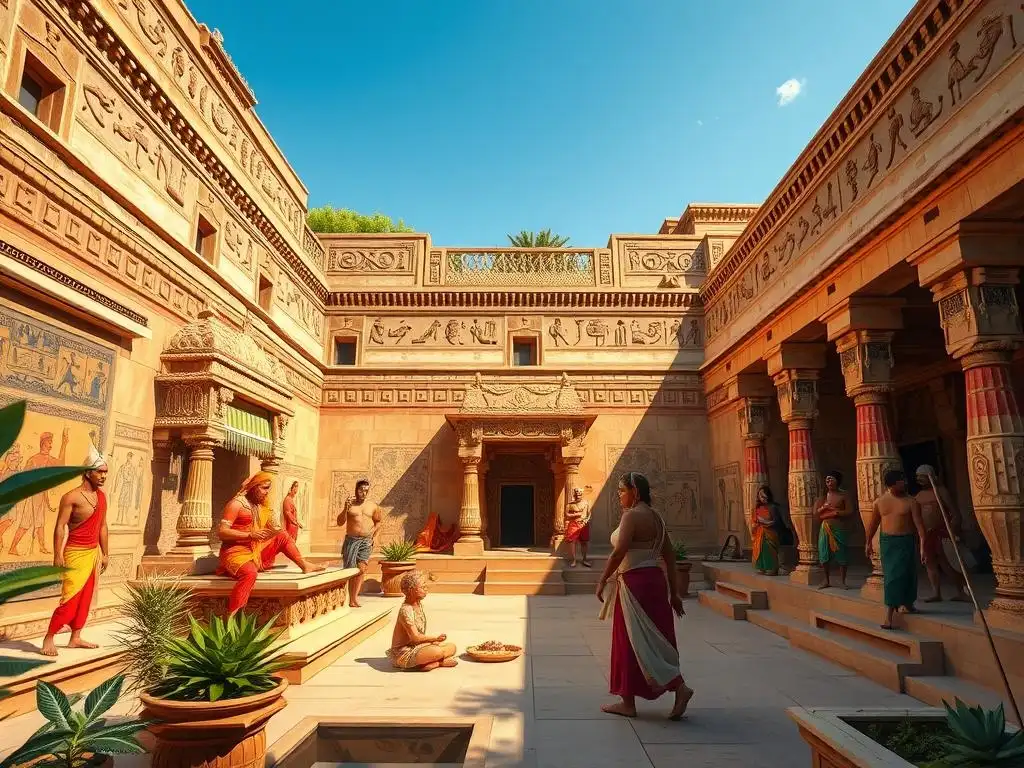
Welcome to Ancient India History, where we embark on a fascinating journey through the rich tapestry of ancient Indian civilizations. Today, we delve into a particularly intriguing aspect of daily life and society: the caste system in ancient Indian art. Discover how this intricate social structure influenced artistic expression, shaping the narratives and symbolism found in the masterpieces of the past. As you explore, you’ll uncover the profound connections between art and society that continue to resonate today. Join us as we unravel the layers of history and creativity that define this captivating topic!
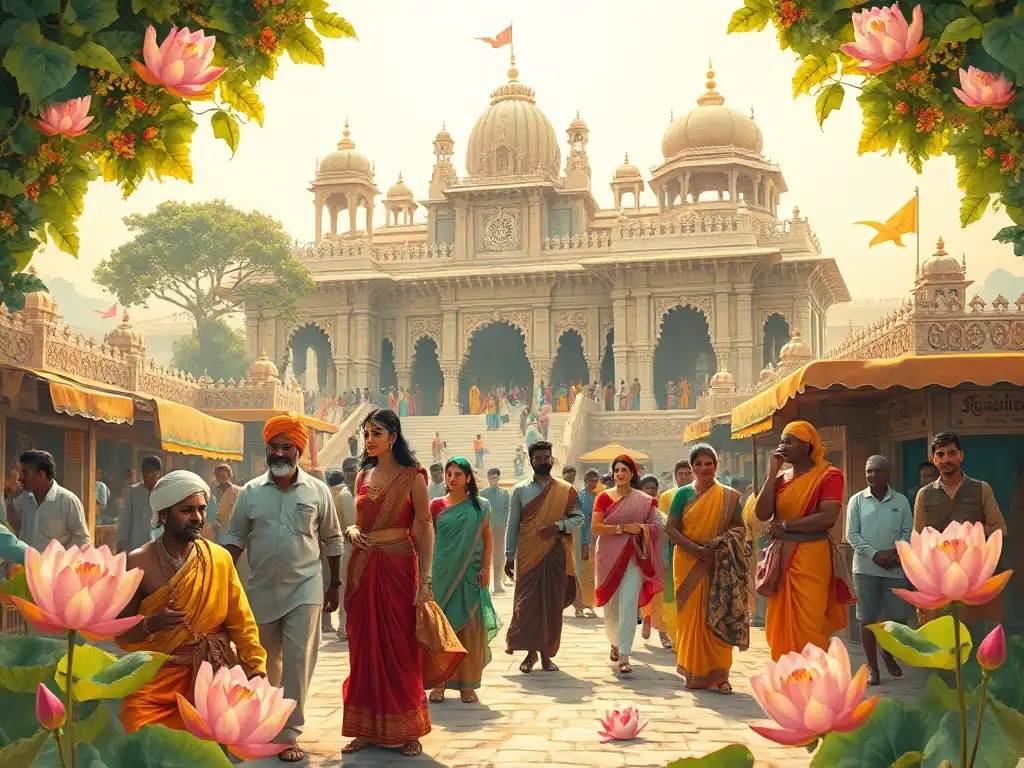
Introduction to the Caste System in Ancient India
The caste system is a fundamental aspect of ancient Indian society, intricately woven into the fabric of its culture, religion, and art. This hierarchical social structure, which categorizes individuals into distinct groups or "castes," has shaped the social dynamics of India for centuries.
Understanding the caste system not only provides insights into the daily lives and roles of ancient Indians but also reveals how these divisions influenced artistic expressions throughout history. From the intricate carvings in temples to the themes depicted in various forms of art, the representation of the caste system in ancient Indian art serves as a mirror reflecting the values, beliefs, and complexities of society during that era.
Overview of the Caste System
The caste system in ancient India is traditionally divided into four primary categories, known as varnas:
- Brahmins - The priestly class, responsible for religious rituals and teaching.
- Kshatriyas - The warrior class, tasked with protection and governance.
- Vaishyas - The merchant class, engaged in agriculture, trade, and commerce.
- Shudras - The laboring class, serving the other three varnas.
This classification was not merely a social hierarchy but also encompassed various sub-castes or jatis, which further defined individuals' roles and responsibilities. While the caste system aimed to maintain social order, it also led to significant disparities and complexities in societal interactions, often restricting mobility and access to resources based on one’s caste.
Historical Context and Development
The origins of the caste system can be traced back to ancient texts such as the Rigveda, where the division of society into different groups is first mentioned. Over time, this system became more rigid, influenced by various factors including:
- Religious beliefs: The intertwining of caste with Hindu religious doctrines solidified its acceptance and practice.
- Economic factors: The specialization of labor contributed to the establishment of distinct roles within society, leading to the emergence of jatis.
- Political dynamics: As kingdoms rose and fell, the caste system adapted, becoming a tool for political control and societal organization.
Art from various periods, such as the Maurya and Gupta empires, illustrates these dynamics, portraying not just the caste system but also the interactions between different castes through visual narratives.
The Caste System in Ancient Indian Society
The caste system was not merely a social construct; it was integral to the daily lives of ancient Indians, influencing both personal identity and community relations.
Hierarchical Structure of the Caste System
The hierarchical nature of the caste system dictated social interactions, marriage, and even dietary practices. Individuals were expected to remain within their caste, adhering to specific customs and norms. This stratification reinforced a sense of order but also led to significant inequalities. The upper castes enjoyed privileges, while the lower castes often faced discrimination and marginalization.
Roles and Responsibilities of Different Castes
Each caste carried distinct roles and responsibilities, which were crucial for the functioning of society. For example:
- Brahmins were responsible for spiritual guidance and education.
- Kshatriyas protected the realm and enforced law.
- Vaishyas contributed to economic stability through trade and agriculture.
- Shudras provided essential labor, often engaged in menial tasks.
The interplay of these roles is vividly captured in ancient Indian art, where scenes depicting daily life, religious ceremonies, and historical events often highlight the contributions and interactions of various castes. This artistic representation serves as a valuable resource for understanding the social fabric of ancient India and the lasting impact of the caste system on its cultural heritage.
Artistic Expressions of the Caste System
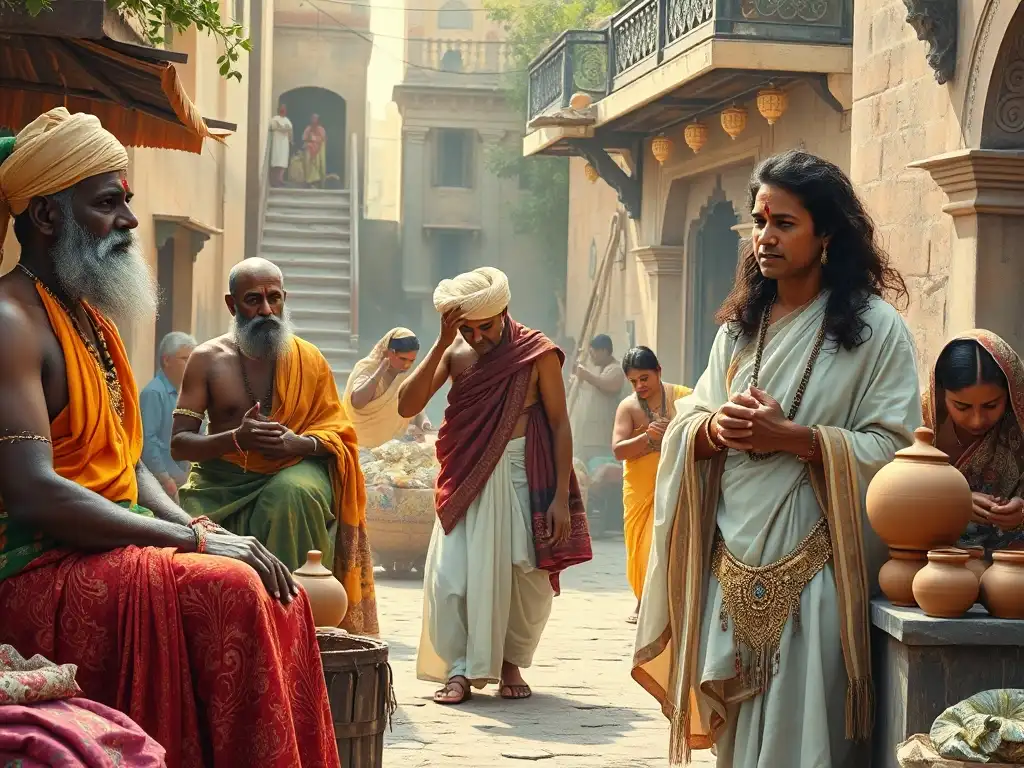
Art in ancient India served as a vital tool for expressing societal structures, including the intricate framework of the caste system. Through various artistic forms, the nuances of caste roles, duties, and identities were visually articulated, reflecting not just the hierarchy but also the cultural values and beliefs associated with each caste. Artists drew inspiration from religious texts, societal norms, and daily life, effectively embedding the caste system into their works.
Significance of Art in Ancient Indian Culture
Art was intricately woven into the fabric of ancient Indian society, serving not only as a form of aesthetic expression but also as a means of communication and preservation of cultural identity. It played a crucial role in:
- Religious Practices: Art was often used in temples and during rituals, conveying spiritual beliefs and caste-related duties.
- Social Commentary: Artists used their craft to comment on societal norms, reflecting both adherence to and resistance against the established hierarchies.
- Cultural Education: Art forms acted as educational tools, passing down knowledge of the caste system to future generations, often through stories depicted in visual formats.
The significance of art transcended mere decoration; it was a means of storytelling that conveyed the complexities of the social order.
Representation of Castes in Various Art Forms
Different art forms in ancient India represented the caste system in unique ways. This representation varied across mediums, including:
- Sculptures: Often found in temples and public spaces, sculptures depicted deities, humans, and mythical creatures, embedding caste narratives within their form and function.
- Paintings: Manuscript illustrations and wall paintings provided a vivid portrayal of daily life, showcasing the interactions and roles of different castes within society.
- Architecture: The design of temples and homes reflected the social hierarchy, with certain areas designated for specific castes, visually reinforcing the caste system's societal structure.
These varied representations underscore the pervasive influence of the caste system within the artistic expressions of ancient India.
Visual Depictions of the Caste System in Ancient Indian Art
Visual art served as a mirror reflecting the social stratification of ancient Indian society. The caste system was not only a social construct but also a prominent theme in the visual arts, emphasizing its inextricable link with daily life and spirituality.
Sculpture and Relief Work
Sculptures and relief work from ancient India often depicted the caste system through the portrayal of various social roles and divine figures. Temples housed intricate carvings that illustrated:
- Deities and Their Followers: Many sculptures depicted deities accompanied by their devotees, showcasing the reverence of different castes towards divine figures.
- Scenes of Daily Life: Reliefs frequently portrayed daily activities, emphasizing the roles and responsibilities associated with different castes, such as laborers, artisans, and priests.
- Symbolic Representations: Certain motifs and symbols in sculptures represented caste identities, reinforcing the societal hierarchy through visual language.
This form of art provided insight into the values and norms of ancient Indian society while serving a devotional purpose.
Paintings and Manuscripts
Paintings and manuscript illustrations were pivotal in depicting the caste system's intricacies. They often included:
- Narrative Scenes: These artworks illustrated stories from epics and texts, showcasing interactions among different castes and highlighting their roles in societal functions.
- Rituals and Ceremonies: Many paintings captured significant rituals, emphasizing the participation of various castes in religious and cultural events, thus portraying their importance in the social fabric.
- Symbolism: Colors, patterns, and figures used in paintings often held symbolic meanings, representing the characteristics and duties associated with each caste.
Through vibrant imagery, these forms of art enriched the understanding of the caste system and its implications within ancient Indian society.
Architecture and Temples
The architecture of ancient Indian temples and public buildings provided a structural representation of the caste system. Key elements included:
- Spatial Organization: Temples were designed with specific areas designated for different castes, reflecting the societal hierarchy and ensuring that spaces were utilized according to caste norms.
- Religious Iconography: The placement of deities and the layout of temple complexes often mirrored the caste system, with higher castes typically given more prominent positions in both art and architecture.
- Community Spaces: Some architectural designs included communal areas that facilitated interaction among castes, illustrating the complexities of social dynamics while still adhering to the overarching caste structure.
These architectural choices not only served a functional purpose but also reinforced the caste system's significance within the spiritual and social realms of ancient India.
The caste system in ancient India was not merely a social stratification but also a profound influence on the cultural, religious, and artistic expressions of the time. Artworks from various eras often depict the complexities of this social structure, reflecting the values, duties, and roles associated with each caste. Symbolism plays a significant role in this representation; for instance, certain colors, postures, and settings are meticulously chosen to convey the status and attributes of different social classes.
Artistic themes related to the caste system often explore concepts such as purity, duty (dharma), and hierarchy. The depiction of gods and goddesses frequently illustrates the divine sanction of the caste system, where the Brahmins are shown as mediators between the divine and the earthly realms. In contrast, representations of lower castes may highlight their labor and service roles, often lacking the same divine connection. This disparity in representation offers a lens through which to understand the societal values and hierarchies inherent in ancient Indian civilization.
Moreover, the themes in caste-related art frequently highlight the interactions between different social classes. These interactions can be seen as a reflection of the social dynamics of the time, where cooperation, conflict, and coexistence among castes are artistically rendered. This complexity adds depth to the understanding of how the caste system was not only a rigid framework but also a fluid social reality that evolved over time.
Common Motifs Related to Social Classes
Common motifs in ancient Indian art that relate to the caste system include specific attire, tools, and occupations representative of various social classes. For instance, the portrayal of Brahmins usually includes elements like sacred thread (yajnopavita) and specific types of clothing, symbolizing their scholarly and priestly status. Conversely, artisans and laborers may be depicted with tools of their trade, such as pottery or agricultural implements, which signify their roles in society.
Other motifs may emphasize the rituals and ceremonies central to each caste's duties. For example, depictions of sacrificial rituals often showcase Brahmins performing sacred rites, while scenes of communal feasts may include representations of lower castes serving food, illustrating the hierarchical nature of social gatherings. These motifs serve as visual narratives that communicate the distinct identities and responsibilities associated with different castes.
In addition, the use of animals in art can also signify caste-related themes. Certain animals may be associated with specific castes; for example, cows are revered in Brahmin culture, while elephants might be linked to royalty. Such motifs contribute to a broader understanding of how caste identity permeated various aspects of life in ancient India.
Depictions of Daily Life and Caste Interactions
Artworks from ancient India frequently depict scenes of daily life that highlight interactions among different castes. These depictions are essential for understanding the social fabric of the time, as they illustrate how individuals from various backgrounds engaged with one another in both cooperative and conflictual contexts.
For instance, frescoes and sculptures often portray market scenes where traders, artisans, and common folk mingle, reflecting the economic interdependence of different castes. Such interactions demonstrate that while the caste system imposed certain social boundaries, practical realities often blurred those lines, allowing for limited mobility and exchange among classes.
Additionally, artistic representations of religious festivals or communal gatherings provide insights into the social dynamics of caste interactions. These scenes may depict individuals from various castes coming together to celebrate, suggesting a complex relationship between social hierarchy and community life. Although castes maintained distinct roles, these artworks reveal moments where the rigid boundaries of the caste system were temporarily transcended, highlighting the nuances of social interaction in ancient India.
Case Studies of Notable Artworks
"The Dancing Girl": Analysis and Significance
One of the most iconic representations of ancient Indian art is the bronze statue known as "The Dancing Girl," discovered at Mohenjo-Daro, dating back to the Indus Valley Civilization around 2500 BCE. This figure, characterized by its confident posture and intricate details, offers significant insights into the cultural and social context of the time.
The "Dancing Girl" is believed to represent a young female dancer, possibly indicating the presence of performing arts in ancient Indian society. Her posture suggests movement, embodying grace and poise, which may reflect the status of entertainers in a society that valued artistic expression. The absence of elaborate clothing and adornments indicates a departure from the rigid caste roles typically depicted in later artworks, hinting at a more fluid social structure during the Indus Valley period.
Furthermore, this artwork raises questions about gender roles and the position of women in ancient Indian society. The portrayal of a female figure in a confident and dynamic stance challenges conventional depictions of women in subservient roles, suggesting that women could also occupy spaces of creativity and expression within the social framework.
"Ajanta Cave Paintings": Cultural Context and Impact
The Ajanta Caves, a UNESCO World Heritage site, feature exquisite murals and sculptures that date back to the 2nd century BCE to the 6th century CE. These artworks not only showcase the artistic prowess of ancient Indian artisans but also serve as a rich source of information regarding the caste system and its cultural context.
The paintings depict various scenes from the Jataka tales, which narrate the previous lives of the Buddha, often illustrating moral lessons relevant to the caste system. For instance, some scenes highlight the virtues of compassion and altruism, transcending caste boundaries and promoting inter-caste harmony. This thematic focus suggests that while the caste system was a prevailing societal structure, there was also a concurrent philosophical discourse encouraging moral rectitude over rigid social divisions.
Moreover, the Ajanta artworks reflect the patrons' concerns—primarily the monastic communities and wealthy merchant classes—who often belonged to higher castes. The presence of such patrons can be seen in the intricate details and the investment in these caves, indicating the role of economic power in shaping artistic expression. The Ajanta paintings, therefore, encapsulate the interplay between art, caste, and the socio-economic dynamics of ancient India, making them a vital study in understanding the representation of the caste system in ancient Indian art.
The Evolution of the Caste System Representation in Art
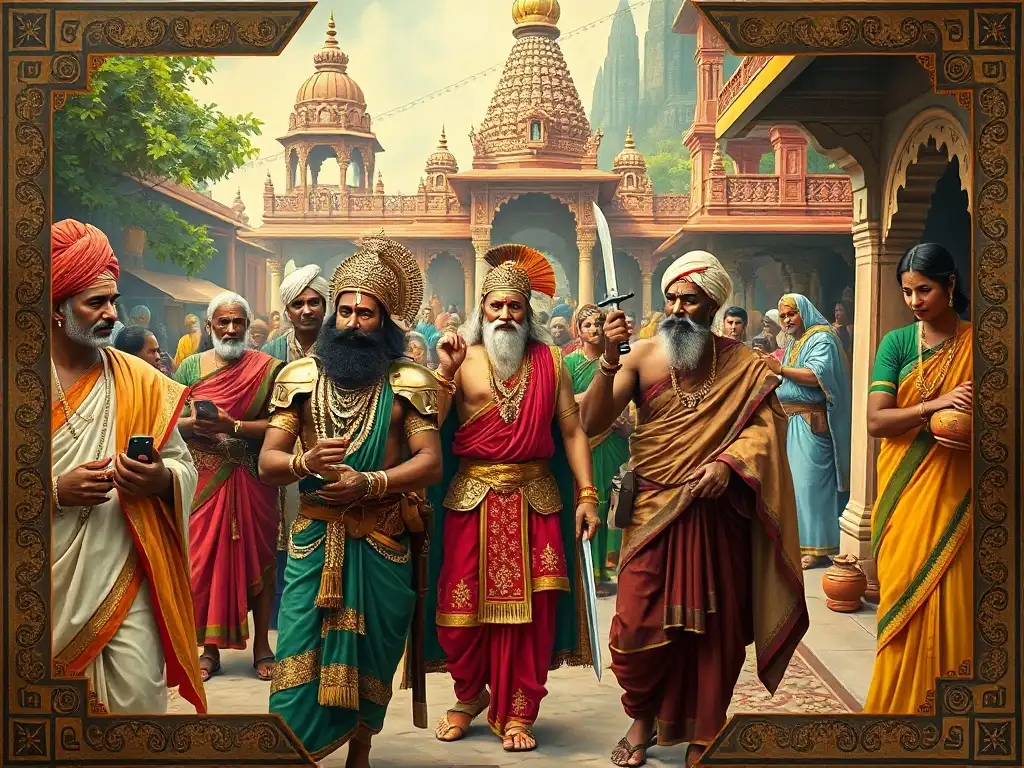
The representation of the caste system in ancient Indian art reflects the intricate social hierarchy and cultural values that shaped Indian civilization over centuries. Initially, the caste system was more fluid, with art portraying a variety of themes related to daily life, spirituality, and the interactions among different social groups. However, as time progressed, the representation of caste became more distinct, often illustrating the rigid divisions among various castes.
Art forms such as sculpture, painting, and architecture evolved to encapsulate these social dynamics. Early representations often depicted a harmonious coexistence among castes, while later works began to emphasize the roles and duties associated with each caste, aligning closely with the prevailing religious and philosophical ideologies of the time. The artistic portrayal of caste not only served aesthetic purposes but also acted as a social commentary on the stratifications inherent in society.
Changes Over Time: From Ancient to Medieval
The transition from ancient to medieval India witnessed significant changes in the representation of the caste system in art. During the early periods, such as the Indus Valley Civilization, art was largely abstract and did not explicitly depict caste distinctions. Instead, artifacts featured motifs from nature and daily life, suggesting a community-centric perspective.
As the Vedic period emerged, there was a gradual shift towards defining social roles, with art beginning to portray the four primary varnas (Brahmins, Kshatriyas, Vaishyas, and Shudras). This change was evident in temple sculptures and reliefs, where deities were often depicted alongside figures representing various castes, highlighting their roles in religious and social contexts.
By the medieval period, particularly during the Gupta Empire, the representation became more pronounced. Artworks began to clearly delineate caste identities, often depicting scenes of rituals, occupations, and social interactions that reinforced the hierarchical structure. The intricate carvings on temples, such as those found in Khajuraho and Ellora, vividly illustrated the roles of different castes, often celebrating the achievements of the higher castes while relegating others to the background.
Influence of Religion and Philosophy on Caste Art
Religion and philosophy played a crucial role in shaping the representation of the caste system in ancient Indian art. The doctrines of Hinduism, Buddhism, and Jainism deeply influenced how caste was perceived and represented. Hindu texts, such as the Manusmriti, provided guidelines on social order, which were often reflected in artistic expressions of the time.
In Hindu art, the portrayal of deities often included attendants from different castes, signifying the divine approval of the social order. This was particularly evident in temple architecture, where sculptures depicted various castes in service roles to the deities. Similarly, Buddhist art, while generally promoting more egalitarian values, still acknowledged the caste system through the depiction of the Buddha's interactions with followers from various backgrounds.
Philosophical schools, including those advocating for dharma (moral order), also influenced artistic representations. The emphasis on duty and righteousness often reinforced caste roles, leading to art that highlighted the importance of fulfilling one's societal obligations. This intertwining of art, religion, and philosophy created a complex narrative that both reflected and shaped the cultural understanding of the caste system.
Conclusion: The Legacy of the Caste System in Ancient Indian Art
The legacy of the caste system in ancient Indian art is a multifaceted tapestry that reveals much about the social fabric of the time. Through various art forms, the complexities of caste dynamics are documented, illustrating not only the hierarchy but also the interactions and relationships among different social groups. This artistic legacy serves as a historical record, offering insights into how societal structures influenced cultural expressions.
Reflections on Social Structure and Artistic Expression
The reflection of social structure in artistic expression is an essential aspect of understanding the caste system in ancient India. Artworks from different periods provide a visual narrative of the evolving perceptions of caste, illustrating how social norms were both upheld and challenged through creative mediums. These representations reveal the power dynamics and cultural attitudes toward caste, enabling contemporary audiences to engage with the historical context behind the art.
Moreover, the evolution of these representations highlights the adaptability of art in responding to changing societal values. As social structures evolved, so too did artistic expressions, reflecting shifts in ideology, power, and identity. This ongoing dialogue between art and society underscores the importance of studying ancient Indian art as a means of understanding the historical complexities of the caste system.
The Importance of Understanding Caste Representation in Art
Understanding the representation of caste in ancient Indian art is crucial for comprehending the broader social, cultural, and political landscapes of historical India. It offers insights into the values and beliefs that shaped individual and collective identities over time. Moreover, examining these representations allows for a deeper appreciation of the nuanced ways in which artists have depicted societal structures, providing a lens through which modern audiences can explore themes of inequality, identity, and cultural heritage.
In contemporary discussions about caste and social justice, analyzing historical representations in art serves as a powerful reminder of the enduring impact of these social systems. It encourages a critical engagement with the past and prompts reflections on how art can continue to serve as a medium for dialogue about social issues, fostering a more inclusive understanding of history and its implications for the present.
Further Reading and Resources on Caste System and Ancient Indian Art
Understanding the intricate relationship between the caste system and its representation in ancient Indian art requires a deeper exploration of relevant literature and online resources. This section provides a curated list of recommended books, articles, and digital resources to enhance your knowledge of this complex topic.
Recommended Books and Articles
-
"The Caste System in India: A Historical Perspective" by R. S. Sharma
This comprehensive work delves into the origins and evolution of the caste system in India, exploring its social, economic, and cultural dimensions. Sharma provides insights into how these aspects influenced various forms of art throughout ancient Indian history.
-
"Indian Art and Architecture" by Thomas Donaldson
Donaldson's book examines the diverse artistic expressions in ancient India, including how the caste system shaped artistic patronage and representation in sculpture, painting, and architecture.
-
"Caste: A Very Short Introduction" by Kim Knott
This concise text offers a clear overview of the caste system's historical and contemporary significance in Indian society. It also discusses the reflections of caste in cultural expressions, including art and literature.
-
"Art and Society in India" by M. C. Joshi
Joshi analyzes the social context of art in India, emphasizing how the caste system influenced the themes, subjects, and styles of various artistic forms throughout history.
-
"The Dynamics of Caste and Art in Ancient India" by Sudha Menon
This scholarly article focuses on the interplay between caste and artistic traditions in ancient India, providing specific examples of how caste identities were represented in art.
Online Resources for Deeper Exploration
-
Digital India: Cultural Heritage
A valuable online platform that showcases various aspects of Indian culture, including detailed sections on ancient art forms and their connections to the caste system.
-
The British Museum - Indian Art
This resource offers access to a vast collection of images and descriptions of ancient Indian art, including artifacts that reflect the caste system's influence.
-
The National Museum of India - Virtual Tours
The National Museum provides virtual tours that highlight significant artifacts related to the caste system and their artistic representations. This interactive experience enhances understanding of the context behind these works.
-
Academia.edu
A repository of academic articles where scholars share their research on topics related to the caste system and ancient Indian art. Users can search for specific papers and follow research trends in this field.
-
YouTube - Ancient Indian Art Documentaries
A selection of documentaries available on YouTube that explore topics such as the caste system and its reflection in various art forms. These visual resources can provide a more immersive understanding of the subject.
By engaging with these resources, readers can gain a well-rounded perspective on the caste system in ancient Indian art, allowing for a deeper appreciation of its significance within the broader context of Indian history and culture.
- Introduction to the Caste System in Ancient India
- Overview of the Caste System
- Historical Context and Development
- The Caste System in Ancient Indian Society
- Artistic Expressions of the Caste System
- Visual Depictions of the Caste System in Ancient Indian Art
- Symbolism and Themes in Caste-related Art
- Case Studies of Notable Artworks
- The Evolution of the Caste System Representation in Art
- Conclusion: The Legacy of the Caste System in Ancient Indian Art
- Further Reading and Resources on Caste System and Ancient Indian Art
- What is the caste system in ancient India?
- How is the caste system depicted in ancient Indian art?
- What role did the caste system play in the society of ancient India?
- Can you name some art forms that represent the caste system in ancient India?
- How has the caste system influenced modern perceptions of ancient Indian art?
Frequently Asked Questions
What is the caste system in ancient India?
The caste system is a hierarchical social structure that divided people into different groups, influencing their occupations, social interactions, and cultural practices throughout ancient India.
How is the caste system depicted in ancient Indian art?
Ancient Indian art often features symbolic representations of the caste system through iconography, such as deities and mythological narratives, showcasing the roles and duties associated with each caste.
What role did the caste system play in the society of ancient India?
The caste system played a crucial role in maintaining social order, establishing community identities, and regulating economic activities within ancient Indian societies.
Can you name some art forms that represent the caste system in ancient India?
Various art forms such as sculptures, temple frescoes, and miniature paintings illustrate the caste system, often highlighting the interactions and hierarchies between different castes.
How has the caste system influenced modern perceptions of ancient Indian art?
The caste system continues to affect modern interpretations of ancient Indian art by prompting discussions on social justice, cultural heritage, and the evolution of societal norms over time.
Final Reflection: The Enduring Legacy of the Caste System in Ancient Indian Art
The exploration of the caste system in ancient Indian art reveals a profound connection between social hierarchy and cultural expression. Today, as we navigate a world increasingly aware of social inequalities, understanding the historical context of the caste system becomes crucial. The intricate representations in ancient art not only reflect societal norms of their time but also challenge us to confront the lingering impacts of these structures in contemporary society.
Cultural narratives are often shaped by the art that surrounds us, and the caste system's representation in ancient Indian art serves as a poignant reminder of the complexities of human relationships. The visual storytelling found in sculptures and paintings invites us to reflect on the roles and identities assigned to individuals based on their caste. Art is the most beautiful of all lies.
This quote resonates deeply as it highlights how art can both conceal and reveal truths about societal structures, urging us to question the narratives we inherit.
As we conclude this exploration, I invite you to reflect on the lessons embedded in the art of the past and consider how they resonate in your own life. How can an understanding of these historical representations inspire you to challenge social norms and advocate for equity in your community? By engaging with the themes of the caste system in ancient Indian art, we can foster a deeper appreciation for diversity and work towards a more inclusive future.
Unveil the Rich Tapestry of Ancient Indian Art!
Thank you for taking the time to delve into the fascinating world of the caste system and its portrayal in ancient Indian art. Your interest enhances our collective understanding of the cultural expressions that shaped this civilization. Now, let’s explore how you can deepen your connection with this remarkable history!
- Dive deeper: Visit local museums or galleries that showcase ancient Indian art to see the representations of the caste system firsthand and appreciate their significance.
- Share your insights: Engage in discussions about the caste system and its artistic interpretations with friends or on social media—inviting others to join the conversation can foster enlightening discussions about our shared history!
- Join a community: Participate in workshops or online forums that focus on ancient Indian culture, allowing you to connect with others who share your passion.
What aspect of ancient Indian art resonates with you the most, and how do you believe it reflects the social structures of its time?