
The Vedas in the Modern World: Relevance and Interpretation

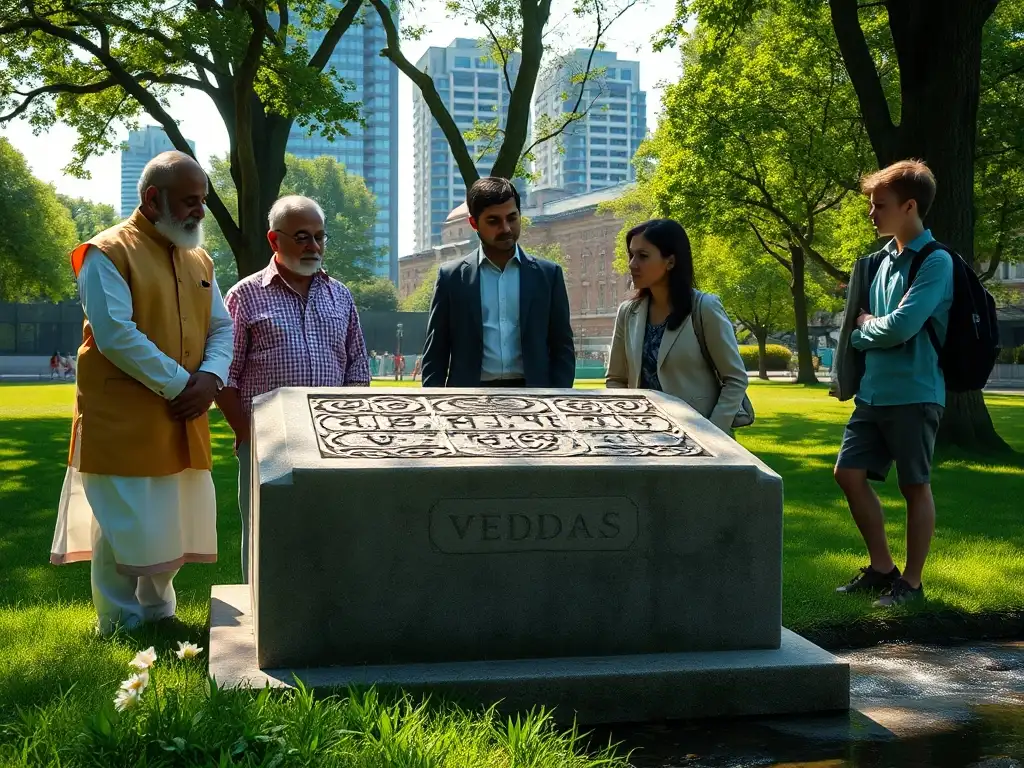
Welcome to Ancient India History, where we embark on a fascinating journey through the rich tapestry of ancient Indian civilizations. Our exploration begins with a deep dive into the Vedas, those timeless texts that continue to resonate in today's world. How do these ancient scriptures hold relevance in modern society?
In our featured article, "The Vedas in the Modern World: Relevance and Interpretation," we unravel the profound connections between these sacred writings and contemporary life. Prepare to be intrigued as we bridge the past with the present, inviting you to discover the enduring wisdom that the Vedas offer. Let the adventure begin!
- Introduction to the Vedas in the Modern World
- The Relevance of the Vedas in Modern Society
- Interpretation of the Vedas: Historical Context
- Modern Applications of Vedic Knowledge
- Challenges in Understanding Vedas Today
- Case Studies: Vedas in Action
- Conclusion: The Future of Vedas in Modern Society
- Frequently Asked Questions
- Final Reflection: The Enduring Relevance of the Vedas in Modern Society
- Embrace the Wisdom of the Vedas Today!
Introduction to the Vedas in the Modern World
The Vedas, revered as the foundational texts of Hindu philosophy and spirituality, hold a significant place not only in ancient Indian civilization but also in contemporary society. These ancient scriptures, composed in Sanskrit between 1500 and 500 BCE, encapsulate a wealth of knowledge encompassing theology, philosophy, rituals, and ethics.
As we explore the Vedas' relevance in modern society, it becomes clear that their teachings extend beyond spiritual practices, influencing various aspects of contemporary life, including culture, education, and moral values. This article endeavors to delve into the profound wisdom of the Vedas, examining their enduring significance and interpretations that resonate with today's world.
Understanding the Vedas: An Overview
The Vedas consist of four main texts: the Rigveda, Samaveda, Yajurveda, and Atharvaveda. Each Veda is comprised of hymns, mantras, and rituals that address various dimensions of human experience and the cosmos.
- Rigveda: This is the oldest of the four Vedas and primarily contains hymns dedicated to deities, exploring themes of creation and cosmology.
- Samaveda: Known as the "Veda of Melodies," it focuses on musical chants and is essential for ritualistic purposes.
- Yajurveda: This Veda provides instructions for rituals, highlighting the importance of performing sacrifices and offerings.
- Atharvaveda: Distinct from the others, it encompasses spells, charms, and philosophical discussions, addressing more practical aspects of life.
The Vedas not only serve as spiritual guides but also as a reflection of the social, political, and economic fabric of ancient India.
Importance of Vedas in Ancient Indian Civilization
The Vedas played a crucial role in shaping the cultural and intellectual landscape of ancient India. They provided a framework for understanding the universe and humanity's place within it, influencing various domains of life:
- Philosophical Foundations: The Vedas introduced concepts such as dharma (duty), karma (action), and moksha (liberation), which remain central to Indian philosophy.
- Cultural Practices: Rituals and ceremonies outlined in the Vedas established the foundation for various cultural traditions, fostering a sense of community and shared identity.
- Educational Influence: The oral tradition of Vedic recitation laid the groundwork for formal education in ancient India, emphasizing the importance of knowledge and scholarship.
Through their multifaceted contributions, the Vedas have not only enriched ancient Indian civilization but continue to offer profound insights into the complexities of modern life, making their relevance undeniable in today's world.
The Relevance of the Vedas in Modern Society

The Vedas, composed over three millennia ago, continue to resonate within contemporary society, providing a profound connection to India's spiritual, philosophical, and cultural heritage. Their teachings offer insights that are not only relevant to individuals seeking personal growth but also serve as a guiding framework for societal values and ethics. In today's fast-paced world, where materialism often overshadows spiritual pursuits, the Vedas remind us of the importance of a balanced life, integrating both material and spiritual well-being.
Exploring Vedas Relevance in Modern Society
The significance of the Vedas in modern society can be seen in various domains, including education, spirituality, and social ethics.
- Spiritual Guidance: Many individuals turn to the Vedas for spiritual solace and guidance. The texts emphasize the importance of self-realization and understanding one's purpose, which resonates with those seeking deeper meaning in their lives.
- Cultural Identity: The Vedas serve as a cornerstone of Indian cultural identity. Their recitation and the rituals associated with them play a pivotal role in traditional ceremonies, thereby fostering a sense of belonging and continuity across generations.
- Holistic Living: The Vedic principles advocate for a holistic approach to life, emphasizing the interconnection of mind, body, and spirit. This perspective has sparked interest in practices such as yoga and meditation, which have gained immense popularity worldwide.
The relevance of the Vedas in modern society is manifested through their enduring influence on personal spirituality, cultural practices, and holistic living.
How Vedas Shape Contemporary Ethical and Moral Frameworks
The ethical and moral frameworks derived from the Vedic texts continue to inform societal norms and individual conduct in various ways:
- Dharma: Central to Vedic philosophy is the concept of dharma, or righteous duty. This principle serves as a guiding force for individuals in making decisions that align with social and personal responsibilities.
- Ahimsa: The Vedic texts advocate for non-violence (ahimsa), a value that has transcended time and inspired modern movements for peace and social justice. Leaders like Mahatma Gandhi drew upon Vedic teachings to promote non-violent resistance against oppression.
- Satyam: The pursuit of truth (satyam) is another critical tenet of Vedic philosophy. In an era marked by misinformation and ethical dilemmas, the emphasis on truthfulness serves as a moral compass for individuals and institutions alike.
- Respect for Nature: The Vedas also promote a deep respect for nature and the environment, recognizing the interconnectedness of all life. This principle is increasingly relevant today as society grapples with environmental challenges and the need for sustainable practices.
The teachings of the Vedas continue to shape contemporary ethical and moral frameworks, providing timeless wisdom applicable in various aspects of modern life.
Vedic Philosophy and Its Impact on Modern Thought
Vedic philosophy has significantly impacted modern thought across multiple disciplines:
- Philosophy: The Vedas laid the groundwork for various philosophical schools in India, including Vedanta and Samkhya. Their exploration of metaphysical concepts has enriched philosophical discourse globally, influencing thinkers such as Carl Jung and Aldous Huxley.
- Psychology: Concepts derived from Vedic texts, such as mindfulness and meditation, have permeated modern psychology, offering therapeutic techniques that promote mental health and well-being.
- Education: The Vedic approach to education emphasizes holistic development, encouraging critical thinking and self-inquiry. This model has inspired contemporary educational systems that prioritize experiential learning and character development.
- Social Sciences: Vedic teachings on community and social responsibilities have influenced social sciences, urging a more integrated understanding of societal dynamics and the importance of collective well-being.
Vedic philosophy continues to inspire and shape modern thought, offering invaluable insights across various fields that contribute to a more profound understanding of the human experience and ethical living.
Interpretation of the Vedas: Historical Context
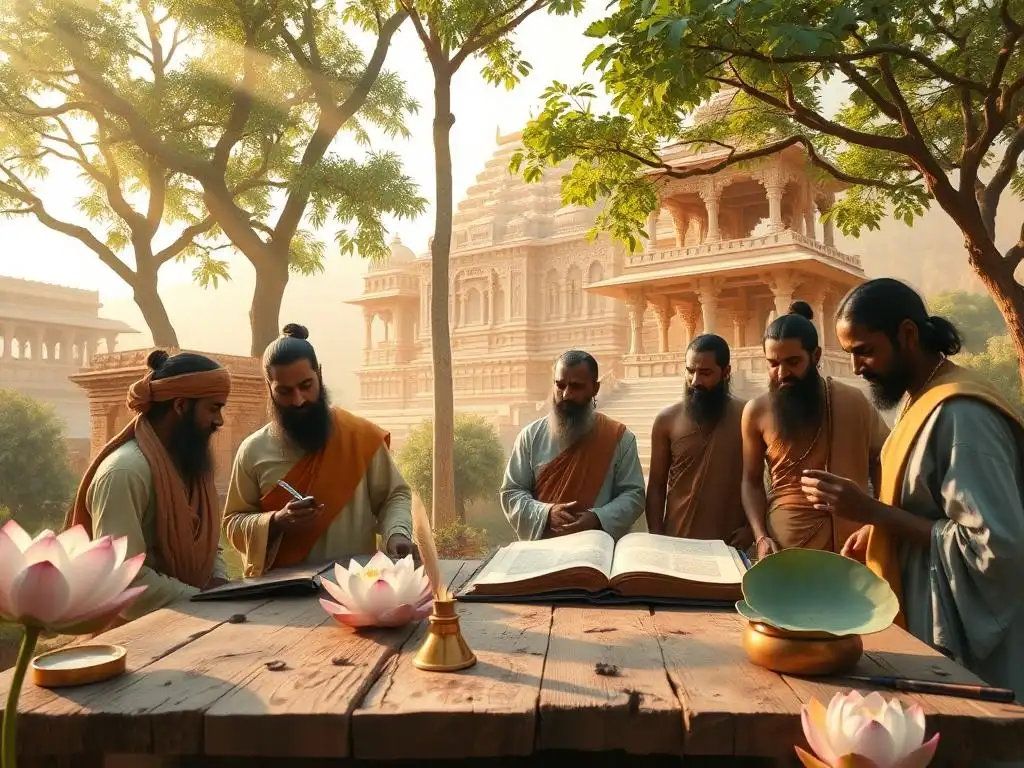
The Vedas, as the oldest sacred texts of Hinduism, comprise a vast body of knowledge that has shaped Indian philosophy, spirituality, and culture. Understanding their interpretation requires exploring the historical context in which these texts were composed and how their meanings have evolved over centuries.
Historical Perspectives on Vedic Texts
The Vedas, written in ancient Sanskrit, are divided into four main collections: the Rigveda, Samaveda, Yajurveda, and Atharvaveda. Each of these texts serves distinct purposes, from hymns and rituals to philosophical discourses. The historical perspectives on the Vedas can be categorized into several key points:
- Authorship and Composition: Traditionally attributed to sages (rishis), the Vedas were composed between 1500 and 500 BCE. Their oral transmission emphasizes the importance of sound and recitation in preserving knowledge.
- Cultural Significance: The Vedas reflect the socio-cultural milieu of ancient India, showcasing a society that revered nature and the cosmos. The hymns often express reverence for deities like Agni (fire) and Indra (thunder), indicating a polytheistic belief system prevalent at the time.
- Philosophical Foundations: The Vedas laid the groundwork for various philosophical schools, including Vedanta and Samkhya. Philosophers like Adi Shankaracharya later interpreted the Vedic texts to address metaphysical questions, such as the nature of reality and the self (Atman).
- Ritual Practices: The Brahmanas, texts that accompany the Vedas, elaborate on the rituals and sacrifices prescribed in the Vedic literature. This highlights how the Vedas served as a guide for spiritual and communal practices.
The Vedas are not merely texts; they are the embodiment of a civilization's ethos.
Evolution of Vedic Interpretations Over Time
The interpretation of the Vedas has undergone significant evolution, influenced by historical, cultural, and philosophical shifts.
- Classical Commentaries: From the 5th century CE onwards, scholars like Sayana provided comprehensive commentaries on the Vedas, interpreting them in the context of their time. These interpretations often emphasized ritualistic aspects, aligning Vedic practices with contemporary Hinduism.
- Medieval Period: During the medieval era, with the rise of Bhakti movements, the focus shifted from ritual to personal devotion (bhakti). Vedic texts were reinterpreted to emphasize devotion to a personal god, making them accessible to a broader audience.
- Modern Scholarship: In the 19th and 20th centuries, Western scholars such as Max Müller and A. A. Macdonell approached the Vedas from an academic perspective, analyzing their linguistic and historical aspects. This scholarly work often sought to understand the Vedas within the framework of Indo-European studies.
- Contemporary Relevance: In modern society, the Vedas are often explored for their philosophical insights and ethical teachings rather than purely ritualistic interpretations. Themes of unity, harmony, and the interconnectedness of all beings resonate with contemporary global issues such as environmentalism and social justice.
| Period | Focus of Interpretation | Key Figures |
|---|---|---|
| Ancient | Rituals and cosmology | Ancient sages (rishis) |
| Classical | Ritualistic and philosophical insights | Sayana |
| Medieval | Personal devotion and ethics | Various Bhakti saints |
| Modern | Linguistic analysis and scholarly critique | Max Müller, A. A. Macdonell |
| Contemporary | Philosophical relevance and ethical teachings | Various modern thinkers |
The journey of Vedic interpretation reflects the dynamic nature of these texts, adapting to the needs and contexts of different eras. As we explore the relevance of the Vedas in modern society, it is essential to consider this historical evolution, which enriches our understanding and appreciation of their enduring significance.
Modern Applications of Vedic Knowledge

Vedic Wisdom in Contemporary Education
The relevance of Vedic knowledge in contemporary education systems is increasingly being recognized. Vedic principles emphasize holistic learning, critical thinking, and the importance of moral values. Many educational institutions are beginning to integrate these teachings into their curricula, focusing on not just academic excellence but also character development.
- Holistic Approach: Vedic education promotes a holistic approach to learning, which encompasses intellectual, emotional, and spiritual growth. This is reflected in the integration of subjects such as yoga and meditation into school programs, fostering mindfulness and emotional intelligence among students.
- Moral and Ethical Values: The Vedas emphasize virtues such as truth, non-violence, and compassion. Educational initiatives that incorporate Vedic teachings aim to instill these values in students, preparing them to become responsible citizens.
- Critical Thinking and Inquiry: The Socratic method of inquiry aligns closely with Vedic methods, encouraging students to question and explore rather than merely memorize. This cultivates a spirit of inquiry that is essential in today’s rapidly changing world.
Influence of Vedic Practices on Modern Wellness and Spirituality
The resurgence of interest in wellness and spirituality has led to a renewed focus on Vedic practices. These ancient teachings provide a rich framework for modern individuals seeking balance and well-being in their lives.
- Yoga and Meditation: The practices of yoga and meditation, rooted in Vedic tradition, have gained global popularity for their physical and mental health benefits. These practices promote relaxation, stress reduction, and enhanced focus, which are essential in today’s fast-paced society.
- Ayurveda: Vedic knowledge also extends to Ayurveda, the ancient system of medicine that emphasizes balance in bodily systems. Many people are turning to Ayurvedic principles to achieve holistic health, understanding that diet, lifestyle, and mental well-being are interconnected.
- Mindfulness Practices: The Vedas teach the importance of being present and aware. Modern mindfulness practices draw from these teachings, helping individuals cultivate a deeper awareness of their thoughts and emotions, thus enhancing overall life satisfaction.
Vedic Contributions to Science and Mathematics in Today's Context
The scientific and mathematical contributions found in Vedic texts remain relevant in contemporary discussions surrounding technology and innovation. The Vedas contain insights that can inspire modern scientific thought.
- Mathematical Concepts: Ancient Indian mathematicians, influenced by Vedic principles, made significant contributions, including the concept of zero and the decimal system. These innovations laid the groundwork for modern mathematics and are critical in today’s technological advancements.
- Astronomy: Vedic texts contain profound astronomical knowledge, including descriptions of planetary movements and eclipses that align with modern scientific findings. This ancient wisdom can inspire contemporary astronomers and physicists as they explore the cosmos.
- Sustainable Practices: The Vedas advocate for living in harmony with nature, a principle that is increasingly relevant as we face environmental challenges. Vedic teachings on sustainability can inform modern practices in agriculture, architecture, and resource management.
The Vedas' relevance in modern society is evident through their applications in education, wellness, and scientific inquiry, providing timeless wisdom that continues to inform and enrich contemporary life.
Challenges in Understanding Vedas Today

The Vedas, revered as the foundational texts of Hindu philosophy and spirituality, present a myriad of challenges for contemporary readers and scholars. These challenges arise from various factors, including the complexity of the language, historical context, and the evolving interpretations of Vedic teachings. As society progresses, the necessity to address these challenges becomes paramount to uncovering the true Vedas relevance in modern society.
Misinterpretations and Misconceptions of Vedic Texts
One of the primary obstacles in understanding the Vedas today is the prevalence of misinterpretations and misconceptions. Here are some key points that highlight these issues:
- Language Barrier: The Vedas are written in Vedic Sanskrit, a language that is not only ancient but also significantly different from modern Sanskrit. This poses a challenge for contemporary readers who may struggle to grasp the nuances embedded in the texts.
- Cultural Context: The Vedas were composed in a vastly different socio-cultural milieu. Many modern readers lack the historical context necessary to understand the references, rituals, and philosophical ideas that permeate the texts.
- Selective Interpretation: Various groups have historically interpreted the Vedas to support specific agendas, often leading to selective readings that distort the original meanings. This can perpetuate misconceptions about the Vedic worldview and its teachings.
- Simplistic Views: The complexity of Vedic philosophy is often oversimplified in modern discourse. For instance, the Vedic concept of Dharma is frequently reduced to mere duty, neglecting its deeper implications of righteousness and moral order.
The Vedas are often misunderstood by those who seek to interpret them without a nuanced understanding of their historical and cultural contexts.
To address these issues, it is essential to engage with the texts critically and recognize the layers of meaning that may be lost in translation or oversimplification.
The Need for Authentic Vedic Scholarship
The advancement of authentic Vedic scholarship is crucial for illuminating the true essence of the Vedas and their relevance today. Here are several aspects that underscore this need:
- Rigorous Study: Authentic scholarship requires a deep and rigorous study of the Vedic texts alongside their commentaries. Scholars with expertise in both Vedic Sanskrit and the historical context of the texts can provide insights that are often overlooked.
- Interdisciplinary Approach: A comprehensive understanding of the Vedas necessitates an interdisciplinary approach, incorporating insights from fields such as archaeology, anthropology, and comparative religion. This broad perspective can help in reconstructing the Vedic narrative in a way that resonates with modern society.
- Cultural Sensitivity: Vedic scholarship must be approached with cultural sensitivity, recognizing the diverse interpretations and practices that have emerged over centuries. Engaging with various schools of thought within Hinduism can enrich our understanding of the Vedas.
- Modern Relevance: Authentic scholarship should also focus on drawing connections between Vedic teachings and contemporary issues, such as ethics, ecology, and social justice. Highlighting these connections can demonstrate the Vedas' relevance in addressing modern societal challenges.
By fostering a scholarly environment that values depth, context, and interdisciplinary dialogue, we can enhance our understanding of the Vedas and affirm their significance in the modern world.
Overcoming the challenges in understanding the Vedas today requires a concerted effort towards authentic scholarship, fostering a deeper appreciation of these ancient texts and their contributions to contemporary society.
Case Studies: Vedas in Action
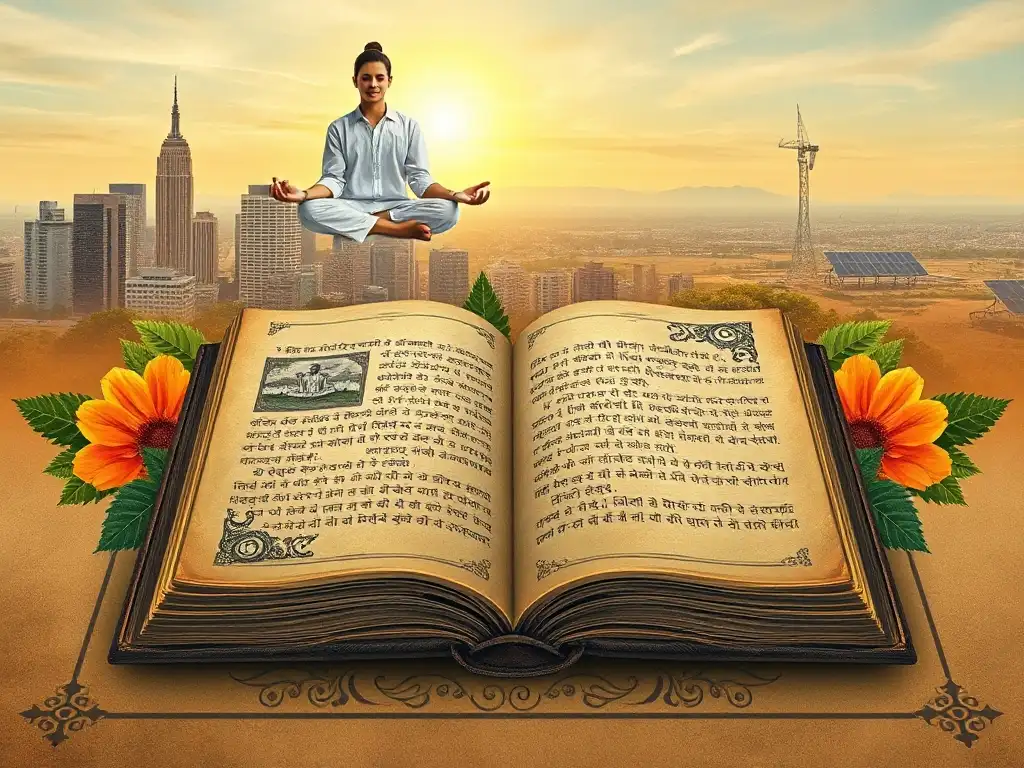
Case Study 1: Vedic Principles in Modern Leadership
The teachings of the Vedas encompass a wealth of wisdom that can be applied to contemporary leadership practices. One notable example is the concept of Dharma (righteousness or duty), which emphasizes ethical conduct and social responsibility. Modern leaders can draw from this principle to foster integrity within their organizations.
Key Aspects of Vedic Leadership:
- Vision and Purpose: Leaders inspired by Vedic teachings often prioritize a clear vision aligned with the greater good. This aligns with the Vedic idea of "Satyam" (truth), where a leader’s authenticity inspires trust and commitment among followers.
- Empathy and Compassion: Vedic texts advocate for compassion, which is crucial in modern leadership. A leader who understands and empathizes with their team creates a supportive environment that enhances productivity and morale.
- Holistic Decision Making: The Vedas encourage consideration of the broader impact of decisions, promoting a sustainable approach to leadership, where long-term benefits are prioritized over short-term gains.
Real-World Example:
A prominent example is Narayan Murthy, co-founder of Infosys, who embodies Vedic principles in his leadership style. His emphasis on ethics, transparency, and social responsibility has made Infosys a model for corporate governance in India. Under his leadership, the company adopted policies that reflect Vedic ideals, such as community service and environmental sustainability.
Case Study 2: The Role of Vedas in Sustainable Living Practices
The Vedas provide a rich framework for sustainable living that resonates strongly in today's context, where environmental challenges are prevalent. The ancient texts advocate for a harmonious relationship between humans and nature, promoting practices that reflect respect and reverence for the environment.
Key Sustainable Practices Derived from the Vedas:
- Ahimsa (Non-violence): This principle encourages a lifestyle that minimizes harm to all living beings. In modern terms, it translates to promoting vegetarianism and cruelty-free products, which are increasingly adopted by environmentally conscious individuals.
- Reverence for Nature: The Vedas teach that nature is sacred and should be treated with respect. This belief fosters practices like organic farming, which aligns with modern sustainable agriculture techniques aimed at preserving soil health and biodiversity.
- Community Living: Vedic teachings emphasize the importance of community and collective well-being. This principle is reflected in the modern resurgence of eco-villages and cooperative living arrangements that prioritize sustainability and shared resources.
Real-World Example:
A practical application of Vedic principles in sustainable living can be seen in the work of organizations like The Art of Living Foundation. Founded by Sri Sri Ravi Shankar, the foundation integrates Vedic wisdom into community development projects that focus on environmental conservation, organic farming, and water management. Their initiatives not only promote sustainable practices but also empower local communities to thrive.
In both case studies, the relevance of the Vedas in modern society is evident, illustrating how ancient wisdom can guide contemporary practices in leadership and sustainable living. Through the application of these principles, individuals and organizations can navigate today's complex challenges while remaining grounded in the values of ancient Indian civilization.
Conclusion: The Future of Vedas in Modern Society

The Vedas, as the foundational texts of ancient Indian philosophy, continue to hold significant relevance in the modern world. Their teachings, which encompass various aspects of life, spirituality, and ethics, can provide profound insights into navigating contemporary challenges. As we delve into the future of Vedic knowledge, it becomes essential to consider how we can sustain and adapt these ancient teachings within a rapidly globalizing society.
Sustaining Vedic Knowledge in a Globalized World
In an era characterized by technological advancements and cultural exchanges, sustaining Vedic knowledge requires a multifaceted approach. Here are some strategies that can be adopted:
- Incorporating Vedic Studies in Education:
- Integrate Vedic philosophy into school curriculums to promote understanding among younger generations.
- Offer university courses focusing on Vedic texts, interpretations, and their implications in modern contexts.
- Digital Platforms for Knowledge Dissemination:
- Utilize online platforms to create accessible content about the Vedas, such as podcasts, webinars, and interactive discussions.
- Develop mobile applications that provide daily verses, interpretations, and reflections on Vedic teachings.
- Interfaith Dialogues:
- Organize interfaith discussions that highlight the universal principles found in the Vedas, fostering a sense of shared values across cultures.
- Encourage collaborations between scholars of different traditions to explore the Vedas’ contributions to ethics and morality.
- Community Engagement:
- Establish community centers that focus on Vedic teachings, promoting discussions, workshops, and cultural events.
- Create support networks for those interested in exploring Vedic philosophy, allowing for mentorship and collaborative learning.
These approaches can help ensure that the wisdom of the Vedas remains alive and relevant, providing guidance and inspiration for individuals and societies in their quest for meaning and purpose.
Final Thoughts on Vedas Relevance and Interpretation
The relevance of the Vedas in modern society is not merely a matter of historical interest but a vital component of spiritual and ethical discourse today. The teachings encapsulated in these texts offer a rich tapestry of insights into human nature, societal values, and the pursuit of truth.
As we interpret the Vedas through contemporary lenses, it is crucial to recognize the adaptability of their principles. The emphasis on concepts such as dharma (duty), karma (action), and moksha (liberation) remains pertinent in addressing modern dilemmas such as environmental sustainability, social justice, and personal well-being.
Moreover, the Vedas encourage introspection and a deeper understanding of one's place in the universe. By promoting mindfulness and a sense of interconnectedness, they can guide individuals in fostering a more compassionate and ethical society.
As we navigate a complex and ever-changing world, the Vedas offer timeless wisdom that can illuminate our path forward. Engaging with these texts not only enriches our understanding of ancient Indian civilization but also empowers us to draw from their teachings to address the pressing issues of our time. Embracing the Vedas in their diverse interpretations ensures their relevance and applicability in shaping a harmonious future.
Frequently Asked Questions
What are the Vedas?
The Vedas are the oldest sacred texts of Hinduism, consisting of four collections: Rigveda, Samaveda, Yajurveda, and Atharvaveda. They contain hymns, rituals, and philosophical teachings that are foundational to Indian spirituality.
How do the Vedas influence modern society?
The Vedas continue to influence modern society through their teachings on ethics, philosophy, and spirituality. Many principles derived from the Vedas are integrated into contemporary practices and cultural traditions.
Are the Vedas relevant to non-Hindus?
Yes, the Vedas offer universal themes such as truth, justice, and spiritual growth that resonate with people of various backgrounds. Their philosophical insights can be appreciated beyond the boundaries of Hinduism.
How can one interpret the Vedas in today's context?
Interpreting the Vedas today involves understanding their metaphorical meanings and applying their teachings to contemporary issues like environmentalism, social justice, and mental well-being.
Where can I learn more about the Vedas?
Many resources are available, including books, courses, and online lectures that explore the Vedas' texts and their implications for modern life. Engaging with scholars or attending discussions can also deepen your understanding.
Final Reflection: The Enduring Relevance of the Vedas in Modern Society
The exploration of the Vedas' relevance in modern society reveals a profound connection between ancient wisdom and contemporary life. As we navigate the complexities of today's world, the teachings of the Vedas offer timeless insights that resonate with our quest for meaning, purpose, and harmony. In a time marked by rapid change and uncertainty, the Vedas remind us that the pursuit of knowledge and spiritual understanding remains as vital as ever.
The influence of the Vedas extends far beyond their historical context; they continue to shape cultural and social landscapes across the globe. Their teachings encourage us to reflect on our values, relationships, and the interconnectedness of all life. As we integrate these principles into our daily lives, we foster a deeper sense of community and responsibility. The Vedas are not just texts; they are a living tradition that invites us to engage with the world in a more profound way.
This ongoing dialogue with ancient wisdom inspires us to seek balance and mindfulness in our actions and decisions.
As we conclude this exploration, I invite you to reflect on how the Vedas can influence your own life. Consider the lessons they impart and how you can apply their teachings to foster personal growth and societal harmony. Embrace the opportunity to connect with this rich heritage and let it guide you in navigating the complexities of modern existence. Together, we can honor the wisdom of the Vedas and ensure its relevance for generations to come.
Embrace the Wisdom of the Vedas Today!
Thank you for taking the time to explore the timeless teachings of the Vedas and their relevance in our modern lives. You've gained valuable insights that can empower and enrich your daily experiences. Now, it's time to put this knowledge into action!
- Dive deeper into Vedic literature by creating a reading schedule—consider exploring one verse each day for a month.
- Join a community or forum dedicated to discussing Vedic philosophy to connect with individuals who share your interests.
- Share your favorite insights from the Vedas on social media and inspire others to uncover their significance.
Which aspect of Vedic wisdom resonates most with you, and how do you envision it impacting your life today?