
The Influence of the Ramayana on Indian Cinema and Theatre

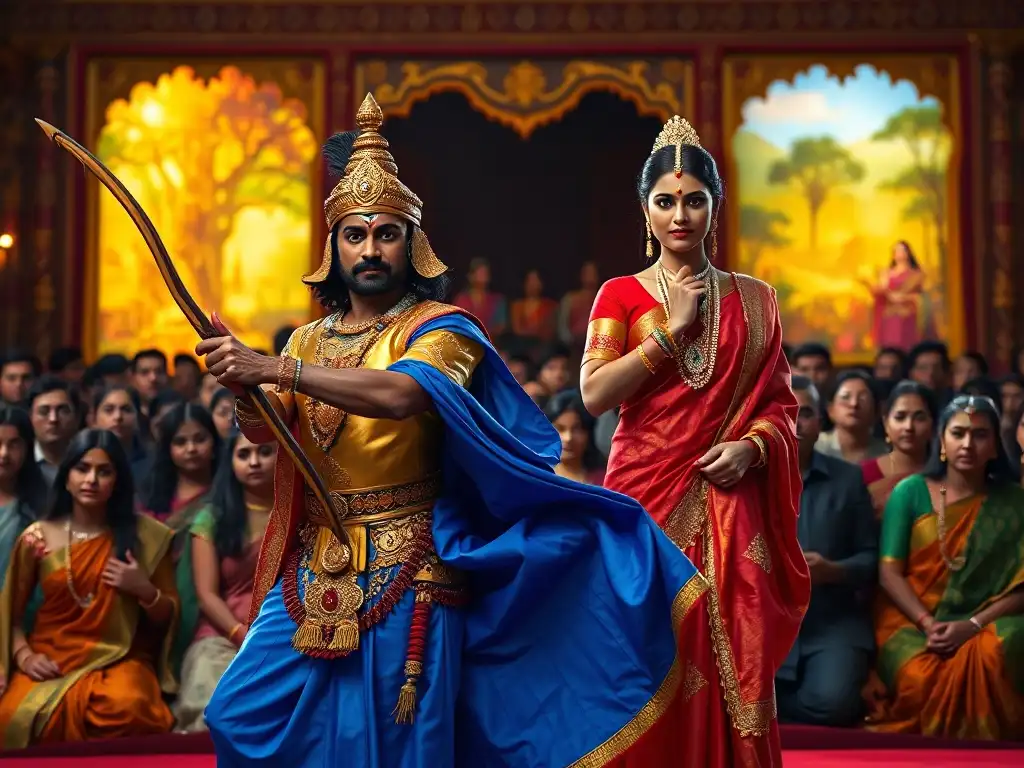
Welcome to Ancient India History, where we embark on a captivating journey through the rich tapestry of India’s past! Here, we delve into the profound impact of ancient civilizations, uncovering their enduring legacies that shape our world today. In our featured article, we explore the influence of the Ramayana on Indian cinema and theatre, revealing how this epic tale has transcended time and continues to inspire storytelling in modern artistry.
Join us as we unravel the connections between ancient narratives and contemporary expressions, sparking your curiosity and inviting you to delve deeper into the vibrant culture of ancient India. Are you ready to discover the cinematic echoes of a timeless saga?
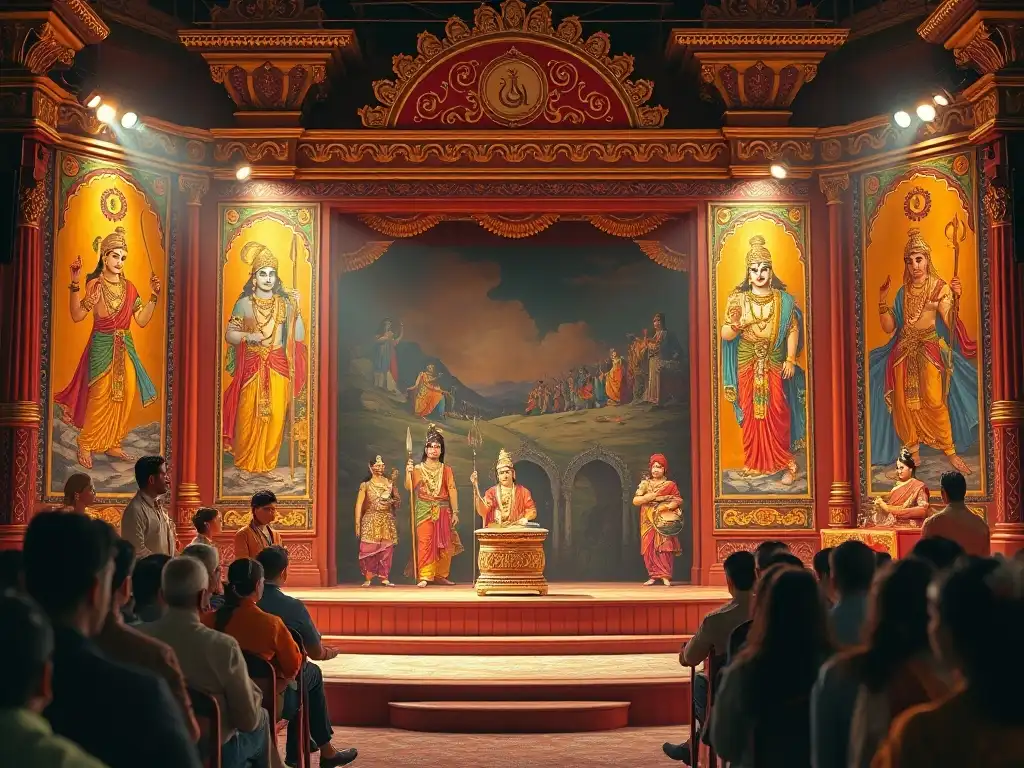
The Ramayana, one of the two great epics of ancient Indian literature, has profoundly influenced various aspects of Indian culture, including cinema and theatre. Its rich narrative, moral complexities, and intricate characters have provided an enduring source of inspiration for artists and storytellers throughout history.
The epic not only serves as a spiritual and philosophical guide but also reflects the social and cultural ethos of its time. As we delve into the influence of the Ramayana on Indian cinema and theatre, we uncover how its themes and characters have been interpreted and reinterpreted across generations, shaping the artistic landscape of India.
Introduction to the Ramayana and Its Cultural Significance
Overview of the Ramayana as an Epic
The Ramayana, traditionally attributed to the sage Valmiki, narrates the story of Lord Rama, his wife Sita, and his loyal companion Hanuman. It is divided into seven Kandas (books) and encompasses a wide array of themes, including duty (dharma), love, devotion, and the struggle between good and evil. The epic’s narrative not only highlights the triumph of righteousness but also delves into the complexities of human relationships and moral dilemmas.
The Ramayana has been translated into various languages and adapted into numerous forms, ranging from prose narratives to poetic recitations. Its characters—such as Rama, Sita, Ravana, and Hanuman—have become archetypes in Indian culture, embodying virtues and vices that resonate with audiences across time.
Importance of the Ramayana in Indian Culture and Tradition
The Ramayana holds a revered place in Indian culture, transcending generations as a moral compass and spiritual guide. Its teachings are woven into the fabric of everyday life, influencing rituals, festivals, and community practices. The epic is celebrated through various art forms, including dance, music, and drama, showcasing its versatility and enduring relevance.
In addition to its spiritual significance, the Ramayana has played a crucial role in shaping Indian values and ideals. The characters and their journeys inspire individuals to reflect on their own lives, encouraging them to uphold virtues such as truth, loyalty, and compassion. This cultural resonance has made the Ramayana a vital reference point for artists, filmmakers, and playwrights in India.
Historical Context of the Ramayana's Influence on Indian Cinema
Early Adaptations of the Ramayana in Theatre
The influence of the Ramayana on Indian theatre can be traced back centuries, with traditional performances such as Ramlila, a folk theatre representation of the epic. Ramlila typically involves elaborate costumes, music, and dance, bringing the story of Rama's life to local communities during festive occasions. Such performances have not only entertained but have also educated audiences about the moral lessons embedded in the narrative.
As theatre evolved, various playwrights began to adapt the Ramayana, incorporating innovative elements while retaining its core themes. This set the stage for further adaptations in the modern era, culminating in the eventual transition to cinema.
Transition from Theatre to Film: The Ramayana's Journey
The late 20th century marked a significant turning point in the portrayal of the Ramayana, as filmmakers began to explore its cinematic potential. The first major film adaptation, “ Ram Rajya,” was released in 1943, laying the groundwork for subsequent adaptations. The 1987 television series “ Ramayan,” directed by Ramanand Sagar, became a cultural phenomenon, attracting millions of viewers and reigniting interest in the epic.
As Indian cinema continued to evolve, filmmakers incorporated the Ramayana's themes and characters into diverse genres, from action to animation. The epic's influence is evident in contemporary films and series, where its moral narratives continue to resonate with audiences, reflecting the timeless nature of its teachings.
The Ramayana's rich legacy continues to shape Indian cinema and theatre, demonstrating its profound impact on cultural expression and storytelling in India. As we explore the various adaptations and interpretations of this epic, we celebrate its enduring influence on the artistic landscape of the nation.
Key Themes of the Ramayana Reflected in Indian Cinema
The Ramayana, one of the two great epics of ancient India, has profoundly influenced Indian cinema and theatre by infusing its narratives with timeless themes that resonate across generations. These themes are not only central to the storyline of the Ramayana but also serve as a foundation for numerous cinematic adaptations, allowing filmmakers to explore complex human emotions and moral dilemmas.
Among the most prevalent themes are love, duty, honor, sacrifice, and the eternal struggle between good and evil. Each of these themes presents opportunities for rich storytelling, character development, and moral reflection, making them ideal for adaptation into films and theatrical productions. The influence of the Ramayana can be seen in various genres, from drama to fantasy, as filmmakers interpret its lessons for contemporary audiences.
As the Ramayana continues to inspire creativity, it remains a vital cultural touchstone, bridging the past with the present and ensuring that its legacy endures through the lens of modern storytelling.
Love and Duty: Exploring Relationships in the Ramayana
At the heart of the Ramayana lies the intricate relationships between its characters, particularly the love and duty embodied by Lord Rama and Sita. Their relationship serves as a powerful narrative device that illustrates the balance between personal desires and societal obligations.
In Indian cinema, this theme is often explored through romantic dramas where the protagonists navigate the challenges of love against the backdrop of family expectations and societal norms. Films like "Ram Teri Ganga Maili" and "Sita: The Incarnation" highlight the emotional depth of love intertwined with duty, showcasing how characters are compelled to make sacrifices for their loved ones while adhering to moral principles.
Moreover, the portrayal of familial bonds—especially the fraternal love between Rama and Lakshmana—further emphasizes the duty aspect, revealing how love can motivate individuals to stand up against injustice and fight for righteousness. This duality of love and duty resonates deeply with audiences, making it a recurring motif in cinematic adaptations of the Ramayana.
Good vs. Evil: Moral Lessons and Their Cinematic Representations
The Ramayana presents a profound exploration of the conflict between good and evil, epitomized by the characters of Rama and Ravana. This archetypal struggle serves as a moral compass, illustrating the consequences of dharma (righteousness) and adharma (unrighteousness).
In Indian cinema, this theme is vividly depicted through various storylines that showcase the triumph of good over evil, often using symbolism and allegory to convey deeper meanings. Films like "Raavan" reinterpret the character of Ravana, inviting viewers to question traditional perceptions of villainy and heroism while emphasizing the importance of moral choices.
Additionally, the Ramayana’s moral lessons extend beyond the battlefield; they influence character arcs and plot developments, encouraging audiences to reflect on their own values. This theme is not only relevant to epic narratives but also resonates with contemporary societal issues, making the Ramayana's lessons applicable across different contexts and eras.
Notable Film Adaptations of the Ramayana
The Ramayana's rich narrative has inspired numerous film adaptations over the decades, each adding its unique flavor while remaining rooted in the epic's core themes. From classic films to modern interpretations, the Ramayana has been a fertile ground for storytelling in Indian cinema.
Classic Films Inspired by the Ramayana
Several classic films have drawn inspiration from the Ramayana, capturing its essence through powerful performances and memorable storytelling. One notable example is "Ram Rajya" (1943), which presents a dramatized retelling of Lord Rama's life and his ideal kingdom, emphasizing the virtues of righteousness and governance.
Another classic, "Sita Swayamvar" (1960), focuses on the poignant love story between Rama and Sita, highlighting the epic's romantic elements alongside its moral teachings. These films not only reflect the cultural significance of the Ramayana but also showcase the artistic interpretations of its themes and characters, resonating with audiences of their time.
Modern Cinematic Interpretations of the Ramayana
In recent years, filmmakers have continued to draw from the Ramayana, creating modern interpretations that explore its themes in innovative ways. Films like "Raavan" (2010) and "Ramayana: The Epic" (2010) present fresh perspectives on the characters and narratives, often incorporating contemporary issues and visual effects to engage today's audiences.
These adaptations utilize modern storytelling techniques, such as nonlinear narratives and character-driven plots, to reinterpret the epic while remaining faithful to its core themes. By doing so, they not only honor the original text but also make the Ramayana accessible to a new generation, ensuring its relevance in the dynamic landscape of Indian cinema.
Through these adaptations, the Ramayana continues to inspire and evolve, demonstrating its enduring influence on Indian culture and the cinematic arts.
The Ramayana in Indian Theatre: A Tradition of Storytelling
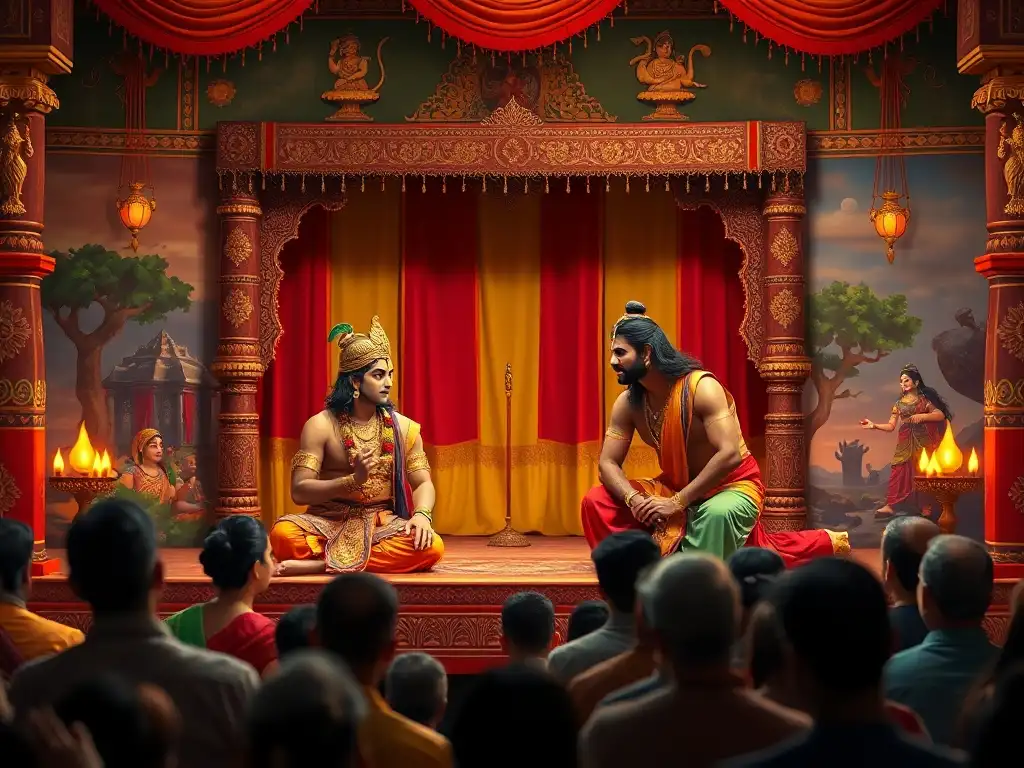
The Ramayana, one of the two great epics of Indian literature, has played an integral role in shaping the landscape of Indian theatre. The narratives within the Ramayana not only provide a rich tapestry of characters and morals but also serve as a foundation for various storytelling traditions that have evolved over centuries. The epic's themes of duty, honor, love, and righteousness resonate deeply with audiences, making it a timeless source of inspiration for playwrights and performers.
Indian theatre often emphasizes the performance aspect of storytelling, with the Ramayana being a central pillar in this tradition. From classical performances to folk theatre, the Ramayana's influence can be seen in the diverse ways stories are told, adapting the epic's narrative to reflect regional cultures and societal values. This adaptability has ensured that the Ramayana remains relevant and continues to be celebrated across different forms of theatre.
Traditional Theatre Forms Incorporating the Ramayana
Various traditional theatre forms across India have incorporated the Ramayana into their performances, each presenting unique interpretations that reflect local customs and styles.
- Kathakali: Originating from Kerala, this dance-drama form uses elaborate costumes and intricate facial expressions to depict stories from the Ramayana, particularly focusing on the characters of Rama and Ravana.
- Ram Leela: A popular folk theatre form, Ram Leela dramatizes the life of Lord Rama, showcasing his journey from exile to the epic battle against Ravana. Performed during festivals, it brings communities together and reinforces cultural identity.
- Bhaona: In Assam, the Bhaona theatre tradition presents episodes from the Ramayana, combining satire and morality, often with a social message aimed at contemporary audiences.
- Yakshagana: This traditional theatre from Karnataka combines dance, music, and dialogue, often performing scenes from the Ramayana, emphasizing vibrant costumes and energetic performances.
These traditional forms not only honor the original text but also adapt its messages to address contemporary societal issues, illustrating the Ramayana's enduring relevance.
The Role of Dance and Music in Ramayana Adaptations
Dance and music are fundamental elements in the adaptations of the Ramayana, enhancing the emotive power of the narrative. Each traditional theatre form employs distinct musical styles and dance movements that draw from the epic's themes.
- Dance: In forms like Kathakali and Bharatanatyam, dance is used to express the emotions of characters, convey the story, and engage the audience. The intricate footwork and expressive hand gestures (mudras) serve to illustrate the narrative and character dynamics vividly.
- Music: Traditional instruments and compositions are integral to these performances. The use of drums, flutes, and string instruments sets the mood and tempo, while vocal performances narrate the story, making the experience immersive.
Together, dance and music create a captivating atmosphere that not only entertains but also educates audiences about the epic's moral lessons and values.
Impact of the Ramayana on Contemporary Indian Cinema
The Ramayana's influence on contemporary Indian cinema is profound, shaping narratives, character arcs, and visual storytelling techniques. Filmmakers continue to draw inspiration from the epic's themes, weaving them into modern cinematic expressions that resonate with today's audiences.
Current Trends in Cinematic Representations of the Ramayana
Recent films and adaptations have sought to reinterpret the Ramayana for contemporary viewers, often exploring themes of heroism, morality, and societal challenges.
- Modern Retellings: Films like "Raavan" and "Ramayana: The Legend of Prince Rama" offer fresh perspectives on the epic, reimagining characters and events to reflect modern sensibilities. These adaptations often incorporate contemporary issues, making the ancient narrative more relatable.
- Visual Spectacle: With advancements in technology, filmmakers are able to create visually stunning representations of the Ramayana, enhancing the epic's larger-than-life qualities. This has led to a surge in animated adaptations and high-budget productions that showcase the grandeur of the original tale.
Such trends highlight the Ramayana's adaptability, allowing it to transcend time and continue influencing the cinematic landscape in India.
The Ramayana's Influence on Popular Indian Television Series
Indian television has been significantly impacted by the Ramayana, with numerous series dedicated to retelling the epic. These adaptations have shaped public perceptions of the characters and stories, embedding them deeply within Indian culture.
- Classic Adaptations: The 1987 television series "Ramayan," directed by Ramanand Sagar, became a cultural phenomenon, bringing the epic into the homes of millions. Its portrayal of characters like Rama and Sita set the standard for future adaptations, influencing how the Ramayana is perceived by contemporary audiences.
- Modern Interpretations: More recent series, such as "Siya Ke Ram," offer alternative viewpoints, focusing on Sita's narrative and experiences. These adaptations aim to empower characters and explore themes of gender and agency within the epic's framework.
The Ramayana's presence on television has not only entertained but also educated audiences, reinforcing its role as a crucial aspect of Indian cultural heritage that continues to evolve with the times.
Critical Reception and Audience Response to Ramayana Adaptations
The adaptations of the Ramayana in Indian cinema and theatre have received a varied critical reception over the decades. Films and plays based on this ancient epic often evoke a spectrum of emotions, from nostalgia to reverence, as they resonate deeply with viewers' cultural and spiritual beliefs. The portrayal of iconic characters like Rama, Sita, and Hanuman often garners praise for their fidelity to the original text, while some adaptations have faced criticism for modern reinterpretations that stray from traditional narratives.
Critics have noted that successful adaptations tend to balance entertainment with an authentic representation of the epic's themes, such as duty (dharma), love, and sacrifice. Audience response frequently reflects a personal connection to these themes, especially during festival seasons when these adaptations are most popular. Moreover, the use of music, dance, and elaborate costumes in theatre productions enhances the immersive experience, drawing viewers into the rich tapestry of the Ramayana's narrative.
How Viewers Relate to the Ramayana in Film and Theatre
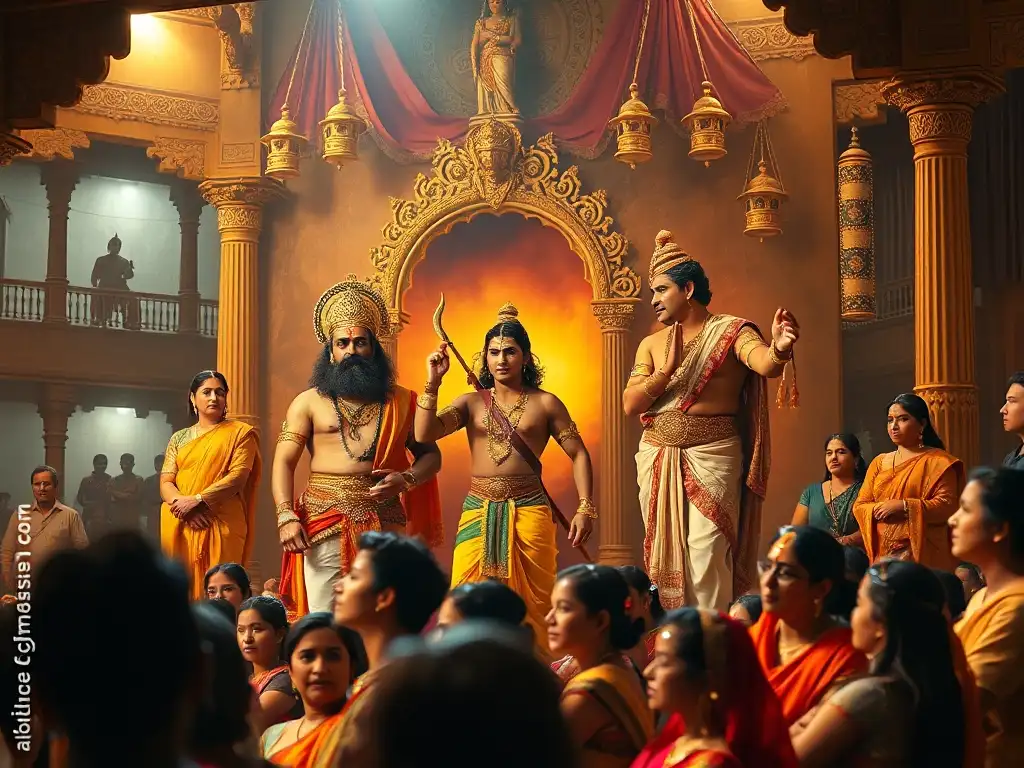
Audiences often find a profound sense of identity and belonging through adaptations of the Ramayana. This epic serves as a cultural touchstone, allowing viewers to engage with their heritage and values. Many individuals relate to the characters and their journeys, seeing reflections of their own lives in the dilemmas faced by Rama and Sita.
The emotional weight of the Ramayana's narrative is particularly impactful during live performances, where the immediacy of theatre fosters a communal experience. Viewers share in the drama, celebrating victories and mourning losses together. This collective response enhances the sense of unity and shared cultural identity among diverse audiences, transcending regional and linguistic boundaries.
The Ramayana's Role in Shaping Cultural Identity through Cinema
The Ramayana has played a pivotal role in shaping Indian cultural identity, particularly through film and theatre. It provides a framework for exploring moral questions and societal values that resonate with contemporary audiences. The epic's themes of righteousness (dharma) and justice are timeless, allowing filmmakers and playwrights to contextualize these ideas within modern narratives.
Adaptations of the Ramayana often serve as a means to reinforce cultural norms and values, particularly in a rapidly changing society. They provide a vehicle for storytelling that connects generations, ensuring that the lessons of the past are not forgotten. By incorporating local customs and contemporary issues, these adaptations create a dialogue between the ancient and the modern, further solidifying the Ramayana's relevance in today’s cultural landscape.
Conclusion: The Enduring Legacy of the Ramayana in Indian Cinema and Theatre
The Ramayana's influence on Indian cinema and theatre is profound and enduring. Its narratives have been interpreted in countless ways, reflecting the evolving dynamics of society while remaining rooted in tradition. The epic's ability to inspire creativity and provoke thought makes it an invaluable resource for artists and audiences alike.
Summary of Key Points on Ramayana's Influence
- The Ramayana's themes resonate deeply with audiences, influencing cultural identity and moral frameworks.
- Adaptations vary in critical reception, but successful ones often balance fidelity to the text with contemporary relevance.
- The epic fosters a communal experience, particularly in theatrical performances, enhancing connections among viewers.
- The Ramayana continues to serve as a significant cultural touchstone, ensuring its relevance across generations.
Future Prospects for Ramayana Adaptations in Indian Arts
As Indian cinema and theatre evolve, there are promising prospects for future adaptations of the Ramayana. With advancements in technology and storytelling techniques, creators have the opportunity to explore innovative interpretations that blend tradition with modernity. The increasing interest in diverse narratives suggests that new adaptations could delve into lesser-known aspects of the epic or offer fresh perspectives on its characters.
Furthermore, the global reach of Indian cinema opens doors for cross-cultural adaptations, potentially introducing the Ramayana to international audiences. As artists continue to reinterpret this timeless epic, the Ramayana's legacy in Indian arts will undoubtedly thrive, inspiring new generations to engage with its rich narratives and themes.
- Introduction to the Ramayana and Its Cultural Significance
- Historical Context of the Ramayana's Influence on Indian Cinema
- Key Themes of the Ramayana Reflected in Indian Cinema
- Notable Film Adaptations of the Ramayana
- The Ramayana in Indian Theatre: A Tradition of Storytelling
- Impact of the Ramayana on Contemporary Indian Cinema
- Critical Reception and Audience Response to Ramayana Adaptations
- How Viewers Relate to the Ramayana in Film and Theatre
- The Ramayana's Role in Shaping Cultural Identity through Cinema
- Conclusion: The Enduring Legacy of the Ramayana in Indian Cinema and Theatre
Frequently Asked Questions
What is the Ramayana and why is it significant in Indian culture?
The Ramayana is an ancient Indian epic that narrates the life of Lord Rama. It holds significant cultural importance as it embodies moral values, ideals of duty, and righteousness.
How has the Ramayana influenced Indian cinema?
The Ramayana has inspired numerous films and adaptations in Indian cinema, showcasing its timeless themes and characters, thus enriching the narrative and visual language of Indian storytelling.
Can you name some notable films based on the Ramayana?
Yes, films like "Ram Rajya" and "Raavan" are notable adaptations that explore the epic's themes. They highlight the mythological elements and moral dilemmas present in the original text.
In what ways has the Ramayana shaped theatre arts in India?
The Ramayana has significantly shaped theatre arts by providing a rich source of stories and characters for performances, contributing to traditional forms like Ramleela and modern theatrical interpretations.
What are some modern interpretations of the Ramayana in media?
Modern interpretations include animated series, TV adaptations, and films that reinterpret the story for contemporary audiences, often emphasizing universal themes of love, duty, and conflict.
Final Reflection: The Enduring Legacy of the Ramayana in Indian Cinema
The Ramayana's influence on Indian cinema is not merely a historical footnote; it is a vibrant thread woven into the fabric of contemporary storytelling. As we navigate through the complexities of modern narratives, the timeless themes of duty, love, and righteousness found in the Ramayana resonate deeply with audiences today. The epic's rich characters and moral dilemmas continue to inspire filmmakers and playwrights, reminding us that the stories we tell shape our cultural identity and values.
Cinema and theatre are powerful mediums that reflect and influence society, and the Ramayana has played a pivotal role in this dynamic. Its narratives have transcended generations, evolving yet remaining rooted in their original essence. As we witness the resurgence of mythological adaptations in films and plays, we are reminded of the words of renowned filmmaker Satyajit Ray: The greatest stories are those that resonate with the human experience.
The Ramayana, with its universal themes, continues to provide a canvas for exploring the human condition, making it relevant in today's cultural landscape.
As we reflect on the Ramayana's impact, let us embrace the lessons it imparts and consider how we can incorporate its values into our lives. I invite you to explore the stories around you, whether in cinema, theatre, or your daily interactions, and recognize the profound influence of timeless narratives. By doing so, we can contribute to a rich cultural dialogue that honors our past while shaping a more compassionate and understanding future.
Unveil the Impact: Explore the Ramayana's Legacy in Cinema & Theatre!
Thank you for delving into the rich connection between the Ramayana and Indian cinema and theatre! We hope you discovered the profound influence this epic has on storytelling and the performing arts. Now, it’s time to take this journey further and embrace the legacy of the Ramayana in your own life!
Here are some engaging steps to consider:
- Immerse Yourself: Attend a local theatre performance or film that adapts the Ramayana. Experience firsthand the captivating interpretations that bring this ancient tale to life.
- Start a Conversation: Share this article with friends and family. Discuss how the Ramayana has shaped modern storytelling, and gather diverse perspectives on its themes.
- Creative Exploration: Why not try your hand at storytelling? Adapt a scene from the Ramayana into a short play or screenplay. Let your creativity flow and explore how this ancient epic resonates with today's audience.
What aspect of the Ramayana's influence in cinema or theatre resonates most with you, and how do you envision it shaping future narratives?