
How Ancient Indian Societies Viewed Child Marriage

Welcome to Ancient India History, where we delve into the rich tapestry of history and culture that shaped one of the world's oldest civilizations. Today, we invite you to explore a topic that has profound implications on societal norms: child marriage in ancient India. How did ancient Indian societies perceive this practice, and what were the cultural influences behind it?
Prepare to journey through time as we unravel the complexities of daily life and societal structures, offering you insights that provoke thought and deepen your understanding. Join us as we uncover the layers of history that continue to resonate today!
- Introduction to Child Marriage in Ancient India
- Historical Context of Child Marriage in Ancient Indian Societies
- Socio-Economic Factors Influencing Child Marriage
- Regional Variations of Child Marriage in Ancient India
- Perspectives on Child Marriage: Views from Ancient Texts
- The Impact of Child Marriage on Ancient Indian Society
- Criticism and Opposition to Child Marriage in Ancient India
- Conclusion: Legacy of Child Marriage in Ancient India
- References
-
Frequently Asked Questions
- What was the common perception of child marriage in ancient India?
- How did child marriage affect the lives of young girls?
- Were there any legal regulations regarding child marriage in ancient India?
- Did any ancient Indian texts discuss the implications of child marriage?
- How has the view on child marriage evolved in modern India compared to ancient times?
- Final Reflection: Understanding the Legacy of Child Marriage in Ancient India
- Unveil the Story Behind Child Marriage in Ancient India
Introduction to Child Marriage in Ancient India
Understanding the practice of child marriage in ancient India requires a deep dive into the intricate social, cultural, and economic frameworks that shaped familial structures and societal norms. Child marriage, though often viewed through a modern lens of critique and condemnation, was a practice rooted in various factors such as tradition, caste dynamics, and the socio-economic realities of ancient Indian civilizations.
This article aims to explore how child marriage was perceived, its implications, and the historical context that influenced its prevalence from the Indus Valley civilization through to the Gupta Empire. By examining these elements, we can gain a clearer understanding of how ancient Indian societies approached marriage, family, and the roles of children within these institutions.
Overview of Child Marriage Practices
Child marriage in ancient India was not just a social norm but a complex practice that varied across regions and communities. The age at which children were married often depended on various factors, including:
- Cultural Traditions: Different communities had specific customs that dictated the age of marriage. For instance, in some regions, girls were married as young as 5 to 7 years old, while boys were typically older.
- Caste and Class: Higher castes often had stricter marriage norms, sometimes marrying girls at younger ages to ensure familial alliances, while lower castes might have more flexibility.
- Economic Factors: Marrying off daughters at a young age was often seen as a way to alleviate economic burdens on families, particularly in agrarian societies where dowries were a significant consideration.
This practice often led to a range of outcomes for young brides and grooms, including limited educational opportunities and early entry into adulthood responsibilities.
Importance of Understanding Historical Context
Understanding the historical context of child marriage in ancient India is crucial for several reasons:
- Cultural Insight: It provides insight into the values and beliefs that governed society, helping us understand why certain practices were not only accepted but institutionalized.
- Evolution of Practices: It allows us to trace the evolution of marriage practices over time, highlighting shifts in societal norms and the eventual movement towards reform.
- Implications for Modern Society: By studying these historical practices, we can better comprehend the legacy of child marriage in contemporary India and its continued ramifications on gender equality and women's rights.
Recognizing the multifaceted nature of child marriage in ancient India enables a more nuanced discussion about its implications, encouraging critical reflection on how past practices shape present realities.
Historical Context of Child Marriage in Ancient Indian Societies
Child marriage in ancient India has deep roots in the socio-cultural and historical contexts of the time. This practice can be traced back to several ancient texts and traditions, reflecting the norms and values that governed society. The custom of marrying off children, particularly girls, at a young age was prevalent across various regions and communities, often justified by religious and social beliefs.
The Role of Religion in Child Marriage
Religion played a pivotal role in shaping the practices around child marriage in ancient Indian societies. Hindu scriptures, for instance, often emphasized the importance of marriage as a sacred duty. The Manusmriti, a significant ancient legal text, outlines that a girl should ideally be married before she reaches puberty. This notion was rooted in the belief that early marriage would ensure the continuation of family lineage and adherence to dharma (moral law).
Moreover, the religious rites associated with marriage were seen as essential for both the bride and the groom. The rituals often included elaborate ceremonies that reinforced the societal norms of early marriage. These practices were not limited to Hindus; other religious communities, including Jains and Buddhists, also exhibited similar customs, indicating a broader acceptance of child marriage across various faiths.
Cultural Norms Surrounding Marriage and Family
In ancient Indian societies, marriage was not merely a personal union; it was a social contract that involved families and communities. The cultural norms surrounding marriage defined age, gender roles, and family expectations. Child marriage was often viewed as a means to secure social status and strengthen family alliances. Families believed that marrying off their daughters early would protect them from potential dangers, including poverty and social stigma.
The patriarchal structure prevalent in ancient India further reinforced child marriage. Men were typically seen as the head of the household, and marrying young ensured that women were dependent on their husbands for economic security. This dependence perpetuated the cycle of child marriage, as families prioritized the marriage of daughters over their education and personal development.
Key Texts and Scriptures Influencing Child Marriage
Several ancient texts provided a framework that legitimized child marriage in ancient India. The Vedas, Upanishads, and Puranas, among others, contain references that underscore the significance of early marriage.
| Text | Reference to Child Marriage |
|---|---|
| Manusmriti | Advises that girls should be married before reaching maturity (puberty). |
| Mahabharata | Contains narratives that reflect societal norms favoring early marriage for daughters. |
| Arthashastra | Discusses marriage as a strategic alliance, often advocating for early unions. |
These texts not only influenced the practices of the time but also provided a moral justification for child marriage, suggesting that it was an integral part of societal order. Over time, these traditions became ingrained in the cultural fabric of ancient India, making it challenging to alter or question such deeply rooted practices.
The historical context of child marriage in ancient India reveals a complex interplay of religious beliefs, cultural norms, and textual influences that collectively shaped societal views on the practice. Understanding this context is essential for comprehending the nuances of family and marriage practices in ancient Indian civilization.
Socio-Economic Factors Influencing Child Marriage
Child marriage in ancient India was not merely a cultural norm but was deeply intertwined with various socio-economic factors that influenced its prevalence. Understanding these influences provides a clearer view of why such practices were adopted and perpetuated within different communities.
Economic Advantages of Early Marriage
One of the primary reasons for child marriage in ancient India was the perceived economic advantages it offered to families. Early marriage often meant that families could reduce their household expenses, as they could limit the number of dependents at home.
- Dowry System: The tradition of dowry played a significant role, where families sought to marry off daughters at a younger age to secure favorable dowry arrangements. A younger bride was often seen as a better bargaining chip in negotiations.
- Property and Land Management: In agrarian societies, marrying daughters off early helped in the consolidation of land and property within families. This practice ensured that property remained within the clan, thereby enhancing the family's socio-economic status.
- Labor Contribution: Young brides contributed to the household labor force, especially in agrarian settings where their participation in daily chores and farming activities was crucial. Early marriages ensured that girls began contributing to economic activities as soon as possible.
The practice of child marriage was also significantly impacted by the social hierarchy and status within ancient Indian society.
- Caste System Influence: Certain castes adhered to rigid marriage customs, where marrying daughters at a young age was a means to uphold family honor and status. Families were often pressured to conform to these customs to maintain their social standing.
- Community Norms: In many communities, child marriage was normalized, and those who deviated from this practice faced social ostracism. The collective belief that early marriage was essential for securing a good future for daughters reinforced the practice across generations.
- Religious Sanction: Scriptures and religious texts often endorsed child marriage, viewing it as a virtue. This religious backing provided an additional layer of justification for families to engage in early marriages, further embedding the practice into societal norms.
Gender Roles and Expectations in Ancient India
The gender roles defined in ancient Indian society played a critical role in the prevalence of child marriage, reflecting deep-rooted expectations of women.
- Patriarchal Structures: Ancient Indian society was predominantly patriarchal, where women's roles were confined to domestic spheres. Marrying young ensured that girls were integrated into their roles as wives and mothers early on, aligning with societal expectations of femininity.
- Education and Empowerment: Limited access to education for girls meant that marriage was often seen as the only viable option for their future. Families prioritized securing a marriage over education, which perpetuated cycles of dependency and lack of agency among women.
- Cultural Narratives: Stories and folklore often depicted young brides in positive lights, reinforcing the belief that fulfilling domestic roles was a woman's primary purpose. These narratives further solidified the practice of child marriage as an accepted norm.
Understanding these socio-economic factors reveals how child marriage in ancient India was a complex interplay of economic necessity, social structure, and gender expectations, rather than a mere cultural anomaly. The ramifications of these practices continue to influence discussions on marriage traditions in contemporary society.
Regional Variations of Child Marriage in Ancient India
Child Marriage Practices in the Indus Valley Civilization
The Indus Valley Civilization (IVC), flourishing around 2500 BCE in what is now Pakistan and northwest India, exhibited distinctive social customs, including marriage practices. Evidence from archaeological findings, such as toys and figurines, indicates that the society held family structures in high regard. While direct textual references to child marriage from this period are scarce, some scholars suggest that marriages may have been arranged at a young age, as inferred from cultural artifacts and burial practices.
- Archaeological Insights:
- Figurines: Terracotta figurines resembling brides and grooms suggest a cultural significance placed on marriage.
- Toys: The presence of dolls dressed in bridal attire may indicate that the concept of marriage was introduced to children early on, potentially normalizing child marriage.
- Social Structure:
- The IVC was characterized by a matrilineal society, where lineage was traced through the mother. This could imply that marriages were strategically arranged to strengthen familial ties.
The implications of these practices highlight the importance of early marital alliances in IVC society, even if child marriage was not explicitly documented.
Differences in Child Marriage Among Various Indian Kingdoms
As ancient Indian kingdoms evolved, so too did their marriage practices, leading to significant regional differences in the customs surrounding child marriage. Kingdoms such as the Maurya, Gupta, and various South Indian dynasties adopted unique approaches influenced by their social, economic, and political contexts.
- Maurya Empire (c. 322-185 BCE):
- The Mauryan period saw a more formalized structure in marriages. Texts such as Arthashastra discuss the political advantages of marriage alliances, often leading to the practice of marrying daughters at a young age to consolidate power.
- Gupta Empire (c. 240-550 CE):
- During the Gupta period, literature like "Kamasutra" by Vātsyāyana reflects the norms surrounding marriage, suggesting that marriages were often arranged in childhood, with an emphasis on the bride’s fertility and the family's social standing.
- Regional Practices:
- In South India, particularly among the Chola and Pandya dynasties, child marriage was prevalent but often accompanied by elaborate ceremonies that celebrated the transition of girls into womanhood, highlighting a blend of cultural practices.
These differences reveal how child marriage was not a monolithic practice but rather a complex interplay of regional traditions, social hierarchies, and economic necessities.
Influences of Geography and Climate on Marriage Customs
Geographical and climatic factors played a crucial role in shaping the marriage customs of ancient Indian societies, including child marriage practices. The diverse landscapes of India—from the fertile plains of the Ganges to the arid deserts of Rajasthan—affected agricultural lifestyles, social structures, and ultimately, marriage traditions.
- Agricultural Societies:
- In regions with fertile land, such as the Ganges Valley, early marriages were often linked to agricultural cycles. Families aimed to ensure that daughters could bear children early, contributing to labor and enhancing family wealth.
- Desert Regions:
- In contrast, arid regions like Rajasthan experienced different pressures. Here, child marriage was often seen as a way to secure alliances and manage scarce resources, as families sought to consolidate power through early marriages.
- Cultural Adaptations:
- The diverse climatic conditions led to variations in customs. For instance, in coastal areas, maritime trade influenced higher social mobility, which could lead to later marriages compared to the more rigid structures seen in isolated communities.
Understanding the influences of geography and climate on marriage customs highlights the adaptive nature of ancient Indian societies, reflecting their responses to environmental challenges and opportunities.
Perspectives on Child Marriage: Views from Ancient Texts
Analysis of Manusmriti and Other Dharmashastras
The Manusmriti, a foundational text of Hindu law, provides critical insights into the social norms surrounding child marriage in ancient India. This text, traditionally attributed to the sage Manu, outlines various aspects of dharma (duty) and social conduct, including marriage practices.
According to the Manusmriti, marriage is considered a sacred duty, essential for the maintenance of societal order. It specifies the ideal age for marriage, often suggesting that girls should be married before they reach puberty, reflecting the prevalent practice of child marriage. The text states:
A girl should be married off before she reaches the age of puberty, for if she remains unmarried, she becomes a burden to her family.
This assertion indicates that child marriage was not only accepted but deemed necessary for the well-being of the family and society at large. Other Dharmashastras, such as the Yajnavalkya Smriti, echo similar sentiments, reinforcing the notion that early marriage was a societal expectation.
The social implications of these texts are profound. They illustrate how the institution of marriage was intertwined with various aspects of life, including family honor, lineage continuity, and moral duty. As such, child marriage was viewed as a means to secure these essential societal functions, shaping the lives of countless individuals in ancient India.
Oral traditions and folklore play a significant role in understanding the cultural attitudes towards child marriage in ancient India. These narratives often reflect the values, beliefs, and practices of the time, providing a rich tapestry of insights.
Many folk tales depict child marriage as a normative practice, emphasizing the virtues of early marriage. For example, stories of young brides who embody ideal feminine qualities often celebrate the notion of a girl fulfilling her destiny through marriage at a young age. Such tales frequently highlight themes of loyalty, sacrifice, and the importance of family unity, reinforcing societal expectations.
Moreover, folklore often includes cautionary tales that address the consequences of delaying marriage. These narratives serve to instill a sense of urgency among families, often portraying unmarried girls as objects of ridicule or concern. This cultural portrayal perpetuates the cycle of child marriage, as families strive to adhere to societal standards that prioritize early marriage over individual choice.
In addition to folk tales, regional songs and rituals surrounding marriage ceremonies also reflect the normalization of child marriage. These artistic expressions serve as both celebration and reinforcement of the practice, embedding it deeply within the cultural fabric of ancient Indian society.
Examination of Art and Literature Representing Child Marriage
Art and literature from ancient India provide a visual and textual representation of child marriage, capturing its significance in the cultural landscape. Various forms of artistic expression, from temple sculptures to classical poetry, illustrate the themes and narratives associated with this practice.
In temple art, depictions of young brides, often accompanied by symbols of fertility and prosperity, highlight the societal value placed on early marriage. Sculptures from ancient temples frequently showcase the rites and rituals associated with weddings, portraying child brides adorned in traditional attire, emphasizing their role within the family and society.
Similarly, classical literature, including works like Kamasutra and plays by Kalidasa, often reference child marriage, reflecting its prevalence in the society of the time. These literary pieces not only depict the marital relationships but also explore the emotional and psychological dimensions of young brides, offering a glimpse into their experiences and challenges.
Through these artistic and literary representations, we gain insight into the complex attitudes surrounding child marriage in ancient India. They reveal a society grappling with the intersections of duty, love, and societal expectations, ultimately portraying child marriage as a multifaceted phenomenon deeply embedded in the cultural consciousness of the time.
The Impact of Child Marriage on Ancient Indian Society
Effects on Women and Girls in Ancient Societies
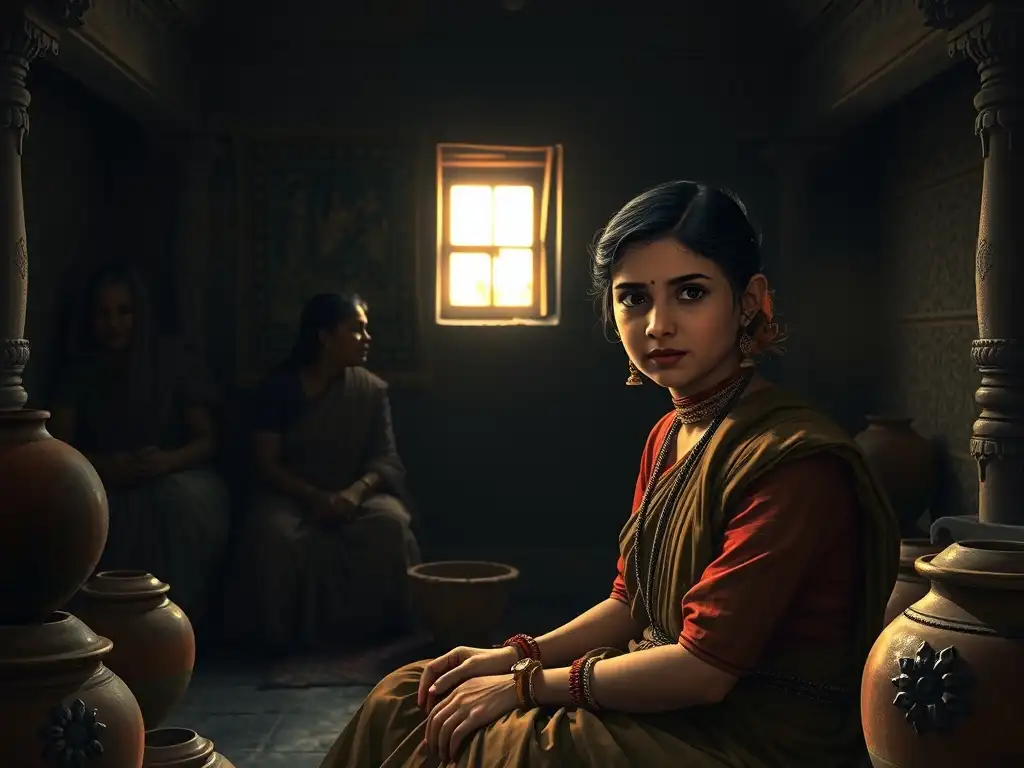
Child marriage in ancient India had profound effects on women and girls, shaping their roles and experiences within society. Often, girls were married at a young age, typically between the ages of six and twelve, which curtailed their educational opportunities and personal development. This early transition into marital life not only limited their freedom but also entrenched gender roles that persisted for generations.
- Educational Limitations
- Access to Education: The expectation for young brides to focus on household duties meant that many girls were denied formal education. This lack of education restricted their ability to engage in intellectual pursuits or gain skills that might empower them later in life.
- Cultural Norms: In many ancient texts, the notion that a woman's primary role was as a wife and mother was reinforced, leading to a societal acceptance of this practice.
- Health Implications
- Early Pregnancy Risks: Child brides often faced significant health risks due to early pregnancies, which could lead to complications during childbirth, increasing maternal and infant mortality rates.
- Psychological Effects: The psychological impact of being thrust into adult responsibilities at such a young age could lead to mental health issues, including anxiety and depression.
- Social Status
- Dependence on Husbands: Child marriage reinforced the economic and social dependence of women on their husbands. Many women remained reliant on male figures throughout their lives, with little opportunity to attain personal agency or financial independence.
Child Marriage and Population Dynamics
The practice of child marriage significantly influenced the demographic trends in ancient India. It shaped the population structure and growth, along with various social and economic implications.
- Population Growth
- Fertility Rates: Child marriage contributed to higher fertility rates, as young brides typically began bearing children shortly after marriage. This led to larger family sizes, which had implications for resource allocation and family economics.
- Youthful Population: The prevalence of child marriage resulted in a youthful population demographic, affecting labor dynamics and societal structures.
- Cultural Practices
- Lineage and Inheritance: The continuation of families and the inheritance of property were significantly influenced by child marriage. Families often arranged marriages to secure alliances and maintain wealth, ensuring that property remained within specific lineages.
- Caste and Class Dynamics: Child marriage practices varied across different castes and classes, often reflecting the economic status and cultural norms of a community. Higher caste families tended to practice child marriage more rigorously, adhering to strict customs that dictated marriage timelines.
- Long-term Societal Impact
- Generational Cycle: The cycle of child marriage perpetuated itself through generations, as married young girls often became mothers of similarly young brides, maintaining the tradition even in changing social contexts.
- Economic Implications: The reliance on child marriage had broader economic consequences, as families with many children faced challenges in providing adequate resources, resulting in cycles of poverty.
Influence on Family Structures and Community Life
The institution of child marriage profoundly affected family structures and community dynamics within ancient Indian society.
- Family Hierarchies
- Patriarchal Structures: Child marriage reinforced patriarchal systems, placing men in dominant roles while women were relegated to subordinate positions. This hierarchy dictated family dynamics, with fathers and husbands wielding significant authority.
- Role of Elders: Elders played a crucial role in arranging marriages, often prioritizing family honor and social status over the individual desires of the children involved.
- Community Cohesion
- Social Networks: Marriages often served as a means of forging alliances between families and communities, strengthening social networks. Child marriage practices were embedded in cultural traditions, contributing to a sense of belonging and identity.
- Rituals and Celebrations: The rituals surrounding child marriages often involved elaborate celebrations, fostering community ties and shared cultural values, even as they perpetuated the practice.
- Resistance and Change
- Emerging Voices: Over time, voices within communities began to challenge the practice of child marriage. Reform movements emerged, advocating for the rights of women and girls, pushing for changes in social norms.
- Legislative Changes: The impact of these movements eventually led to legal reforms aimed at curbing child marriage, reflecting a shift in societal attitudes and an acknowledgment of the negative consequences associated with the practice.
Child marriage in ancient India was a complex practice that significantly impacted women's lives, population dynamics, and family structures. Understanding its historical context provides valuable insight into the evolution of societal norms and the ongoing discussions surrounding marriage practices today.
Criticism and Opposition to Child Marriage in Ancient India
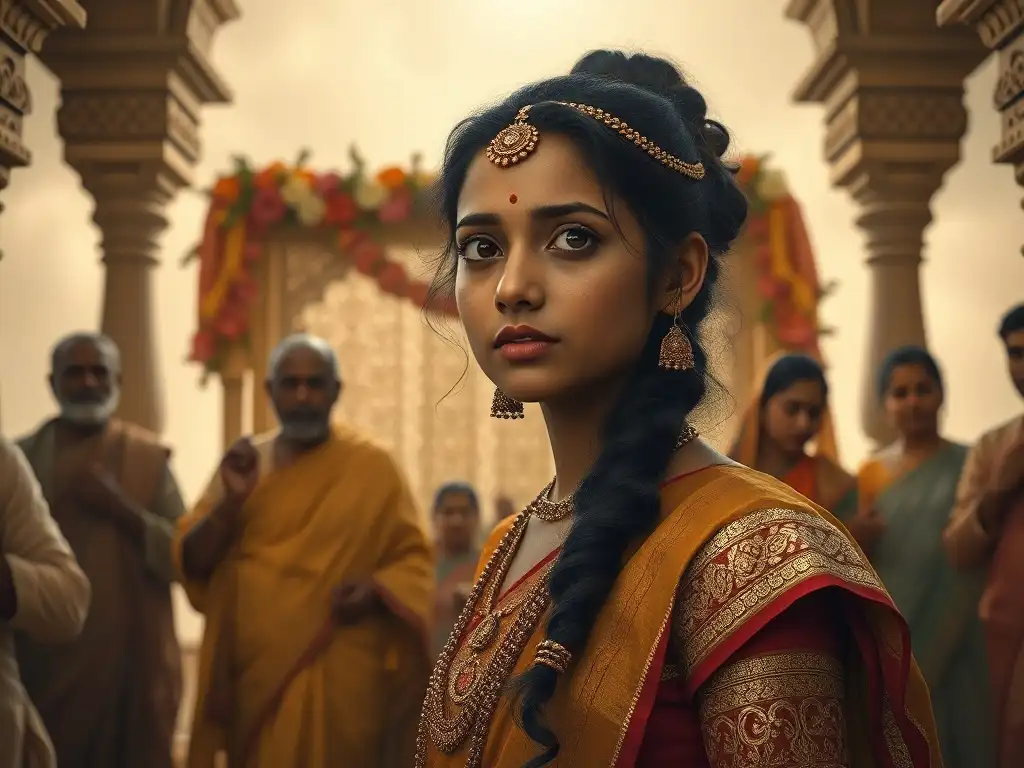
Child marriage, despite its prevalence in ancient Indian societies, was not without its critics. Throughout history, various voices emerged challenging the practice, advocating for reform and a reevaluation of societal norms surrounding marriage. These critiques often stemmed from philosophical, ethical, and practical considerations, highlighting the need for change in the context of family and societal structures.
Voices Against Child Marriage: Philosophers and Reformers
Several prominent philosophers and social reformers in ancient India voiced their opposition to child marriage. Their arguments typically centered on the welfare of children and the moral implications of such practices.
- Buddhist Texts: Early Buddhist literature often emphasized the importance of personal choice and moral development. Monastic texts encouraged women to delay marriage to pursue spiritual growth, thereby indirectly criticizing child marriage.
- Jain Philosophers: Jain texts advocated for non-violence and compassion, suggesting that forcing children into marriage contradicts these principles. Jain scholars like Acharya Kundakunda promoted the idea of voluntary, mature consent in marital unions.
- Vedic Scholars: Some interpretations of Vedic literature suggest that the ideal marriage should occur when individuals reach maturity, both physically and mentally. This perspective, although not dominant, provided a philosophical basis for questioning child marriage.
These voices, though often overshadowed by prevailing customs, laid the groundwork for future debates surrounding the issue of child marriage in India.
Historical Movements Challenging Child Marriage Practices
The late 19th and early 20th centuries saw significant movements challenging the practice of child marriage, driven by social reformers who aimed to bring awareness and legislative change.
- Social Reform Movements: Organizations like the Arya Samaj, founded by Dayananda Saraswati in the late 19th century, were pivotal in advocating for the abolition of child marriage. They emphasized education and the empowerment of women as critical components of societal progress.
- Legislative Efforts: The efforts of reformers like Raja Ram Mohan Roy and Ishwar Chandra Vidyasagar led to legal reforms. The Child Marriage Restraint Act of 1929, also known as the Sarda Act, was a landmark legislation aimed at prohibiting child marriages, reflecting growing opposition to the practice.
- Women's Organizations: Groups like the All India Women's Conference formed in 1927 played an instrumental role in raising awareness about the negative impacts of child marriage, promoting education as an alternative for girls.
These historical movements were crucial in shifting public perception and gradually leading to a decline in child marriage practices in India.
Transition to Modern Perspectives on Child Marriage
In contemporary India, the views on child marriage have evolved significantly. Today, the practice is widely condemned, and there are legal frameworks in place to protect children.
- Legal Frameworks: The Prohibition of Child Marriage Act, enacted in 2006, explicitly prohibits the marriage of individuals below the age of 18 for women and 21 for men. This legislation reflects a substantial shift in societal attitudes, prioritizing children's rights and welfare.
- Cultural Shifts: Increasing awareness about the negative consequences of child marriage, such as health risks and educational disadvantages, has fostered a cultural shift. Many communities are now advocating for delayed marriages, emphasizing education and personal development.
- Global Influence: International organizations and movements have also influenced local perspectives, promoting gender equality and women's rights. Campaigns against child marriage, such as those by UNICEF and UNFPA, have contributed to a broader understanding of the harm caused by early marriages.
The opposition to child marriage in ancient India was rooted in philosophical thought and social reform movements. This resistance laid the groundwork for modern perspectives that continue to advocate against the practice, focusing on the rights and welfare of children.
Conclusion: Legacy of Child Marriage in Ancient India
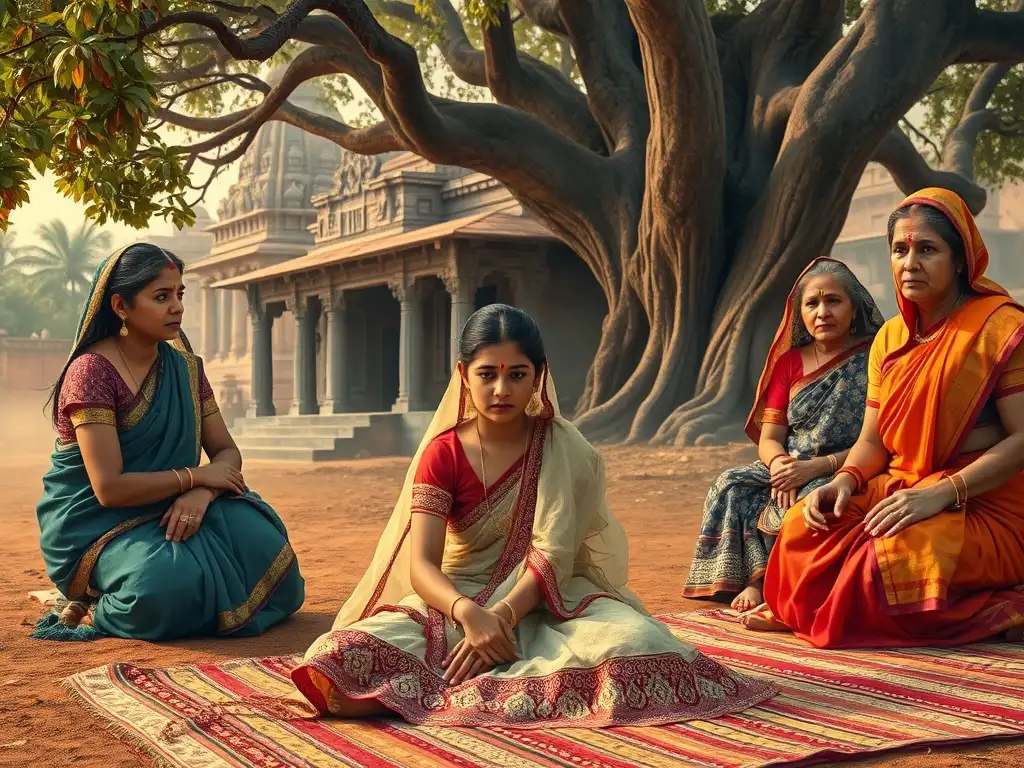
The practice of child marriage in ancient India has left a profound legacy that continues to influence contemporary society. While the historical context of this practice varied across regions and communities, the implications of marrying off children at a young age resonate in modern discussions surrounding marriage, gender roles, and societal expectations. The historical norm of child marriage reflects the complex interplay of cultural, economic, and social factors that defined ancient Indian societies.
Continuing Influence on Contemporary Marriage Practices
Child marriage, though officially outlawed in modern India, still persists in certain areas, often rooted in traditional practices and societal expectations. For example, in some rural regions, families may still view early marriage as a means of ensuring financial security and social status.
- Cultural Traditions: Many communities continue to hold onto ancient customs that prioritize early marriage for girls, believing it preserves family honor and stability.
- Economic Factors: Economic constraints often lead families to marry off daughters early to alleviate financial burdens, reflecting a continuity of ancient practices.
- Gender Roles: The historical context of child marriage has perpetuated gender roles that prioritize women’s roles as wives and mothers at a young age, impacting women's education and autonomy today.
These ongoing influences highlight the need for education, awareness, and legal enforcement to combat the remnants of child marriage in contemporary society.
Lessons from Ancient Societies Regarding Child Marriage
The historical examination of child marriage in ancient Indian societies offers several critical lessons that can inform current practices and policies:
- Cultural Shifts: Understanding how societal norms evolved can help modern societies recognize the importance of changing harmful traditions. Ancient texts and practices reveal that child marriage was often justified through religious and cultural narratives, which can be challenged today.
- Empowerment through Education: Ancient societies often undervalued girls' education, which contributed to the perpetuation of child marriage. Modern efforts to empower girls through education can serve as a powerful counter to these historical trends.
- Community Engagement: The role of community in accepting or rejecting child marriage is crucial. Engaging local leaders and influencers in discussions about the negative impacts of child marriage can help shift perspectives and promote healthier marriage practices.
- Legal Frameworks: The evolution of laws against child marriage in ancient times showed that institutional frameworks can be effective in changing societal norms. Continued advocacy for strict enforcement of current laws against child marriage is essential.
By reflecting on the legacies of child marriage in ancient India, contemporary societies can develop more effective strategies to combat this practice, ensuring a future where all individuals, regardless of gender, have the opportunity to choose when and whom to marry.
References
Suggested Readings on Child Marriage in Ancient India
To gain a deeper understanding of child marriage in ancient India, the following readings are recommended:
-
"The History of Child Marriage in India: A Historical Perspective"
This book provides an in-depth analysis of child marriage practices across various ancient Indian civilizations, highlighting the socio-economic and cultural factors influencing these traditions.
-
"Marriage and Family in Ancient India"
This comprehensive work explores the institution of marriage in ancient Indian societies, including the prevalence of child marriage, its implications, and its evolution over time.
-
"Women in Ancient India"
This text examines the roles and statuses of women in ancient Indian societies, including the impact of child marriage on their lives and societal positions.
-
"Childhood and the Law in Ancient India"
This scholarly article discusses legal perspectives on child marriage in ancient texts, providing insights into the societal norms and legal frameworks that governed marital practices.
Historical Sources and Archaeological Evidence
The examination of child marriage in ancient India is supported by various historical texts and archaeological findings that provide critical insights into the practices and societal norms of the time.
- Ancient Textual References
- Dharmashastras: These ancient legal texts, such as the Manusmriti, outline the social norms and rules regarding marriage. They often mention the appropriate ages for marriage, with many texts indicating that girls were often married shortly after puberty.
- Epics and Puranas: Texts like the Mahabharata and Ramayana include narratives that reflect the cultural acceptance of child marriage, showcasing characters who were married at a young age.
- Archaeological Evidence
- Excavations from the Indus Valley Civilization: Archaeological findings suggest that practices related to marriage and social structure were established long before recorded history. Artifacts such as terracotta figurines and seals depict family life, hinting at societal norms surrounding marriage.
- Graves and Burial Sites: Research on burial sites from various ancient periods has revealed patterns indicating the ages of individuals at the time of marriage, supporting the prevalence of early marriages in ancient societies.
- Regional Variations
- Evidence from different regions of India demonstrates variations in child marriage practices. For instance, inscriptions from South India reveal specific customs that differed from those in the North, illustrating how local culture influenced marital traditions.
This combination of literary and archaeological sources provides a nuanced understanding of child marriage in ancient India, showcasing its complexity and the various factors that shaped this practice.
Frequently Asked Questions
What was the common perception of child marriage in ancient India?
In ancient Indian societies, child marriage was often seen as a social norm and a way to ensure family alliances and economic stability.
How did child marriage affect the lives of young girls?
Young girls who entered into child marriages often faced limited education and opportunities, as their primary roles were typically confined to household responsibilities and childbearing.
Were there any legal regulations regarding child marriage in ancient India?
While there were no formal laws, various religious texts and societal customs often dictated the acceptable age for marriage, reflecting the prevalent views of the time.
Did any ancient Indian texts discuss the implications of child marriage?
Yes, texts such as the Manusmriti and various epics provided insights into the cultural attitudes toward child marriage and its perceived benefits for societal stability.
How has the view on child marriage evolved in modern India compared to ancient times?
In modern India, there is a significant shift in perception, with strong legal frameworks against child marriage, reflecting a growing recognition of women's rights and education.
Final Reflection: Understanding the Legacy of Child Marriage in Ancient India
The exploration of child marriage in ancient India reveals not only historical practices but also the enduring implications of these traditions in contemporary society. As we delve into the past, we uncover the complexities of cultural norms that shaped the lives of countless individuals, particularly young girls. Today, as we confront the remnants of these practices, we are reminded of the urgent need for societal change and the empowerment of future generations.
The topic of child marriage resonates deeply within our cultural and social landscape, influencing discussions around gender equality and human rights. The historical context of child marriage serves as a stark reminder of the struggles faced by many, and it continues to spark dialogue about the rights of children today. History is not a burden on the memory but an illumination of the soul.
This quote encapsulates the importance of understanding our past to foster a more equitable future, as we strive to dismantle the remnants of such practices that still linger in some communities.
As we reflect on the lessons learned from ancient Indian societies, I invite you to consider your own role in advocating for change. How can you contribute to the conversation around child marriage and support initiatives that empower young people?
By engaging in this dialogue and taking action, we can honor the voices of those who have been affected by these traditions and work towards a future where every child has the right to choose their own path. Let us commit to learning from history, ensuring that the mistakes of the past do not define the future for generations to come.
Unveil the Story Behind Child Marriage in Ancient India
Thank you for taking the time to explore the intricate perspectives of ancient Indian societies on child marriage. Understanding this complex topic not only enriches your knowledge of history but also sheds light on the societal norms that shaped communities. Now, it's time to take your interest a step further!
Here are a few actions you can take to deepen your engagement:
- Dive deeper: Research the cultural practices surrounding marriage in various ancient societies. How do they compare to what you've learned about ancient India?
- Share your thoughts: Engage in discussions with friends or on social media. Start a conversation about the implications of historical marriage practices in today's context.
- Join the community: Subscribe to our newsletter and stay updated on new articles that explore significant themes in ancient history.
What are your thoughts on how understanding these historical practices can influence modern views on marriage?