
The Mahabharata Versus the Ramayana: A Comparative Analysis of Two Epics

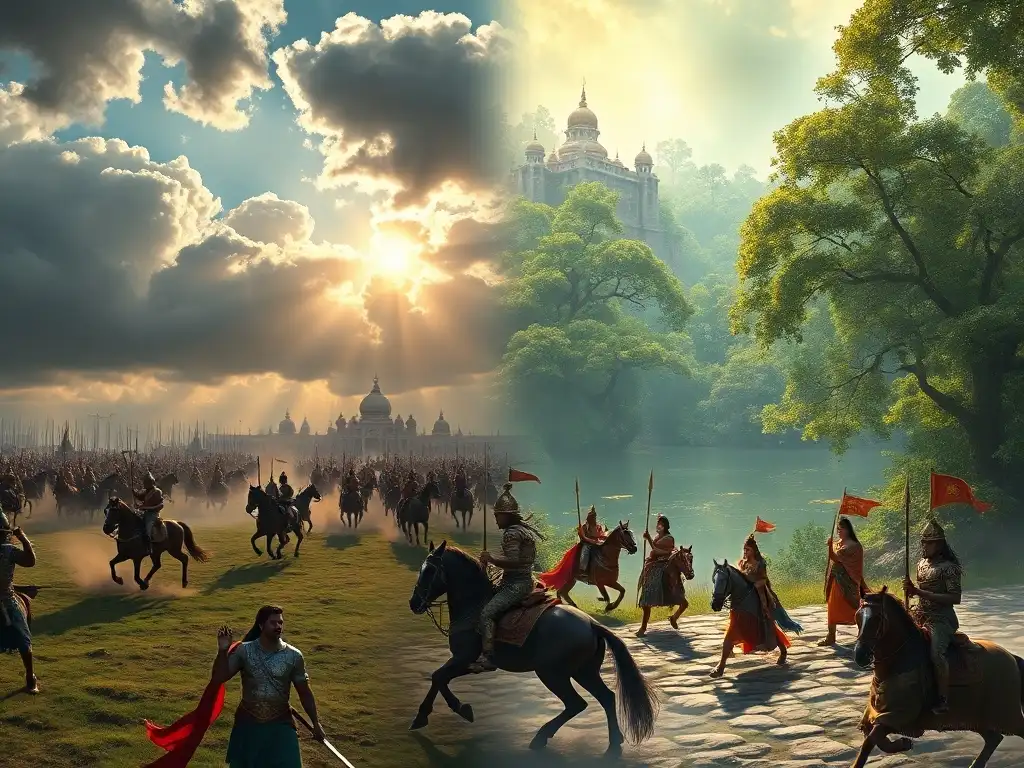
Welcome to Ancient India History, where we embark on an exhilarating journey through the kaleidoscopic tapestry of India's past. Here, we delve into the epic literature that has shaped the cultural and spiritual landscape of the subcontinent. In our featured article, "The Mahabharata Versus the Ramayana: A Comparative Analysis of Two Epics," we invite you to explore the profound similarities and intriguing contrasts between these monumental tales.
What timeless wisdom do these epics hold, and how do they reflect the values of ancient Indian civilization? Join us as we unravel the mysteries of these legendary narratives and their enduring impact on society, history, and humanity. Your adventure through the annals of ancient wisdom begins now!
Introduction to the Mahabharata and Ramayana
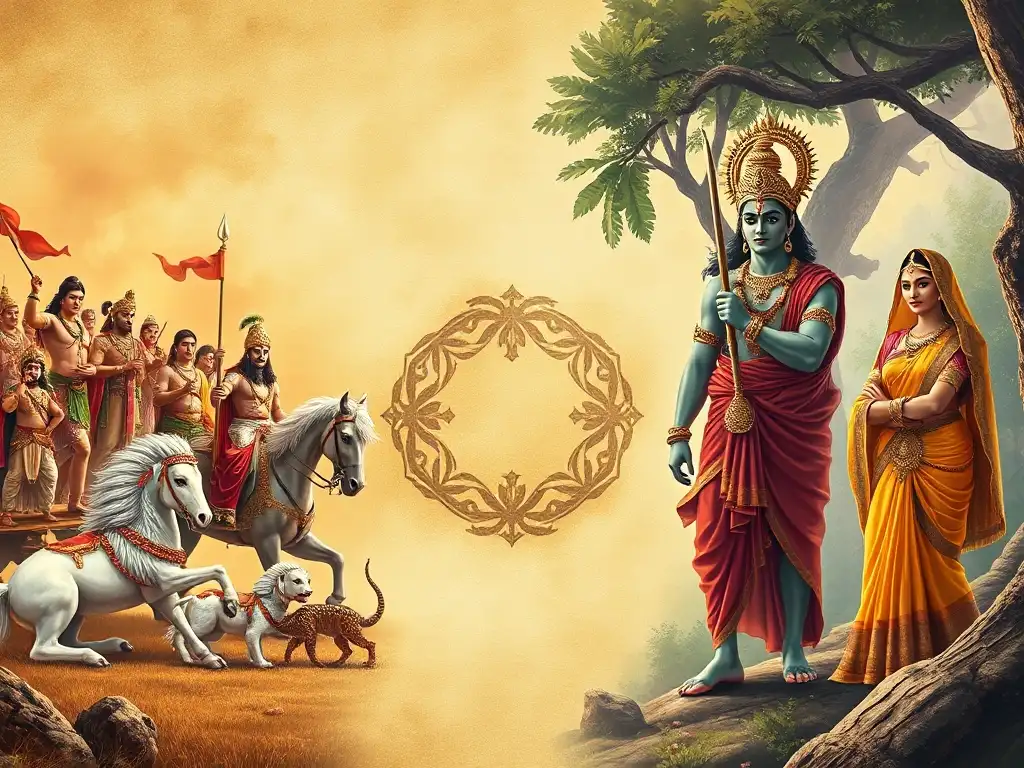
The Mahabharata and the Ramayana are two of the most significant epics in ancient Indian literature, serving as not only cultural cornerstones but also profound sources of moral and philosophical teachings. These monumental texts, composed in Sanskrit, encapsulate the complexities of human emotions, ethical dilemmas, and the interplay between good and evil. Through their intricate narratives and rich characterizations, these epics offer insights into the values, traditions, and societal structures of ancient India.
As we delve into a comparative analysis of these two masterpieces, we will explore their origins, themes, and impact on Indian culture, highlighting their enduring legacy and relevance. This examination will reveal how the Mahabharata Ramayana epic comparison illuminates the diverse perspectives on duty, righteousness, and devotion prevalent in ancient Indian thought.
Overview of Epic Literature in Ancient India
Epic literature in ancient India is characterized by its grand narratives that often address profound philosophical questions and moral dilemmas. These texts not only entertain but also instruct, offering guidance on how to navigate the complexities of life. The two principal epics, the Mahabharata and the Ramayana, are exemplary of this tradition, showcasing a blend of mythology, history, and spirituality that has influenced Indian literature and culture for centuries.
- Key Features of Epic Literature:
- Narrative Complexity: Multi-layered plots involving various characters and subplots.
- Moral Themes: Exploration of ethics, philosophy, and human nature.
- Cultural Significance: Reflection of societal values, norms, and historical contexts.
Significance of the Mahabharata and Ramayana in Indian Culture
The Mahabharata and Ramayana are not merely stories; they are fundamental to the cultural and spiritual fabric of India. Both epics have shaped religious practices, artistic expressions, and social norms throughout history.
- Cultural Impact:
- Religious Influence: Both texts are revered in Hinduism, often recited and studied in spiritual contexts.
- Artistic Inspirations: They have inspired countless works of art, dance, theatre, and literature.
- Moral Framework: Serve as moral compasses, guiding individuals in their personal and social lives.
Historical Context of the Mahabharata and Ramayana
To fully appreciate the depth of the Mahabharata and Ramayana, it is crucial to understand their historical contexts, including their origins, authorship, and the time periods in which they were written.
Origins and Authorship of the Mahabharata
The Mahabharata, attributed to the sage Vyasa, is believed to have been composed over several centuries, with its roots tracing back to the early oral traditions of India. Its compilation reflects various historical events, societal changes, and philosophical thoughts that evolved during its long gestation period.
- Key Points:
- Composition Timeline: Estimated between 400 BCE and 400 CE.
- Cultural Fusion: Incorporates diverse regional stories, reflecting the socio-political landscape of ancient India.
Origins and Authorship of the Ramayana
The Ramayana, traditionally ascribed to the sage Valmiki, is another epic that has undergone various iterations and adaptations over time. Like the Mahabharata, it draws upon a rich tapestry of oral traditions, capturing the essence of dharma (righteousness) through the narrative of Lord Rama's quest to rescue his wife, Sita.
- Key Points:
- Composition Timeline: Estimated around 500 BCE to 100 BCE.
- Influence of Folklore: The epic integrates local legends and cultural motifs, enriching its narrative.
Historical Setting and Time Periods of Both Epics
Both epics are set against the backdrop of ancient Indian society, reflecting its complexities and the evolution of its moral and ethical frameworks. The historical settings of the Mahabharata and Ramayana provide context for their narratives, illustrating the dynamics of power, loyalty, and conflict that characterize human experiences.
- Mahabharata Setting: Set in the mythical kingdom of Hastinapura, it portrays a dynastic struggle for power among the Kauravas and Pandavas.
- Ramayana Setting: Chronicles the adventures of Lord Rama primarily in the regions of Ayodhya, Lanka, and Dandakaranya, emphasizing themes of exile and duty.
Through this comparative analysis, we will see how these epic narratives not only reflect the historical realities of their times but also resonate with timeless themes that continue to inspire and instruct generations.
Major Themes in the Mahabharata and Ramayana
The Mahabharata and the Ramayana are two of the most significant epics in ancient Indian literature, each rich with profound themes that reflect the complexities of life, morality, and human emotion. While both epics delve into the concept of dharma (duty/righteousness), they also explore themes of loyalty, friendship, justice, and the struggle between good and evil. Their narratives serve not only as stories but also as moral guides that have influenced Indian culture and philosophy for centuries.
Exploration of Dharma in the Mahabharata
In the Mahabharata, dharma is a central theme that encapsulates the moral dilemmas faced by the characters, particularly during the Kurukshetra War. The epic intricately portrays how dharma is not a fixed concept but is influenced by context, relationships, and personal choices. The character of Yudhishthira epitomizes this struggle, as he grapples with the responsibilities of a king, the expectations of his family, and the moral implications of war.
The text raises critical questions about what is right and just, often placing characters in situations where they must choose between conflicting duties. For instance, Arjuna's initial reluctance to fight against his kin highlights the tension between his warrior duty and his moral qualms. The Bhagavad Gita, a part of the Mahabharata, further elucidates these complexities by advocating for the performance of duty without attachment to the results, thus providing a philosophical framework for understanding dharma.
Exploration of Dharma in the Ramayana
The Ramayana, while also focusing on dharma, presents a somewhat more straightforward interpretation of right and wrong. Central to its narrative is the character of Rama, who embodies the ideal of dharma in his roles as a son, husband, and king. His journey is marked by adherence to duty, even in the face of personal loss and hardship.
The Ramayana emphasizes the importance of loyalty and righteousness, with Rama often depicted as a paragon of virtue. His exile and the subsequent trials faced by Sita further illustrate the consequences of adhering to dharma, as Sita's unwavering faith and Rama's commitment to truth are celebrated. The epic presents dharma as a path that, while fraught with challenges, ultimately leads to harmony and justice, culminating in the restoration of order in the kingdom of Ayodhya.
Concepts of Good vs. Evil in Both Epics
The dichotomy of good versus evil is a prominent theme in both the Mahabharata and the Ramayana. In the Mahabharata, the lines between good and evil are often blurred, presenting a more complex moral landscape. Characters such as Duryodhana exhibit traits typically associated with villainy, but they are also portrayed with depth, eliciting sympathy for their motivations and desires.
Conversely, the Ramayana presents a more traditional narrative of good versus evil, with clear distinctions between characters like Rama, Sita, and Hanuman representing good, and Ravana epitomizing evil. This portrayal fosters a more straightforward moral lesson about the triumph of good over evil, reinforcing the ideals of virtue and righteousness.
The contrasting approaches to this theme in both epics reflect the diverse philosophical underpinnings of ancient Indian thought, inviting readers to ponder the complexities of morality and the nature of human existence.
Key Characters in the Mahabharata and Ramayana
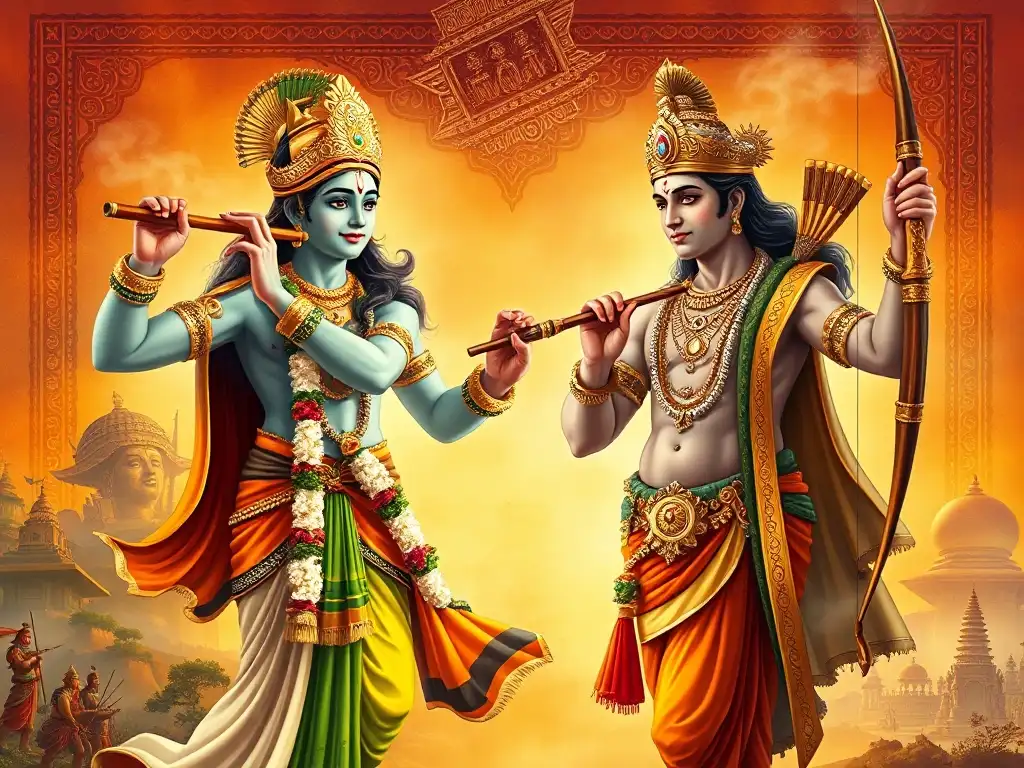
The richness of the Mahabharata and the Ramayana is largely attributed to their complex characters who embody various aspects of human nature and morality. The characters serve as vessels for the epics' themes, and their journeys provide deep insights into the human condition.
Notable Characters in the Mahabharata
The Mahabharata boasts a diverse range of characters, each contributing uniquely to the narrative. Key figures include:
- Yudhishthira: The eldest Pandava, known for his unwavering commitment to truth and righteousness, often faces moral dilemmas that test his character.
- Arjuna: A skilled archer and warrior, his internal conflict regarding duty and morality is central to the Bhagavad Gita's teachings.
- Draupadi: The wife of the Pandavas, she represents strength and resilience, challenging patriarchal norms and advocating for justice.
- Krishna: Serving as a charioteer and divine guide, Krishna plays a crucial role in strategizing the war and imparting philosophical wisdom.
Notable Characters in the Ramayana
In the Ramayana, the characters are often more archetypal, symbolizing ideals of virtue and morality:
- Rama: The protagonist, regarded as the ideal man and king, embodies dharma throughout his life.
- Sita: Rama's devoted wife, her trials symbolize fidelity and moral strength in the face of adversity.
- Hanuman: The devoted monkey god, known for his loyalty and bravery, represents unwavering devotion and courage.
- Ravana: The antagonist, his character embodies the complexities of ambition and power, despite being labeled as the embodiment of evil.
Comparative Analysis of Character Arcs and Development
When comparing character arcs in the Mahabharata and the Ramayana, notable contrasts emerge. The Mahabharata presents characters with multifaceted motivations and development arcs that reflect the complexities of human nature. Characters like Arjuna and Yudhishthira undergo significant transformations influenced by their experiences and moral quandaries throughout the epic.
In contrast, the Ramayana's characters, while they do experience growth, often adhere closely to their established roles. Rama and Sita's arcs focus on their unwavering commitment to dharma, with their virtues remaining consistent throughout the narrative. The clarity of their character traits serves to reinforce the epic's moral lessons.
This comparative analysis showcases how each epic reflects different philosophical ideals through its characters, with the Mahabharata embracing moral ambiguity and complexity, while the Ramayana promotes clear distinctions between virtue and vice. Through these character studies, readers gain a deeper understanding of the underlying messages of both epics, enriching their appreciation of ancient Indian literature.
Plot Structure and Narrative Techniques
The Mahabharata and the Ramayana are two monumental epics of ancient Indian literature, each with its unique plot structure and narrative techniques. While both texts share a thematic focus on dharma (duty/righteousness) and explore the human condition, they diverge significantly in their storytelling approaches and narrative complexities.
Summary of the Mahabharata's Plot
The Mahabharata revolves around the epic conflict between the Pandavas and the Kauravas, two branches of a royal family vying for power and legitimacy over the kingdom of Hastinapura. The narrative begins with the backstory of the two families, detailing the birth of the Pandavas and Kauravas, the deep-rooted animosities, and the eventual struggle for the throne.
This lengthy epic encompasses various sub-stories and characters, including the divine intervention of Lord Krishna, who serves as a charioteer and advisor to Arjuna, one of the Pandava brothers. The central event is the Kurukshetra War, a catastrophic battle fueled by pride, ambition, and the quest for justice. The aftermath of the war leads to reflections on morality, duty, and the consequences of one's actions, culminating in a profound exploration of ethical dilemmas faced by the characters throughout the narrative.
Summary of the Ramayana's Plot
In contrast, the Ramayana tells the story of Prince Rama, his wife Sita, and his loyal companion Hanuman. The epic begins with Rama's exile from his kingdom, Ayodhya, due to a palace intrigue orchestrated by his stepmother. During his exile, Sita is abducted by the demon king Ravana, which sets off a quest for rescue.
The narrative follows Rama's adventures as he allies with the monkey king Sugriva and his army to confront Ravana. The epic culminates in an epic battle in Lanka, where Rama defeats Ravana and rescues Sita. The themes of devotion, loyalty, and righteousness permeate the tale, emphasizing the ideal qualities of a hero and the moral fabric of relationships.
Narrative Techniques: Storytelling Methods in Both Epics
The Mahabharata employs a non-linear narrative structure, interweaving multiple perspectives and subplots, which adds depth and complexity. This technique allows for an exploration of various viewpoints and moral quandaries, encouraging readers to engage in philosophical reflection. The use of dialogues, particularly in the Bhagavad Gita, enhances the narrative's philosophical dimension, presenting profound discourses on life, duty, and spirituality.
Conversely, the Ramayana utilizes a more straightforward narrative style, focusing on the heroic journey of Rama. The epic's linear progression makes it accessible and emphasizes the ideals of heroism and virtue. Poetic verses and vivid descriptions create an immersive experience, while the inclusion of dialogues often highlights the moral lessons inherent in the characters' actions.
Philosophical and Moral Lessons
Both epics not only entertain but also impart significant philosophical and moral lessons, reflecting the values of ancient Indian society and its views on ethics, duty, and human relationships.
Philosophical Insights from the Mahabharata
The Mahabharata delves deeply into the complexities of dharma, illustrating that righteousness is not always black and white. Characters like Arjuna grapple with moral dilemmas, questioning the nature of duty in the face of personal loyalty and familial ties. The Bhagavad Gita, a key component of the Mahabharata, offers profound philosophical insights on selflessness, the nature of the soul, and the pursuit of spiritual truth. It teaches that one must act according to one’s dharma, even when the path is fraught with challenges.
Moral Lessons from the Ramayana
The Ramayana conveys clear moral lessons centered on duty, loyalty, and righteousness. Rama exemplifies the ideal man, showcasing virtues like honor, fidelity, and compassion. His unwavering commitment to dharma, even in the face of personal loss, sets a moral benchmark for individuals. The character of Sita represents the ideals of femininity, devotion, and virtue, while figures like Hanuman embody loyalty and bravery. The narrative emphasizes that adhering to one’s duty is paramount, regardless of the circumstances.
Comparative Analysis of Philosophical Themes
When comparing the philosophical themes of the Mahabharata and Ramayana, it becomes evident that both epics address the concept of dharma, albeit from different perspectives. The Mahabharata presents a more nuanced view of moral ambiguity, highlighting the struggle to uphold righteousness amidst conflicting loyalties. In contrast, the Ramayana offers a more straightforward depiction of ideal virtues, promoting a clear understanding of good versus evil.
Both epics, while differing in their narrative structures and approaches, ultimately guide readers toward the importance of ethical conduct, the complexities of human relationships, and the pursuit of a righteous life. Through their rich storytelling, they encourage introspection and a deeper understanding of one's place within the moral fabric of society.
Cultural Impact and Legacy
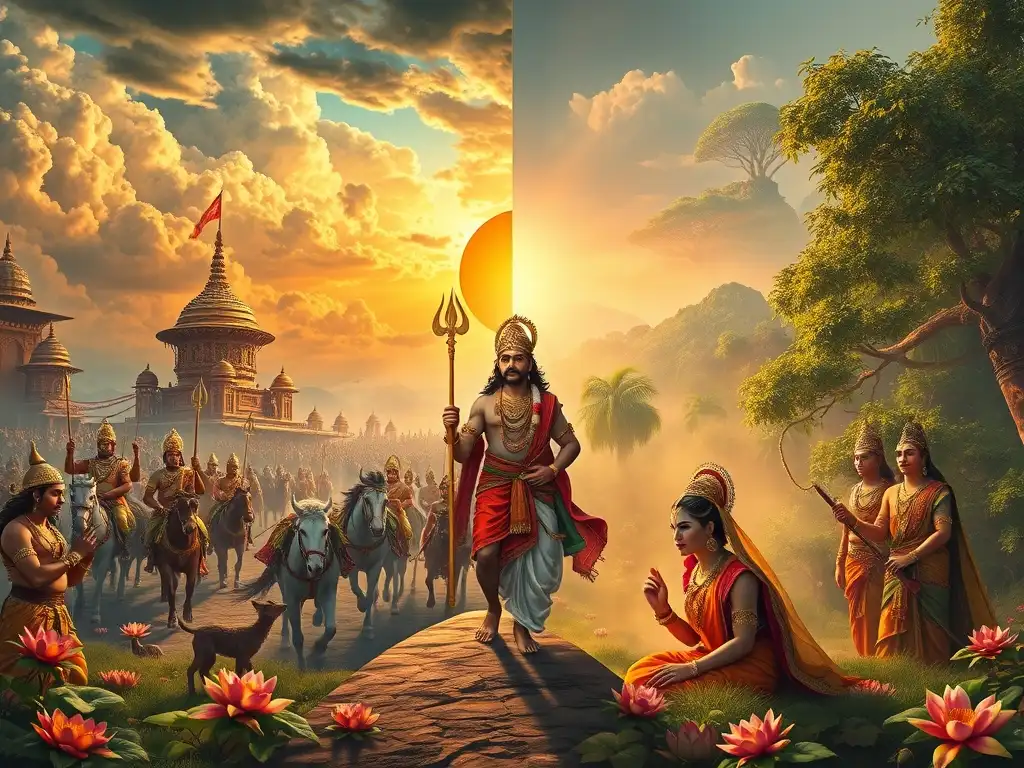
The Mahabharata and the Ramayana have left indelible marks on Indian culture, philosophy, and societal values. Both epics transcend mere storytelling to serve as foundational texts that have shaped moral principles, social norms, and cultural practices throughout Indian history. The narratives, characters, and teachings embedded within these texts continue to resonate in contemporary society, influencing various aspects of life, including literature, art, and religious practices.
Influence of the Mahabharata on Indian Society
The Mahabharata has profoundly influenced Indian society by presenting complex moral dilemmas and diverse character portrayals. Characters like Arjuna and Krishna epitomize the struggle between duty (dharma) and personal ethics, prompting readers to reflect on their own lives. The epic's philosophical discourses, particularly the Bhagavad Gita, have become essential components of Hindu philosophy, addressing existential questions and guiding ethical conduct.
Moreover, the Mahabharata has inspired various art forms, including dance, theater, and literature. Its narratives are frequently depicted in traditional Indian paintings and sculptures, showcasing the epic's characters and events. The festival of Dussehra, celebrated across India, commemorates the victory of dharma over adharma, drawing inspiration from the Mahabharata's themes.
Influence of the Ramayana on Indian Society
The Ramayana, with its portrayal of ideal characters such as Rama, Sita, and Hanuman, serves as a moral compass for society. The epic emphasizes values like loyalty, honor, and righteousness, which are deeply embedded in the cultural psyche. Rama's adherence to dharma, even in challenging circumstances, has set a benchmark for ethical behavior, inspiring countless individuals to strive for virtuous living.
The Ramayana's influence extends to various cultural practices, including festivals like Diwali, which celebrates Rama's return to Ayodhya after defeating Ravana. The epic also plays a significant role in theatrical performances, such as Ramlila, where the story is reenacted, reinforcing its teachings. Additionally, the Ramayana has inspired adaptations in different languages and cultures, highlighting its universal appeal.
Lasting Contributions of Both Epics to Literature and Culture
Both the Mahabharata and the Ramayana have significantly enriched Indian literature and culture. They have inspired a wealth of literary works, including poetry, prose, and modern adaptations. The narrative techniques, character development, and moral complexities found in these epics have influenced countless authors and playwrights.
In addition to literature, the epics have also impacted music and visual arts. Compositions and dances inspired by these texts are prevalent in classical Indian dance forms like Bharatanatyam and Kathak. The stories and characters serve as themes for numerous paintings, sculptures, and handicrafts, embedding the epics into the cultural fabric of India.
Conclusion: The Mahabharata and Ramayana in Perspective
The Mahabharata and the Ramayana stand as monumental achievements in ancient Indian literature, each offering unique insights and teachings. Their narratives not only entertain but also educate, reflecting the complexities of human nature and societal dilemmas.
Summary of Key Comparisons between the Mahabharata and Ramayana
- Narrative Scope: The Mahabharata is an extensive narrative encompassing a multitude of characters and subplots, while the Ramayana follows a more linear storyline focused on Rama's journey.
- Themes: The Mahabharata delves into the intricacies of dharma and moral ambiguity, whereas the Ramayana emphasizes ideals of virtue and righteousness.
- Philosophical Depth: The Mahabharata includes profound philosophical discussions, particularly through the Bhagavad Gita, while the Ramayana primarily conveys moral lessons through its characters’ actions.
Final Thoughts on the Epic Comparison and Their Role in Ancient Indian History
The comparative analysis of the Mahabharata and the Ramayana reveals their complementary roles in shaping ancient Indian civilization. While both epics present distinct narratives and teachings, they collectively contribute to the moral and ethical framework of Indian society. Their enduring legacy is a testament to their significance, ensuring that these texts continue to inspire and guide future generations in their quest for understanding the complexities of life and virtue.
References
The Mahabharata and the Ramayana are two of the most significant epics in Indian literature, revered not only for their narratives but also for their philosophical depth and cultural insights. Understanding these texts requires a solid foundation of scholarly interpretations and analyses. Below are some recommended resources that provide a comprehensive exploration of these epics.
Suggested Readings on the Mahabharata and Ramayana
-
"The Mahabharata: A Modern Rendering" by Ramesh Menon
This contemporary retelling of the Mahabharata offers readers an accessible yet profound insight into the epic's themes, characters, and moral dilemmas, making it suitable for both new and seasoned readers.
-
"Ramayana: The Game of Life" by Shubha Vilas
This series presents the Ramayana in a conversational style, drawing on its teachings and timeless lessons, making complex ideas approachable and relevant to modern life.
-
"The Mahabharata: An Inquiry in the Human Condition" by Kalyan K. Ray
This book delves into the philosophical and ethical dimensions of the Mahabharata, examining how its characters grapple with dilemmas that resonate throughout human history.
-
"The Ramayana: A New Translation" by Robert Goldman
A fresh translation that seeks to capture the original's grandeur while making the text understandable to the contemporary audience. It includes commentary that enriches the reader’s understanding of the epic's context.
-
"Mahabharata: The Greatest Story Ever Told" by Kamala Subramaniam
This retelling preserves the essence of the original epic while providing narrative clarity and emotional depth, making it a favorite among readers of all ages.
Academic Sources for Further Study on Epic Literature
-
"Epic and History" by A. M. D. G. Allott
A scholarly examination of how epics like the Mahabharata and Ramayana serve as historical documents, reflecting the societies from which they emerged, and their role in shaping cultural narratives.
-
"The Ramayana: A Literary Study" by R. K. Narayan
This work offers critical insights into the literary devices employed in the Ramayana, exploring its narrative structure and character development, essential for any student of epic literature.
-
"Myth and Reality in the Mahabharata" by V. R. Narasimhan
An academic inquiry into the intersection of mythological themes and real historical events within the Mahabharata, providing a nuanced analysis for those studying the epic.
-
"The Epic: An Introduction to the Study of the Mahabharata" edited by K. K. Sharma
This collection of essays from various scholars provides diverse perspectives on the Mahabharata, addressing its themes, characters, and cultural significance.
-
"Understanding the Ramayana" by K. M. K. S. Rao
A critical analysis that contextualizes the Ramayana within its historical and cultural milieu, offering insights into its enduring relevance and impact on Indian civilization.
These references are essential for anyone looking to deepen their understanding of the Mahabharata and Ramayana, providing a blend of narrative enjoyment and scholarly analysis that captures the richness of these epic tales.
- Introduction to the Mahabharata and Ramayana
- Historical Context of the Mahabharata and Ramayana
- Major Themes in the Mahabharata and Ramayana
- Key Characters in the Mahabharata and Ramayana
- Plot Structure and Narrative Techniques
- Philosophical and Moral Lessons
- Cultural Impact and Legacy
- Conclusion: The Mahabharata and Ramayana in Perspective
- References
- What are the main themes of the Mahabharata and the Ramayana?
- How do the epic narratives of the Mahabharata and Ramayana differ?
- What role do characters play in the comparison of these two epics?
- How do the epics reflect ancient Indian culture and values?
- Why is the comparison between the Mahabharata and Ramayana significant?
Frequently Asked Questions
What are the main themes of the Mahabharata and the Ramayana?
The Mahabharata focuses on dharma (duty/righteousness) and the complexities of human nature, while the Ramayana emphasizes idealism, particularly through the character of Rama as the ideal hero.
How do the epic narratives of the Mahabharata and Ramayana differ?
The Mahabharata is a multi-layered narrative involving a great war and moral dilemmas, whereas the Ramayana is a linear tale centered on the life and adventures of Rama in his quest to rescue Sita.
What role do characters play in the comparison of these two epics?
Characters in the Mahabharata are often portrayed with flaws and complexities, while characters in the Ramayana typically embody ideal traits, making them more symbolic of moral values.
How do the epics reflect ancient Indian culture and values?
Both epics serve as cultural touchstones, showcasing the values of duty, honor, and justice in ancient Indian society, with mythological narratives that reinforce these ideals.
Why is the comparison between the Mahabharata and Ramayana significant?
The comparison highlights the diverse narrative styles and philosophical teachings of ancient Indian literature, enriching our understanding of their cultural and historical context.
Final Reflection: Embracing the Wisdom of Two Timeless Epics
In exploring the Mahabharata and Ramayana, we uncover not just stories of valor and virtue, but profound lessons that resonate in our contemporary lives. These epics, steeped in rich cultural heritage, offer insights into human nature, morality, and the complexities of dharma. As we navigate the challenges of modern society, the wisdom embedded in these narratives remains strikingly relevant, urging us to reflect on our choices and the consequences they bear.
The influence of the Mahabharata and Ramayana extends far beyond their pages, shaping cultural identities and social values across generations. These epics serve as mirrors, reflecting our struggles, aspirations, and the eternal quest for righteousness. They remind us that the battles we face are not just external but also internal, as we grapple with our own dilemmas and ethical decisions. The greatest battle is the one that takes place within.
This ongoing dialogue with these texts invites us to engage with our own narratives, fostering a deeper understanding of ourselves and our place in the world.
As we conclude this comparative analysis, I invite you to reflect on the lessons these epics impart and consider how they can guide your own journey. Let the stories of the Mahabharata and Ramayana inspire you to seek wisdom in your decisions, courage in your challenges, and compassion in your interactions. Embrace the timeless teachings of these epics, and allow them to illuminate your path as you navigate the complexities of life.
Dive Deeper into India’s Epic Stories!
Thank you for exploring the rich narratives of the Mahabharata and the Ramayana with us! By delving into these timeless stories, you’ve uncovered insights that illuminate the values and philosophies of ancient India. Now, it's time to take those insights and put them into action!
- Reflect on the philosophies presented in these epics and consider how they can influence your own life. What lessons resonate with you personally?
- Share your favorite character or moment from these epics in the comments below. Let’s start a conversation about their significance and impact on our lives!
- Explore further by reading various adaptations or watching performances of these epics—there are many unique interpretations waiting to be discovered!
Which lessons from the Mahabharata and Ramayana do you find most relevant in today’s world? Let's discuss!