
The Vedas and Pilgrimages: Sacred Journeys in Ancient India

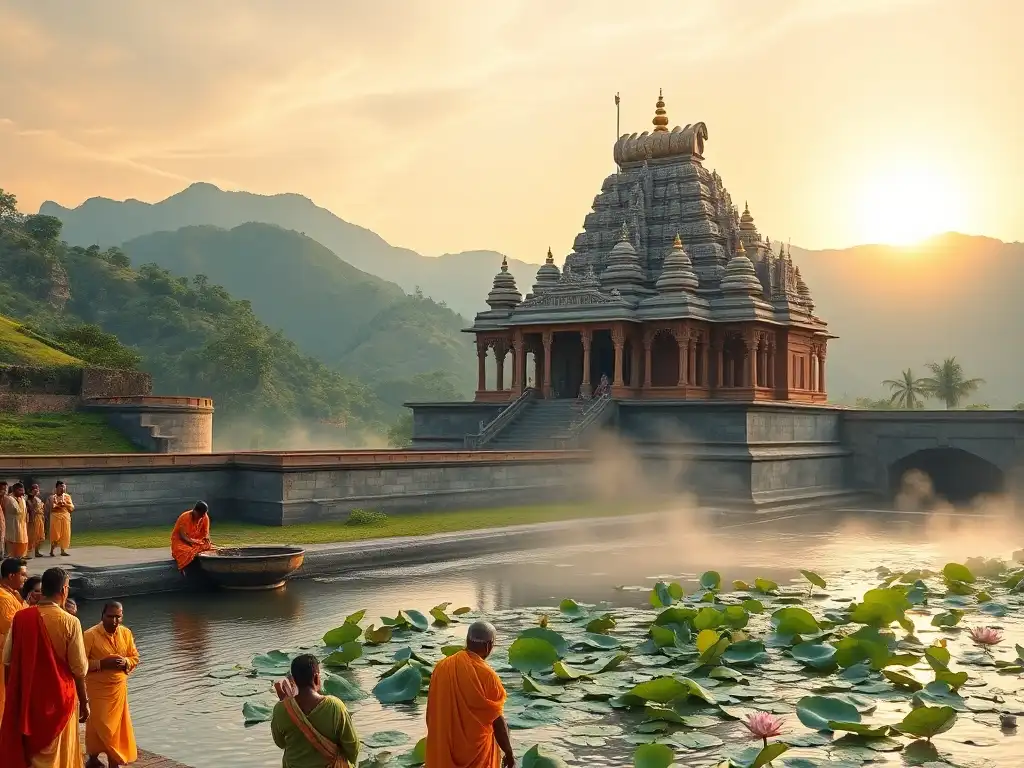
Welcome to Ancient India History, where we invite you to embark on a mesmerizing exploration of the rich tapestry woven by ancient Indian civilizations. Delve into our featured article, "The Vedas and Pilgrimages: Sacred Journeys in Ancient India," and uncover the profound significance of sacred journeys that shaped spiritual life and cultural practices. From the mystical Indus Valley to the flourishing Gupta Empire, every corner of ancient India holds stories waiting to be discovered.
Join us as we traverse these sacred paths and illuminate the contributions of epic literature that continue to inspire and captivate. Your adventure through time starts here—let curiosity guide you deeper into the realms of the past!
Introduction to Sacred Journeys in Ancient India
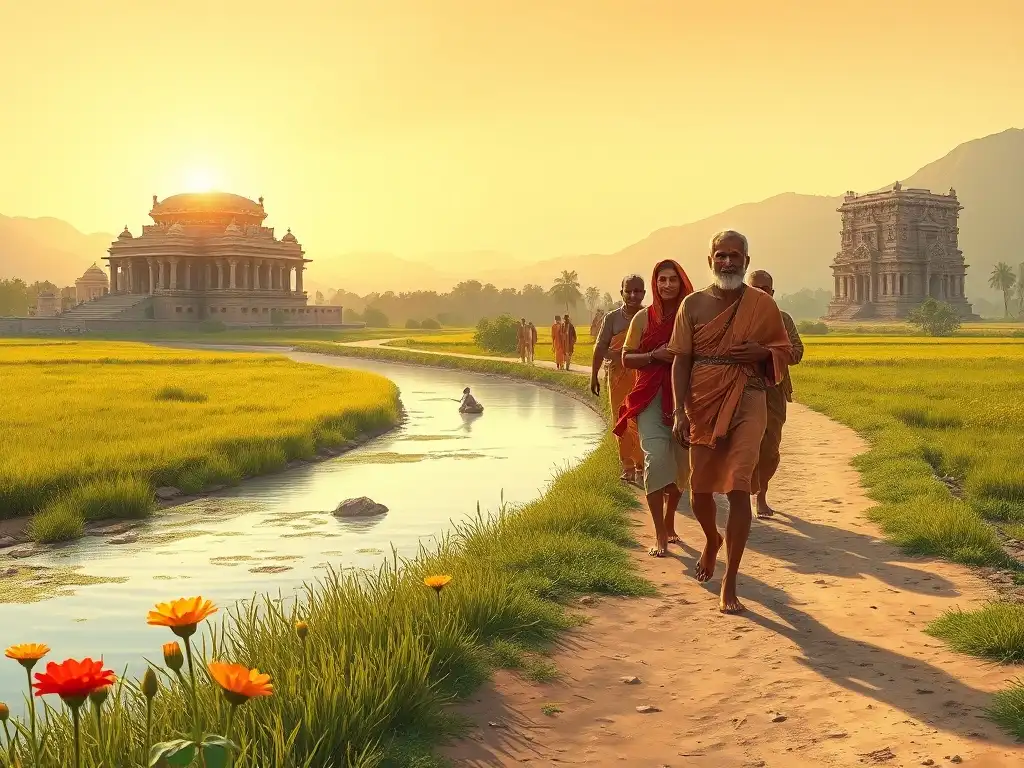
The concept of sacred journeys in ancient India is deeply intertwined with the spiritual and cultural fabric of the civilization. These journeys were not merely physical travels; they represented profound transformations of the soul and were often undertaken in pursuit of enlightenment, divine connection, or fulfillment of spiritual duties.
Central to these sacred voyages is the body of ancient texts known as the Vedas, which provided both the theological framework and the ritualistic guidelines that shaped the pilgrimage experience. From the banks of the sacred Ganges to the towering peaks of the Himalayas, these routes became pathways of devotion and discovery, fostering a rich tapestry of religious practices that resonate even today.
Definition of Sacred Journeys
Sacred journeys, or Tirtha Yatras, refer to pilgrimages undertaken to holy sites that are imbued with spiritual significance. In ancient India, these journeys were often associated with the quest for moksha (liberation) or punya (merit), and they encompassed visits to temples, rivers, and mountains considered sacred. The act of pilgrimage was viewed as a means to purify oneself, connect with the divine, and fulfill religious obligations.
Importance of Pilgrimages in Ancient Indian Culture
Pilgrimages played a crucial role in ancient Indian culture, serving as a means for individuals to express their faith and devotion. Here are some key points highlighting their significance:
- Spiritual Growth: Pilgrimages were seen as a catalyst for spiritual growth, encouraging individuals to reflect on their lives and seek enlightenment.
- Cultural Exchange: These journeys facilitated cultural exchange among various regions, leading to the spread of ideas, art, and traditions.
- Community Building: Pilgrimages fostered a sense of community among participants, forging bonds through shared experiences and collective worship.
- Ritualistic Practices: Many pilgrimages involved specific rituals and offerings, further enhancing their religious importance and connection to the Vedic texts.
Overview of the Vedas
The Vedas, revered as the oldest scriptures of Hinduism, are a rich source of knowledge that encompasses various aspects of life, spirituality, and philosophy. Composed in Vedic Sanskrit, these texts serve as foundational literature for understanding ancient Indian beliefs and practices.
Historical Context of the Vedas
The Vedas were composed over a period spanning from approximately 1500 BCE to 500 BCE, reflecting the sociocultural evolution of the Indo-Aryan people. They emerged during the Vedic period, a time characterized by the establishment of complex societies in the Indian subcontinent. The texts provide insights into the religious practices, social structures, and philosophical inquiries of the time, marking a significant shift from earlier oral traditions to written forms of knowledge.
Major Texts of the Vedas
The Vedas are traditionally divided into four major texts:
- Rigveda: The oldest and most significant Veda, known for its hymns dedicated to various deities.
- Samaveda: A collection of melodies and chants, primarily used during rituals.
- Yajurveda: This Veda serves as a guide for ritual sacrifices and includes prose mantras.
- Atharvaveda: A unique text that encompasses spells, charms, and practical knowledge, reflecting everyday life and beliefs.
Philosophical Significance of the Vedas
The philosophical depth of the Vedas is profound, addressing fundamental questions about existence, the nature of the divine, and the universe. Key concepts include:
- Brahman: The ultimate reality or cosmic spirit underlying all existence.
- Atman: The individual soul, which is considered eternal and interconnected with Brahman.
- Dharma: The moral and ethical duties that guide individual behavior and societal harmony.
The Vedas not only serve as religious texts but also as philosophical treatises that continue to influence Indian thought and spirituality. Through the exploration of sacred journeys, these texts provide invaluable insights into the spiritual landscape of ancient India, shaping the way devotees engage with their faith and the world around them.
Pilgrimages in Ancient India
Pilgrimages have played a crucial role in shaping the spiritual landscape of ancient India, serving as vital expressions of faith and devotion among practitioners of various traditions. These sacred journeys often involve traveling to significant religious sites, where individuals seek blessings, perform rituals, and connect with the divine. The concept of pilgrimage in ancient India is closely interwoven with the teachings and narratives found in the Vedas, which provide insights into the spiritual practices of the time.
The Vedic texts mention several sacred locations that pilgrims would visit, often highlighted as places of immense spiritual power. These pilgrimages were not merely journeys of physical distance; they were also profound spiritual quests aimed at achieving personal transformation and enlightenment. The act of undertaking a pilgrimage was seen as a way to purify oneself, fulfill religious duties, and establish a deeper connection with the cosmos.
Key Pilgrimage Sites Mentioned in the Vedas
Within the Vedic literature, numerous locations are celebrated as pilgrimage sites, each imbued with its own unique significance. Some of the most notable sites include:
- Kurukshetra: Revered as the battlefield of the Mahabharata, Kurukshetra is a major pilgrimage destination where devotees seek to cleanse their sins and attain spiritual merit.
- Haridwar: Located at the point where the Ganges River exits the mountains, Haridwar is considered one of the holiest cities in India. It is a focal point for many rituals and festivals, particularly the Kumbh Mela.
- Varanasi: Known as Kashi, Varanasi is often referred to as the city of light. It is a significant spiritual hub where pilgrims come to bathe in the Ganges and perform last rites for their ancestors.
- Prayag (Allahabad): The confluence of the Ganges, Yamuna, and Sarasvati rivers makes Prayag a sacred site, especially during the Kumbh Mela, where millions gather for purification and spiritual renewal.
These sites exemplify the profound connection between physical locations and spiritual aspirations, reflecting the ancient Indian belief in the sanctity of the earth and its ability to facilitate divine encounters.
The Role of Pilgrimages in Vedic Traditions
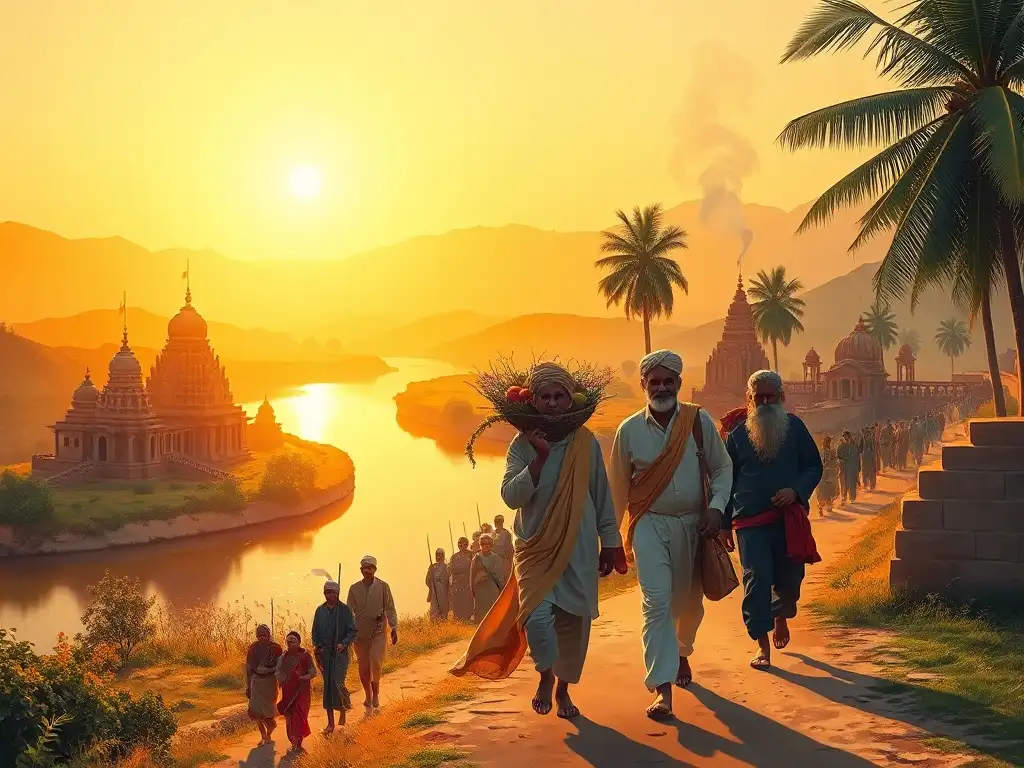
Pilgrimages in Vedic traditions served multiple purposes, merging the spiritual, social, and cultural dimensions of life. They provided a means for individuals to express their faith, seek forgiveness, and fulfill religious obligations. The Vedas prescribe various rituals and offerings that pilgrims are expected to perform at sacred sites, reinforcing their commitment to dharma (righteousness) and the pursuit of spiritual knowledge.
In addition to individual devotion, pilgrimages fostered a sense of community among participants. As people traveled together, they shared stories, teachings, and experiences, thereby strengthening their communal bonds. This collective journey also allowed for the exchange of ideas and practices among different sects and traditions, enriching the spiritual tapestry of ancient India.
Rituals and Practices Associated with Pilgrimages
The rituals associated with pilgrimages were diverse and often tailored to the specific site being visited. Common practices included:
- Bathing in Sacred Waters: Pilgrims would cleanse themselves in holy rivers or lakes, believing that the act would wash away sins and impurities.
- Offerings and Sacrifices: At pilgrimage sites, devotees often prepared offerings of food, flowers, and incense to present to deities, seeking blessings in return.
- Recitation of Vedic Hymns: Chanting specific verses from the Vedas was a common practice during pilgrimages, believed to enhance spiritual merit and connect the individual with divine energies.
- Performing Rituals: Various rituals, such as fire sacrifices (yajnas) or pujas, were conducted to honor the deities and seek their grace.
These rituals not only served as acts of devotion but also reinforced the teachings of the Vedas, promoting a deeper understanding of the spiritual principles underlying Vedic traditions.
Spiritual Significance of Sacred Journeys
The spiritual significance of sacred journeys in ancient India transcends mere physical travel; it embodies the quest for self-realization and liberation (moksha). Pilgrimages are viewed as transformative experiences that facilitate inner growth and enlightenment. The journey itself symbolizes the soul's path toward understanding its true nature and connection to the cosmos.
In the Vedic worldview, undertaking a pilgrimage is often associated with the idea of karma and rebirth. By performing acts of devotion and seeking forgiveness during these journeys, pilgrims aimed to create positive karma that would influence their future lives. Thus, sacred journeys were not only significant for the present moment but were also believed to shape one’s spiritual evolution across lifetimes.
The exploration of sacred journeys in ancient India through the lens of the Vedas reveals a rich tapestry of spiritual practices, beliefs, and communal experiences. These journeys continue to resonate within the fabric of Indian spirituality today, serving as a testament to the enduring significance of pilgrimage in the spiritual landscape of ancient Indian civilization.
Sacred Landscapes: Geography of Pilgrimages in Ancient India
In ancient India, the concept of pilgrimage was closely intertwined with the geography and natural landscapes of the region. The Vedas, which are the oldest scriptures of Hinduism, played a pivotal role in delineating these sacred landscapes. Pilgrimage routes were often mapped out based on the locations of important temples, rivers, and mountains that were believed to be imbued with spiritual significance. The sacred geography of India not only provided the physical paths for devotees but also inspired the spiritual journeys that shaped the beliefs and practices of ancient Indian civilizations.
The topography of India, rich with diverse features ranging from the towering Himalayas to the sacred rivers like the Ganges and Yamuna, created a myriad of pilgrimage sites. Each of these locations was not only a destination but also a landscape that embodied myths, legends, and rituals that were integral to the cultural fabric of the time. Understanding these sacred landscapes helps us appreciate the profound connection between geography and spirituality in ancient India.
Mapping the Sacred Routes
The mapping of sacred routes in ancient India was a meticulous process that involved the interplay of religious beliefs, geographical features, and cultural narratives. Ancient texts, including the Vedas and later Puranas, served as essential guides that documented the locations of pilgrimage sites. These routes were often linked to various deities and their associated stories, which further attracted devotees seeking blessings and spiritual fulfillment.
Pilgrimage maps were not merely geographical representations but were imbued with symbolic meanings. Major routes like the ones leading to Varanasi, Kashi, and Rishikesh became pivotal in fostering a sense of community among pilgrims. The physical act of traversing these sacred paths often mirrored the spiritual journey of the individual, enhancing the transformative experience of the pilgrimage.
Natural Features and Their Spiritual Meaning
Natural features played a crucial role in shaping the spiritual significance of pilgrimage sites in ancient India. For example, rivers were considered sacred with the Ganges being the most revered. Its waters were believed to purify sins, making it a primary destination for pilgrims. Mountains, too, held significant spiritual connotations; for instance, Mount Meru was viewed as the axis mundi in Hindu cosmology, symbolizing the center of the universe.
These natural features were often personified as deities, and their presence in pilgrimage narratives added layers of meaning to the journeys undertaken by devotees. The landscapes were not just backdrops; they were integral to the spiritual experiences, providing a tangible connection to the divine. Pilgrims often engaged in rituals that honored these natural elements, reflecting the deep reverence ancient Indians had for their environment.
Impact of Pilgrimages on Ancient Indian Society
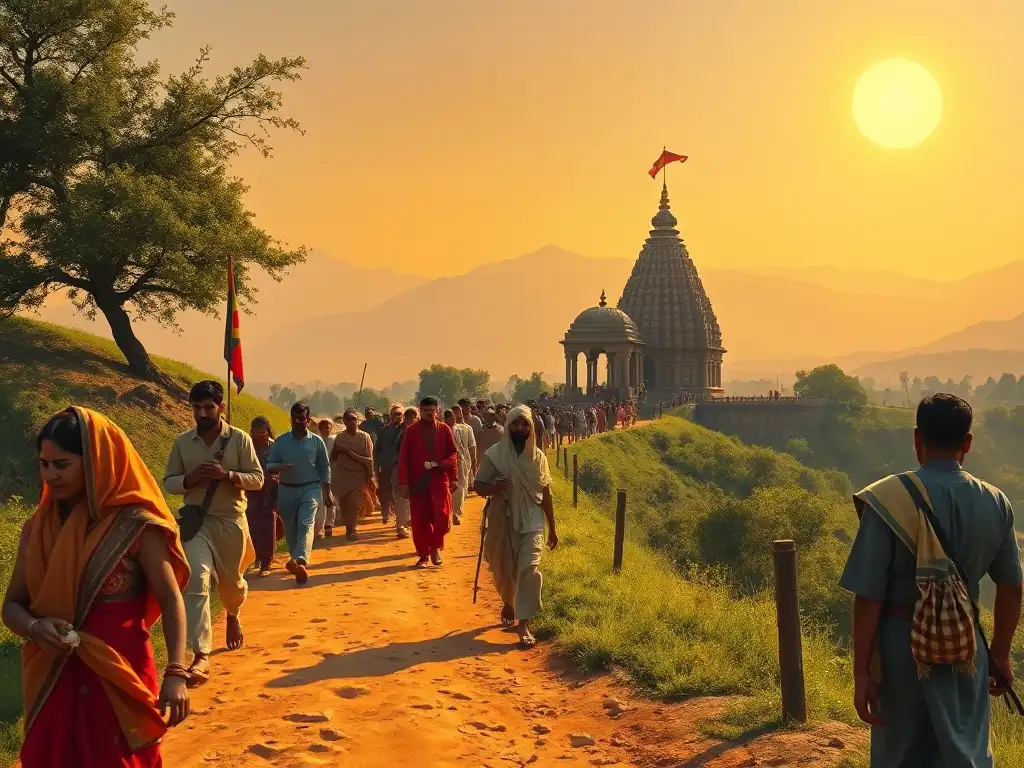
The impact of pilgrimages on ancient Indian society was multifaceted, influencing social structures, cultural practices, and economic activities. Pilgrimages were not only religious journeys but also significant social events that fostered connections among diverse groups of people. They facilitated the exchange of ideas, traditions, and goods, contributing to the rich tapestry of ancient Indian culture.
Social and Cultural Aspects of Pilgrimages
Pilgrimages in ancient India served as a vital platform for social interaction and cultural exchange. They brought together individuals from various backgrounds, fostering a sense of unity and shared purpose. The communal aspect of these journeys often led to the establishment of networks among pilgrims, which transcended regional and caste boundaries.
Cultural practices associated with pilgrimage, such as festivals, rituals, and communal gatherings, enriched the social fabric of ancient Indian society. Temples and pilgrimage sites became hubs for cultural expressions, where art, music, and dance flourished as part of the religious experience. This cultural dynamism contributed to the preservation and dissemination of ancient Indian traditions, reinforcing the significance of sacred journeys in shaping societal norms and values.
Economic Influence of Pilgrimage Sites
The economic influence of pilgrimage sites in ancient India was substantial. These sacred locations attracted a constant influx of devotees, leading to the growth of various economic activities. Local economies thrived as artisans, traders, and service providers catered to the needs of pilgrims. Markets around significant pilgrimage sites flourished, offering everything from religious artifacts to food and accommodations.
Additionally, the patronage of temples by wealthy pilgrims and rulers resulted in the construction of elaborate infrastructures, such as roads, inns, and marketplaces. This economic stimulation not only enhanced the livelihood of local communities but also contributed to the broader economic development of ancient India. The intertwining of spirituality and commerce at pilgrimage sites exemplifies the holistic impact of sacred journeys on society, highlighting their importance beyond mere religious observance.
Personal Experiences in Sacred Journeys
Sacred journeys in ancient India were deeply intertwined with the spiritual and cultural fabric of the society. Individuals embarked on these pilgrimages not only for religious reasons but also for personal transformation and enlightenment. The experiences recounted by pilgrims often revealed profound insights into the nature of faith, devotion, and the quest for knowledge.
Traveling to sacred sites such as the banks of the Ganges, the hills of the Himalayas, or the temples of Varanasi, pilgrims faced a myriad of challenges. Their narratives often highlighted the physical trials of the journey, from navigating treacherous terrains to enduring harsh weather conditions. However, these hardships were perceived as essential rites of passage that culminated in spiritual rewards.
Moreover, personal experiences shared in ancient texts emphasize the communal aspect of these journeys. Fellow travelers would bond over shared rituals, stories, and experiences, fostering a sense of belonging. These narratives reflect not only the individual’s journey toward self-discovery but also the collective experience of faith that transcended personal boundaries.
Narratives from Pilgrims in Ancient Texts
Ancient Indian texts are rich with narratives from pilgrims who undertook sacred journeys. The Mahabharata and Ramayana, for instance, contain accounts of characters engaging in pilgrimages that reveal their spiritual intent and moral dilemmas. These stories often serve as allegories for the journey of life itself, where the physical pilgrimage mirrors the inner spiritual quest.
One notable example is the journey of the sage Vyasa, who traveled extensively in search of wisdom and enlightenment. His experiences in sacred places not only enriched his understanding of the Vedas but also shaped the narratives he later penned. Similarly, the Puranas recount tales of devotees who traveled to sacred sites, emphasizing the transformative power of these journeys on their faith and understanding of the divine.
These narratives often include encounters with divine beings, lessons learned through trials, and the fulfillment of spiritual aspirations. The detailed accounts of the pilgrim's experiences serve as a guide for future generations, illustrating the importance of perseverance, devotion, and humility in the pursuit of spiritual knowledge.
Lessons Learned from Sacred Journeys
The sacred journeys in ancient India imparted several important lessons that resonated through the ages. Firstly, the significance of dharma—the moral and ethical path—is a recurring theme. Pilgrims were often reminded to adhere to their duties and responsibilities while on their journeys, reflecting the interconnectedness of personal actions and spiritual outcomes.
Additionally, the concept of seva, or selfless service, emerged prominently through these experiences. Many pilgrims engaged in acts of kindness and charity along their journey, reinforcing the belief that spiritual growth is facilitated by helping others. The Vedas themselves emphasize the importance of compassion and service to society as integral components of a spiritual life.
Another vital lesson derived from these journeys is the understanding of impermanence. As pilgrims traversed diverse landscapes and encountered various cultures, they came to appreciate the transient nature of life. This understanding fostered a sense of detachment from worldly possessions and desires, aligning with the Vedic teachings on renunciation and spiritual liberation.
Conclusion: The Legacy of Sacred Journeys in Ancient India
The legacy of sacred journeys in ancient India is profound and enduring. These pilgrimages are not merely historical events; they represent the essence of spiritual pursuits that continue to inspire millions today. The teachings, narratives, and lessons learned from these journeys have shaped the cultural and religious landscape of India, reinforcing the importance of faith, community, and self-discovery.
Continuing Influence of Vedic Pilgrimages Today
In contemporary times, the influence of Vedic pilgrimages persists significantly. Modern-day pilgrims still embark on journeys to sacred sites such as Kashi, Haridwar, and Rishikesh, seeking spiritual solace and enlightenment. The principles established in the Vedas regarding pilgrimage—such as purity, devotion, and the quest for knowledge—remain central to these modern journeys.
Moreover, new forms of pilgrimage, such as eco-tourism and wellness retreats, have emerged, integrating ancient spiritual practices with modern sensibilities. This blend of tradition and contemporary practices ensures that the essence of sacred journeys continues to evolve while retaining its core values.
Reflection on the Importance of Sacred Journeys in Modern India
The significance of sacred journeys in modern India cannot be overstated. They offer individuals a chance to reconnect with their heritage, explore their spirituality, and engage in communal experiences that transcend social and cultural barriers. In an increasingly fast-paced world, these journeys serve as a reminder of the importance of reflection, mindfulness, and the pursuit of inner peace.
Furthermore, sacred journeys promote a deeper understanding of India's diverse cultures, fostering respect and appreciation among different communities. They encourage individuals to learn from one another’s experiences, creating a rich tapestry of shared spiritual heritage that continues to flourish in the hearts of millions.
Sacred journeys in ancient India, as documented in the Vedas and ancient texts, not only shaped individual spiritual paths but also left an indelible mark on the collective consciousness of Indian civilization. Their legacy continues to inspire and guide those seeking meaning and connection in their lives today.
References and Further Reading on Sacred Journeys in Ancient India
The exploration of sacred journeys in ancient India offers a profound understanding of the spiritual and cultural dimensions of Indian civilization. The Vedas, as the ancient texts, not only provide insights into ritualistic practices but also highlight the significance of pilgrimage in spiritual life. For those eager to delve deeper into this fascinating subject, various texts and resources are available.
Suggested Texts and Resources for Deeper Understanding
-
The Vedas: A New Translation
This collection offers contemporary translations of the Vedic texts, making the intricate philosophies and rituals accessible to modern readers.
-
Sacred Journeys: The Pilgrimage in Indian Culture
This book examines the historical and spiritual significance of pilgrimage in India, detailing the practices surrounding sacred sites and the cultural narratives that accompany them.
-
The Upanishads
Although not Vedic texts per se, the Upanishads provide essential philosophical insights derived from Vedic thought, emphasizing the introspective journeys of seekers.
-
The Ramayana and Mahabharata
These epic narratives often intersect with Vedic traditions and highlight the importance of pilgrimage within the context of heroic journeys and moral dilemmas.
-
Pilgrimage and Sacred Sites in India
This resource gives an overview of major pilgrimage sites in India, exploring their historical significance and the rituals associated with them.
Additional Literature on the Vedas and Pilgrimages
-
The Vedic Way of Life: A Study of Vedic Literature
This scholarly work delves into the lifestyle prescribed by Vedic texts, including aspects of pilgrimage and the spiritual significance of travel.
-
Holy Places in India: Their Importance in History and Culture
This book provides a comprehensive look at the various holy places in India, detailing the myths and legends that contribute to their significance.
-
The Philosophy of the Vedas: An Introduction
Exploring the philosophical underpinnings of the Vedas, this text connects the ancient scriptures to contemporary spiritual practices, including pilgrimage.
-
Pilgrimage in India: A Historical Perspective
This work offers a historical overview of pilgrimage practices in India, examining how they have evolved over time and their impact on society.
-
Vedic Rituals and Practices: A Guide
This guide outlines the rituals outlined in the Vedas, including those associated with journeys to sacred sites, providing practical insights for practitioners and scholars alike.
These resources serve as a foundation for understanding the intricate relationship between the Vedas and the sacred journeys that have shaped the spiritual landscape of ancient India. By engaging with these texts, readers can gain a deeper appreciation for the cultural heritage and religious practices that continue to resonate in modern India.
- Introduction to Sacred Journeys in Ancient India
- Overview of the Vedas
- Pilgrimages in Ancient India
- Key Pilgrimage Sites Mentioned in the Vedas
- The Role of Pilgrimages in Vedic Traditions
- Rituals and Practices Associated with Pilgrimages
- Spiritual Significance of Sacred Journeys
- Sacred Landscapes: Geography of Pilgrimages in Ancient India
- Impact of Pilgrimages on Ancient Indian Society
- Personal Experiences in Sacred Journeys
- Conclusion: The Legacy of Sacred Journeys in Ancient India
- References and Further Reading on Sacred Journeys in Ancient India
- What are the Vedas in the context of ancient India?
- How did pilgrimages shape the culture of ancient India?
- What is the significance of sacred journeys in ancient India?
- How did the Gupta Empire influence the practice of pilgrimages?
- Are there any specific sacred sites mentioned in relation to the Vedas?
Frequently Asked Questions
What are the Vedas in the context of ancient India?
The Vedas are the oldest sacred texts of Hinduism, comprising four collections of hymns, rituals, and philosophy that play a crucial role in the spiritual and cultural heritage of ancient India.
How did pilgrimages shape the culture of ancient India?
Pilgrimages were integral to ancient Indian society, fostering spiritual growth and community bonding as people traveled to sacred sites for worship and rituals, thus enriching the cultural landscape.
What is the significance of sacred journeys in ancient India?
Sacred journeys represented a quest for spiritual enlightenment and connection to the divine. They often involved visiting holy places, which were believed to enhance spiritual merit and individual transformation.
How did the Gupta Empire influence the practice of pilgrimages?
During the Gupta Empire, there was a notable revival of Hinduism, which encouraged extensive pilgrimages to sacred sites, thereby enhancing cultural exchange and establishing religious tourism as a vital aspect of society.
Are there any specific sacred sites mentioned in relation to the Vedas?
Yes, several sacred sites such as Varanasi, Haridwar, and Kashi are often referenced in the Vedas, symbolizing their importance as pilgrimage destinations that embody the spiritual essence of ancient India.
Final Reflection: The Enduring Legacy of Sacred Journeys in Ancient India
The exploration of sacred journeys in ancient India, as depicted in the Vedas, remains profoundly relevant today. These ancient texts not only shaped the spiritual landscape of their time but also continue to inspire contemporary seekers on their own paths of discovery. The notion of pilgrimage transcends mere travel; it embodies a quest for meaning and connection that resonates deeply in our modern lives.
Cultural and spiritual practices rooted in these sacred journeys have woven themselves into the fabric of society, influencing everything from art to philosophy. The Vedic traditions remind us that every step taken on a pilgrimage is a step toward self-discovery and enlightenment. As Mahatma Gandhi once said, "> The best way to find yourself is to lose yourself in the service of others." This sentiment echoes the essence of pilgrimage, where the journey becomes a transformative experience, fostering a deeper understanding of oneself and the world.
As you reflect on the lessons of sacred journeys in ancient India, consider how you might incorporate these principles into your own life. Embrace the idea that every journey, whether physical or metaphorical, holds the potential for growth and insight. Allow the wisdom of the Vedas to guide you in seeking your own sacred paths, and remember that each step taken in pursuit of purpose can lead to profound revelations. The journey is not merely about the destination; it is about the transformation that occurs along the way.
Embark on Your Sacred Journey Today!
Thank you for exploring the profound connection between the Vedas and ancient pilgrimages in India. Your interest not only enriches your knowledge but also pays homage to a rich tapestry of spirituality and culture. Now, let’s take your journey a step further!
Here are some inspiring actions you can take right now:
- Plan a pilgrimage: Choose a sacred site that resonates with you and make detailed plans to visit. Experience the spiritual energy firsthand!
- Dive deeper into your studies: Explore more about the Vedas and their teachings through recommended readings or documentaries. Expand your understanding and connect with ancient philosophies.
- Share your newfound knowledge: Discuss your insights with friends or family. Initiate a conversation about how ancient wisdom can resonate in today’s world.
How might embarking on your own pilgrimage transform your understanding of spirituality?