
The Role of the Varnas: A Deep Dive into Ancient Indian Social Classes

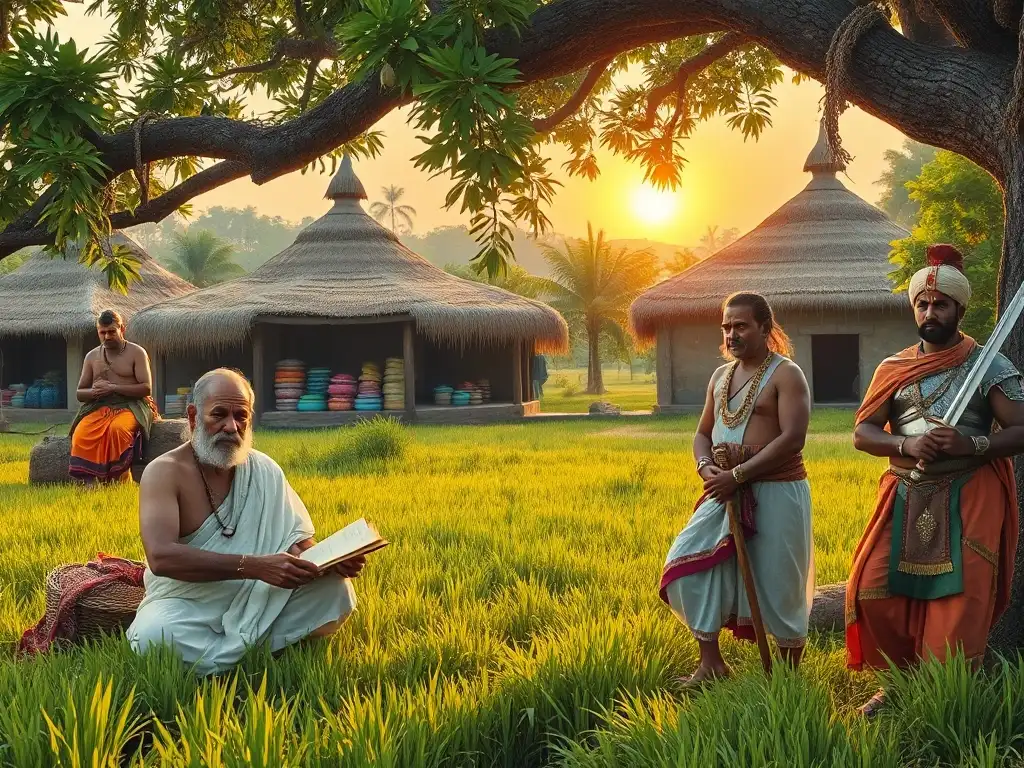
Welcome to Ancient India History, where we embark on a fascinating journey through time to uncover the vibrant tapestry of ancient Indian civilizations. In this exploration, we delve into the intricate social classes that shaped daily life and societal structures, focusing on the pivotal role of the Varnas.
Prepare to be captivated as we unravel the complexities of these classifications, their influences on culture and society, and how they continue to echo through history. Join us as we uncover the threads that connect the past to the present, inviting you to dive deeper into the rich heritage of ancient India.
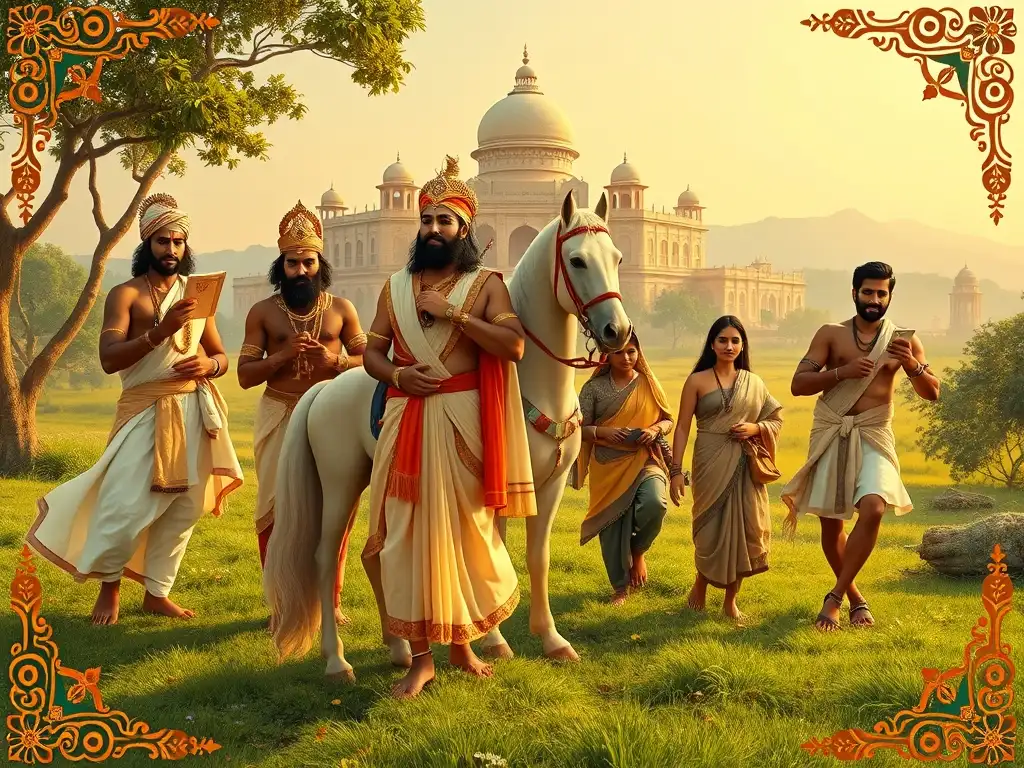
The social structure of ancient India is a fascinating topic that reveals the complexities and hierarchies that defined daily life and interactions within these historical civilizations. At the core of this structure is the Varna system, a classification of society that organized individuals into distinct groups based on their roles, responsibilities, and occupations.
Understanding these ancient Indian social classes not only sheds light on the dynamics of power and privilege in past societies but also helps us grasp the cultural and spiritual beliefs that influenced these classifications. This exploration of the Varnas provides valuable insights into the evolution of social norms and the enduring impact of these structures on contemporary Indian society.
Overview of the Varnas System
The Varna system is traditionally divided into four main categories, or Varnas, each representing a fundamental aspect of society. This classification can be traced back to ancient texts, including the Vedas, which outline the roles and duties of each group.
- Brahmins: The priestly and scholarly class responsible for religious rituals and the preservation of sacred knowledge.
- Kshatriyas: The warrior and ruler class tasked with protecting and governing the land.
- Vaishyas: The merchant and agricultural class engaged in trade and agriculture, contributing to the economy.
- Shudras: The servant class responsible for serving the other three Varnas and performing manual labor.
This hierarchical structure was not merely a social construct; it was deeply intertwined with the religious and philosophical beliefs of ancient Indian society, influencing various aspects of life, including marriage, education, and occupation.
Analyzing the role of the Varnas is crucial for several reasons:
- Cultural Heritage: It allows us to appreciate the rich tapestry of ancient Indian culture and its evolution over time.
- Historical Context: Understanding social classes provides context for historical events, such as wars, economic changes, and the rise and fall of empires.
- Modern Implications: Insights into ancient social structures can help us comprehend contemporary issues related to caste and social stratification in India today.
By delving into the nuances of the Varna system, we can better understand the foundations of ancient Indian society and its lasting contributions to the world.
The Four Main Varnas in Ancient Indian Society
Brahmins: The Priestly Class
The Brahmins held the highest position in the Varna hierarchy, revered as the custodians of spiritual knowledge and religious rituals. Their roles extended beyond mere priesthood; they were scholars, teachers, and advisors in political matters. The responsibilities of Brahmins included:
- Conducting sacrificial rituals and ceremonies.
- Preserving ancient texts and oral traditions.
- Providing guidance in moral and ethical matters.
As a result, the Brahmins wielded significant influence over society, shaping both spiritual and temporal affairs.
Kshatriyas: The Warrior Class
The Kshatriyas formed the warrior class, responsible for the defense and governance of the realm. This Varna was characterized by its emphasis on courage, valor, and martial skills. Key aspects of the Kshatriya role included:
- Protecting the kingdom from invasions and internal strife.
- Upholding law and order.
- Engaging in warfare and military leadership.
As rulers and warriors, Kshatriyas played a pivotal role in maintaining the stability and security of ancient Indian states.
Vaishyas: The Merchant Class
The Vaishyas were the merchant and agricultural class, integral to the economic framework of ancient Indian society. They engaged in trade, commerce, and farming, contributing to the prosperity of their communities. Important functions of the Vaishyas included:
- Managing trade routes and markets.
- Cultivating land and producing goods.
- Facilitating economic exchanges among various regions.
Their contributions not only fostered economic development but also enriched cultural exchanges through commerce.
Shudras: The Servant Class
The Shudras occupied the lowest position in the Varna hierarchy, primarily responsible for serving the other three Varnas. Their roles were essential to the functioning of society, as they performed manual labor and skilled tasks. Key duties of the Shudras included:
- Engaging in agriculture, craftsmanship, and other labor-intensive professions.
- Serving the needs of the higher Varnas in various capacities.
While often marginalized, the Shudras played a crucial role in sustaining the daily operations of society, highlighting the interdependence of the Varnas.
The Varna system encapsulates the intricate social dynamics of ancient Indian civilizations, illustrating how these classes interacted and contributed to the larger societal framework. Understanding this structure is essential for anyone interested in the rich history and cultural heritage of ancient India.
Evolution of the Varnas System
Historical Context of Varnas in Ancient India
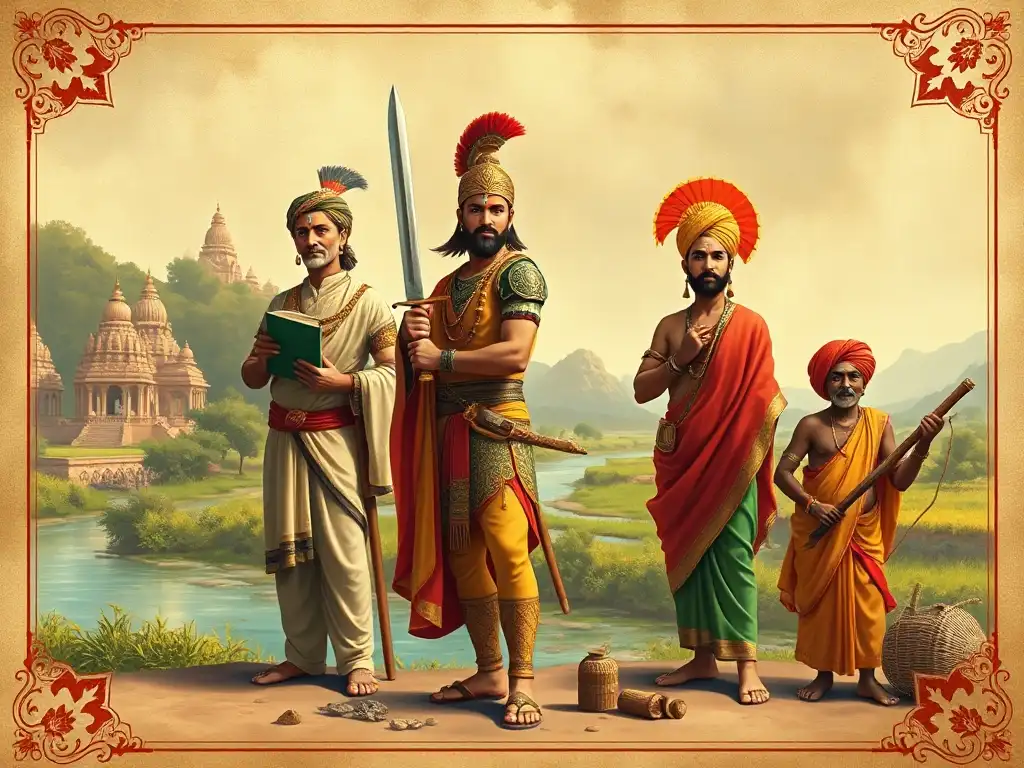
The Varnas system, a fundamental aspect of ancient Indian society, emerged around the time of the Vedic texts, particularly the Rigveda, which dates back to approximately 1500 to 1200 BCE. The term "varna" translates to "color" in Sanskrit, but in this context, it refers to social classes or divisions. Initially, society was categorized into four main classes: Brahmins (priests and scholars), Kshatriyas (warriors and rulers), Vaishyas (traders and agriculturists), and Shudras (laborers and service providers).
This classification was not merely a rigid hierarchy but reflected a functional division of labor essential for the survival and growth of early agrarian communities. Each varna had distinct roles and responsibilities that contributed to societal stability and coherence. For instance, Brahmins were tasked with spiritual leadership, Kshatriyas with protection and governance, Vaishyas with commerce, and Shudras with service roles. The Vedic texts highlight that these roles were tied to one's qualities and skills rather than birth, suggesting an early form of meritocracy that later evolved into a more rigid caste system.
Changes and Adaptations Over Time
As time progressed, particularly during the later Vedic period and into the Maurya and Gupta empires, the Varnas system underwent significant changes. The initial fluidity of the varnas became more stratified, leading to the emergence of the caste system we recognize today. Factors contributing to this transformation included the growth of urban centers, the rise of new economic activities, and the increasing complexity of social interactions.
The influx of different peoples into the Indian subcontinent also played a role in reshaping the Varnas. With foreign invasions and migrations, new groups were integrated into the social fabric, leading to the formation of sub-castes (jatis) within the established varnas. This stratification often solidified social boundaries, making mobility between varnas increasingly difficult. By the time of the Gupta Empire (approximately 320-550 CE), the caste system had become a prominent feature of Indian social organization, deeply influencing political, economic, and cultural aspects of life.
Interactions Between Varnas
Social Dynamics and Relationships Among Classes
The interactions between the various Varnas were complex and multifaceted. While there were clearly defined roles and responsibilities, social dynamics often allowed for varying degrees of interaction. For instance, trade and economic exchanges provided opportunities for Vaishyas and Shudras to engage with Brahmins and Kshatriyas in ways that transcended mere social hierarchy.
Moreover, religious and cultural practices frequently brought different Varnas together. Festivals, rituals, and communal celebrations often required the cooperation of all classes, fostering a sense of community despite inherent social divisions. However, these interactions were not devoid of tension; instances of conflict and competition among Varnas were also documented, particularly when political power was at stake or when economic disparities grew too pronounced.
Case Studies of Cross-Class Interactions
Several historical accounts illustrate the interactions between different Varnas and their implications for ancient Indian society. One notable example is the role of Kshatriyas and Vaishyas during periods of warfare and trade. In times of conflict, Kshatriyas would rely on Vaishyas for resources and supplies, leading to strategic alliances that often blurred class lines for practical purposes.
Another compelling case is the influence of Brahmins on the Kshatriyas. Brahmins, as spiritual leaders, often provided counsel and legitimacy to Kshatriya rulers, affecting governance and policy decisions. The Mahabharata, an ancient Indian epic, serves as a narrative example of this dynamic, showcasing characters from different Varnas interacting, forming alliances, and sometimes opposing one another.
These case studies demonstrate that while the Varnas system imposed structural constraints, the reality of ancient Indian society was marked by significant interdependence and interaction among classes, contributing to a rich tapestry of cultural and social life.
The Impact of Varnas on Daily Life
The concept of Varnas, as outlined in ancient Indian texts, played a pivotal role in shaping the daily lives of individuals within society. Each Varna represented not only a social class but also a prescribed way of life that influenced various aspects of existence, including occupation, education, and social interactions. The four primary Varnas—Brahmins (priests and scholars), Kshatriyas (warriors and rulers), Vaishyas (traders and agriculturists), and Shudras (laborers and service providers)—created a framework that dictated the responsibilities and privileges of individuals based on their social standing.
Daily life was structured around these Varnas, where individuals were expected to adhere to the duties and practices associated with their class. For instance, Brahmins were engaged in religious rituals and teaching, while Kshatriyas focused on governance and protection of society. This stratification ensured a division of labor that was believed to contribute to societal harmony and stability. However, it also resulted in rigid boundaries that defined personal choices, opportunities, and social relationships, often leaving little room for deviation from one’s Varna.
Influence on Occupations and Roles
The Varnas system significantly influenced the types of occupations available to individuals, effectively dictating their career paths from birth. Each Varna had specific duties (dharma) associated with it, which were seen as essential for the functioning of society.
- Brahmins were primarily involved in religious and educational roles, including rituals, teaching, and preserving sacred texts.
- Kshatriyas were tasked with governance, military leadership, and maintaining law and order.
- Vaishyas focused on agriculture, trade, and commerce, contributing to the economy.
- Shudras performed various services, labor, and menial tasks, often supporting the other three Varnas.
This occupational specialization was thought to ensure efficiency and productivity, but it also crystallized social hierarchies. While some individuals were able to ascend within the hierarchy, most remained confined to the roles dictated by their birth, perpetuating a cycle of economic and educational inequity.
Social Mobility and Its Limitations
Social mobility within the Varnas system was highly restricted, with most individuals expected to remain within the Varna they were born into. This limitation was rooted in the belief that one’s Varna was determined by karma from previous lives, which reinforced the idea of predestined roles. As a result, attempts to change one’s social status were often met with resistance and societal stigma.
The rigid nature of the Varnas system led to the entrenchment of social inequalities. While there are instances of individuals rising to prominence through exceptional merit or service to the community, such cases were exceptions rather than the norm. For the majority, the barriers to mobility were significant, with factors such as family lineage, occupation, and social status playing a crucial role in determining one’s place in society. This lack of mobility contributed to a sense of discontent among those in lower Varnas, often leading to social tensions and grievances.
Critiques and Misinterpretations of the Varnas System
The Varnas system has faced numerous critiques over the years, particularly regarding its interpretations and implications for social justice. Many scholars argue that the system has often been misrepresented in contemporary discussions, leading to oversimplifications of ancient Indian social dynamics.
Common Misconceptions about Ancient Indian Social Classes
One of the prevalent misconceptions is that the Varnas system was synonymous with the modern caste system. While both involve social stratification, the Varnas were originally intended to be more fluid, linked to occupational roles rather than rigid hereditary status. This distinction is crucial, as it highlights the complexities of ancient Indian society that cannot be fully understood through a contemporary lens.
Additionally, the idea that the Varnas system was uniformly oppressive is another oversimplification. Historical texts suggest that the system was more nuanced, with the potential for individuals to change their roles through education, merit, and service. However, these opportunities diminished over time, particularly with the codification of the caste system in later periods, which solidified social boundaries.
Historical Debates on Varnas and Caste System
Scholarly debates concerning the origins and evolution of the Varnas system have been ongoing for decades. Some historians emphasize the need to contextualize ancient Indian social structures within the broader framework of economic and political changes. The Varnas system, they argue, was not just a social hierarchy but also a reflection of the evolving needs of an agrarian society transitioning into more complex urban centers.
Others contend that the Varnas system's rigidity increased over time, particularly with the institutionalization of caste laws in texts like the Manusmriti, which further stratified society. This debate underscores the complexity of ancient Indian social classes, suggesting that while the Varnas provided a foundational framework, the actual lived experiences of individuals varied greatly depending on numerous factors, including geography, time period, and local customs.
Understanding the role of Varnas in ancient Indian society requires a nuanced approach that considers both the historical context and the evolving interpretations of social structure.
The Legacy of Varnas in Modern India
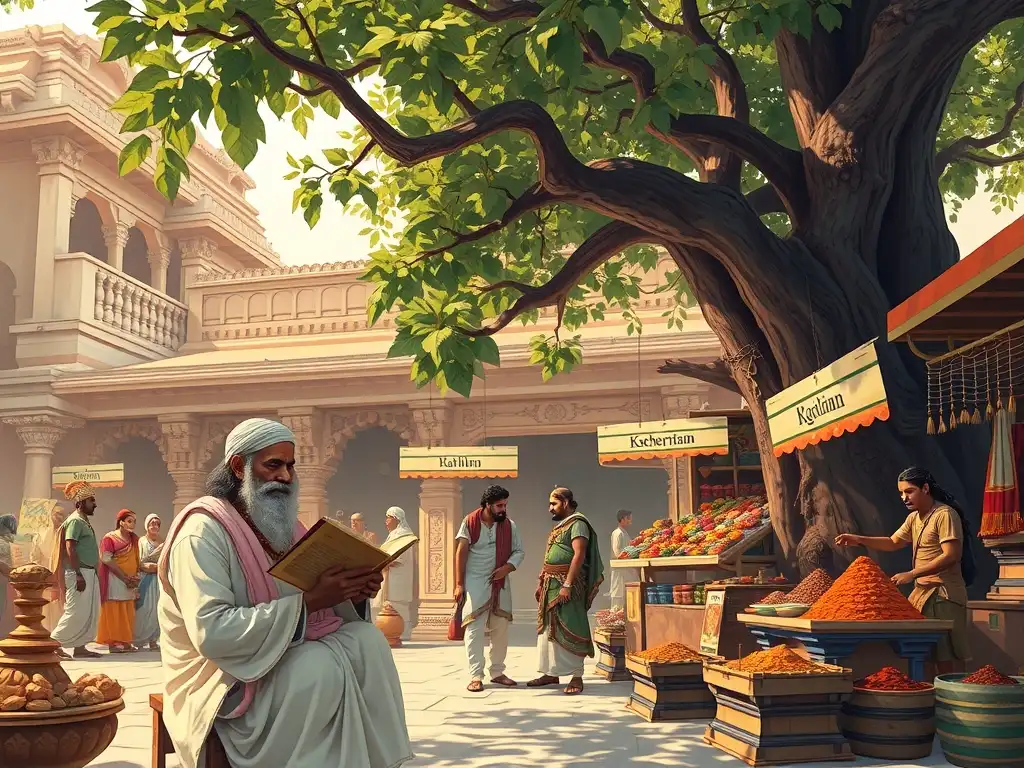
The concept of Varnas, which refers to the four primary social classes in ancient Indian society—Brahmins, Kshatriyas, Vaishyas, and Shudras—has left an indelible mark on the social fabric of modern India. While the rigid boundaries of these classes have evolved over time, their legacy continues to influence contemporary social structures, cultural practices, and community interactions.
In the post-independence era, India has seen significant legal and social reforms aimed at dismantling caste-based discrimination. However, the historical significance of Varnas can still be observed in various aspects of daily life, including marriage customs, occupational choices, and even political affiliations. Many communities still identify with their traditional Varna, which can shape individual and collective identities.
Continuities and Changes in Social Classes
The evolution of social classes in India reflects both continuities and changes since the ancient period. While the original Varnas system provided a framework for societal organization, contemporary Indian society has experienced a diversification of identities.
- Continuities: Certain occupations and community roles still align with the traditional Varnas. For example, Brahmins often hold positions in education and religious services, while Kshatriyas may be prominent in politics and defense sectors.
- Changes: The rise of new social movements and political parties has challenged the traditional hierarchy, advocating for equality and social justice. Additionally, the emergence of the concept of "OBC" (Other Backward Classes) has introduced a new layer to social classification, aiming to uplift marginalized communities.
These dynamics highlight the complexity of social structures in India, where ancient classifications intertwine with modern realities.
Relevance of Ancient Social Structure Today
The ancient social structure, particularly the Varna system, remains relevant today as it provides insight into the historical context of social stratification in India. Understanding the Varnas helps in analyzing contemporary issues such as caste-based discrimination, affirmative action policies, and social mobility.
The persistence of caste identities in political mobilization and social interaction underscores the need for a nuanced understanding of these ancient classifications. While modern India strives towards egalitarian principles, the legacy of Varnas continues to evoke discussions about identity, privilege, and power dynamics.
Conclusion: Understanding the Significance of Varnas
The exploration of the Varnas system reveals the complexity of ancient Indian society and its lasting impact on modern social structures. By examining the roles and interactions of the four classes, one can appreciate the intricacies of social order that existed in ancient times.
Recap of the Role of Varnas in Ancient Indian Society
The Varnas system defined not only occupational roles but also social responsibilities and privileges. Each Varna functioned within a larger framework of cooperation and interdependence, contributing to the stability and cohesion of ancient Indian civilization. The Brahmins provided guidance and knowledge, Kshatriyas ensured protection and governance, Vaishyas facilitated trade and agriculture, while Shudras supported the labor force.
This classification was not merely hierarchical but emphasized the importance of duty (dharma) associated with each role, shaping the moral and ethical fabric of society.
The Lasting Influence on Contemporary Social Structures
The influence of the Varnas system is evident in various facets of contemporary Indian life. Despite legal prohibitions against caste discrimination, many social customs, community interactions, and political affiliations still exhibit traces of the ancient social classes.
The legacy of Varnas prompts ongoing debates about social justice, equality, and the role of tradition in modern society. As India continues to navigate its diverse cultural landscape, the understanding of Varnas serves as a critical lens through which to analyze the ongoing evolution of social dynamics.
References and Further Reading
Exploring the intricacies of ancient Indian social classes through the Varnas system requires comprehensive resources that provide insights into historical, sociological, and cultural dimensions. For those interested in a deeper understanding, the following sections offer valuable suggestions.
Suggested Books and Articles on Ancient Indian Social Classes
-
"The Caste System: A Historical Perspective" by Susan Bayly
This book delves into the origins and evolution of the caste system in India, examining historical texts and contemporary implications. Bayly’s work is essential for understanding the socio-political dynamics of ancient Indian social classes.
-
"Caste and Race in India" by G. S. Ghurye
Ghurye's classic work discusses the concept of caste in relation to race, providing a thorough analysis of social stratification in India. His insights are foundational for anyone studying the Varnas system.
-
"The Position of Women in Hindu Civilization" by A. S. Altekar
This book explores the roles and status of women across different Varnas in ancient India, highlighting the intersection of gender and class within the social hierarchy.
-
"The Aryan Invasion Theory: A Modern Perspective" by David Frawley
Frawley critically analyzes the Aryan invasion theory and its implications for understanding ancient Indian society and its class systems, offering a thought-provoking perspective on Varnas.
-
"Social Stratification in India: A Historical Perspective" by R. K. Sharma
This article reviews the historical roots of social stratification in India, providing a comprehensive overview of how Varnas influenced societal organization from ancient times to the present.
Essential Resources for Deeper Exploration
-
Ancient Indian Texts
Primary texts like the Rigveda, Upanishads, and Manusmriti are critical for understanding the foundational concepts of the Varnas. These texts outline the roles and duties associated with each class, providing first-hand insights into ancient Indian social structure.
-
Online Archives and Databases
Websites such as JSTOR and Google Scholar offer access to scholarly articles and papers that explore various aspects of ancient Indian social classes. These platforms are invaluable for academic research and provide a plethora of resources.
-
Documentaries and Lectures
Educational platforms like YouTube and academic institutions often feature documentaries and expert lectures on ancient Indian history and the Varnas system. These visual resources can enhance understanding and provide diverse interpretations of the subject matter.
-
Museum Collections
Visiting museums with collections on ancient Indian artifacts can provide tangible insights into daily life and social organization in ancient India. Museums often have catalogues and educational programs that discuss the implications of the Varnas system in historical context.
These references and resources serve as a gateway for those wishing to explore the complexities of ancient Indian social classes, enriching the understanding of the Varnas and their role in shaping society throughout history.
- Introduction to Ancient Indian Social Classes
- Overview of the Varnas System
- Importance of Understanding Social Structure in Ancient India
- The Four Main Varnas in Ancient Indian Society
- Evolution of the Varnas System
- Interactions Between Varnas
- The Impact of Varnas on Daily Life
- Critiques and Misinterpretations of the Varnas System
- The Legacy of Varnas in Modern India
- Conclusion: Understanding the Significance of Varnas
- References and Further Reading
- What are the varnas in ancient Indian society?
- How did the varna system influence ancient Indian life?
- What was the significance of the Brahmins in the social hierarchy?
- Did the varna system remain unchanged over time?
- How does the study of ancient Indian social classes impact our understanding of contemporary society?
Frequently Asked Questions
What are the varnas in ancient Indian society?
The varnas refer to the four main social classes in ancient Indian society: Brahmins (priests and scholars), Kshatriyas (warriors and rulers), Vaishyas (merchants and landowners), and Shudras (laborers and service providers).
How did the varna system influence ancient Indian life?
The varna system structured social hierarchy, determining one's occupation, education, and social interactions, thus shaping the cultural dynamics of ancient India.
As the highest caste, Brahmins played a crucial role in religious practices and education, being responsible for preserving and transmitting sacred knowledge and texts.
Did the varna system remain unchanged over time?
Although the varna system established a framework, it evolved through historical changes and local customs, leading to the emergence of numerous sub-castes or jatis.
Exploring ancient Indian social classes provides insights into the roots of social stratification and the enduring effects of historical caste systems on modern Indian society.
The exploration of ancient Indian social classes, particularly the Varnas, remains profoundly relevant today as we navigate the complexities of social stratification and identity. The historical framework of the Varnas offers insights into how societal structures can shape individual lives and collective experiences, reminding us that the echoes of the past continue to influence contemporary social dynamics. The lessons learned from this ancient system compel us to reflect on our own societal roles and responsibilities.
The Varnas system has left an indelible mark on the cultural and social landscape of India, influencing everything from politics to personal relationships. As we witness ongoing discussions about caste and class in modern society, it becomes clear that understanding our history is essential for fostering inclusivity and equality. Those who do not remember the past are condemned to repeat it.
– George Santayana. This quote resonates deeply as we consider how the remnants of ancient social classes still affect millions today, urging us to confront and challenge these inherited structures.
As we conclude this exploration, I invite you to reflect on your own position within the social fabric. Consider how the lessons from the Varnas can inspire you to advocate for a more equitable society. Let us take the knowledge gained from the past and use it as a catalyst for change, ensuring that we honor the diversity of human experience while striving for a future where every individual is valued and respected, regardless of their background.
Unveil the Insights of Varnas: Take Action Today!
Thank you for diving deep into the intricate world of the **Varnas**! Your curiosity about ancient Indian social classes enriches your understanding of history and its influence on contemporary society. Now, let’s transform that knowledge into meaningful action!
Here’s how you can further explore and engage with this fascinating subject:
- Join a discussion group focused on ancient Indian history to share your thoughts and insights with others who share your passion.
- Visit a local museum or library to uncover artifacts and texts that illuminate the Varnas and their impact on society.
- Share this article with friends or on social media, encouraging others to discover and discuss the significance of the Varnas.
What new perspective have you gained about the Varnas that you believe others should know? Share your thoughts in the comments!